## 1. Overview
Rose Park Primary School is a public primary school serving families in the Rose Park area of Adelaide, South Australia. It operates as part of the Department for Education, SA, and focuses on creating a welcoming, inclusive learning community for young students and their families.
The school is small to medium in size, with class sizes typically in the low-to-mid 20s. The atmosphere is nurturing and inclusive, emphasising student well-being, community involvement, and a sense of belonging. Parents often describe a friendly, collaborative culture that supports both academic and personal development.
---
## 2. Academics & Learning
- Academic strengths: Strong emphasis on literacy and numeracy, with supportive programs to develop critical thinking. There is a focus on STEM education and digital technologies to build problem-solving skills for today’s world.
- Special programs: Opportunities for enrichment and extension, with targeted intervention and support for students who need extra help. Gifted and talented pathways may be explored where available.
- NAPLAN / trends: The school monitors NAPLAN results over time to identify trends and tailor teaching; trends typically show steady progress and alignment with state averages.
- Student-teacher ratios: Class sizes are typical for SA public primary settings, with a focus on ensuring approachable teacher access and mobility for students.
- Support for diverse learners: Programs and supports for diverse learners, including EAL/D considerations and SEN support to promote inclusive learning.
---
## 3. Sports & Extracurricular Strengths
- Sports offered: A range of core sports such as football (soccer), netball, cricket, athletics, and swimming activities are commonly available, with opportunities for interschool events.
- Strong teams or achievements: Regular participation in interschool sports with teams that develop competitive spirit and teamwork; school pride around sport participation and fair play.
- Music, arts, drama programs: Active music and performing arts opportunities, including ensembles, choir, and school productions; visual arts programs support creativity.
- Clubs: Robotics, coding, chess, debating, and other clubs are typical offerings to extend learning beyond the classroom.
- Partnerships: Connections with local clubs and community programs for competitions and enrichment activities, helping students engage with broader communities.
---
## 4. Wellbeing & Pastoral Care
- Anti-bullying approach: A positive behaviour framework aimed at safety, respect, and inclusive interactions.
- House system: A house-based structure fosters belonging, teamwork, and healthy competition across events and activities.
- Counsellors / wellbeing officers: Access to school wellbeing staff or counsellors to support social-emotional learning and individual needs.
- Transition support for new students: Orientation programs, buddy systems, and transition planning to help new students settle in smoothly.
---
## 5. Facilities
- Sports grounds
- Libraries
- Science labs
- Music/performing arts centers
- Tech/innovation labs
- Cafeteria
- Updated playgrounds
The school’s facilities are designed to support a broad curriculum, with spaces for active learning, creativity, and collaboration.
---
## 6. School Values & Community Culture
- School values / mission: A focus on respect, inclusion, and lifelong learning, with an emphasis on equity and student voice.
- Leadership style: Collaborative and student-inclusive leadership, encouraging student input and shared responsibility.
- Behaviour expectations: Clear codes of conduct implemented consistently to promote a safe and respectful environment.
- Community reputation: Known for a welcoming, family-friendly culture that supports diverse families and encourages parent involvement.
- Diversity & inclusion: Strong commitment to inclusion and accessibility, helping all students participate fully in school life.
---
## 7. School Logistics & Daily Operations
- School hours: Typically a full-day schedule aligned with SA public primary norms; exact times may vary by term.
- Before/after school care: Availability may be offered on-site or through nearby providers; check current arrangements.
- Uniform requirements: School uniform policy in place, with details on where to purchase and any expectations for daily wear.
- Transport (train/bus routes): Access to public transport options; bus routes or proximity to reliable transit services are considerations for families.
- Canteen availability: On-site canteen or lunch program available, offering a range of healthy options.
- Fees (low/medium/high ranges): Public primary schools generally have low to moderate voluntary contributions and materials charges; specifics vary by year and family circumstances.
---
## 8. Enrolment & Admissions
11. What is the enrolment process and timeline?
- Enrolment typically follows the Department for Education process for SA public schools. Parents submit an enrolment form with required documentation (proof of address, immunisation records, birth details). There are standard intake periods each year, with timelines published by the school and district.
12. Is there a waiting list, and how does it work?
- Some year levels may experience waitlists based on capacity. When a grade is full, qualified applicants may be placed on a waiting list and offered placement as spaces become available, prioritising local eligibility and sibling considerations where applicable.
13. Are there any entry requirements, tests, or interviews?
- Public primary schools generally do not require entrance tests or formal interviews. Enrollment is typically based on residency and documentation. Some schools may request brief information to support transition planning or consider special circumstances.
14. Does the school accept mid-year transfers?
- Mid-year transfers are usually possible if space is available. Families should contact the school early to discuss availability, transfer timing, and necessary documentation.
---
## 9. Frequently Asked Questions
- Why Parents Choose This School?
- A welcoming, inclusive environment with a focus on well-being, strong literacy and numeracy foundations, and opportunities for both academics and broader personal development.
- What type of student thrives at this school?
- Students who respond well to a caring, collaborative learning environment, value inclusive practices, and enjoy participating in a range of clubs, sports, and arts.
- What opportunities are available for students to extend their skills (academics, sports, arts)?
- Enrichment and extension within core subjects, plus clubs in robotics, coding, chess, debating, music, drama, and a variety of sports. Inter-school events provide competition and collaboration.
- How does the school communicate with parents?
- Regular updates through newsletters, email, and the school website; verbal communications via meetings and open days; opportunities to provide feedback and stay involved in school life.
- What is the school’s approach to teaching and learning?
- A balanced, student-centred approach combining core literacy and numeracy with inquiry-based and hands-on learning, supported by digital technologies and differentiated instruction.
- How does the school support students who need extra academic help?
- Targeted interventions, small-group support, and access to wellbeing and learning support staff; use of assessment data to tailor instruction.
- What support is available for academic challenges?
- Dedicated teacher time for targeted assistance, inclusive practices, and placement in appropriate programs or groups to address learning gaps.
- How does the school communicate with parents? (duplicate)
- See above: regular updates and multiple channels for ongoing dialogue.
- What are the class sizes and how much individual attention do students receive?
- Class sizes are in the low-to-mid 20s, with teachers prioritising approachable, differentiated instruction and opportunities for individual feedback.
- What extracurricular and sports opportunities are available?
- A range of sports (e.g., soccer, netball, cricket, athletics), music and arts programs, and clubs such as robotics, coding, chess, and debating.
- What facilities does the school offer (sports, science, arts)?
- Libraries, science labs, music/performing arts spaces, dedicated tech/innovation facilities, sports grounds, and updated playgrounds.
- What is the school’s approach to technology and digital learning?
- Integration of digital technologies to build literacy, numeracy, and critical thinking; emphasis on safe, responsible use of technology.
- What transport and accessibility options are available?
- Accessibility to public transport routes and local transport options; details vary by residence and term.
- What are the typical school fees or additional costs?
- Public primary schools generally have low to moderate voluntary contributions and materials charges; exact costs vary by year and family circumstances.
---
## 10. Short Pros & Cons list
- Pros
- Public, community-focused environment with strong wellbeing and inclusive practices
- Balanced focus on core academics, STEM/digital literacy, and arts
- Wide range of extracurriculars and clubs
- Supportive transition for new students and families
- Active community engagement and parent involvement
- Cons
- Class sizes typical for public primary schools; individual attention may vary by class
- Facility capacity and program offerings may be influenced by annual funding and staffing
- Mid-year placement depends on space availability and district policies
 Free
Free






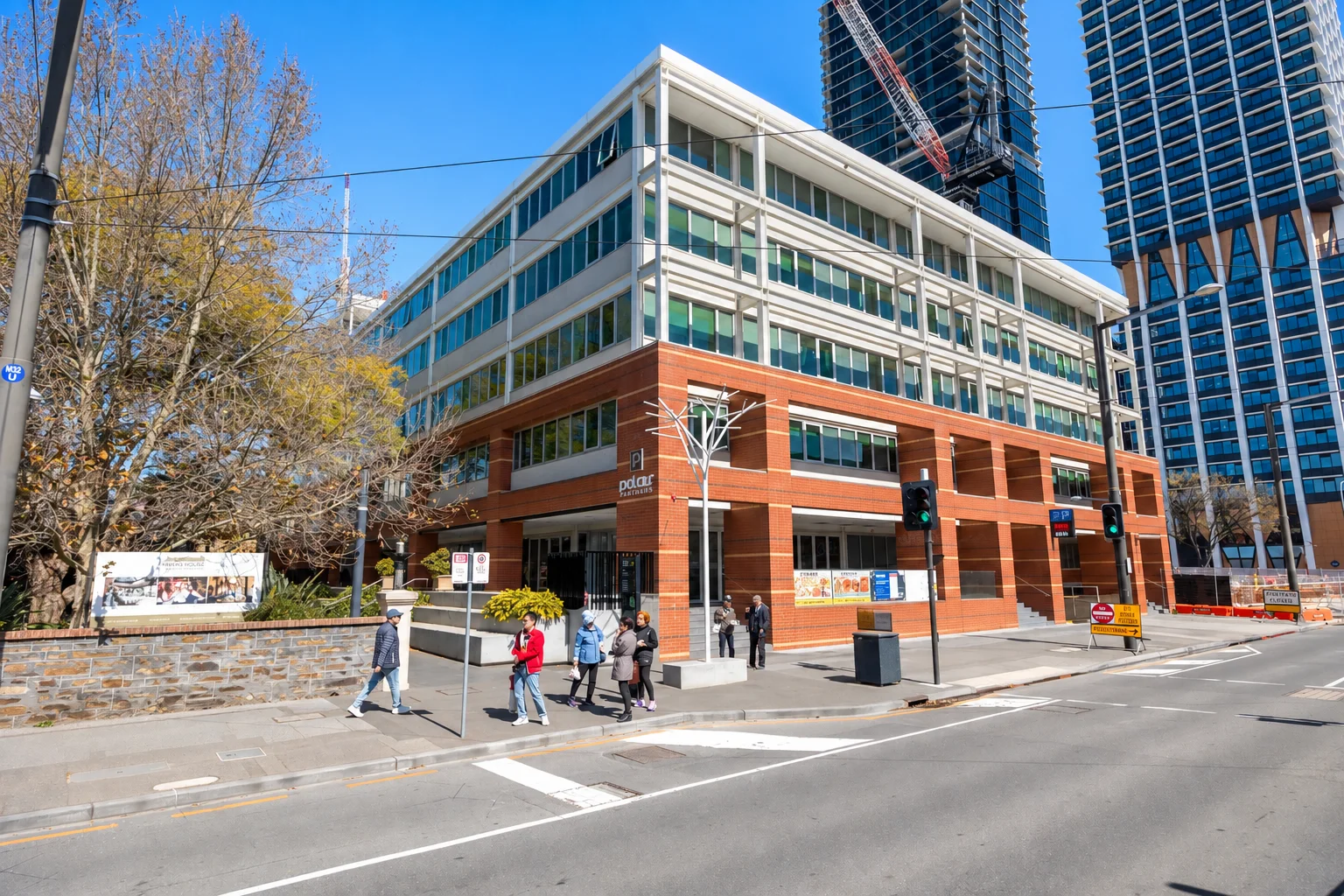 $545,000
Apartment / Unit / Flat
$545,000
Apartment / Unit / Flat
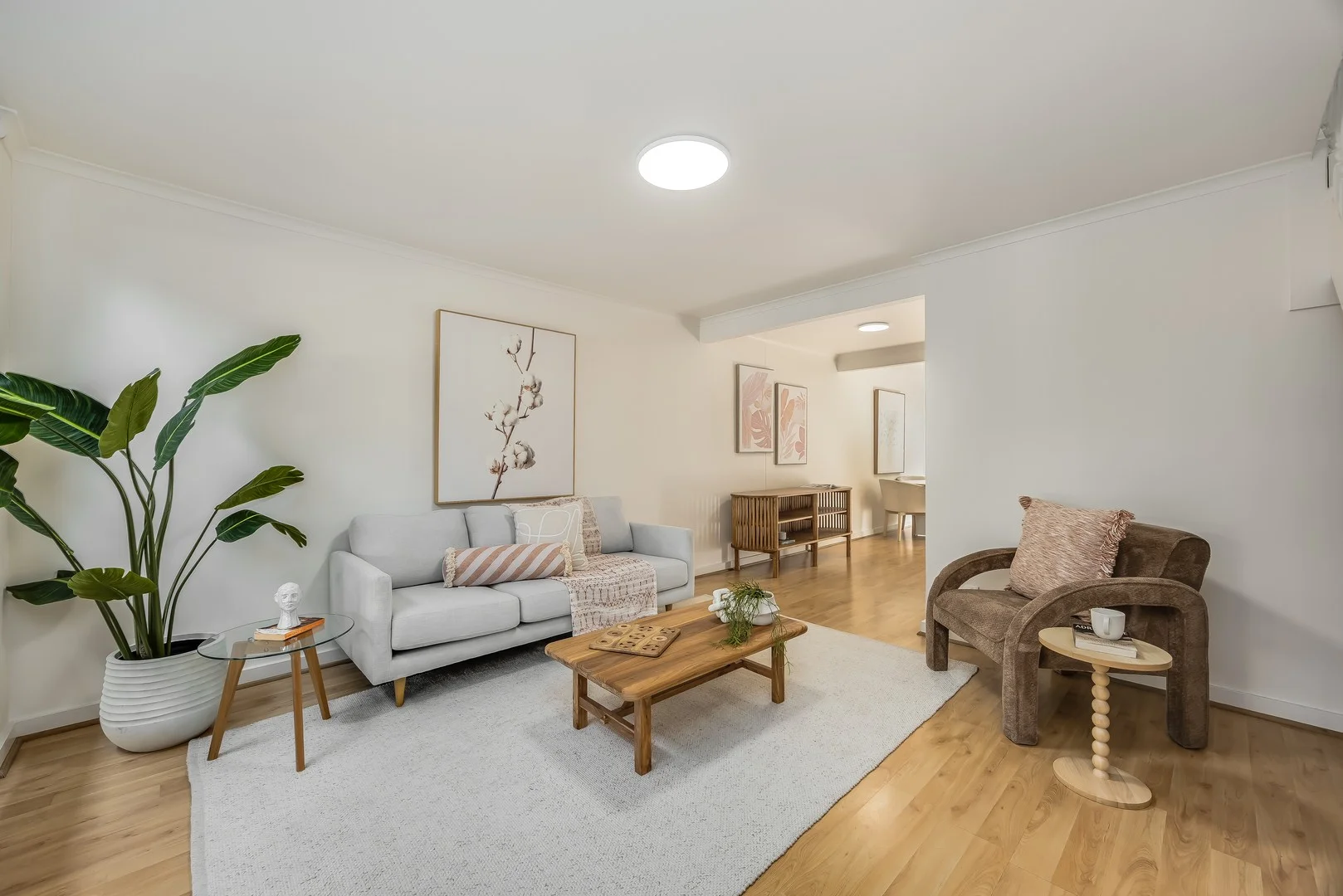 $775,000
House
$775,000
House
 $588,000
Apartment / Unit / Flat
$588,000
Apartment / Unit / Flat
 $557,000
Apartment / Unit / Flat
$557,000
Apartment / Unit / Flat
 $935,000
Apartment / Unit / Flat
$935,000
Apartment / Unit / Flat
 $1,056,000
Apartment / Unit / Flat
$1,056,000
Apartment / Unit / Flat
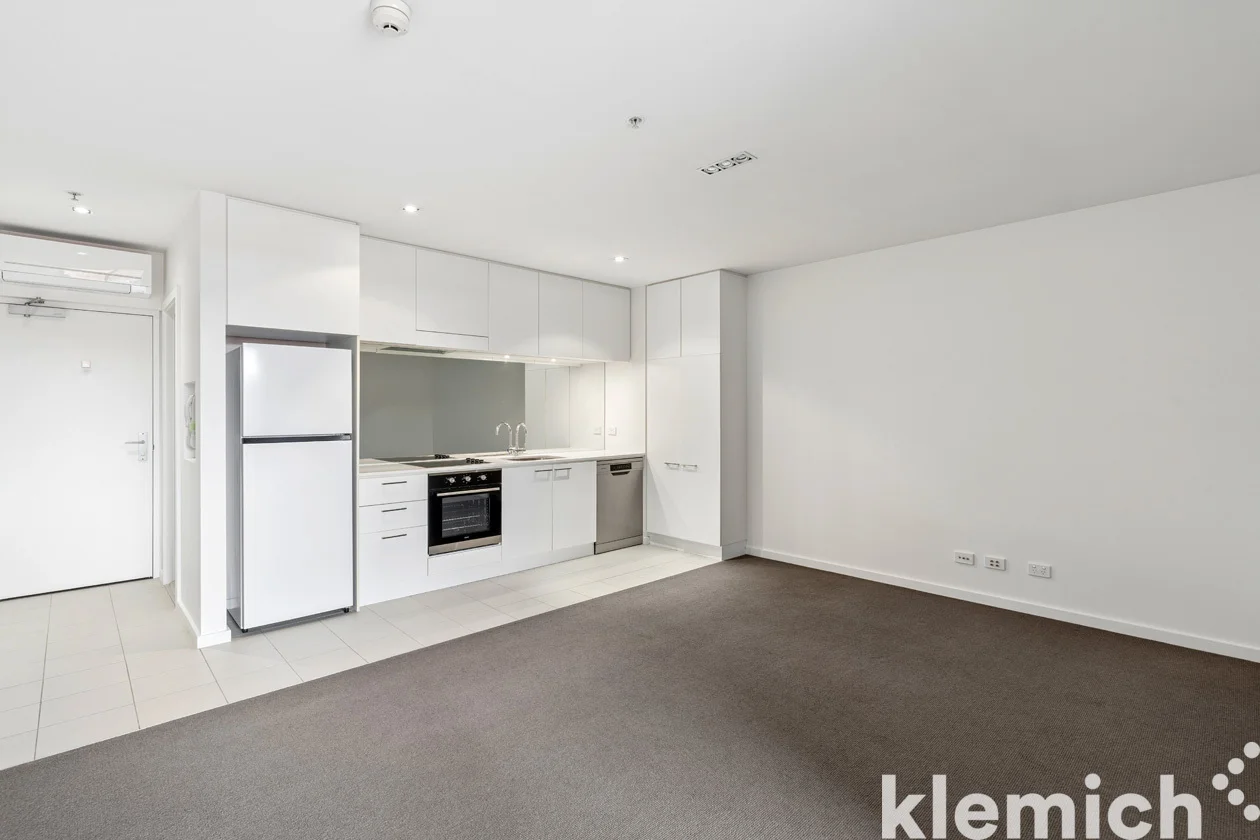 $440,000
Apartment / Unit / Flat
$440,000
Apartment / Unit / Flat
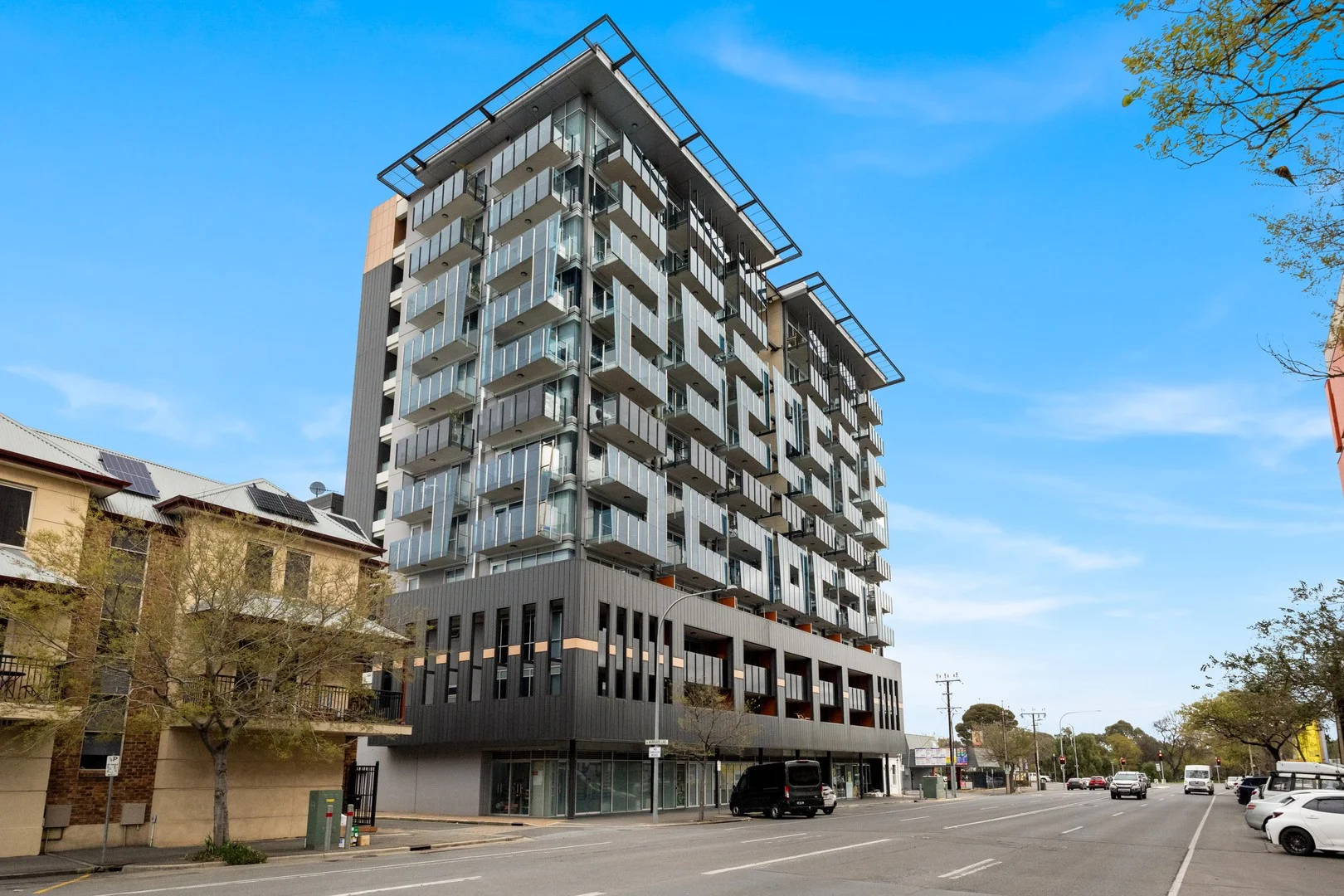 $1,100,000
Apartment / Unit / Flat
$1,100,000
Apartment / Unit / Flat