# 1. Overview
Marryatville High School is a public, co-educational secondary school serving families in Adelaide’s eastern suburbs. The school is large and diverse, with a strong focus on academic achievement, inclusive culture, and broad opportunities across academics, arts, and sport. Class sizes are typically in the mid-20s, supporting a balance of individual attention and collaborative learning.
- School type: Public
- School size: Large
- Class size: Approximately 25–30 students per class
- Atmosphere/culture: Diverse, inclusive, academically oriented, with strong emphasis on student wellbeing and achievement
# 2. Academics & Learning
Marryatville High School emphasizes a well-rounded academic program with opportunities to excel across core subjects and electives.
- Academic strengths: STEM, English, languages, and leadership development
- Special programs: Gifted & Talented pathways, accelerated learning opportunities, and a strong SACE/ATAR focus
- NAPLAN trends: Consistent improvement in reading and numeracy bands over recent years, with strong results relative to state averages
- Student-teacher ratios: Moderate ratios that support both teacher-led instruction and classroom collaboration; typical range around 1:12 to 1:18 depending on year level and subject
- Support for diverse learners: EAL support, SEN services, and targeted interventions to help students reach their potential
# 3. Sports & Extracurricular Strengths
Sports, arts, and clubs are a major part of life at Marryatville High School, with broad offerings and competitive opportunities.
- Sports offered: Football (soccer), basketball, netball, cricket, tennis, volleyball, athletics, swimming, and more
- Strong teams or achievements: Competitive participation in inter-school leagues and regional events; strong track record in regional championships and SAPSASA-affiliated activities
- Music, arts, drama programs: Active music ensembles, drama productions, and a performing arts program supported by on-site facilities
- Clubs: Robotics, chess, coding, debating, and other academic or interest-based clubs
- Partnerships: Local sporting academies, robotics competitions, and external arts/arts-tech partnerships that provide competitive opportunities and showcases
# 4. Wellbeing & Pastoral Care
Wellbeing and pastoral support are central to the student experience, helping students thrive academically and personally.
- Anti-bullying approach: Proactive programs, clear reporting channels, and a culture of respect and inclusion
- House system: House groups to foster belonging, competition, and peer support
- Counsellors / wellbeing officers: Access to school counsellors and wellbeing staff for academic and emotional support
- Transition support for new students: Orientation programs, buddy systems, and targeted induction to ease transitions
# 5. Facilities
Facilities at Marryatville High School are designed to support a wide range of learning and performance activities.
- Sports grounds: Multiple fields and courts for PE and inter-school sport
- Libraries: Comprehensive library and study spaces
- Science labs: Modern science laboratories for practical learning
- Music/performing arts centers: Dedicated spaces for music ensembles, drama, and performance
- Tech/innovation labs: ICT and technology spaces supporting digital learning and project work
- Cafeteria: On-site dining facilities
- Updated playgrounds: Modern outdoor spaces for recreation and socialising
# 6. School Values & Community Culture
The school fosters a value-driven culture that emphasises respect, inclusion, and personal growth.
- School values / mission: Commitment to excellence, integrity, and inclusion; student voice is encouraged
- Leadership style: Collaborative leadership with opportunities for student input and leadership roles
- Behaviour expectations: Clear codes of conduct centred on respect, responsibility, and safety
- Community reputation: Positive standing in the local community for academic and co-curricular achievement
- Diversity & inclusion: Multicultural environment with inclusive practices and support for all students
# 7. School Logistics & Daily Operations
Key everyday logistics to help families plan.
- School hours: Generally a morning start around 8:30 am with a full day until mid-late afternoon
- Before/after school care: Available through on-site or partner programs
- Uniform requirements: School uniform required
- Transport (train/bus routes): Accessible by public transport with local bus routes and nearby stations; parking and drop-off areas accommodated
- Canteen availability: On-site canteen offering meals and snacks
- Fees (low/medium/high ranges): Public school contributions are modest and equipment/material costs apply; overall mid-range for public secondary schools
# 8. Enrolment & Admissions
11. What is the enrolment process and timeline?
- Enrolment is typically completed through the school’s enrolment office with required documents (proof of identity, proof of address, previous academic records). Timelines align with SA school term schedules; applications should be submitted well before the intended start date, especially for students coming from outside the catchment.
12. Is there a waiting list, and how does it work?
- Some intakes may have wait lists depending on space and catchment policies. Placement is generally determined by catchment eligibility, with consideration given to siblings and proximity.
13. Are there any entry requirements, tests, or interviews?
- For most applicants, enrolment is based on residency catchment and documentation. There are typically no entrance exams for a standard enrolment; selective or audition-based programs (if any) may require additional steps, but the general intake does not rely on tests.
14. Does the school accept mid-year transfers?
- Yes, mid-year transfers are possible subject to space, placement availability, and completion of the enrolment process. Families should contact the enrolment office promptly to secure a place and arrange documentation.
# 9. Frequently Asked Questions
- Why Parents Choose This School?
- Strong academic environment, broad co-curricular offerings, supportive wellbeing programs, and an inclusive community in Adelaide’s eastern suburbs.
- What type of student thrives at this school?
- Curious, motivated students who engage across academics, arts, and sport, and who value a welcoming, collaborative school culture.
- What opportunities are available for students to extend their skills (academics, sports, arts)?
- STEM and language electives, leadership programs, accelerated/SACE pathways, robotics, debating, music ensembles, drama, sport teams, and regional/national competitions.
- How does the school communicate with parents?
- Regular newsletters, email updates, a parent portal, and opportunities for parent-teacher interviews and information evenings.
- What is the school’s approach to teaching and learning?
- Student-centered, inquiry-based learning with a strong emphasis on critical thinking, collaboration, and digital literacy; alignment with SACE/ATAR pathways.
- How does the school support students who need extra academic help?
- Targeted support through Learning Support staff, tutoring, EAL and SEN services, and small-group interventions.
- What support is available for academic challenges?
- Additional tutoring, mentoring, and access to specialists to address gaps and help students reach their targets.
- How does the school communicate with parents?
- See above: newsletters, emails, portal, and parent-teacher interactions.
- What are the class sizes and how much individual attention do students receive?
- Class sizes typically range around 25–30; teachers provide feedback and targeted support within the regular timetable, with additional help available through support programs.
- What extracurricular and sports opportunities are available?
- A broad mix of sports (team and individual), music and drama programs, robotics, chess, coding, debating, and other clubs; opportunities to participate in inter-school and regional competitions.
- What facilities does the school offer (sports, science, arts)?
- Sports grounds, libraries, science labs, music/performing arts centers, tech/innovation labs, a cafeteria, and well-maintained outdoor spaces.
- What is the school’s approach to technology and digital learning?
- Integrated digital learning across the curriculum with modern ICT facilities, online resources, and opportunities to engage in coding and innovative projects.
- What transport and accessibility options are available?
- Public transport access via buses/train routes; convenient drop-off/pick-up arrangements; on-site parking and bike racks.
- What are the typical school fees or additional costs?
- Annual contributions are required for essential items and activities; overall costs are moderate for a public secondary school, with optional extras for trips, clubs, and resources.
# 10. Short Pros & Cons
- Pros
- Strong academic focus with broad SACE/ATAR pathways
- Wide range of extracurriculars (sports, arts, clubs)
- Supportive wellbeing and inclusion programs
- Modern facilities and spacious campus
- Positive community reputation in the eastern suburbs
- Cons
- Large school environment may feel busy for some students
- Uniform and incidental costs can add up
- Demand for popular programs may lead to wait lists for some electives or cohorts
If you’d like, I can tailor any section with more specific details you’re targeting (e.g., emphasising particular programs or updating with the latest local developments).
 Free
Free










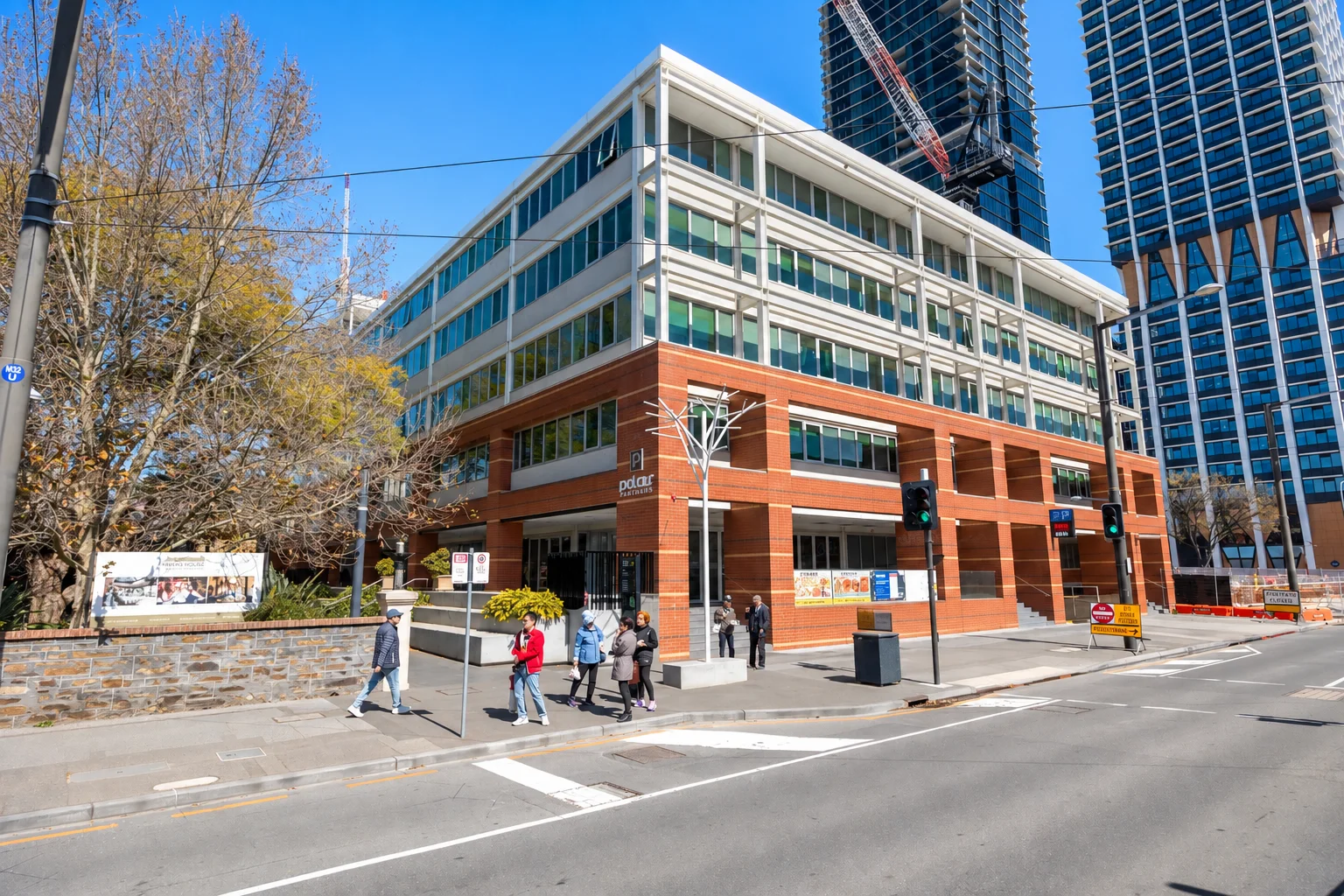 $545,000
Apartment / Unit / Flat
$545,000
Apartment / Unit / Flat
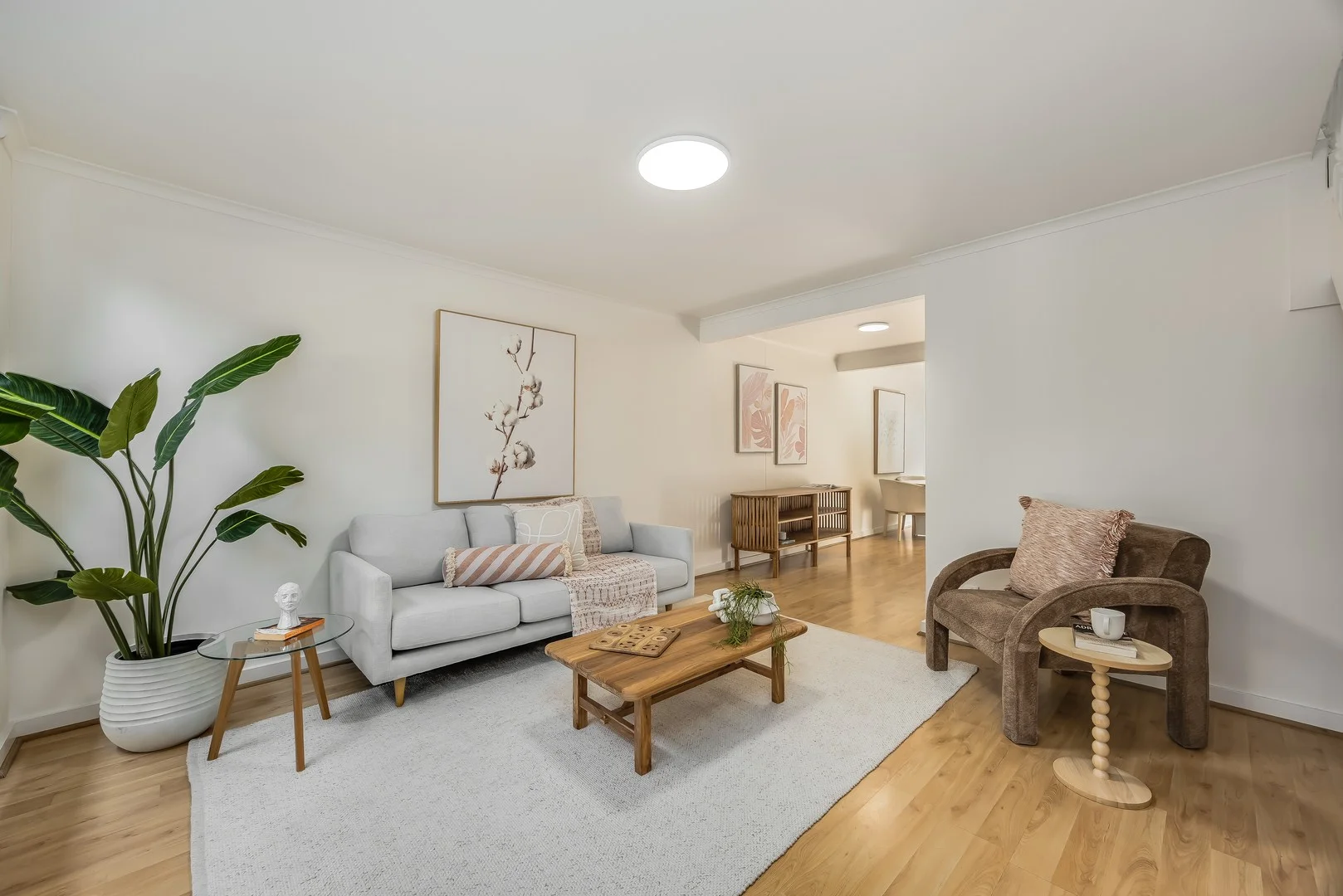 $775,000
House
$775,000
House
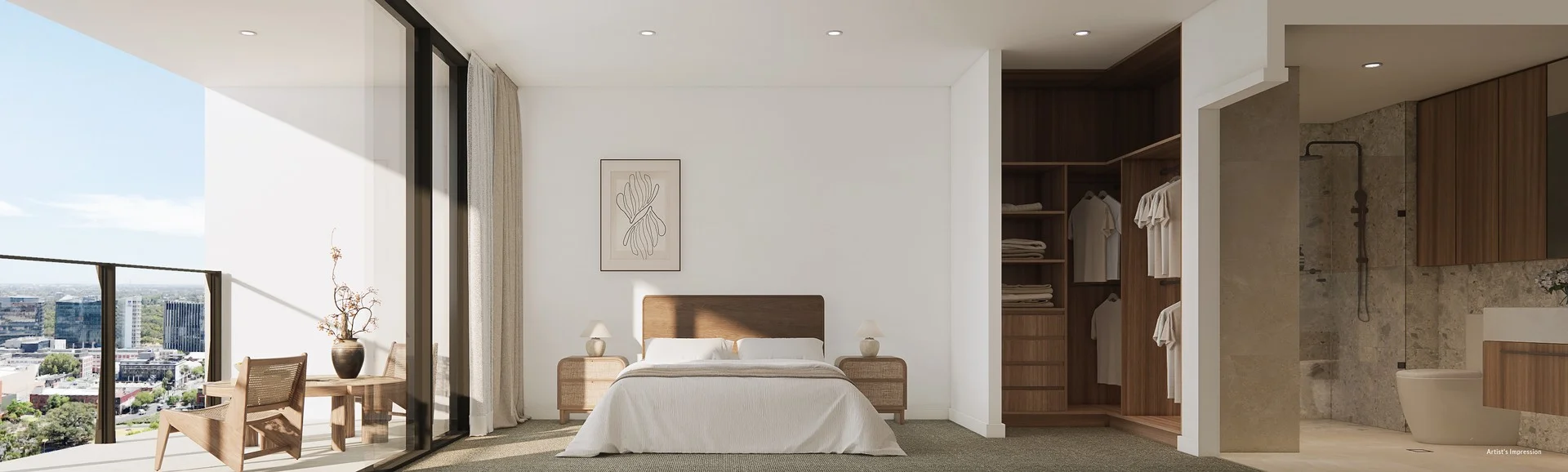 $1,056,000
Apartment / Unit / Flat
$1,056,000
Apartment / Unit / Flat
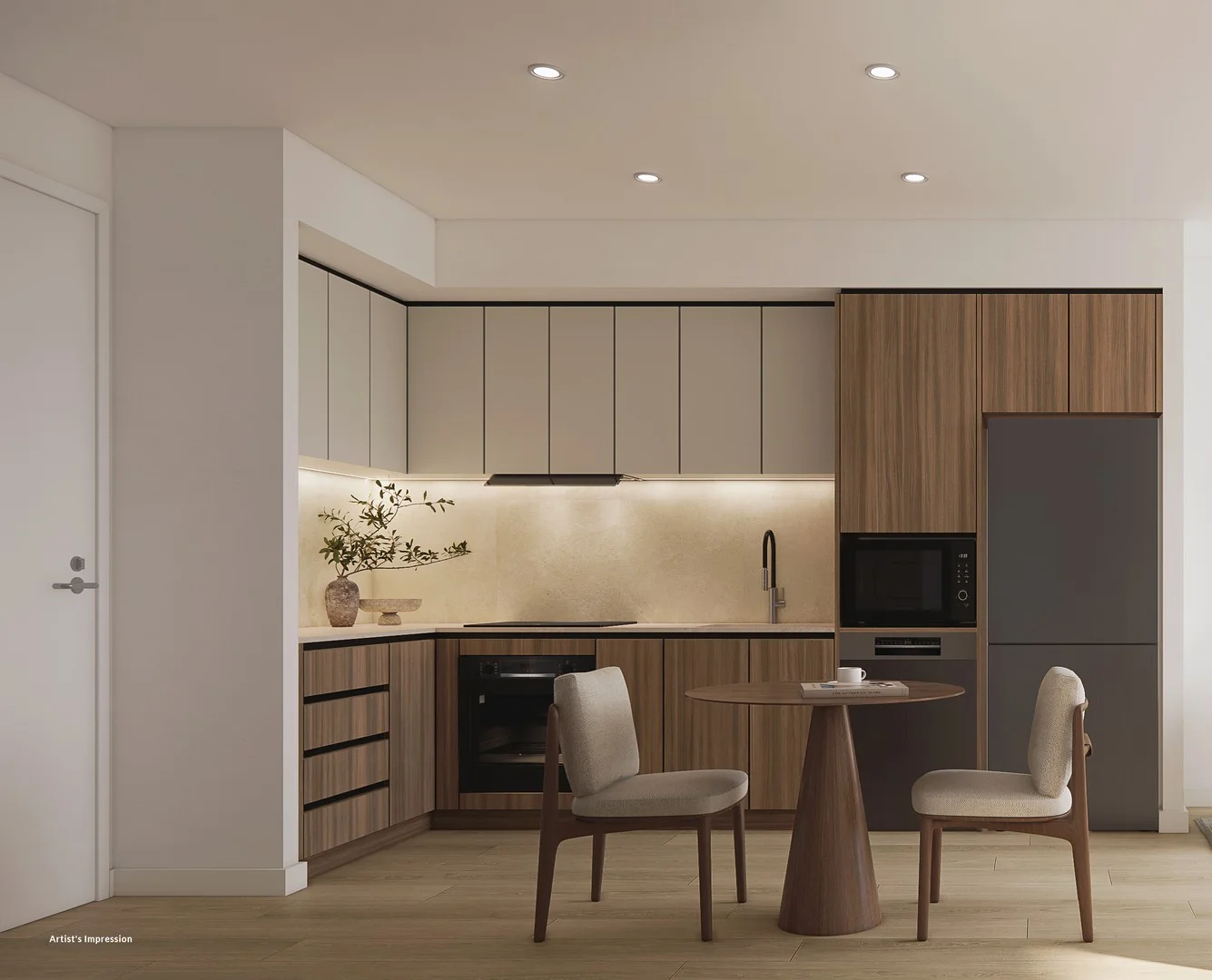 $557,000
Apartment / Unit / Flat
$557,000
Apartment / Unit / Flat
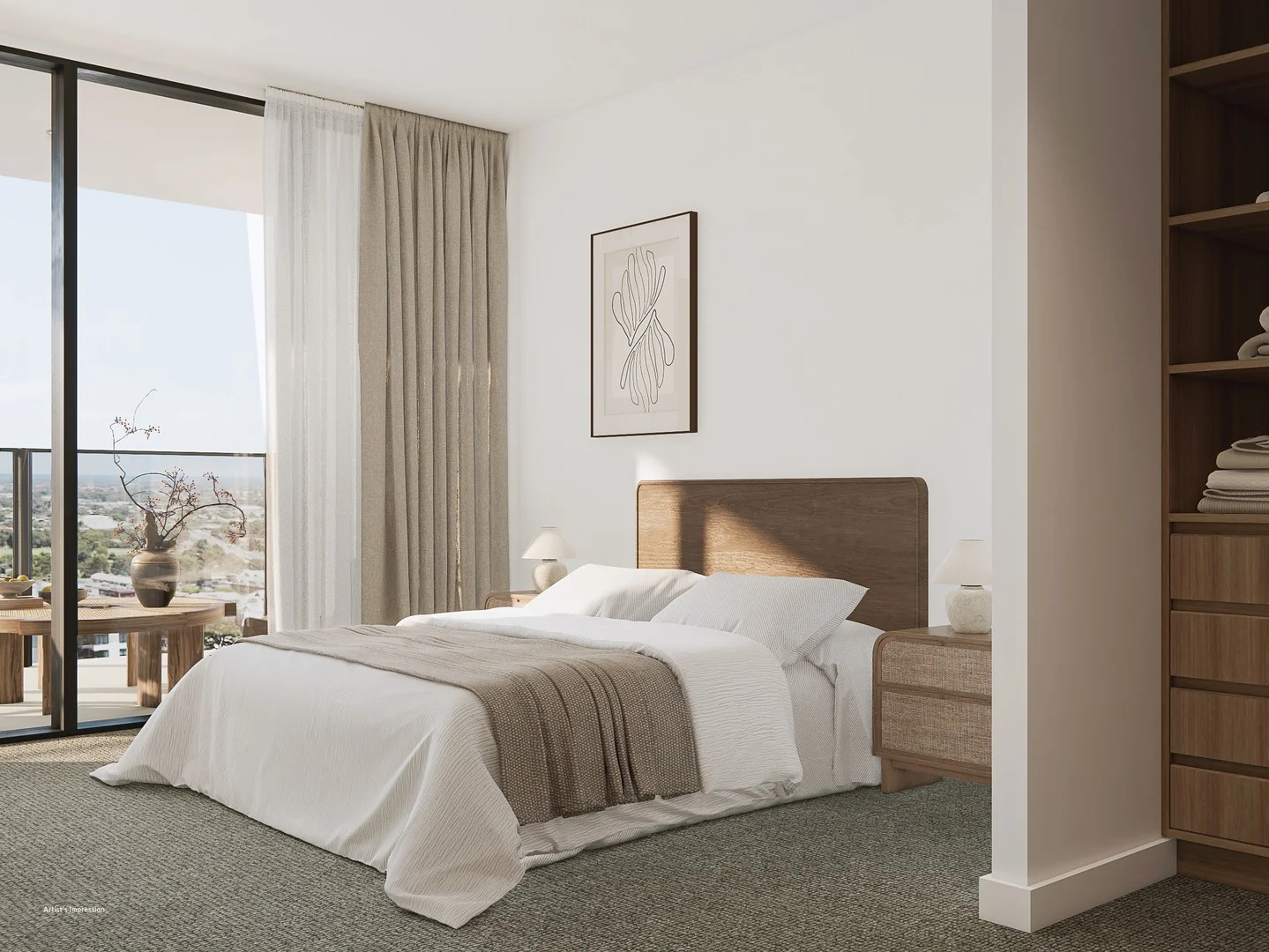 $935,000
Apartment / Unit / Flat
$935,000
Apartment / Unit / Flat
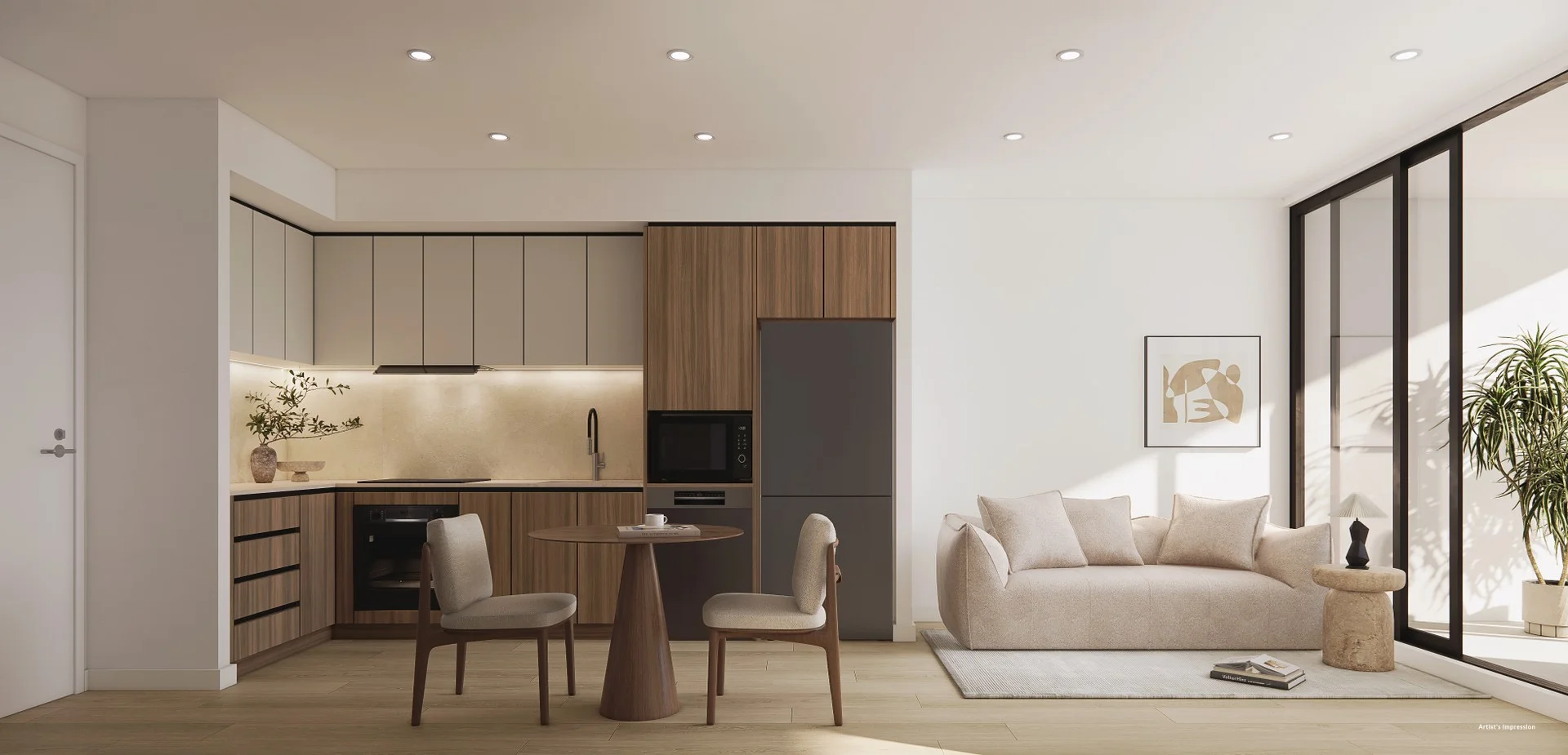 $588,000
Apartment / Unit / Flat
$588,000
Apartment / Unit / Flat
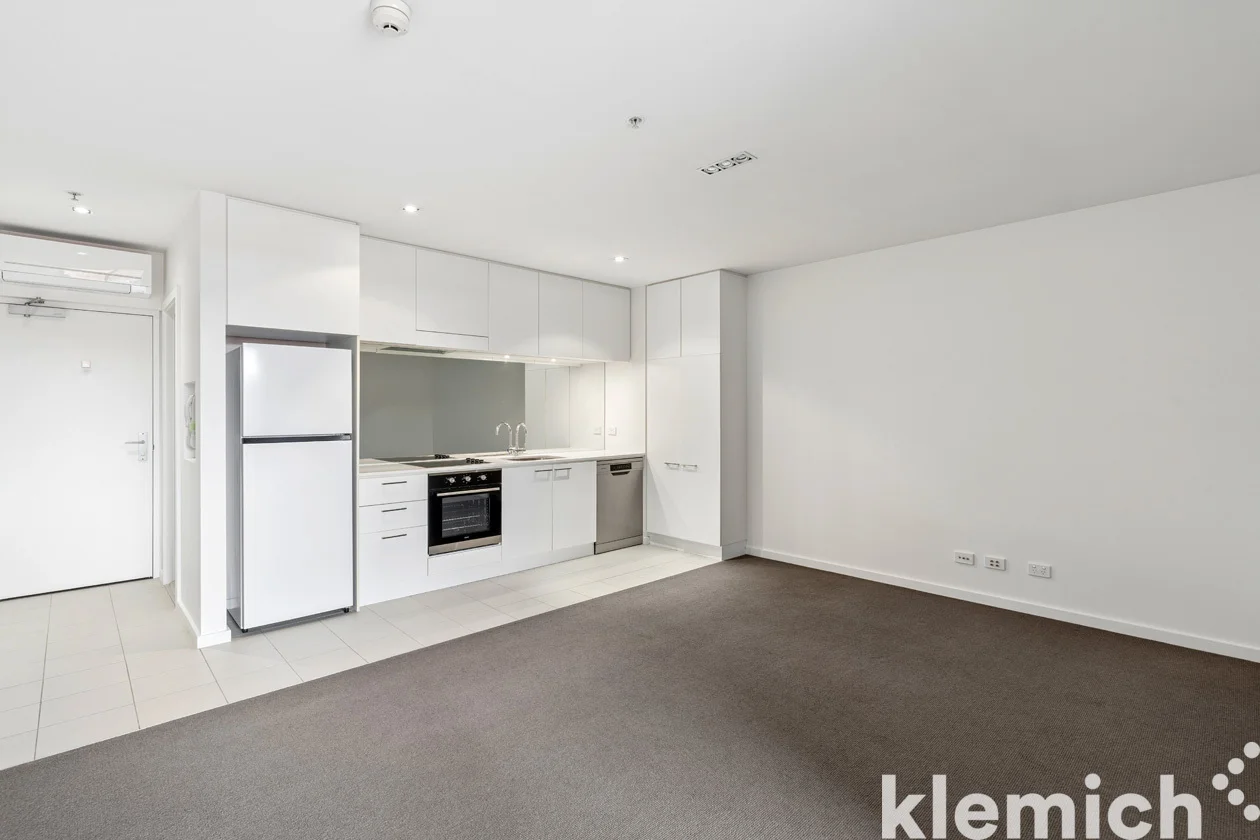 $440,000
Apartment / Unit / Flat
$440,000
Apartment / Unit / Flat
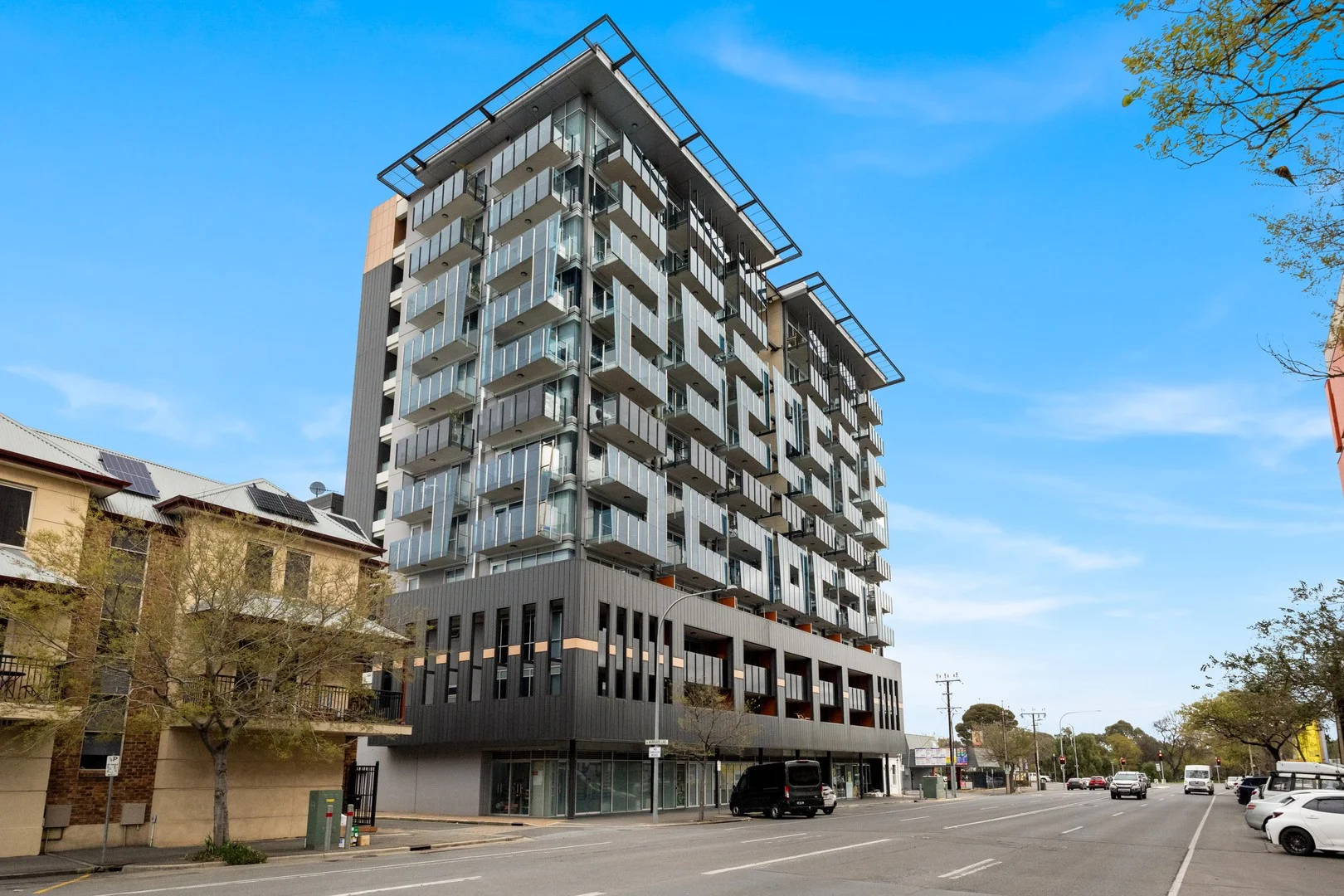 $1,100,000
Apartment / Unit / Flat
$1,100,000
Apartment / Unit / Flat