1. Overview
Loreto College - Marryatville is a Catholic independent day school for girls, rooted in the Loreto tradition. It offers a values‑based education that combines academic depth with strong pastoral care, within a medium‑sized school community. Class sizes are typically small to medium, allowing teachers to give individual attention and students to participate actively. The atmosphere is nurturing and inclusive, with a focus on academic excellence, service, and personal growth.
2. Academics & Learning
- Academic strengths: The school emphasises a well‑rounded curriculum with strengths in STEM, English, languages, and the humanities. Leadership development and pathways to tertiary study are also central.
- Special programs: Gifted and talented opportunities, accelerated learning options, and clear pathways to ATAR/ATAR‑style outcomes are offered, along with programs that support faith formation and community service.
- NAPLAN / trends: Over recent years, trends show steady, positive progress across year levels, reflecting sustained improvement and consistent achievement.
- Student-teacher ratios: Class sizes are kept small to moderate, contributing to strong student‑teacher interaction and targeted support.
- Support for diverse learners: There is dedicated support for diverse learners, including English as an Additional Language (EAL) programs, learning support staffing, and inclusive practices to assist students with additional needs.
3. Sports & Extracurricular Strengths
- Sports offered: The school provides a broad range of sports for girls, including netball, basketball, tennis, soccer, athletics, swimming, and cross‑country, with opportunities to trial and compete in regional events.
- Strong teams or achievements: There are notable commitments to inter‑school sport, with competitive teams across several disciplines and a track record of regional participation and success.
- Music, arts, drama programs: A robust performing arts program supports choir, ensembles, and school productions, with opportunities to showcase talents on stage.
- Clubs: Robotics, coding, chess, debating, and other specialty clubs are available to develop practical and strategic skills.
- Partnerships: The school engages with local academies and competitions to extend learning beyond the classroom, including collaborations in sport, science, and the arts.
4. Wellbeing & Pastoral Care
- Anti‑bullying approach: Strong anti‑bullying policies and restorative approaches support a safe, respectful school climate.
- House system: A house framework underpins pastoral care and school community events, fostering belonging and healthy competition.
- Counsellors / wellbeing officers: A team of counsellors and wellbeing staff provides confidential support and guidance for students.
- Transition support for new students: Structured transition programs, orientation activities, and buddy systems help new students settle in smoothly.
5. Facilities
- Sports grounds: Multiple sports facilities and fields support physical education and team sports.
- Libraries: Well‑stocked libraries with study spaces and digital resources.
- Science labs: Modern science laboratories equipped for a range of disciplines.
- Music/performing arts centers: Dedicated spaces for music, drama, and performance rehearsals.
- Tech/innovation labs: Contemporary classrooms and technology spaces that support STEAM learning.
- Cafeteria: On‑site canteen/cafeteria offering healthy meal options.
- Updated playgrounds: Well‑maintained outdoor spaces for recreation and break times.
6. School Values & Community Culture
- School values / mission: A Catholic, service‑oriented ethos underpins the mission, emphasising integrity, compassion, and excellence.
- Leadership style: Leadership is collaborative, with formal student leadership opportunities and a culture that values student voice.
- Behaviour expectations: Clear behavioural standards promote respect, responsibility, and positive relationships across the school community.
- Community reputation: The school is regarded for its supportive environment, strong sense of community, and commitment to inclusion and service.
- Diversity & inclusion: Emphasis on a welcoming, diverse community where all students can thrive.
7. School Logistics & Daily Operations
- School hours: Regular school hours with aligned start and finish times; some days may include early or late sessions as part of the term schedule.
- Before/after school care: After‑care and activity programs are available to support families.
- Uniform requirements: A formal school uniform is required; guidance is provided on the specific items, with standards for sport uniforms on PE days.
- Transport (bus routes): School transport options and local bus routes are available to families.
- Canteen availability: An on‑site canteen provides food and beverage options for students.
- Fees (low/medium/high ranges): Fees are in the typical range for private Catholic independent schools, with additional costs for uniforms, materials, and certain activities.
8. Enrolment & Admissions
11. What is the enrolment process and timeline?
- Enquiries typically begin with a formal application or expression of interest, followed by the provision of required documents (certificates, birth records, academic reports). The school will outline key dates for applications, assessments (if any), and interview or pathway discussions. The timeline varies by year level and intake, with peak periods during the year.
12. Is there a waiting list, and how does it work?
- There is often a wait list for certain year levels or popular intake years. Applications are reviewed in order of receipt and assessed against available places, with priority given to siblings or priority categories defined by the school. Prospective families are kept informed about status and expected timelines.
13. Are there any entry requirements, tests, or interviews?
- Entry may involve an interview or family discussion, and may include discussions about the student’s interests, goals, and alignment with the school’s values. Some year levels may require an assessment of readiness or prior records, but specific requirements can vary by year level.
14. Does the school accept mid‑year transfers?
- Mid‑year transfers are sometimes possible subject to place availability, alignment with the curriculum, and meeting entry requirements. Families interested in a mid‑year transfer should contact the admissions team promptly to discuss options.
9. Frequently Ask Questions
- Why Parents Choose This School?
Parents choose for a values‑driven, holistic education that blends academic rigour with community and faith, strong pastoral care, and opportunities across academics, arts, and sport.
- What type of student thrives at this school?
Students who value a supportive, inclusive environment with opportunities to lead, participate in diverse co‑curricular activities, and pursue academic excellence tend to thrive here.
- What opportunities are available for students to extend their skills (academics, sports, arts)?
There are advanced study options and leadership programs for academics, a wide range of sports teams, and robust arts programs including music, drama, and visual arts.
- How does the school communicate with parents?
Communication typically occurs through newsletters, a parent portal, email updates, parent information evenings, and progress reports.
- What is the school’s approach to teaching and learning?
The approach emphasizes differentiated instruction, student engagement, and high expectations, with a focus on developing critical thinking, collaboration, and resilience.
- How does the school support students who need extra academic help?
Support includes learning support staff, targeted interventions, EAL assistance, and access to tutors or learning plans as needed.
- What support is available for academic challenges?
Additional coaching, mentoring, and access to counsellors or learning support services help students navigate challenges.
- How does the school communicate with parents? (Note: this repeats the earlier question—answered above.)
- What are the class sizes and how much individual attention do students receive?
Class sizes are designed to be small to medium, enabling frequent teacher feedback and individualized attention.
- What extracurricular and sports opportunities are available?
A broad calendar of sports, clubs (robotics, coding, chess, debating), and arts activities run throughout the year.
- What facilities does the school offer (sports, science, arts)?
Facilities include well‑equipped science labs, libraries, performing arts spaces, sports grounds, and modern tech/innovation spaces.
- What is the school’s approach to technology and digital learning?
The school integrates digital learning into the curriculum with modern classrooms and appropriate technology tools to support learning and collaboration.
- What transport and accessibility options are available?
Bus routes and public transport options are available, along with accessible campus facilities and drop‑off/pick‑up arrangements.
- What are the typical school fees or additional costs?
Fees are in the private‑school range, with additional costs for uniforms, trips, materials, and certain activities.
10. Short Pros & Cons list
- Pros
- Catholic independent education with a values focus and strong pastoral care
- Medium‑sized, supportive learning community
- Small to medium class sizes enabling individual attention
- Broad range of co‑curriculars in academics, sport, arts, and clubs
- Modern facilities across science, arts, and tech spaces
- Clear pathways to tertiary study and leadership development
- Cons
- Fees are higher than public schools and some private alternatives
- As a single‑sex school, opportunities for co‑education experiences may be limited
- Competitive environment in some programs may feel challenging for some students
- Transport options depend on location and may require planning for some families
If you’d like, I can tailor these sections with more precise, up‑to‑date details from Loreto College - Marryatville’s official materials or create a version focused on a specific year level (e.g., Year 7 intake) or a comparison with nearby schools.
 Free
Free









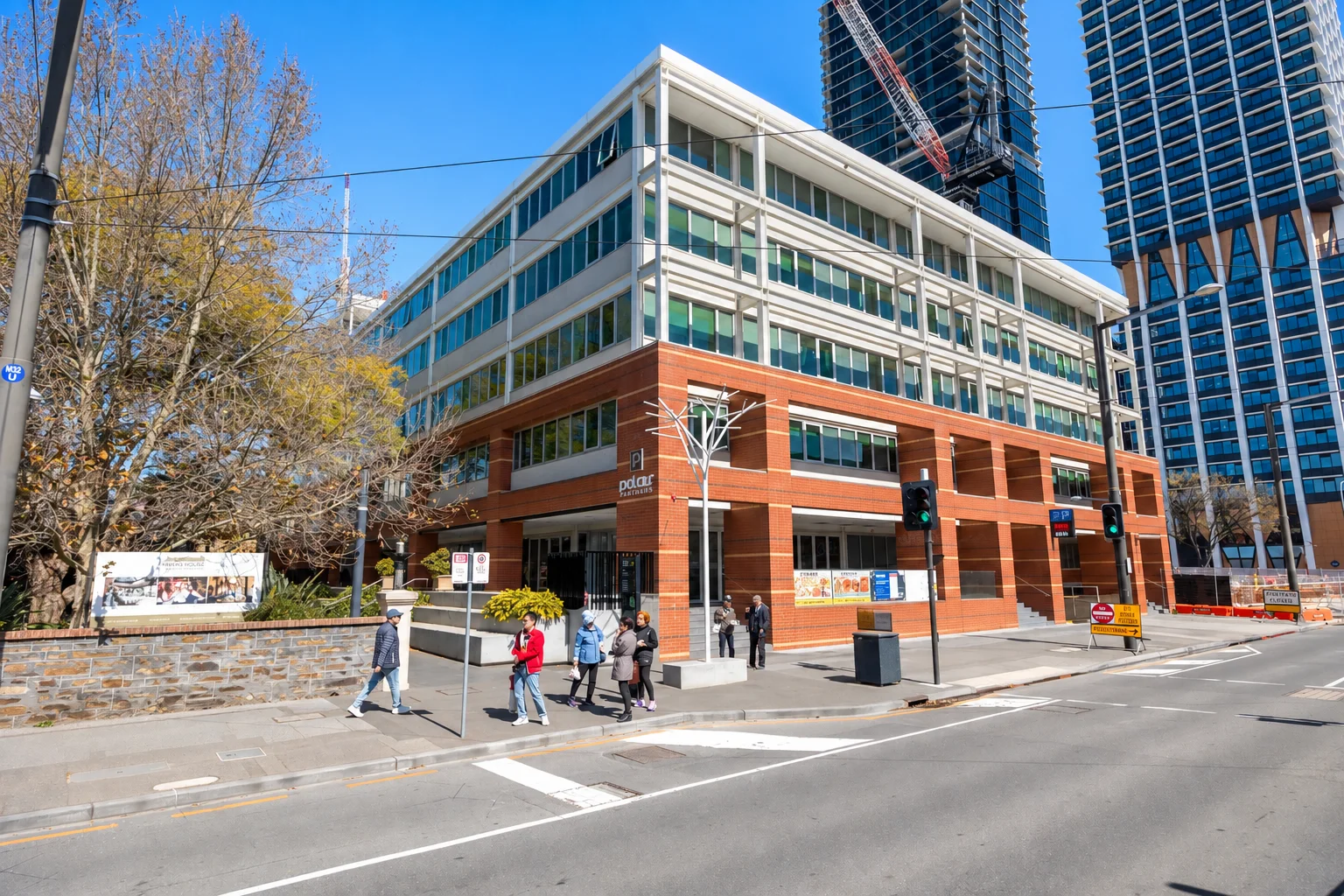 $545,000
Apartment / Unit / Flat
$545,000
Apartment / Unit / Flat
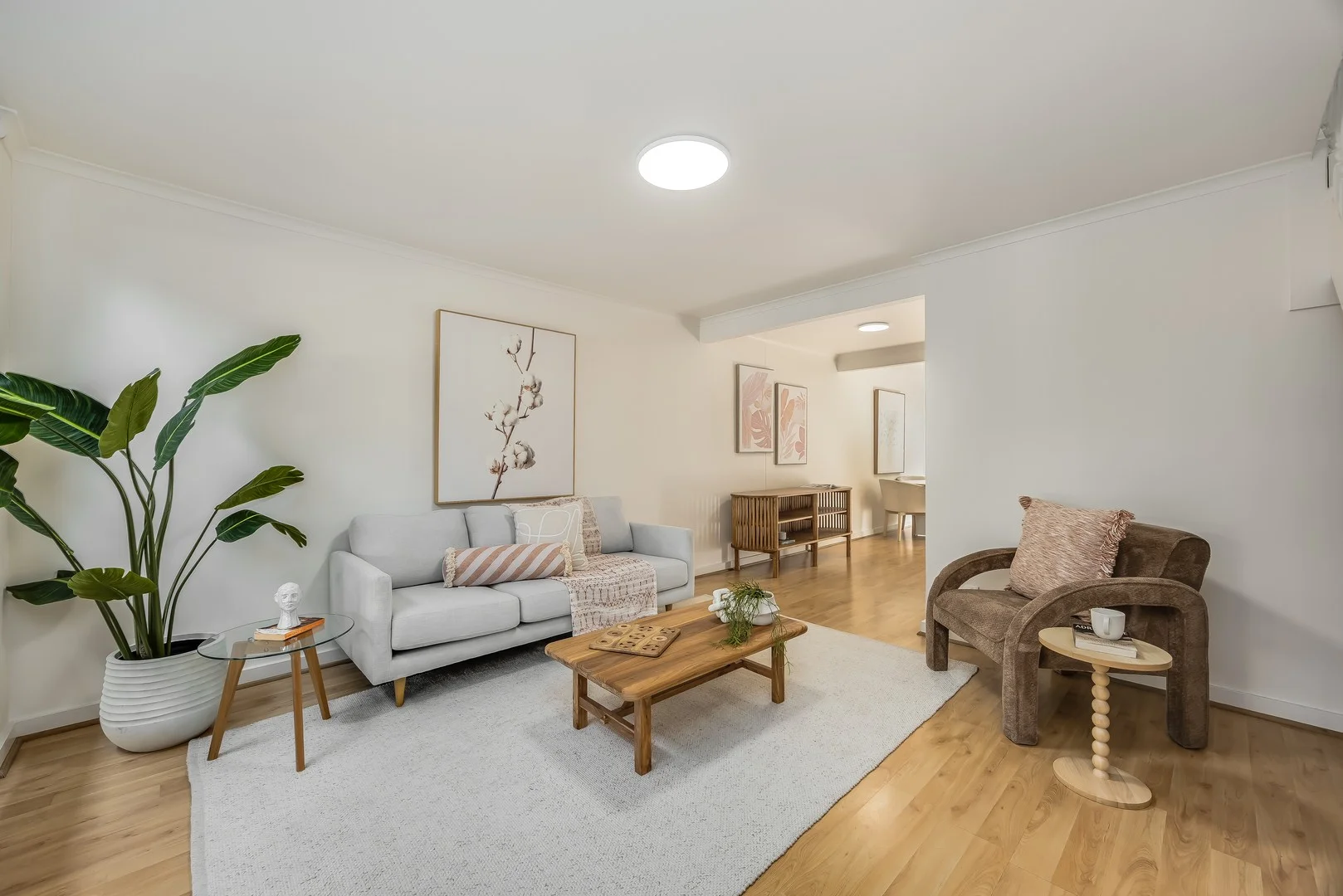 $775,000
House
$775,000
House
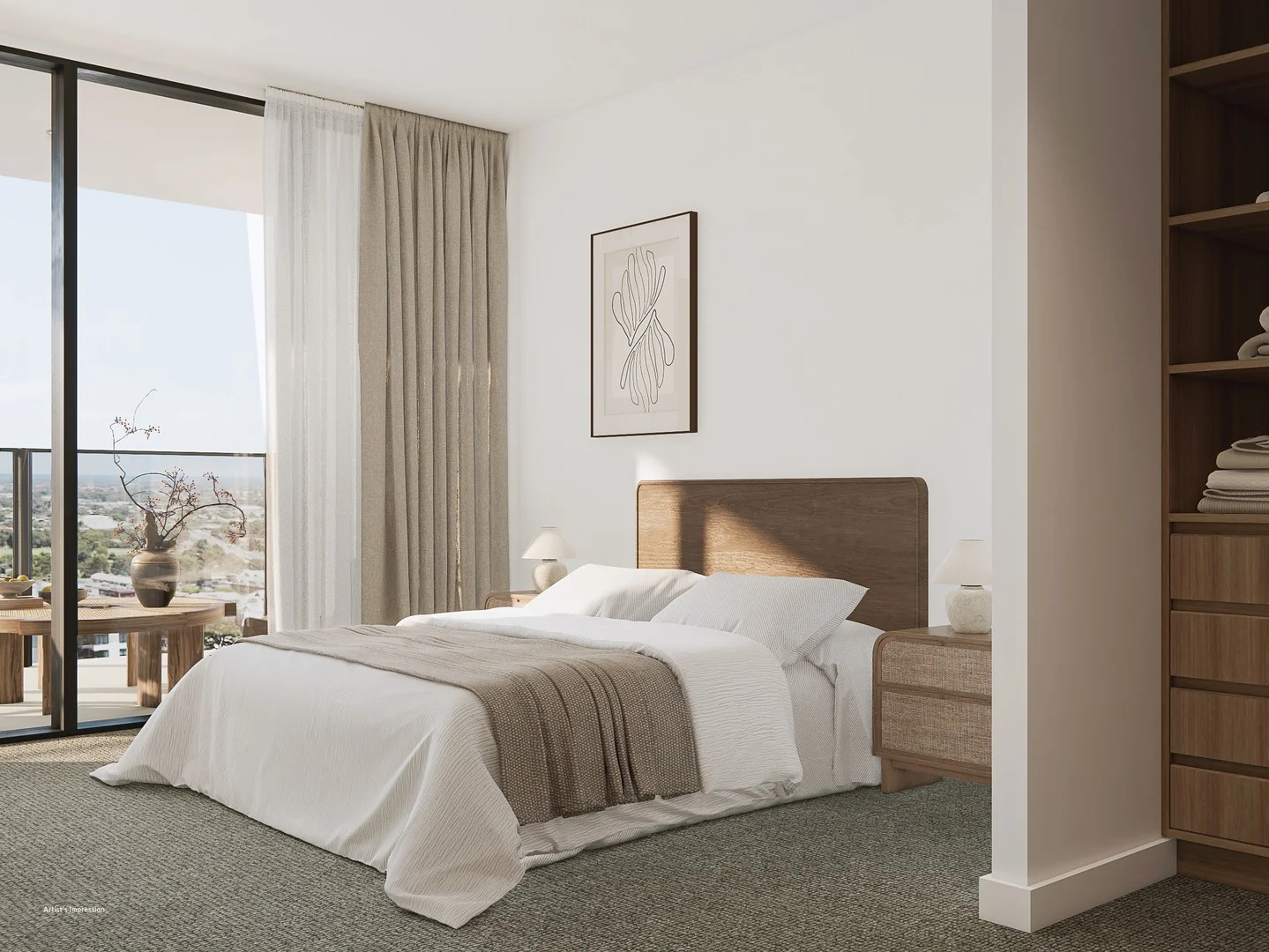 $935,000
Apartment / Unit / Flat
$935,000
Apartment / Unit / Flat
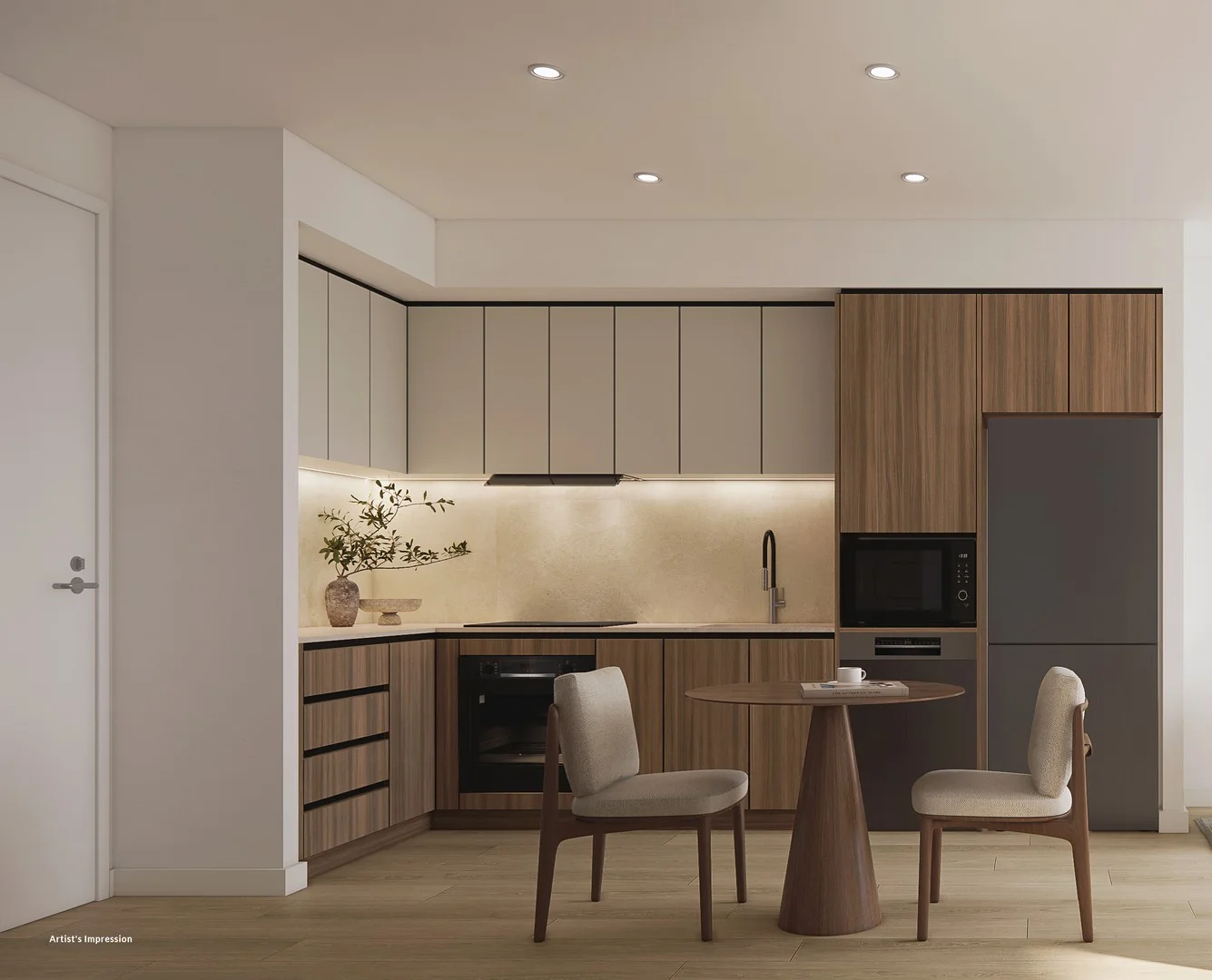 $557,000
Apartment / Unit / Flat
$557,000
Apartment / Unit / Flat
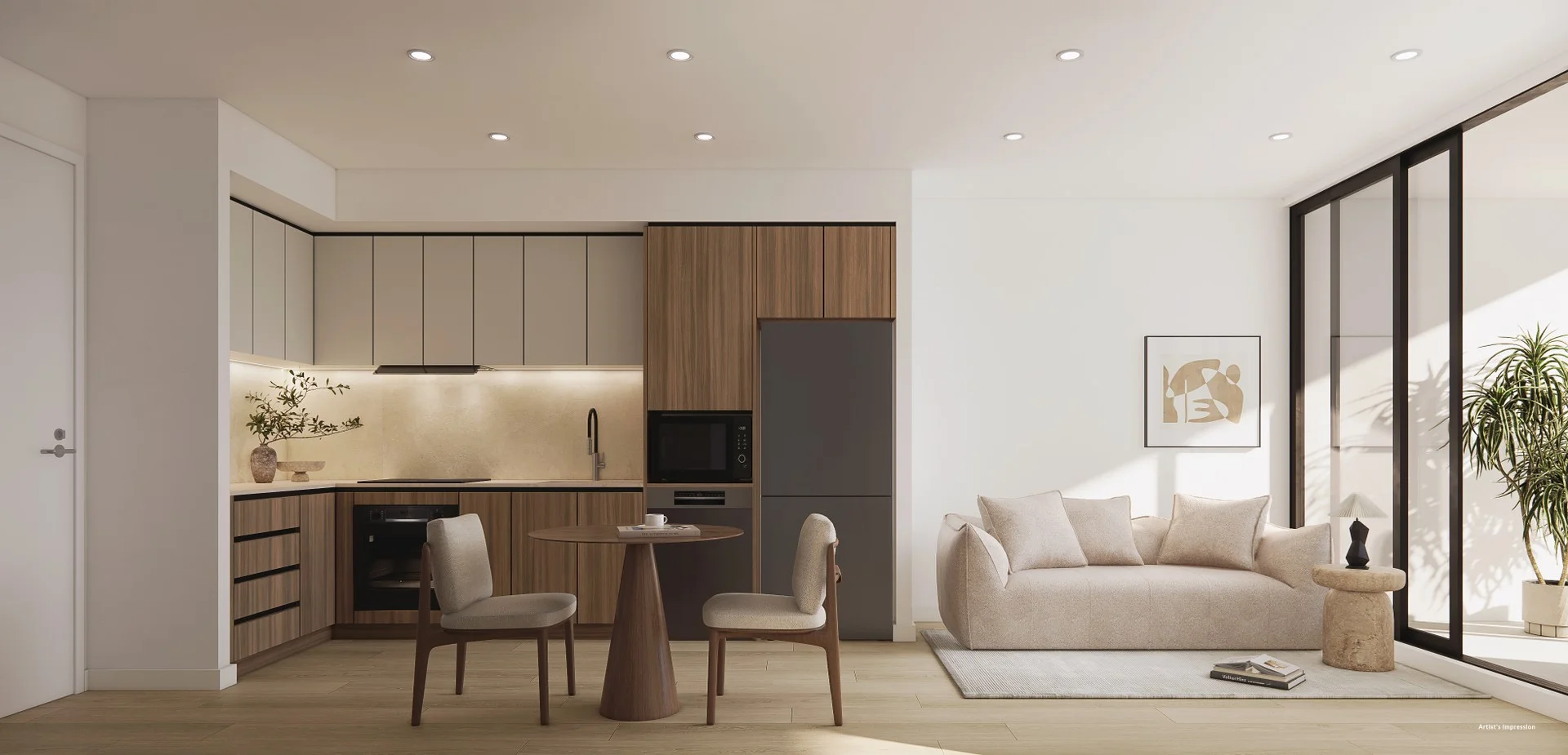 $588,000
Apartment / Unit / Flat
$588,000
Apartment / Unit / Flat
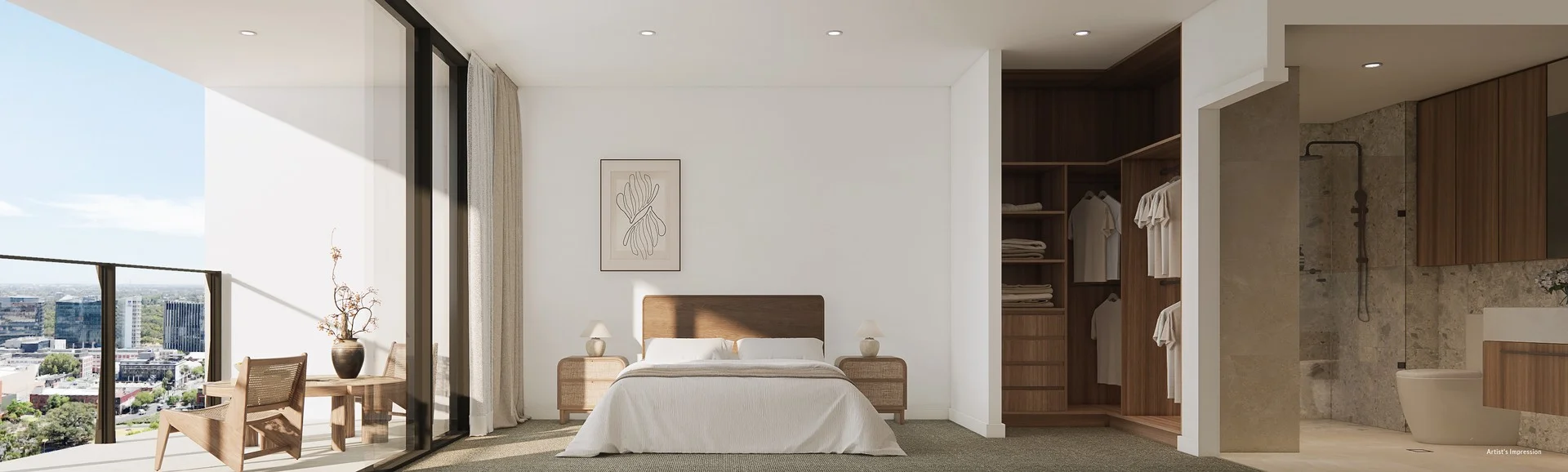 $1,056,000
Apartment / Unit / Flat
$1,056,000
Apartment / Unit / Flat
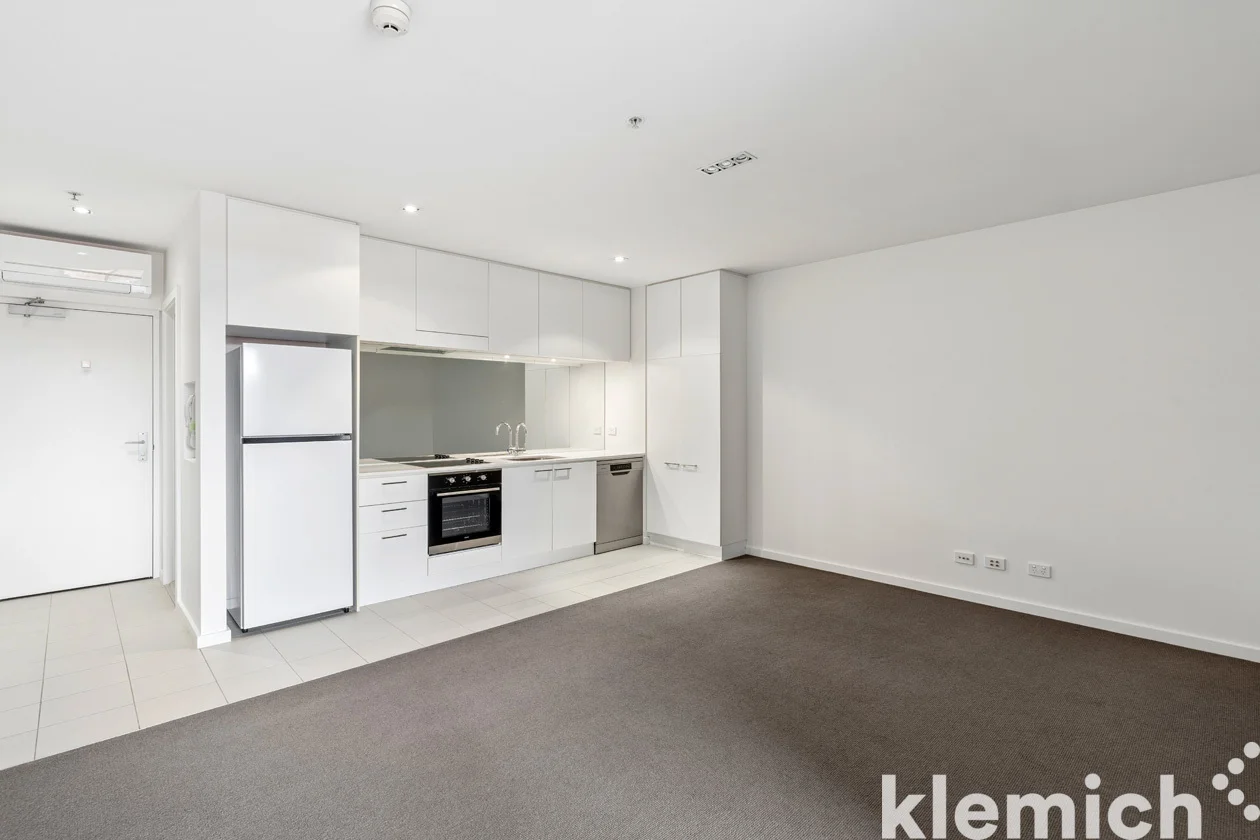 $440,000
Apartment / Unit / Flat
$440,000
Apartment / Unit / Flat
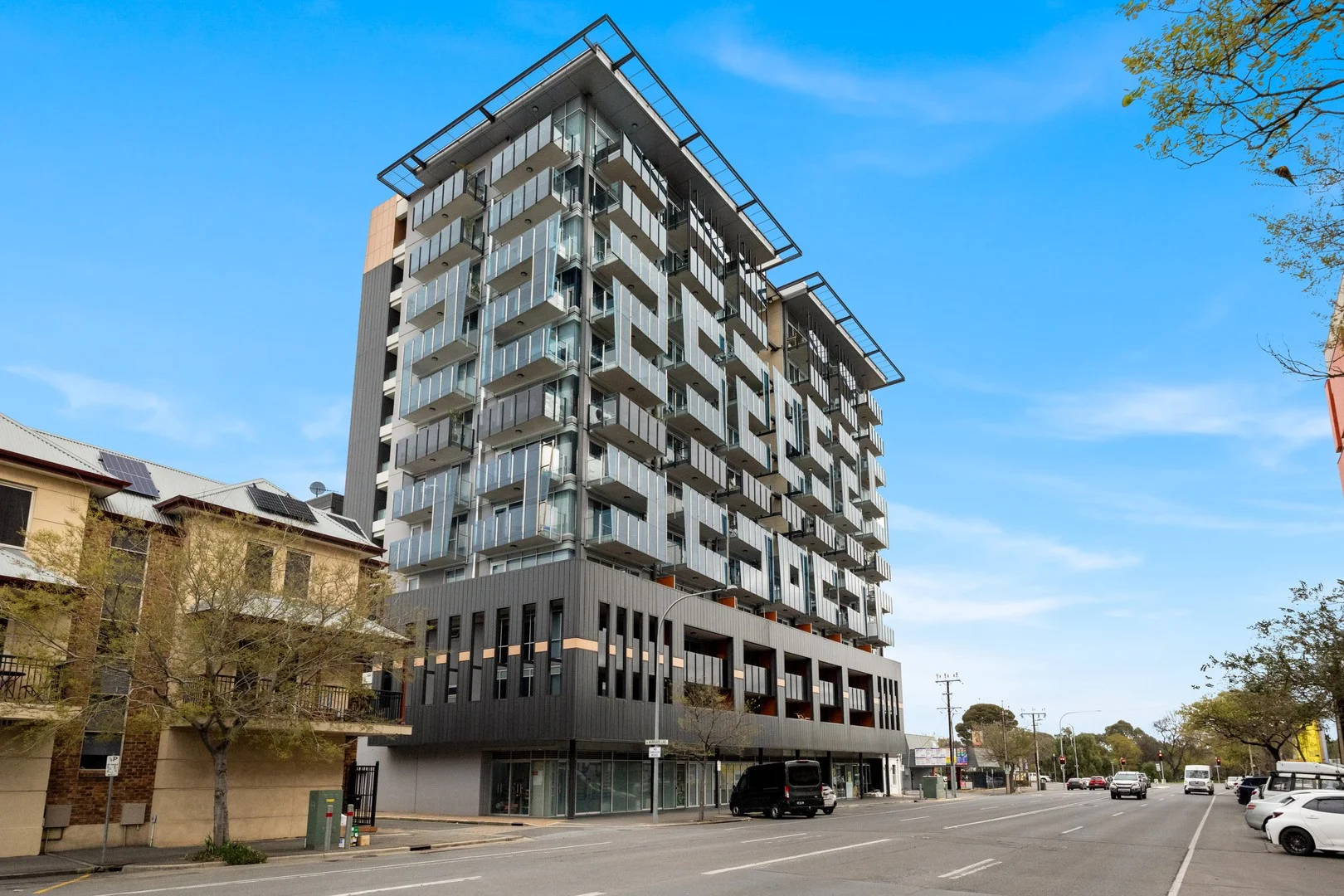 $1,100,000
Apartment / Unit / Flat
$1,100,000
Apartment / Unit / Flat