## 1. Overview
Nunawading Christian College VIC is an independent Christian school community that focuses on both academic development and values-based education. The college typically operates as a small-to-medium size school, with class sizes designed to support individual attention and active student participation. The atmosphere tends to be nurturing and inclusive, with a faith-informed culture that emphasizes character, responsibility and community.
- School type: Independent Christian school
- School size: Small to medium
- Class size: Approximately 18–22 students per class (varies by year level)
- Atmosphere/culture: Nurturing, inclusive, faith-based, student-centered
---
## 2. Academics & Learning
The college aims to deliver a well-rounded curriculum that combines core academic disciplines with values-based learning. Strengths often highlighted include strong literacy and numeracy foundations, science and inquiry-based learning, and leadership or service opportunities integrated into the program.
- Academic strengths: English, mathematics, science, religious studies/Christian education, leadership development; emphasis on critical thinking and communication
- Special programs: Likely pathways toward senior secondary qualifications (e.g., VCE/ATAR), with potential accelerated or gifted/talented offerings where available
- NAPLAN trends: Publicly reported data typically shows stable or improving performance relative to state benchmarks; detailed trend data available via annual school reports
- Student-teacher ratios: Generally around 1:12–1:16, with variation by year level
- Support for diverse learners: EAL support, SEN support and learning assistance available where needed
---
## 3. Sports & Extracurricular Strengths
Extracurricular life is a key part of the student experience, with a mix of sport, arts and clubs designed to engage students aged 10–14 and beyond.
- Sports offered: A range of team and individual sports (e.g., basketball, soccer/football, cricket, athletics, tennis; offerings may vary by year)
- Strong teams or achievements: Participation in local inter-school competitions and school-based sports programs
- Music, arts, drama programs: Active performing arts and music programs supporting choir, ensembles and drama
- Clubs: Robotics, coding, chess, debating, and other inquiry-based or academic clubs
- Partnerships: Local club links and participation in regional competitions or events to extend opportunities
---
## 4. Wellbeing & Pastoral Care
Wellbeing and pastoral care are central to helping students thrive. The college commonly implements supportive structures to foster positive school experiences.
- Anti-bullying approach: Proactive policies, restorative practices and a supportive culture
- House system: House-based activities and friendly competition to build belonging
- Counsellors / wellbeing officers: Dedicated staff to support student wellbeing and mental health
- Transition support: Orientation programs, buddy systems and dedicated staff to assist new students settling in
---
## 5. Facilities
Facilities are typically highlighted as a key strength to support learning and student life.
- Sports grounds: Outdoor playing fields or courts
- Libraries: Well-stocked library spaces for study and reading
- Science labs: Modern science laboratories for practical work
- Music/performing arts centers: Space for music, drama and performance
- Tech/innovation labs: Facilities to support digital learning and STEAM activities
- Cafeteria: On-site dining or canteen facilities
- Updated playgrounds: Safe and inviting outdoor play areas
---
## 6. School Values & Community Culture
Parents often look for a clear sense of values and a supportive community. The college typically foregrounds character development alongside academic growth.
- School values / mission: Faith-informed education centered on integrity, respect, compassion and service
- Leadership style: Values-led and collaborative, with opportunities for student voice and leadership
- Behaviour expectations: Clear code of conduct aligned with school values
- Community reputation: Positive relationships with families and local communities, reinforced by faith-based ethos
- Diversity & inclusion: Commitment to welcoming students from diverse backgrounds and fostering an inclusive environment
---
## 7. School Logistics & Daily Operations
Practical information helps families plan around school life.
- School hours: Routine aligns with local Victorian school schedules; substantial portions of the day include structured classes and pastoral time
- Before/after school care: Availability of care programs or supervision outside standard hours
- Uniform requirements: School uniform policy in place
- Transport: Local transport options; bus routes or public transport access may be available
- Canteen availability: On-site or in-school canteen facilities
- Fees: Tuition and associated costs are typical of private/independent schools and vary by year level and program
---
## 8. Enrolment & Admissions
Understanding the enrolment process helps families plan ahead.
- What is the enrolment process and timeline? Commonly involves an online inquiry, submission of an application, and a formal intake process with documentation; timelines vary by intake period
- Is there a waiting list, and how does it work? Waiting lists are common; spaces are often allocated based on availability, with priority often given to siblings and other school policies
- Entry requirements, tests, or interviews? Interviews or assessment tasks may be part of the process, along with submission of academic and personal references
- Mid-year transfers? Mid-year transfers may be possible subject to vacancy and assessment/interview outcomes
---
## 9. Frequently Asked Questions
- Why Parents Choose This School? A faith-based, values-driven environment with small-to-medium class sizes and personalized attention
- What type of student thrives at this school? Students who value a balanced approach to academics, character development and community
- What opportunities are available for students to extend their skills (academics, sports, arts)? Access to senior learning pathways, leadership roles, sports teams, performing arts, and clubs
- How does the school communicate with parents? Regular updates via newsletters, emails and parent portals; scheduled parent-teacher meetings
- What is the school’s approach to teaching and learning? A focus on inquiry, holistic development and achieving academic goals within a supportive community
- How does the school support students who need extra academic help? Targeted support within the classroom and, where needed, additional assistance through learning support services
- What support is available for academic challenges? Access to classroom accommodations, tutoring options and specialist staff
- How does the school communicate with parents? (Repeated) via regular updates, parent meetings and digital communication platforms
- What are the class sizes and how much individual attention do students receive? Class sizes are small to medium with opportunities for individual feedback and teacher support
- What extracurricular and sports opportunities are available? A range of sports, arts, robotics, coding, debating and other clubs
- What facilities does the school offer (sports, science, arts)? Sports facilities, science labs, music/performing arts spaces and tech labs
- What is the school’s approach to technology and digital learning? Integration of digital tools to support learning, research, collaboration and digital citizenship
- What transport and accessibility options are available? Local transport options and accessible campus facilities
- What are the typical school fees or additional costs? Fees reflect the private/independent school sector and can vary by program and year level
---
## 10. Short Pros & Cons list
- Pros
- Independent Christian education with a values-focused environment
- Small-to-medium class sizes, enabling individual attention
- Supportive wellbeing framework and pastoral care
- Broad range of co-curriculars including sport, arts and clubs
- Modern facilities supporting science, technology and the arts
- Cons
- Tuition costs typical of private schooling
- Enrolment may involve waiting lists for popular year levels
- Availability of certain specialized programs may vary by year level or campus

 $209+
$209+










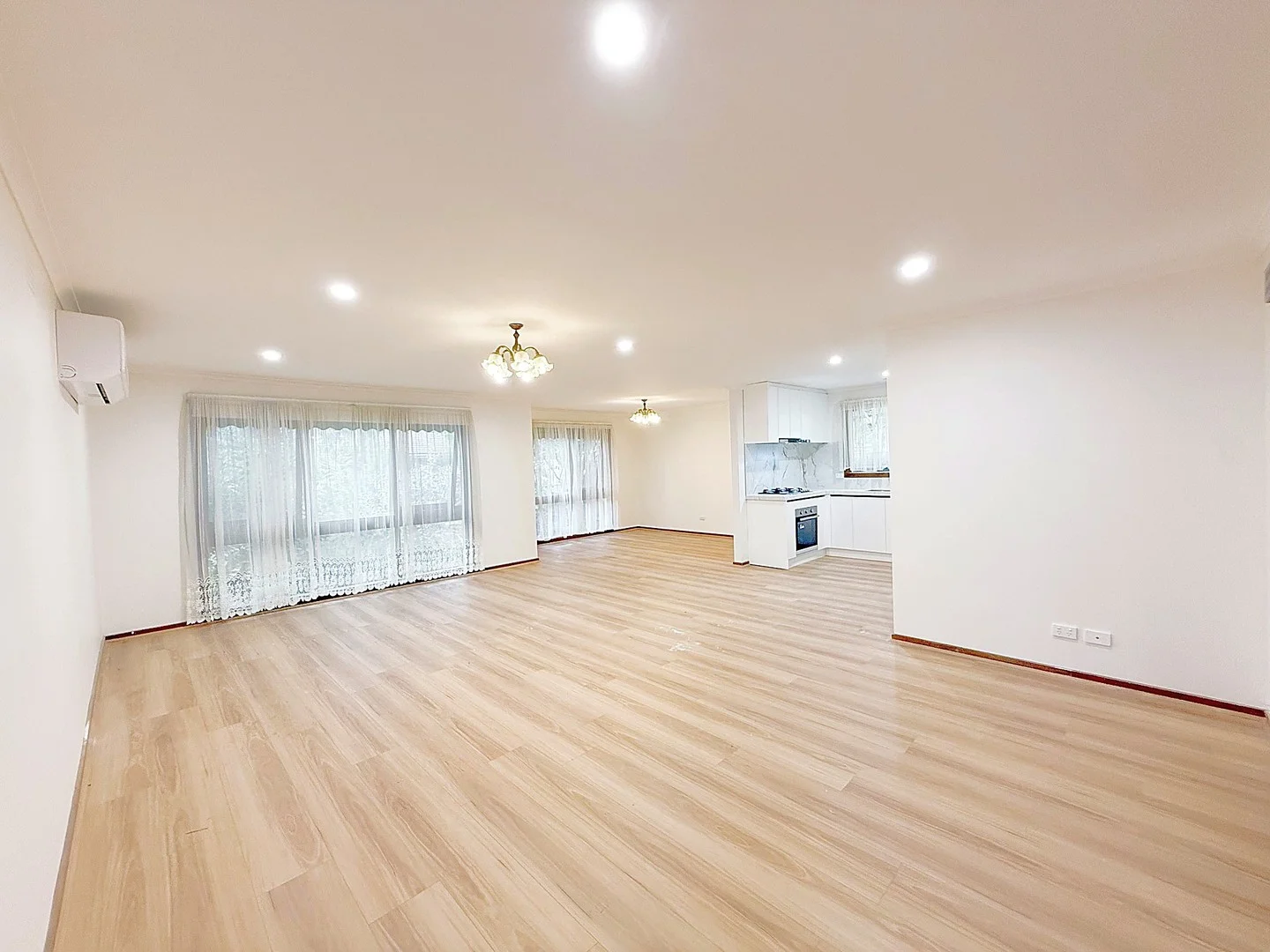 $1,100
House
$1,100
House
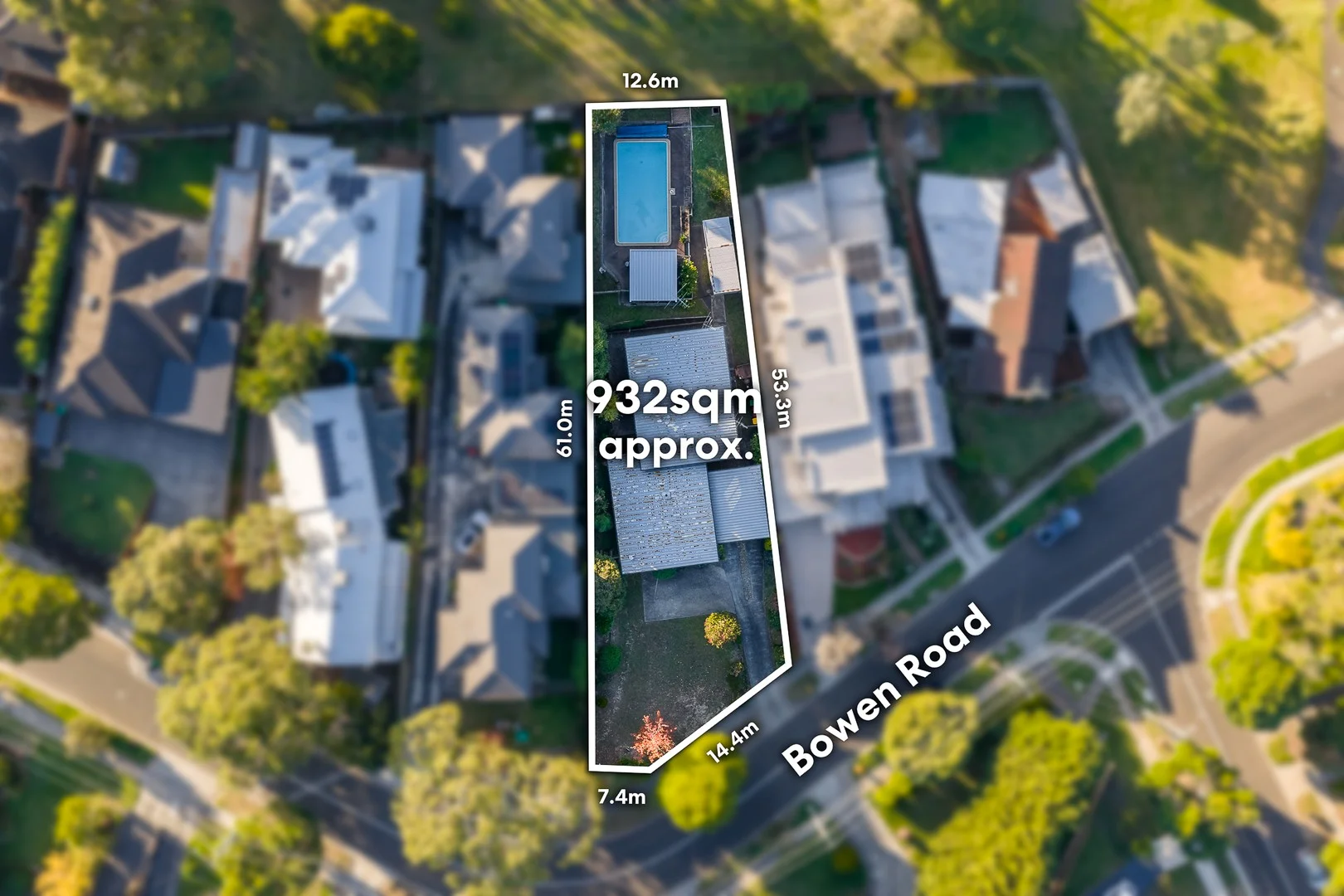 $1,300,000 - $1,400,000
House
$1,300,000 - $1,400,000
House
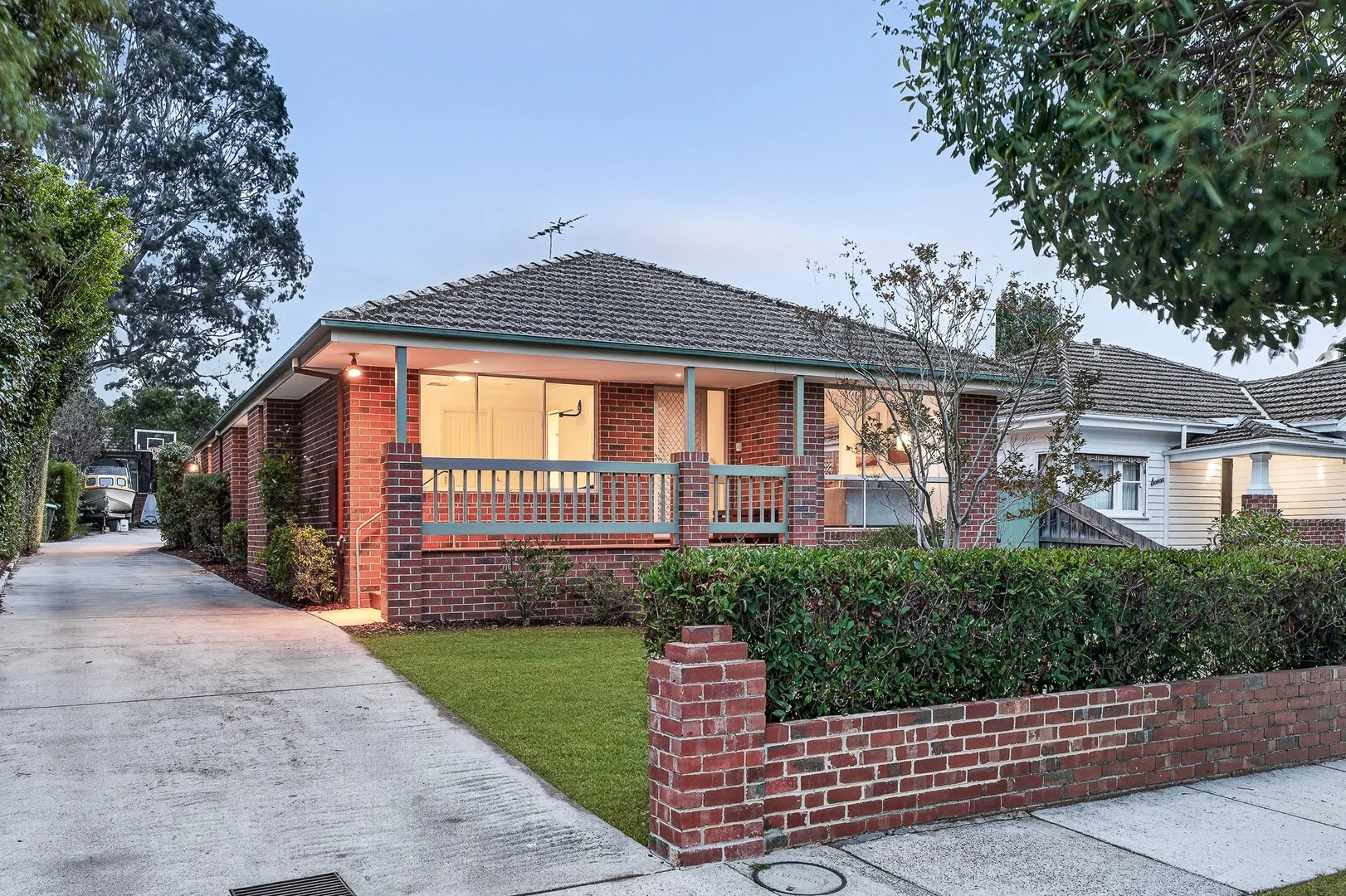 $1,200,000 - $1,300,000
House
$1,200,000 - $1,300,000
House
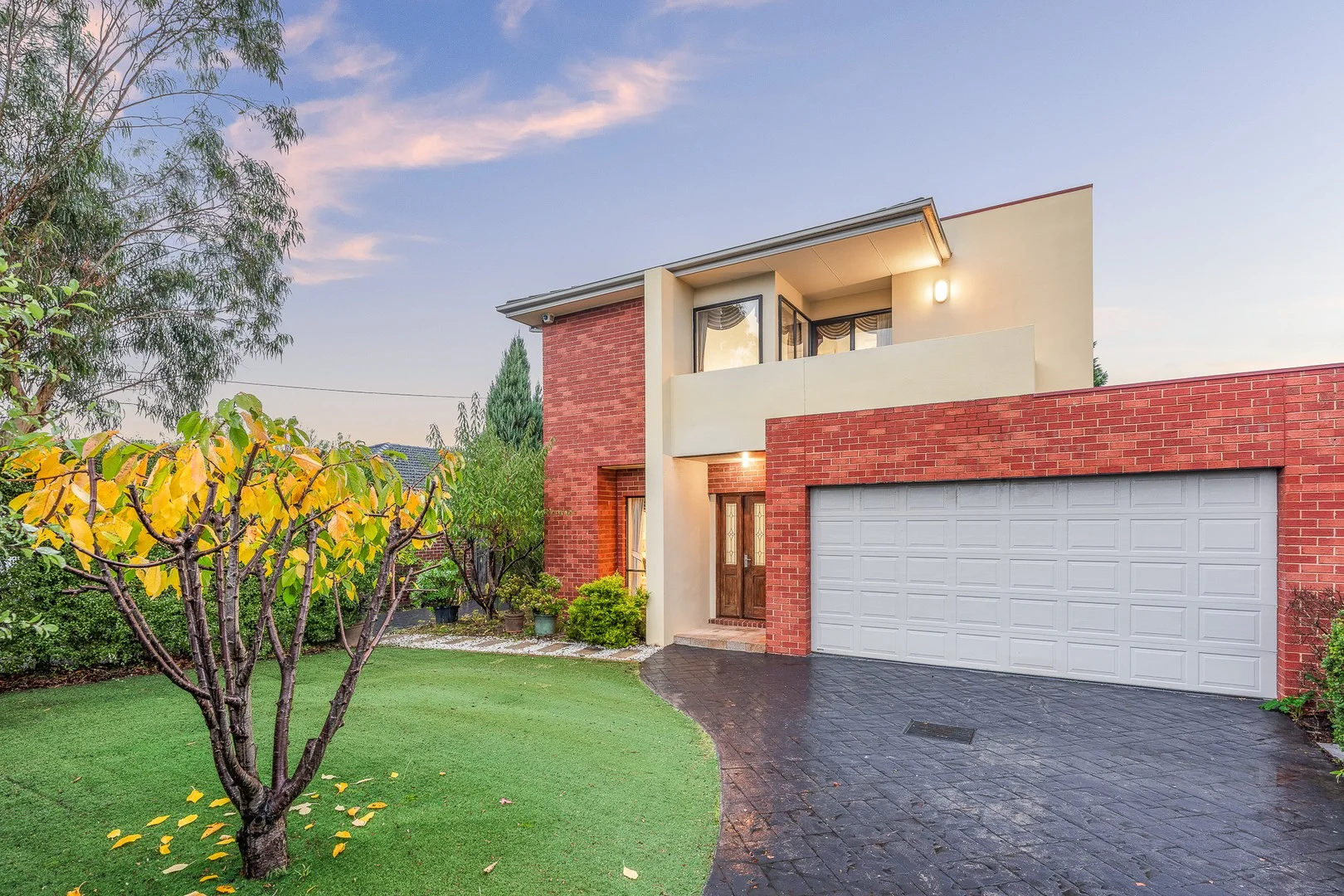 $1,150,000 - $1,250,000
Townhouse
$1,150,000 - $1,250,000
Townhouse
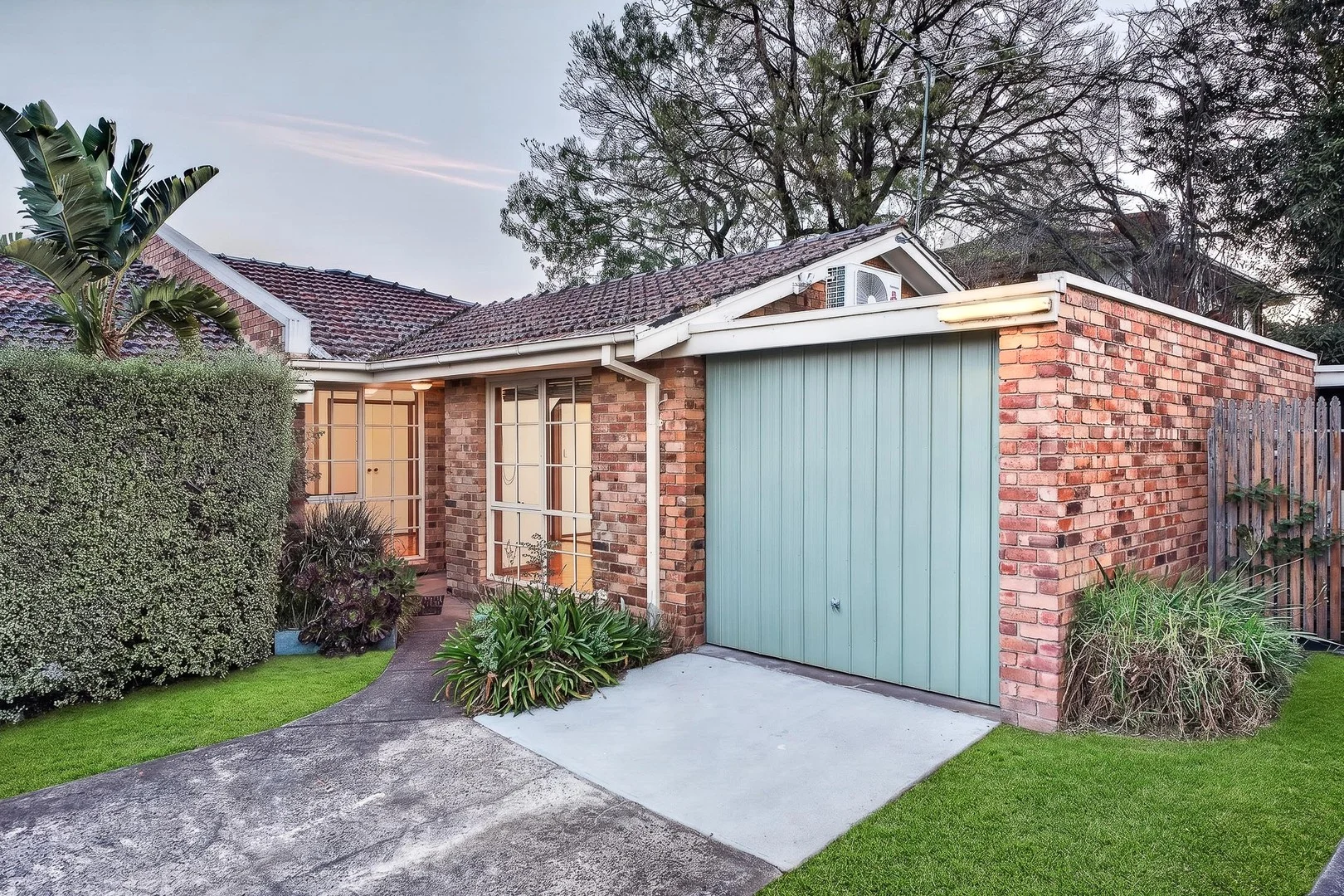 $765,000 - $825,000
Apartment / Unit / Flat
$765,000 - $825,000
Apartment / Unit / Flat
 $1,300,000
House
$1,300,000
House
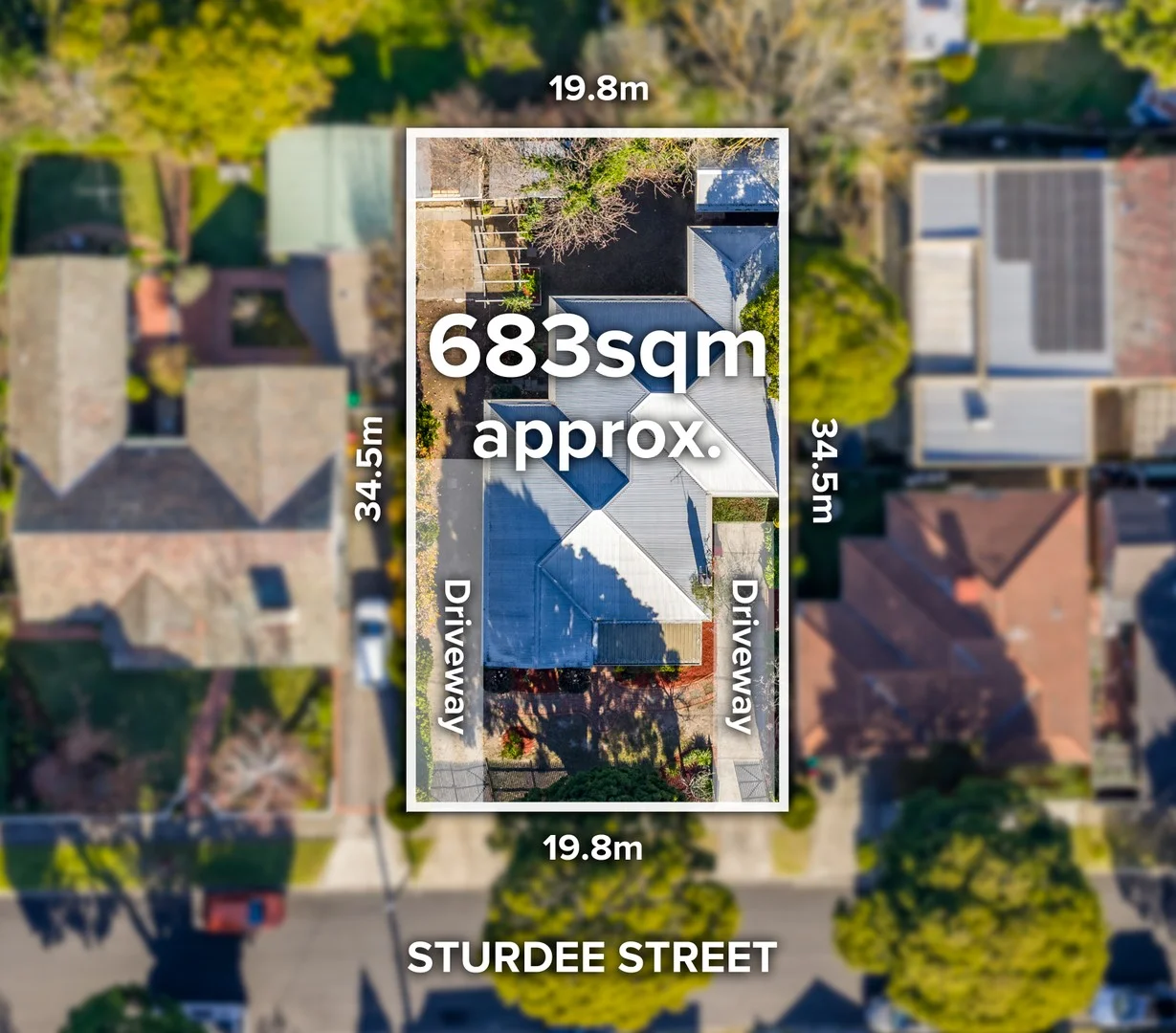 $2,000,000
House
$2,000,000
House
 $630,000 - $680,000
Apartment / Unit / Flat
$630,000 - $680,000
Apartment / Unit / Flat
 $1,500,000
House
$1,500,000
House


