## Overview
Mount Pleasant Road Primary School is a public (state) primary school in Nunawading, VIC, serving students from Prep to Year 6. As a medium-sized school, class sizes are typically in the mid-20s, supporting a balanced and personal learning approach. The atmosphere is generally nurturing and inclusive, with a culture that encourages academic effort alongside creativity, sport, and social development.
---
## Academics & Learning
- Academic strengths: Strong focus on core literacy and numeracy, with opportunities to explore STEM concepts, reading and writing across the curriculum, and inquiry-based learning experiences. There are routines that promote critical thinking and problem-solving across year levels.
- Special programs: Range of school programs that may include arts integration, music and performing arts, and ICT/digital technologies. Gifted and talented or extension opportunities may be available for students who need it.
- NAPLAN / trends: Trends typically align with state averages, with targeted school improvement efforts aimed at literacy and numeracy gains and closing gaps over time.
- Student-teacher ratios: Generally around 1:20, varying by year and class.
- Support for diverse learners: Built-in support for EAL (English as an Additional Language) students and diverse learning needs, including targeted interventions and learning support staff where available.
---
## Sports & Extracurricular Strengths
- Sports offered: A range of primary-school sports, including team and individual activities such as basketball, netball, football/soccer, athletics, and cross-country events.
- Strong teams or achievements: Participation in district-level competitions and school-level teams, with emphasis on development, teamwork, and fair play.
- Music, arts, drama programs: Active music and performing arts opportunities; opportunities to participate in school ensembles, choirs, or drama activities.
- Clubs: Common offerings include robotics, coding, chess, and debating or public-speaking clubs, along with other inquiry or interest-based groups.
- Partnerships: Local community partnerships and district-level events or competitions to extend learning beyond the classroom.
---
## Wellbeing & Pastoral Care
- Anti-bullying approach: Clear antibullying policies and proactive strategies to promote respectful behavior and safe school environments.
- House system: A house system or similar structure to foster belonging, leadership, and healthy competition.
- Counsellors / wellbeing officers: Access to wellbeing staff and support services to help students with social, emotional, and mental health needs.
- Transition support for new students: Structured orientation and buddy programs to help new students settle in, along with ongoing transition support during key year changes.
---
## Facilities
- Sports grounds: On-site sports facilities and open spaces for physical activity.
- Libraries: Library/media center to support reading and research skills.
- Science labs: Access to science-related learning spaces to support hands-on inquiry.
- Music/performing arts centers: Dedicated spaces for music and performing arts activities.
- Tech/innovation labs: Availability of ICT/technology spaces to support digital learning and maker-style activities.
- Cafeteria: On-site or nearby canteen and dining options for students.
- Updated playgrounds: Modern, safe play areas that support active play and outdoor learning.
---
## School Values & Community Culture
- School values / mission: Emphasis on respect, resilience, inclusion, and a supportive community culture that values student well-being and learning.
- Leadership style: Often a student-centered leadership approach with opportunities for student voice and leadership roles through house captains, student council, or similar programs.
- Behaviour expectations: Clear, consistently applied behavior expectations rooted in positive reinforcement and restorative practices.
- Community reputation: Strong local involvement with families and communities; emphasis on building trusting relationships between staff, students, and families.
- Diversity & inclusion: Inclusive environment that supports students from diverse backgrounds, including EAL learners and families from varied cultures.
---
## School Logistics & Daily Operations
- School hours: Typically a daytime timetable aligned with state standards (e.g., start around 9:00 am and finish around 3:30 pm, with break times).
- Before/after school care: OSHC or approved providers may offer before/after school care options.
- Uniform requirements: Public school uniform policy in place; details available in the school handbook (often includes a polo/official shirt, shorts or pants, and appropriate footwear).
- Transport (train/bus routes): Access to public transport options in the area; specific bus/train routes and pick-up/drop-off arrangements are handled in conjunction with local transport services.
- Canteen availability: Canteen or lunch order program available on designated days or via a meal ordering system.
- Fees (low/medium/high ranges): As a public school, there is no tuition fee; there may be essential materials levies, family contribution requests, and optional costs for activities or excursions. Overall, costs are considered moderate.
---
## Enrolment & Admissions
- 11. What is the enrolment process and timeline?
- Enrolment is handled through the Department of Education and the school, with priority given to residents within the local catchment. Parents typically submit an enrolment application with required documentation (proof of identity, birth date, immunisation history, proof of address). Timelines vary by year and intake, so check the current school year’s schedule with the school office.
- 12. Is there a waiting list, and how does it work?
- If the school is oversubscribed, a waiting list may operate. Placement on the waiting list is usually subject to catchment rules and vacancy availability. Preference is generally given to in-catchment families.
- 13. Are there any entry requirements, tests, or interviews?
- For general enrolment, there are typically no entry tests or interviews. Some programs or special pathways may involve discussions or assessments, but this is not common for standard Prep enrolment.
- 14. Does the school accept mid-year transfers?
- Mid-year transfers are considered where vacancies exist. Transfer timing, documentation, and approvals follow DET policies and the school’s capacity at the time of application.
---
## Frequently Ask Questions
- Why Parents Choose This School?
- A welcoming, inclusive community with a focus on core literacy and numeracy, broad learning opportunities, and supportive wellbeing programs.
- What type of student thrives at this school?
- Students who engage with a balanced program that values academic effort, creativity, sport, and social development; those who benefit from a caring, supportive environment tend to do well.
- What opportunities are available for students to extend their skills (academics, sports, arts)?
- Extension programs in literacy/numeracy, arts and music programs, sports teams, and clubs such as robotics, coding, chess, and debating.
- How does the school communicate with parents?
- Regular newsletters, parent-teacher conversations, a student portal or learning management system, and notices about events and student progress.
- What is the school’s approach to teaching and learning?
- Student-centered, inquiry-based learning that emphasizes clear learning intentions, progress tracking, and the use of technology to support understanding.
- How does the school support students who need extra academic help?
- Targeted interventions, small-group support, EAL assistance, and access to learning support staff.
- What support is available for academic challenges?
- Additional scaffolds, differentiated instruction, and ongoing progress monitoring to help students build skills and confidence.
- How does the school communicate with parents?
- See above: regular updates through newsletters, portals, and parent-teacher meetings.
- What are the class sizes and how much individual attention do students receive?
- Class sizes are typically in the mid-20s, with teacher and learning support staff providing targeted attention within the classroom and through additional interventions as needed.
- What extracurricular and sports opportunities are available?
- A range of sports and physical activities, plus clubs in robotics, coding, chess, debating, and performing arts-related activities.
- What facilities does the school offer (sports, science, arts)?
- Comprehensive facilities including sports grounds, a library, science labs, music/performing arts spaces, tech/innovation labs, a canteen, and updated playgrounds.
- What is the school’s approach to technology and digital learning?
- Integration of digital technologies to support learning, with access to ICT resources and purposeful use of technology to enhance understanding.
- What transport and accessibility options are available?
- Access to local public transport options; school travel planning and drop-off/pick-up arrangements are coordinated with families and transport services; accessibility features in buildings as per DET standards.
- What are the typical school fees or additional costs?
- No tuition fees for public schooling; possible costs include essential materials levies, optional activities, and excursion charges.
---
## Short Pros & Cons list
- Pros
- Public, community-focused environment with a balanced focus on academics, wellbeing, and extracurriculars.
- Support for diverse learners and families, with inclusive practices and EAL/SEN support.
- Broad facilities and opportunities across academics, arts, and sports.
- Cons
- As a mid-sized public school, class sizes and resources may be stretched during peak enrolment periods.
- Availability of certain programs or clubs may vary year to year based on staffing and funding.
- Transport options depend on local services and may require planning for some families.
 $22+
$22+










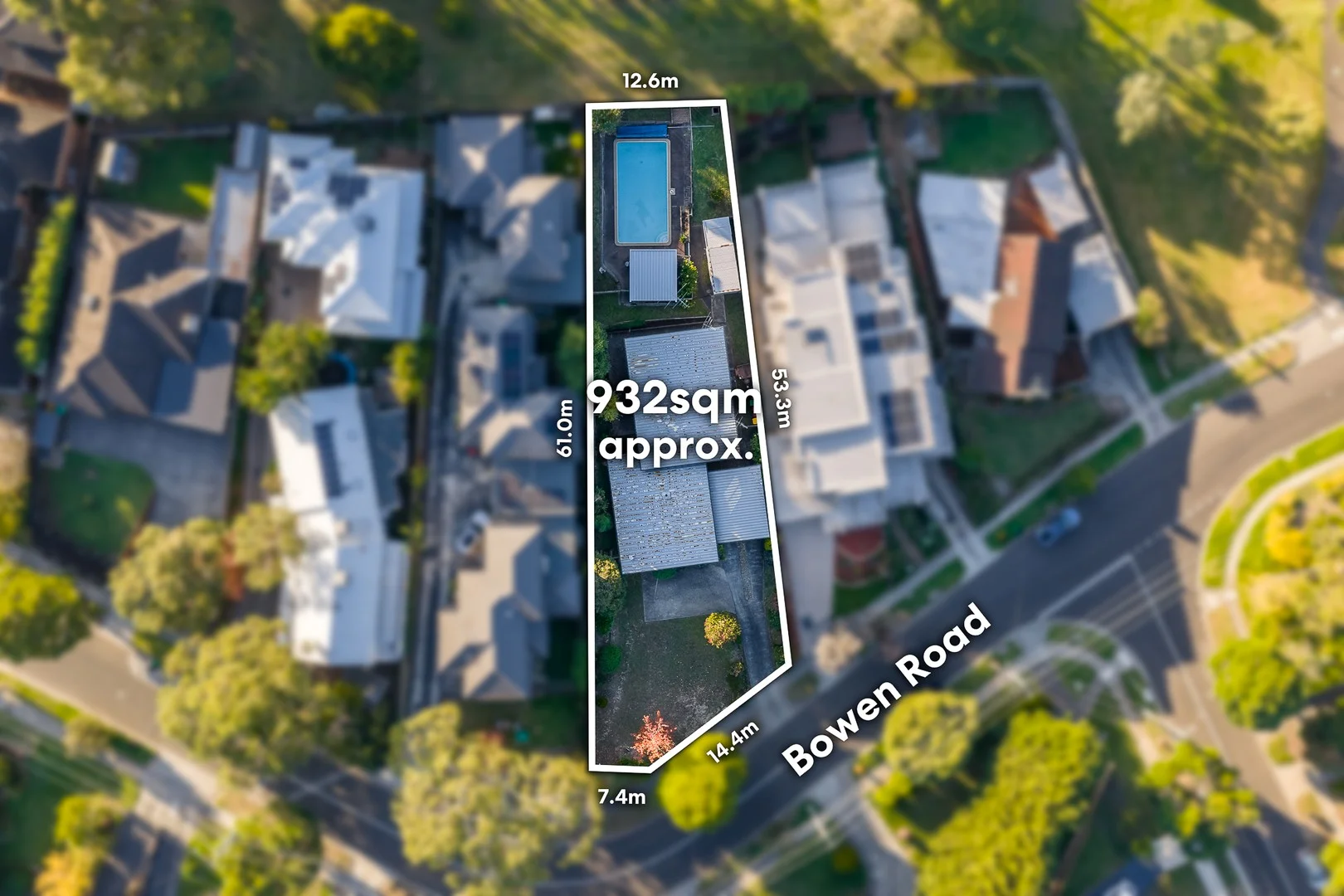 $1,300,000 - $1,400,000
House
$1,300,000 - $1,400,000
House
 $1,300,000
House
$1,300,000
House
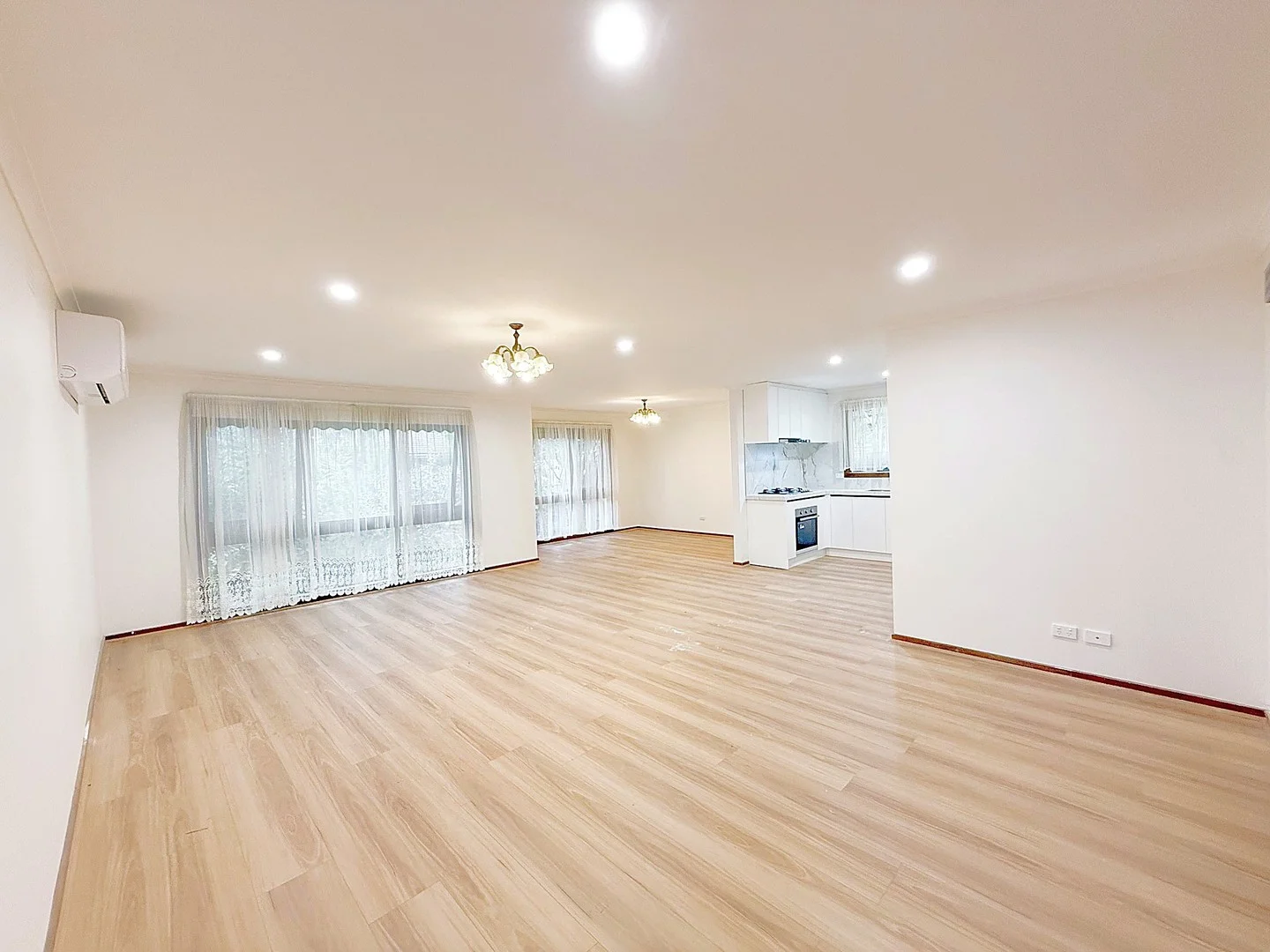 $1,100
House
$1,100
House
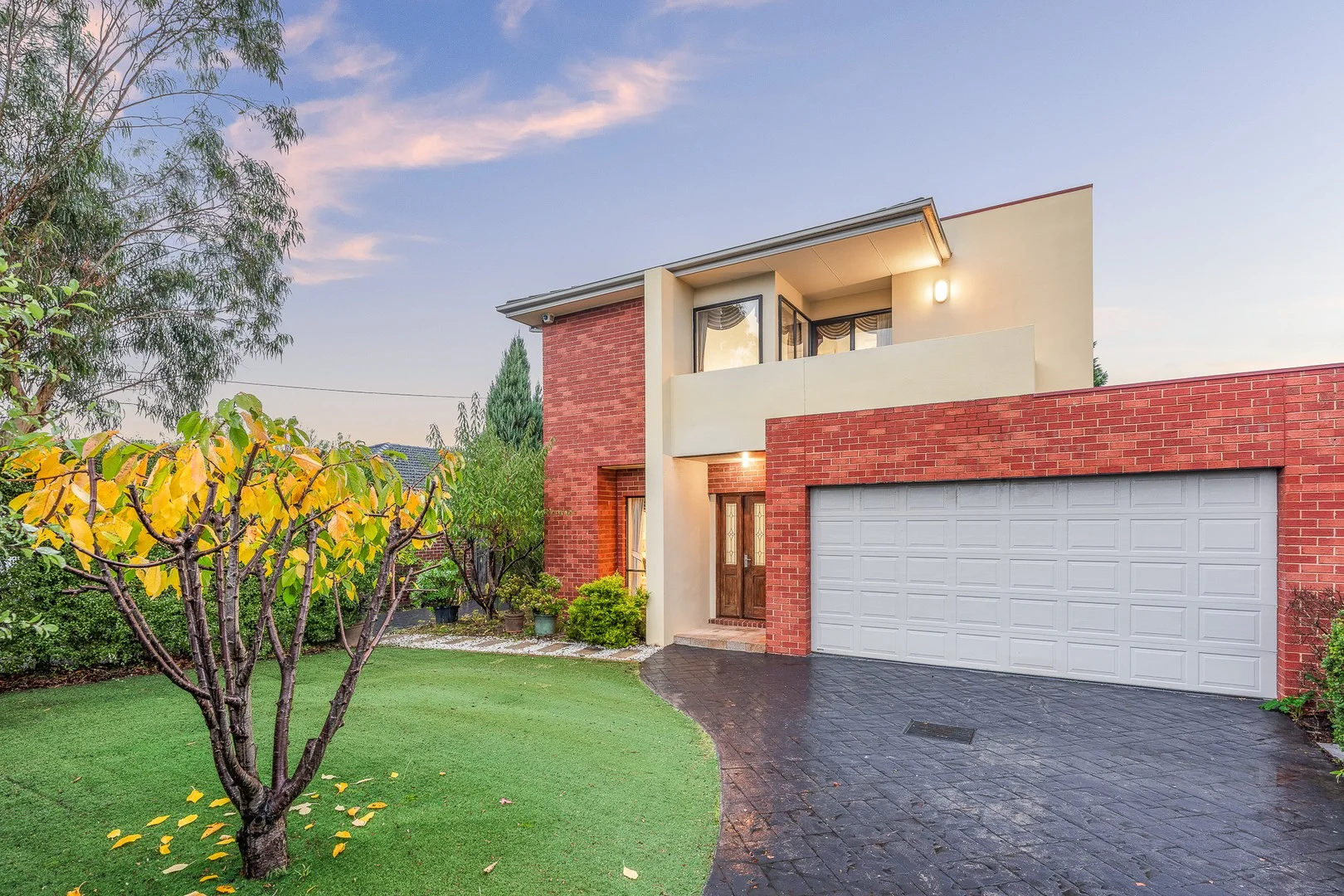 $1,150,000 - $1,250,000
Townhouse
$1,150,000 - $1,250,000
Townhouse
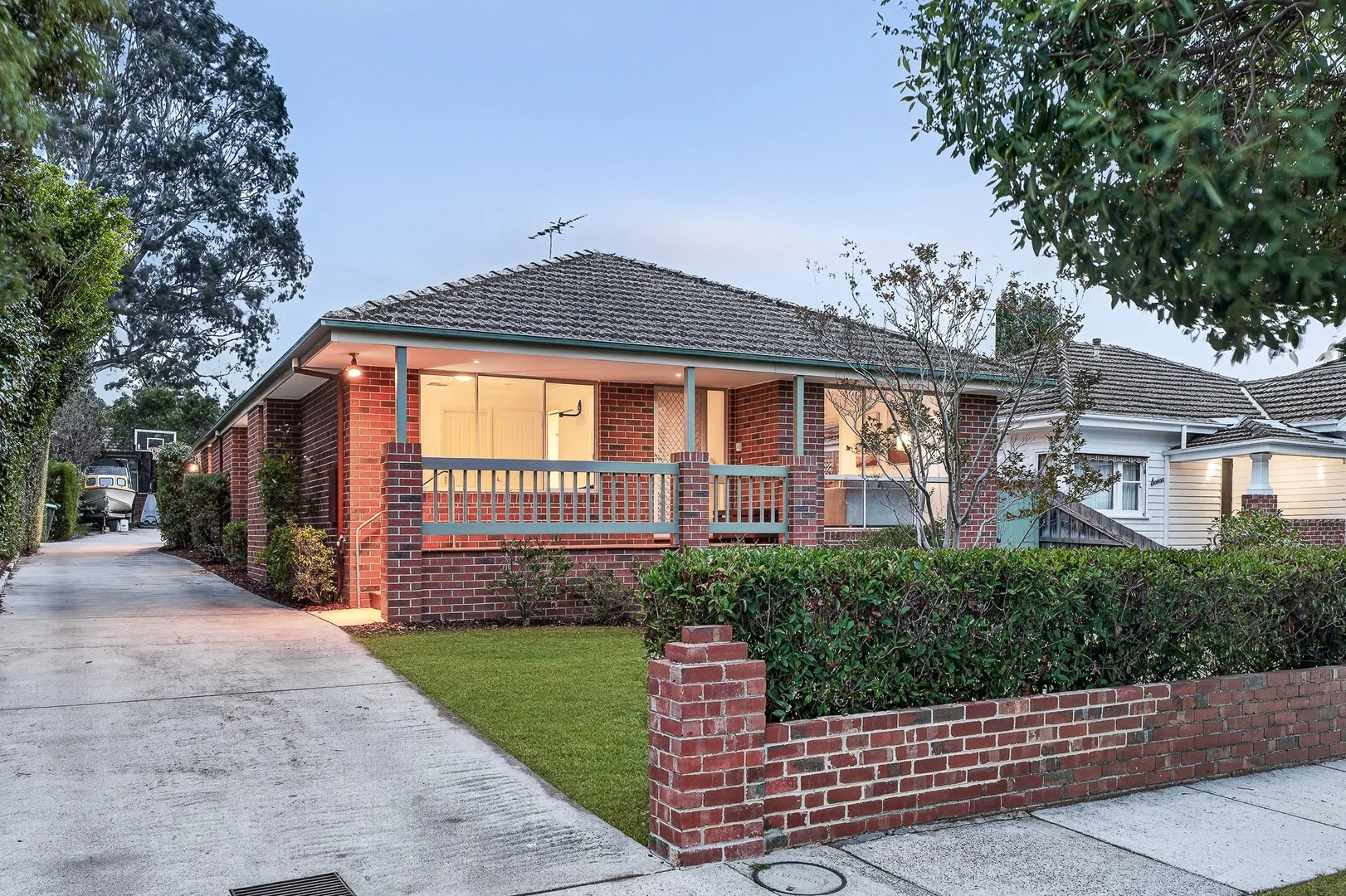 $1,200,000 - $1,300,000
House
$1,200,000 - $1,300,000
House
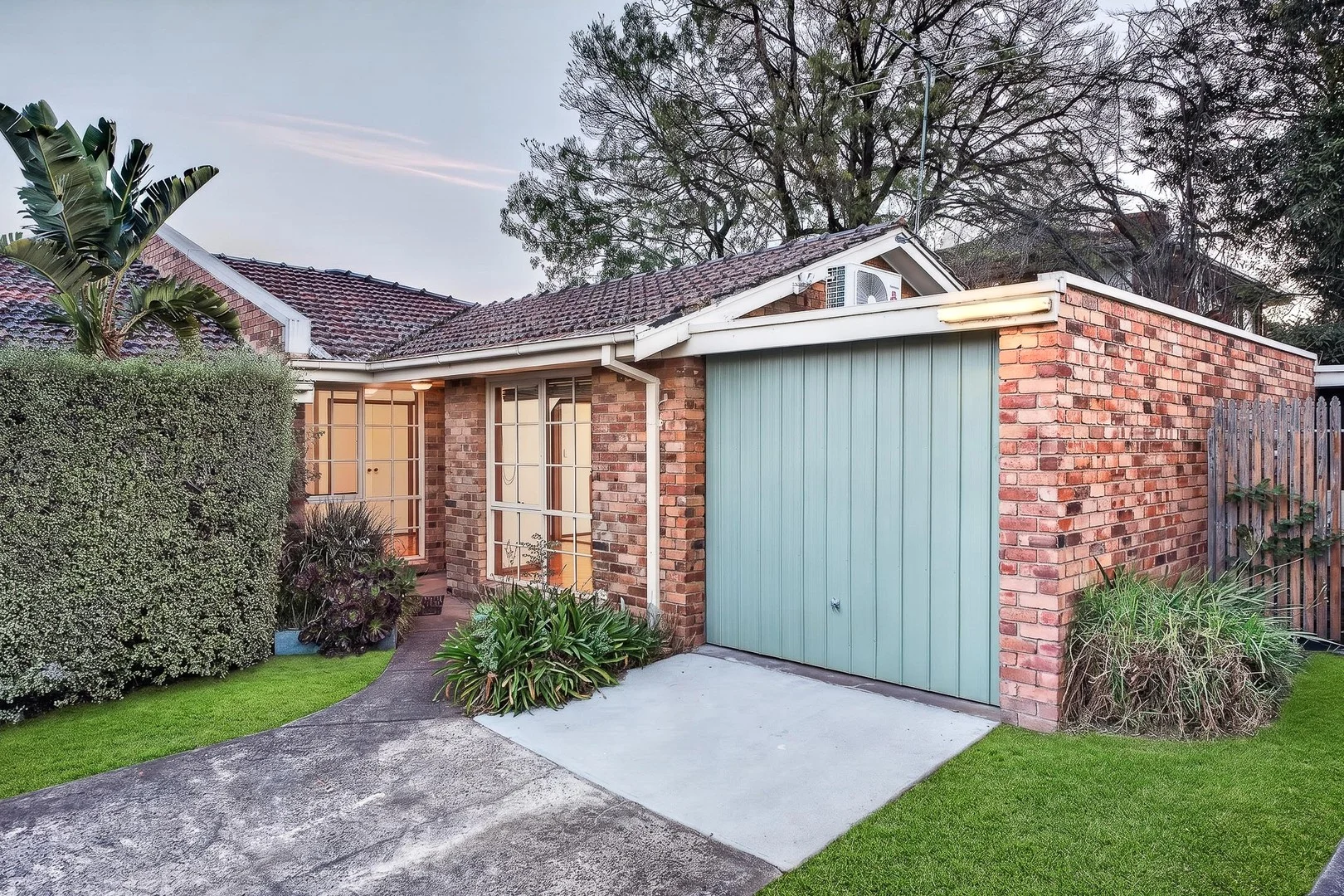 $765,000 - $825,000
Apartment / Unit / Flat
$765,000 - $825,000
Apartment / Unit / Flat
 $1,500,000
House
$1,500,000
House
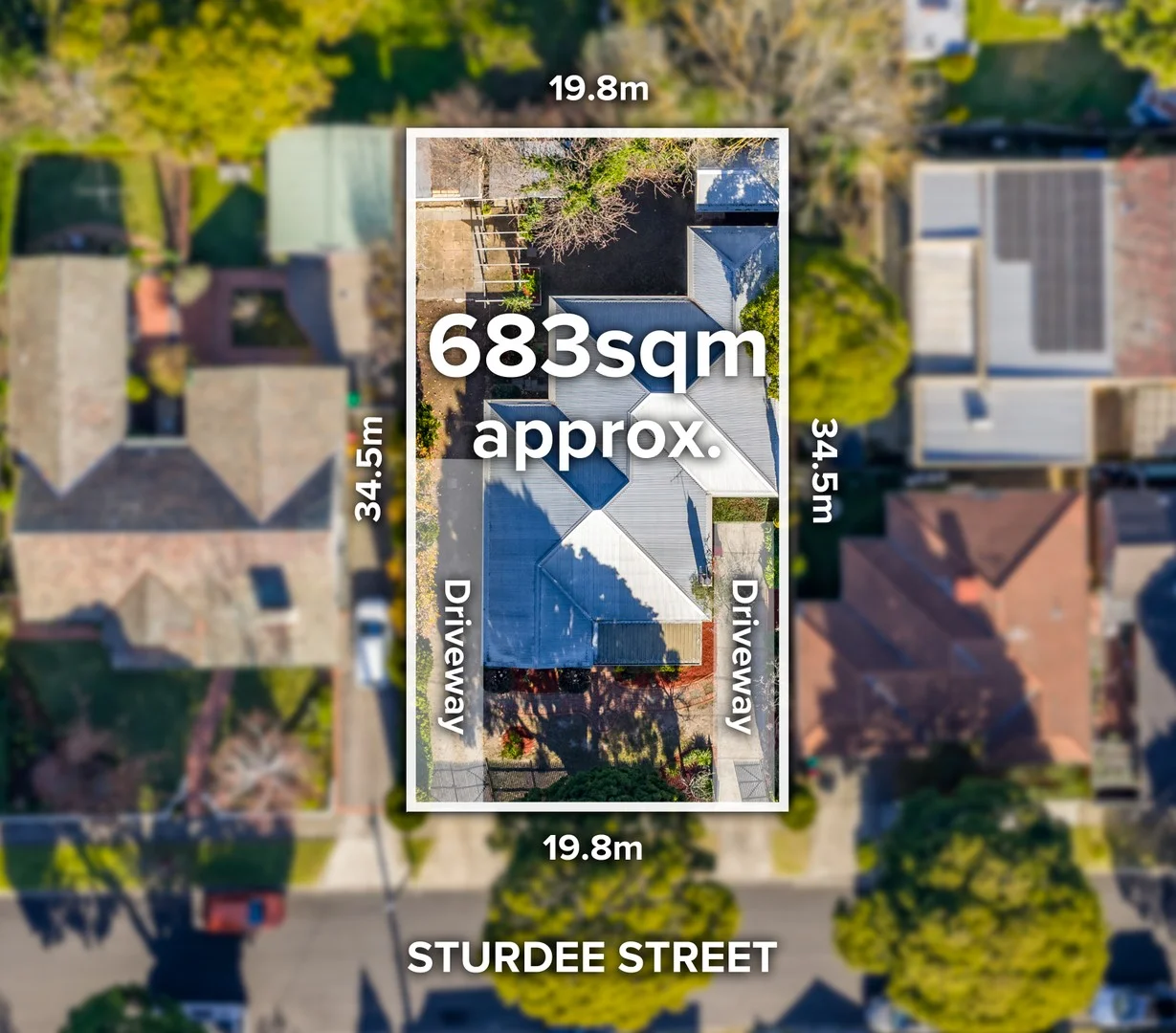 $2,000,000
House
$2,000,000
House
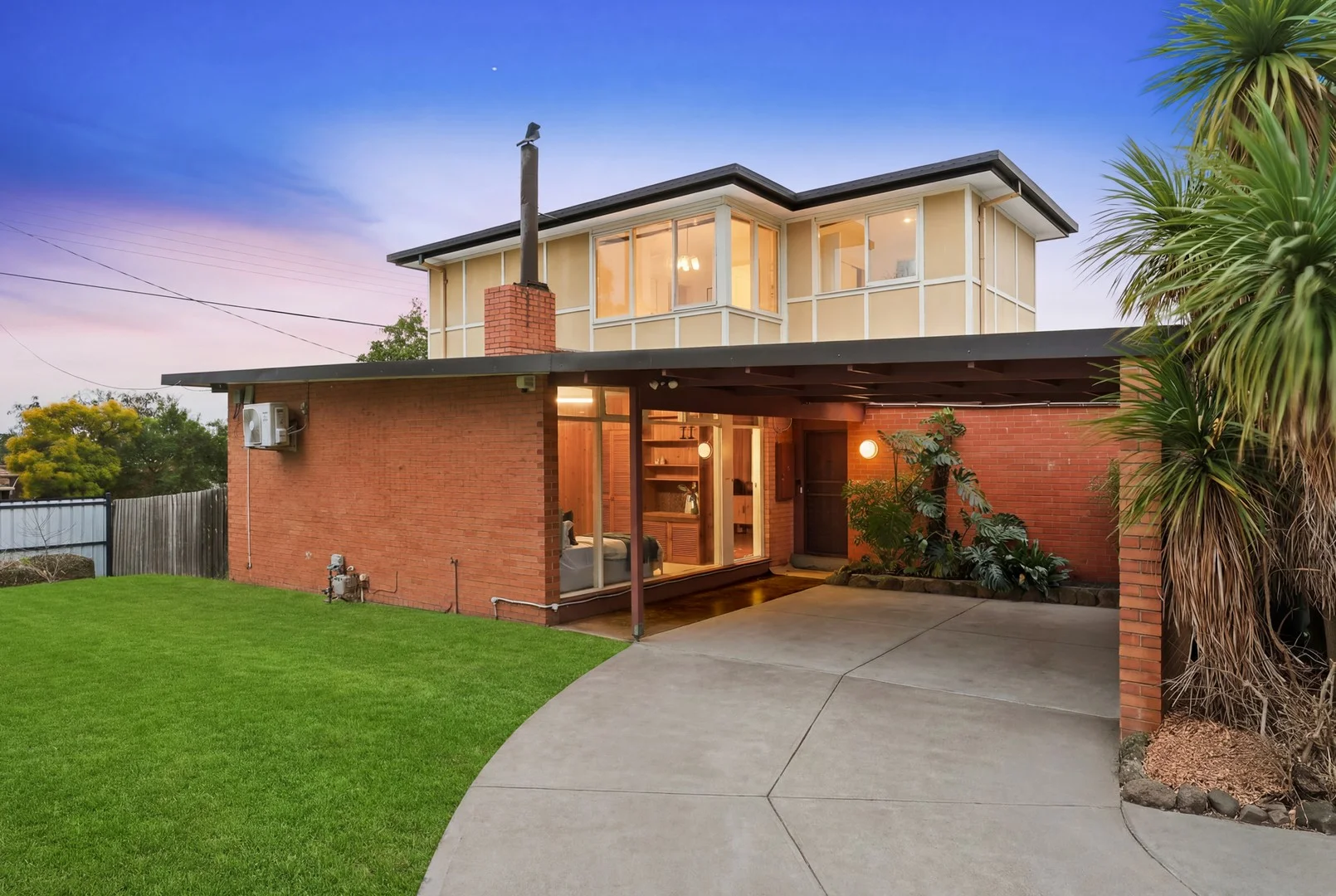 $1,430,000
House
$1,430,000
House


