Overview
## Overview
Olinda Primary School is a small public primary school serving students in the Olinda area of Victoria. The school prioritises a nurturing, close-knit community where every child is supported to grow academically, personally, and socially. With a friendly atmosphere and approachable staff, families typically experience strong student–teacher connections and a shared sense of belonging.
The school emphasises balance—robust core learning in literacy and numeracy alongside arts, sport, and wellbeing. Class sizes and daily routines are designed to be inclusive and supportive, helping students feel confident to take on new challenges within a warm, family-like school environment.
⸻
## Academics & Learning
- Academic strengths: Focus on solid literacy and numeracy foundations, with opportunities for inquiry-based learning, creative thinking, and integrated STEM activities. The school aims to develop students’ communication, problem-solving, and digital literacy skills.
- Special programs: Differentiated learning within classrooms, opportunities for extension and enrichment, and specialist support in arts, physical education, and digital learning. The school supports a range of learners through inclusive practices and targeted interventions where needed.
- NAPLAN / trends: Schools in this region typically participate in NAPLAN with trends that show steady participation and ongoing focus on improving reading and numeracy outcomes over time. For the most current trend data, consult the school’s latest annual report or communicate with the leadership team.
- Student-teacher ratios: Small to medium class sizes help maintain favorable teacher-to-student ratios, enabling more individual attention and tailored support within each year level.
- Support for diverse learners: Comprehensive support for diverse learners, including EAL and SEN supports, inclusive education practices, and targeted interventions to assist students who require extra help or challenge.
⸻
## Sports & Extracurricular Strengths
- Sports offered: A broad range of physical activity opportunities, with regular PE sessions and participation in local or district-level events. Common activities include athletics, ball sports, and fitness-based programs.
- Strong teams or achievements: Students often engage in inter-school events and local competitions, celebrating teamwork, sportsmanship, and personal bests.
- Music, arts, drama programs: Active involvement in music and performing arts, school assemblies, and showcases to build confidence and creativity.
- Clubs: Robotics, coding, chess, debating, and other after-school clubs help students develop problem-solving and collaboration skills outside the classroom.
- Partnerships: Collaborations with local community clubs, sports associations, and coding/tech organizations to provide enrichment opportunities and competitions.
⸻
## Wellbeing & Pastoral Care
- Anti-bullying approach: Clear anti-bullying policies and proactive wellbeing programs promote a safe and respectful school culture, with structures in place to support students who experience or witness bullying.
- House system: A house-based framework that fosters belonging, teamwork, and healthy competition across year levels and activities.
- Counsellors / wellbeing officers: Access to school wellbeing staff or guidance personnel to support emotional health, resilience, and social development.
- Transition support for new students: Orientation activities, buddy systems, and welcome programs help new students settle in smoothly and build connections quickly.
⸻
## Facilities
- Sports grounds: On-site spaces for outdoor recreation, physical education, and inter-school activities.
- Libraries: A learner-friendly library area supporting independent reading and research activities.
- Science labs: Dedicated spaces or learning corners for science exploration and hands-on experiments.
- Music/performing arts centers: Facilities for music, drama, and performance opportunities.
- Tech/innovation labs: Access to digital learning tools and age-appropriate technology-rich learning environments.
- Cafeteria: On-site canteen or lunch facilities supporting healthy eating options.
- Updated playgrounds: Modern, safe play areas that encourage active play and social interaction.
⸻
## School Values & Community Culture
- Values / mission: Aiming to cultivate respectful, curious, resilient, and collaborative learners who contribute positively to their community.
- Leadership style: Emphasis on student voice and leadership opportunities, with a collaborative approach between students, teachers, and families.
- Behaviour expectations: Clear, positive behavior expectations and restorative practices that reinforce respectful conduct and responsible choices.
- Community reputation: A warm, family-focused reputation within the local area, highlighting inclusivity and active parent involvement.
- Diversity & inclusion: Commitment to welcoming students from diverse backgrounds and ensuring equitable access to learning and participation.
⸻
## School Logistics & Daily Operations
- School hours: Typical primary school hours align with regional schedules, often commencing mid-morning and finishing mid-afternoon, with variations by year level.
- Before/after school care: Options commonly available through school-run programs or local providers to support families’ schedules.
- Uniform requirements: School uniform policy with specified attire (e.g., polo or polo-style shirt, navy bottoms, hats) in line with Victorian public school guidelines.
- Transport: Access to local transport options (bus routes and nearby train or tram connections) with supporting information available from the school.
- Canteen availability: On-site canteen or meal program offering healthy options suitable for daily needs.
- Fees: Public primary schools in Victoria typically have low to moderate additional costs for activities, excursions, and optional programs; exact figures are provided by the school.
⸻
## Enrolment & Admissions
11. What is the enrolment process and timeline?
- Begin by submitting an enrolment expression of interest and required documentation (birth certificate, immunisation records, proof of residence, and any catchment details). The school will provide a timeline for applications, tours or information sessions, and the notification of enrolment decisions.
12. Is there a waiting list, and how does it work?
- Depending on year level and vacancies, there may be a waiting list. Priority often aligns with local catchment rules and available places; the school can advise on current wait times and how listings are managed.
13. Are there any entry requirements, tests, or interviews?
- Public primary schools generally do not require entrance exams. Some schools may conduct informal conversations or tours as part of the onboarding process, mainly to understand student needs and ensure a good fit.
14. Does the school accept mid-year transfers?
- Mid-year transfers are considered where spaces are available. Parents should contact the school as early as possible to discuss vacancies, paperwork, and transition arrangements.
⸻
## Frequently Asked Questions
- Why Parents Choose This School?
- A welcoming, family-like community with supportive staff, a focus on core learning and wellbeing, and opportunities across academics, arts, and sport.
- What type of student thrives at this school?
- Students who enjoy a balanced, inclusive environment with strong teacher support, collaborative learning, and engagement in a broad range of activities.
- What opportunities are available for students to extend their skills (academics, sports, arts)?
- Enrichment within classrooms, specialist programs in arts and PE, after-school clubs (robotics, coding, chess, debating), and participation in local inter-school events.
- How does the school communicate with parents?
- Regular updates through newsletters, meetings, digital platforms, and briefings about student progress, events, and upcoming activities.
- What is the school’s approach to teaching and learning?
- A student-centered approach combining literacy and numeracy focus with inquiry-based, collaborative learning and integrated technology.
- How does the school support students who need extra academic help?
- Targeted interventions, differentiation within classes, and access to SEN and EAL supports, with ongoing progress monitoring.
- What support is available for academic challenges?
- In-class adaptations, tutoring or intervention programs, and collaboration with families to implement personalised learning plans where needed.
- How does the school communicate with parents? (Repeated)
- See above: newsletters, meetings, calls, and digital platforms to share updates and progress.
- What are the class sizes and how much individual attention do students receive?
- Class sizes are small to medium, enabling regular teacher support and more individualized attention within the classroom.
- What extracurricular and sports opportunities are available?
- A range of sports, arts, and clubs (robotics, coding, chess, debating) that complement the core curriculum and promote well-rounded development.
- What facilities does the school offer (sports, science, arts)?
- Facilities include libraries, science spaces, music/performing arts areas, tech/innovation spaces, sports grounds, a cafeteria, and updated playgrounds.
- What is the school’s approach to technology and digital learning?
- Integration of digital tools to support learning, with opportunities for students to develop digital literacy and responsible use of technology.
- What transport and accessibility options are available?
- Local transport options (bus routes and nearby rail connections) with information available from the school to help families plan travel.
- What are the typical school fees or additional costs?
- Public primary schools have low to moderate additional costs for materials, activities, and excursions; specifics are provided by the school.
⸻
## Short Pros & Cons list
- Pros
- Small to medium, close-knit community with strong pastoral care
- Supportive, yet opportunities for enrichment in academics, arts, and sport
- Inclusive practices and dedicated staff focusing on individual student growth
- Positive emphasis on wellbeing, student voice, and community involvement
- Accessible facilities that support a well-rounded curriculum
- Cons
- Smaller school size may mean fewer specialized facilities compared with larger schools
- Limited by local catchment and intake capacity; some families may face wait lists for certain year levels
- Availability of some specialist programs may depend on staffing and funding in a given year
⸻










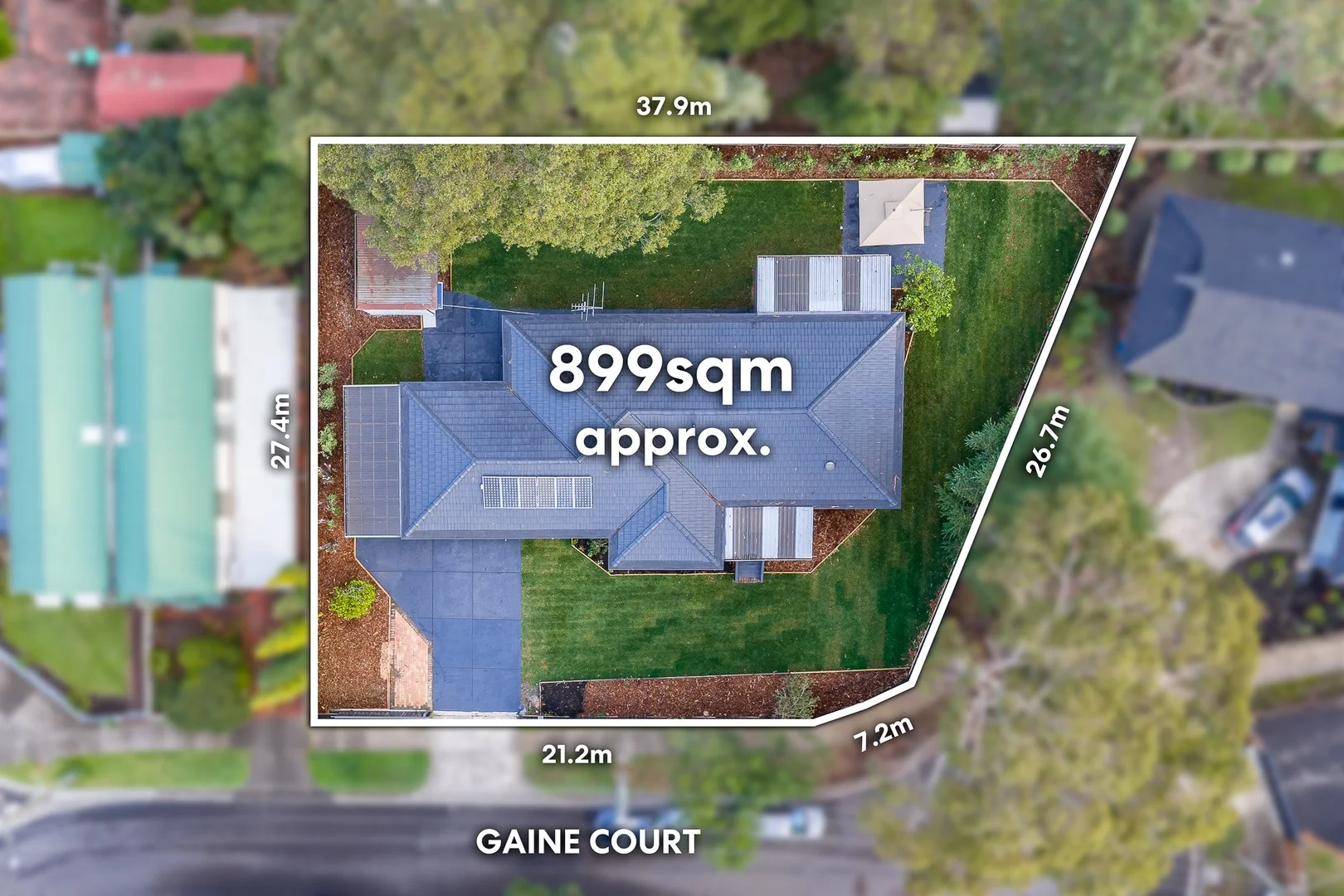 $990,000 - $1,080,000
House
$990,000 - $1,080,000
House
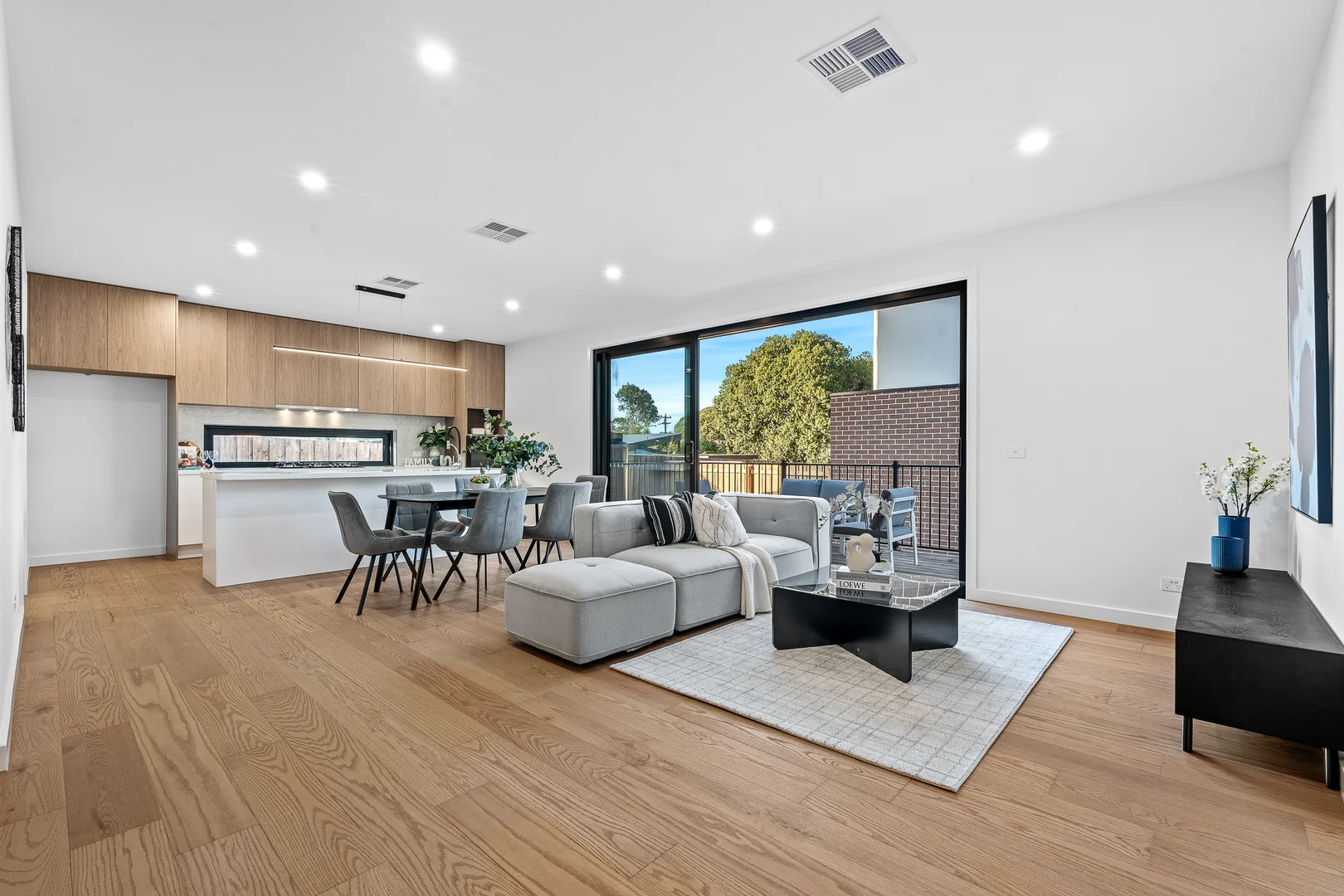 $990,000 - $1,080,000
Townhouse
$990,000 - $1,080,000
Townhouse
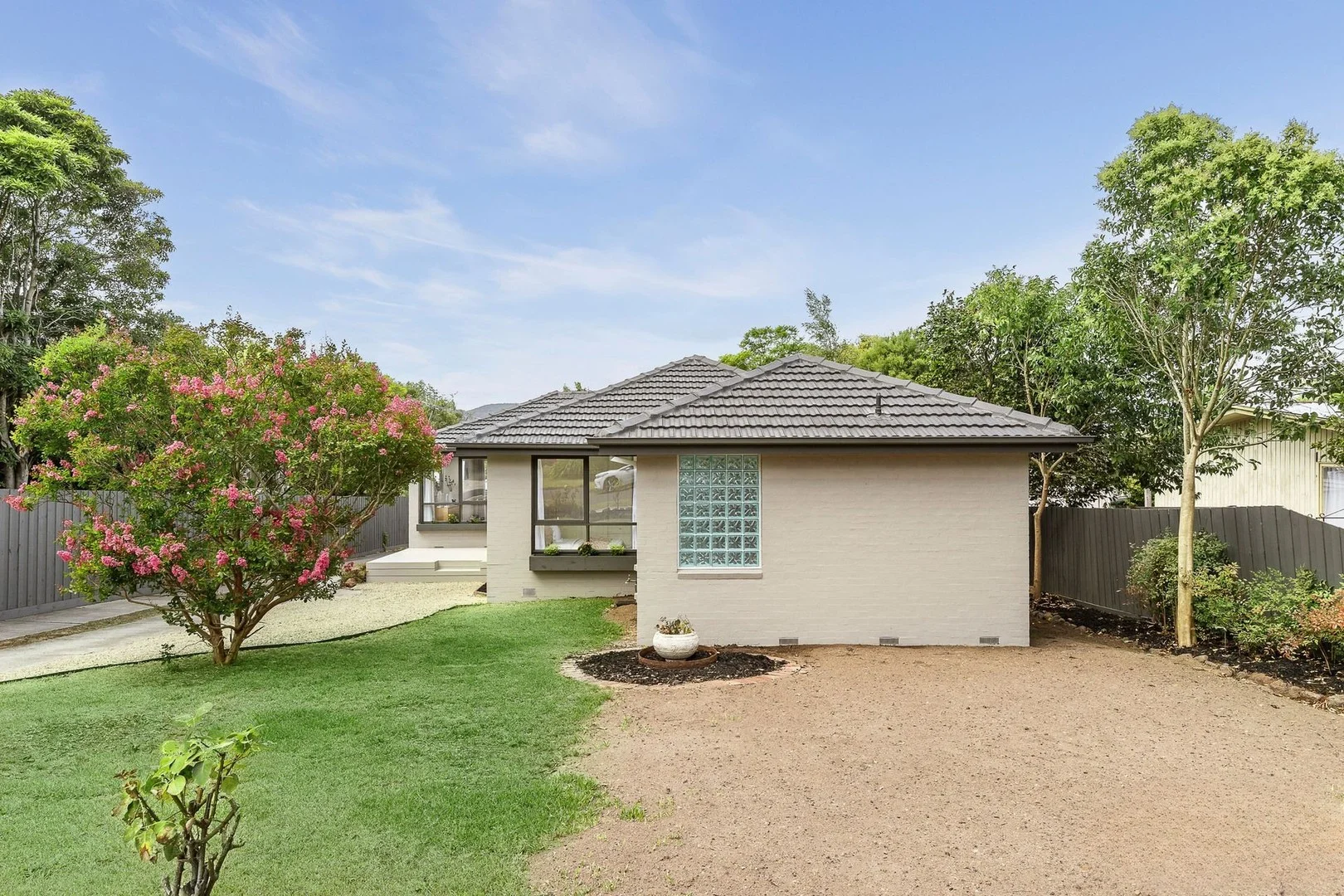 $700
Apartment / Unit / Flat
$700
Apartment / Unit / Flat