Overview
## 1. Overview
Fernbrook School is a public primary school in The Basin, Victoria. It aims to provide a welcoming, community-focused environment where Prep to Year 6 students develop strong foundational skills and social confidence. The school tends to be small-to-medium in size, with class groups typically in the low- to mid-twenties, allowing for more individualized attention while maintaining a sense of classroom energy and collaboration. The atmosphere is described as nurturing and inclusive, with a focus on creating a supportive culture where students feel valued and encouraged to try their best.
Key points:
- School type: Public government primary school
- School size: Small-to-medium
- Class size: Approximately 20–25 students per class
- Atmosphere: Nurturing, inclusive, community-oriented
---
## 2. Academics & Learning
Fernbrook School emphasises strong literacy and numeracy foundations, with opportunities to explore STEM, arts, and languages through integrated learning. The school supports student curiosity and critical thinking with a practical, hands-on approach to everyday learning.
Highlights:
- Academic strengths: Literacy and numeracy, STEM concepts, and creative arts
- Special programs: Enrichment opportunities and digital learning experiences; opportunities for inquiry-based learning
- NAPLAN / Trends: Historically stable results with gradual improvement over time; aims to perform above state averages in key strands
- Student-teacher ratios: Generally around 1:12 to 1:20, varying by year level and classroom
- Support for diverse learners: EAL (English as an Additional Language) support; inclusive education for students with additional learning needs (SEN)
---
## 3. Sports & Extracurricular Strengths
Sports and extracurricular activities are a significant focus for families, with a range of options to suit different interests and skill levels.
- Sports offered: Netball, soccer, basketball, cricket, athletics, and AFL-style activities common to the region
- Strong teams/achievements: Participation in inter-school sports and regional competitions; emphasis on teamwork and fair play
- Music, arts, drama programs: School music and performing arts opportunities, assemblies, and performances
- Clubs: Robotics, coding, chess, debating, and other interest-based clubs at various times during the year
- Partnerships: Connections with local clubs and regional competitions to extend opportunities beyond the classroom
Note: Availability of specific clubs and competitive teams can vary by year; check current offerings with the school.
---
## 4. Wellbeing & Pastoral Care
Wellbeing is a core priority, with systems in place to support students socially, emotionally, and academically.
- Anti-bullying approach: Clear anti-bullying policies, awareness programs, and student empowerment initiatives
- House system: A house structure to promote belonging, healthy competition, and teamwork (house activities and events throughout the year)
- Counsellors / wellbeing officers: Access to school wellbeing staff to support students, with pathways to external support if required
- Transition support: Orientation activities for new students, buddy programs, and dedicated support during year transitions (e.g., start of Prep or moving to the next year)
---
## 5. Facilities
Fernbrook School provides a range of facilities designed to support learning, health, and creativity.
- Sports grounds: Outdoor spaces for PE and recreation
- Libraries: Well-stocked library with reading programs and research activities
- Science labs: Basic science facilities to support hands-on experiments
- Music/performing arts centers: Space for music education and performances
- Tech/innovation labs: Access to digital devices and introductory computing/STEAM activities
- Cafeteria: On-site dining or canteen facilities for students
- Updated playgrounds: Safe, age-appropriate play areas and outdoor learning spaces
Visual, simple, and functional spaces are emphasized to support daily learning routines.
---
## 6. School Values & Community Culture
Families look for schools with clear values and a positive culture. Fernbrook School focuses on respectful, inclusive, and responsible student behavior within a collaborative community.
- School values / mission: Emphasis on respect, resilience, integrity, and teamwork
- Leadership style: Collaborative and student-centered, with input from staff, students, and families where appropriate
- Behaviour expectations: Clear codes of conduct and consistent rules across year levels
- Community reputation: Viewed as a supportive, family-friendly school within the local area
- Diversity & inclusion: Commitment to welcoming students from diverse backgrounds and ensuring accessible learning opportunities for all
---
## 7. School Logistics & Daily Operations
Practical information to help families plan around school life.
- School hours: Typical primary school day from morning to afternoon; precise start/end times may vary by year level
- Before/after school care: Often available via on-site or partner programs (e.g., before/after care arrangements)
- Uniform requirements: School uniform policy in place
- Transport (train/bus routes): Access to local bus routes; proximity to public transport may influence daily commutes
- Canteen availability: On-site canteen or food service during the day
- Fees: Public schools generally have low to moderate voluntary contributions and item charges; specific costs vary by year level and activity
---
## 8. Enrolment & Admissions
Questions about how to join Fernbrook School.
11. What is the enrolment process and timeline?
- Enrolment typically follows Victorian Department of Education processes. Applications are submitted through the school or local enrolment channels during designated intake periods; timelines vary by year and catchment rules.
12. Is there a waiting list, and how does it work?
- Some year levels may experience waitlists depending on space. The school can provide guidance on current wait times and placement likelihood.
13. Are there any entry requirements, tests, or interviews?
- For primary years, entry usually focuses on confirming eligibility, immunisation status, and age requirements. Formal testing or interviews are not commonly required, but the school may request information to support placement and support needs.
14. Does the school accept mid-year transfers?
- Mid-year transfers are sometimes possible if there is space and appropriate documentation; eligibility and placement will be assessed by the school.
---
## 9. Frequently Asked Questions
- Why Parents Choose This School?
- A welcoming, inclusive community with a focus on strong literacy and numeracy foundations, plus broad opportunities in sport, arts, and clubs.
- What type of student thrives at this school?
- Curious, cooperative learners who benefit from a supportive atmosphere, collaborative learning, and a range of enrichment options.
- What opportunities are available for students to extend their skills (academics, sports, arts)?
- Enrichment activities, clubs (robotics, coding, chess, debating), sports teams, and performing arts opportunities; regular opportunities to participate in local competitions and events.
- How does the school communicate with parents?
- Regular updates via newsletters, notices, parent-teacher meetings, and digital platforms; open channels for concerns and feedback.
- What is the school’s approach to teaching and learning?
- Student-centered learning with a focus on literacy, numeracy, inquiry, and practical applications; emphasis on inclusive practices and differentiation.
- How does the school support students who need extra academic help?
- Targeted support within the classroom, specialist assistance where available, and access to wellbeing and SEN support services.
- What support is available for academic challenges?
- Additional tutoring or small-group support, learning plans, and monitoring by teachers and support staff.
- How does the school communicate with parents? (Repeated prompt; see above)
- What are the class sizes and how much individual attention do students receive?
- Class sizes typically around 20–25 students, with teachers providing differentiated instruction and opportunities for small-group guidance.
- What extracurricular and sports opportunities are available?
- A range of sports and clubs, including team sports, robotics, coding, chess, debating, and performing arts activities.
- What facilities does the school offer (sports, science, arts)?
- Sports grounds, library, science labs, music/performing arts facilities, and basic tech/innovation resources.
- What is the school’s approach to technology and digital learning?
- Integrated digital learning with access to devices and age-appropriate software to develop digital literacy and research skills.
- What transport and accessibility options are available?
- Local bus routes and proximity to public transport; school facilities are designed with accessibility in mind.
- What are the typical school fees or additional costs?
- Public primary schools have low to moderate voluntary contributions and charge for certain activities; exact costs vary annually.
---
## 10. Short Pros & Cons list
- Pros
- Nurturing, inclusive environment with a focus on core literacy and numeracy
- Small-to-medium class sizes allowing more individual attention
- Broad range of extracurricular options (sports, clubs, arts)
- Clear wellbeing and anti-bullying focus; supportive pastoral care
- Community-focused, family-friendly culture
- Cons
- As a public school, program offerings can vary by year and may be more limited than some private or independent options
- Availability of some specialised programs (e.g., advanced STEM labs or certain clubs) may depend on year level and staffing
- Transport options depend on local routes and catchment; some families may rely on car travel
If you’d like, I can tailor these sections further with verified details from Fernbrook School (such as exact enrolment timelines, current programs, and the latest facilities list) once you provide or confirm the official information.










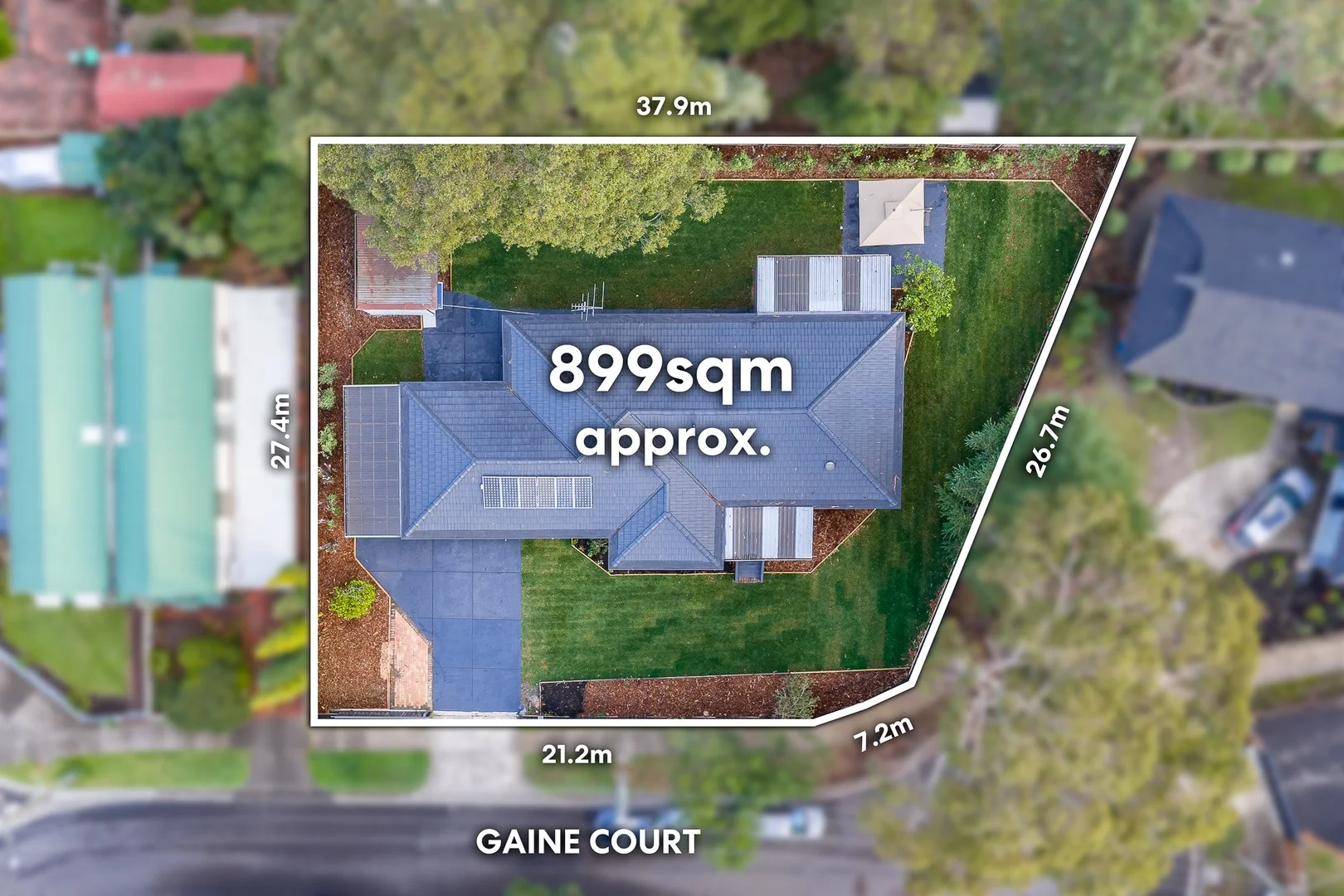 $990,000 - $1,080,000
House
$990,000 - $1,080,000
House
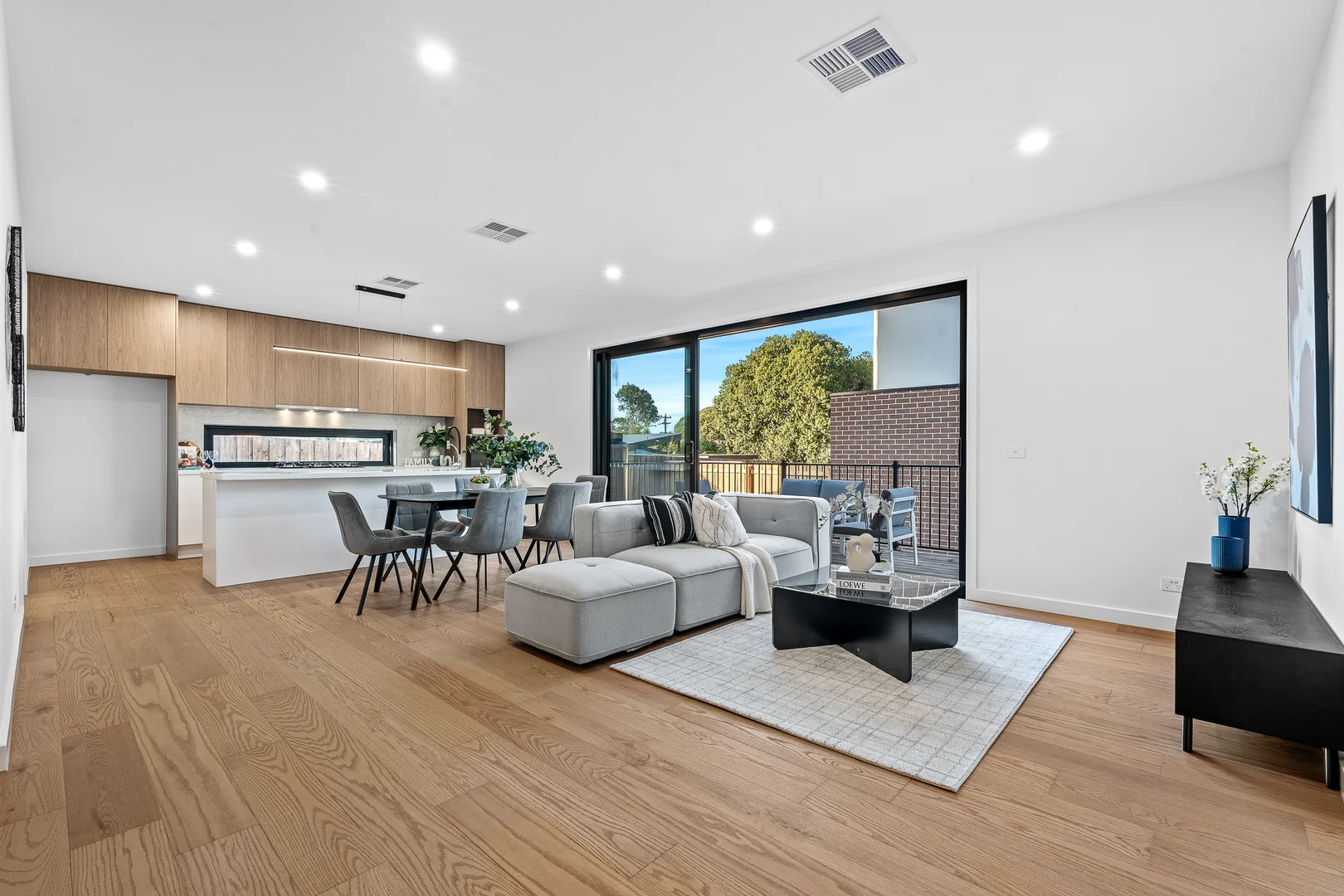 $990,000 - $1,080,000
Townhouse
$990,000 - $1,080,000
Townhouse
 $700
Apartment / Unit / Flat
$700
Apartment / Unit / Flat
 $1,300,000
House
$1,300,000
House