Overview
OneSchool Global Sydney Campus, Oatlands (NSW 2117) operates as an independent/private school within the OneSchool Global network. The campus emphasizes a digitally-enabled, flexible learning model designed to support student progression across a broad range of pathways. It is a small-to-medium campus where learning is personalised, and students benefit from a globally connected educational community.
The atmosphere is nurturing and inclusive, with a focus on student wellbeing, supportive relationships, and opportunities to develop academically while engaging in practical, technology-enabled learning. Class sizes tend to be small-to-medium, enabling more individual attention and tailored support for diverse learners.
Academics & Learning
- Academic strengths: Strong emphasis on digital literacy, STEM, English and literacy development, and leadership skills, with opportunities to explore languages and global perspectives through a blended learning model.
- Special programs: Flexible/distance-friendly learning options within a blended paradigm, plus pathways for gifted and talented students and accelerative options as available through the campus network.
- Support for diverse learners: EAL (English as an Additional Language) support, learning support staff, and targeted interventions to assist students needing extra academic help.
- Sports offered: A range of team and individual sports common to NSW schools (e.g., basketball, soccer, cricket, athletics, swimming) geared toward participation, skill development, and teamwork.
- Strong teams or achievements: Participation in local inter-school events and regional competitions; emphasis on personal bests and team spirit.
- Music, arts, drama programs: Active music and performing arts program with opportunities to participate in school productions and ensembles.
- Clubs: Robotics, coding, chess, debating, and other technology- or academically oriented clubs to develop critical thinking and collaboration.
- Partnerships: Local community partnerships and opportunities to engage with coding/robotics programs and external competitions to extend learning beyond the classroom.
Most parents find this range appealing for boys aged 10–14 who value balance between academics and active, hands-on opportunities.
Wellbeing & Pastoral Care
- Anti-bullying approach: Clear policies with supportive, restorative practices and a focus on a respectful school culture.
- House system: A house or team-based structure to foster belonging, healthy competition, and peer mentoring.
- Counsellors / wellbeing officers: Access to school counsellors or wellbeing coordinators to support social-emotional health and resilience.
- Transition support for new students: Orientation programs, buddy systems, and transition resources to help new students settle in smoothly.
Facilities
- Sports grounds: On-site or readily accessible sports facilities suitable for a variety of activities.
- Libraries: Modern libraries with digital resources to support research and reading.
- Science labs: Well-equipped science laboratories for hands-on experiments and inquiry-based learning.
- Music/performing arts centers: Spaces dedicated to music practice and drama, with performance opportunities.
- Tech/innovation labs: Dedicated spaces for digital learning, coding, and project-based exploration.
- Cafeteria: On-site canteen or meal facilities offering healthy options.
- Updated playgrounds: Safe, modern outdoor play and recreation areas for students.
- School values / mission: A values-led culture emphasising respect, responsibility, integrity, collaboration, and empathy within a globally connected learning community.
- Leadership style: Collaborative leadership with student voice and opportunities for leadership roles across teams and clubs.
- Behaviour expectations: Clear codes of conduct and positive behaviour supports to foster a respectful, inclusive environment.
- Community reputation: Known for a supportive atmosphere and a focus on digital learning and wellbeing within a diverse student body.
- Diversity & inclusion: Commitment to inclusive practices, equity, and opportunities for students from varied backgrounds.
School Logistics & Daily Operations
- School hours: Typical instructional day aligned with NSW school norms (morning to mid-afternoon); early start/late finish options may vary.
- Before/after school care: Care options available to support families beyond school hours.
- Uniform requirements: School uniform policy in place, with details varying by year level.
- Transport: Access to bus routes and public transport; information on local transport options and pick-up/drop-off points available through the campus.
- Canteen availability: On-site canteen or meal facilities offering healthy options.
- Fees: Independent/private school fees; ranges described as mid-to-high relative to local options, with variations by year level and program; additional costs may include excursions, uniforms, and specific program fees.
Enrolment & Admissions
- What is the enrolment process and timeline?
- Begin with an inquiry or expression of interest, followed by an application, submission of required documents, and a campus-specific intake interview or meeting. There may be an assessment or task depending on year level, and the timeline varies by intake period (termly or yearly).
- Is there a waiting list, and how does it work?
- Some intakes may operate with a waiting list when there is not immediate availability. Placement typically depends on space, submission of required paperwork, and alignment with program availability.
- Are there any entry requirements, tests, or interviews?
- Entry usually involves an interview and may include an assessment or tasks appropriate to the student’s year level. For EAL students or those requiring additional support, there may be additional screening to identify needed supports.
- Does the school accept mid-year transfers?
- Mid-year transfers may be possible if there is space and alignment with program timing; confirmation is provided by the admissions team after review of the student’s records and current enrolment status.
Frequently Asked Questions
- Why Parents Choose This School?
- A private, independent school with a global network, personalised digital learning, strong wellbeing support, and a community-focused environment that emphasizes both academics and practical skills.
- What type of student thrives at this school?
- Students who are self-motivated, curious, collaborative, and comfortable with digital learning, while valuing a supportive community and opportunities to explore multiple interests.
- What opportunities are available for students to extend their skills (academics, sports, arts)?
- Academics: pathways and accelerated options within a blended learning model; involvement in STEM, leadership programs, and language studies.
- Sports: participation in school and inter-school competitions; broad physical education offerings.
- Arts: music, drama, and performing arts opportunities; access to facilities for creative projects.
- Clubs: robotics, coding, chess, debating, and other enrichment clubs.
- How does the school communicate with parents?
- Regular updates via newsletters, a parent portal, emails, and scheduled meetings; opportunities for informal contact with teachers and wellbeing staff.
- What is the school’s approach to teaching and learning?
- A blended, digitally empowered approach combining teacher-led instruction with independent learning and project-based activities; emphasis on inquiry, collaboration, and ongoing assessment.
- How does the school support students who need extra academic help?
- Targeted learning support, EAL services, tutoring or intervention programs, and access to learning specialists as needed.
- What support is available for academic challenges?
- Diagnostic supports, individualized learning plans, additional tutoring, and collaboration with families to tailor supports.
- How does the school communicate with parents? (Repeated question)
- See above: regular updates through multiple channels and opportunities for dialogue with staff.
- What extracurricular and sports opportunities are available?
- A range of sports, arts, and student clubs including robotics, coding, chess, and debating, with opportunities to participate in inter-school events.
- What facilities does the school offer (sports, science, arts)?
- Sports facilities, science labs, libraries, music/performing arts spaces, technology labs, and dining facilities.
- What is the school’s approach to technology and digital learning?
- Strong emphasis on digital learning, integrated technology across the curriculum, and opportunities for students to develop digital literacy and project-based skills.
- What transport and accessibility options are available?
- Information on local transport options, bus routes, and campus accessibility; details provided by the admissions team.
- What are the typical school fees or additional costs?
- Fees are in the private school range with variability by year level and program; additional costs may include uniforms, excursions, and resource fees. Families should consult the campus for a precise quote.
Short Pros & Cons list
- Independent/private school with a global network and digital learning focus
- Supportive wellbeing and inclusive culture
- Broad enrichment through STEM, arts, sports, and clubs
- Flexible pathways and potentially accelerated options
- Fees reflect private/independent status and may be higher than government options
- Availability of places can vary by intake period; there may be a waiting list
- Specific programs and facilities may vary by campus and year level
 Free
Free










 $36,000,000 - $39,500,000
Vacant Land
$36,000,000 - $39,500,000
Vacant Land
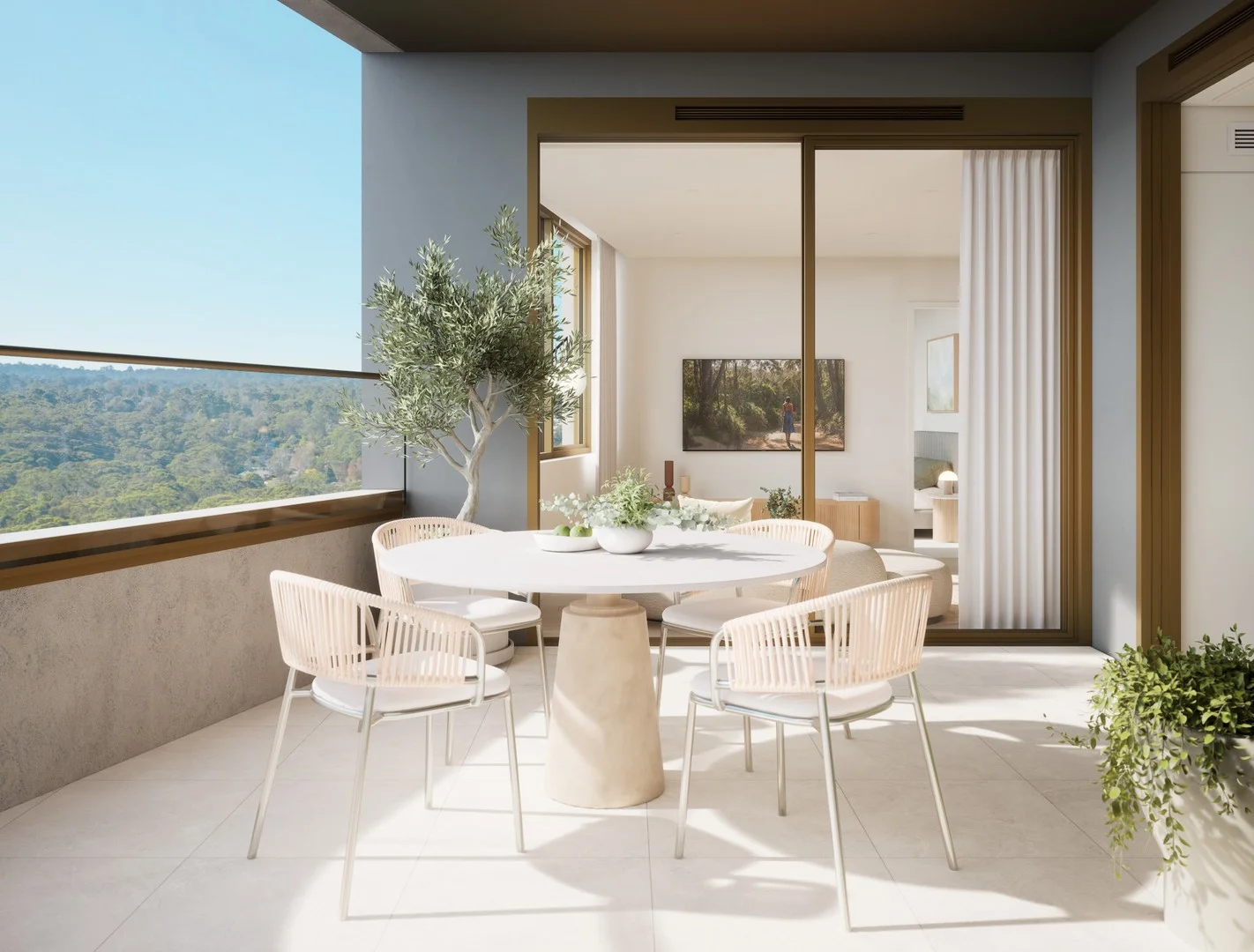 $1,525,000
Apartment / Unit / Flat
$1,525,000
Apartment / Unit / Flat
 $399,900
Apartment / Unit / Flat
$399,900
Apartment / Unit / Flat
 $450,000 - $470,000
Apartment / Unit / Flat
$450,000 - $470,000
Apartment / Unit / Flat