Overview
Carlingford West Public School is a public, co-educational primary school serving students in Carlingford, NSW. The school embraces a nurturing, inclusive environment designed to support a diverse student body across the early years and upper primary years. With a medium-sized community and a focus on strong literacy and numeracy foundations, the school aims to create a positive atmosphere where students feel valued and engaged in their learning.
Class sizes are typically in the mid-20s, which supports targeted teaching and individual attention within a collaborative classroom setting. The overall culture emphasises respect, resilience and positive wellbeing, alongside a commitment to academic achievement and student participation in school life.
Academics & Learning
- Academic strengths: Strong emphasis on literacy and numeracy, with opportunities to engage in STEM activities, digital literacy, and leadership development through student initiatives.
- Special programs: Gifted and Talented options and other extension opportunities may be available, with IB or accelerated learning programs offered at some NSW public schools—check with the school for current offerings.
- Support for diverse learners: EAL/D support and inclusive education programs; targeted interventions and SEN support are commonly provided to students needing extra assistance.
- Sports offered: A range of team and individual sports suitable for primary-aged students, including football (soccer), netball, cricket, athletics, swimming and gym/fitness activities as part of the school program.
- Strong teams or achievements: Participation in inter-school events and district competitions is common, with opportunities for students to contribute to school teams and showcase sport skills.
- Music, arts, drama programs: Active music and performing arts programs with opportunities to perform in school assemblies and stage productions; visual arts activities are incorporated into the curriculum.
- Clubs: Robotics, coding, chess, debating and other enrichment clubs are typically offered or supported through after-school activities.
- Partnerships: Local partnerships and affiliations with community groups or regional competitions help provide broader experiences in sport, coding, robotics and arts.
Wellbeing & Pastoral Care
- Anti-bullying approach: A proactive wellbeing framework with clear policies, student support, and restorative practices to address issues and promote respectful interactions.
- House system: A house-based structure is used to foster belonging, collaboration and friendly competition across year levels.
- Counsellors / wellbeing officers: Access to school-based wellbeing staff or support personnel to assist students with social, emotional and mental health needs.
- Transition support for new students: Orientation activities, buddy programs and transition pathways help new students settle in smoothly and build connections.
Facilities
- Sports grounds: Outdoor play areas and sport-specific spaces support physical education and active play.
- Libraries: A library/learning hub supports reading, research and engagement with books and digital resources.
- Science labs: Dedicated spaces for science activities and hands-on investigations.
- Music/performing arts centers: Facilities and spaces to support music, drama and performances.
- Tech/innovation labs: Access to technology-enabled learning and digital creation activities.
- Cafeteria: On-site canteen or meal arrangements to provide healthy food options.
- Updated playgrounds: Well-maintained outdoor spaces for recess and lunch-time play.
- School values / mission: Emphasis on respect, responsibility, inclusion and teamwork; encouraging student leadership and a positive school climate.
- Leadership style: Collaborative and student-centered, with opportunities for student voice through councils or leadership roles.
- Behaviour expectations: Clear codes of conduct, consistent routines and positive reinforcement to promote constructive behaviour.
- Community reputation: Built on inclusive practices, active parent involvement and a focus on student wellbeing and achievement.
- Diversity & inclusion: Commitment to a welcoming environment that respects differences and supports all learners.
School Logistics & Daily Operations
- School hours: Typical school day routines align with NSW public school schedules (start around 8:30am and finish mid-to-late afternoon); before/after school care arrangements may be available via external providers.
- Before/after school care: Often available through local providers or school-based arrangements; confirm with the school.
- Uniform requirements: School uniform is typically compulsory, with specified items for everyday wear and PE/sport days.
- Transport (train/bus routes): Public transport options (bus and rail) servicing the Carlingford area are commonly used by families; consult Transport for NSW and local timetables for specifics.
- Canteen availability: Canteen or canteen services generally operate on scheduled days.
- Fees (low/medium/high ranges): NSW public schools do not charge tuition fees; there are usually voluntary contributions and some costs for excursions, specialist programs, or activities.
Enrolment & Admissions
- What is the enrolment process and timeline?
- Enrolment is handled through the NSW Department of Education in conjunction with the local school. Begin by checking your local intake area and gathering required documents (proof of address, birth certificate, immunisation history statement). Submit the enrolment application to the school; timelines vary by year and availability. The school will guide you through next steps, including any information sessions or orientation.
- Is there a waiting list, and how does it work?
- In-area enrolments are prioritised. If year group places are full, out-of-area applications may be placed on a waiting list and offered a place if space becomes available. The school can advise on expected wait times and options.
- Are there any entry requirements, tests, or interviews?
- NSW public primary schools generally do not require entrance tests or formal interviews for enrolment. Admissions are based on eligibility (in-area status, documentation) and space availability. Immunisation status is typically required.
- Does the school accept mid-year transfers?
- Mid-year transfers are possible if there is space and if you provide the necessary documentation. It’s best to contact the school’s enrolments officer promptly to discuss availability and required steps.
Frequently Asked Questions
- Why Parents Choose This School?
- A public, community-focused option with a nurturing environment, strong literacy/numeracy focus, solid wellbeing support, and a range of extra-curricular opportunities.
- What type of student thrives at this school?
- Curious, collaborative, respectful students who engage across academics, sport, arts and community activities; families who value a balanced approach to learning and wellbeing.
- What opportunities are available for students to extend their skills (academics, sports, arts)?
- Access to gifted/talented opportunities where available, extension activities, clubs (robotics, coding, chess, debating), sport teams, music and performing arts programs, and leadership opportunities.
- How does the school communicate with parents?
- Through newsletters, emails, school apps or portals, parent-teacher meetings and regular updates on student progress and school events.
- What is the school’s approach to teaching and learning?
- Evidence-based, student-centered learning with differentiation to meet diverse needs, integration of technology, and a focus on literacy, numeracy and critical thinking.
- How does the school support students who need extra academic help?
- Targeted interventions, SEN support, EAL/D assistance, reading/numeracy support and small-group instruction where appropriate.
- What support is available for academic challenges?
- Access to tutors, learning support staff, and collaborative planning with families to address individual learning goals.
- How does the school communicate with parents? (Repeated)
- See above: newsletters, portals, meetings and timely updates.
- What extracurricular and sports opportunities are available?
- A range of sports, plus clubs in robotics, coding, chess and debating, along with music and performing arts programs.
- What facilities does the school offer (sports, science, arts)?
- Sports grounds, library, science labs, music/performing arts spaces, tech/innovation facilities, and playgrounds, all designed to support a well-rounded curriculum.
- What is the school’s approach to technology and digital learning?
- Integrated digital learning across the curriculum with access to devices and appropriate software, plus guidance on digital citizenship and responsible use.
- What transport and accessibility options are available?
- Access to local public transport options and well-planned drop-off/pick-up arrangements; details depend on local routes and school facilities.
- What are typical school fees or additional costs?
- There are no tuition fees for public schooling; families may encounter voluntary contributions and costs for excursions, activities or materials.
Short Pros & Cons list
- Public, community-focused environment with a balanced academic and wellbeing emphasis.
- Strong literacy and numeracy foundations with opportunities in STEM, digital learning and leadership.
- Active sport, arts and extracurricular programs, plus clubs such as robotics, coding, chess and debating.
- Supportive wellbeing framework, house system and transition planning for new students.
- Flexible enrolment options (subject to space) and straightforward mid-year transfer processes when available.
- Availability of certain specialist programs (e.g., IB or accelerated options) may vary year to year; confirm current offerings with the school.
- Transport and commute considerations will depend on family location and local routes.
- Some activities and excursions may involve additional costs beyond standard contributions.
 Free
Free









 $36,000,000 - $39,500,000
Vacant Land
$36,000,000 - $39,500,000
Vacant Land
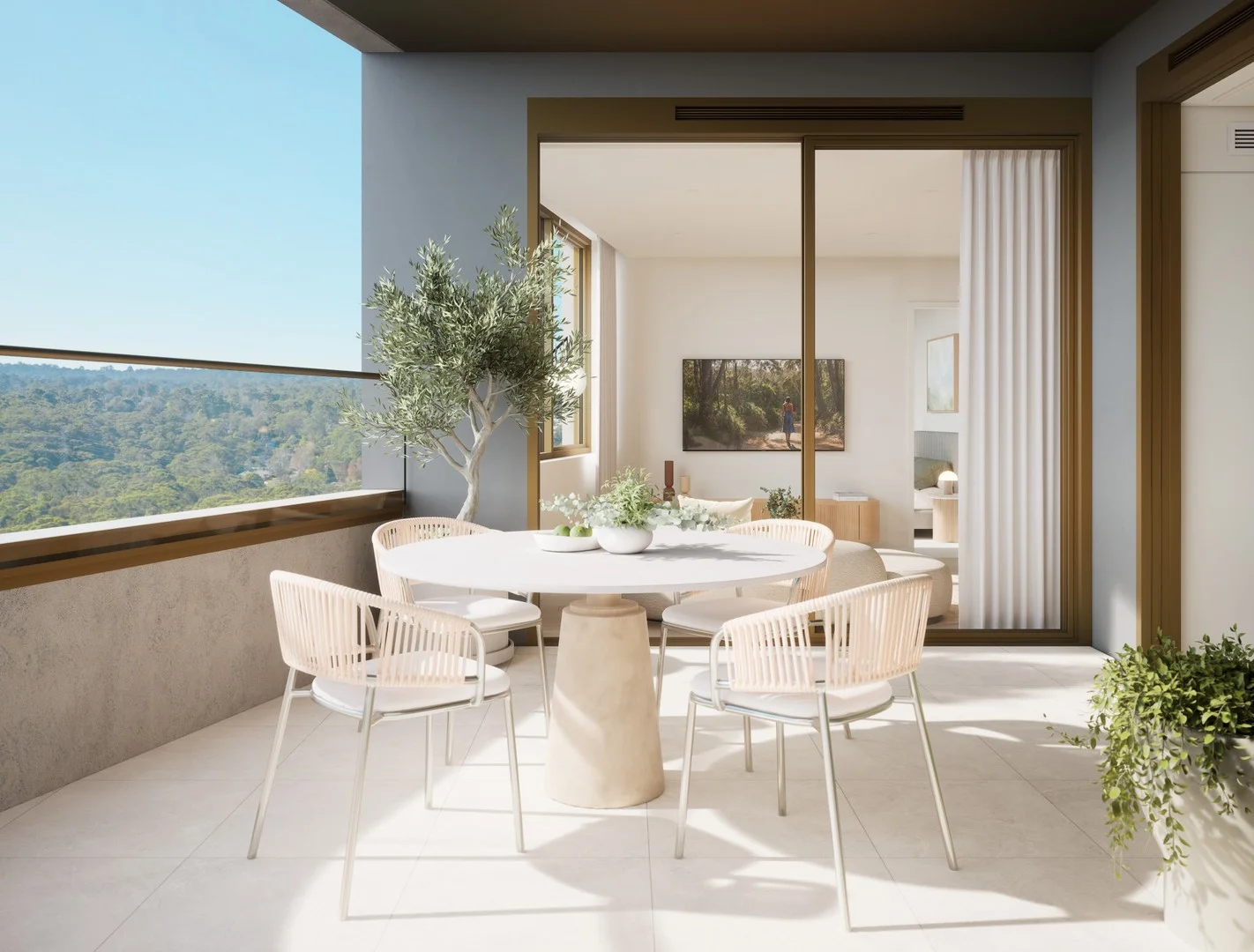 $1,525,000
Apartment / Unit / Flat
$1,525,000
Apartment / Unit / Flat
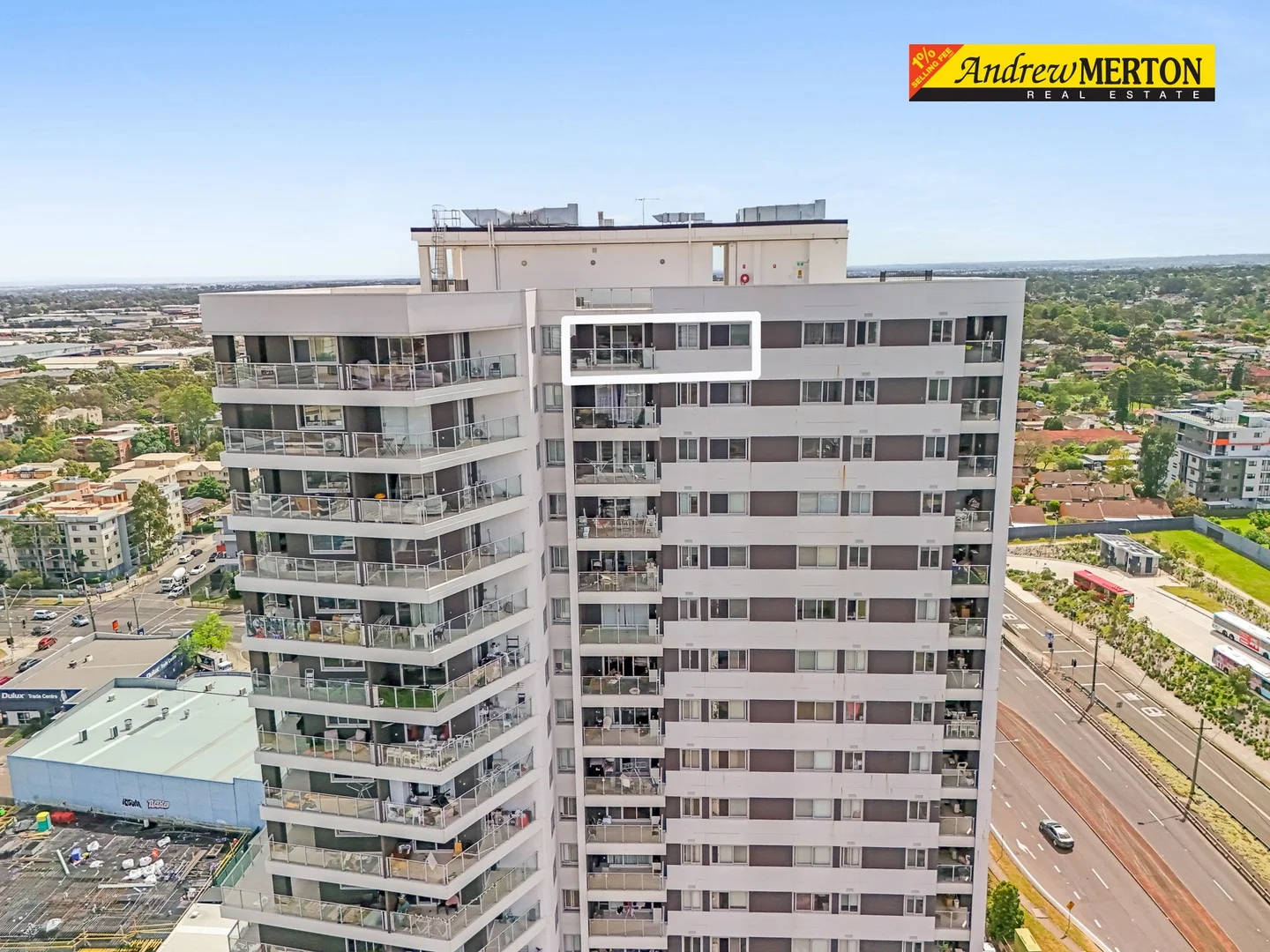 $399,900
Apartment / Unit / Flat
$399,900
Apartment / Unit / Flat
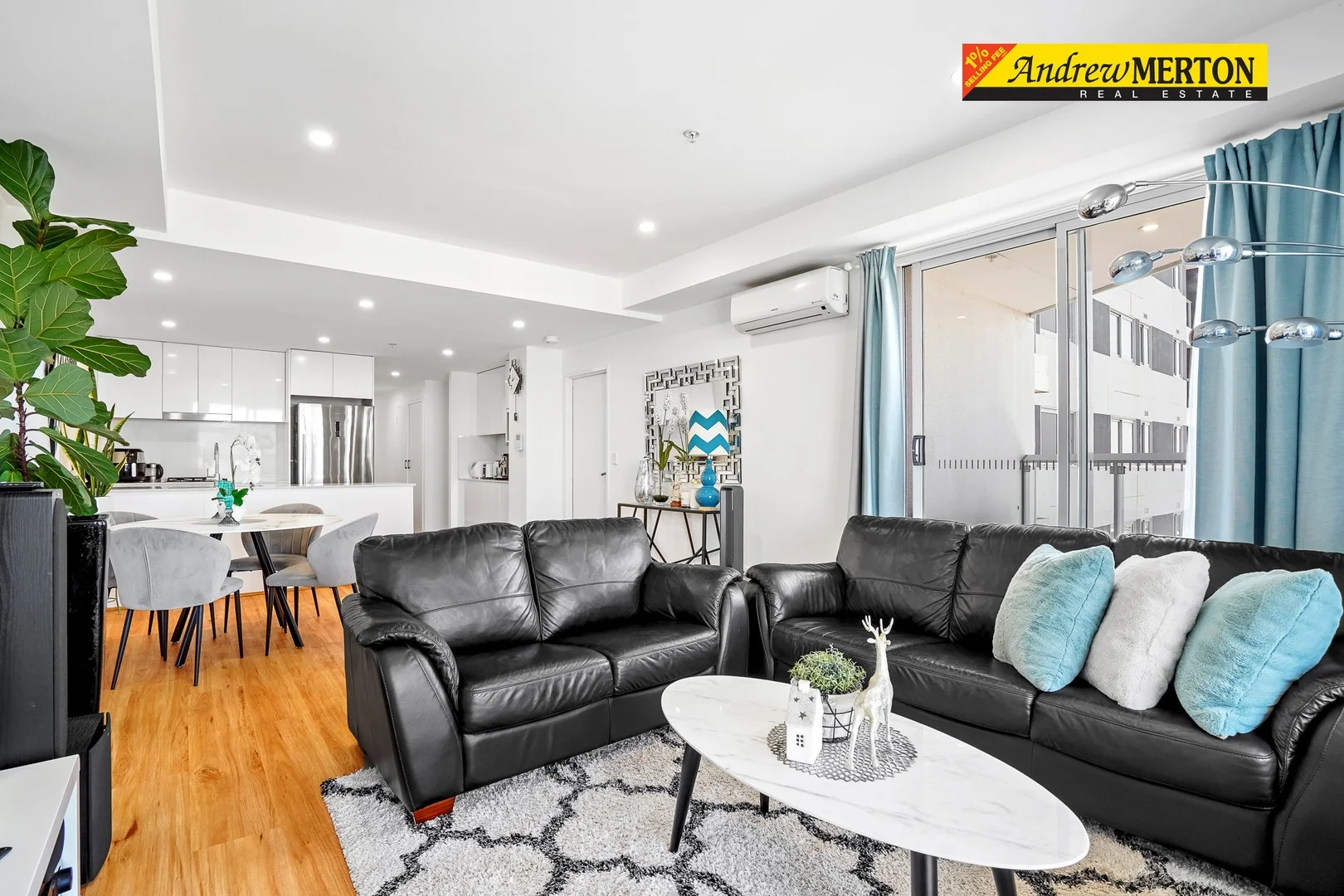 $450,000 - $470,000
Apartment / Unit / Flat
$450,000 - $470,000
Apartment / Unit / Flat