1. Overview
James Ruse Agricultural High School is a public selective high school in Carlingford, NSW, known for its strong academic reputation and high-achieving student body. As a large, government-run school, it draws students from across the region who are motivated to pursue rigorous coursework, particularly in STEM. Class sizes are medium to large, with typical cohorts designed to balance strong teacher support and peer collaboration. The atmosphere is generally academic and focused, but the school also emphasises inclusive practices and a supportive culture that helps students thrive.
2. Academics & Learning
- Academic strengths: The school is renowned for its STEM emphasis, with strong performance in mathematics and sciences, complemented by robust English and humanities programs to ensure well-rounded achievement. Leadership development and opportunities in languages are part of the broader curriculum.
- Special programs: Gifted and talented pathways are central to the school, with accelerated or extended learning options typical for high-achieving students.
- NAPLAN trends: History shows consistently high NAPLAN performance across domains, with strong year-to-year stability and growth in reading, writing, language conventions, and numeracy.
- Student-teacher ratios: Class sizes and teacher-to-student support are structured to provide meaningful instruction and ongoing feedback, with favorable ratios that support individual attention within a high-demand curriculum.
- Support for diverse learners: The school provides support for diverse learners, including English as an Additional Language (EAL) learners and students with special educational needs (SEN), through targeted interventions and coordinated support.
3. Sports & Extracurricular Strengths
- Sports offered: A broad range of sports is available, including athletics, swimming, cricket, basketball, soccer, tennis and more, with opportunities for competitive or recreational participation.
- Strong teams or achievements: The school typically fields competitive teams and participates in regional or state-level competitions, with a track record of achievement in various inter-school events.
- Music, arts, drama programs: There are established music and performing arts programs that provide avenues for ensemble work, solo performance and drama.
- Clubs: Robotics, chess, coding and debating are commonly active, alongside other academic and hobby clubs that support inquiry and skill development.
- Partnerships: The school often engages with local universities and external competitions or academies to broaden opportunities in science, technology and engineering.
4. Wellbeing & Pastoral Care
- Anti-bullying approach: The school emphasizes a proactive anti-bullying stance with clear policies, student education and supportive reporting mechanisms.
- House system: A house-based structure (where present) supports pastoral care, mentoring and community-building through events and activities.
- Counsellors / wellbeing officers: Dedicated wellbeing staff and guidance counsellors are available to support students with academic planning, personal development and mental health concerns.
- Transition support for new students: Orientation programs, buddy systems and targeted transition support help new students settle in smoothly and connect with peers and staff.
5. Facilities
- Sports grounds: On-site or nearby sports facilities support a variety of physical education and competition needs.
- Libraries: Well-stocked libraries with study spaces and quiet zones.
- Science labs: Modern science laboratories equipped for hands-on experiments across disciplines.
- Music/performing arts centers: Dedicated spaces for music rehearsals, drama and performance.
- Tech/innovation labs: Computer labs and innovation spaces to support coding, robotics and project work.
- Cafeteria: On-site dining options for students and staff.
- Updated playgrounds: Well-maintained outdoor areas for breaks and recreation.
6. School Values & Community Culture
- School values / mission: A culture of excellence, integrity, and collaboration underpins academic and personal development.
- Leadership style: Student leadership opportunities exist, fostering responsibility, initiative and peer mentorship.
- Behaviour expectations: Clear behavioural standards emphasize respect, hard work and accountability.
- Community reputation: The school is widely regarded for high academic standards and a strong student community, with a reputation for diligence and achievement.
- Diversity & inclusion: The school seeks to be inclusive, welcoming students from diverse backgrounds and providing support to ensure belonging and success.
7. School Logistics & Daily Operations
- School hours: Typical school day runs from morning to afternoon with structured timetables; exact times may vary by year group.
- Before/after school care: Some arrangements may exist through school clubs or external providers; check current offerings for supervision outside standard hours.
- Uniform requirements: A formal school uniform is required, with guidelines on attire for everyday wear and special events.
- Transport (train/bus routes): Public transport options (buses and nearby train links) are commonly used by students; school transport services or arrangements may be available for enrolled families.
- Canteen availability: An on-site canteen or snack options are available to students during breaks.
- Fees (low/medium/high ranges): Being a public school, there are no tuition fees, with costs arising from uniforms, booklists, excursions and voluntary contributions; overall, costs are considered low relative to many private options.
8. Enrolment & Admissions
11. What is the enrolment process and timeline?
- Enrolment is through the NSW Department of Education’s selective high school process. Families apply for the Selective High School Placement (SSP) test during the appropriate year (typically in Year 5 for Year 7 entry). Test results determine eligibility for placement, followed by school-specific offer timelines and orientations.
12. Is there a waiting list, and how does it work?
- Yes, there is a waiting list process. If more eligible applicants are needed to fill places, successful candidates from the waiting list are offered places as vacancies arise. The timing can vary depending on applications, test results and available spaces.
13. Are there any entry requirements, tests, or interviews?
- Entry is primarily via the Selective High School Entrance Test (SSP) administered by the Department of Education. Interviews or auditions are generally not required for the standard selective entry; some programs or circumstances at individual schools may include additional assessment.
14. Does the school accept mid-year transfers?
- Mid-year transfers may be possible if spaces are available and eligibility criteria are met, but this is typically subject to space and placement rules. Families should contact the school directly to discuss availability and requirements.
9. Frequently Asked Questions
- Why Parents Choose This School?
Parents value the school for its strong academic track record, rigorous STEM focus, and the opportunity to learn alongside highly motivated peers in a supportive, well-resourced environment.
- What type of student thrives at this school?
Students who are academically motivated, curious and capable of managing a challenging workload tend to thrive, especially those with interests in math, science and related disciplines.
- What opportunities are available for students to extend their skills (academics, sports, arts)?
Opportunities include advanced math/science pathways, competitive clubs (robotics, coding, chess, debating), music and drama programs, and access to regional/state competitions and partnerships with external organizations.
- How does the school communicate with parents?
Typical channels include school newsletters, portals or dashboards, email updates, parent-teacher meetings and SMS notices.
- What is the school’s approach to teaching and learning?
The approach emphasizes high expectations, rigorous, evidence-based instruction, inquiry, collaboration and the integration of technology to deepen understanding.
- How does the school support students who need extra academic help?
Support may include targeted learning support, tutoring, small-group interventions, and specialised staff for EAL or SEN needs.
- What support is available for academic challenges?
Students facing challenges receive monitoring, personalised planning, tutoring options and access to guidance from teachers and counsellors.
- How does the school communicate with parents? (Note: repeated from above)
See above—parents are kept informed through newsletters, portals, emails, and regular meetings.
- What are the class sizes and how much individual attention do students receive?
Class sizes are in the mid-20s range, with teachers providing regular feedback, differentiated instruction and opportunities for individual support during and after class.
- What extracurricular and sports opportunities are available?
A wide range of sports and clubs are available, including robotics, coding, chess, debating, music, drama and various athletic teams.
- What facilities does the school offer (sports, science, arts)?
Facilities include comprehensive science labs, libraries, music/performing arts spaces, tech/innovation labs, a canteen, sports grounds and updated outdoor areas.
- What is the school’s approach to technology and digital learning?
The school integrates technology across learning, supports digital literacy, and uses relevant platforms and tools to enhance teaching and collaboration.
- What transport and accessibility options are available?
Students typically rely on buses, local public transport, carpooling or school-arranged transport where available; accessibility features and drop-off zones are provided as appropriate.
- What are the typical school fees or additional costs?
As a public school, there are no tuition fees. Costs include uniforms, booklists, excursions and voluntary contributions.
10. Short Pros & Cons list
Pros
- Strong academic reputation and consistency in high achievement
- Robust STEM emphasis with opportunities to extend learning
- Wide range of extracurriculars (clubs, sports, arts)
- Supportive wellbeing and pastoral care structures
- Access to modern facilities and well-resourced learning spaces
Cons
- Highly competitive environment may feel intense for some students
- Large school size can mean busy corridors and crowded common areas
- Some programs and supports may require proactive engagement to access
- Public-school costs (books, uniforms, excursions) add to overall expenses despite no tuition
- Mid-year transfers depend on space and may not always be possible
Notes
- The above content reflects general characteristics of a public selective high school with a strong emphasis on STEM and academics. For precise current details on enrolment timelines, admission requirements, specific programs, uniforms, transport, and fees, please refer to the school’s official communications and the NSW Department of Education resources.
 Free
Free








 $36,000,000 - $39,500,000
Vacant Land
$36,000,000 - $39,500,000
Vacant Land
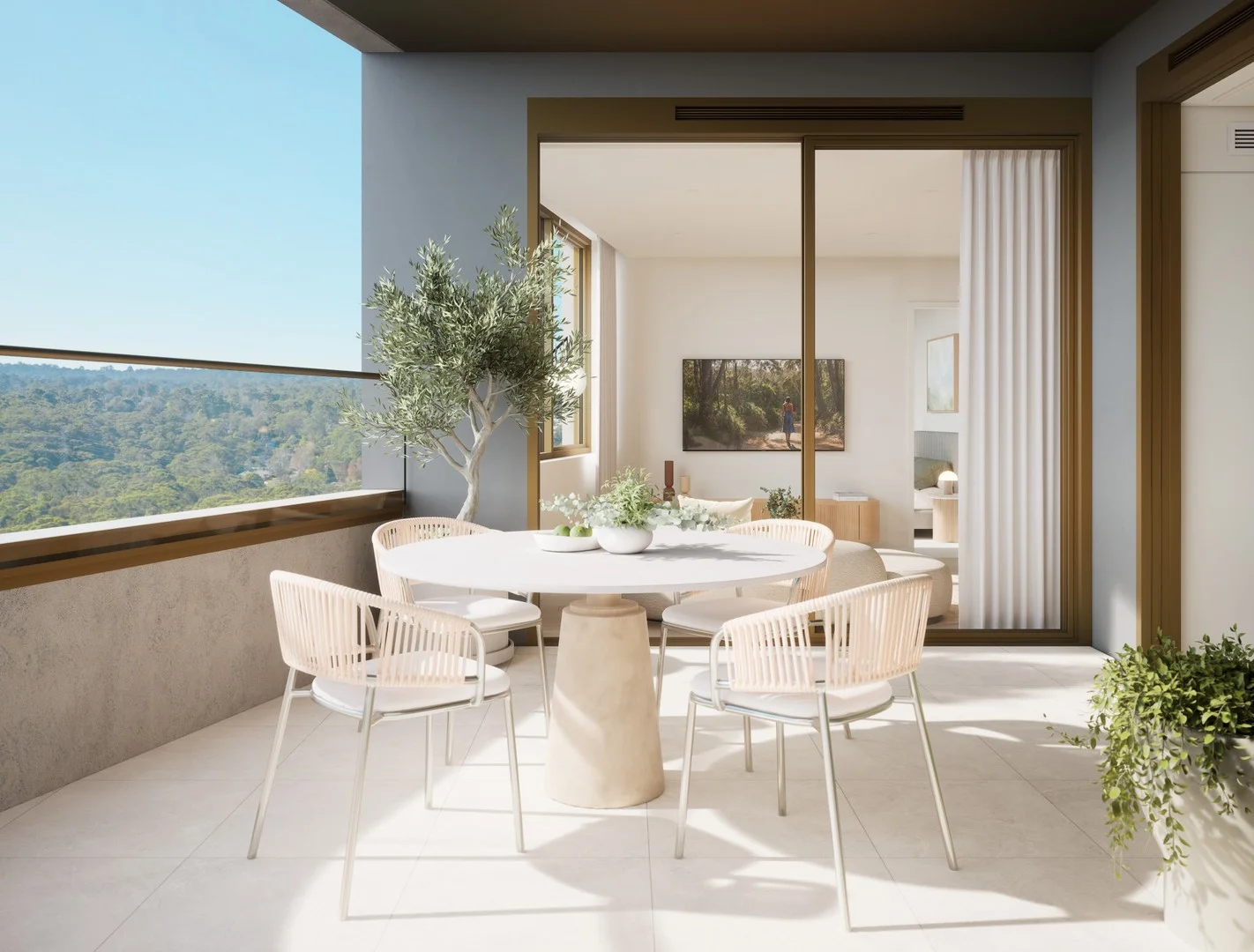 $1,525,000
Apartment / Unit / Flat
$1,525,000
Apartment / Unit / Flat
 $399,900
Apartment / Unit / Flat
$399,900
Apartment / Unit / Flat
 $450,000 - $470,000
Apartment / Unit / Flat
$450,000 - $470,000
Apartment / Unit / Flat


