Overview
# Overview
Redfern Jarjum College is a public (government) high school serving the Redfern area and surrounding communities. The school aims to provide a comprehensive, inclusive education that supports students across academic, cultural and personal development within a diverse urban setting.
The school adopts a medium-sized, community-focused environment with class sizes typically around 22–28 students. It fosters a nurturing, inclusive atmosphere where students are encouraged to engage in academics, arts and sport while building strong social skills and a sense of belonging.
# Academics & Learning
- Academic strengths: English, mathematics and science, with a growing focus on STEM, literacy across the curriculum, and leadership development. Languages are offered to broaden communication skills.
- Special programs: Gifted and Talented pathways, accelerated learning in core subjects, leadership programs, and targeted programs to support EAL and diverse learners.
- NAPLAN / trends: Trends show steady improvement in reading and numeracy over recent years, with ongoing work to lift writing outcomes and numeracy across year groups.
- Student-teacher ratios: Approximately 1:18, supporting opportunities for individual attention within a collaborative classroom environment.
- Support for diverse learners: EAL support, SEN coordination, inclusive education practices, and access to learning support staff and programs.
# Sports & Extracurricular Strengths
- Sports offered: Basketball, soccer, rugby league, athletics, cricket, swimming, and other team and individual sports.
- Strong teams or achievements: Active participation in district-level competitions with notable achievements in select team sports and annual inter-school events.
- Music, arts, drama programs: Choir, concert band, drama productions and regular performance opportunities; involvement in school-wide arts events.
- Clubs: Robotics, coding, chess, debating, public speaking and other student-led interest groups.
- Partnerships: Local sport clubs and community organizations participate in inter-school competitions and joint programs to broaden opportunities.
# Wellbeing & Pastoral Care
- Anti-bullying approach: Clear policies, restorative practices, and student-led initiatives to promote respect and inclusion.
- House system: A house-based structure supports camaraderie, peer support, competitions and leadership opportunities.
- Counsellors / wellbeing officers: Dedicated school counsellors and wellbeing staff provide confidential support and guidance.
- Transition support for new students: Orientation activities, buddy programs and targeted induction to ease transitions for new entrants.
# Facilities
- Sports grounds: External fields and courts suitable for team practice and fixtures.
- Libraries: Well-stocked library with print and digital resources.
- Science labs: Well-equipped classrooms and laboratories for practical experiments.
- Music/performing arts centers: Dedicated spaces for music rehearsals and performances; small to mid-sized performing arts facilities.
- Tech/innovation labs: Computing and technology spaces with digital tools and maker-style facilities.
- Cafeteria: On-site canteen offering healthy meals and snacks.
- Updated playgrounds: Modern outdoor spaces for recreation and learning in break times.
# School Values & Community Culture
- School values / mission: Commitment to respect, inclusion, excellence and resilience within a diverse community.
- Leadership style: Student voice is encouraged through councils and representative roles; leadership development is embedded in activities and programs.
- Behaviour expectations: Clear code of conduct emphasising dignity, responsibility and positive interactions.
- Community reputation: Known for a supportive, welcoming culture and strong family-school partnerships.
- Diversity & inclusion: Active emphasis on celebrating diversity and ensuring accessible, inclusive participation for all students.
# School Logistics & Daily Operations
- School hours: Typically a morning-to-afternoon schedule aligned with NSW public school timings.
- Before/after school care: Available through on-site or partner providers to support families.
- Uniform requirements: School uniform for everyday wear, with sports uniform for PE and sport days.
- Transport (train/bus routes): Accessible by public transport with nearby bus routes and rail connections; parking and drop-off zones arranged for safety.
- Canteen availability: Canteen or food service providing healthy options during the day.
- Fees (low/medium/high ranges): Public schools have low to moderate fees; optional contributions and charges for certain activities or excursions may apply.
# Enrolment & Admissions
11. What is the enrolment process and timeline?
- Check local catchment eligibility and program options.
- Submit the online enrolment application when the window opens.
- Provide required documents (proof of identity, residence, immunisation records, previous school reports).
- Complete any program-specific steps (if applying to special programs) and attend any interviews or information sessions.
- Offers are made according to NSW Department of Education timelines; confirm acceptance by the stated deadline and complete any remaining steps (orientation, transition activities).
12. Is there a waiting list, and how does it work?
- Some year levels may have limited spaces; waiting lists operate based on catchment priorities and availability.
- Offers from the waitlist are issued as places become available, with preferred consideration given to siblings and cross-checks of eligibility.
13. Are there any entry requirements, tests, or interviews?
- For general enrollment, usually no entrance exam is required.
- Some programs (e.g., gifted/advanced options or arts/specialist streams) may require assessments, auditions or interviews as part of the selection process.
14. Does the school accept mid-year transfers?
- Yes, subject to space and availability within the year level.
- Prospective mid-year transfers should provide latest school reports, immunisation history and any relevant documentation; the admissions team will coordinate transition steps and timetable adjustments.
# Frequently Asked Questions
- Why Parents Choose This School?
- A welcoming, diverse community with strong emphasis on wellbeing, equity and balanced development across academics, sport and the arts.
- What type of student thrives at this school?
- Students who value inclusion, collaboration and a well-rounded program that supports academic effort, creative pursuits and sports involvement.
- What opportunities are available for students to extend their skills (academics, sports, arts)?
- Extension programs in core subjects, leadership opportunities, clubs (robotics, coding, debating), performance ensembles, and sport teams with district competition exposure.
- How does the school communicate with parents?
- Regular newsletters, email updates, school app or portal announcements, and parent-teacher interviews; information sessions and annual information evenings are common.
- What is the school’s approach to teaching and learning?
- Student-centred, differentiated instruction with opportunities for project-based learning and integration of digital tools to enhance engagement and understanding.
- How does the school support students who need extra academic help?
- Targeted learning support, EAL assistance, SEN coordination, in-class supports and after-school tutoring or study sessions where available.
- What support is available for academic challenges?
- Access to classroom differentiation, guidance from teachers, learning support staff and counsellors to plan and monitor progress.
- How does the school communicate with parents?
- See above: regular updates via multiple channels, with scheduled opportunities for direct conversations.
- What are the class sizes and how much individual attention do students receive?
- Class sizes are typically around 22–28 students, with teachers able to provide targeted feedback and additional help as needed.
- What extracurricular and sports opportunities are available?
- A broad range of sports (team and individual), music and drama programs, and clubs such as robotics, coding, chess and debating.
- What facilities does the school offer (sports, science, arts)?
- Sports grounds, libraries, science labs, music/performing arts spaces, tech/innovation labs, a canteen, and updated outdoor play areas.
- What is the school’s approach to technology and digital learning?
- Integration of digital tools, potential BYOD or device-supported learning, and opportunities to develop ICT and critical-thinking skills.
- What transport and accessibility options are available?
- Accessible public transport connections (bus routes and nearby rail), with safe drop-off zones and on-site parking options where available.
- What are the typical school fees or additional costs?
- Public schools generally have low fees with voluntary contributions; additional costs may apply for excursions, activities or materials.
# Short Pros & Cons list
Pros
- Diverse and inclusive community with a strong focus on wellbeing
- Balanced focus across academics, sport, arts, and leadership
- Supportive programs for diverse learners (EAL, SEN)
- Student voice and leadership opportunities
- Reasonable class sizes that support teacher attention
Cons
- As a public school, funding may limit some facilities upgrades compared to private options
- High demand areas can lead to waitlists or limited availability in certain programs
- Transport and accessibility can vary for families located outside easy transit corridors
- Some specialist programs may require auditions or assessments, which could limit entry for non-applicants









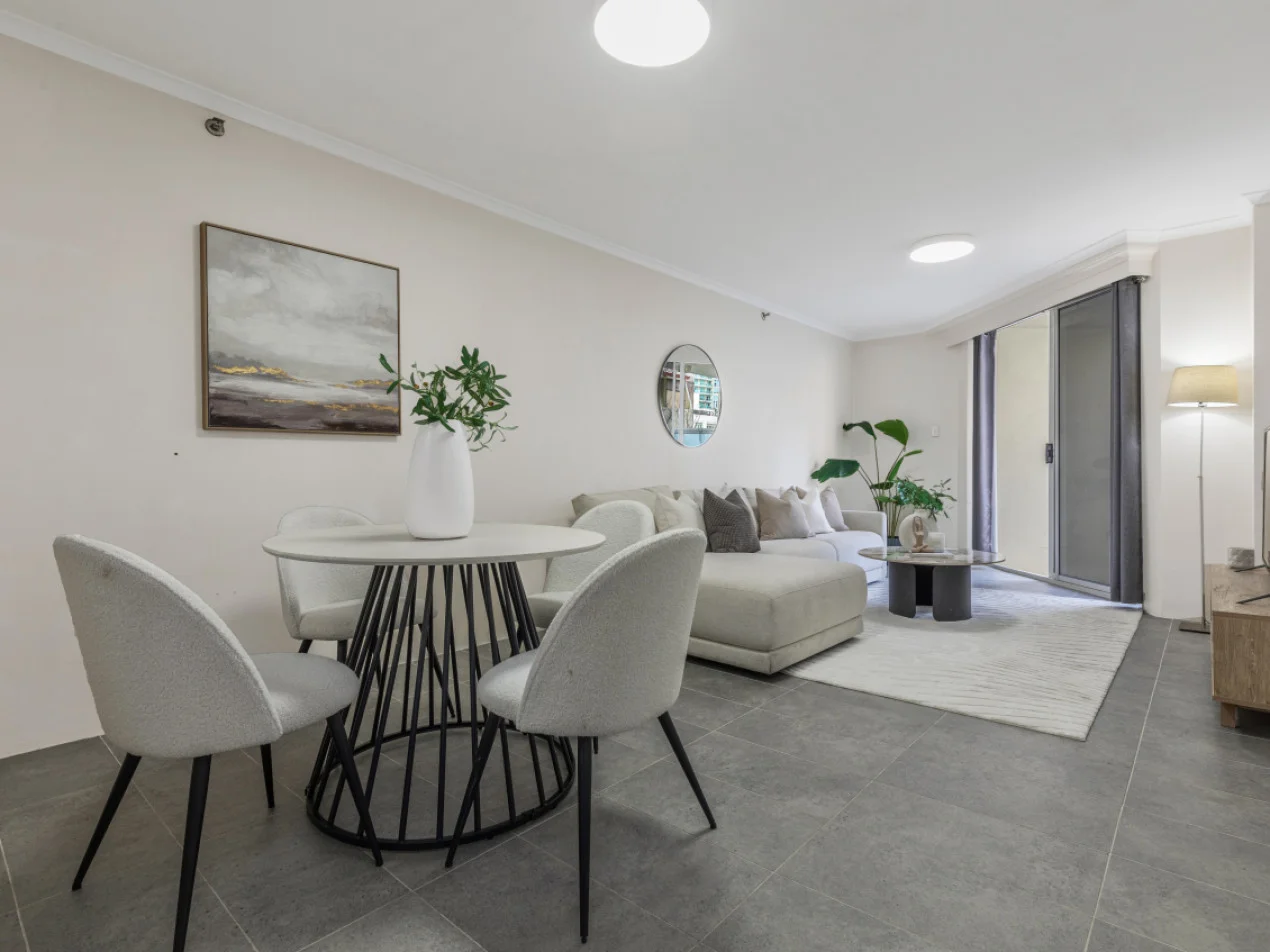 $640,000 - $675,000
Apartment / Unit / Flat
$640,000 - $675,000
Apartment / Unit / Flat
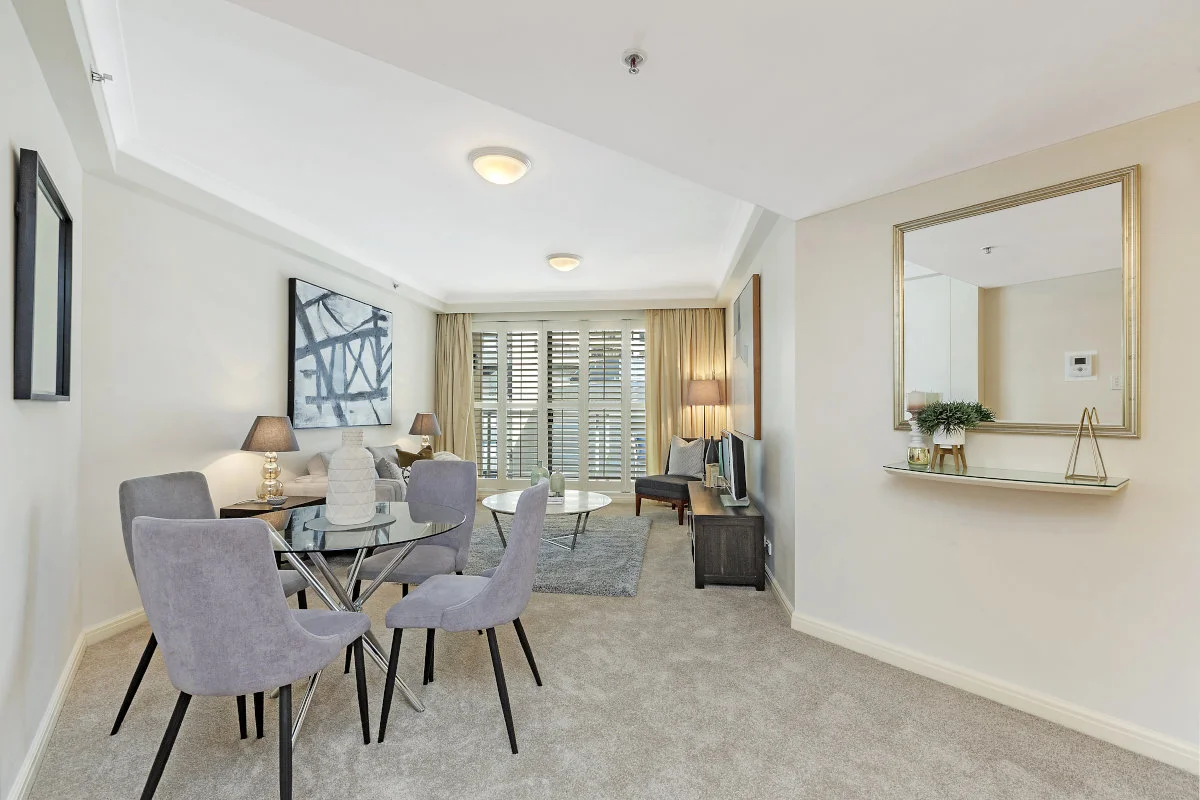 $660,000 - $725,000
Apartment / Unit / Flat
$660,000 - $725,000
Apartment / Unit / Flat
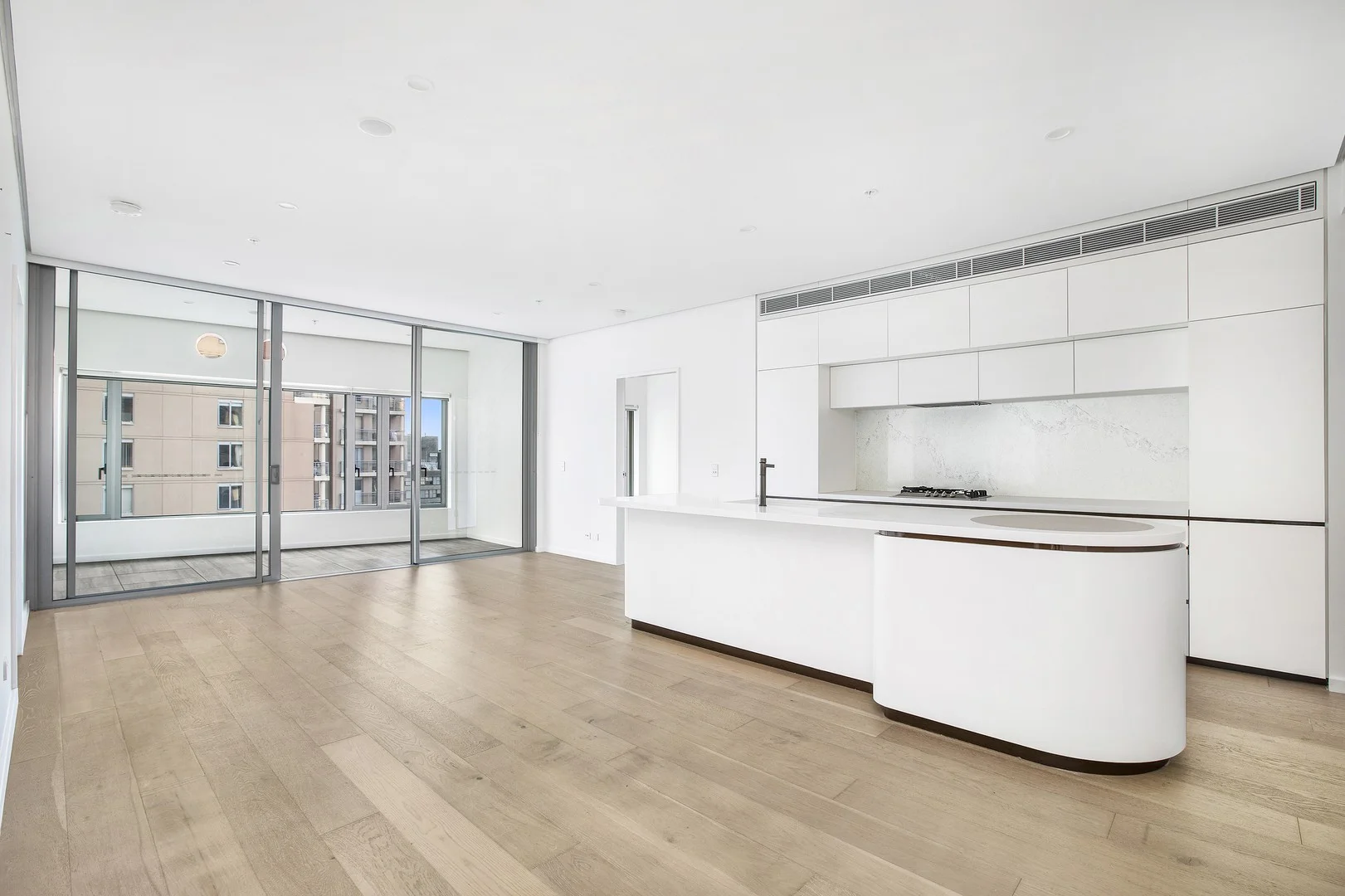 $2,250,000
Apartment / Unit / Flat
$2,250,000
Apartment / Unit / Flat
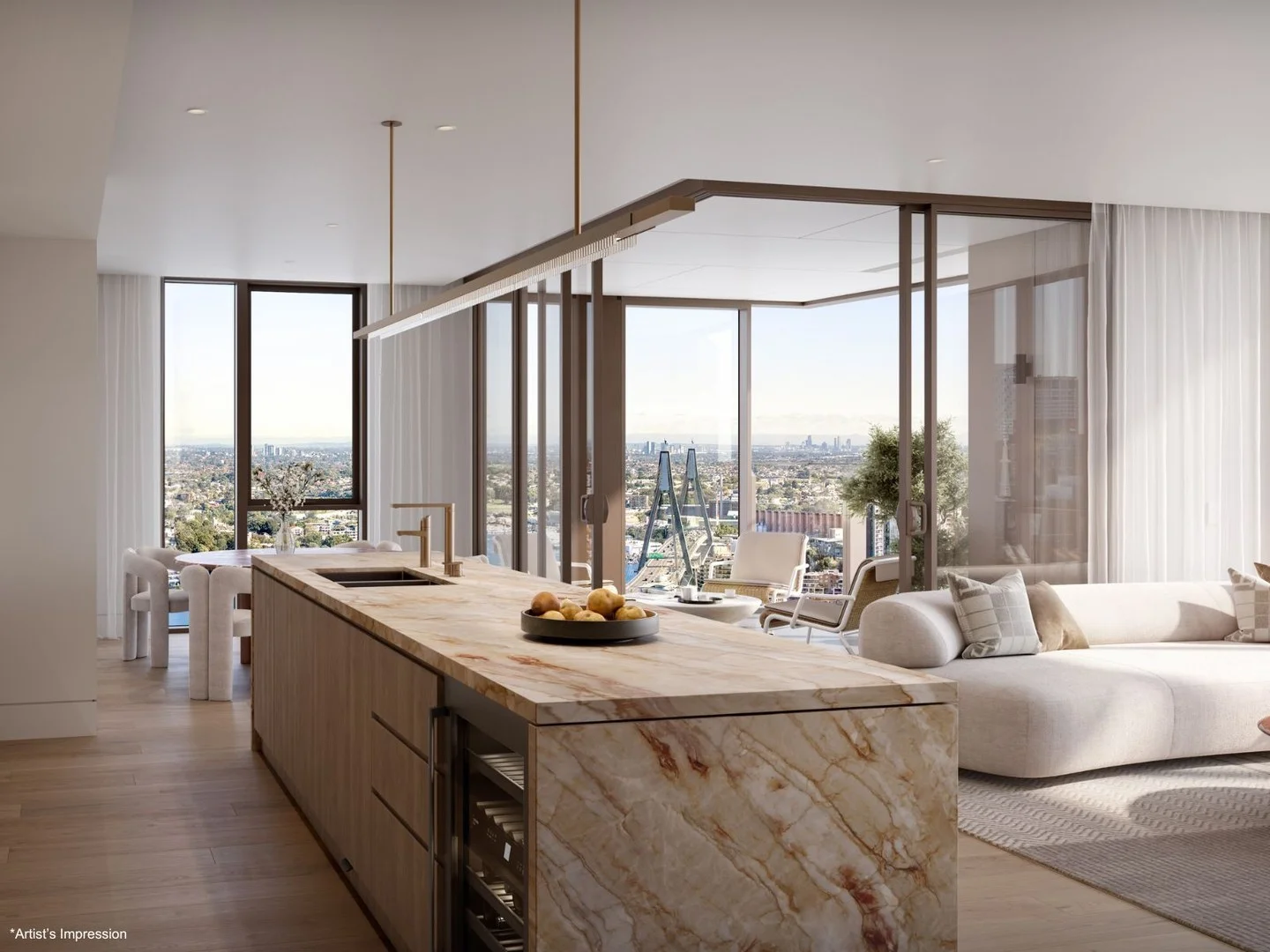 $9,020,000
propertyType.NEW APARTMENTS / OFF THE PLAN
$9,020,000
propertyType.NEW APARTMENTS / OFF THE PLAN
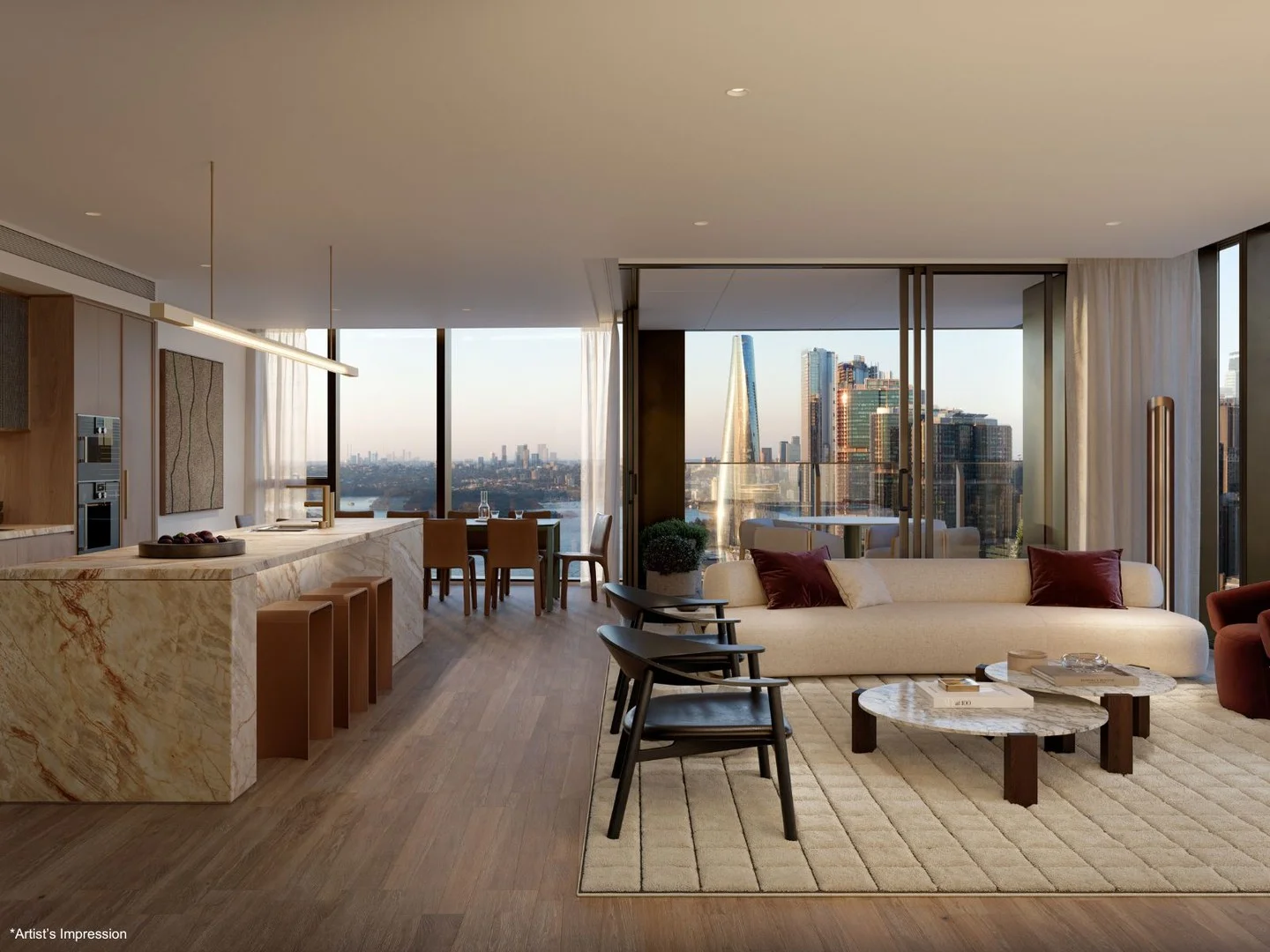 $12,980,000
propertyType.NEW APARTMENTS / OFF THE PLAN
$12,980,000
propertyType.NEW APARTMENTS / OFF THE PLAN
 $8,630,000
propertyType.NEW APARTMENTS / OFF THE PLAN
$8,630,000
propertyType.NEW APARTMENTS / OFF THE PLAN
 $6,225,000
propertyType.NEW APARTMENTS / OFF THE PLAN
$6,225,000
propertyType.NEW APARTMENTS / OFF THE PLAN
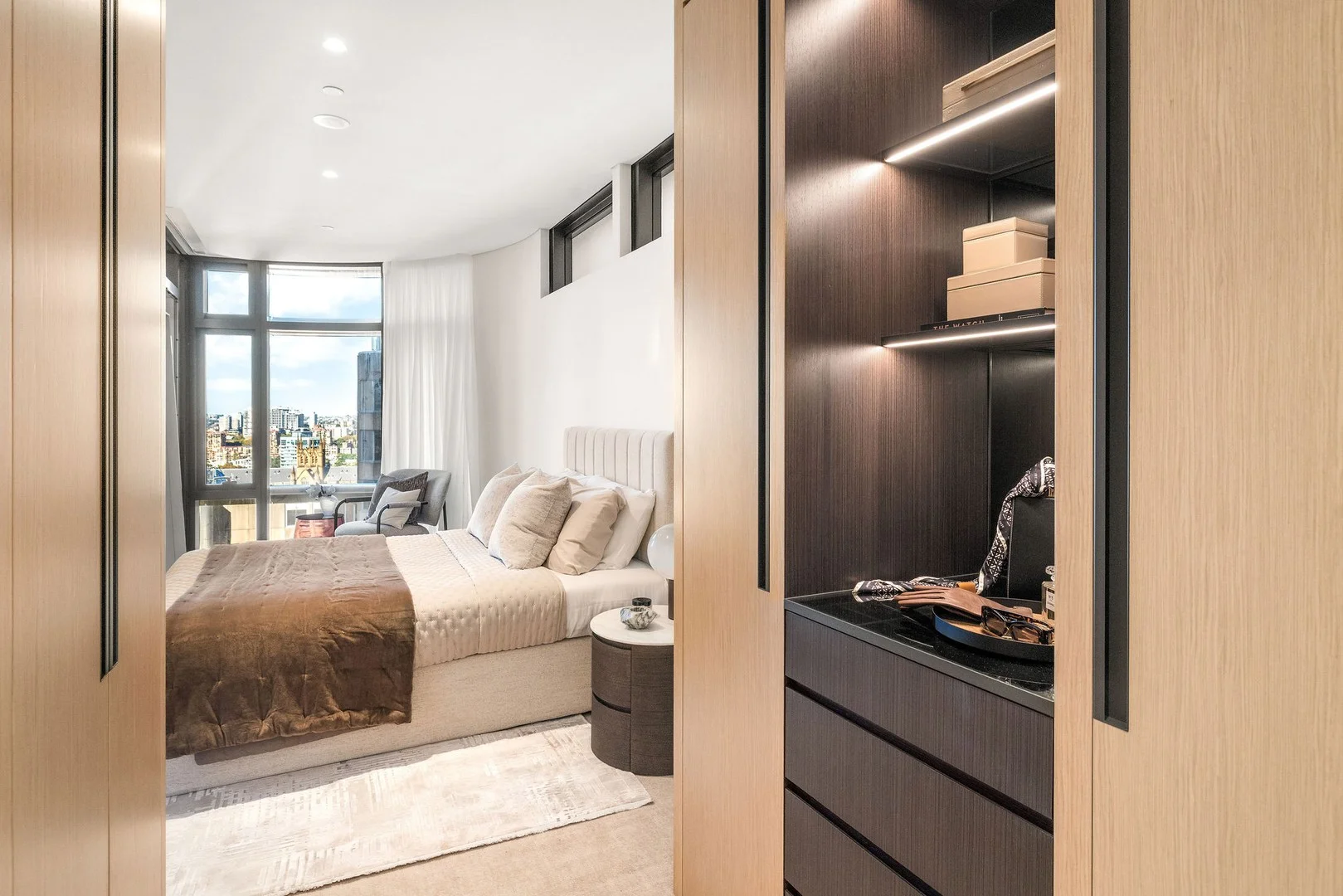 $2,745,000
propertyType.NEW APARTMENTS / OFF THE PLAN
$2,745,000
propertyType.NEW APARTMENTS / OFF THE PLAN
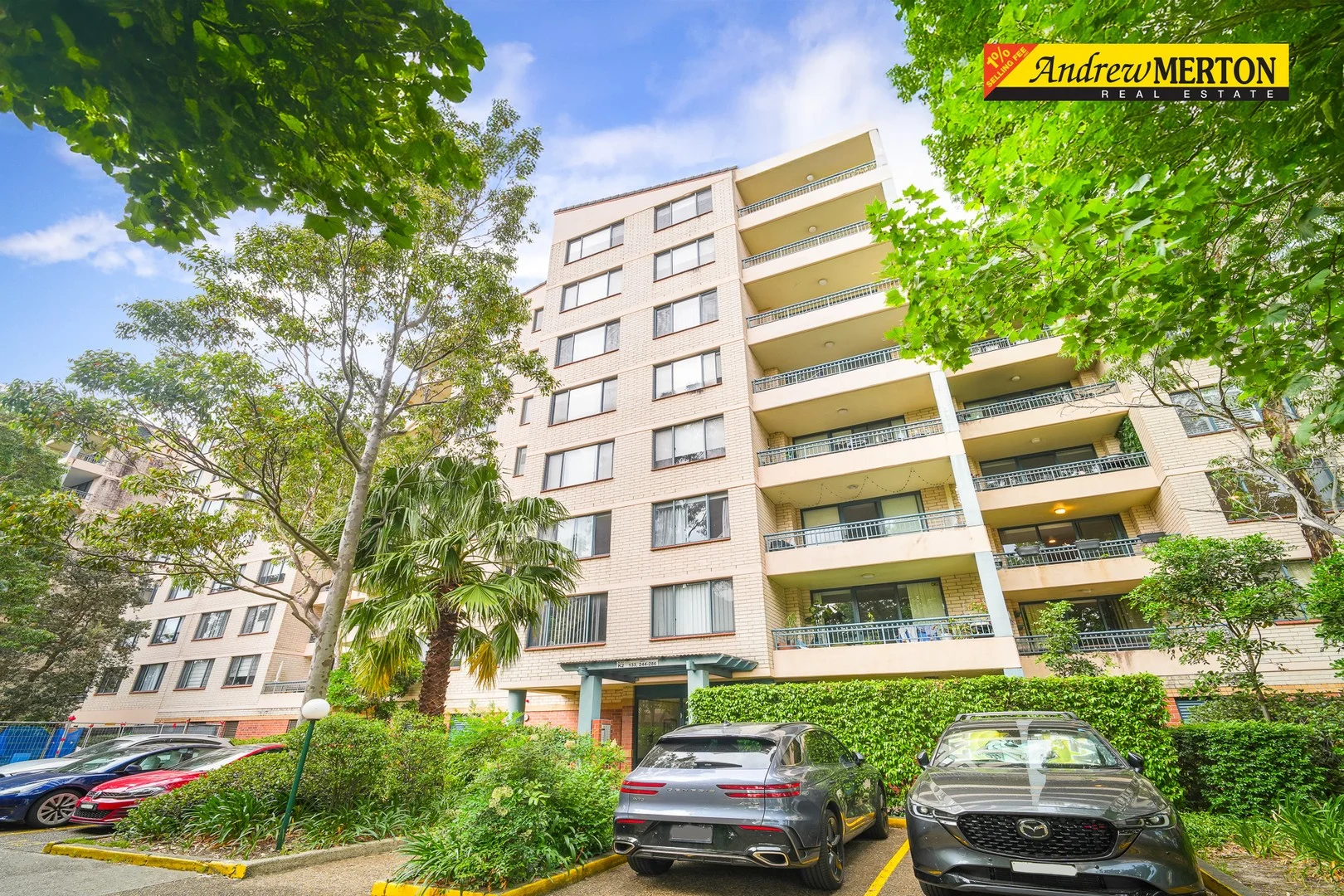 $933,000
Apartment / Unit / Flat
$933,000
Apartment / Unit / Flat