# 1. Overview
Our Lady of the Sacred Heart Regional College Kensington is a Catholic secondary school serving students in the Sydney area. The school focuses on faith-based learning, community involvement, and preparing students for life beyond school.
- School type: Catholic
- School size: Medium to large
- Class size: Typically mid-20s students per class
- Atmosphere/culture: Inclusive, nurturing, academically oriented with a strong sense of community
# 2. Academics & Learning
The college emphasises strong academic programs across core disciplines and opportunities for broader development.
- Academic strengths: English, Mathematics, Science, STEM, and Languages; leadership development and community service are also emphasised.
- Special programs: Opportunities for accelerated learning or gifted/talented pathways; strong Religious Education and values education as part of the curriculum.
- NAPLAN/Trends: Trends typically show steady year-on-year improvement in key areas (e.g., reading, writing, numeracy) with a focus on targeted support where needed.
- Student-teacher ratios: Generally around 1:12 to 1:18, depending on year level and subjects.
- Support for diverse learners: EAL support, SEN coordination, learning support teams, and individualised plans to help students succeed.
# 3. Sports & Extracurricular Strengths
A wide range of extra activities supports a balanced student experience, including sport, arts, and clubs.
- Sports offered: Common NSW Catholic school offerings such as basketball, soccer, rugby league, netball, cricket, track & field, and swimming.
- Strong teams or achievements: Competitive representation in regional and diocesan competitions; pathways to district-level teams.
- Music, arts, drama programs: Active music ensembles, choirs, drama productions, and opportunities to perform.
- Clubs: Robotics, chess, coding, debating, environmental/eco clubs, and other interest groups.
- Partnerships: Participation in local and regional competitions and events; collaboration with Catholic Education Diocese partners for competitions and development programs.
# 4. Wellbeing & Pastoral Care
Wellbeing and pastoral care are central to student success, with structures in place to support every learner.
- Anti-bullying approach: Clear policies, student education, and a supportive reporting system to promote a safe environment.
- House system: House groups provide belonging, peer support, and leadership opportunities (e.g., competitions, events).
- Counsellors / wellbeing officers: Access to school counsellors and wellbeing staff to support mental health, resilience, and adjustment.
- Transition support for new students: Orientation activities, buddy programs, and targeted transition assistance for families and new students.
# 5. Facilities
The campus features a range of modern facilities designed to support learning, sport, and the arts.
- Sports grounds: On-site facilities for multiple sports and physical education.
- Libraries: Equipped spaces for study, research, and reading.
- Science labs: Modern laboratories for biology, chemistry, physics, and hands-on experiments.
- Music/performing arts centers: Rehearsal and performance spaces for music and drama.
- Tech/innovation labs: Computer labs and makerspaces for coding and technology projects.
- Cafeteria: On-site dining area with meal options.
- Updated playgrounds: Well-maintained outdoor spaces for recreation and breaks.
# 6. School Values & Community Culture
The school seeks to develop not only academic skills but character and community involvement.
- School values / mission: Catholic ethos centered on faith, service, respect, and integrity.
- Leadership style: Inclusive, student voice encouraged; leadership opportunities through student councils and mentoring programs.
- Behaviour expectations: Clear standards of conduct emphasizing respect, responsibility, and resilience.
- Community reputation: Known for a supportive school culture, faith-based values, and a commitment to student development.
- Diversity & inclusion: Emphasis on creating an inclusive environment for students from diverse backgrounds.
# 7. School Logistics & Daily Operations
Important day-to-day details help families plan around school life.
- School hours: Typical daytime schedule with start and finish times aligned to NSW school calendars.
- Before/after school care: Availability may be offered on-site or via partner providers; confirm with the school.
- Uniform requirements: Formal school uniform guidelines, with specific items for different terms and activities.
- Transport: Access via local bus routes and public transport; proximity to rail or bus stops; options for school-related travel assistance may be available.
- Canteen availability: On-site canteen or snack options during breaks.
- Fees: Fees fall within the mid-to-upper range for NSW Catholic high schools; details are provided by the school’s enrolment information.
# 8. Enrolment & Admissions
Key steps and timelines for joining the college.
- 11. What is the enrolment process and timeline?
- Submit an application during the school’s intake period.
- Complete any required Catholic identity or pastoral enquiries, and provide requested documentation.
- Attend information sessions or interview if applicable.
- Receive notification of offer and complete enrolment paperwork by the stated deadline.
- 12. Is there a waiting list, and how does it work?
- There may be a waiting list when year levels fill; placement typically depends on availability and order of applications.
- 13. Are there any entry requirements, tests, or interviews?
- Some entry steps may include an interview, enrolment interview with families, and provision of necessary documentation; specific entry tests are determined by the school.
- 14. Does the school accept mid-year transfers?
- Mid-year transfers are considered based on availability and meeting enrolment requirements; apply through the standard process as early as possible.
# 9. Frequently Asked Questions
- Why Parents Choose This School?
- A combination of strong academics, faith-based values, supportive wellbeing programs, and a balanced approach to sport and the arts.
- What type of student thrives at this school?
- Students who value community, faith-based education, and a range of academic and extracurricular opportunities tend to do well.
- What opportunities are available for students to extend their skills (academics, sports, arts)?
- Accelerated or advanced tracks, leadership programs, STEM and arts clubs, competitive sports teams, and performing arts opportunities.
- How does the school communicate with parents?
- Regular updates via newsletters, emails, the school website, and scheduled parent-teacher meetings; portals may be used for ongoing communications.
- What is the school’s approach to teaching and learning?
- A faith-informed, student-centered approach with a mix of traditional instruction, collaborative learning, and evidence-based practices.
- How does the school support students who need extra academic help?
- Targeted learning support, EAL/SEN assistance, tutoring programs, and access to school counsellors or learning support staff.
- What support is available for academic challenges?
- Additional tutoring, tailored learning plans, and collaboration with teachers, parents, and wellbeing staff.
- How does the school communicate with parents?
- See above: newsletters, emails, portals, and parent-teacher meetings (frequency may vary by year level).
- What are the class sizes and how much individual attention do students receive?
- Class sizes typically mid-20s with additional small-group or one-on-one support available through learning programs.
- What extracurricular and sports opportunities are available?
- A broad offering including sports teams, music ensembles, drama, robotics, chess, debating, coding clubs, and other student-led activities.
- What facilities does the school offer (sports, science, arts)?
- Comprehensive facilities including sports grounds, science labs, libraries, performing arts spaces, and technology labs.
- What is the school’s approach to technology and digital learning?
- Integration of digital tools in learning, with access to computers and online resources to support collaboration and research.
- What transport and accessibility options are available?
- Access via public transport routes; information on specific bus/train routes and accessibility supports is provided by the school.
- What are the typical school fees or additional costs?
- Fees fall within a mid-to-high range for NSW Catholic high schools; exact amounts are provided during the enrolment process.
# 10. Short Pros & Cons list
- Pros
- Catholic values-based education with a focus on academic and personal development
- Strong wellbeing and pastoral care framework
- Broad range of sport, arts, and extracurricular opportunities
- Moderate class sizes aiding individual attention
- Modern facilities supporting science, tech, and performing arts
- Cons
- Fees may be higher than some non-government or public options
- Availability of late-year or mid-year transfers depends on space
- As with many multi-faculty schools, demand can lead to waiting lists at peak times
 $60+
$60+










 $990
Apartment / Unit / Flat
$990
Apartment / Unit / Flat
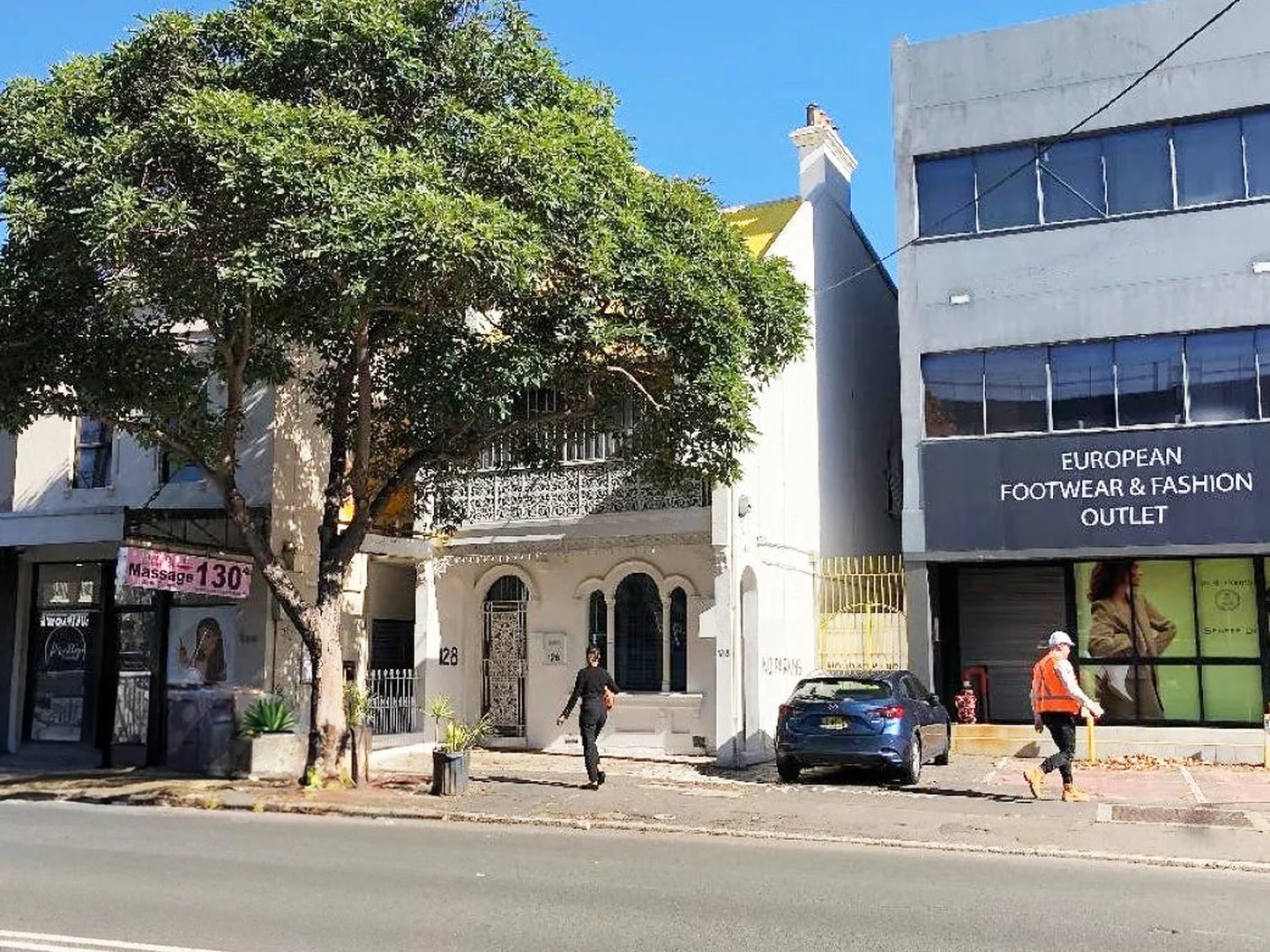 $3,900,000
House
$3,900,000
House
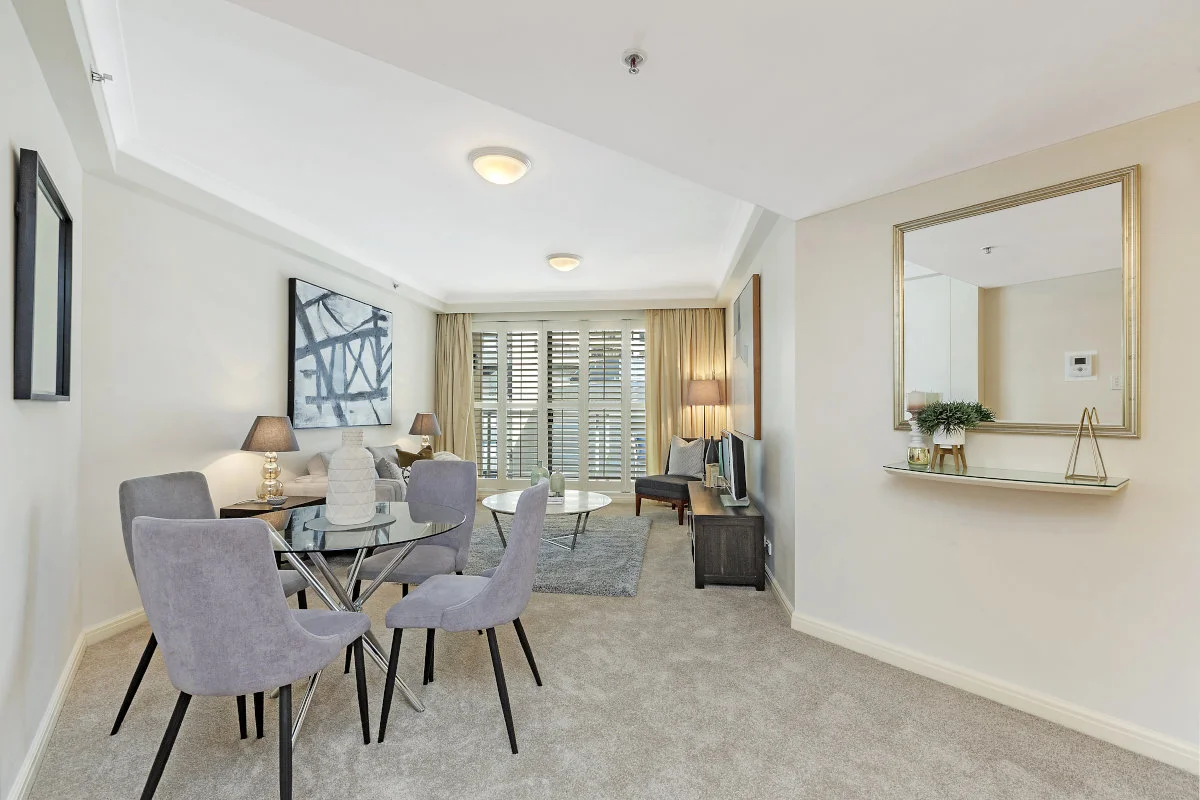 $660,000 - $725,000
Apartment / Unit / Flat
$660,000 - $725,000
Apartment / Unit / Flat
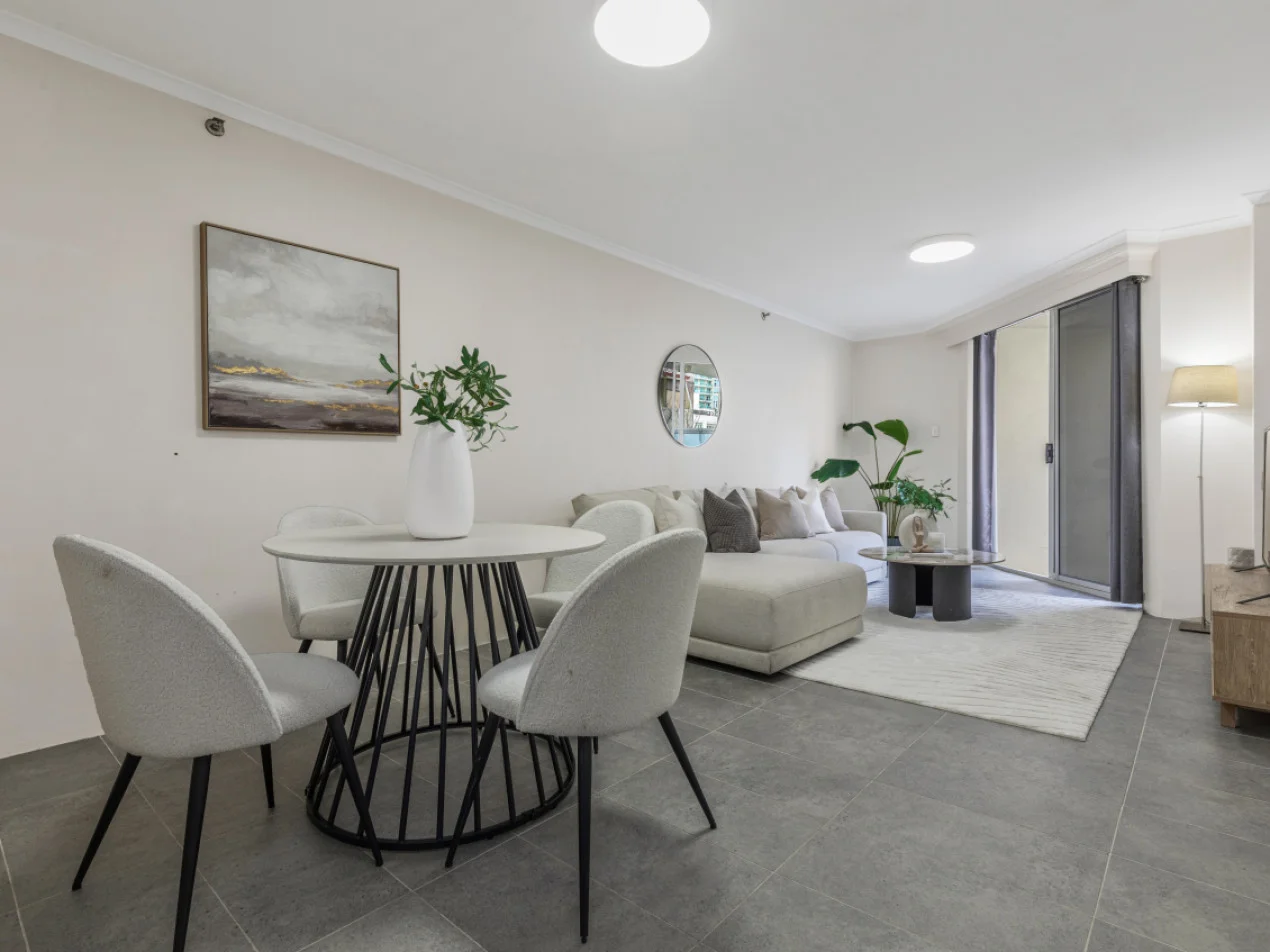 $640,000 - $675,000
Apartment / Unit / Flat
$640,000 - $675,000
Apartment / Unit / Flat
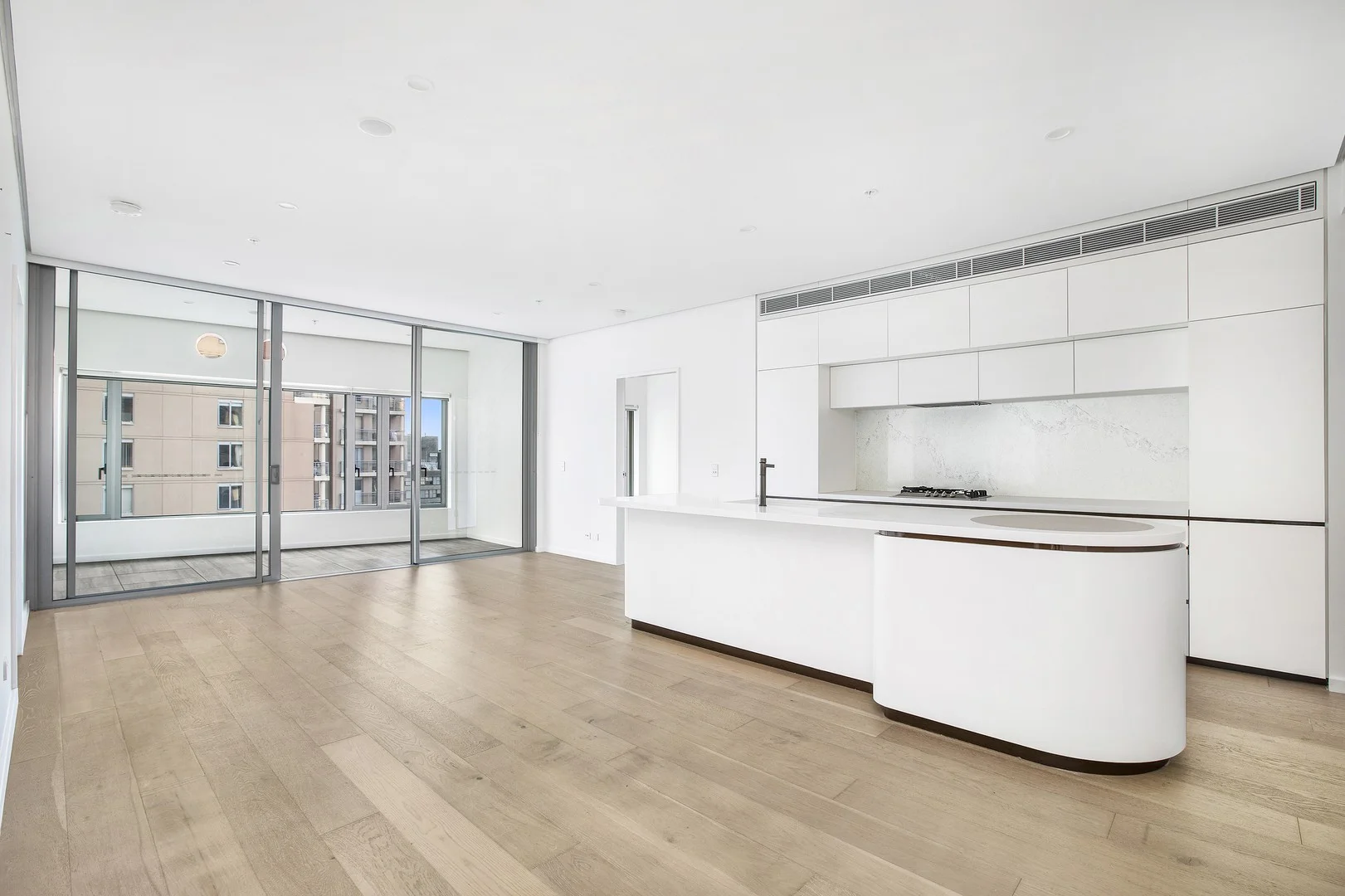 $2,250,000
Apartment / Unit / Flat
$2,250,000
Apartment / Unit / Flat
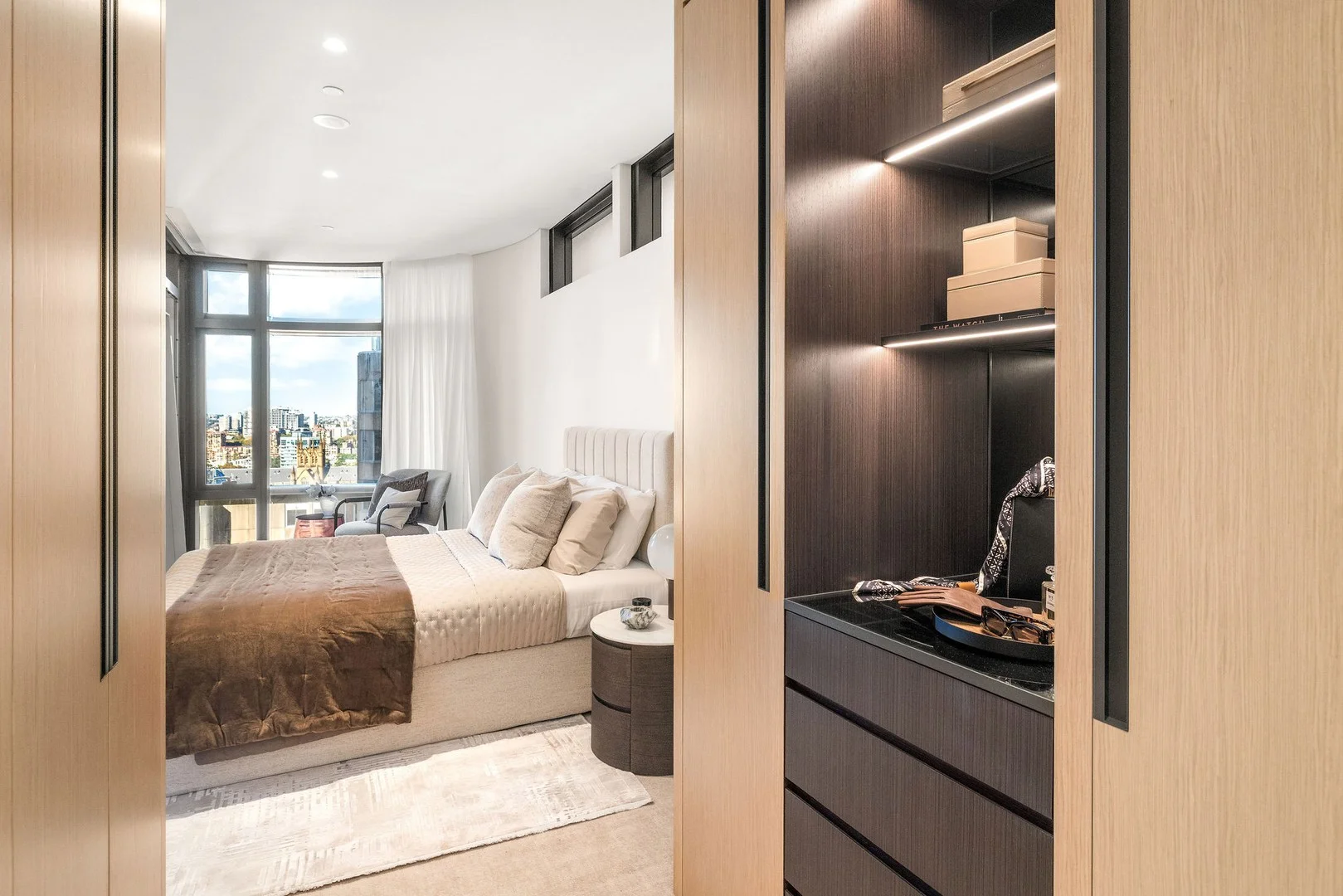 $2,745,000
propertyType.NEW APARTMENTS / OFF THE PLAN
$2,745,000
propertyType.NEW APARTMENTS / OFF THE PLAN
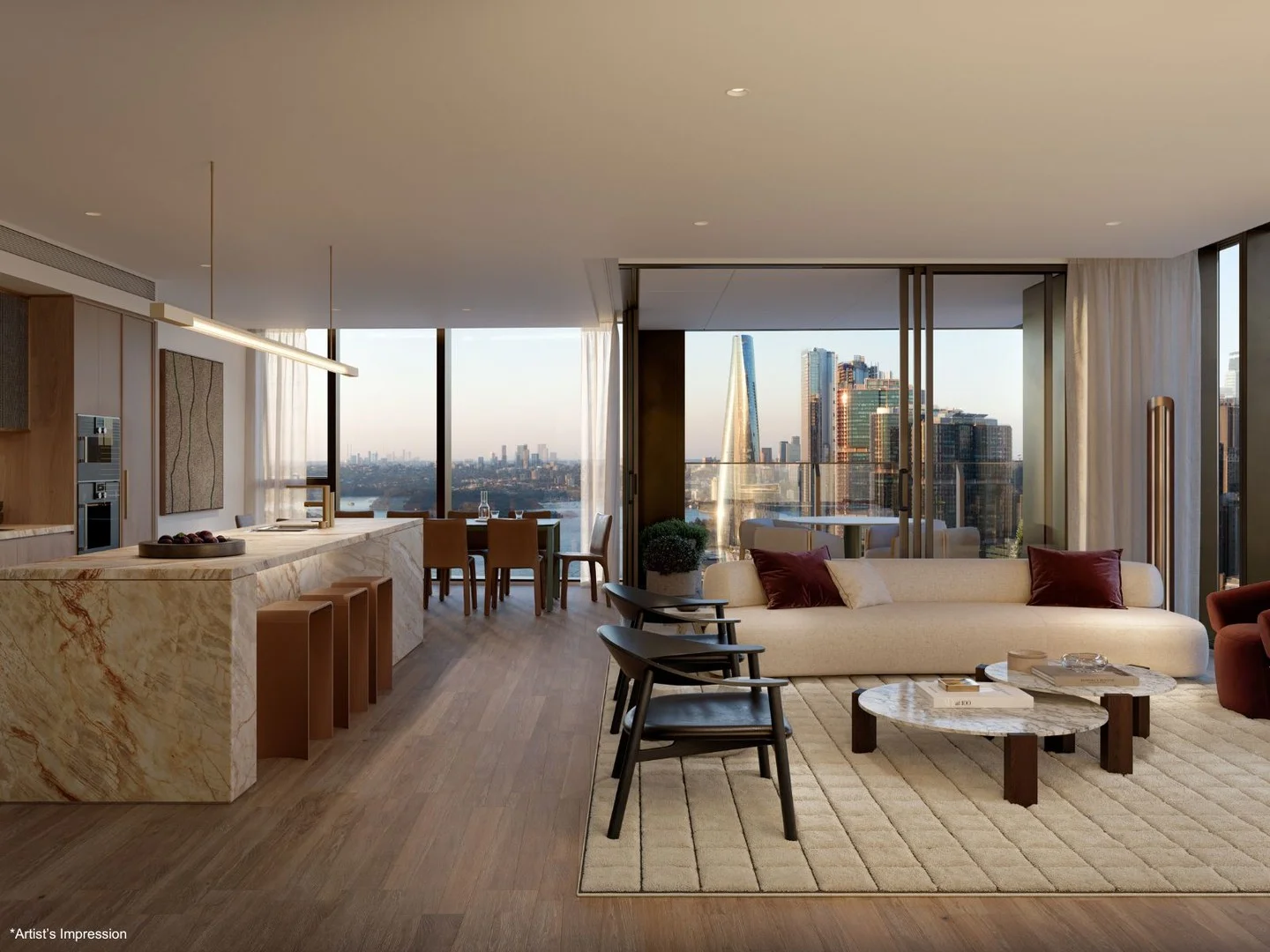 $12,980,000
propertyType.NEW APARTMENTS / OFF THE PLAN
$12,980,000
propertyType.NEW APARTMENTS / OFF THE PLAN
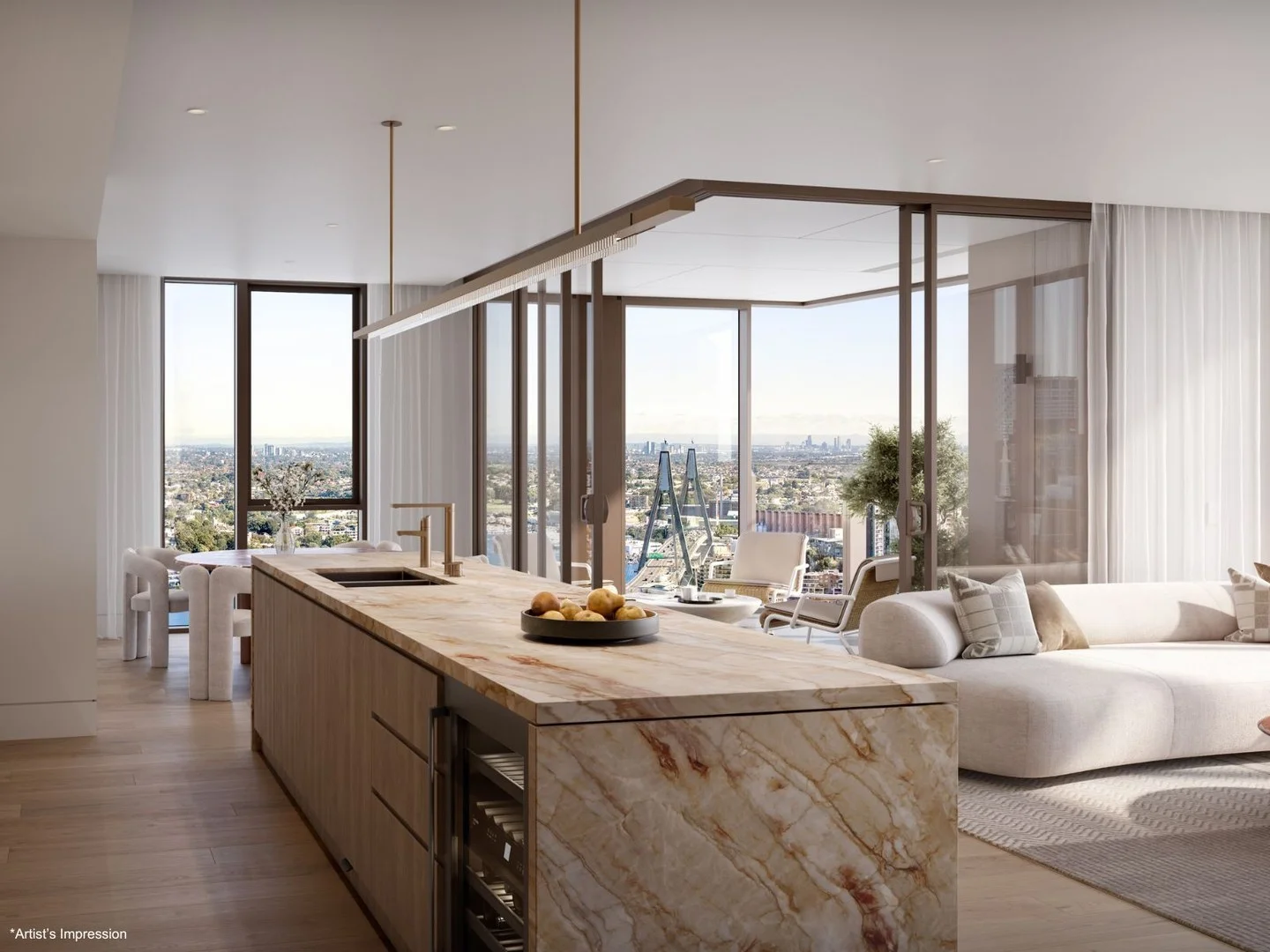 $9,020,000
propertyType.NEW APARTMENTS / OFF THE PLAN
$9,020,000
propertyType.NEW APARTMENTS / OFF THE PLAN
 $6,225,000
propertyType.NEW APARTMENTS / OFF THE PLAN
$6,225,000
propertyType.NEW APARTMENTS / OFF THE PLAN


