## Overview
Kensington Public School is a public, co-educational primary school serving families in the Kensington area of Sydney. The school aims to provide an inclusive, nurturing learning environment with a strong emphasis on student wellbeing, community involvement, and high-quality teaching.
Size-wise, Kensington Public School is a medium-sized NSW public primary, with class sizes typically in the low-to-mid 20s. The school fosters a warm, respectful atmosphere that balances academic focus with opportunities for creativity, sport, and extracurricular involvement.
## Academics & Learning
- Academic strengths: literacy and numeracy foundations, Strengths in STEM-related work, English, and opportunities for leadership development and language learning.
- Special programs: access to extension and gifted/talented opportunities where available, plus inclusion supports within mainstream classes.
- NAPLAN / trend view: historic trends show steady or improving performance in key literacy and numeracy measures, with a focus on overall growth and year-to-year progress rather than isolated scores.
- Student-teacher ratios: typical classroom ratios in the range of 1:11–1:18, with additional support staff available for targeted assistance.
- Support for diverse learners: dedicated assistance for EAL (English as an Additional Language) students and students with Special Educational Needs (SEN), including Learning Support teams and access to allied services where required.
## Sports & Extracurricular Strengths
- Sports offered: soccer, basketball, cricket, athletics, swimming, and other common NSW primary offerings; participation is encouraged across grades.
- Strong teams or achievements: regular participation in district/inter-school sport and events, with opportunities to represent the school in local competitions.
- Music, arts, drama programs: active music and performing arts opportunities, including choirs and school productions where available.
- Clubs: robotics, coding, chess, debating, and other skill-building clubs are commonly offered or facilitated.
- Partnerships: connections with local clubs and community organizations for competitions and extra-curricular activities; opportunities to engage with local academies through school programs.
## Wellbeing & Pastoral Care
- Anti-bullying approach: whole-school positive behaviour and bullying prevention initiatives, with clear policies and restorative practices.
- House system: a house-based structure to promote team spirit, leadership opportunities, and healthy competition across activities.
- Counsellors / wellbeing officers: access to school-based wellbeing staff and referral pathways to external supports as needed.
- Transition support for new students: orientation activities, buddy programs, and targeted transition support to help new students settle in smoothly.
## Facilities
- Sports grounds: multi-purpose fields and play spaces suitable for PE and outdoor activities.
- Libraries: well-equipped learning spaces to support reading and research.
- Science labs: available for practical experiments and inquiry-based learning.
- Music/performing arts centers: dedicated spaces or rooms for music and drama activities.
- Tech/innovation labs: computer or media labs supporting digital literacy and project work.
- Cafeteria: on-site canteen or meal service options, with healthy choices available.
- Updated playgrounds: modern, safe outdoor play areas with diverse equipment.
## School Values & Community Culture
- Values / mission: focus on respect, responsibility, inclusion, and striving for personal best.
- Leadership style: collaborative and student-focused, with opportunities for student voice and leadership roles.
- Behaviour expectations: clear standards aligned with restorative approaches and positive reinforcement.
- Community reputation: known for a welcoming, supportive environment and active parent engagement.
- Diversity & inclusion: inclusive culture that supports students from diverse backgrounds and with varying needs.
## School Logistics & Daily Operations
- School hours: typically a standard primary schedule (e.g., around 9:00 am–3:00 pm), with variations by year level.
- Before/after school care: available through external providers (OSCAR or similar) operating on-site or nearby; specifics vary by term.
- Uniform requirements: school uniform is standard; details provided by the school and DoE guidelines.
- Transport: accessible by local bus routes and nearby public transport; walking or cycling encouraged where feasible.
- Canteen availability: canteen services available on designated days; healthy options provided.
- Fees: public schools have no tuition, but may have voluntary contributions and item costs for excursions or activities; overall low-to-moderate level of additional costs.
## Enrolment & Admissions
11. What is the enrolment process and timeline?
- Enrolment is managed through the NSW Department of Education. Begin by confirming your local intake area (LIA). Submit the required enrolment paperwork, proof of address, and child immunisation records. Start the process well in advance of the desired start date (typically several months prior).
12. Is there a waiting list, and how does it work?
- Some year levels may have waitlists when places are full. Priority is generally given based on local intake area rules, with siblings often given priority where applicable. The school will advise on current availability and waitlist procedures.
13. Are there any entry requirements, tests, or interviews?
- For most primary-year enrollments, there are no entrance exams. Admissions focus on eligibility (residency within the LIA, immunisation status, and required documentation). Some schools may have information sessions or brief intake discussions, but formal testing is not typical for primary enrollments.
14. Does the school accept mid-year transfers?
- Mid-year transfers are possible if there is space in the relevant year level. Prospective families should contact the school promptly, complete enrolment forms, and provide academic records and any required documentation from the previous school.
## Frequently Asked Questions
- Why Parents Choose This School?
- A nurturing, inclusive learning environment with strong literacy and numeracy foundations, supportive staff, and emphasis on student wellbeing and community involvement.
- What type of student thrives at this school?
- Students who are cooperative, curious, and motivated to engage in both academics and a broad range of extracurricular activities.
- What opportunities are available for students to extend their skills (academics, sports, arts)?
- Access to extension or enrichment within the classroom, clubs (robotics, coding, chess, debating), sports teams, music and performing arts programs, and leadership opportunities.
- How does the school communicate with parents?
- Regular updates through notices, newsletters, emails, and parent meetings; some schools also use digital platforms for progress reports and event information.
- What is the school’s approach to teaching and learning?
- A focus on student-centred learning, clear learning intentions, evidence-based teaching practices, and ongoing assessment to inform instruction and support diverse learners.
- How does the school support students who need extra academic help?
- Targeted Reading/Numeracy support, Learning Support Teams, EAL/SEN supports, and access to allied services as needed.
- What support is available for academic challenges?
- Early intervention through differentiated instruction, additional tutoring or small-group support, and collaboration with families to create effective learning plans.
- How does the school communicate with parents? (Repeated question)
- See above; it’s typically through a combination of newsletters, emails, and parent-teacher meetings.
- What are the class sizes and how much individual attention do students receive?
- Class sizes are typically in the low-to-mid 20s, with a student-teacher ratio around 1:11 to 1:18, plus access to support staff for targeted assistance.
- What extracurricular and sports opportunities are available?
- A range of sports (e.g., soccer, basketball, cricket, athletics), music and drama programs, and clubs such as robotics, coding, chess, and debating.
- What facilities does the school offer (sports, science, arts)?
- Sports grounds, libraries, science labs, music/performing arts spaces, tech/innovation labs, canteen, and updated playgrounds.
- What is the school’s approach to technology and digital learning?
- Emphasis on digital literacy integrated into learning, with access to computer/tech spaces and classroom technology to support project-based learning.
- What transport and accessibility options are available?
- Access to nearby bus routes and public transport; walkable/cycling routes where feasible; support for families to plan their commute.
- What are the typical school fees or additional costs?
- Public schools do not charge tuition; there may be voluntary contributions and small fees for excursions or activities.
## Short Pros & Cons list
- Pros
- Public, inclusive environment with a focus on wellbeing and high-quality teaching
- Moderate class sizes and strong literacy/numeracy foundation
- Wide range of extracurriculars, sports, arts, and clubs
- Active student voice, house-based activities, and community involvement
- Support for diverse learners (EAL and SEN services)
- Cons
- As a popular public school, some year levels may have waitlists or limited spaces
- Extracurricular offerings can vary by year and staffing; some clubs may be seasonal
- Uniforms and school-related costs exist, though overall public-school fees are modest












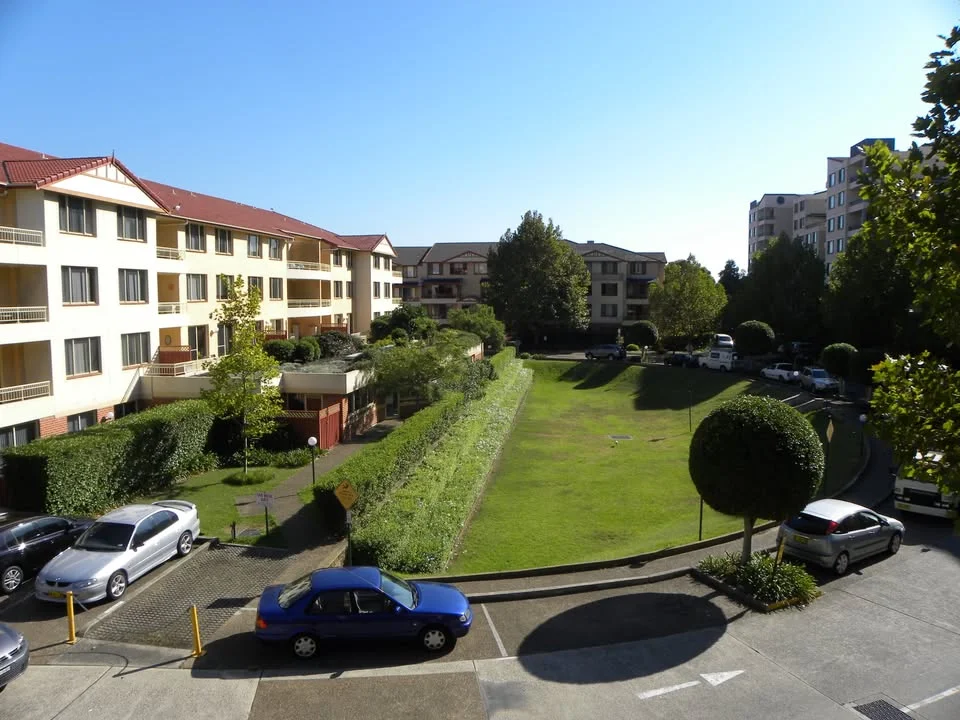 $990
Apartment / Unit / Flat
$990
Apartment / Unit / Flat
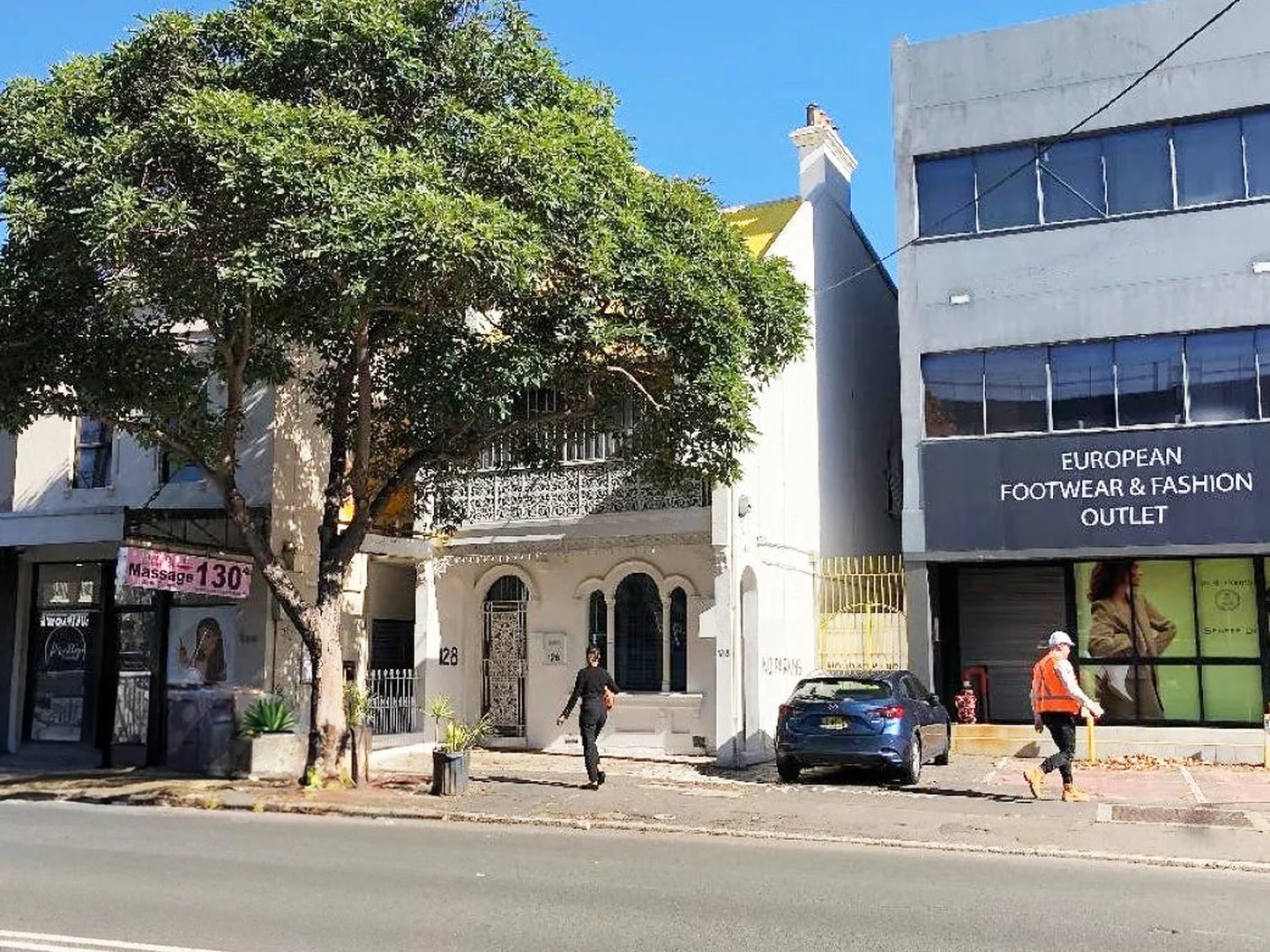 $3,900,000
House
$3,900,000
House
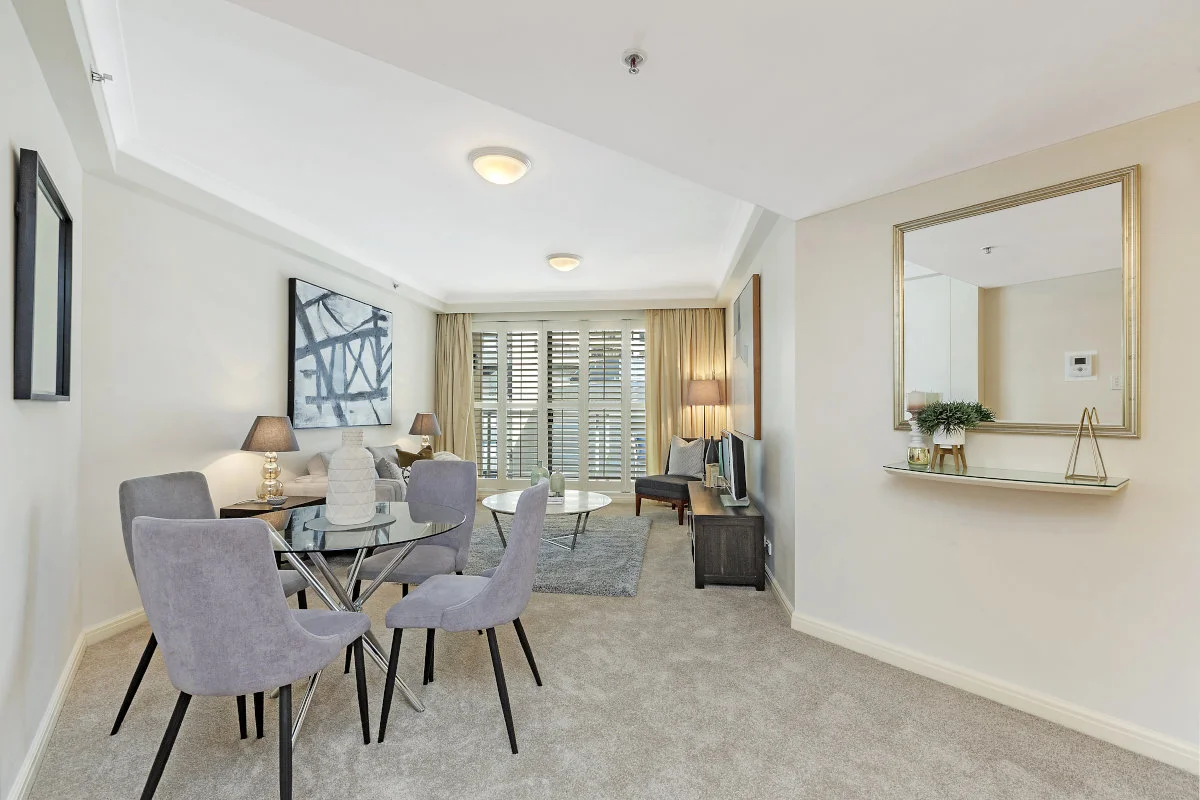 $660,000 - $725,000
Apartment / Unit / Flat
$660,000 - $725,000
Apartment / Unit / Flat
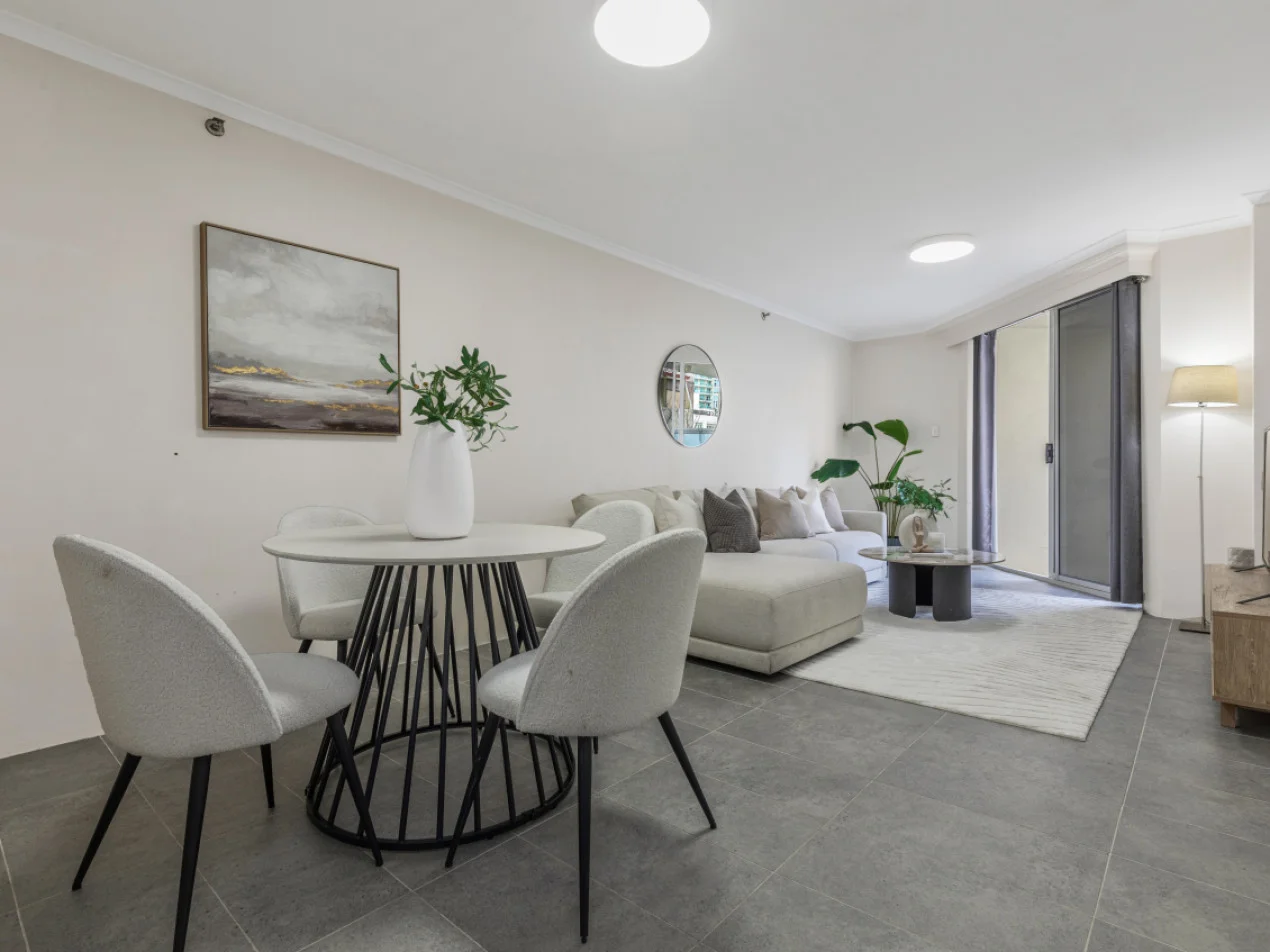 $640,000 - $675,000
Apartment / Unit / Flat
$640,000 - $675,000
Apartment / Unit / Flat
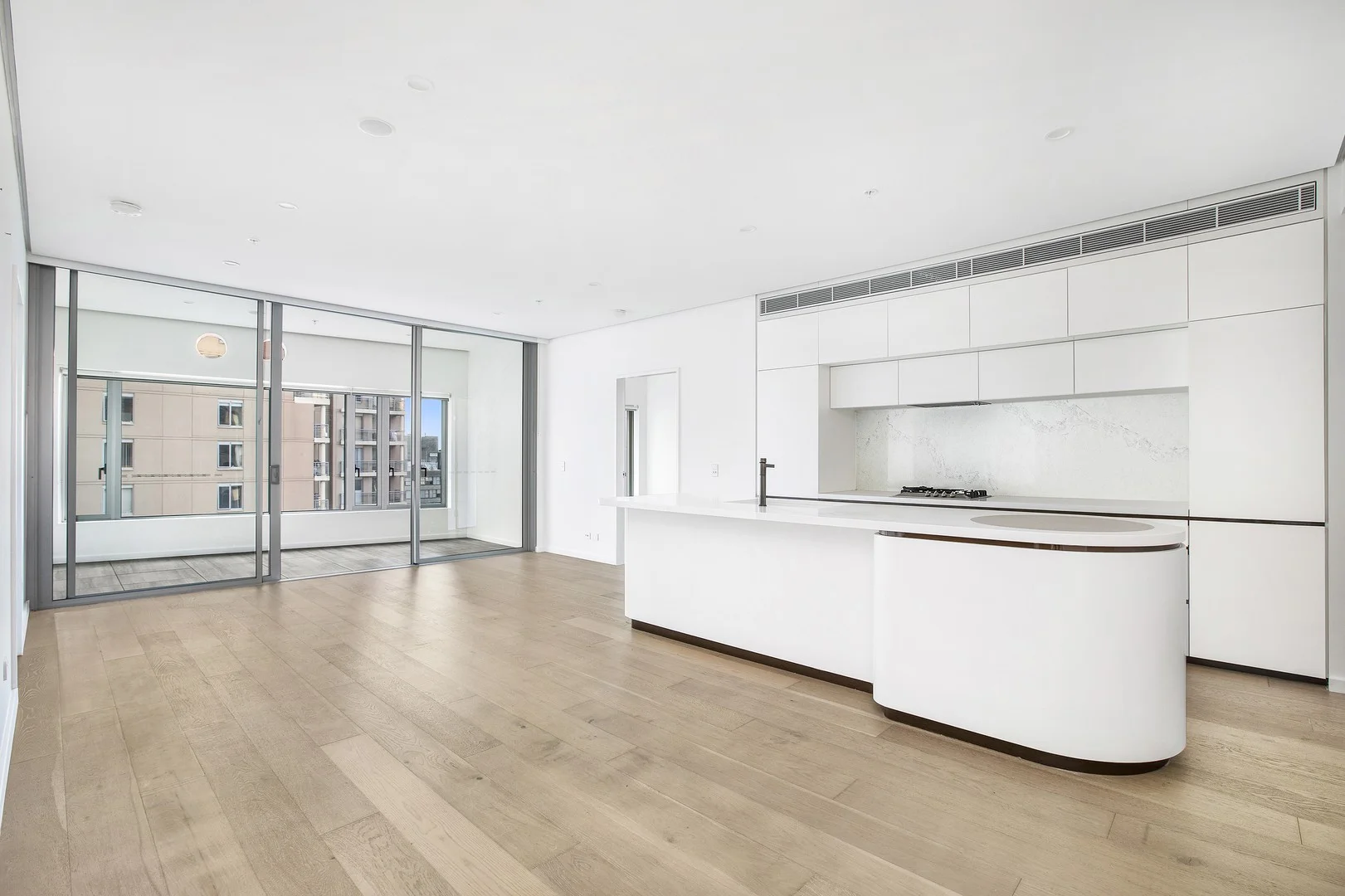 $2,250,000
Apartment / Unit / Flat
$2,250,000
Apartment / Unit / Flat
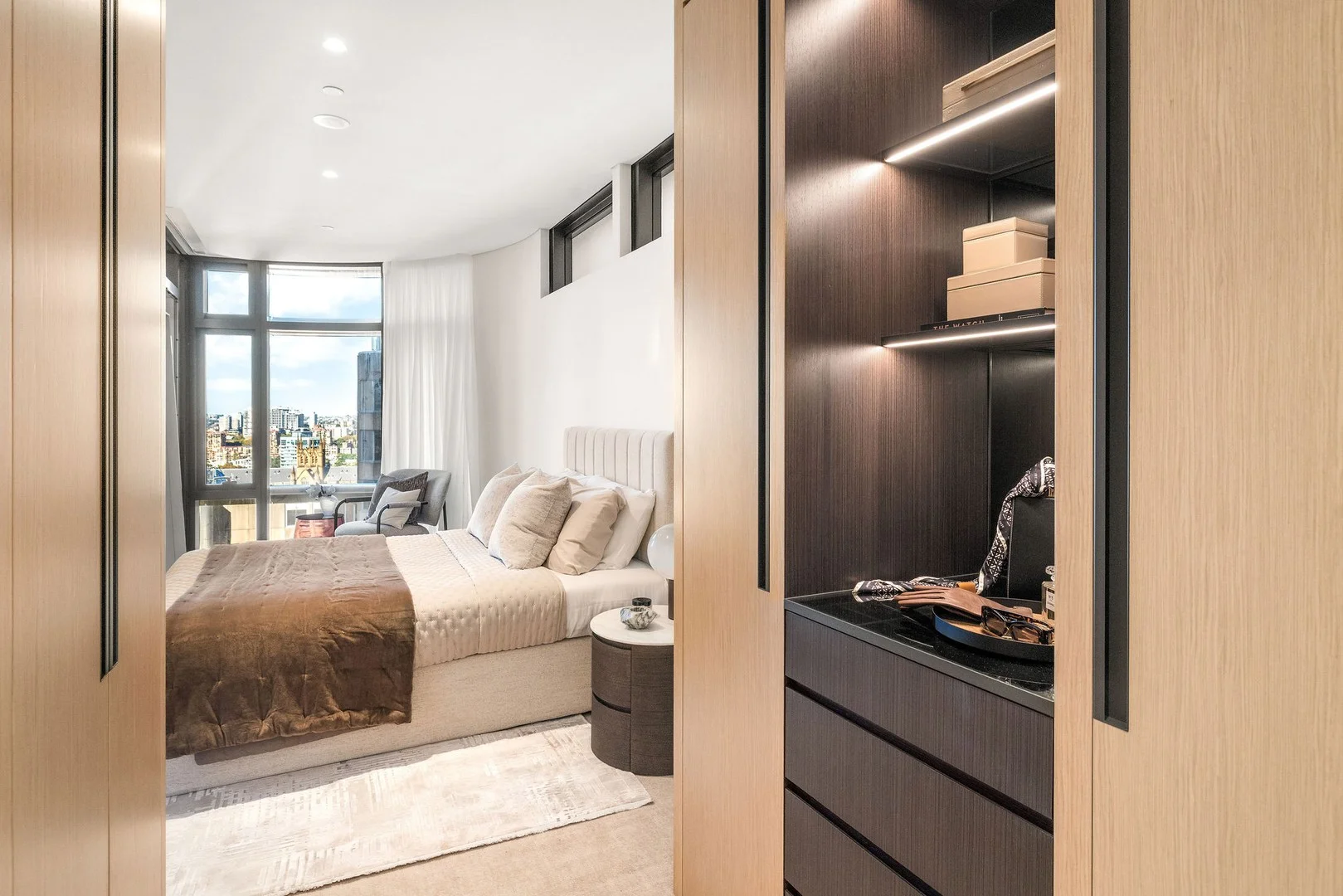 $2,745,000
propertyType.NEW APARTMENTS / OFF THE PLAN
$2,745,000
propertyType.NEW APARTMENTS / OFF THE PLAN
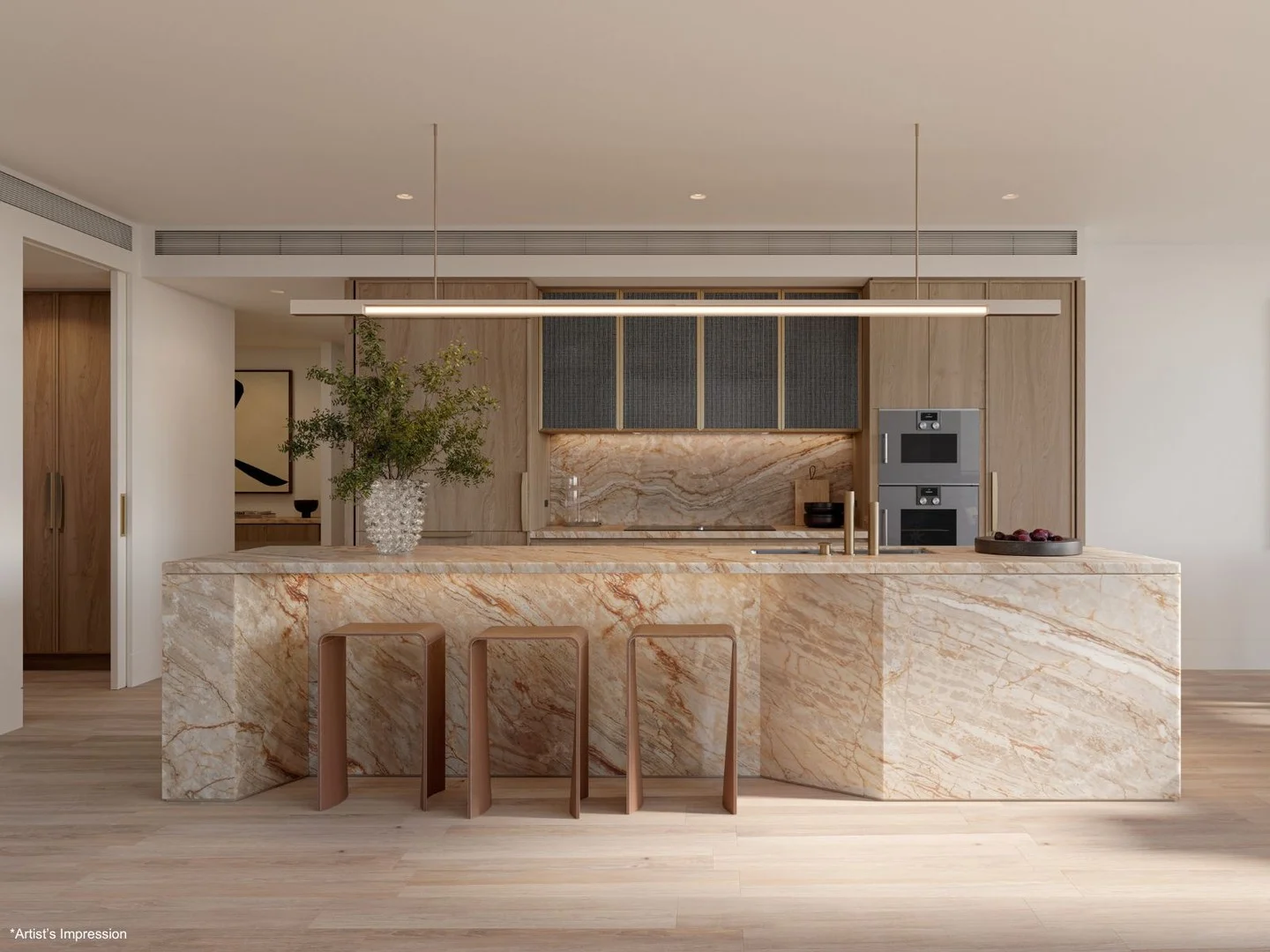 $6,225,000
propertyType.NEW APARTMENTS / OFF THE PLAN
$6,225,000
propertyType.NEW APARTMENTS / OFF THE PLAN
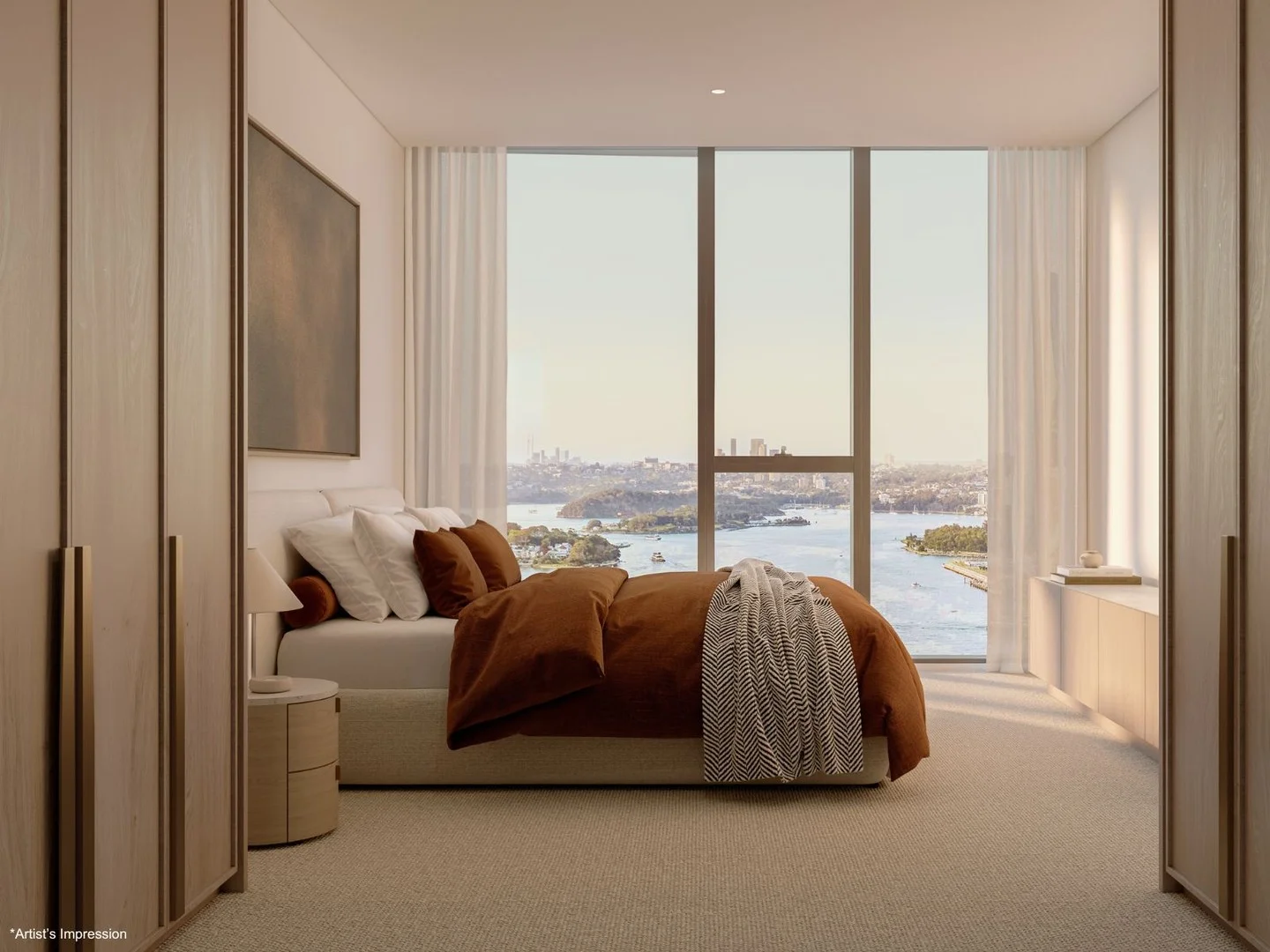 $8,630,000
propertyType.NEW APARTMENTS / OFF THE PLAN
$8,630,000
propertyType.NEW APARTMENTS / OFF THE PLAN
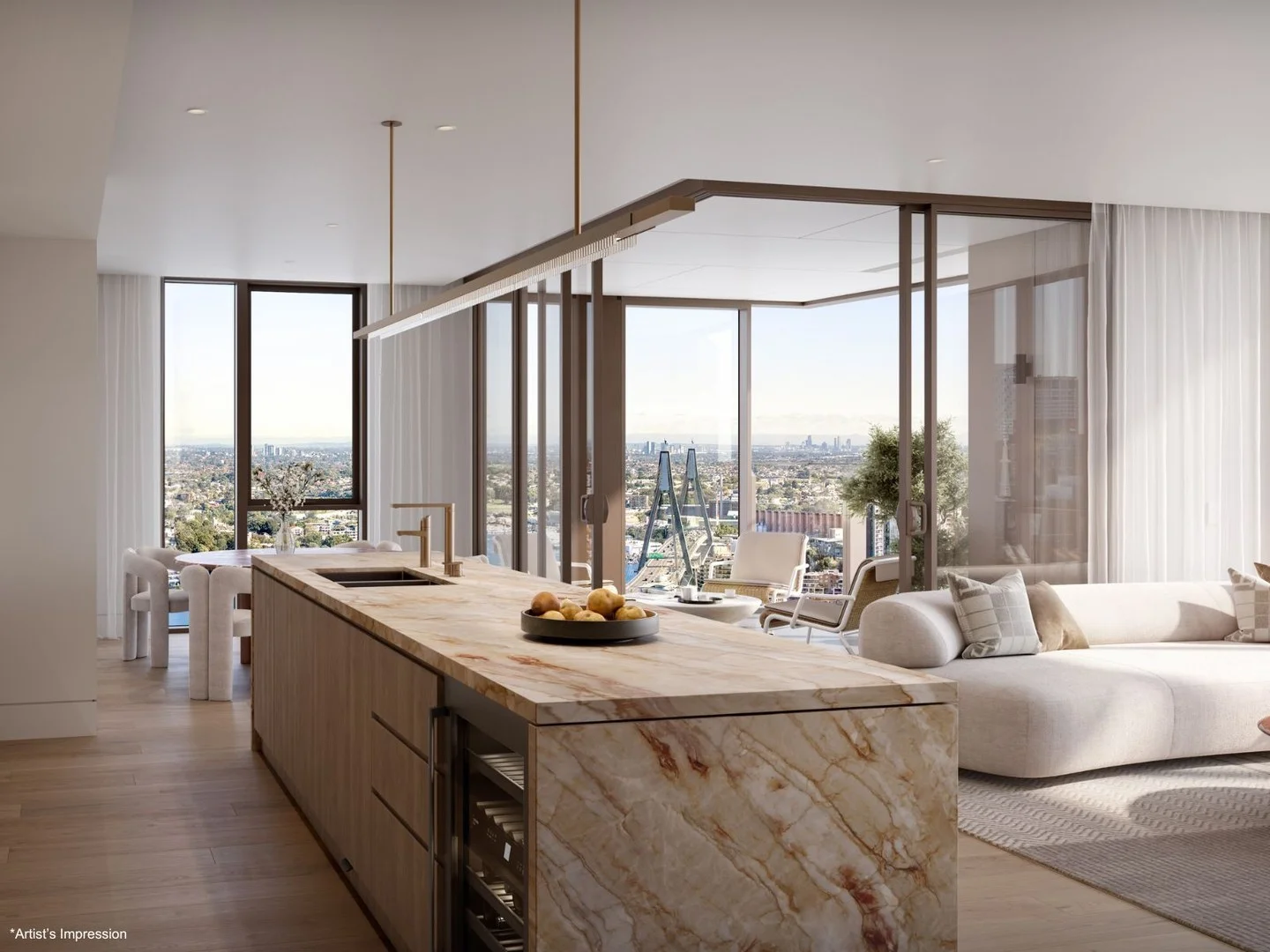 $9,020,000
propertyType.NEW APARTMENTS / OFF THE PLAN
$9,020,000
propertyType.NEW APARTMENTS / OFF THE PLAN


