1. Overview
Oxley Christian College is an independent Christian school offering co-educational learning across a range of year levels. With a faith-based foundation and a holistic approach to education, the college emphasizes academic growth alongside character development, community involvement, and spiritual formation. The environment is designed to be welcoming and supportive, helping students grow as curious learners and responsible individuals.
School type: Independent/private Christian
School size: Medium
Class size: Approximately 18–22 students per class (varies by year level)
Atmosphere/culture: Nurturing, inclusive, academically oriented, with diverse opportunities in sport and community involvement
⸻
2. Academics & Learning
Academic strengths
- English and literacy, mathematics and STEM
- Leadership development and community service
- Languages (e.g., French or Indonesian) as part of the curriculum
Special programs
- VCE (Victorian Certificate of Education) pathways
- Accelerated/extension programs for capable students
- Gifted and Talent programs
- Bible studies, chapel, and faith-integrated learning
NAPLAN / Ofsted trends
- NAPLAN trends show steady improvement and consistent performance in key areas over time (focus on reading and numeracy); trend data emphasize growth rather than scores alone.
Student-teacher ratios
- Approximately 1:12 to 1:15, with variations by year level and subject discipline
Support for diverse learners
- EAL (English as an Additional Language) support
- SEN and learning support services
- Targeted interventions and small-group assistance as needed
⸻
3. Sports & Extracurricular Strengths
Sports offered
- Basketball, netball, soccer, cricket, tennis, athletics, swimming, and other on-site physical education activities
Strong teams or achievements
- Competitive regional teams with representation across school-level competitions
- Emphasis on teamwork, sportsmanship, and personal bests
Music, arts, drama programs
- Robust music program, choir, and instrumental ensembles
- Drama productions and school theatre opportunities
- Performing arts experiences and school productions
Clubs
- Robotics, chess, coding, debating, and other academic/interest clubs
- Additional clubs focused on science, technology, and community service
Partnerships
- Local inter-school competitions and collaborations with community and sport clubs
- Engagements with external arts and STEM programs as available
⸻
4. Wellbeing & Pastoral Care
Anti-bullying approach
- Clear anti-bullying policies with restorative practices
- Regular wellbeing education and peer-support initiatives
House system
- A house system to foster belonging, healthy competition, and leadership opportunities
Counsellors / wellbeing officers
- Dedicated wellbeing staff and school counsellors
- Ongoing pastoral support and confidential guidance
Transition support for new students
- Structured orientation programs, buddy systems, and targeted induction to ease transitions
⸻
5. Facilities
- Sports grounds and playing fields
- Libraries with study spaces and resources
- Modern science laboratories for chemistry, biology, and physics
- Music and performing arts centers for ensembles and productions
- Tech/innovation labs for coding, robotics, and design
- On-site cafeteria with healthy meal options
- Updated playgrounds and outdoor learning spaces
⸻
6. School Values & Community Culture
School values / mission
- Faith-based education grounded in Christian principles
- Emphasis on character, service, integrity, and community involvement
Leadership style
- Collaborative and servant-leadership oriented
- Opportunities for student voice and leadership roles
Behaviour expectations
- Respect, responsibility, kindness, and accountability
- Clear codes of conduct aligned with school values
Community reputation
- Supportive and close-knit school community with emphasis on inclusion and service
Diversity & inclusion
- Welcoming environment for students from diverse backgrounds
- Inclusive programs and supports to meet diverse needs
⸻
7. School Logistics & Daily Operations
School hours
- Typical day from morning to afternoon with start and finish times aligned to year level schedules
Before/after school care
- Available to families as part of extended care options
Uniform requirements
- School uniform policy with specified attire for daily wear and events
Transport (train/bus routes)
- Bus routes and local transport options available; access via nearby public transit where applicable
Canteen availability
- On-site canteen offering healthy meal and snack options
Fees (low/medium/high ranges)
- Fees typically fall in the medium-to-high range for independent Christian schools; family discount options and fee schedules available on request
⸻
8. Enrolment & Admissions
11. What is the enrolment process and timeline?
- Submit an application form and required documentation (academic records, birth certificate, etc.)
- Initial screening and family interview
- Academic and readiness assessments as appropriate
- Offer of place and enrolment confirmation
- Deposit and completion of enrolment paperwork to secure the place
Notes: Timelines vary by intake year and year level; early applications improve placement options.
12. Is there a waiting list, and how does it work?
- Yes, there is a waiting list for many year levels when a vacancy isn’t immediately available
- Priority often given to siblings and then by date of application; wait times vary by term and year level
- Families on the waiting list are kept informed about progress and updated on any openings
13. Are there any entry requirements, tests, or interviews?
- Yes; most entrants participate in an interview and may complete a readiness/aptitude review
- Documentation of academic records, attendance, and pastoral or character references may be requested
- Religious alignment and values-based discussions are typically part of the process
14. Does the school accept mid-year transfers?
- Yes, subject to availability of places and a placement assessment
- Transfers are coordinated with admissions to ensure a smooth transition and appropriate class placement
⸻
9. Frequently Ask Questions
- Why Parents Choose This School?
- A values-based education with strong pastoral care, a supportive community, and balanced programs across academics, sport, and the arts.
- What type of student thrives at this school?
- Students who respond to a faith-informed, holistic approach; those who value community, leadership opportunities, and a balanced focus on academics, arts, and sport.
- What opportunities are available for students to extend their skills (academics, sports, arts)?
- Enrichment programs, extension subjects within the VCE framework, sports squads, music ensembles, theatre productions, robotics, coding, debating, and leadership activities.
- How does the school communicate with parents?
- Regular newsletters, a parent portal/app, emails, phone calls, and scheduled parent-teacher interviews; timely updates on events and student progress.
- What is the school’s approach to teaching and learning?
- Student-centred and evidence-based, combining direct instruction with inquiry and project-based learning; explicit Christian values woven throughout the curriculum.
- How does the school support students who need extra academic help?
- Targeted learning support, small-group interventions, EAL support, and access to specialists; ongoing progress monitoring and adjustments as needed.
- What support is available for academic challenges?
- Individualised learning plans, additional tutoring or support sessions, and collaboration with families to set achievable goals.
- How does the school communicate with parents? (repeated)
- See above: newsletters, parent portal, routine updates, and access to teachers and coordinators for questions.
- What are the class sizes and how much individual attention do students receive?
- Typical class sizes of around 18–22 students; teachers provide regular feedback, differentiation, and opportunities for one-on-one check-ins.
- What extracurricular and sports opportunities are available?
- A broad range of activities including robotics, chess, coding, debating, as well as multiple sports (basketball, netball, soccer, cricket, tennis, athletics, swimming) and arts programs.
- What facilities does the school offer (sports, science, arts)?
- Comprehensive facilities: sports grounds, libraries, science labs, music/performing arts centers, tech/innovation labs, canteen, and updated play areas.
- What is the school’s approach to technology and digital learning?
- Integrated digital learning with emphasis on digital citizenship, use of learning management systems, and appropriate technology for classrooms and labs.
- What transport and accessibility options are available?
- School bus routes and access to nearby public transport; accommodations for students with mobility or accessibility needs where possible.
- What are the typical school fees or additional costs?
- Fees span a medium-to-high range for independent schools; additional costs may include uniforms, trips, and activity levies; family discounts may apply
⸻
10. Short Pros & Cons list
Pros
- Strong Christian values integrated with academics
- Supportive pastoral care and small-to-medium class sizes
- Broad range of co-curriculars in sport, arts, and STEM
- Positive sense of community and opportunities for student leadership
- Comprehensive facilities and well-equipped learning spaces
Cons
- Fees are in the medium-to-high range for private schooling
- Waiting lists may apply for popular year levels
- Transport and scheduling can be challenging for families living farther away; check local routes
- Some specialist programs (e.g., certain languages or electives) may vary by year level

 $22+
$22+










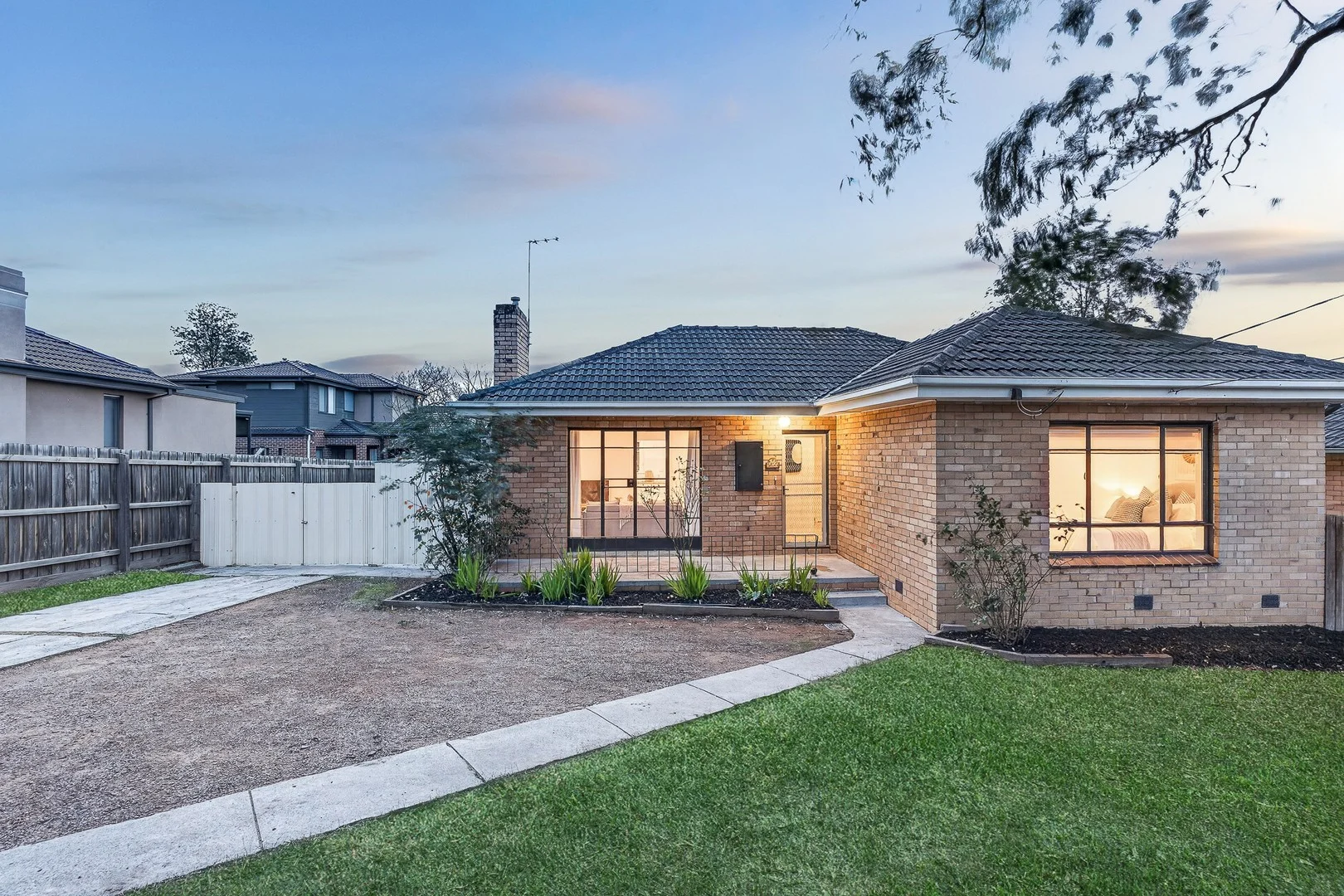 $720,000 - $780,000
House
$720,000 - $780,000
House
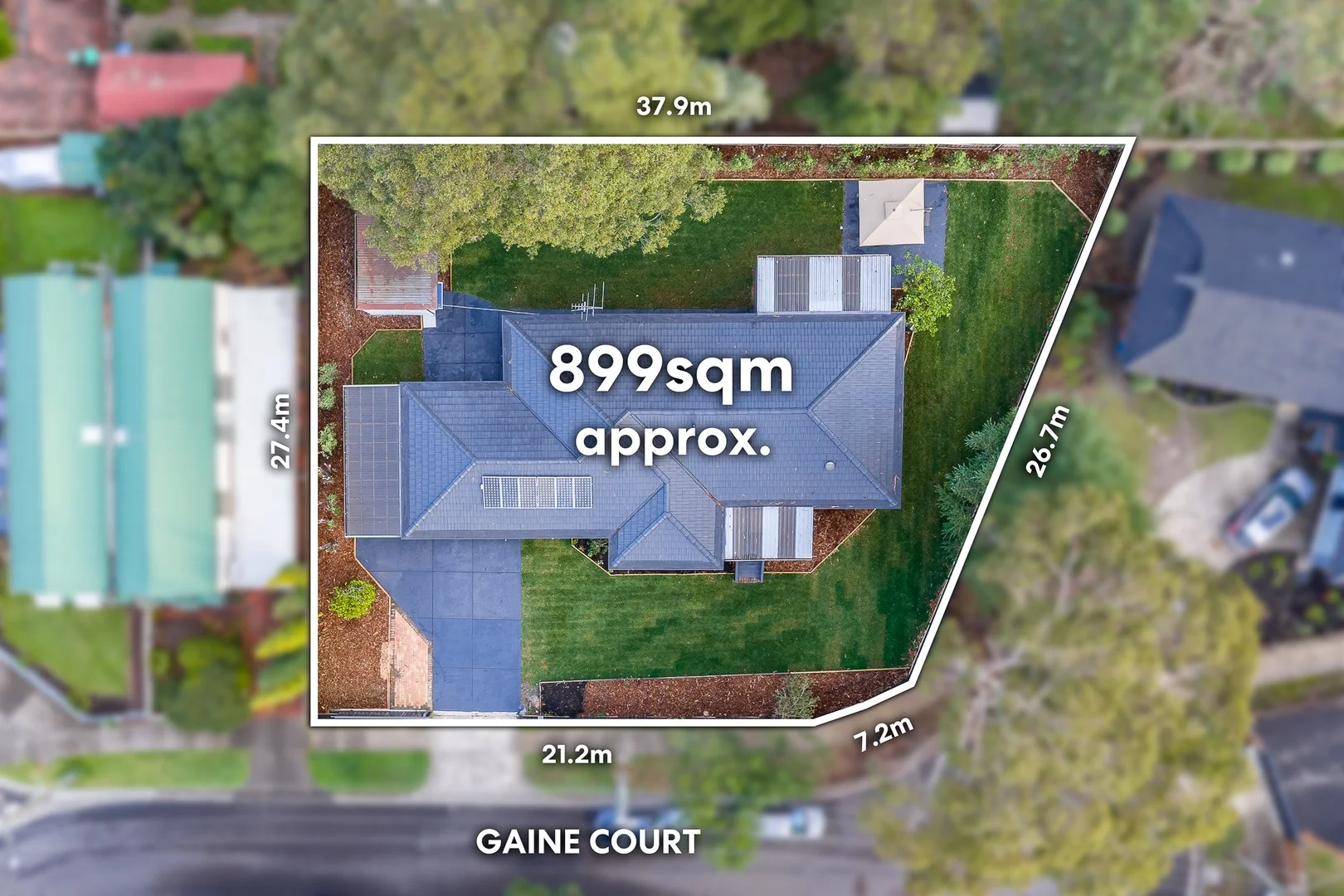 $990,000 - $1,080,000
House
$990,000 - $1,080,000
House
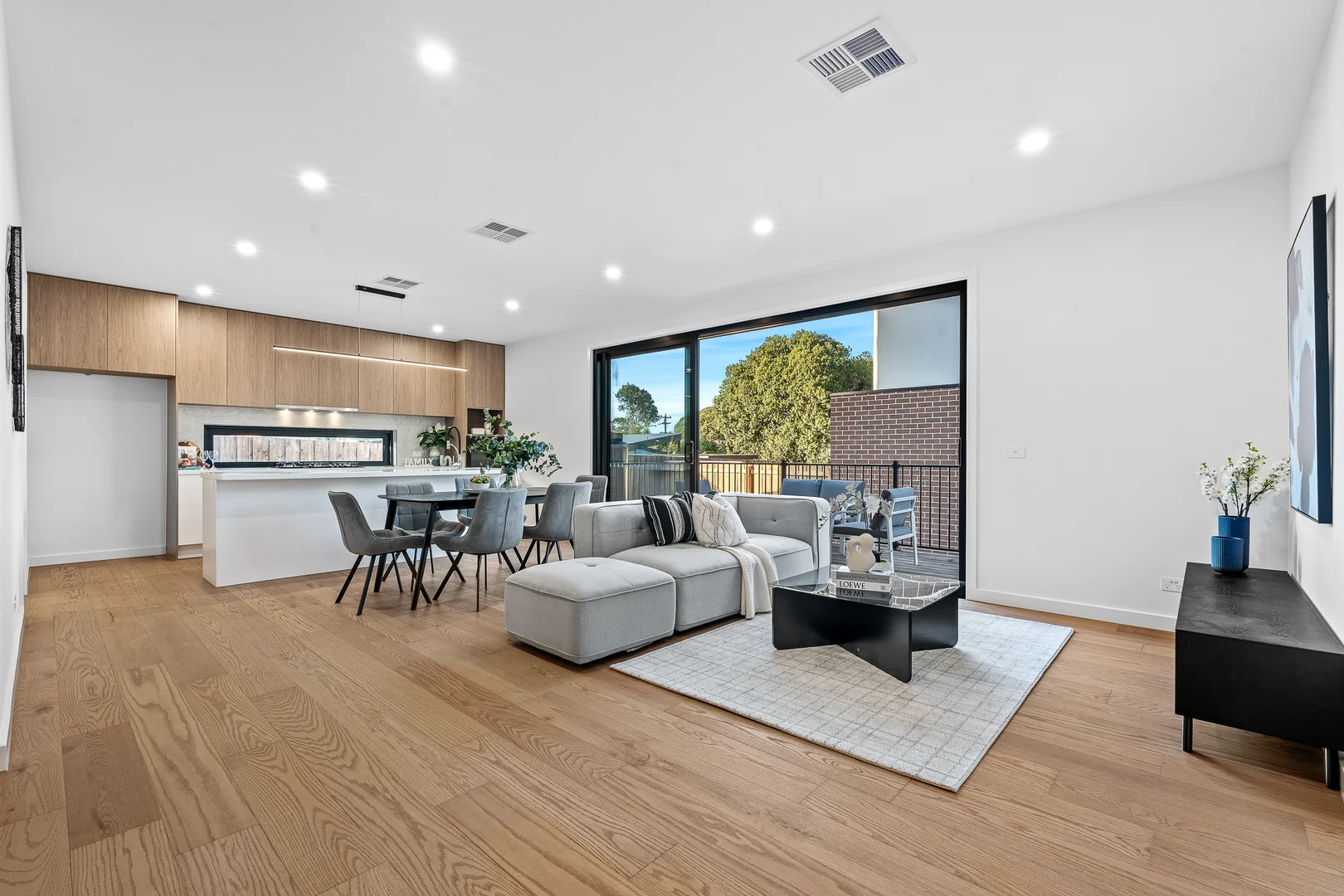 $990,000 - $1,080,000
Townhouse
$990,000 - $1,080,000
Townhouse
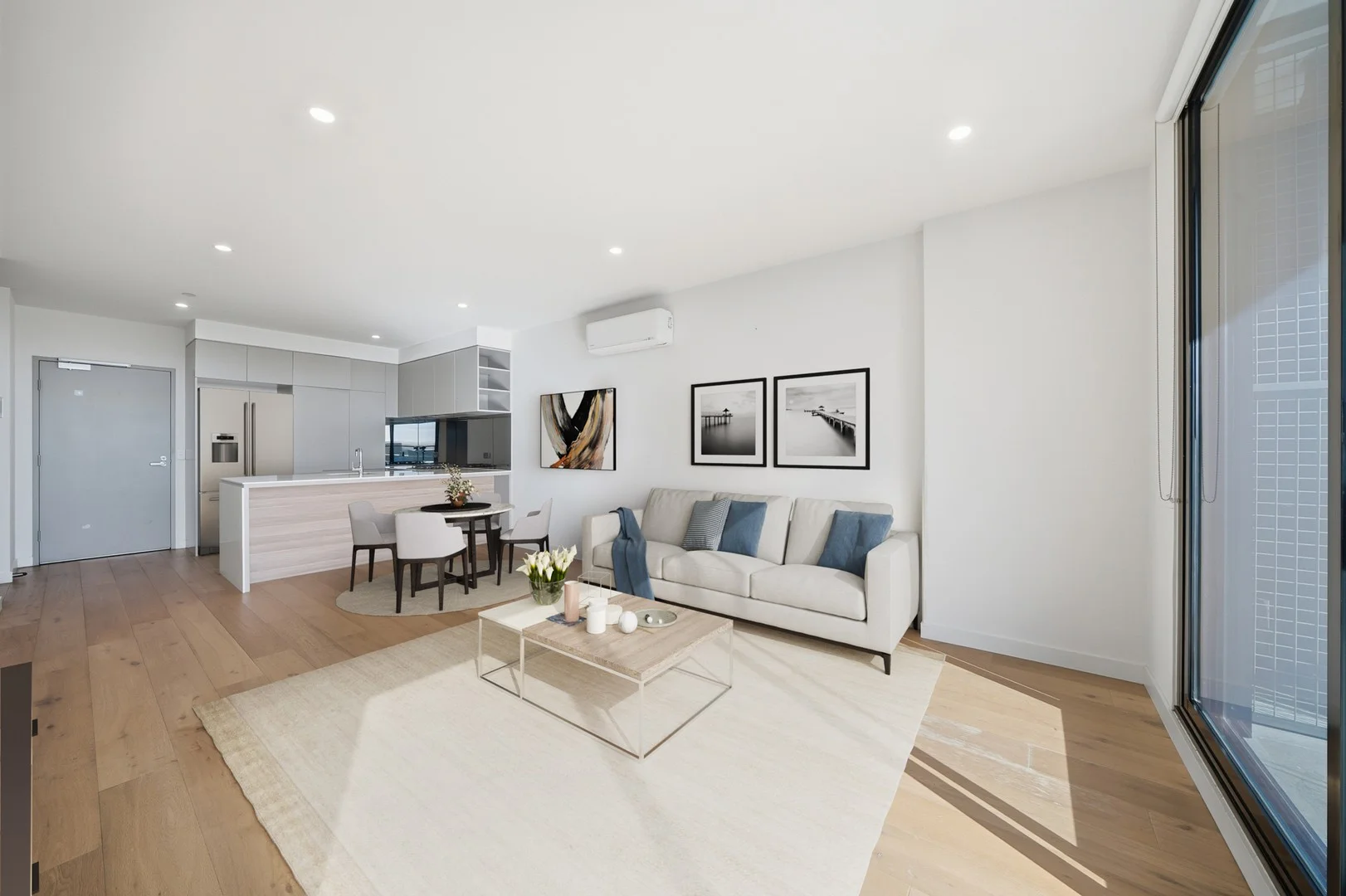 $500,000 - $550,000
Apartment / Unit / Flat
$500,000 - $550,000
Apartment / Unit / Flat
 $1,300,000
House
$1,300,000
House
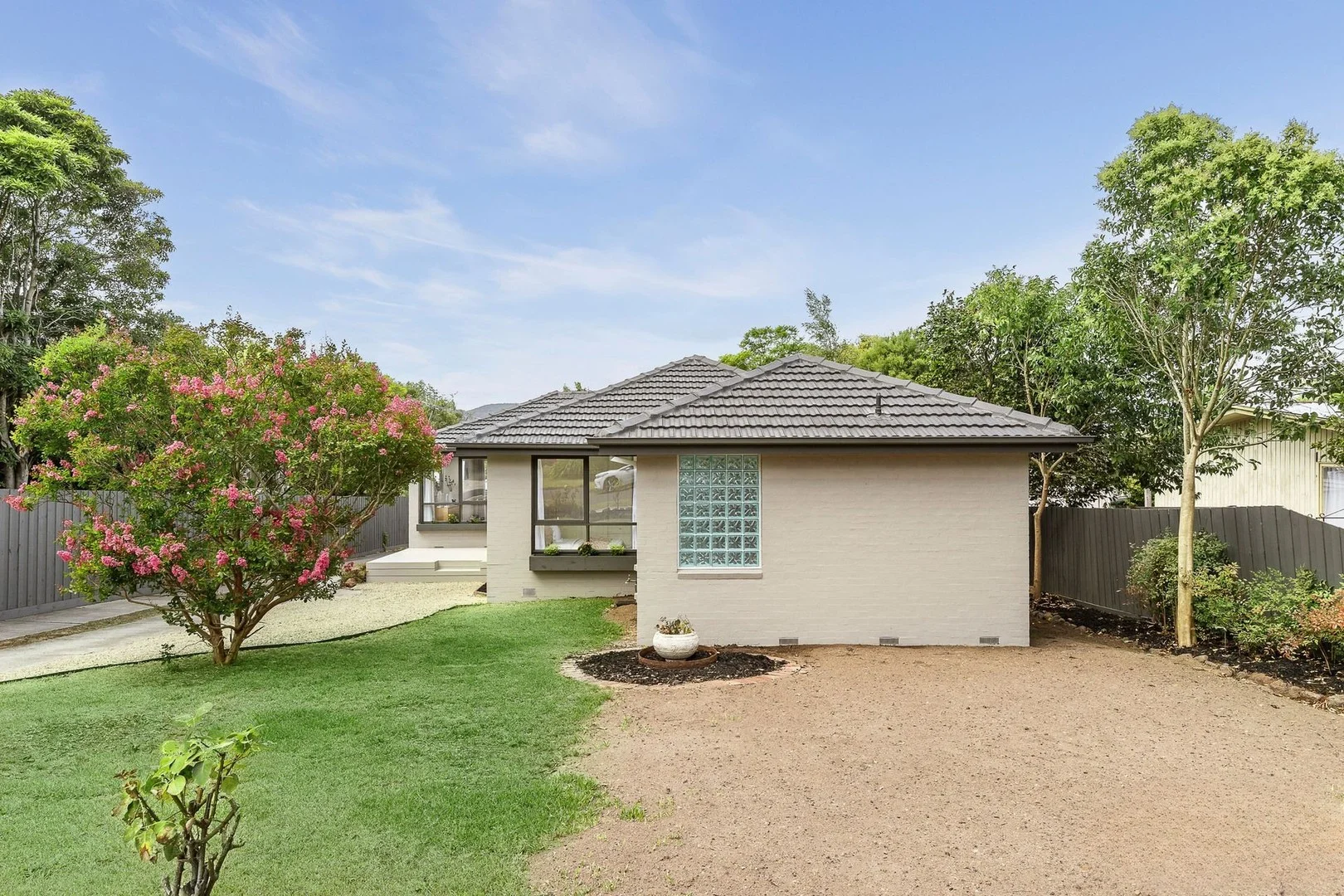 $700
Apartment / Unit / Flat
$700
Apartment / Unit / Flat
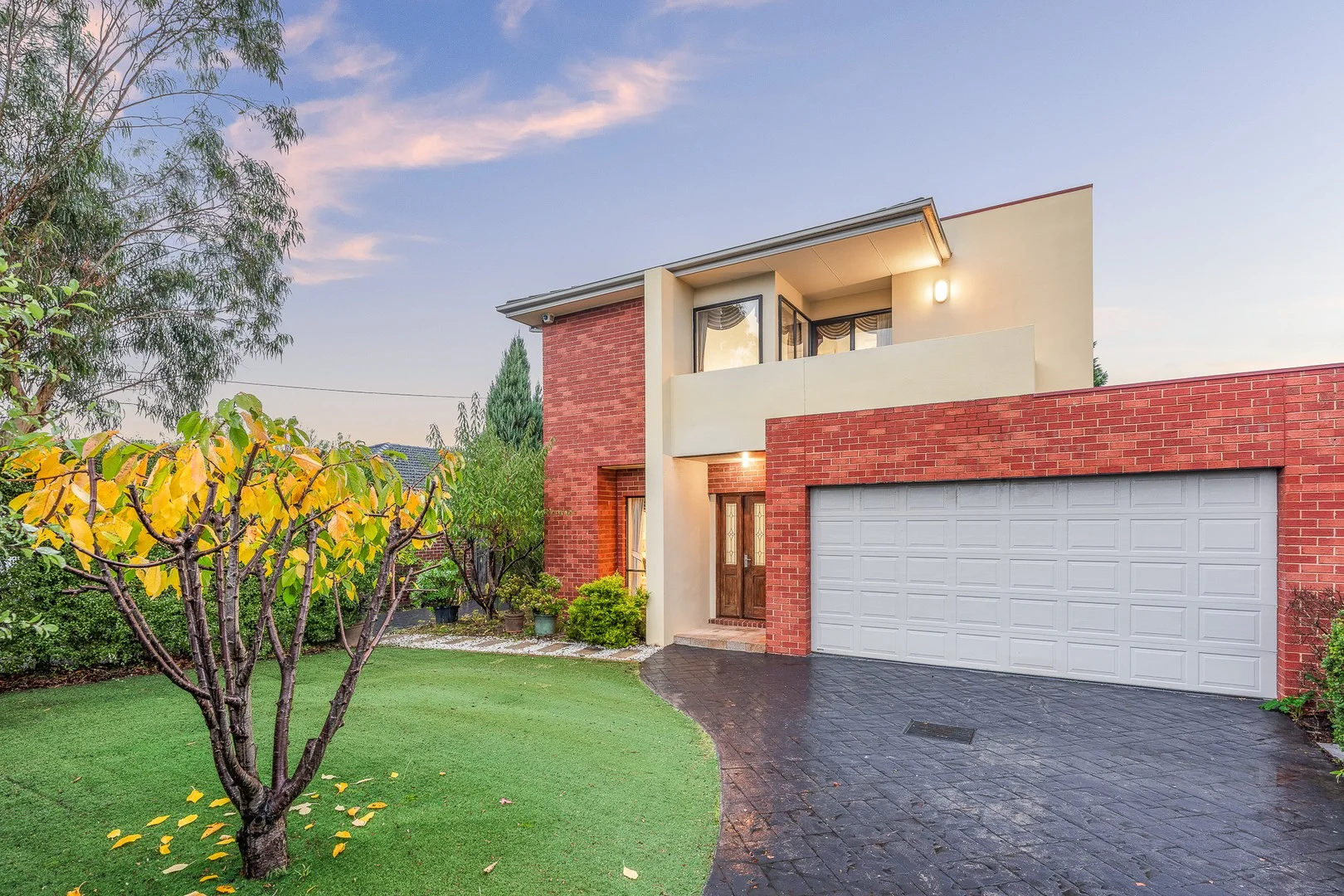 $1,150,000 - $1,250,000
Townhouse
$1,150,000 - $1,250,000
Townhouse
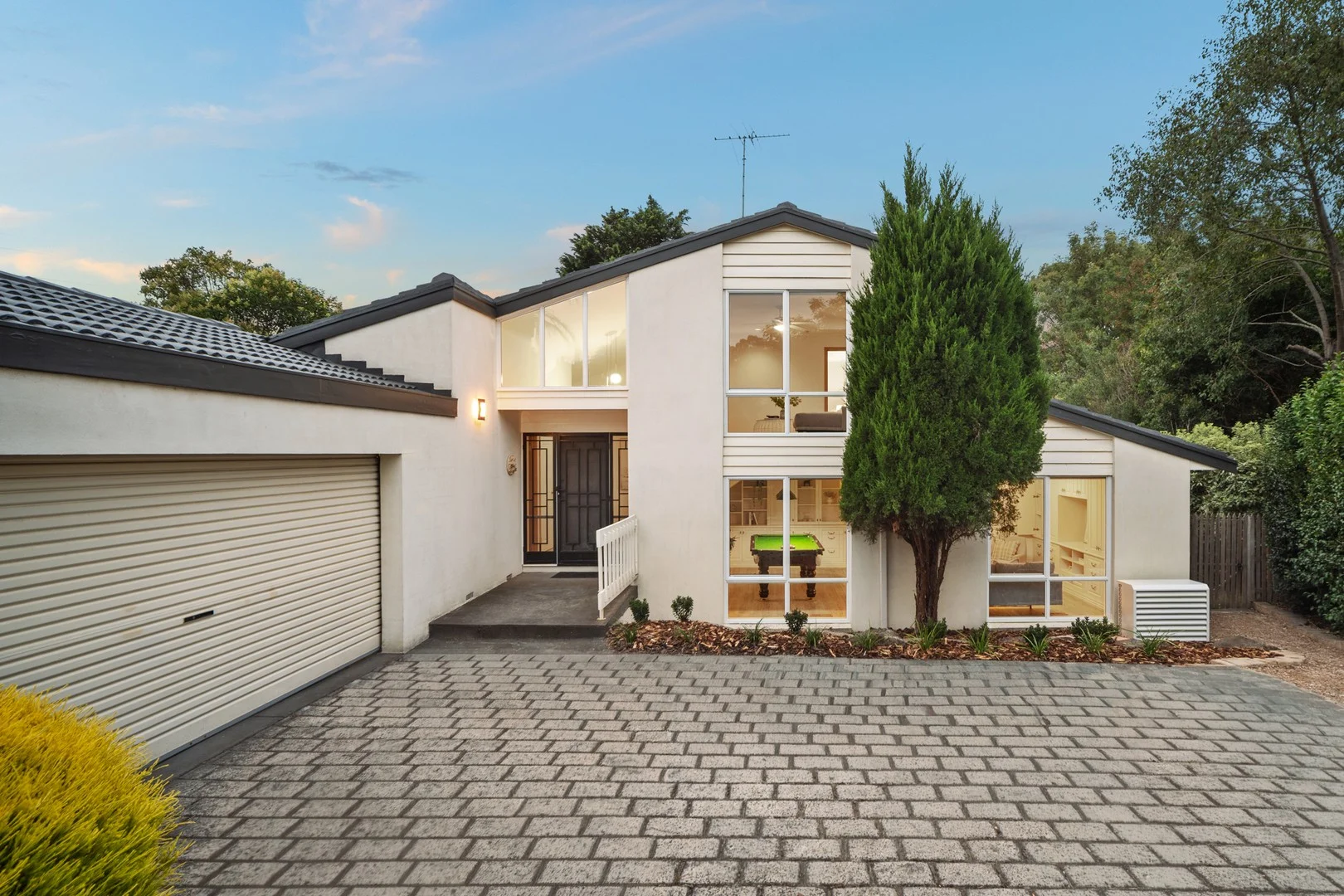 $1,380,000 - $1,500,000
House
$1,380,000 - $1,500,000
House
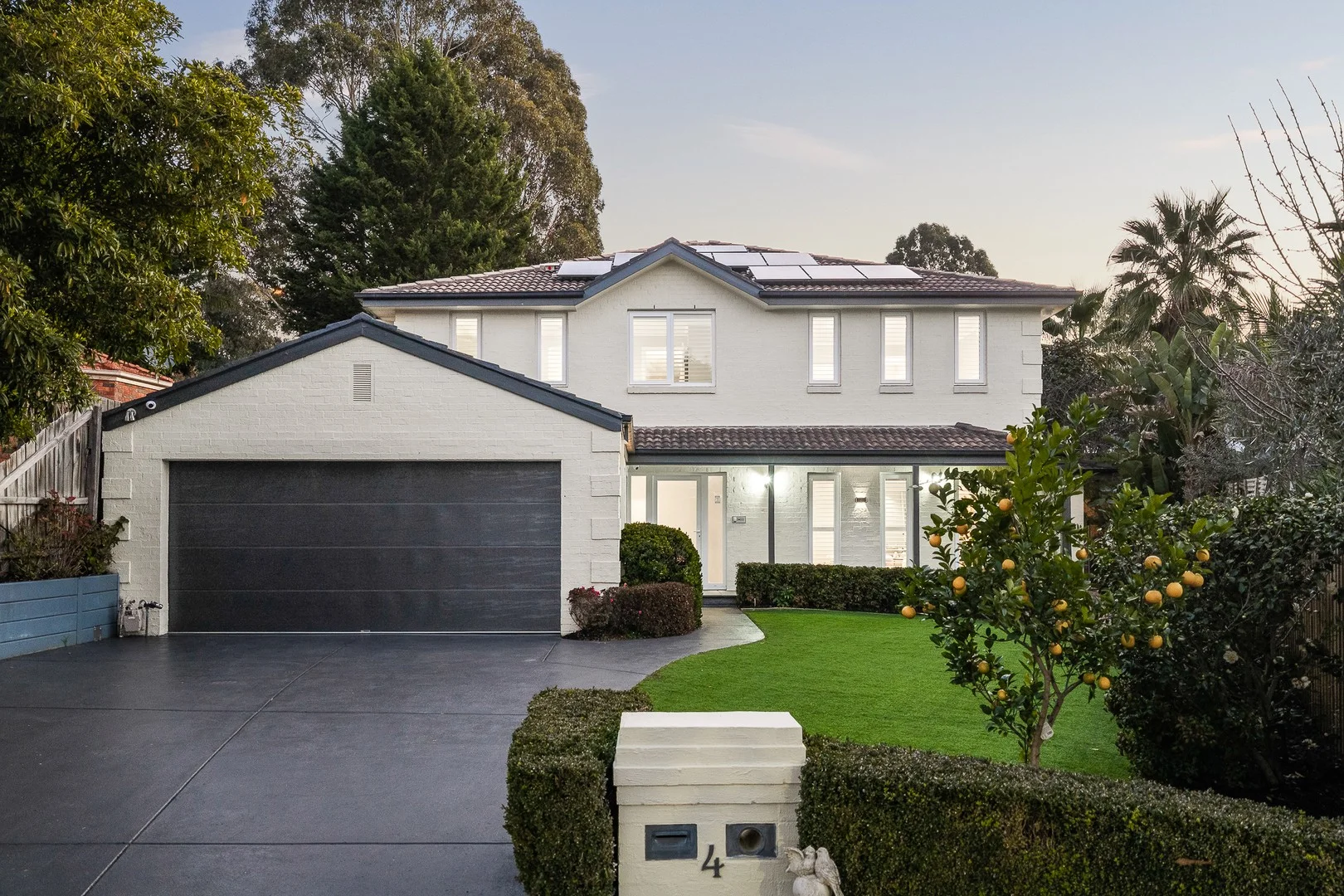 $1,900,000
House
$1,900,000
House


