1. Overview
Parade College is a Catholic boys’ secondary school in Melbourne’s Bundoora area, focused on forming well-rounded young men through faith, learning and service. The Bundoora campus serves students in the middle to senior years with an emphasis on pastoral care, academic growth and active community involvement. The school is medium-to-large in size, with class sizes typically in the low-to-mid 20s, allowing for strong student-teacher engagement. Atmosphere is generally nurturing and inclusive, with a clear academic focus paired with opportunities for leadership, sport and service.
- School type: Catholic
- School size: Medium-to-large
- Class size: ~22–26 students
- Atmosphere/culture: Nurturing, inclusive, academically oriented
⸻
2. Academics & Learning
Parade College supports a broad and solid academic program, with strengths in key subjects and pathways that prepare students for post-school study and work.
- Academic strengths: English, Mathematics, Science (STEM foundations), Humanities, and strong leadership development; emphasis on a well-rounded curriculum.
- Special programs: Opportunities within the regular VCE framework and leadership development pathways; options to engage in accelerated or targeted learning activities as available.
- NAPLAN trends: Historically, performance has been solid and trending to meet or exceed state averages across multiple year levels, with steady improvement over time.
- Student-teacher ratios: Typical secondary class environments with a focus on accessible teacher support; approximate ratio ranges in the low-to-mid teens to low 20s depending on subject and year level.
- Support for diverse learners: EAL support, SEN assistance, and learning adjustments are available to promote inclusive education and ensure students receive appropriate academic support.
⸻
3. Sports & Extracurricular Strengths
A robust set of activities supports physical development, teamwork and broader interests beyond academics.
- Sports offered: AFL-style codes and football, cricket, basketball, soccer, athletics, swimming and other school-level programs.
- Strong teams or achievements: Competitive inter-school teams with regular participation in championships and fixtures; strong culture of teamwork and development.
- Music, arts, drama: Active music ensembles, performances and arts programs; opportunities to engage in drama productions and performing arts events.
- Clubs: Robotics, chess, coding, debating and other academic/tech and culture clubs.
- Partnerships: Local club partnerships and inter-school competitions to extend opportunities beyond the campus.
⸻
4. Wellbeing & Pastoral Care
Pastoral care and student wellbeing are core to the student experience, supporting resilience and positive school engagement.
- Anti-bullying approach: Clear policies and reporting channels, with emphasis on a respectful school climate.
- House system: House groups create belonging and foster pastoral support, with inter-house events and mentoring opportunities.
- Counsellors / wellbeing officers: Access to school-based counselors or wellbeing staff to support mental health and personal development.
- Transition support for new students: Orientation programs, buddy systems and family information sessions to ease transitions.
⸻
5. Facilities
Facilities are designed to support a broad curriculum and student life, with spaces for learning, performance and recreation.
- Sports grounds
- Libraries
- Science labs
- Music/performing arts centers
- Tech/innovation labs
- Canteen
- Updated playgrounds
⸻
6. School Values & Community Culture
Parade College communicates a clear set of values and expectations to foster character, leadership and community.
- School values / mission: Catholic values centered on faith, service, integrity, respect and resilience.
- Leadership style: Collaborative and student-involved leadership opportunities, with adult guidance and mentorship.
- Behaviour expectations: Consistent standards emphasizing respect, responsibility and safe conduct.
- Community reputation: Generally positive within the local community, with emphasis on inclusivity and service.
- Diversity & inclusion: Efforts to create an inclusive environment respectful of diverse backgrounds and experiences.
⸻
7. School Logistics & Daily Operations
Practical details help families plan around school life, transport and costs.
- School hours: Typical school day runs through the middle of the day with before/after care options often available.
- Before/after school care: Available in many cases, through on-site or partner programs.
- Uniform requirements: Full school uniform (including blazer) is required; sports uniform for PE/sport days.
- Transport (train/bus routes): Public transport options and local bus routes; guidance on travel planning is provided by the school.
- Canteen availability: On-site or school-managed canteen with meal and snack options.
- Fees (low/medium/high ranges): Fees fall within the mid-range for Catholic secondary education; additional costs may include uniforms, camps, excursions and book materials.
⸻
8. Enrolment & Admissions
8. Enrolment & Admissions
11. What is the enrolment process and timeline?
- Applications are typically submitted through the school or the Catholic education system, with intake focused on Years 7 and 9 at most campuses, and occasional mid-year placements subject to space and policy. The process generally includes an initial eligibility check, submission of required documents, and a confirmation timeline that aligns with the school year. Parents are encouraged to begin early to secure a place for the preferred year level.
12. Is there a waiting list, and how does it work?
- Many Catholic schools operate with a waiting list when demand exceeds capacity. Priorities can include sibling placement, availability of spaces, and readiness for transition. The school will provide guidance on how the waitlist is managed and expected timelines.
13. Are there any entry requirements, tests, or interviews?
- Entry typically involves an interview with the student and parents, together with submission of required documentation (transcripts, immunisation records, etc.). Some years or programs may include discussion of interests, prior achievements or a learning profile to help place the student appropriately.
14. Does the school accept mid-year transfers?
- Yes, subject to space and meeting enrolment requirements. Parents interested in mid-year transfers should contact the admissions team to confirm availability and any testing or documentation needed.
⸻
9. Frequently Asked Questions
- Why Parents Choose This School?
Parents choose Parade College for its Catholic ethos, strong pastoral care, a balanced focus on academics, sport and arts, and a sense of community that supports student growth.
- What type of student thrives at this school?
Students who are motivated, values-driven, engaged in learning, and who participate in sport, clubs or service tend to fit well, benefiting from the school’s supportive environment and opportunities for leadership.
- What opportunities are available for students to extend their skills (academics, sports, arts)?
Opportunities include leadership programs, academic clubs, robust sports teams, music ensembles, drama productions, robotics and debating, as well as pathways within VCE and broader learning experiences.
- How does the school communicate with parents?
Through newsletters, a school portal or online information system, email, parent-teacher meetings, and information evenings. Regular updates help families stay informed about events and student progress.
- What is the school’s approach to teaching and learning?
The school emphasises rigorous, inclusive learning with differentiation, collaborative approaches, and integration of technology to support student achievement and engagement.
- How does the school support students who need extra academic help?
Access to learning support staff, targeted interventions, EAL assistance and accommodations are available to help students meet their learning goals.
- What support is available for academic challenges?
Additional tutoring, study skills programs, one-on-one or small-group support, and involvement from specialists to address learning needs and progress.
- How does the school communicate with parents? (reiterated)
See above: newsletters, portal, email, parent-teacher meetings, and information sessions.
- What are the class sizes and how much individual attention do students receive?
Class sizes typically range around 22–26 students, with teachers providing targeted feedback, differentiation and regular formative assessment to support individual growth.
- What extracurricular and sports opportunities are available?
A wide range: team sports (e.g., football/cricket/basketball), clubs (robotics, chess, coding, debating), arts and music programs, and ongoing opportunities to participate in inter-school events and competitions.
- What facilities does the school offer (sports, science, arts)?
Sports grounds, libraries, science laboratories, music/performing arts facilities, technology/innovation labs, dedicated canteen spaces and updated play areas.
- What is the school’s approach to technology and digital learning?
Integrated ICT across the curriculum, potential BYOD or device access policies, digital learning platforms for assignments and communication, with emphasis on digital safety and responsible use.
- What transport and accessibility options are available?
Guidance on public transport options (bus/train routes), school-supported transport, parking arrangements, and accessibility considerations on campus.
- What are the typical school fees or additional costs?
Fees fall within the mid-range for Catholic secondary education, with potential additional costs for uniforms, camp and excursion activities, and essential materials.
⸻
10. Short Pros & Cons list
- Pros
- Strong Catholic identity with pastoral care and community focus
- Balanced emphasis on academics, sport and arts
- Supportive student well-being and inclusive environment
- Wide range of extracurricular activities and clubs
- Good facilities to support science, technology, arts and sport
- Cons
- Boys-only environment may not suit families seeking co-educational settings
- Commute for some families depending on location
- Fees and additional costs are a consideration in budgeting
- Large school can feel busy; some students prefer smaller settings
⸻

 Free
Free











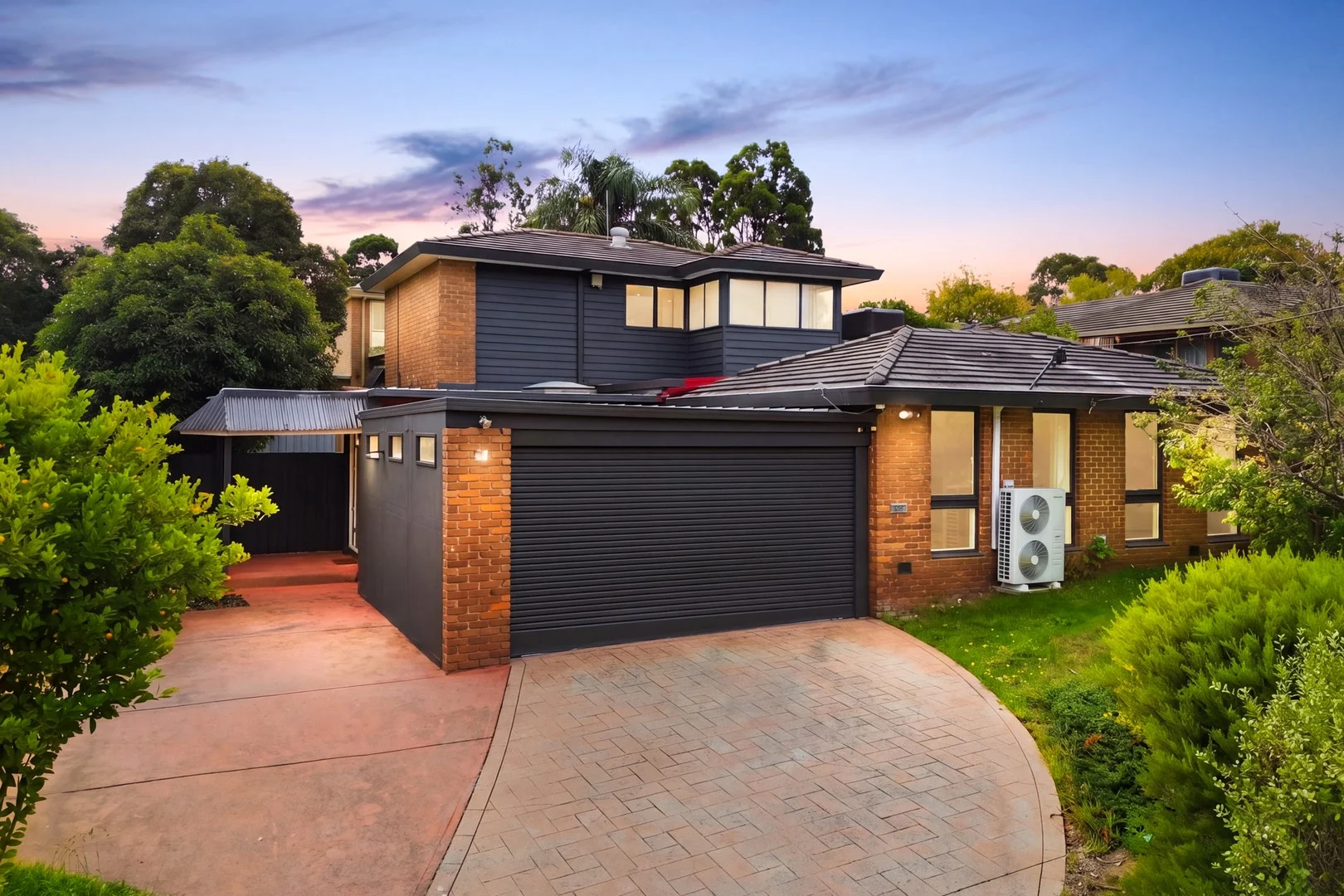 $1,220,000 - $1,320,000
House
$1,220,000 - $1,320,000
House
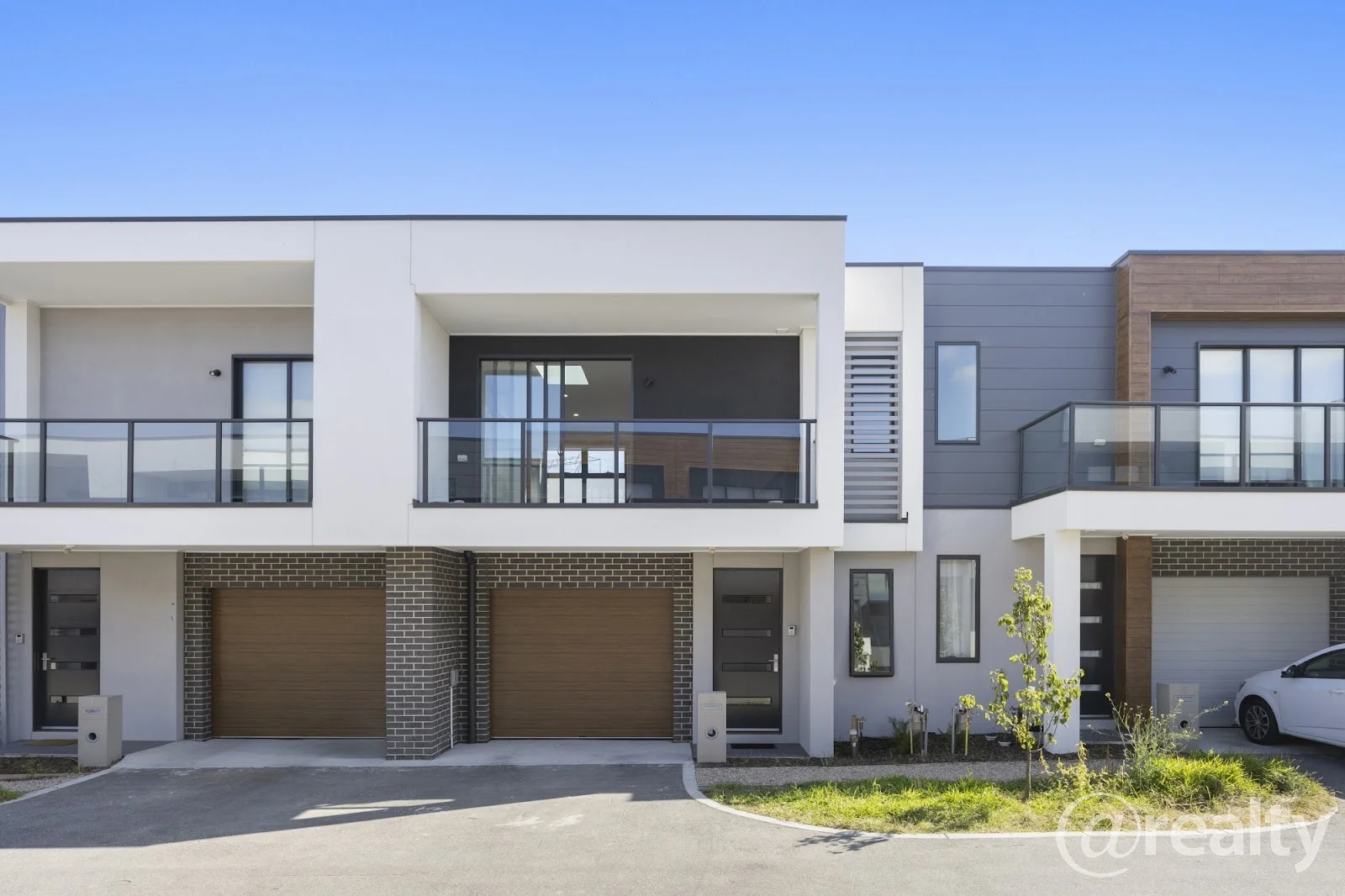 $510
Townhouse
$510
Townhouse
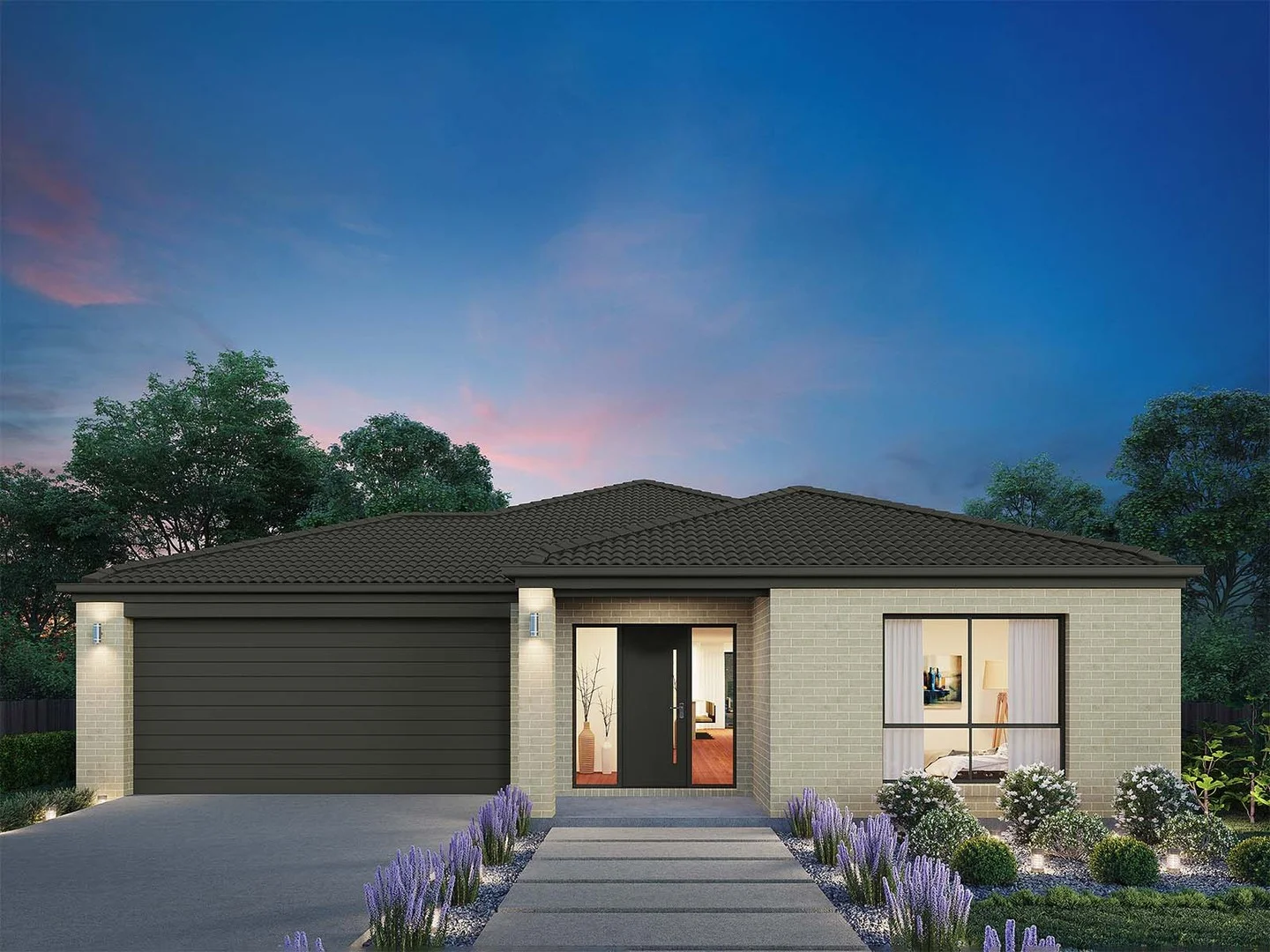 $850,880
propertyType.NEW HOUSE & LAND
$850,880
propertyType.NEW HOUSE & LAND
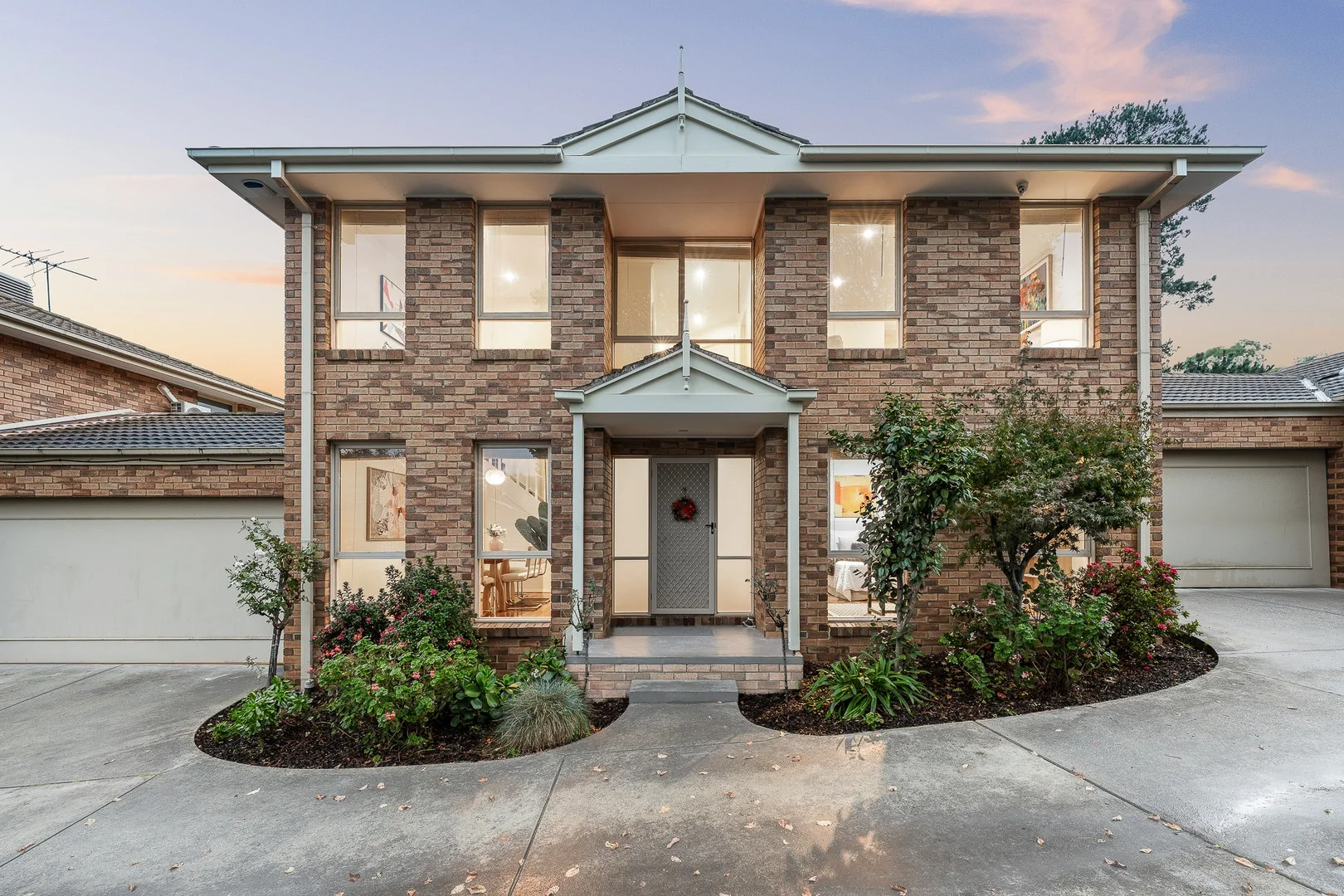 $950,000 - $1,045,000
Apartment / Unit / Flat
$950,000 - $1,045,000
Apartment / Unit / Flat
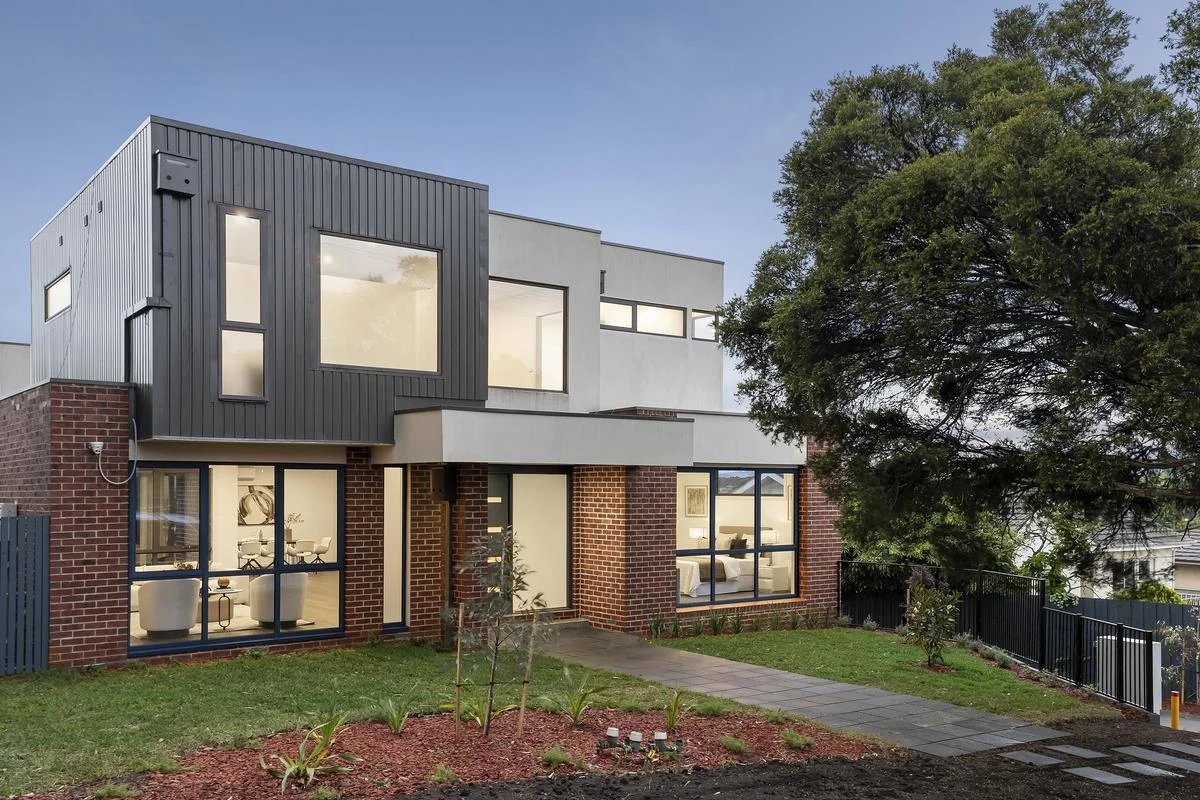 $1,550,000 - $1,650,000
Townhouse
$1,550,000 - $1,650,000
Townhouse
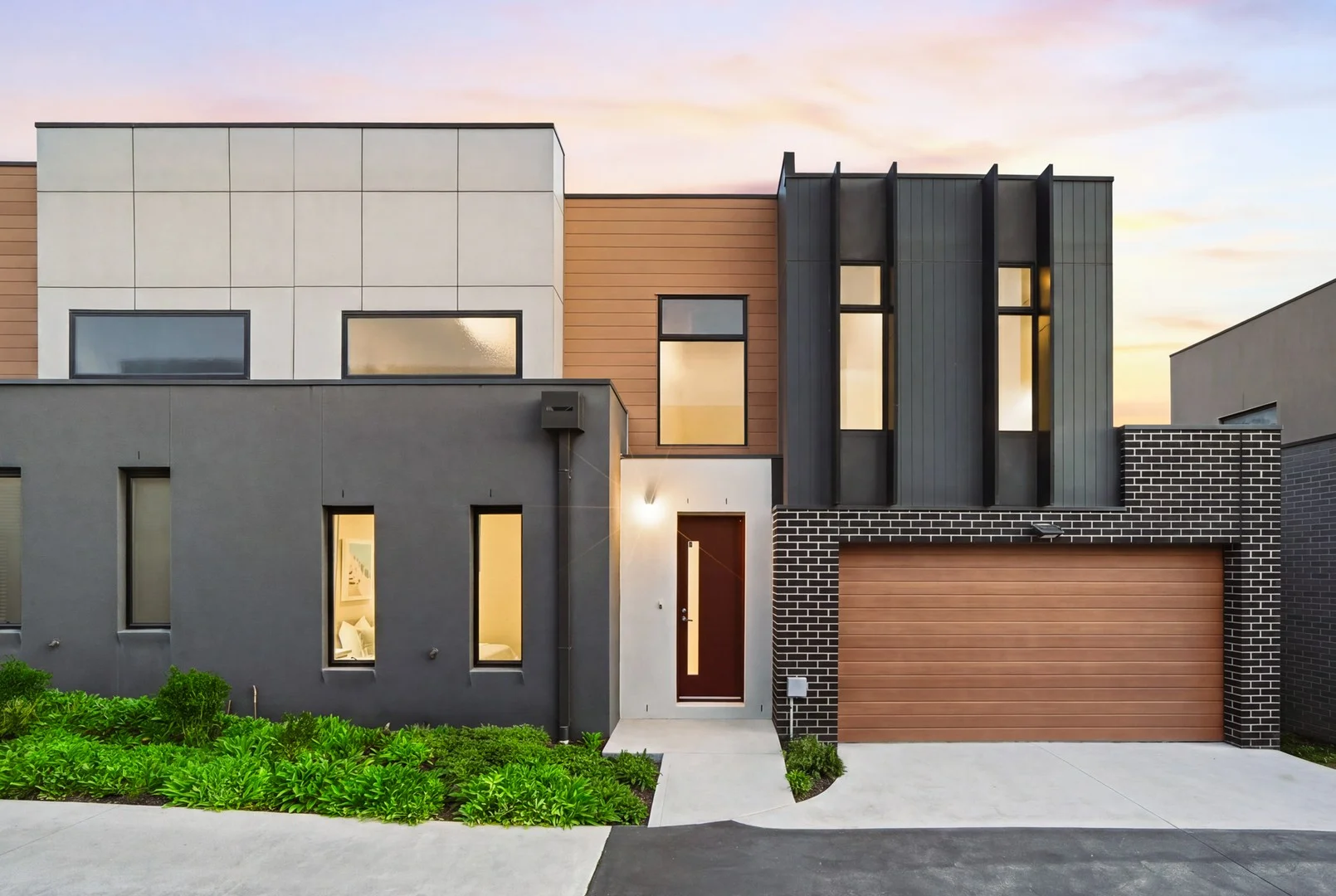 $900,000 - $990,000
Townhouse
$900,000 - $990,000
Townhouse
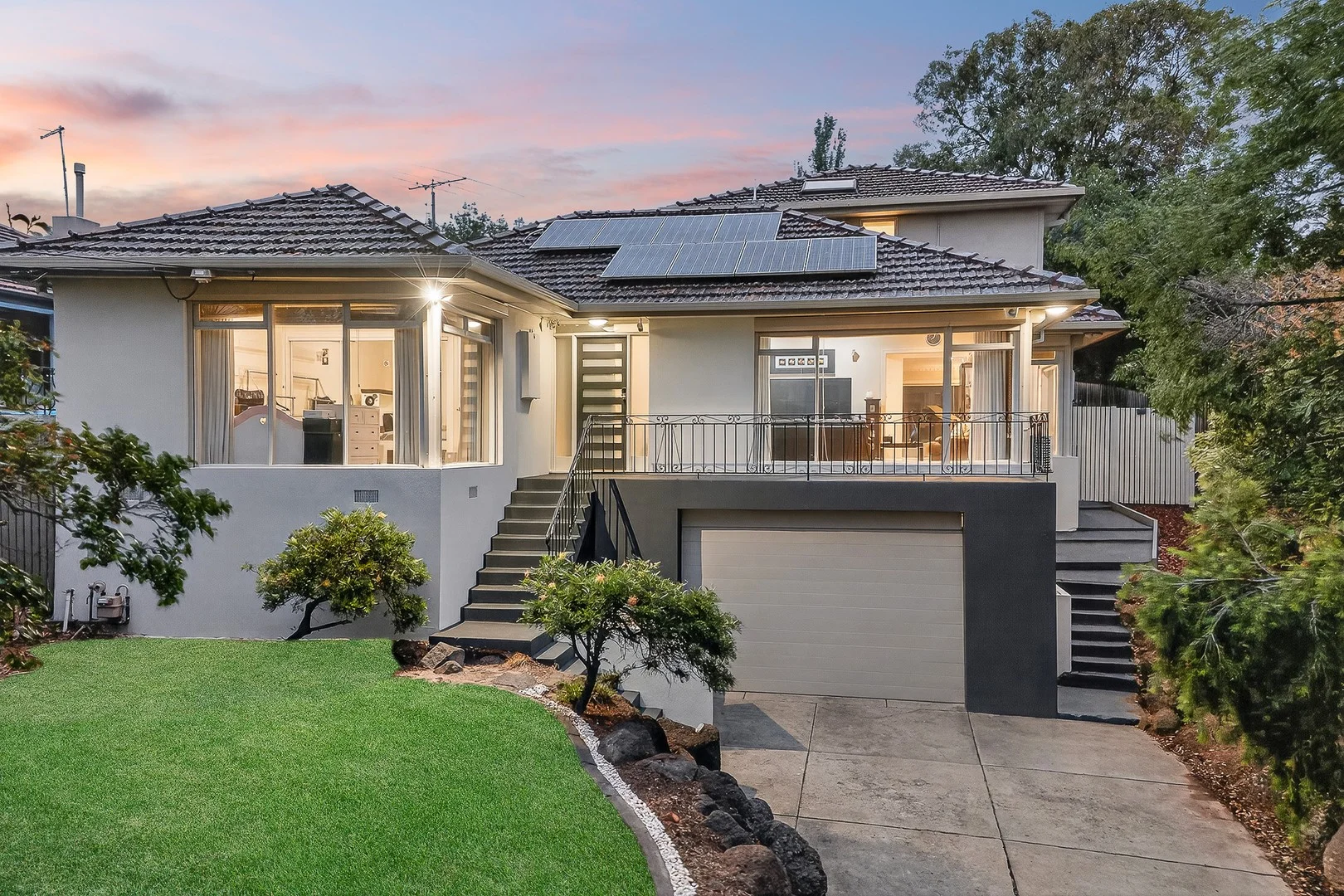 $1,350,000 - $1,450,000
House
$1,350,000 - $1,450,000
House
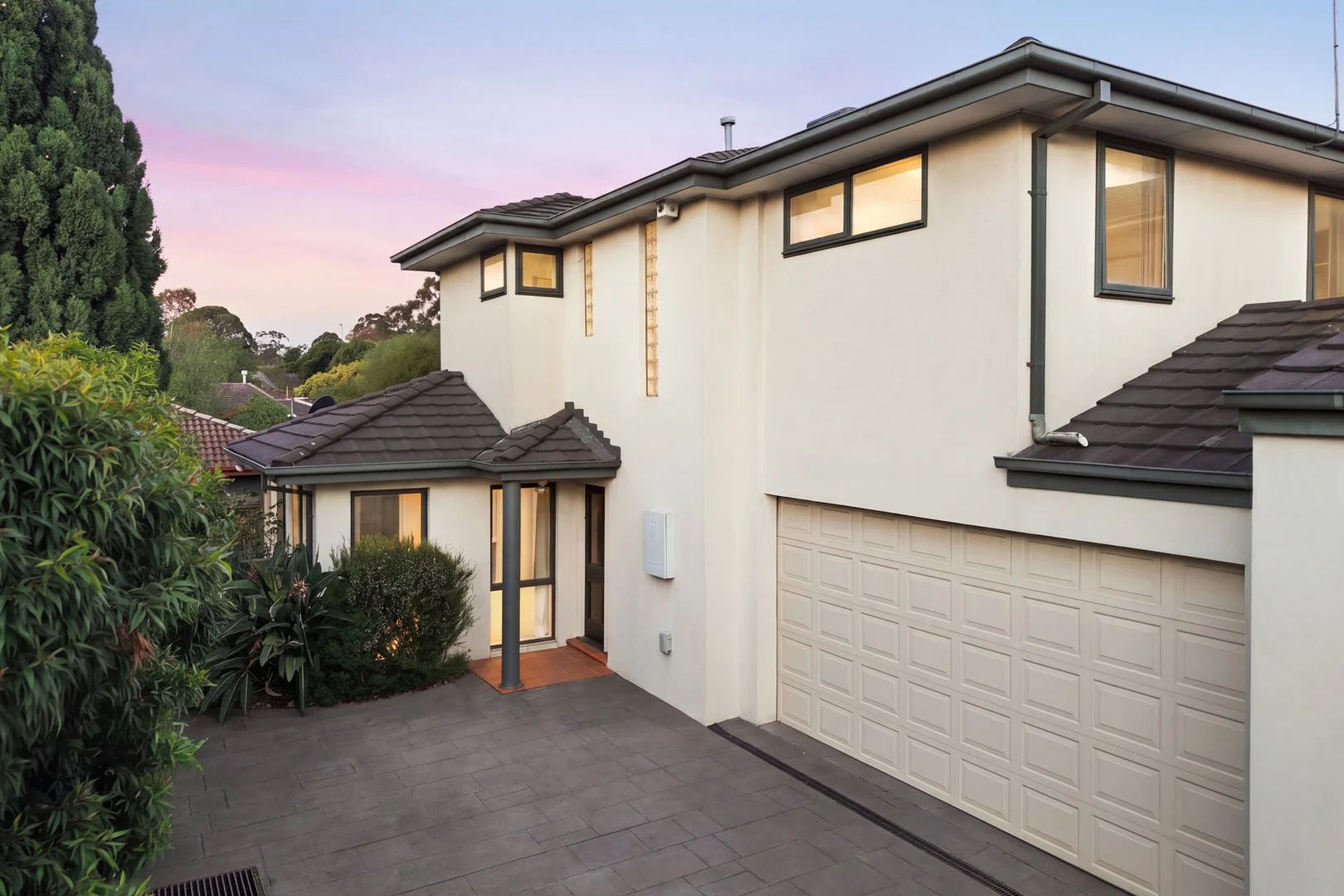 $920,000
Townhouse
$920,000
Townhouse
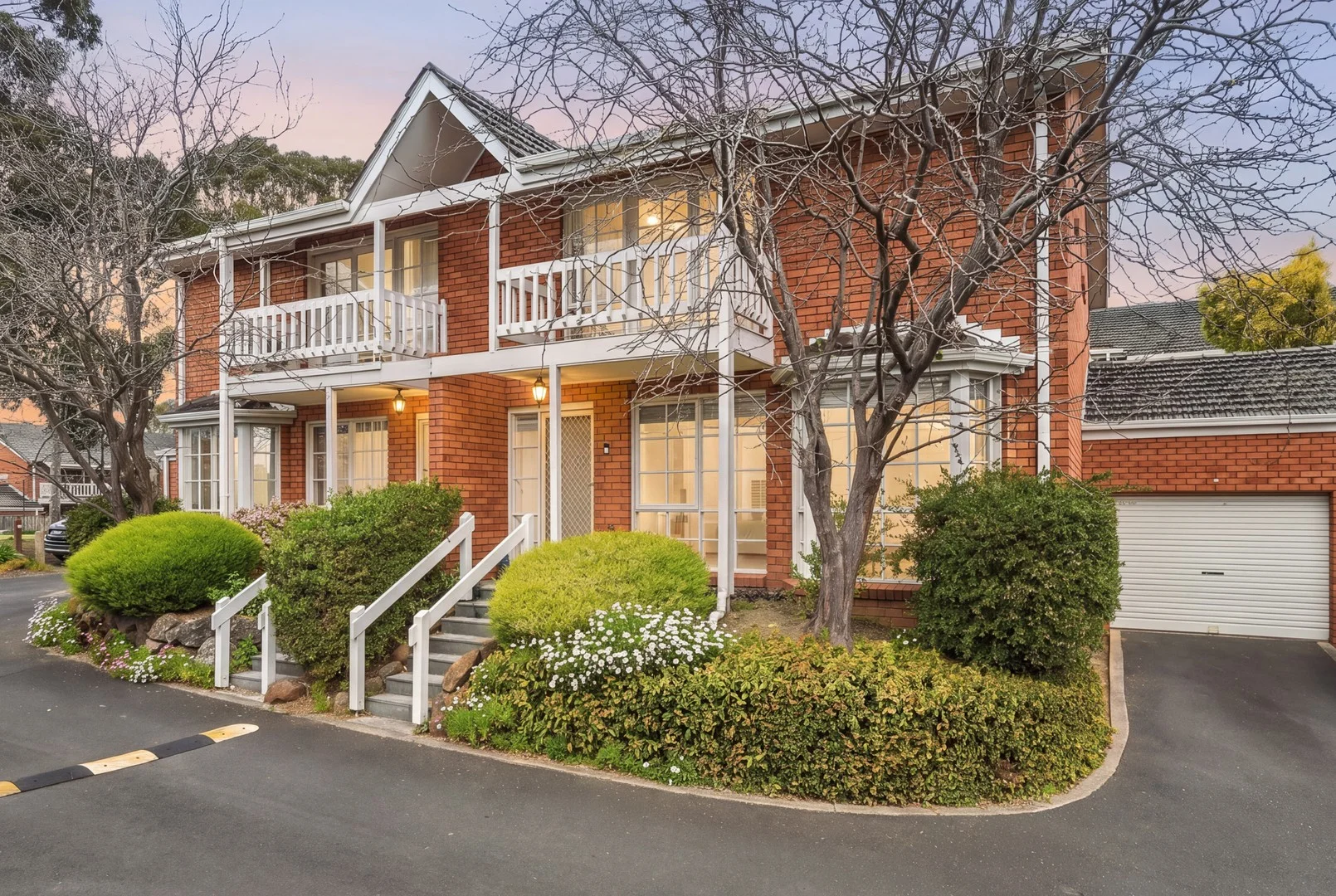 $795,000
Apartment / Unit / Flat
$795,000
Apartment / Unit / Flat


