Overview
## Overview
Penleigh and Essendon Grammar School (PEGS) is an independent private school serving families seeking a rigorous, values‑driven education. The school is known for a balanced approach that combines strong academic programs with extensive co‑curricular opportunities, leadership development, and a supportive community culture. PEGS aims to nurture confident, capable learners who are prepared for the challenges of secondary schooling and beyond.
PEGS is typically described as a medium-to-large school with a welcoming, inclusive atmosphere. Class sizes tend to be in the mid‑teens range, allowing for personal attention while enabling broad collaboration and teamwork. The environment emphasises high expectations alongside a nurturing, student‑centred culture that values diversity, academic effort, think‑outside‑the‑box problem solving, and sport and arts participation.
⸻
## Academics & Learning
- Academic strengths: English/literacy, STEM disciplines, languages, and critical thinking are commonly highlighted strengths. The school supports well‑rounded literacy and numeracy development while encouraging curiosity across subjects.
- Special programs: Gifted and talented pathways and accelerated options are often available, with a focus on developing leadership and independent thinking. VCE (or equivalent senior pathways) preparation is integrated for year 11–12 students.
- NAPLAN / trends: Typical trends in independent Victorian schools show stable or improving performance relative to state averages, with emphasis on progress across reading, writing, and numeracy over time.
- Student-teacher ratios: Class sizes and student‑teacher ratios are generally structured to enable meaningful teacher support; ratios commonly fall in the mid‑teens to around 1:10–1:15, varying by year level.
- Support for diverse learners: Programs and staff support EAL (English as an Additional Language) learners and students with additional learning needs, including targeted learning support and access to specialist staff.
⸻
## Sports & Extracurricular Strengths
- Sports offered: A broad range including football (soccer), cricket, basketball, tennis, swimming, track and field, netball, hockey, volleyball, and more, with opportunities across year levels.
- Strong teams or achievements: PEGS communities typically participate in interschool competitions with active participation and notable team involvement across sports, contributing to school pride and teamwork.
- Music, arts, drama programs: Comprehensive music programs and performing arts opportunities are emphasized, with ensembles, choirs, theatre productions, and related activities.
- Clubs: Robotics, chess, coding, debating, and other clubs provide avenues to extend learning beyond the classroom.
- Partnerships: The school often collaborates with local clubs, sports academies, and regional competitions to broaden opportunities for students.
⸻
## Wellbeing & Pastoral Care
- Anti-bullying approach: A proactive, policy‑driven framework supports a safe environment, with restorative practices and clear avenues for reporting and resolution.
- House system: A house structure fosters belonging, competition, and peer mentoring across activities and events.
- Counsellors / wellbeing officers: Dedicated wellbeing staff and school counsellors support student mental health, resilience, and personal development.
- Transition support for new students: Orientation programs, buddy systems, and targeted transition support help new students acclimate to school life and routines.
⸻
## Facilities
- Sports grounds: Purpose-built or well‑developed outdoor sport facilities to support PE and school teams.
- Libraries: Well‑stocked libraries with study spaces and digital resources.
- Science labs: Modern science laboratories to support experimentation and inquiry.
- Music/performing arts centers: Dedicated spaces for rehearsal, performance, and production.
- Tech/innovation labs: Contemporary spaces for design, coding, robotics, and digital projects.
- Cafeteria: On‑site dining facilities with healthy options.
- Updated playgrounds: Age‑appropriate, safe play environments and outdoor learning spaces.
⸻
## School Values & Community Culture
- School values / mission: A clear focus on respect, integrity, excellence, and inclusion; emphasis on developing principled, engaged citizens.
- Leadership style: Distributed leadership with strong pastoral network; opportunities for student leadership roles and collaboration with staff.
- Behaviour expectations: Positive behaviour framework, consistent codes of conduct, and a culture that recognises effort and achievement.
- Community reputation: A supportive community with active parental involvement and ongoing engagement in school life.
- Diversity & inclusion: Commitment to creating an inclusive environment that values diverse backgrounds, perspectives, and experiences.
⸻
## School Logistics & Daily Operations
- School hours: Typical school day runs with morning to mid‑afternoon schedules; before/after care options may be available.
- Before/after school care: Available in many year levels to support working families.
- Uniform requirements: Clear uniform standards for daily wear and special events.
- Transport (train/bus routes): Public transport connections and school arrangements for bus routes or drop-off/pick‑up options; proximity to suburban corridors may influence accessibility.
- Canteen availability: On‑site canteen or food service offering healthy meal options.
- Fees (low/medium/high ranges): Fees are in the higher range relative to public schooling, reflecting the independent/private school offering; additional costs may include uniforms, excursions, and activity fees.
⸻
## Enrolment & Admissions
11. What is the enrolment process and timeline?
- Start with an expression of interest or application to the school admissions team.
- Submit all required documents (academic records, immunisation where applicable, and any specialist reports).
- Participate in an admissions assessment or interview (and possibly year‑level readiness activities), followed by a formal offer if a place is available.
- Complete enrolment paperwork and pay any applicable deposits or fees to secure a place.
- Timeline varies by intake year; families are encouraged to apply early and attend open days or information sessions.
12. Is there a waiting list, and how does it work?
- Some year levels may have waiting lists depending on demand and space.
- Offers are prioritized by date of application, interview completion, and alignment with the cohort fit; spaces are released as spots become available.
13. Are there any entry requirements, tests, or interviews?
- Entry typically involves an application, an admissions interview, and possibly a scholastic or ability assessment.
- Schools may request academic reports, references, and information on English language proficiency for EAL learners.
- Immunisation requirements may apply depending on local regulations and school policy.
14. Does the school accept mid-year transfers?
- Mid-year transfers are possible subject to space and suitability for the cohort.
- Families interested in mid-year entry should contact the admissions team for assessment timelines and availability.
⸻
## Frequently Asked Questions
- Why Parents Choose This School?
- Families often cite strong academics, a values‑driven culture, extensive co‑curriculars, supportive pastoral care, and a welcoming community as reasons for choosing PEGS.
- What type of student thrives at this school?
- Curious, motivated learners who value both academics and participation in sport, arts, and leadership opportunities tend to thrive in a balanced PEGS environment.
- What opportunities are available for students to extend their skills (academics, sports, arts)?
- A broad range of opportunities across STEM, languages, humanities, music, drama, visual arts, sport, leadership programs, clubs (robotics, coding, debating), and competitive teams.
- How does the school communicate with parents?
- Regular updates via newsletters, emails, a parent portal, annual reports, and scheduled parent–teacher meetings.
- What is the school’s approach to teaching and learning?
- A mix of structured instruction and inquiry-based learning, with differentiation to meet diverse learner needs and regular feedback to support improvement.
- How does the school support students who need extra academic help?
- Targeted learning support, access to specialist staff, and referral pathways for additional assistance as needed.
- What support is available for academic challenges?
- Early identification, tailored intervention plans, and collaboration with families to adapt learning plans and resources.
- How does the school communicate with parents? (Repeated)
- See above: newsletters, portal, emails, and meetings.
- What are the class sizes and how much individual attention do students receive?
- Class sizes are designed to enable individual attention and active participation; student‑teacher ratios typically fall in the mid‑teens to low‑twenties per class, depending on year level.
- What extracurricular and sports opportunities are available?
- A diverse array of sports, arts, music, drama, and clubs, including robotics, chess, coding, and debating; frequent interschool events and collaborations.
- What facilities does the school offer (sports, science, arts)?
- Comprehensive facilities including sports grounds, libraries, science labs, performing arts spaces, technology and innovation labs, and canteen.
- What is the school’s approach to technology and digital learning?
- Integrated digital learning with age‑appropriate IT resources, platforms for assignments and feedback, and opportunities to develop digital literacy.
- What transport and accessibility options are available?
- Public transport connections, school bus routes or organized drop‑offs, and accessibility considerations to support families from various areas.
- What are typical school fees or additional costs?
- Fees are generally in the higher range reflecting an independent school environment; additional costs may include uniforms, excursions, and activity levies.
⸻
## Short Pros & Cons
- Pros:
- Strong academic programs with broad co‑curricular options
- Supportive wellbeing and pastoral care
- Positive community culture with clear values
- Modern facilities and resources for science, arts, and technology
- Good opportunities for leadership and personal growth
- Cons:
- Higher tuition and related costs compared with public schools
- Competitive environment may feel intense for some families
- Places can be limited in popular year levels; may require early application
- Travel time for families outside the immediate area
⸻









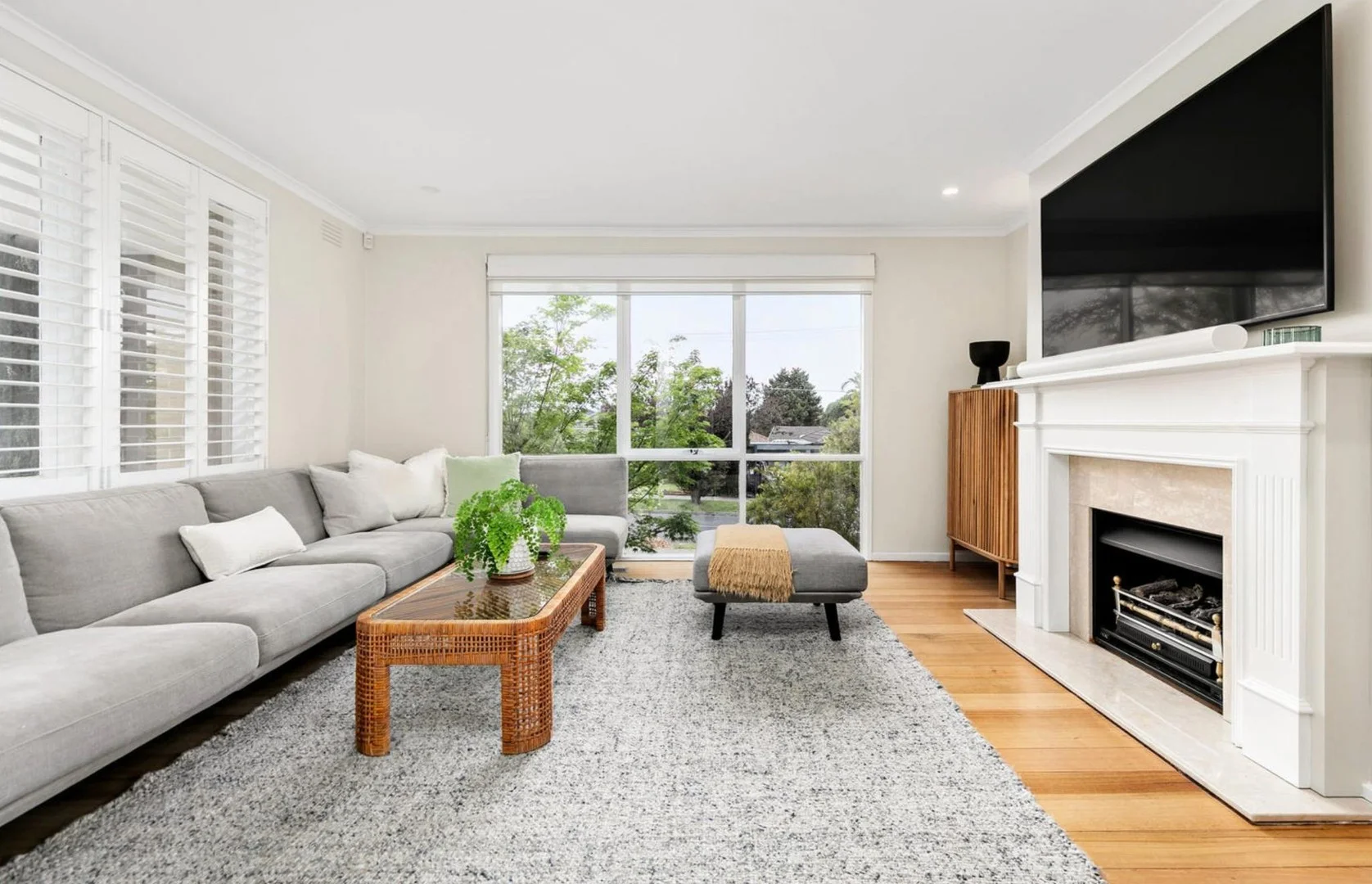 $750
House
$750
House
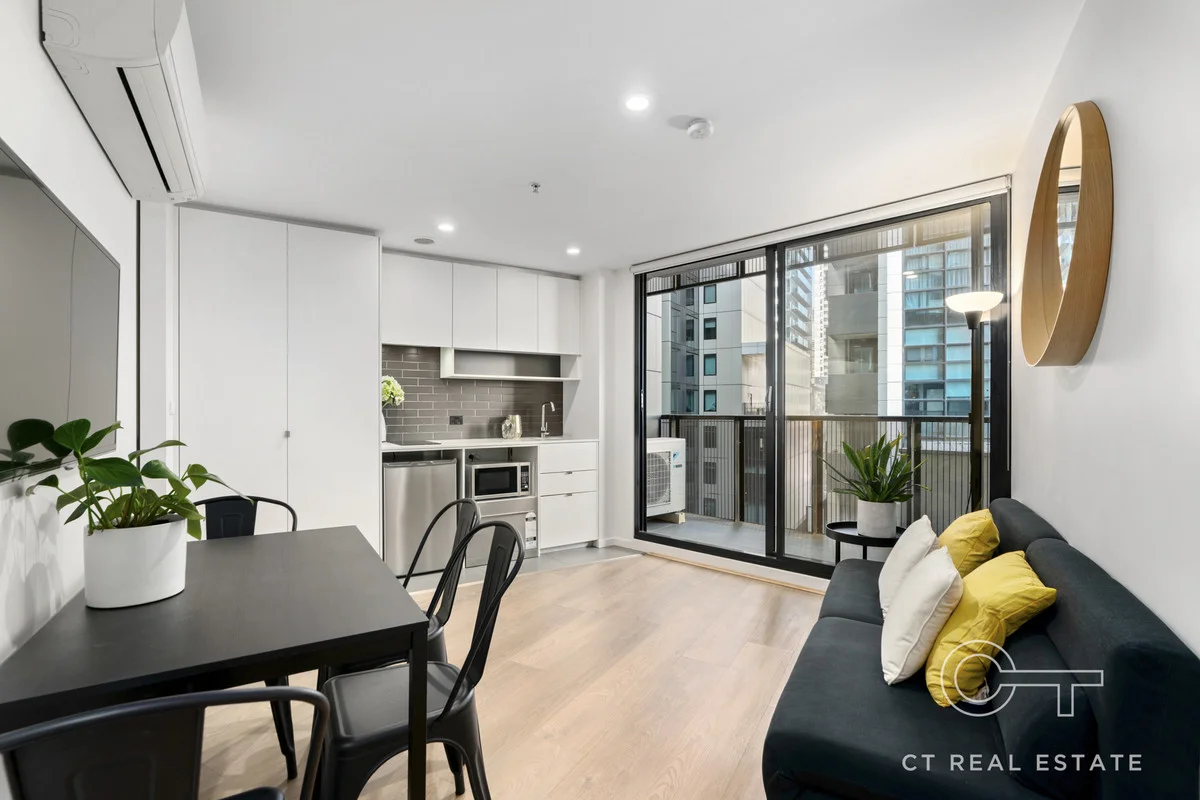 $360,000
Apartment / Unit / Flat
$360,000
Apartment / Unit / Flat
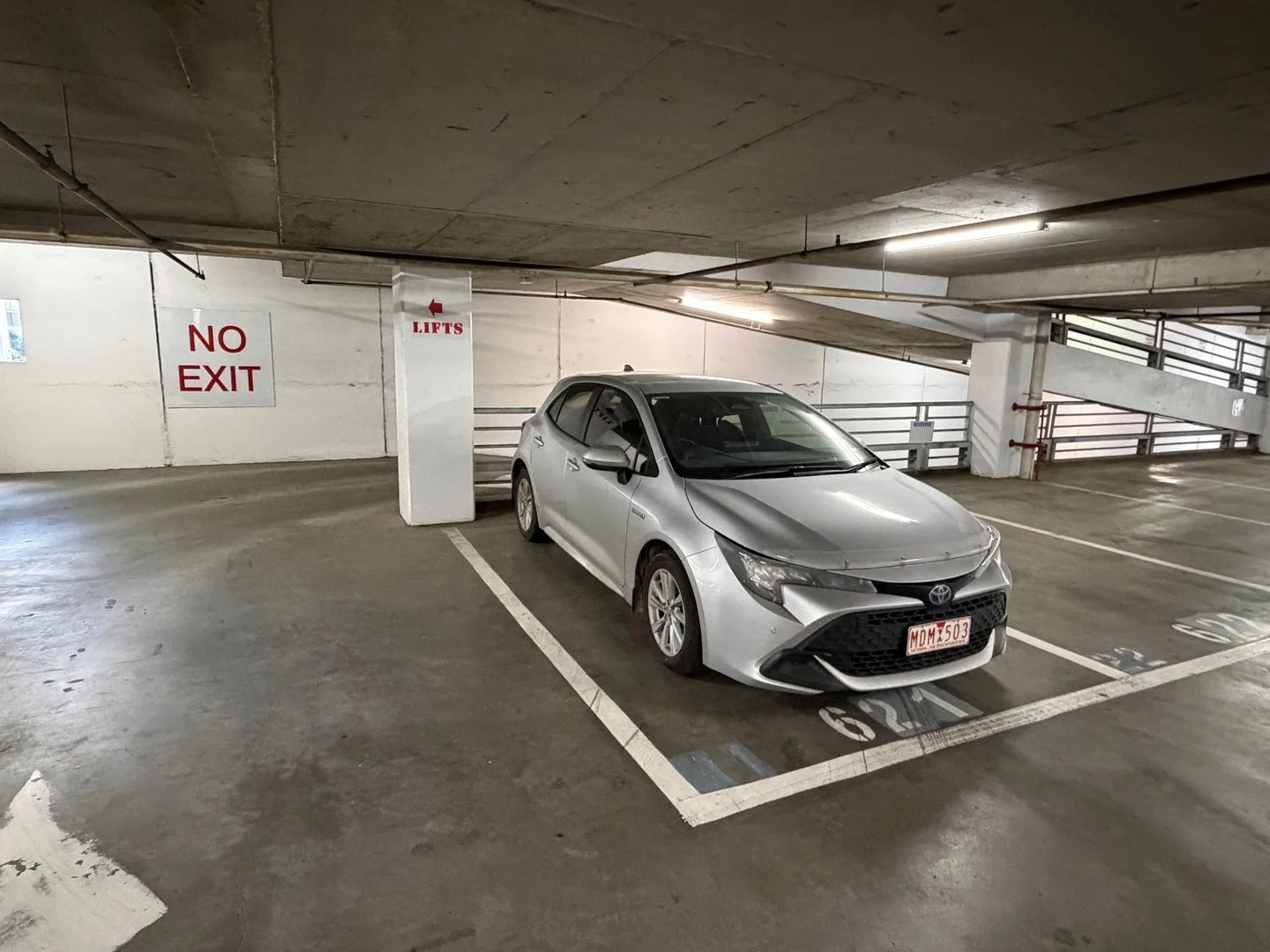 $27,500
propertyType.CAR SPACE
$27,500
propertyType.CAR SPACE
 $5,512,000
propertyType.NEW APARTMENTS / OFF THE PLAN
$5,512,000
propertyType.NEW APARTMENTS / OFF THE PLAN
 $2,008,000
propertyType.NEW APARTMENTS / OFF THE PLAN
$2,008,000
propertyType.NEW APARTMENTS / OFF THE PLAN
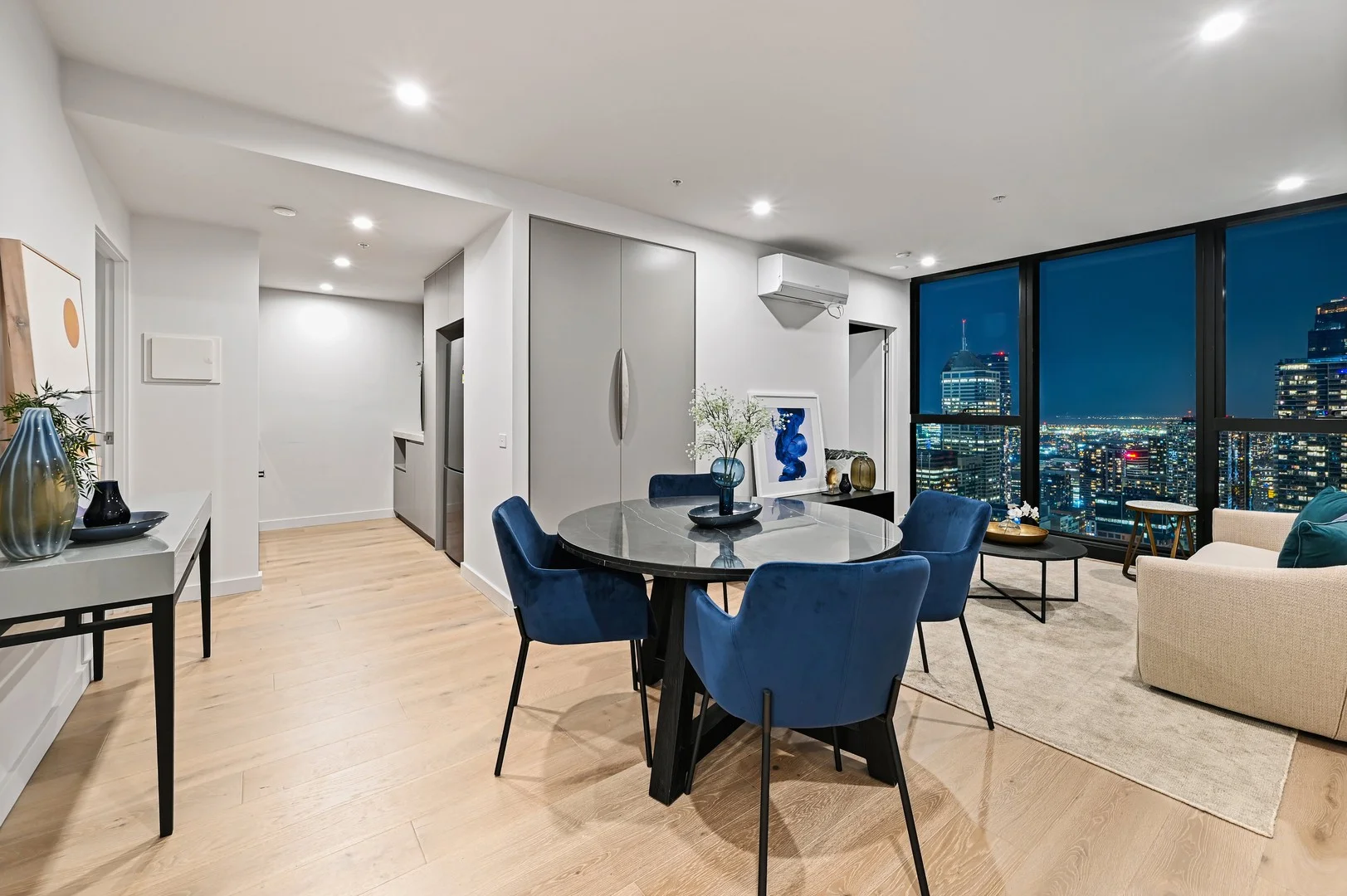 $943,000
propertyType.NEW APARTMENTS / OFF THE PLAN
$943,000
propertyType.NEW APARTMENTS / OFF THE PLAN
 $1,870,000
propertyType.NEW APARTMENTS / OFF THE PLAN
$1,870,000
propertyType.NEW APARTMENTS / OFF THE PLAN
 $712,500
Apartment / Unit / Flat
$712,500
Apartment / Unit / Flat
 $2,865,000
Apartment / Unit / Flat
$2,865,000
Apartment / Unit / Flat