Overview
1. Overview
Public specialist school focused on autistic learners, with a Niddrie campus serving the local community. The campus tends to be small to medium in size, with a strong emphasis on individualized supports and inclusive education. Class sizes are typically small to enable personalised attention, communication supports, and close collaboration between teachers, therapists, and families. The atmosphere is generally nurturing and inclusive, prioritising student wellbeing, practical learning, and social development.
The school aims to create a supportive culture where students can build life skills, communicate effectively, and participate in the broader school community. Expect a collaborative environment that values difference, positive behaviour, and steady progress toward individual goals.
⸻
2. Academics & Learning
Academic strengths and focus areas:
- Literacy and numeracy development tailored to individual learning profiles
- Communication and social-communication supports as core literacy goals
- Life skills and functional academics to support independence
Special programs:
- Integrated therapy supports (speech, occupational therapy, and other allied health services as needed)
- Augmentative and alternative communication (AAC) supports
- Individualised learning plans (ILPs) and targeted interventions
- Transition planning to support post-school pathways
NAPLAN / trends:
- NAPLAN outcomes for students in specialist autism settings are often individualised rather than school-wide scores; progress is typically tracked through ILPs, classroom assessments, and annual goals. Schools commonly report steady progress in literacy, numeracy, and communication rather than national-score trends.
Student-teacher ratios:
- Class sizes are small with higher staff-to-student ratios for targeted instruction, often ranging from roughly 1:3 to 1:8 depending on the program and student needs.
Support for diverse learners:
- Strong focus on SEN support, with accommodations and therapies embedded in the day
- EAL considerations (if applicable) alongside autism-specific supports
- Access to speech, OT, psychology, and other specialists as part of the school’s framework
⸻
3. Sports & Extracurricular Strengths
- Sports offered: Modified physical education and adaptive sports options to suit diverse needs
- Strong teams or achievements: Emphasis is placed on participation, skill development, and personal bests rather than high-pressure competition; achievements are celebrated at student-appropriate levels
- Music, arts, drama programs: Active opportunities in music and arts, with performance opportunities when feasible
- Clubs: Robotics, chess, coding, debating and other interest-based clubs are commonly offered or supported
- Partnerships: Collaboration with local community groups, clubs, and competitions to provide inclusive access to robotics, coding, or arts events
This section targets inclusive participation and skill-building suitable for students aged around 10–14, with opportunities tailored to individual strengths.
⸻
4. Wellbeing & Pastoral Care
- Anti-bullying approach: Clear policies, restorative practices, and social-emotional learning integrated into the curriculum; emphasis on a safe, respectful school community
- House system: A house or pastoral group structure may be used to foster belonging, teamwork, and friendly competition
- Counsellors / wellbeing officers: Access to wellbeing staff, school psychologists or counsellors, and allied health services as part of ongoing care
- Transition support for new students: Comprehensive orientation, buddy systems, and early transition programs to help students adapt to the school environment
This section highlights trust-building practices and proactive support for mental health and belonging.
⸻
5. Facilities
- Sports grounds: Accessible outdoor spaces and adapted PE facilities
- Libraries: On-site libraries with print and digital resources
- Science labs: Purpose-built spaces for hands-on science activities
- Music/performing arts centers: Dedicated spaces for music and drama activities
- Tech/innovation labs: Access to technology and maker spaces for coding and projects
- Cafeteria: On-site dining or café facilities, with allergy-aware options
- Updated playgrounds: Safe, age-appropriate play areas and sensory-friendly spaces
Visually simple and clearly labeled spaces help students navigate the school day.
⸻
6. School Values & Community Culture
- School values / mission: Focus on inclusion, respect, resilience, collaboration, and individualized learning
- Leadership style: Supportive, student-centered, and collaborative with strong family engagement
- Behaviour expectations: Clear expectations, restorative approaches, and consistent routines
- Community reputation: Generally positive within the local educational community for its inclusive approach
- Diversity & inclusion: Emphasis on welcoming autistic learners and providing access to appropriate supports and adaptations
⸻
7. School Logistics & Daily Operations
- School hours: Typical Victorian school hours; check the campus for exact start/end times
- Before/after school care: Availability varies by campus; some offer wrap-around care or partnerships with local providers
- Uniform requirements: Uniforms commonly used in Victorian government schools, with guidance on appropriate dress and accessibility considerations
- Transport (train/bus routes): Access via local public transport; specifics depend on the campus location and route timetables
- Canteen availability: On-site or nearby canteen options; accommodations for dietary needs and allergies
- Fees (low/medium/high ranges): As a public school, tuition is typically low; there may be costs for materials, excursions, and consumables
⸻
8. Enrolment & Admissions
11. What is the enrolment process and timeline?
- Submit an application and provide required documentation
- The school may conduct an intake assessment or review ILPs and prior supports
- Notification of intake offers follows the district’s timelines; transition planning begins after acceptance
12. Is there a waiting list, and how does it work?
- Depending on demand and capacity, a waiting list can exist
- Prioritisation often considers student need, readiness for the program, and availability of appropriate supports
13. Are there any entry requirements, tests, or interviews?
- Entry commonly involves documentation review, educational history, and alignment with the school’s autism-focused program
- Assessments or discussions may occur to determine required supports and program fit
14. Does the school accept mid-year transfers?
- Mid-year transfers can be possible if there is space and a suitable transition plan is available
- Availability depends on current enrolments and the ability to provide necessary supports
⸻
9. Frequently Asked Questions
- Why Parents Choose This School?
This school typically appeals to families seeking a dedicated, inclusive environment with specialists who understand autism, strong wellbeing supports, small class sizes, and tailored learning plans that promote independence and practical skills.
- What type of student thrives at this school?
Students who benefit from structured routines, targeted communication supports, and disability-informed teaching often thrive. The setting supports diverse learning needs and emphasizes social development and life skills.
- What opportunities are available for students to extend their skills (academics, sports, arts)?
Opportunities include targeted literacy/numeracy programs, life-skills curricula, adapted sports and PE, music/arts participation, and clubs such as robotics, coding, debating, and chess, with pathways to showcase strengths.
- How does the school communicate with parents?
Regular updates may be provided through parent portals, written reports, email, phone calls, and scheduled meetings. The school emphasizes collaborative planning with families.
- What is the school’s approach to teaching and learning?
A student-centered, evidence-based approach with individualised learning plans, differentiated instruction, and frequent progress monitoring to adapt to each learner’s needs.
- How does the school support students who need extra academic help?
Additional supports include targeted interventions, therapy services (speech, OT), small-group instruction, and collaboration with families to adjust ILPs.
- What support is available for academic challenges?
Access to specialist staff, ILPs, assistive technology, and customised teaching strategies aims to address academic hurdles and foster progress.
- How does the school communicate with parents? (Duplicate)
See above; the school uses multiple channels to keep families informed and engaged.
- What are the class sizes and how much individual attention do students receive?
Class sizes are small, and staff-to-student ratios are higher than in mainstream settings to provide frequent individual attention and tailored support.
- What extracurricular and sports opportunities are available?
A range of inclusive clubs and adapted sports, plus arts, music, coding, robotics, and debate activities aligned with student interests.
- What facilities does the school offer (sports, science, arts)?
Modern facilities include sports grounds, libraries, science labs, performing arts spaces, technology labs, and on-site canteen or dining options.
- What is the school’s approach to technology and digital learning?
Emphasis on accessible technology, assistive devices, and digital literacy integrated into learning goals and everyday tasks.
- What transport and accessibility options are available?
Public transport options and campus accessibility are considered, with supports in place to help students reach and navigate the school.
- What are the typical school fees or additional costs?
As a public school, base tuition is typically low; families may incur costs for materials, excursions, and some programs.
⸻
10. Short Pros & Cons list
Pros
- Public, specialist focus with autism-informed supports
- Small class sizes and high staff-to-student ratios
- Strong focus on wellbeing, social-emotional learning, and life skills
- Inclusive culture and individualized learning plans
- Access to therapies (speech, OT, psychology) and allied health services
- Range of clubs, arts, and adapted sports opportunities
Cons
- May have limited mainstream academic pathways compared to larger schools
- Transport options depend on location and may require planning
- Extracurricular offerings can vary by year and campus with possible limited capacity
- Funding constraints can influence some facilities or program breadth
⸻
Notes
- This draft reflects commonly observed features of public specialist autism-focused schools in Victoria and is presented to assist decision-making for families. Please verify specific details (class sizes, programs, transport, fees, and enrolment steps) with the Niddrie Campus directly, as exact offerings can vary by year and campus.










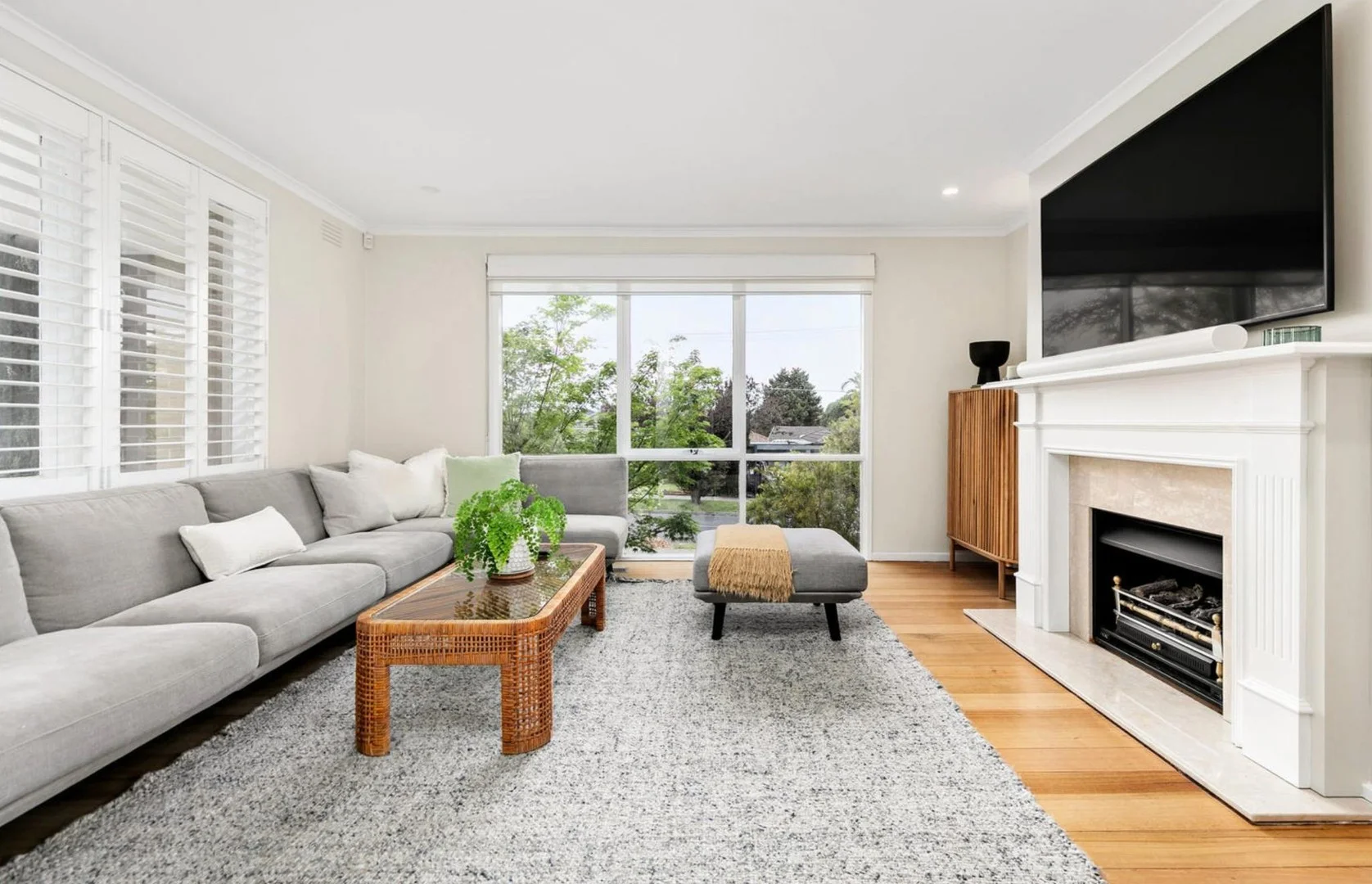 $750
House
$750
House
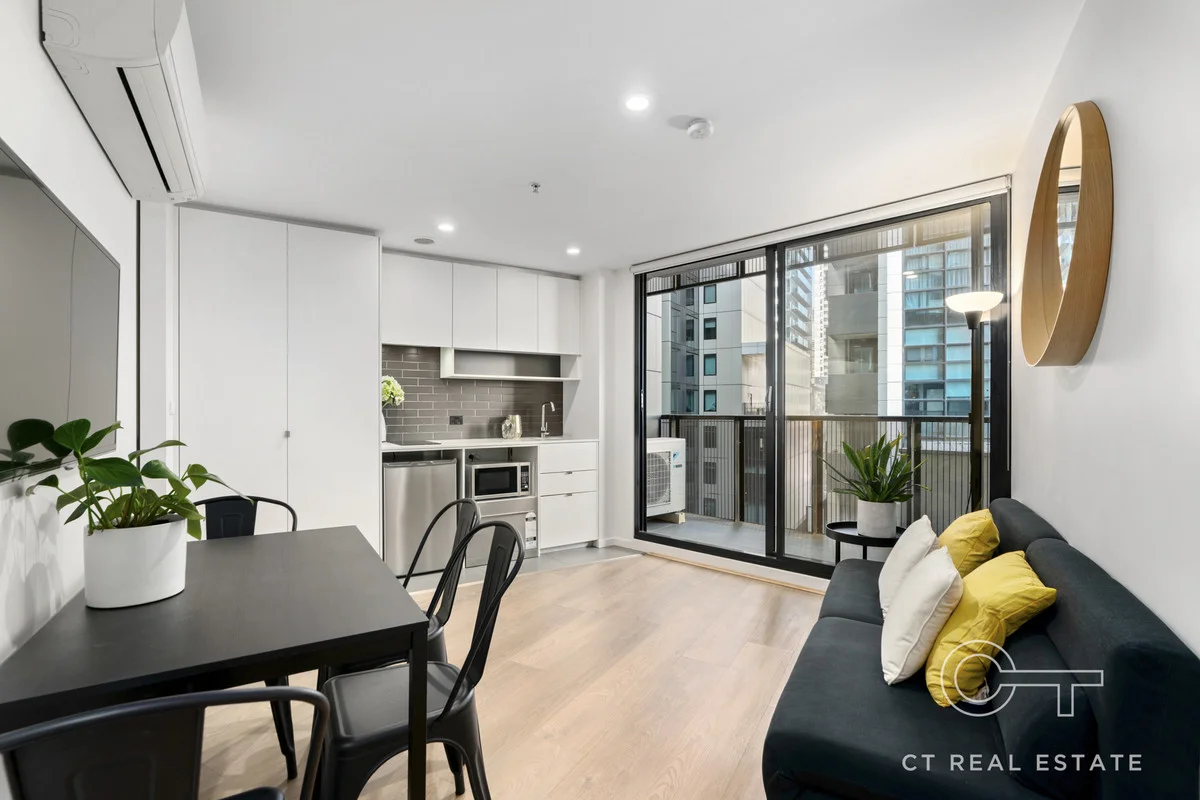 $360,000
Apartment / Unit / Flat
$360,000
Apartment / Unit / Flat
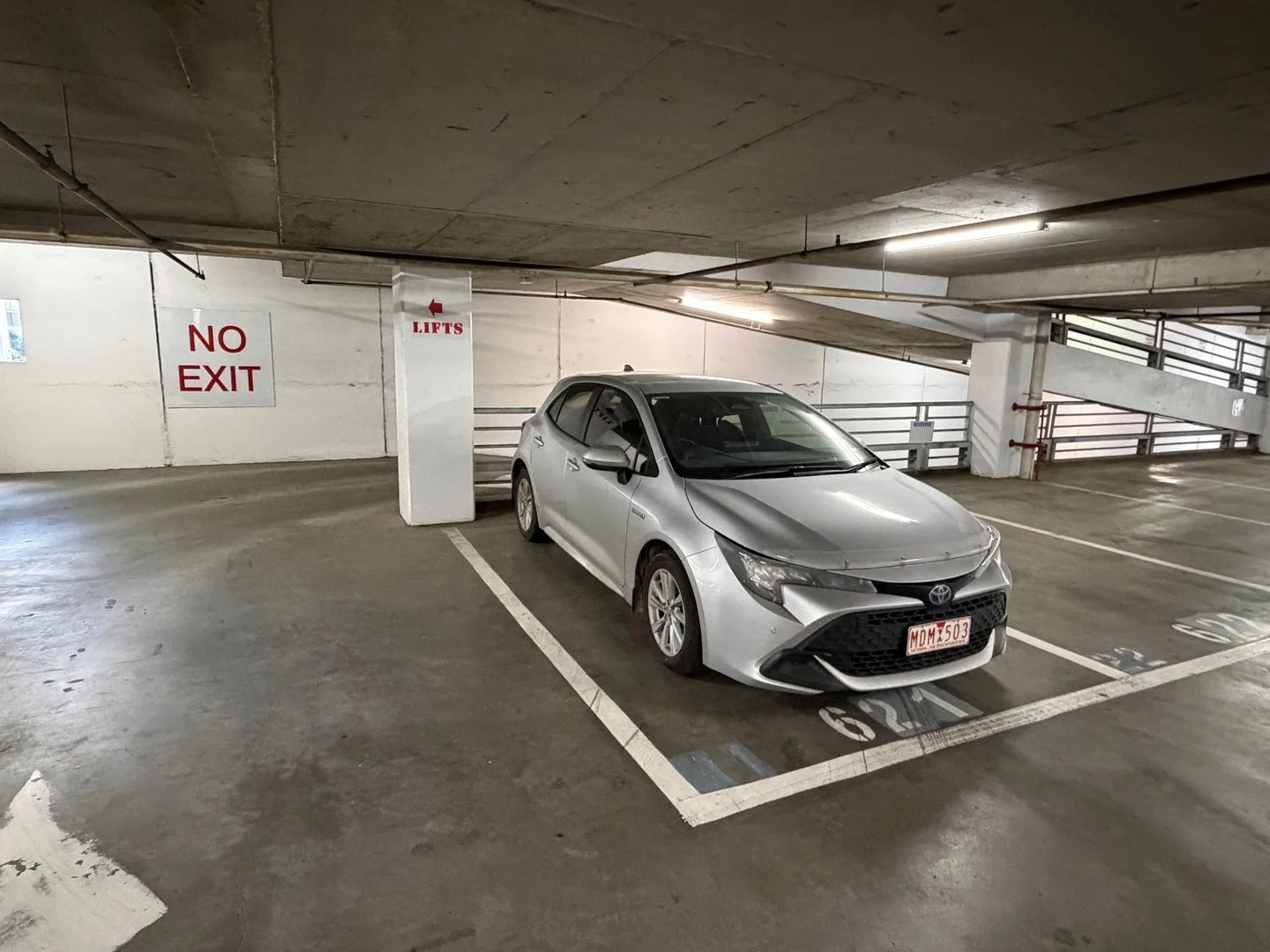 $27,500
propertyType.CAR SPACE
$27,500
propertyType.CAR SPACE
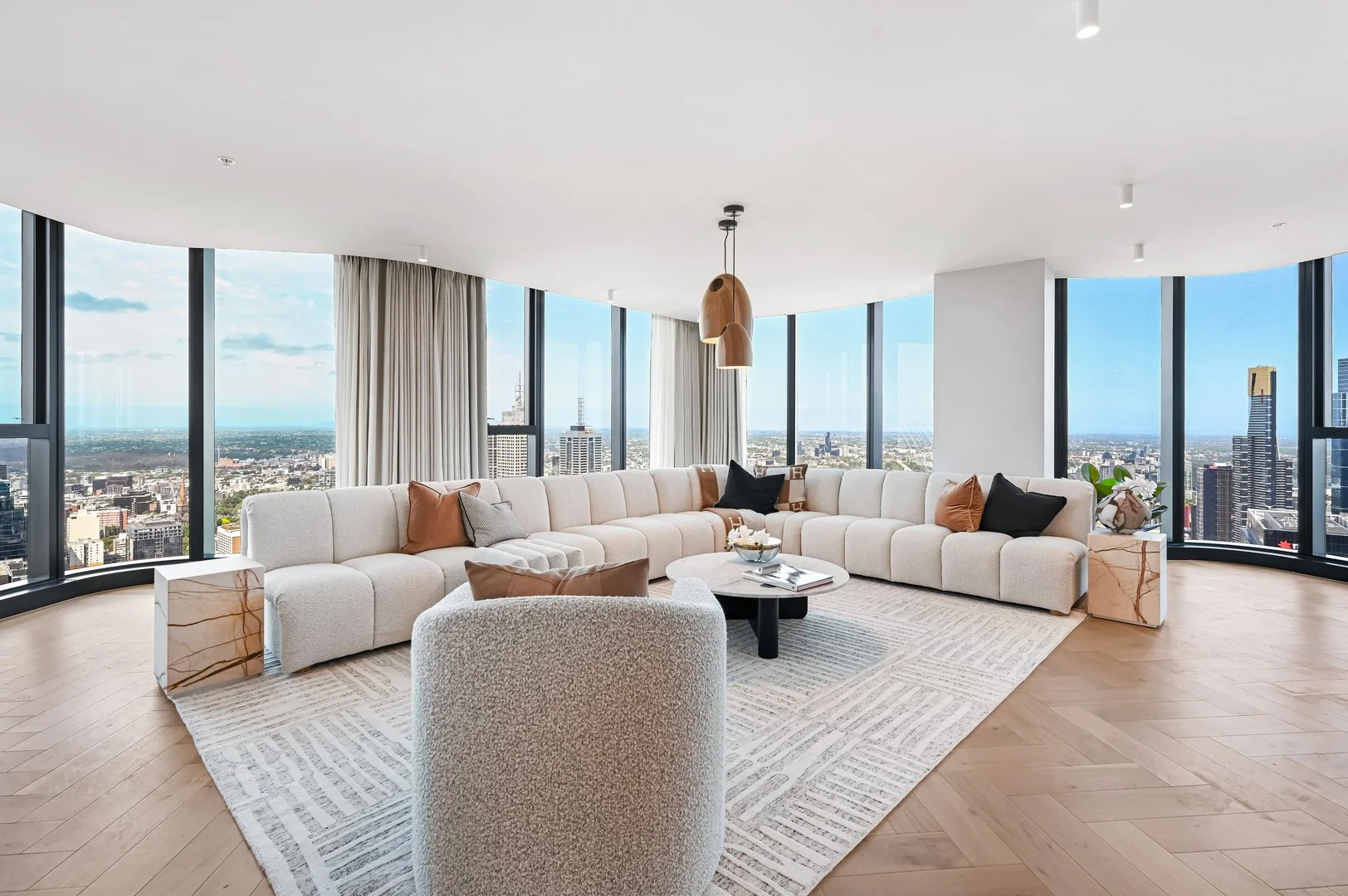 $5,512,000
propertyType.NEW APARTMENTS / OFF THE PLAN
$5,512,000
propertyType.NEW APARTMENTS / OFF THE PLAN
 $2,008,000
propertyType.NEW APARTMENTS / OFF THE PLAN
$2,008,000
propertyType.NEW APARTMENTS / OFF THE PLAN
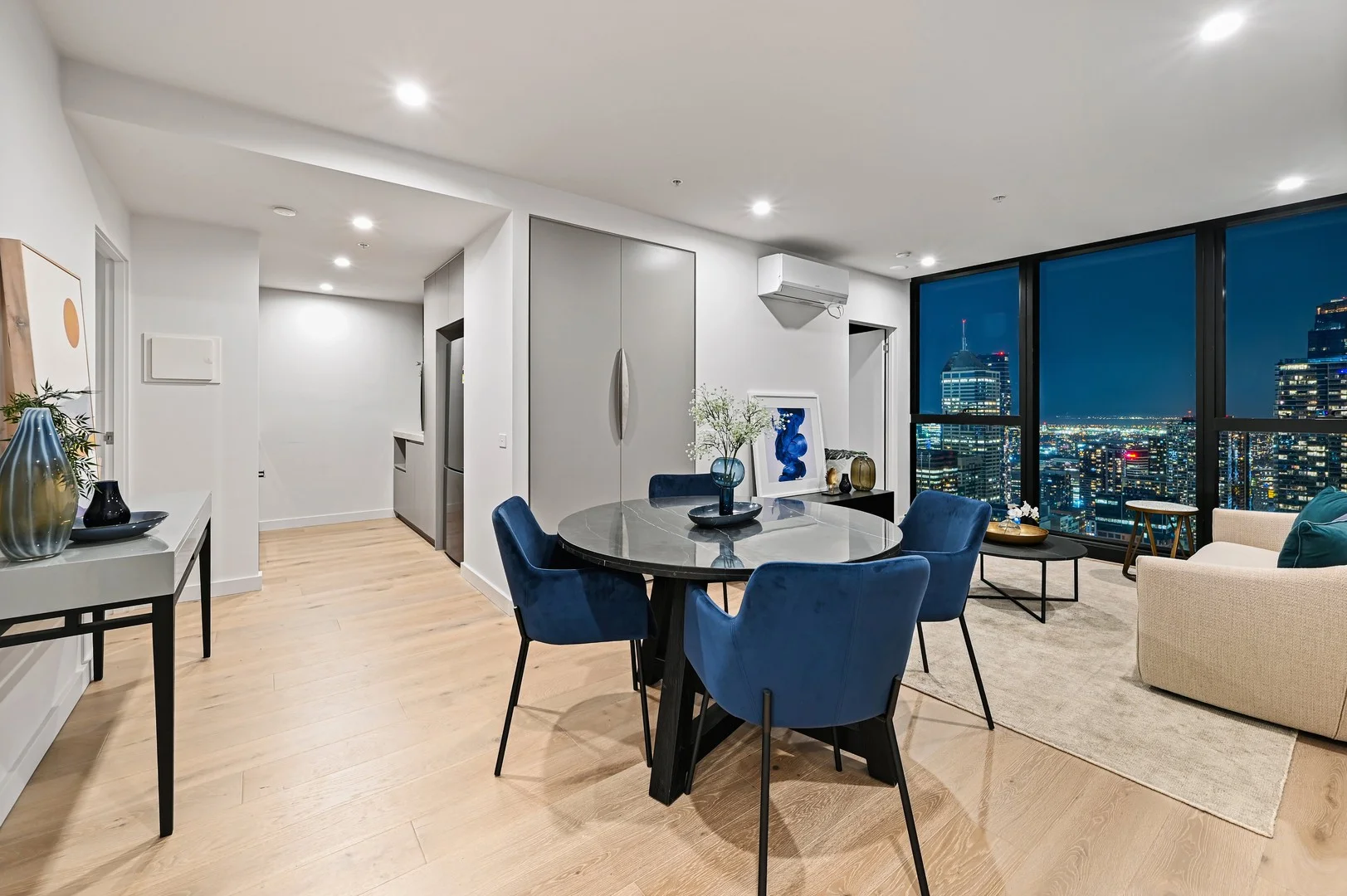 $943,000
propertyType.NEW APARTMENTS / OFF THE PLAN
$943,000
propertyType.NEW APARTMENTS / OFF THE PLAN
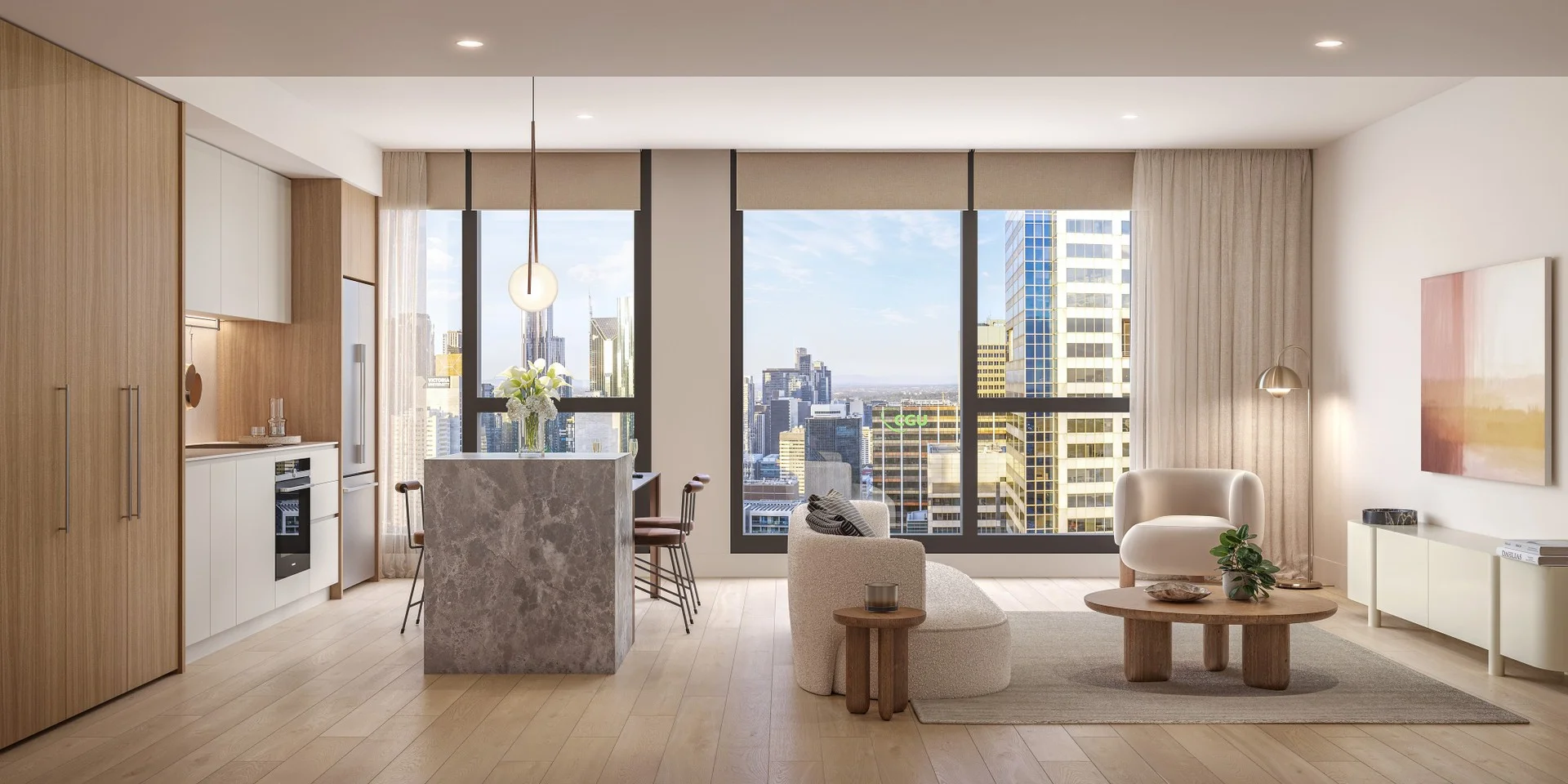 $1,870,000
propertyType.NEW APARTMENTS / OFF THE PLAN
$1,870,000
propertyType.NEW APARTMENTS / OFF THE PLAN
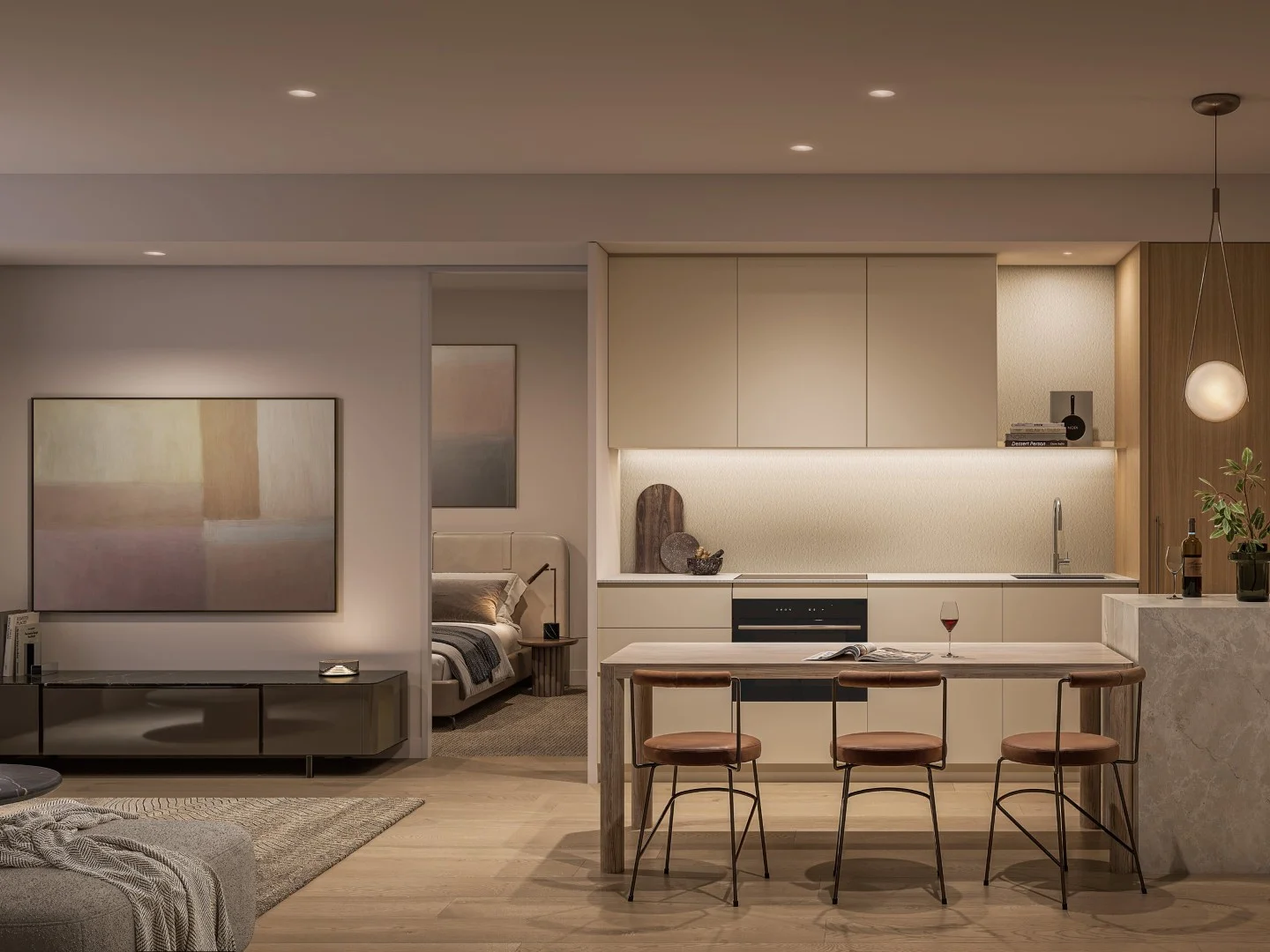 $666,000
Apartment / Unit / Flat
$666,000
Apartment / Unit / Flat
 $712,500
Apartment / Unit / Flat
$712,500
Apartment / Unit / Flat