Overview
# 1. Overview
Bob Hawke College is a public, co-educational high school in Subiaco, Western Australia, formed to provide modern learning facilities and a contemporary approach to education for Years 7–12. As a government school, it serves a diverse student body with a focus on building strong academic foundations, practical skills, and positive wellbeing.
The school is medium-to-large in size, with class sizes typically in the mid-20s. The atmosphere is geared toward inclusivity and student-centred learning, balancing academic achievement with opportunities in sport, arts, and community involvement.
---
# 2. Academics & Learning
- Academic strengths: Strong emphasis on STEM and English, with opportunities to develop leadership skills and participate in language study as part of a broad curriculum.
- Special programs: Pathways aligned to senior secondary requirements, with options for accelerated or targeted learning and Gifted and Talented programs where available; emphasis on varied pathways to ATAR or further study.
- NAPLAN trends: Public school trend data generally shows steady progress in literacy and numeracy across year bands; district and school-level reports provide the latest trend information.
- Student-teacher ratios: Typical public high school ratios in the mid-20s for students per teacher, with smaller groups for targeted support where needed.
- Support for diverse learners: Dedicated support for EAL and SEN students, including targeted literacy and numeracy programs, inclusion strategies, and access to specialist staff.
---
# 3. Sports & Extracurricular Strengths
- Sports offered: A broad range of team sports and individual activities commonly available in WA public high schools (e.g., basketball, soccer, AFL, cricket, athletics, swimming, tennis) with opportunities to represent the school in inter-school competitions.
- Strong teams or achievements: Active participation in local and regional competitions; many teams and individuals regularly progress to regional rounds or showcase events.
- Music, arts, drama programs: Comprehensive music and performing arts offerings, with ensembles, productions, and opportunities to perform at school and community events.
- Clubs: Robotics, coding, chess, debating, and other interest-based clubs are typically available to students.
- Partnerships: Connections with local academies, community clubs, and external competitions to extend learning beyond the classroom.
---
# 4. Wellbeing & Pastoral Care
- Anti-bullying approach: Clear policies and proactive programs to promote respectful behavior and student wellbeing, with reporting pathways and support for both students and families.
- House system: A house-based structure is used to foster mentoring, spirit, and organized activities that support pastoral care (where applicable at the school).
- Counsellors / wellbeing officers: Access to school-based counsellors and wellbeing staff to support mental health, study skills, and personal development.
- Transition support for new students: Orientation programs, buddy/mentoring initiatives, and targeted induction to help new students settle in smoothly.
---
# 5. Facilities
- Sports grounds: On-site sports facilities and access to local venues for training and events.
- Libraries: Dedicated library space supporting reading, research, and study.
- Science labs: Modern science laboratories for hands-on experiments and practicals.
- Music/performing arts centers: Spaces for music, drama, and performance activities.
- Tech/innovation labs: Computer labs and technology/STEAM spaces to support coding, robotics, and digital projects.
- Cafeteria: On-site canteen or dining facilities for students.
- Updated playgrounds: Well-maintained outdoor areas and play spaces for breaks and recreation.
---
# 6. School Values & Community Culture
- School values / mission: A commitment to respect, inclusion, excellence, and student wellbeing, with a focus on preparing students for further study, work, and community contribution.
- Leadership style: Leadership that emphasizes collaboration, student voice, and partnerships with families and the wider community.
- Behaviour expectations: Clear codes of conduct and restorative practices intended to support positive behavior and accountability.
- Community reputation: Viewed by families as a welcoming, inclusive school with a focus on holistic development and active community involvement.
- Diversity & inclusion: Emphasis on creating equitable opportunities and welcoming students from diverse backgrounds.
---
# 7. School Logistics & Daily Operations
- School hours: Typical day runs from around 8:30 am to 3:00 pm, with variations by year level and timetable.
- Before/after school care: After-school care options are available through approved providers or school-supported programs.
- Uniform requirements: School uniform is required, with guidelines for summer and winter attire and sport uniform when applicable.
- Transport (train/bus routes): Accessible via local bus routes and nearby train services, with public transport options serving Subiaco and surrounding areas.
- Canteen availability: On-site canteen or food facilities are available for student meals and snacks.
- Fees (low/medium/high ranges): As a public school, core curriculum is funded by the state; there are modest costs for materials, activities, and optional programs.
---
# 8. Enrolment & Admissions
11. What is the enrolment process and timeline?
- Apply through the Western Australian Department of Education processes for public secondary schools. Timelines align with annual intake windows; documentation typically includes proof of residence, previous school records, and immunisation information.
12. Is there a waiting list, and how does it work?
- Waiting lists can occur if capacity is reached. Priority is generally based on enrollment and residency within the local intake area; the school and Department of Education provide guidance on waiting list placement.
13. Are there any entry requirements, tests, or interviews?
- Public high schools in WA typically do not require entrance exams or interviews for standard enrolment, though some programs or pathways may have specific criteria or assessments. Check with the school for any program-specific requirements.
14. Does the school accept mid-year transfers?
- Mid-year transfers may be possible if space is available and enrolment procedures are completed. Availability depends on current year levels and capacity.
---
# 9. Frequently Asked Questions
- Why Parents Choose This School?
- Public, modern facilities, a broad curriculum, supportive wellbeing programs, and opportunities across academics, sports, and arts.
- What type of student thrives at this school?
- Motivated, collaborative, curious, inclusive, and engaged learners who take advantage of a range of pathways.
- What opportunities are available for students to extend their skills (academics, sports, arts)?
- Enrichment in STEM and English, leadership opportunities, clubs (robotics, coding, debate), arts programs, and strong sports participation.
- How does the school communicate with parents?
- Regular newsletters, email updates, parent portals, and scheduled parent–teacher interviews; information is shared through multiple channels.
- What is the school’s approach to teaching and learning?
- Student-centred, inclusive, and evidence-based with a mix of instruction, collaboration, inquiry, and hands-on activities.
- How does the school support students who need extra academic help?
- Targeted literacy/numeracy support, EAL/SEN assistance, small-group interventions, and access to specialist staff.
- What support is available for academic challenges?
- Learning support plans, tutoring or extra help sessions, and referrals to teachers or specialists as needed.
- How does the school communicate with parents?
- See above: newsletters, portals, emails, and interviews; ongoing updates about student progress.
- What are the class sizes and how much individual attention do students receive?
- Class sizes typically mid-20s; individual attention is supplemented by targeted support and available tutoring or intervention programs.
- What extracurricular and sports opportunities are available?
- A wide range of sports, music/drama, and clubs such as robotics, coding, chess, and debating; opportunities to compete and perform.
- What facilities does the school offer (sports, science, arts)?
- Sports grounds, libraries, science labs, music/performing arts spaces, tech/innovation labs, canteen, and well-maintained outdoor areas.
- What is the school’s approach to technology and digital learning?
- Integrated digital learning with access to computer labs and coding/tech programs; use of online platforms for learning and communication.
- What transport and accessibility options are available?
- Public transport options including buses and trains accessible to the Subiaco area; facilities designed for accessibility.
- What are the typical school fees or additional costs?
- Core education is funded by the public system; there are modest costs for materials, activities, and uniforms.
---
# 10. Short Pros & Cons list
- Pros
- Public, inclusive education with modern facilities and diverse programs.
- Balanced emphasis on academics, sports, arts, and wellbeing.
- Wide range of clubs and extracurriculars; opportunities for student leadership.
- Support for diverse learners and strong pastoral care.
- Accessible via public transport with on-site canteen and facilities.
- Cons
- Class sizes in the mid-20s may mean varying levels of individualized attention.
- As a public school, some programs or resources may be limited by annual funding and capacity.
- Availability of certain programs or pathways can depend on enrolment numbers and year level.
- Short-term waits can occur for popular programs or cross-year transfers depending on space.









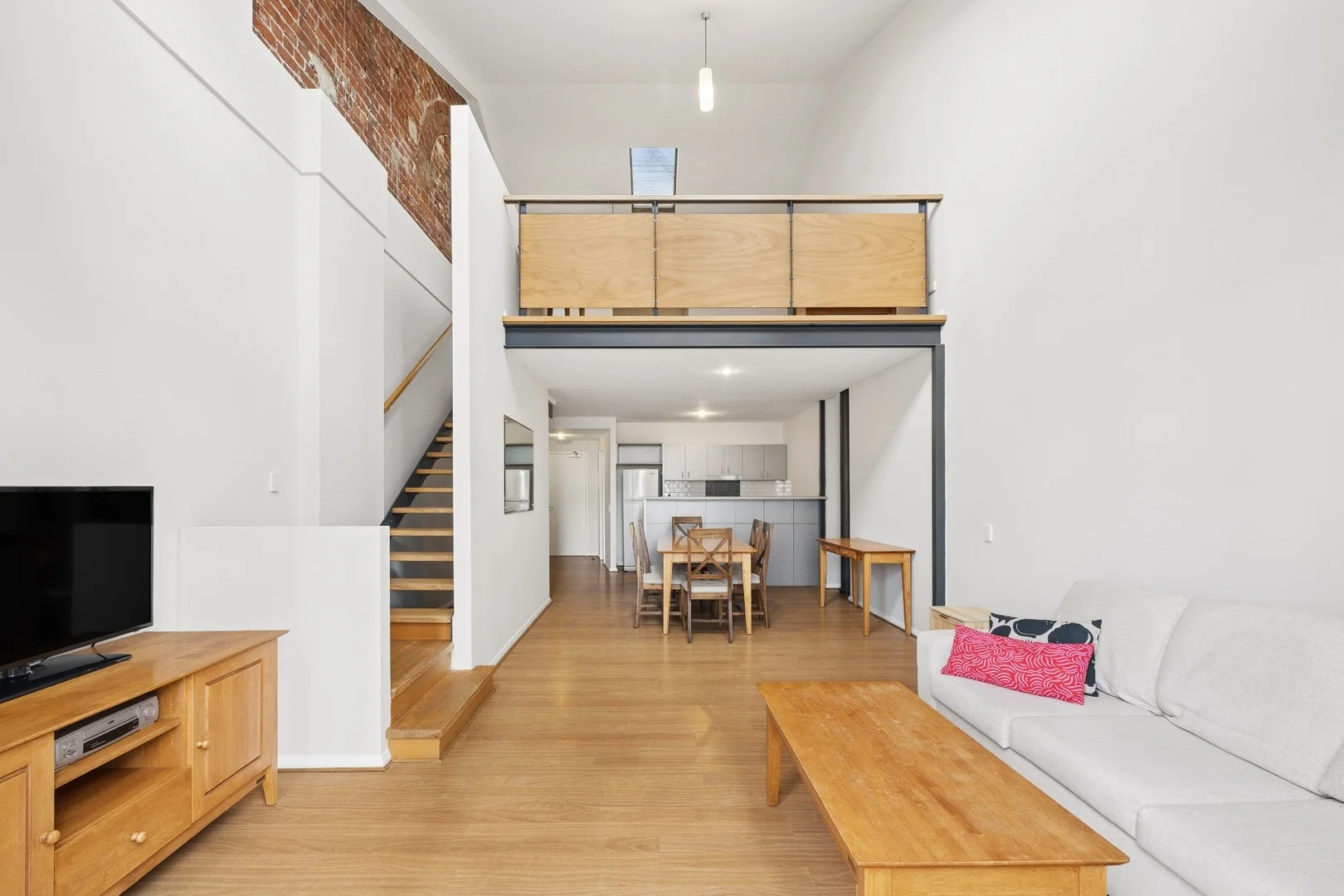 $549,000
Apartment / Unit / Flat
$549,000
Apartment / Unit / Flat
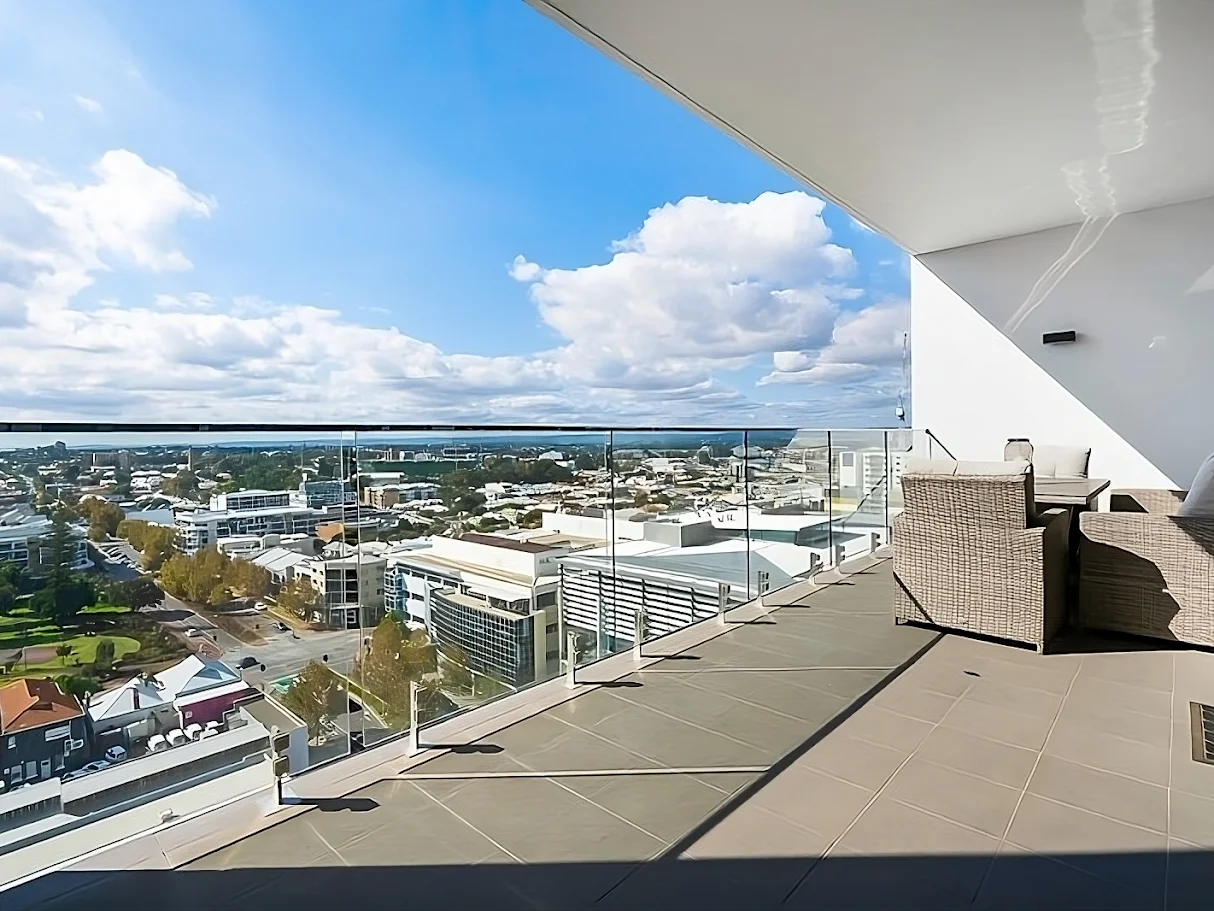 $580,000
Apartment / Unit / Flat
$580,000
Apartment / Unit / Flat
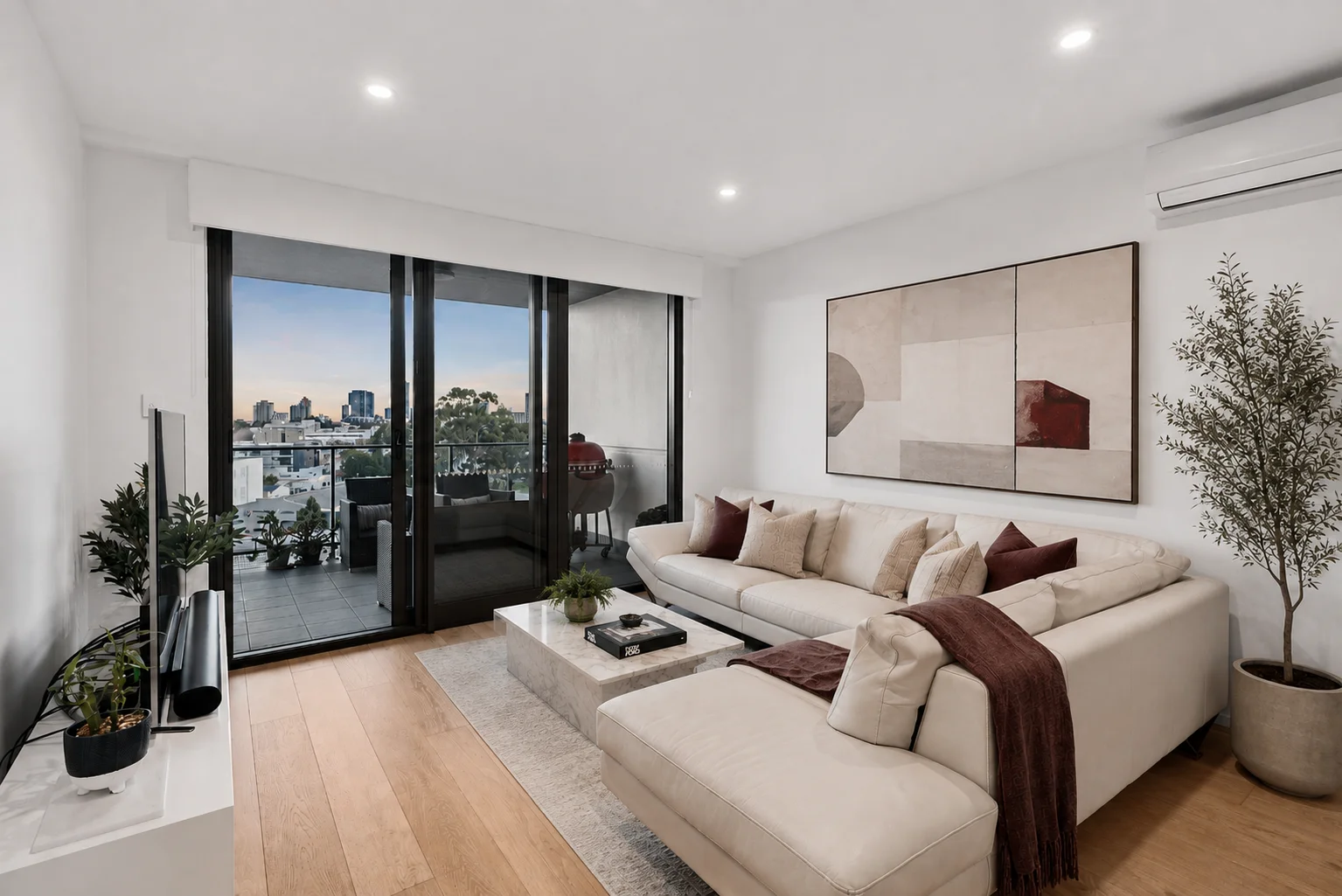 $700,000
Apartment / Unit / Flat
$700,000
Apartment / Unit / Flat
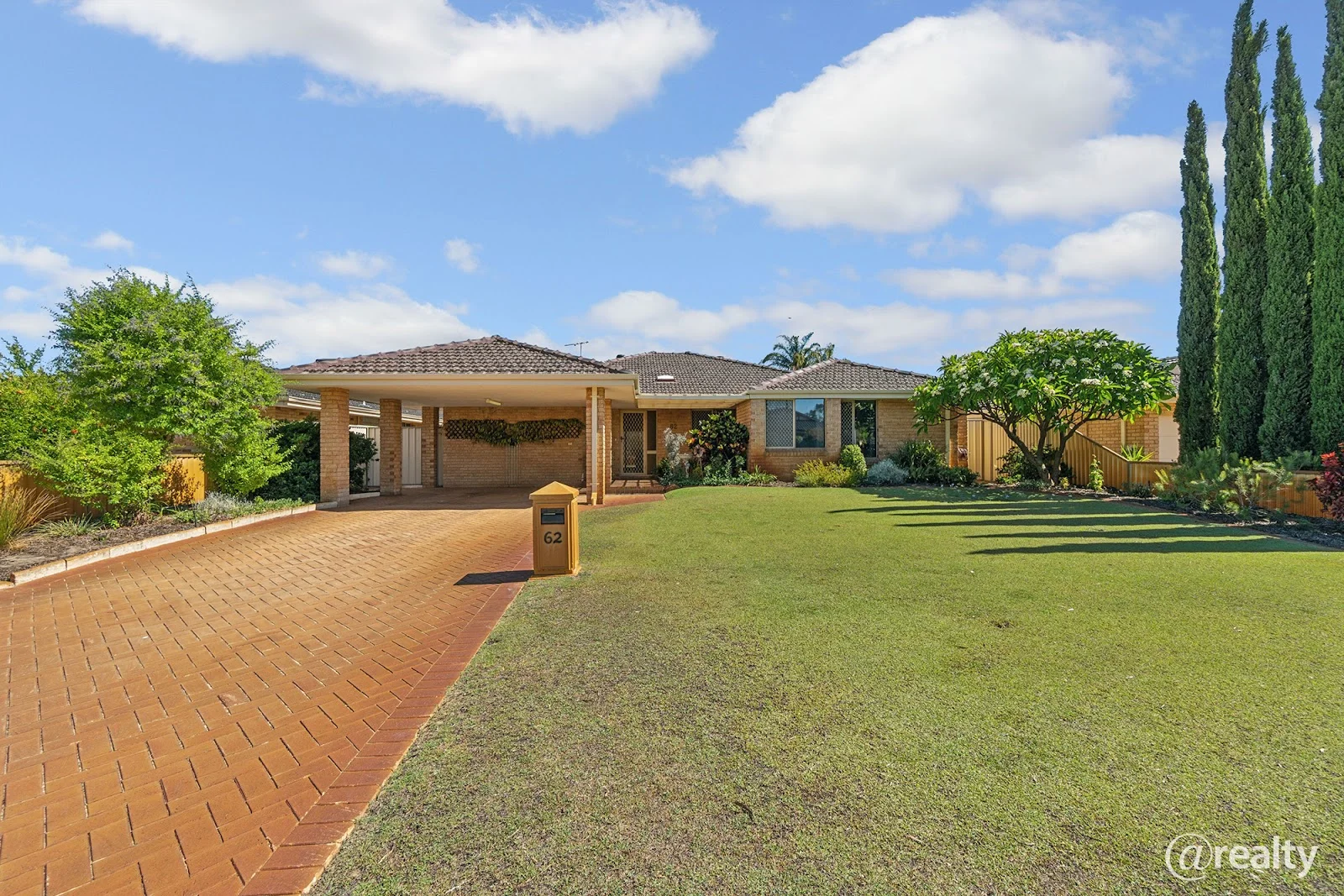 $1,099,000 - $1,153,950
House
$1,099,000 - $1,153,950
House