Overview
1. Overview
Peter Lalor Secondary College is a public co-educational secondary school serving students in Lalor, Victoria. As a medium-sized Victorian government school, it focuses on delivering a comprehensive curriculum that supports a diverse student body through a balanced blend of academics, sport, and community activities. The school emphasises an inclusive and supportive culture that aims to help every student achieve their potential.
- School type: Public
- School size: Medium
- Class size: Typically around 22–28 students per class
- Atmosphere/culture: Inclusive, academic and diverse, with a supportive, community-oriented vibe
⸻
2. Academics & Learning
Peter Lalor Secondary College offers a broad curriculum designed to prepare students for VCE, VCAL, and vocational pathways, with strong emphasis on core skills and personal development.
- Academic strengths: Strong focus on English and STEM, with opportunities to develop leadership and language skills through targeted programs.
- Special programs: VCE, VCAL, and VET/applied learning options; pathways to tertiary study or trade-based careers.
- NAPLAN / trends: Public reporting shows stable to improving performance in key literacy and numeracy areas over recent years, with targeted school supports to lift outcomes.
- Student-teacher ratios: Generally in the mid-teens, varying by year level and subject.
- Support for diverse learners: EAL support, dedicated learning support teams, and provisions for students with SEN to help them participate effectively.
⸻
3. Sports & Extracurricular Strengths
A key area for many families, with a range of activities designed to develop teamwork, discipline and personal interests.
- Sports offered: Australian Rules Football, soccer, basketball, netball, cricket, athletics, swimming and general gym/fitness programs.
- Strong teams or achievements: Competitive participation in district/regional competitions; opportunities to progress to higher-level events.
- Music, arts, drama programs: Active music ensembles, school productions, drama club and opportunities in visual arts.
- Clubs: Robotics, chess, coding, debating, and other student-led clubs.
- Partnerships: Local sport associations, robotics/debating competitions, and community arts partnerships to broaden opportunities.
⸻
4. Wellbeing & Pastoral Care
A core priority for student success, with structured supports and preventative programs.
- Anti-bullying approach: Whole-school policies, student-led anti-bullying initiatives, and dedicated wellbeing guidance.
- House system: House groups create belonging, leadership opportunities and inter-house events.
- Counsellors / wellbeing officers: On-site counsellors and wellbeing staff available to students and families.
- Transition support for new students: Induction programs, buddy systems, and orientation activities to ease transitions.
⸻
5. Facilities
Facilities designed to support learning across disciplines, with modern spaces for study, science, arts and technology.
- Sports grounds: On-site outdoor facilities for team sports and physical education.
- Libraries: Well-stocked library with study spaces and digital resources.
- Science labs: Fully equipped science laboratories for practical experiments.
- Music/performing arts centers: Dedicated music rooms and performing arts spaces for performances.
- Tech/innovation labs: Computer labs, maker spaces or digital technology areas for projects.
- Cafeteria: On-site canteen providing healthy meal and snack options.
- Updated playgrounds: Well-maintained outdoor spaces for recreation and breaks.
⸻
6. School Values & Community Culture
Clear values and community norms guide day-to-day life at the school.
- School values / mission: Emphasis on respect, inclusion, resilience, and striving for excellence.
- Leadership style: Collaborative, with student voice encouraged through representative groups and project-based leadership.
- Behaviour expectations: Positive behaviour framework with clear expectations and consistent consequences.
- Community reputation: Known for a welcoming, family-friendly environment with strong local ties.
- Diversity & inclusion: Active efforts to support a multicultural student body and foster inclusive participation.
⸻
7. School Logistics & Daily Operations
Practical information to help families plan and understand routines.
- School hours: Typical day starts around 8:45 am and finishes around 3:15 pm (times may vary by year level).
- Before/after school care: Availability of before/after school care often facilitated through external providers or community programs.
- Uniform requirements: School uniform compulsory; details provided in enrollment materials.
- Transport (train/bus routes): Accessible by local bus routes and nearby public transport options; students may use public transport to travel to and from campus.
- Canteen availability: Canteen or cafeteria services on site with options suitable for a range of preferences.
- Fees (low/medium/high ranges): As a public government school, there is no tuition fee; there may be modest costs for materials, activities, excursions, and essential items.
⸻
8. Enrolment & Admissions
11. What is the enrolment process and timeline?
- Enrolment typically involves submitting an application to the school (and the Department of Education in Victoria), providing proof of identity and address, and following any local timelines for new students. In-zone placement is given priority within the public system.
12. Is there a waiting list, and how does it work?
- Waiting lists can apply when the school is oversubscribed. In-zone applicants are prioritized; out-of-zone applicants may be placed on a waiting list and considered as vacancies arise.
13. Are there any entry requirements, tests, or interviews?
- For a standard year-entry there are no entrance exams. Some programs or selective pathways may have additional screening or eligibility criteria, but most admissions are based on zone and vacancies.
14. Does the school accept mid-year transfers?
- Yes, subject to space and alignment with the year level cohort. Families should contact the school early to discuss availability and transition support.
⸻
9. Frequently Ask Questions
- Why Parents Choose This School?
A welcoming, inclusive environment with a balanced focus on academics, sport and the arts, plus strong wellbeing support and a clear path to VCE/VCAL/VET options.
- What type of student thrives at this school?
Students who value a supportive community, participate in a broad curriculum, and engage in sports, arts, and clubs tend to thrive.
- What opportunities are available for students to extend their skills (academics, sports, arts)?
A range of extension and enrichment options across STEM, English, languages, VCE/VCAL pathways, VET programs, music and drama, plus competitive sports and clubs like robotics and debating.
- How does the school communicate with parents?
Regular newsletters, emails, parent portals and scheduled information evenings; open channels with teachers and leadership for timely updates.
- What is the school's approach to teaching and learning?
A student-centred approach with a mix of classroom instruction, project-based learning, and practical experiences to build core skills and resilience.
- How does the school support students who need extra academic help?
Targeted literacy and numeracy supports, learning support teams, EAL assistance and accommodations through SEN provisions.
- What support is available for academic challenges?
Access to tutors, study supports, extension options and intervention programs to help students stay on track.
- How does the school communicate with parents? (duplicate)
See above: newsletters, portals, emails, and parent-teacher meetings.
- What are the class sizes and how much individual attention do students receive?
Typical class sizes are in the 22–28 range, with teachers providing differentiated instruction and targeted assistance as needed.
- What extracurricular and sports opportunities are available?
A wide range including team sports (football, soccer, basketball, netball, cricket), music ensembles, drama, robotics, chess, coding and debating clubs.
- What facilities does the school offer (sports, science, arts)?
Sports grounds, well-equipped science labs, libraries, music/performing arts spaces, tech/innovation labs, and a canteen.
- What is the school's approach to technology and digital learning?
Computer labs and digital resources are integrated into the learning program, with opportunities for coding and multimedia projects.
- What transport and accessibility options are available?
Public transport options (bus/train) access to the campus area; flexible arrangements for students who travel by public transport.
- What are typical school fees or additional costs?
Being a public school, there are no tuition fees; modest costs may apply for materials, excursions, and extra-curricular activities.
⸻
10. Short Pros & Cons list
Pros
- Public school with a stable, values-driven culture
- Inclusive environment with strong wellbeing and support services
- Broad curriculum offering VCE/VCAL/VET pathways
- Wide range of co-curriculars: sports, music, clubs
- Active student leadership and opportunities for involvement
Cons
- Class sizes can be on the higher side for some subjects during peak periods
- Like many public schools, some facilities may be in need of periodic updates; ongoing upgrades depend on funding
- Transport options may vary in convenience depending on family location and timetable










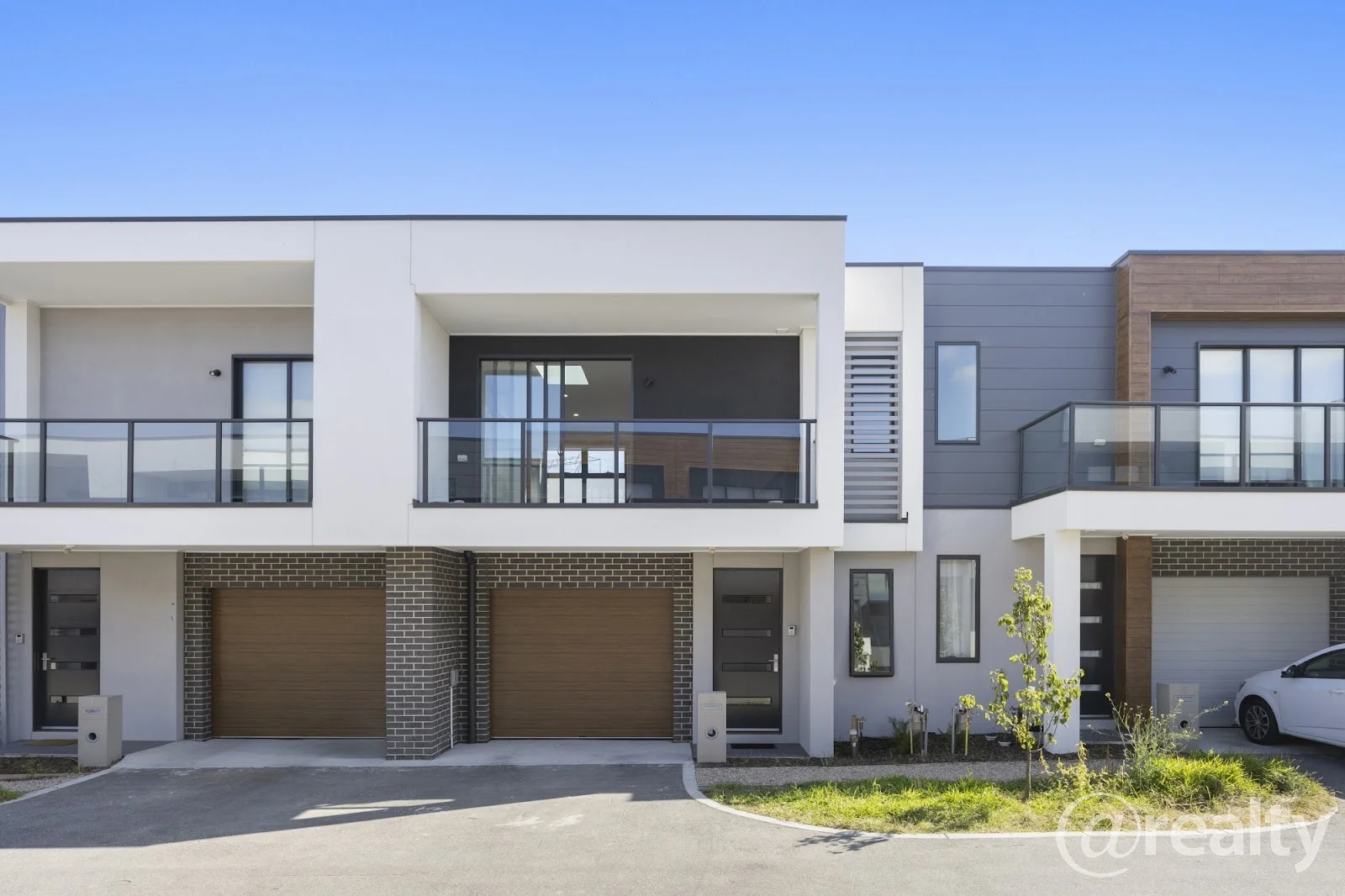 $510
Townhouse
$510
Townhouse
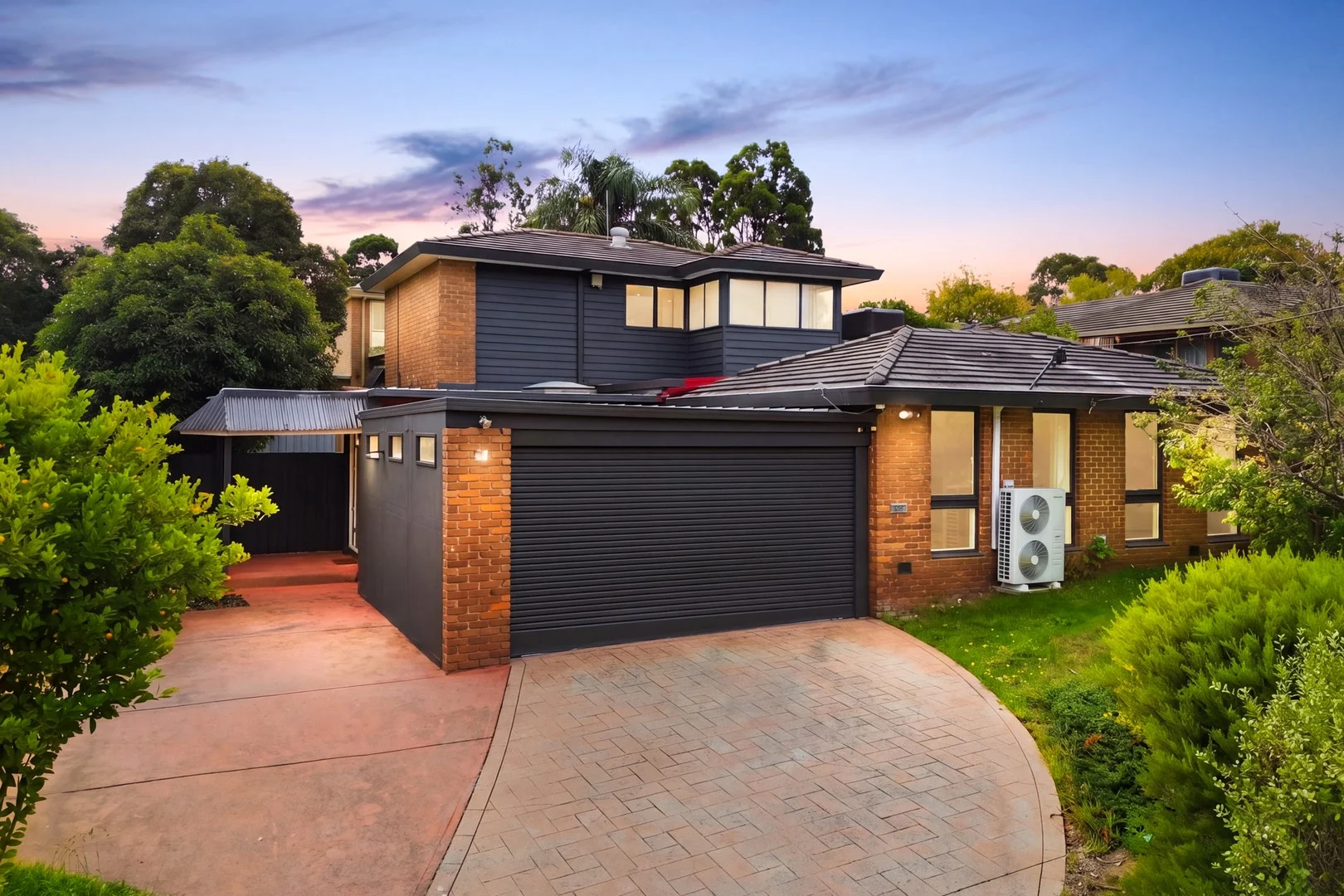 $1,220,000 - $1,320,000
House
$1,220,000 - $1,320,000
House
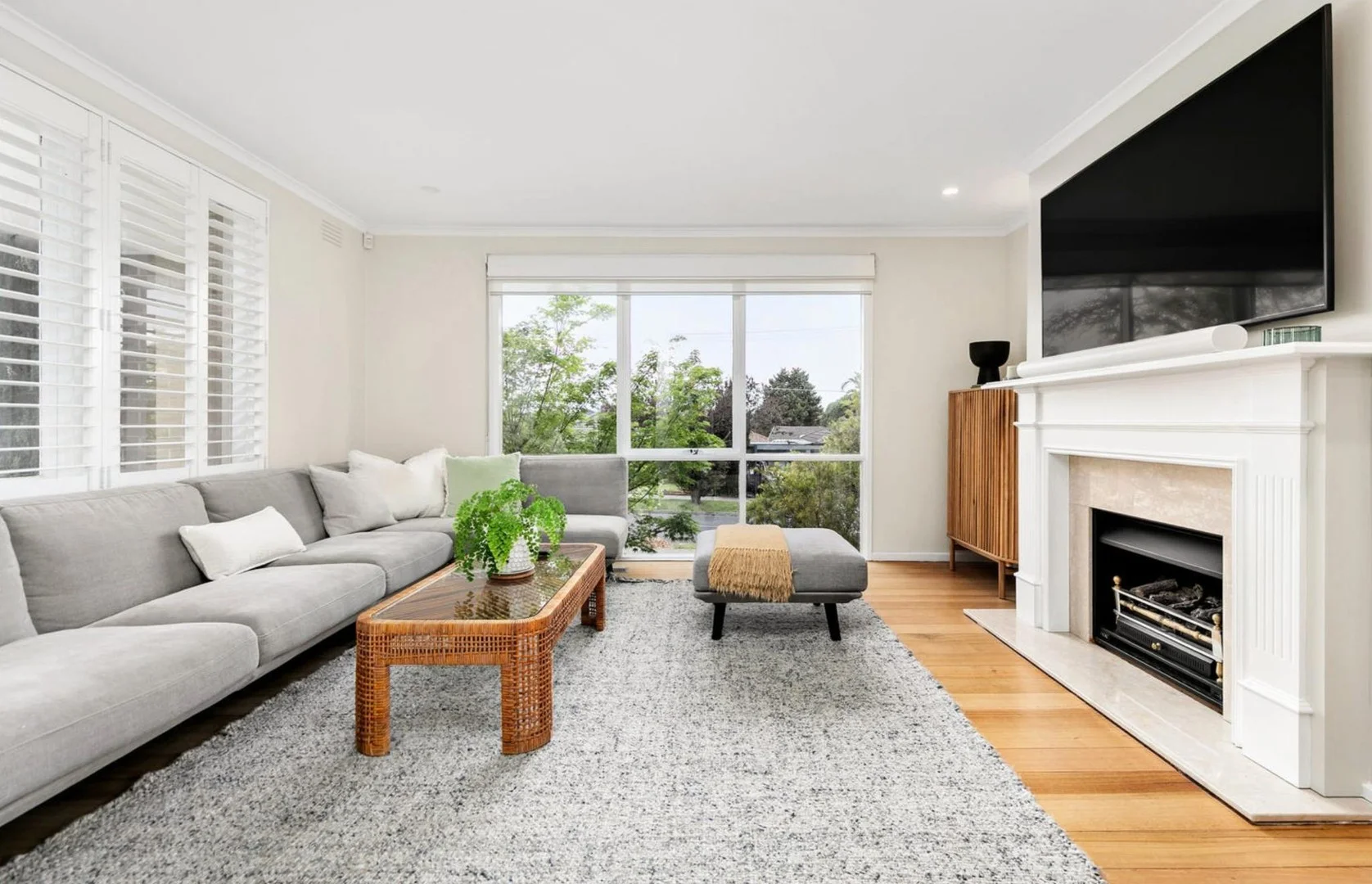 $750
House
$750
House
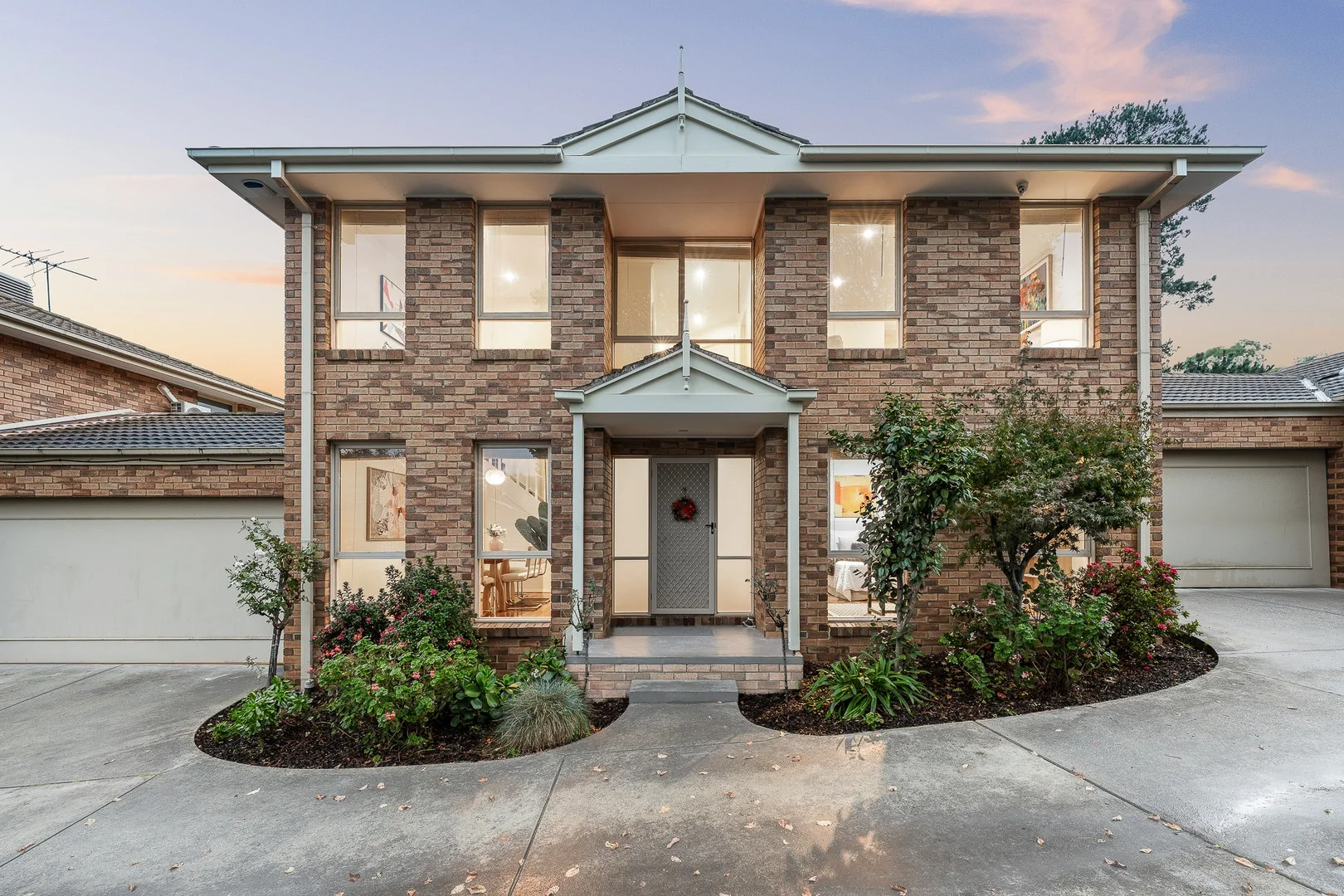 $950,000 - $1,045,000
Apartment / Unit / Flat
$950,000 - $1,045,000
Apartment / Unit / Flat
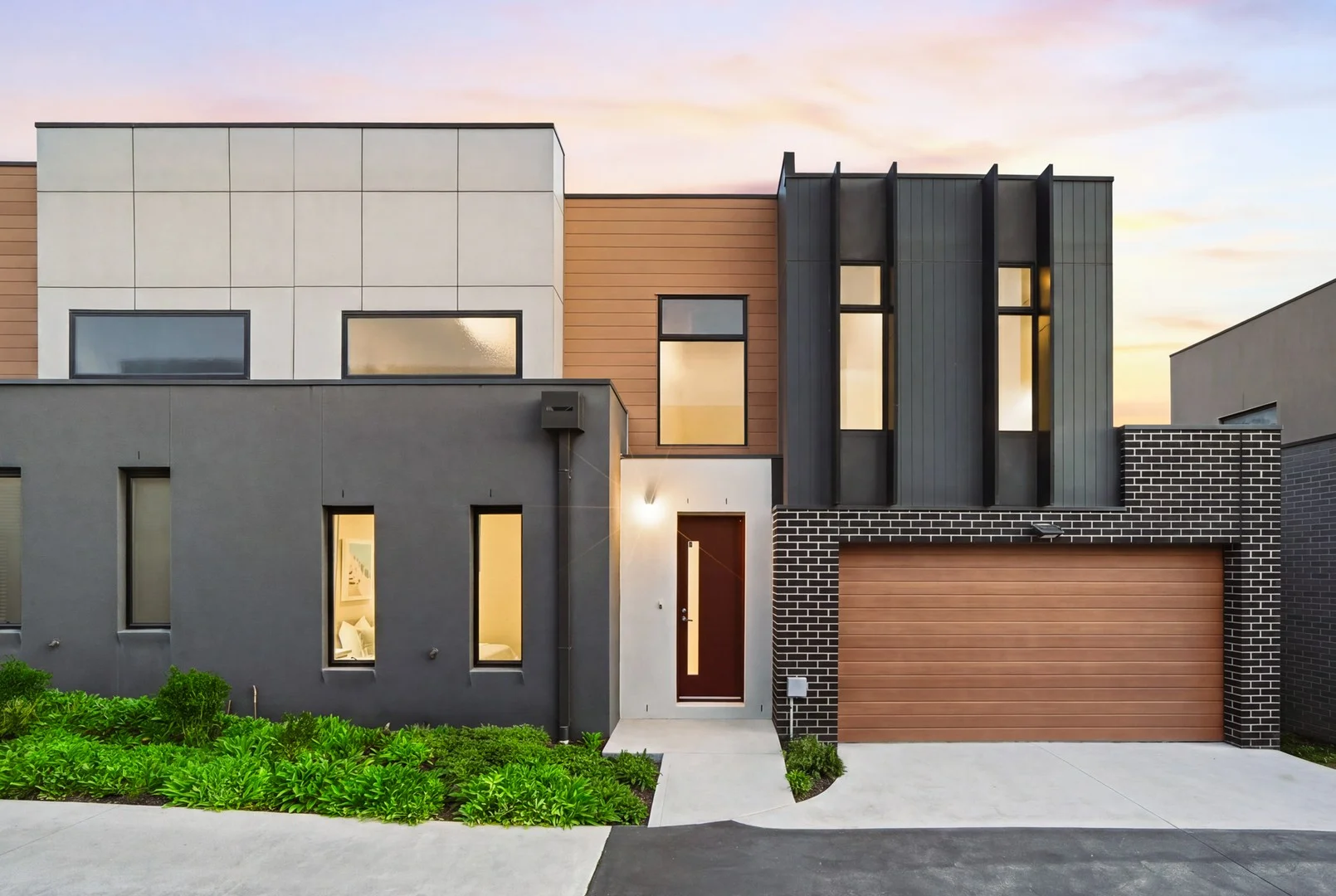 $900,000 - $990,000
Townhouse
$900,000 - $990,000
Townhouse
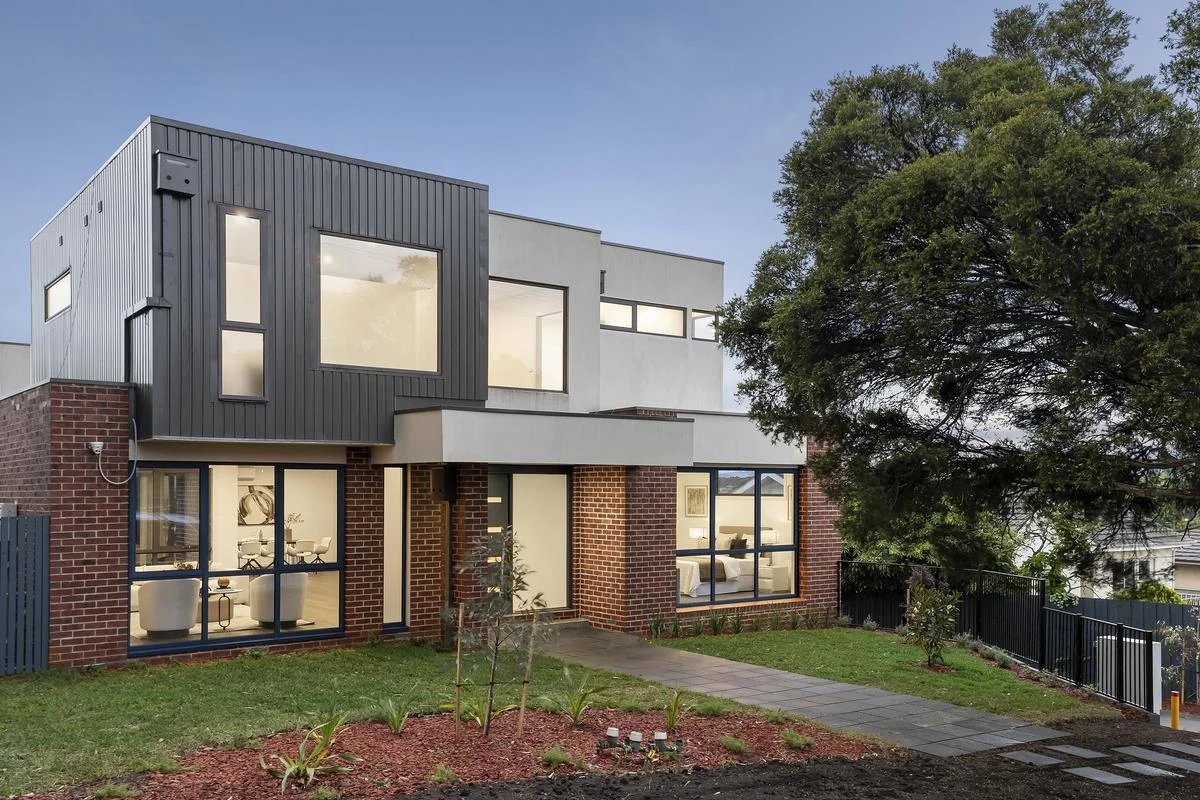 $1,550,000 - $1,650,000
Townhouse
$1,550,000 - $1,650,000
Townhouse
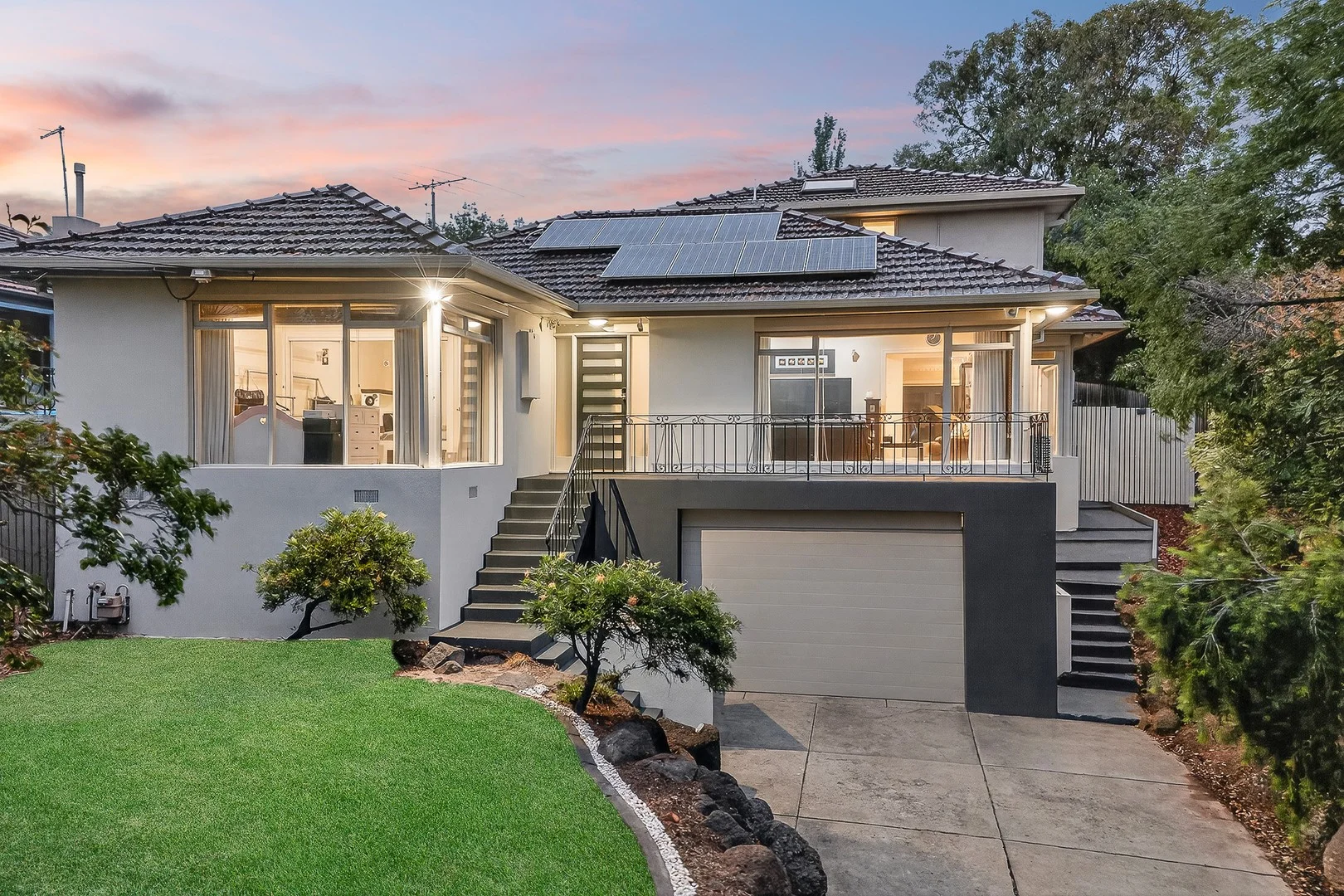 $1,350,000 - $1,450,000
House
$1,350,000 - $1,450,000
House
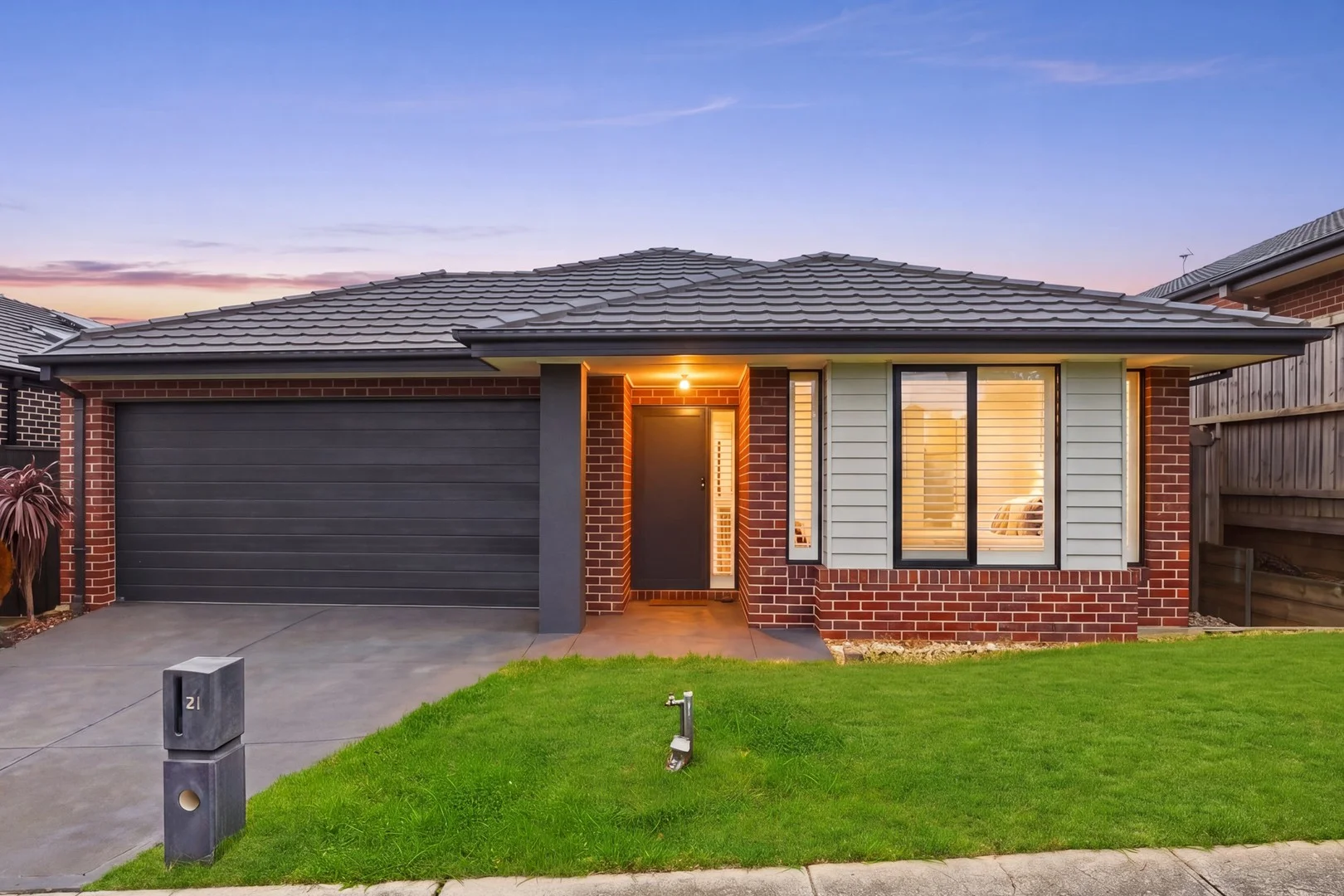 $800,000 - $850,000
House
$800,000 - $850,000
House