Overview
# Overview
St Catherine's Primary School, Lalor West is a Catholic primary school serving Foundation to Year 6. As a small-to-medium sized community, it fosters a family-like environment where students are known and supported. Class sizes typically range around 20–25 students, enabling strong teacher attention within a collaborative learning culture. The atmosphere is nurturing and inclusive, with a clear emphasis on faith, service and personal development.
The school balances academics with faith formation and community involvement, encouraging every child to grow in resilience, kindness and responsibility while engaging with their local community through service and collaborative projects.
---
# Academics & Learning
- Academic strengths include strong literacy and numeracy foundations, with integrated STEM activities and opportunities to develop leadership and collaboration skills. Language learning is offered (e.g., Indonesian) to broaden horizons and cultural awareness.
- Special programs may include Religious Education and faith formation, as well as differentiation within classrooms and, where available, extension or gifted and talented opportunities.
- Naplan trends in similar settings show steady progress over time, with performance generally aligning with state averages and improvements seen in targeted literacy and numeracy support.
- Student-teacher ratios are typically around 1:12–1:18, allowing for meaningful teacher attention and small-group learning opportunities.
- Support for diverse learners includes EAL (English as an Additional Language) support, SEN (Special Educational Needs) assistance, and targeted learning plans to foster inclusive learning for all students.
---
# Sports & Extracurricular Strengths
- Sports offered commonly include Australian Rules football, soccer, basketball, netball, cricket, athletics, and cross-country, with participation in school and district events.
- Strong school teams and community participation in local competitions and school carnivals are encouraged, supporting physical development and teamwork.
- Music, arts and drama programs are active, including choir, instrument instruction and school productions, providing diverse creative outlets.
- Clubs commonly offered: robotics, chess, coding, debating, and other enrichment activities designed to extend skills beyond the classroom.
- There are partnerships with local clubs and community programs, plus opportunities to participate in inter-school competitions and showcases.
---
# Wellbeing & Pastoral Care
- Anti-bullying approaches are proactive, with clear policies, student-led initiatives and restorative practices to support a safe and respectful environment.
- A house system promotes belonging, healthy competition, teamwork and leadership across year levels.
- On-site counsellors or wellbeing officers support student mental health, self-regulation, and transitions between programs and year levels.
- Transition support for new students includes buddy programs, orientation sessions and ongoing check-ins to help students settle into the school community.
---
# Facilities
- Sports grounds for outdoor activities and physical education.
- Library for reading, research and quiet study.
- Science labs for hands-on experiments and inquiry-based learning.
- Music/performing arts spaces for rehearsals, productions and performances.
- Tech/innovation labs or computer facilities supporting digital literacy and coding.
- Canteen providing healthy meal options and snacks.
- Updated playgrounds and outdoor learning spaces that encourage exploration and collaboration.
---
# School Values & Community Culture
- Core values typically include faith, respect, compassion, integrity, and service, embedded in daily life and classroom routines.
- Leadership style often emphasizes student voice, opportunities for student leadership, and collaborative decision-making with staff and families.
- Clear behaviour expectations are outlined through a school-wide Code of Conduct and consistent reinforcement of positive behaviours.
- The community reputation tends to be welcoming, supportive and family-centered, with an emphasis on inclusion and respect for diversity.
- Diversity and inclusion are celebrated within the school community, with practices that support students from different backgrounds and abilities.
---
# School Logistics & Daily Operations
- School hours are generally from around 9:00 am to 3:30 pm, with structured start and finish times for consistency.
- Before/after school care options are available through approved providers or school programs to support working families.
- Uniform requirements include a standard school uniform and a designated sports uniform on specified days; hats and sunscreen rules typically apply for outdoor activities.
- Transport options include access to local bus routes and nearby train stations, with safe drop-off and pickup zones and public transport links where applicable.
- Canteen availability supports daily lunch and snack options, with a focus on healthy choices.
- Fees are in the moderate range for Catholic primary schools, covering year-level fees, contributions, and specific program costs as applicable.
---
# Enrolment & Admissions
11. What is the enrolment process and timeline?
- Families typically begin by submitting an enrolment application and attending an information session. Documentation often includes birth certificate or proof of age, immunisation records, and proof of Catholic parish or faith affiliation where relevant. Notification of offers usually occurs after the set intake period, with additional steps for orientation and enrolment confirmation.
12. Is there a waiting list, and how does it work?
- Waiting lists can occur, particularly for Foundation entry or popular year levels. Priority is typically given to siblings, parish/ local area considerations, and available space. The school will advise on expected wait times and position on the list.
13. Are there any entry requirements, tests, or interviews?
- Entry may involve a short interview or information discussion with families to understand fit with the school’s Catholic ethos and learning environment. There are no standard high-stakes tests, but the school may assess readiness for Foundation or other year levels through age-appropriate conversations and activities. Documentation and religious program participation may be considered.
14. Does the school accept mid-year transfers?
- Mid-year transfers are considered if space and timetabling permit, subject to the usual enrolment requirements and documentation. Prospective families should contact the school early to discuss availability and the transfer process.
---
# Frequently Asked Questions
- Why Parents Choose This School?
- Families value the Catholic ethos, strong sense of community, small-to-medium class sizes, and a balanced focus on academics, wellbeing and faith development.
- What type of student thrives at this school?
- Students who enjoy a values-based environment, active participation in class, teamwork, and a variety of learning experiences across academics, sport, arts and service.
- What opportunities are available for students to extend their skills (academics, sports, arts)?
- Extension in core subjects, leadership opportunities, robust sports programs, music/arts involvement, and enrichment clubs such as robotics, coding, chess and debating.
- How does the school communicate with parents?
- Regular newsletters, emails, parent-teacher interviews, school apps or portals, and updates through the school website and social channels.
- What is the school’s approach to teaching and learning?
- A student-centered, differentiated framework that blends explicit instruction with inquiry, collaboration and real-world application, integrated with faith formation.
- How does the school support students who need extra academic help?
- Targeted learning support, EAL and SEN assistance, in-class differentiation, small-group interventions and progress monitoring by teaching staff.
- What support is available for academic challenges?
- Early identification, personalised learning plans, specialist input where needed, and ongoing communication with families to adjust support as students progress.
- How does the school communicate with parents?
- See above: multiple channels including newsletters, portals, and parent-teacher conferences; alignment across channels for timely updates.
- What are the class sizes and how much individual attention do students receive?
- Class sizes typically range from 20–25 students, with opportunities for small-group instruction and teacher-led targeted support.
- What extracurricular and sports opportunities are available?
- A broad range of sports (e.g., soccer, basketball, netball, AFL, cricket, athletics), plus clubs in robotics, chess, coding, debating, music and arts activities.
- What facilities does the school offer (sports, science, arts)?
- Sports grounds, library, science labs, music/arts spaces, tech/innovation labs, canteen and updated playgrounds.
- What is the school’s approach to technology and digital learning?
- Integrated ICT and digital literacy across learning areas, with appropriate device use, internet safety education and teacher-led guidance.
- What transport and accessibility options are available?
- Access to local bus routes and nearby train services; designated drop-off/pick-up zones and accessible campus facilities where applicable.
- What are the typical school fees or additional costs?
- Fees are moderate for a Catholic primary school, with typical year-level contributions and costs for uniforms, excursions and optional activities.
---
# Short Pros & Cons list
- Pros
- Strong Catholic identity and values-based education
- Supportive, close-knit community and smaller class sizes
- Broad range of academics, arts, sport and enrichment opportunities
- Focus on wellbeing, inclusion and student voice
- Structured transition support for new students and families
- Cons
- As a smaller school, there may be fewer specialist staff or programs than larger campuses
- Availability of places can vary by year level; waiting lists may apply
- Transport options may depend on local routes and school location
- Some fees and costs (uniforms, excursions) are common in many private and Catholic schools










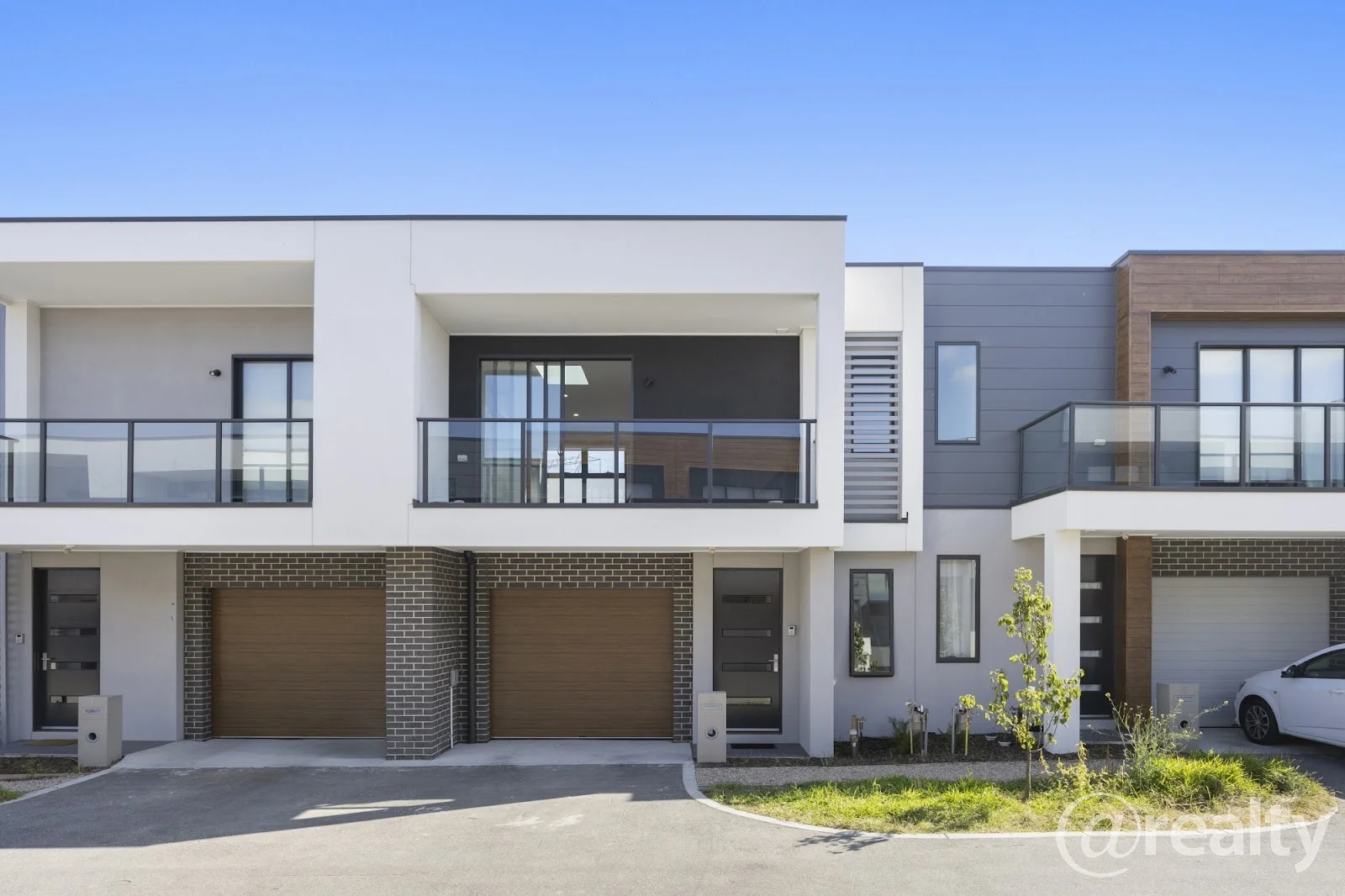 $510
Townhouse
$510
Townhouse
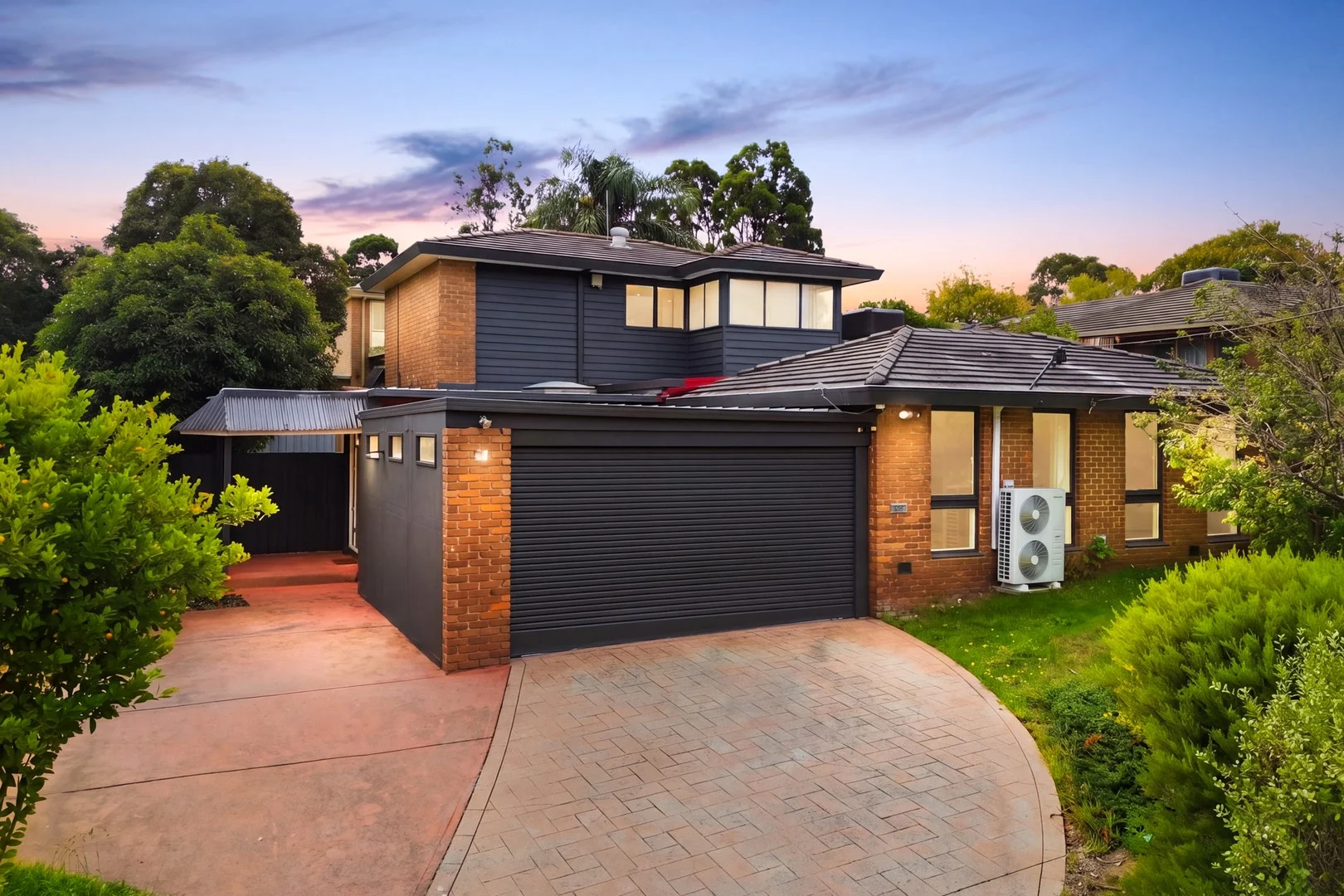 $1,220,000 - $1,320,000
House
$1,220,000 - $1,320,000
House
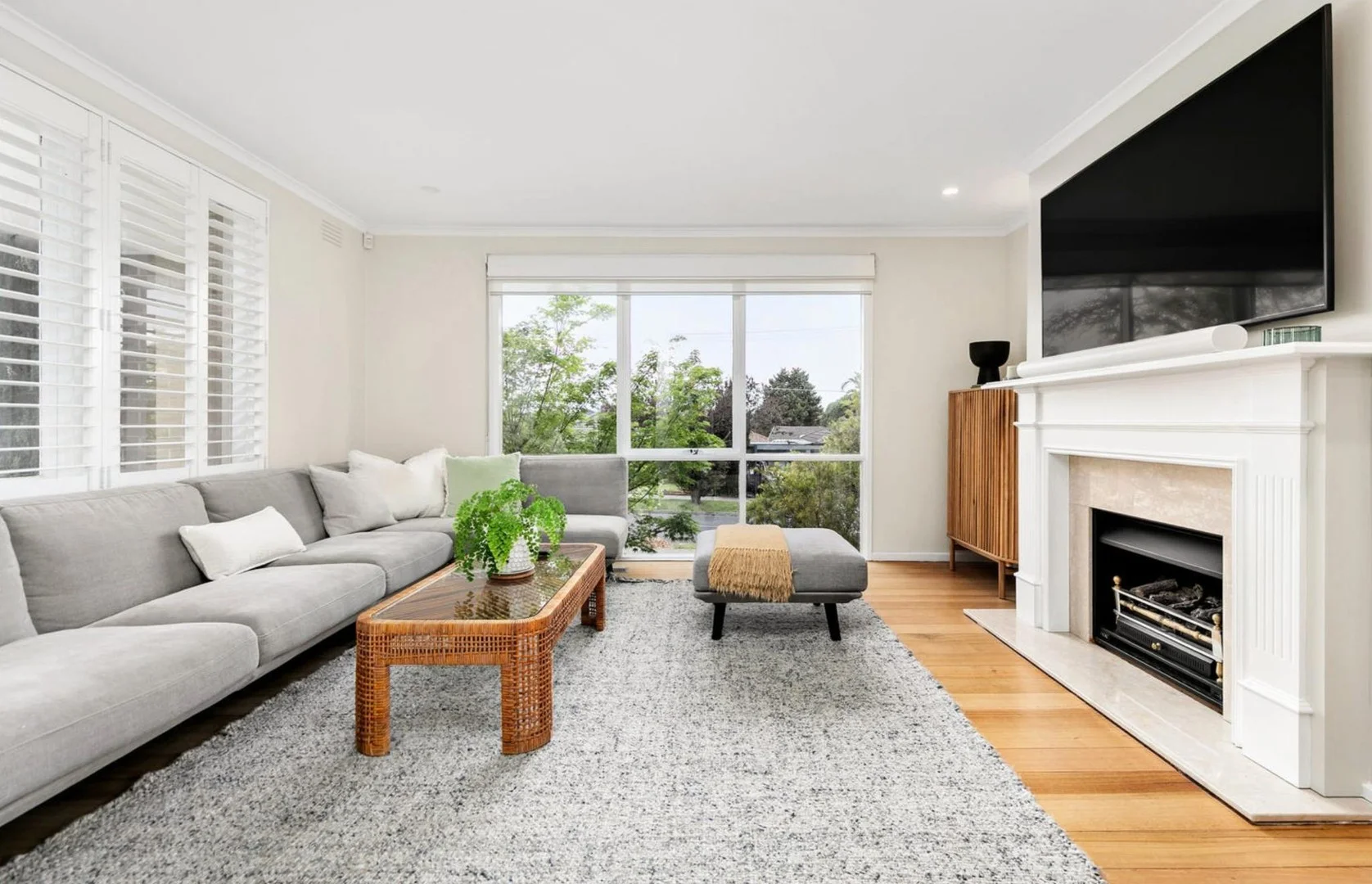 $750
House
$750
House
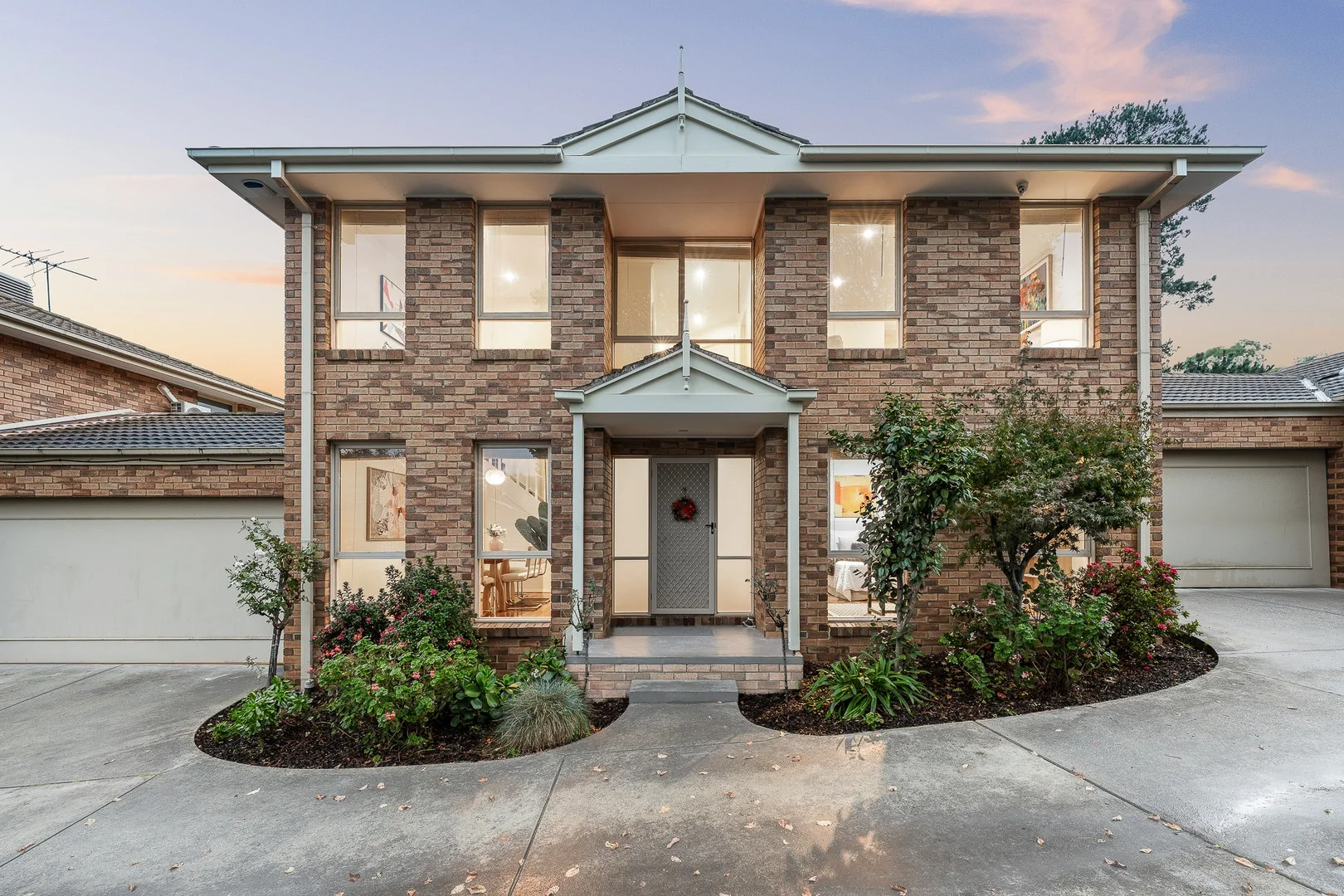 $950,000 - $1,045,000
Apartment / Unit / Flat
$950,000 - $1,045,000
Apartment / Unit / Flat
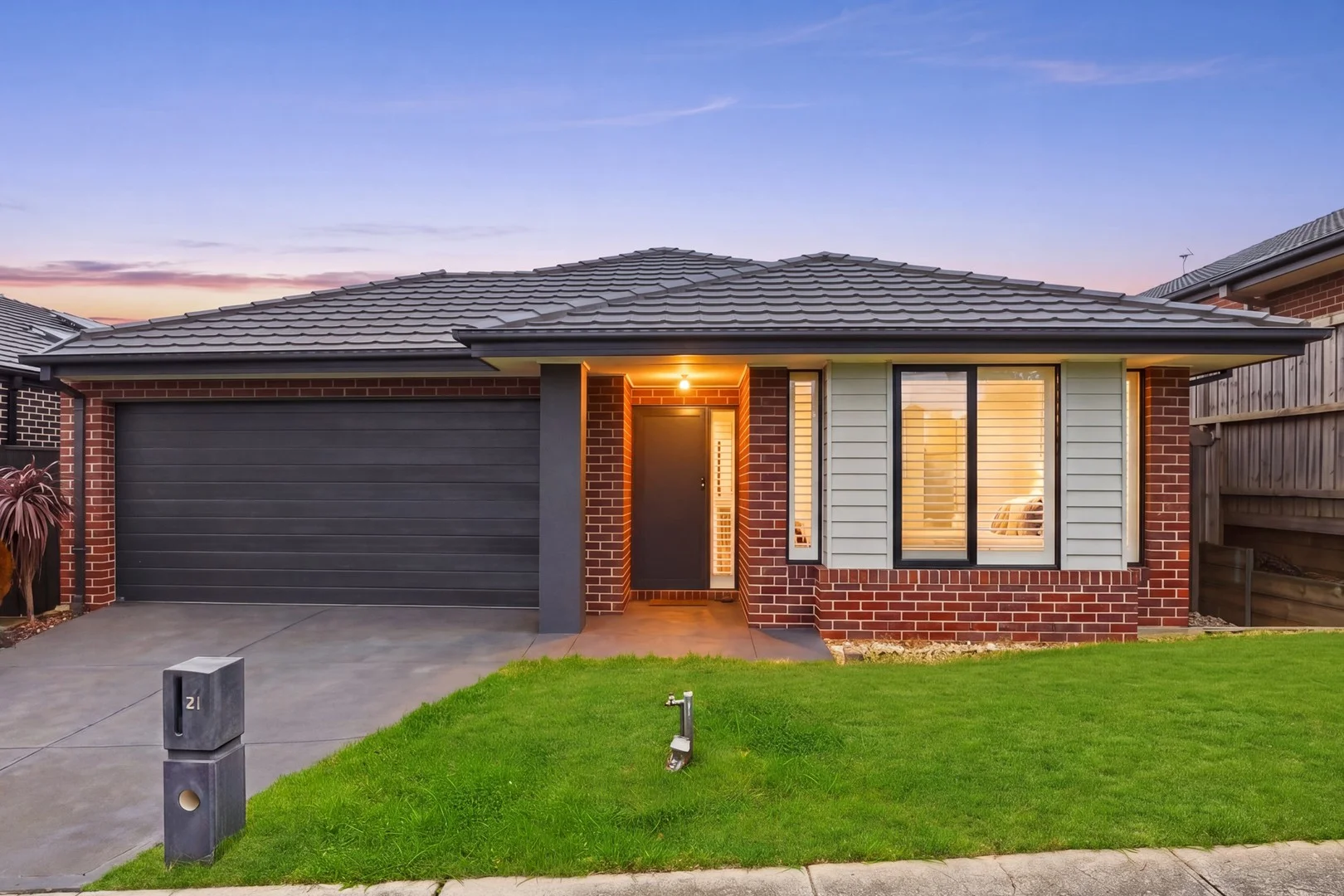 $800,000 - $850,000
House
$800,000 - $850,000
House
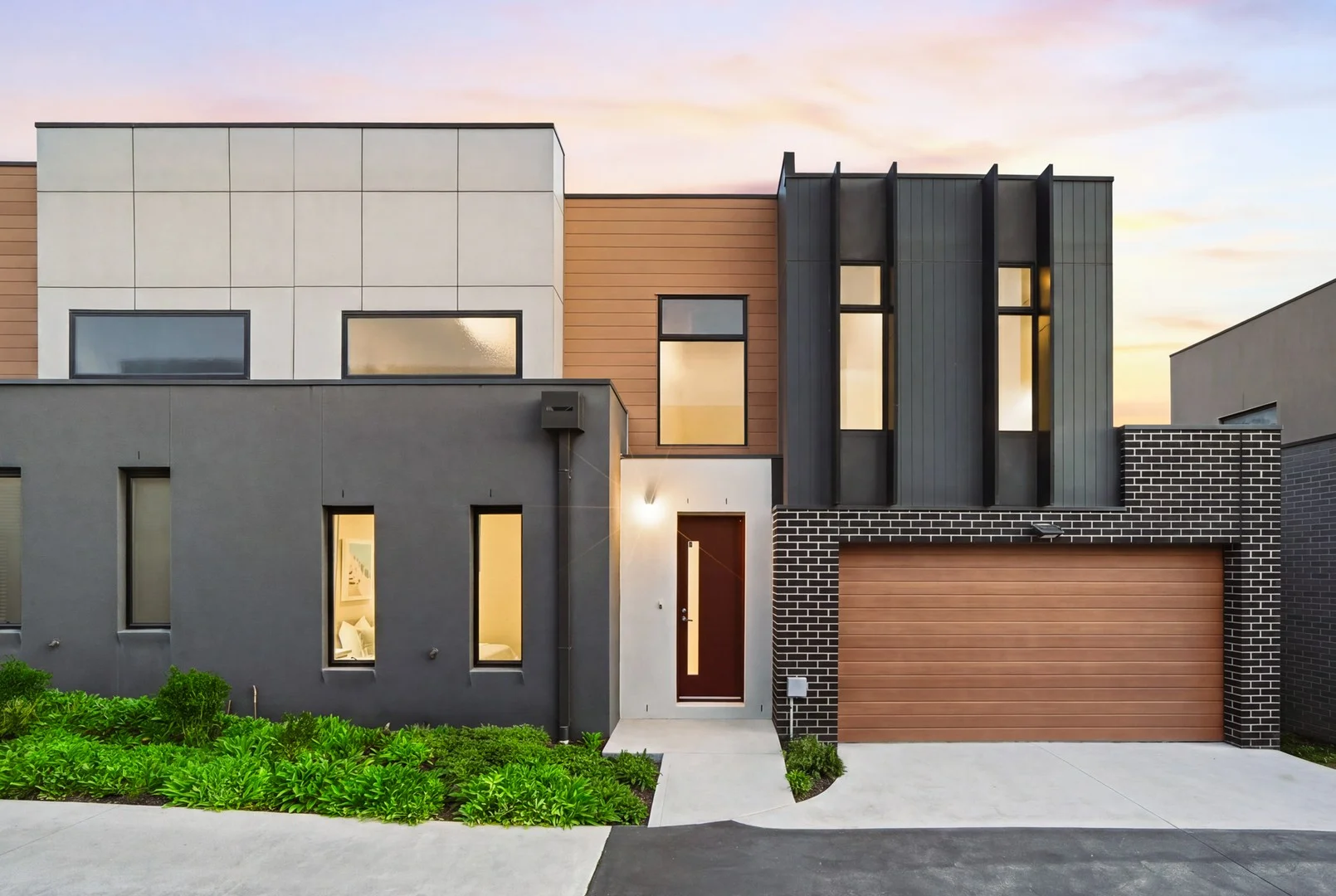 $900,000 - $990,000
Townhouse
$900,000 - $990,000
Townhouse
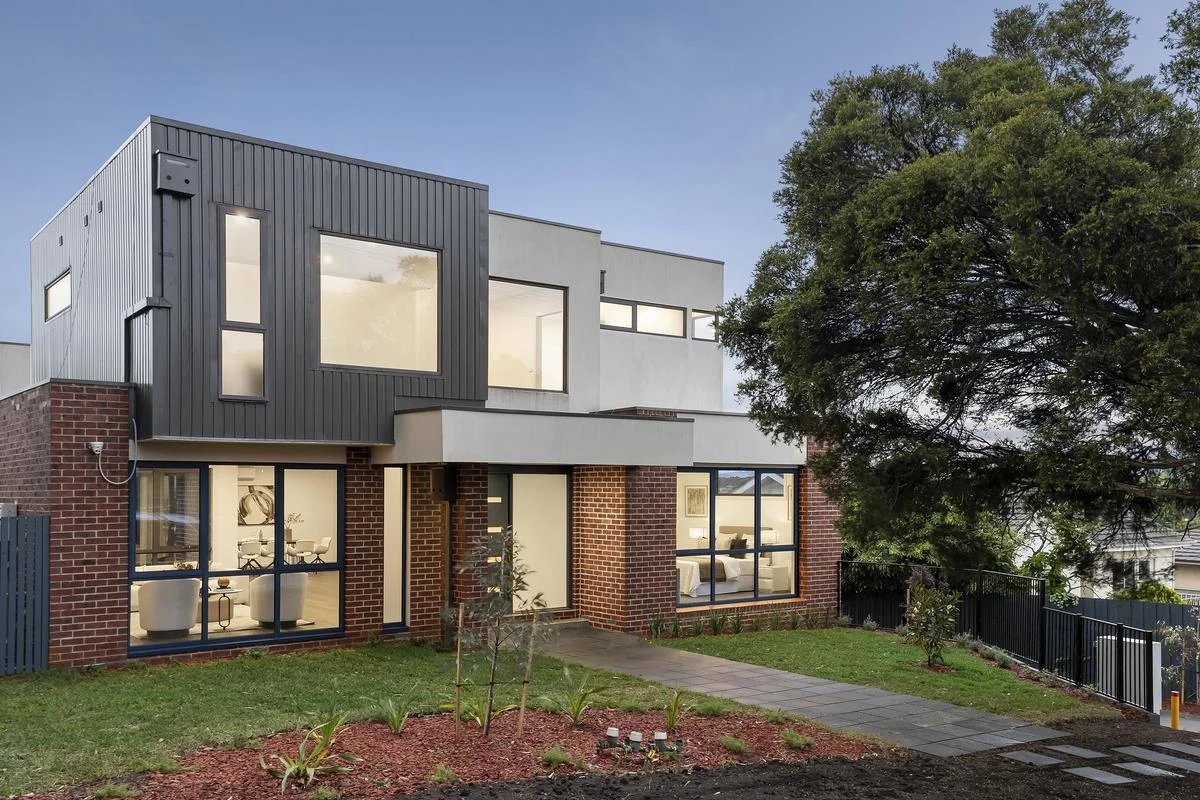 $1,550,000 - $1,650,000
Townhouse
$1,550,000 - $1,650,000
Townhouse
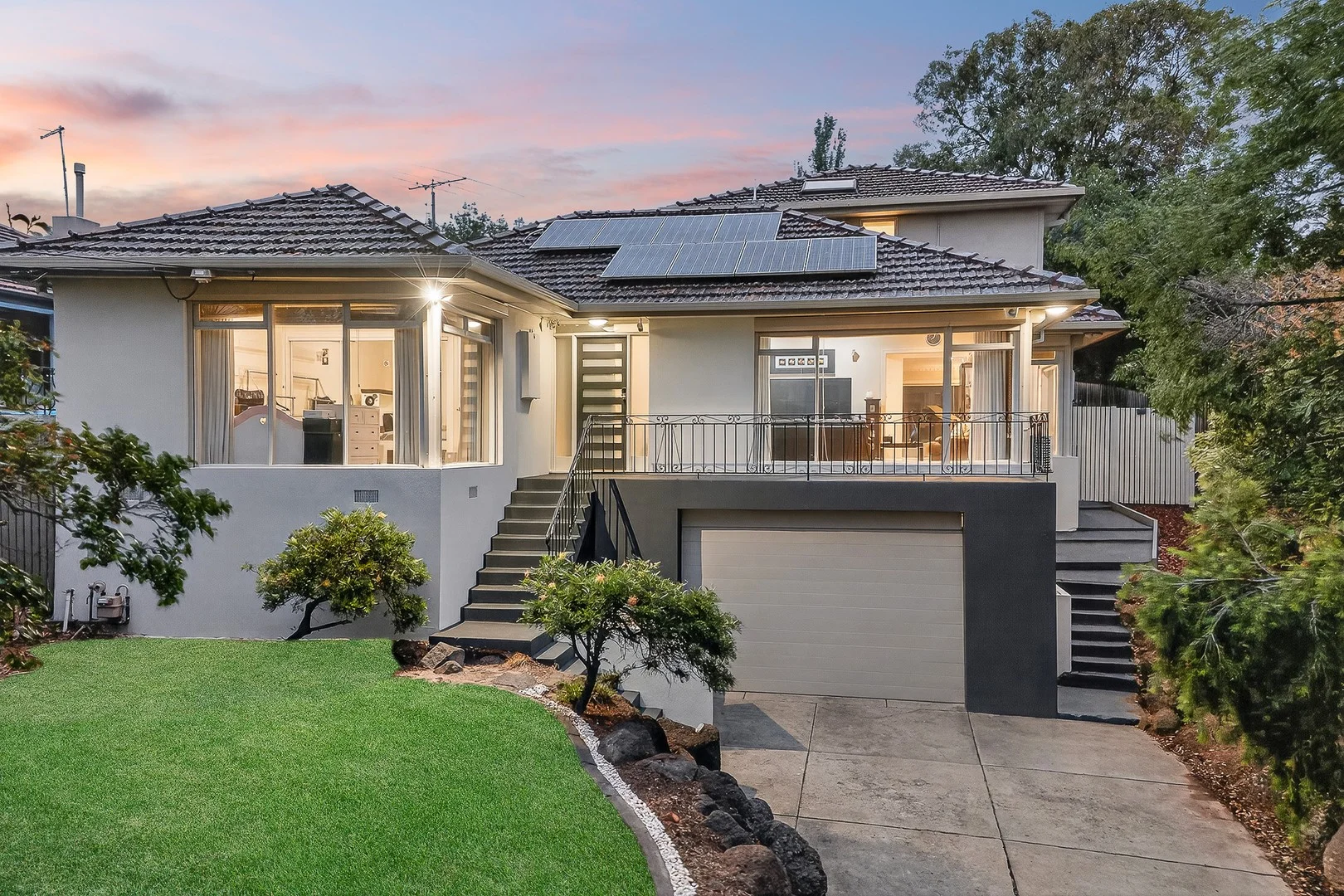 $1,350,000 - $1,450,000
House
$1,350,000 - $1,450,000
House