Overview
1. Overview
This is a public, co-educational school in Reservoir offering a broad, inclusive learning environment. The school is medium-sized and typically hosts class sizes in the low 20s, helping teachers know students well and maintain a supportive atmosphere. The culture emphasises belonging, responsibility, and a balanced focus on academics and wellbeing, with a welcoming, diverse community.
Parents can expect a school that values strong literacy and numeracy foundations, practical STEM and English programs, and opportunities across the arts and sports. The environment is designed to be nurturing and inclusive, encouraging student voice and collaboration across year levels.
⸻
2. Academics & Learning
- Academic strengths: Strong emphasis on STEM and English, with additional focus on leadership development and language learning.
- Special programs: Gifted and talented opportunities, accelerated learning options where available, and clear pathways through VCE/VCAL with connections to local VET programs.
- NAPLAN / trends: Demonstrated positive trends over recent years in reading, writing, and numeracy, reflecting a stable drive to improve literacy and numeracy outcomes.
- Student-teacher ratios: Typical classroom ratios around 1:12 to 1:22, with smaller classes in lower year levels to support individual attention.
- Support for diverse learners: Dedicated EAL support and SEN-focused staff, with inclusive education approaches and targeted interventions as needed.
⸻
3. Sports & Extracurricular Strengths
- Sports offered: Football (soccer), netball, basketball, cricket, athletics, volleyball, and general fitness activities.
- Strong teams or achievements: Regular participation in regional competitions with school-level achievements and a focus on teamwork and fair play.
- Music, arts, drama programs: Active music program, school productions and ensembles, and access to arts-based activities to complement academics.
- Clubs: Robotics, chess, coding, debating, and other student-led clubs to broaden interests and problem-solving skills.
- Partnerships: Local club partnerships and inter-school collaboration for competitions and enrichment opportunities.
⸻
4. Wellbeing & Pastoral Care
- Anti-bullying approach: Proactive anti-bullying policies, clear reporting channels, and wellbeing programs to promote respectful relationships.
- House system: House structure to foster camaraderie, healthy competition, and peer support across year levels.
- Counsellors / wellbeing officers: Availability of school counsellors and wellbeing coordinators to support academic and personal development.
- Transition support for new students: Orientation programs, buddy systems, and ongoing check-ins to help students settle in.
⸻
5. Facilities
- Sports grounds: On-site sports fields and courts for physical education and competitions.
- Libraries: Well-stocked library with study spaces and digital resources.
- Science labs: Modern science laboratories supporting practical experiments and inquiry-based learning.
- Music/performing arts centers: Dedicated spaces for music practice, rehearsals, and performances.
- Tech/innovation labs: Access to technology and innovation spaces for coding, robotics, and digital projects.
- Cafeteria: On-site canteen or dining facilities offering affordable options.
- Updated playgrounds: Safe, updated outdoor spaces for recreation and play.
⸻
6. School Values & Community Culture
- School values / mission: A values-driven environment centered on respect, resilience, curiosity, and inclusion.
- Leadership style: Collaborative leadership with student voice and staff partnership; emphasis on shared responsibility.
- Behaviour expectations: Clear behaviour framework built on consistency, fairness, and positive reinforcement.
- Community reputation: Family-friendly, supportive, and inclusive, with active parent involvement and a positive reputation among local families.
- Diversity & inclusion: Strong commitment to diversity and inclusion across curricula, activities, and student support.
⸻
7. School Logistics & Daily Operations
- School hours: Typical day starts mid-morning and ends in the afternoon, with a timetable designed for steady progression through the day.
- Before/after school care: Available through school programs or approved local providers; options for supervision outside core hours.
- Uniform requirements: Formal school uniform required, with guidance on items and accessories; inclusive sizing and student comfort considerations.
- Transport: Access to local bus routes and proximity to train services; information available about routes and school pick-up points.
- Canteen availability: On-site or nearby canteen/cafeteria offering affordable meal and snack options.
- Fees: Public schools generally have low to moderate levies for materials, excursions, and activities; essential items are typically subsidised by the department.
⸻
8. Enrolment & Admissions
11. What is the enrolment process and timeline?
- Applications are typically submitted through the department or school portal within the annual intake window. Offer rounds and placement communications occur according to the published timeline, with notification of outcomes sent to families as vacancies are filled.
12. Is there a waiting list, and how does it work?
- Waiting lists can apply when year levels reach capacity. Places are allocated based on department guidelines, proximity/catchment considerations, and order of application. Siblings and local residents may receive priority where applicable.
13. Are there any entry requirements, tests, or interviews?
- Generally, compulsory entry tests are not required for standard enrolments. Some specialised programs or pathways may involve interviews or short assessments to determine suitability for gifted or accelerated options.
14. Does the school accept mid-year transfers?
- Yes, subject to vacancy availability and the relevant documentation. Transfer requests typically require school records, attendance data, and confirmation of any special support needs.
⸻
9. Frequently Asked Questions
- Why Parents Choose This School?
Parents value a supportive, inclusive community with solid academic footing, diverse enrichment options, and a caring wellbeing framework.
- What type of student thrives at this school?
Students who are curious, collaborative, and motivated to engage across academics, arts, and sports tend to thrive, along with those who benefit from strong pastoral support and inclusive practices.
- What opportunities are available for students to extend their skills (academics, sports, arts)?
The school offers STEM and English strength, gifted/accelerated options, VCE/VCAL pathways, a range of clubs (robotics, coding, debating), music and drama programs, and regional sport opportunities.
- How does the school communicate with parents?
Regular newsletters, email updates, parent portals, scheduled meetings, and annual reporting are used to keep families informed. School events and notices are shared through multiple channels.
- What is the school’s approach to teaching and learning?
A mix of structured instruction, inquiry-based learning, and collaborative projects, with emphasis on literacy, numeracy, critical thinking, and real-world applications.
- How does the school support students who need extra academic help?
Targeted learning supports, tutoring programs, EAL/SEN services, and early intervention when required to keep students on track.
- What support is available for academic challenges?
Access to counsellors, learning support staff, and adjustment plans; additional time or modifications may be provided where appropriate.
- How does the school communicate with parents?
See above; in addition, proactive two-way conversations during parent-teacher conferences are encouraged.
- What are the class sizes and how much individual attention do students receive?
Class sizes typically range from around 20 to 25 students, with opportunities for individual or small-group support during designated times and in targeted programs.
- What extracurricular and sports opportunities are available?
A broad offering including team sports (football, netball, basketball, cricket), music and drama, robotics, coding, chess, and debating clubs, plus inter-school events.
- What facilities does the school offer (sports, science, arts)?
Comprehensive facilities include sports grounds, libraries, science labs, music/performing arts spaces, innovation/tech labs, a canteen, and updated outdoor play spaces.
- What is the school’s approach to technology and digital learning?
Emphasis on digital literacy, access to devices for learning, and integration of technology in classroom projects and collaboration.
- What transport and accessibility options are available?
Public transport options (bus routes and nearby train services) with clear pickup/drop-off points; wheelchair access and inclusive facilities.
- What are the typical school fees or additional costs?
Public schools generally have low-to-moderate costs for materials, excursions, and voluntary activities; mandatory items are kept to a minimum.
⸻
10. Short Pros & Cons list
Pros
- Inclusive, supportive learning environment
- Strong literacy and numeracy foundations with STEM emphasis
- Diverse enrichment options (clubs, arts, sports, leadership)
- Accessible wellbeing and pastoral care
- Moderate class sizes and good student-teacher interaction
- Robust facilities supporting a wide range of activities
Cons
- As a public school, there may be competition for limited places in popular programs
- Some specialised programs or pathways may have selective entry requirements or limited seats
- Transport options depend on local routes and timetable changes
- Fees for excursions, materials, and optional activities can add up, though essential items are subsidised
⸻













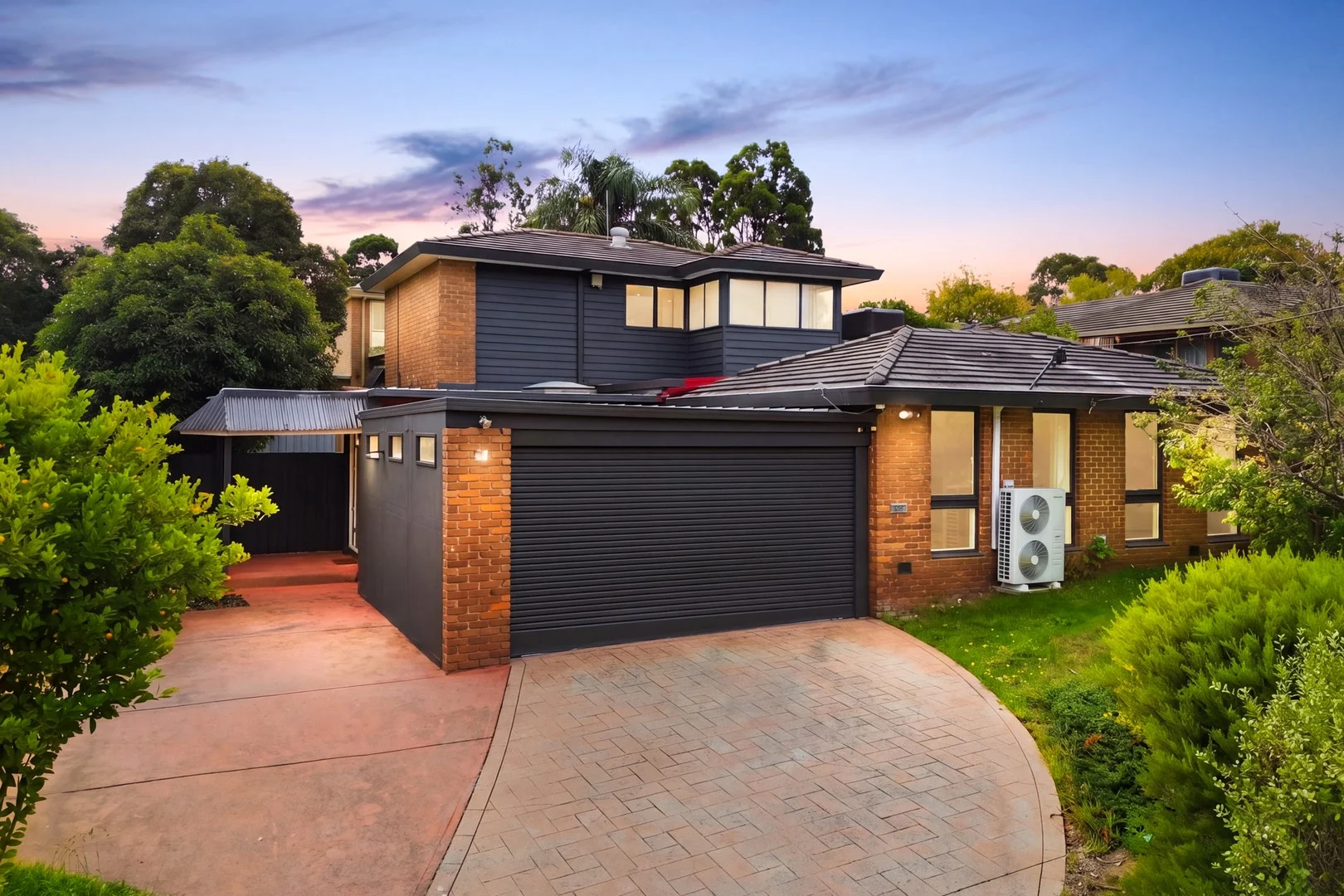 $1,220,000 - $1,320,000
House
$1,220,000 - $1,320,000
House
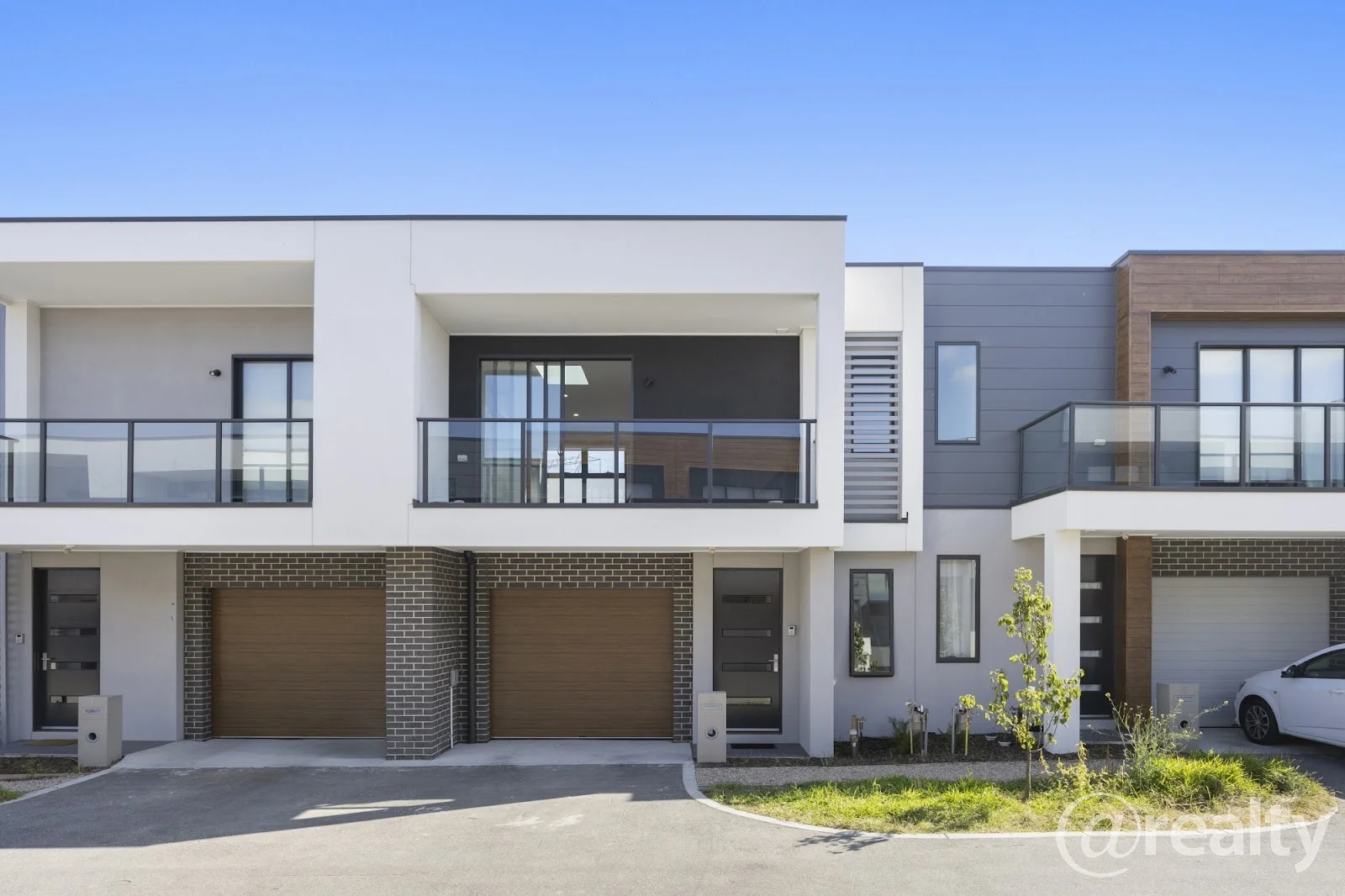 $510
Townhouse
$510
Townhouse
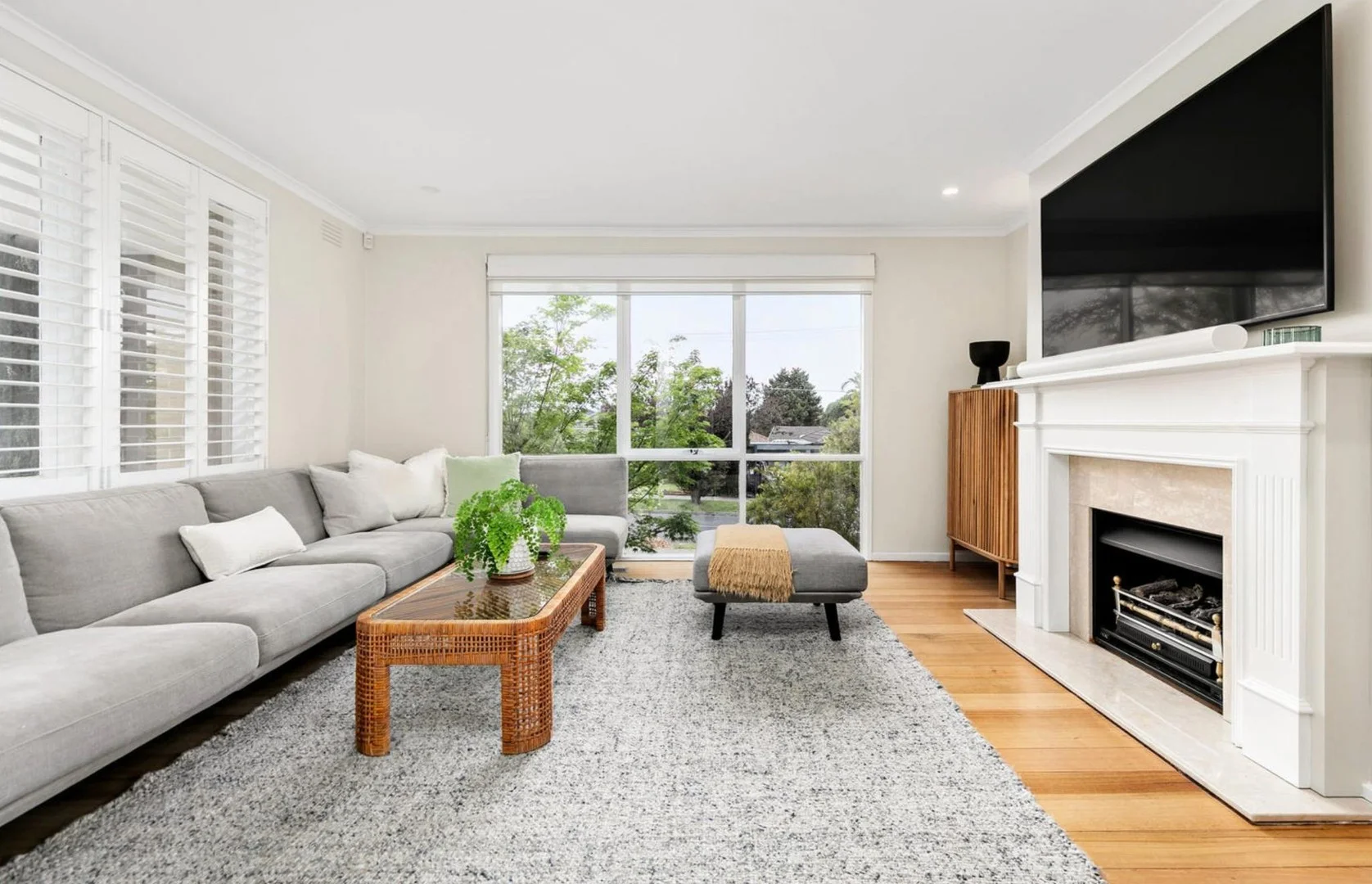 $750
House
$750
House
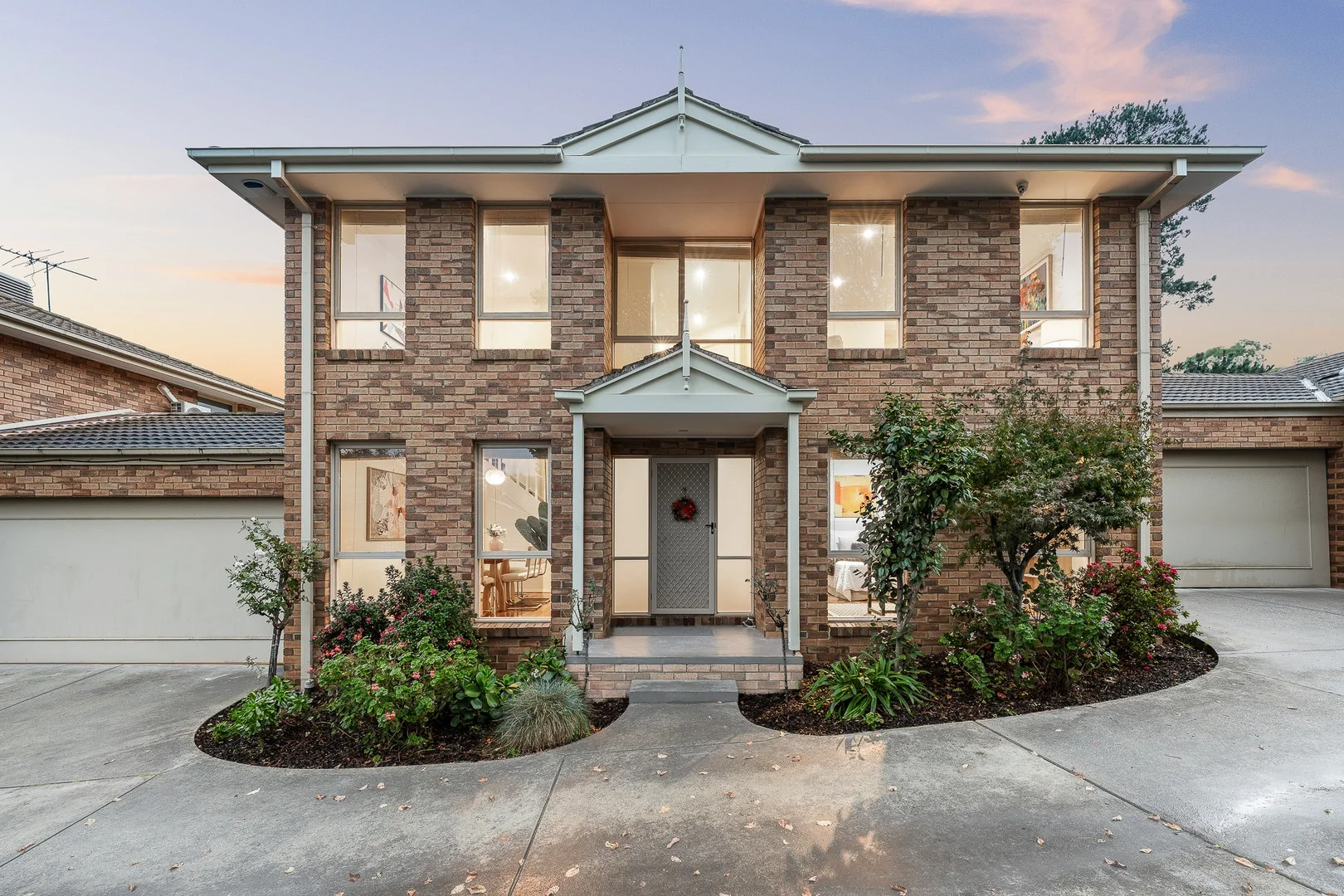 $950,000 - $1,045,000
Apartment / Unit / Flat
$950,000 - $1,045,000
Apartment / Unit / Flat
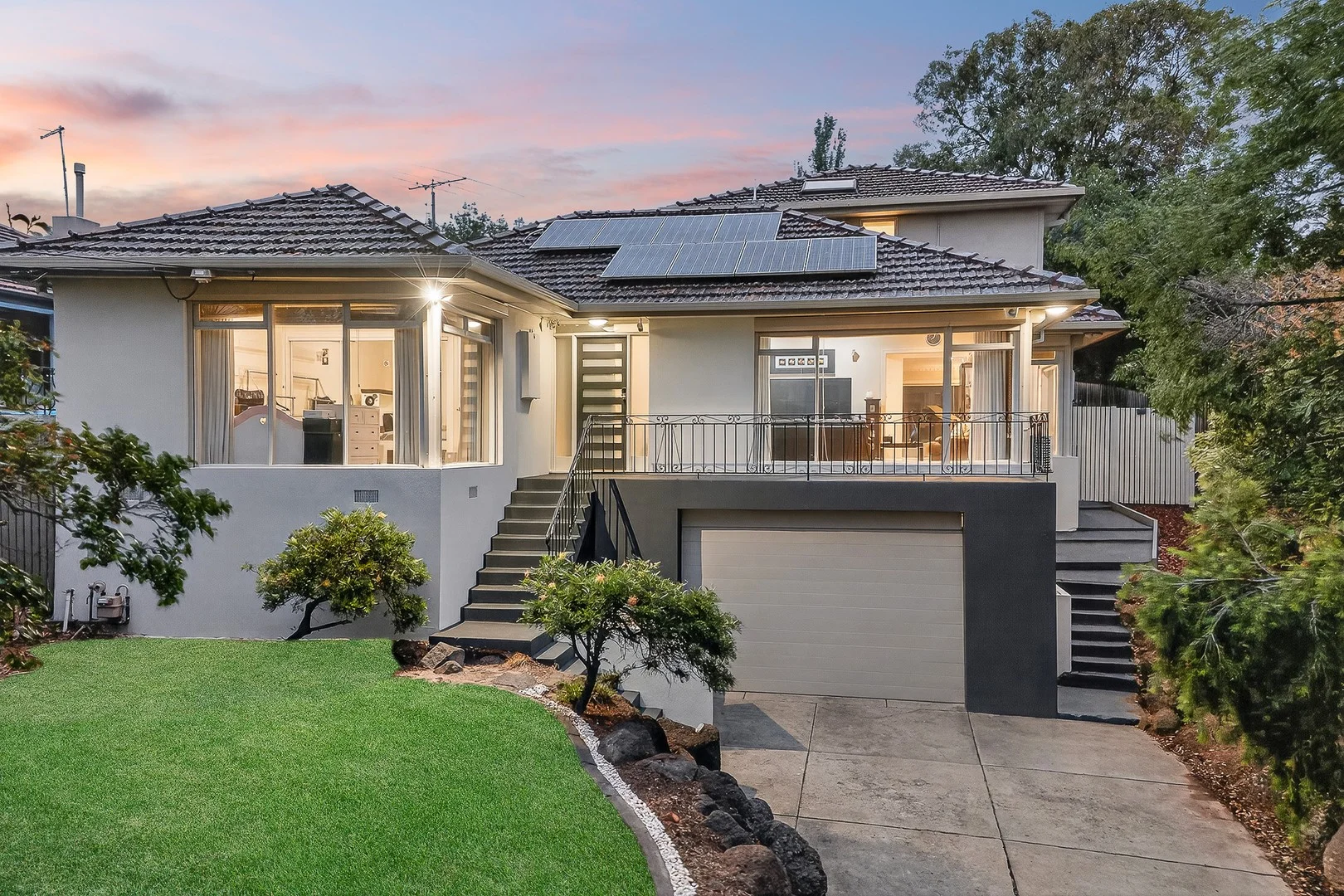 $1,350,000 - $1,450,000
House
$1,350,000 - $1,450,000
House
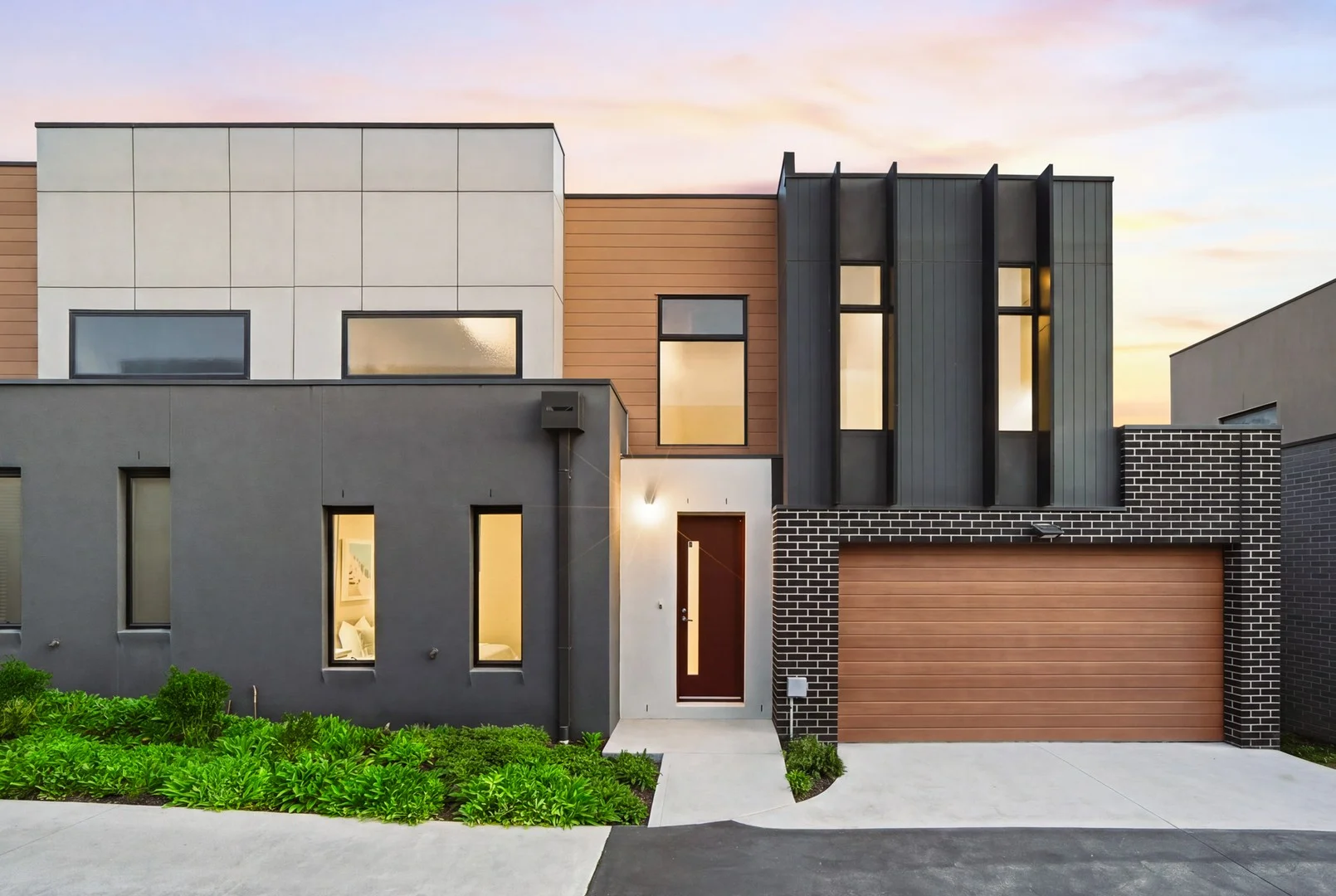 $900,000 - $990,000
Townhouse
$900,000 - $990,000
Townhouse
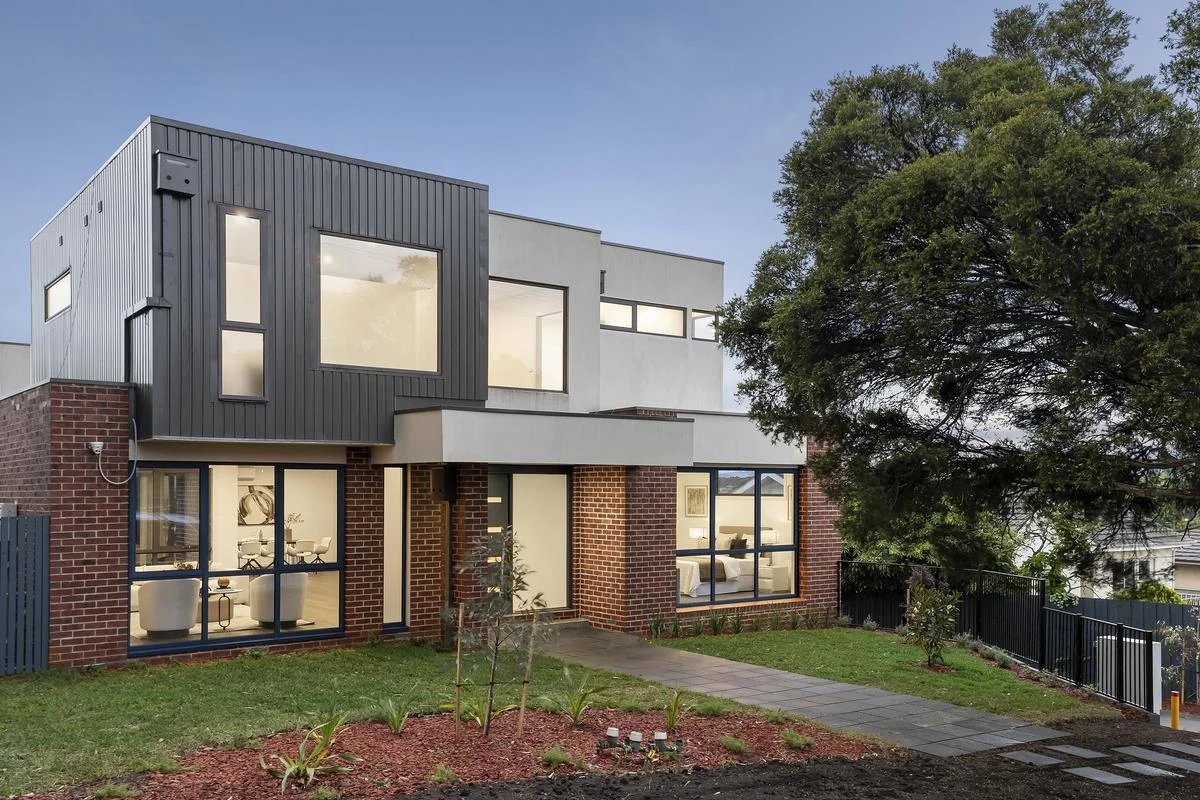 $1,550,000 - $1,650,000
Townhouse
$1,550,000 - $1,650,000
Townhouse
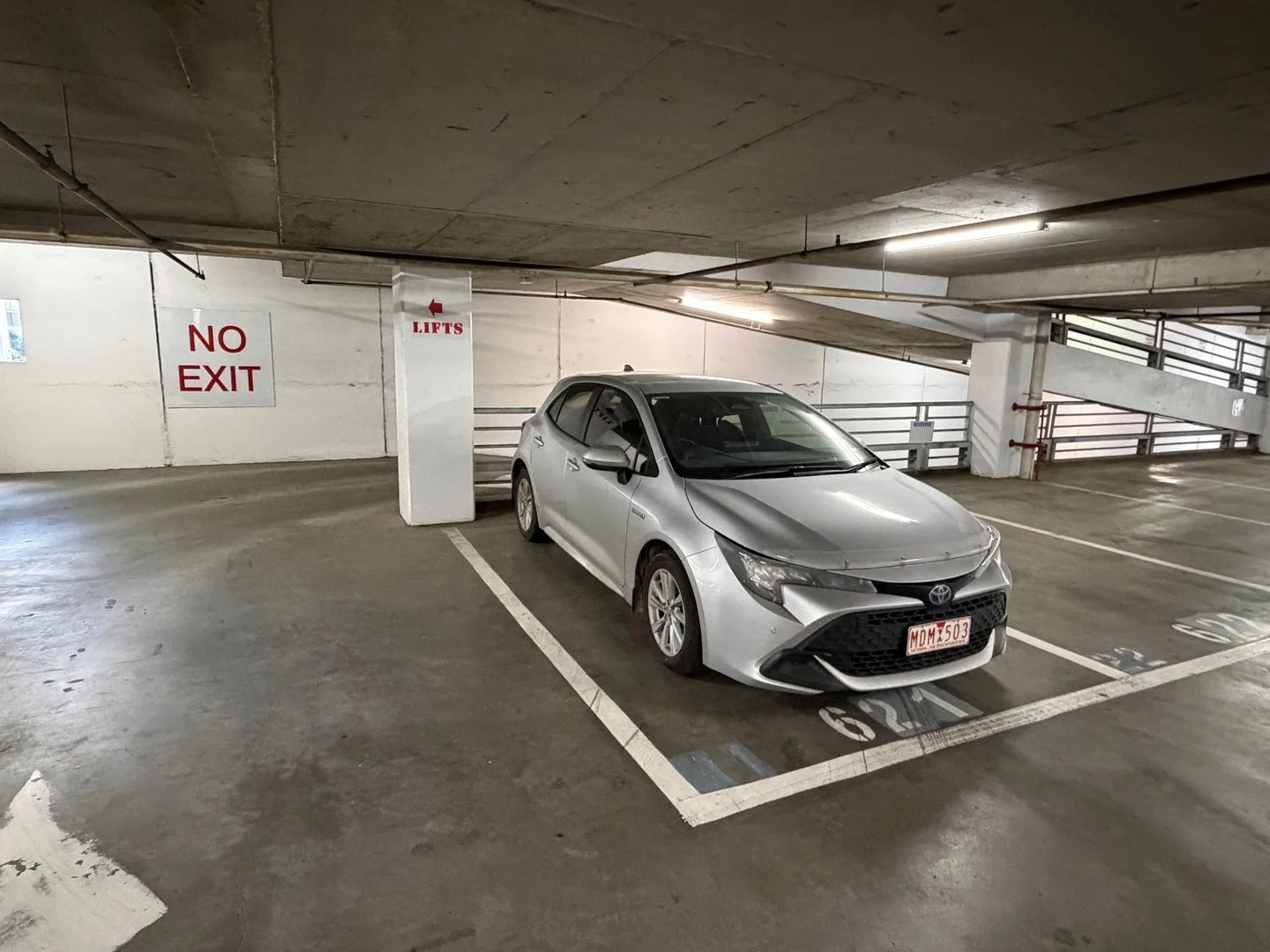 $27,500
propertyType.CAR SPACE
$27,500
propertyType.CAR SPACE
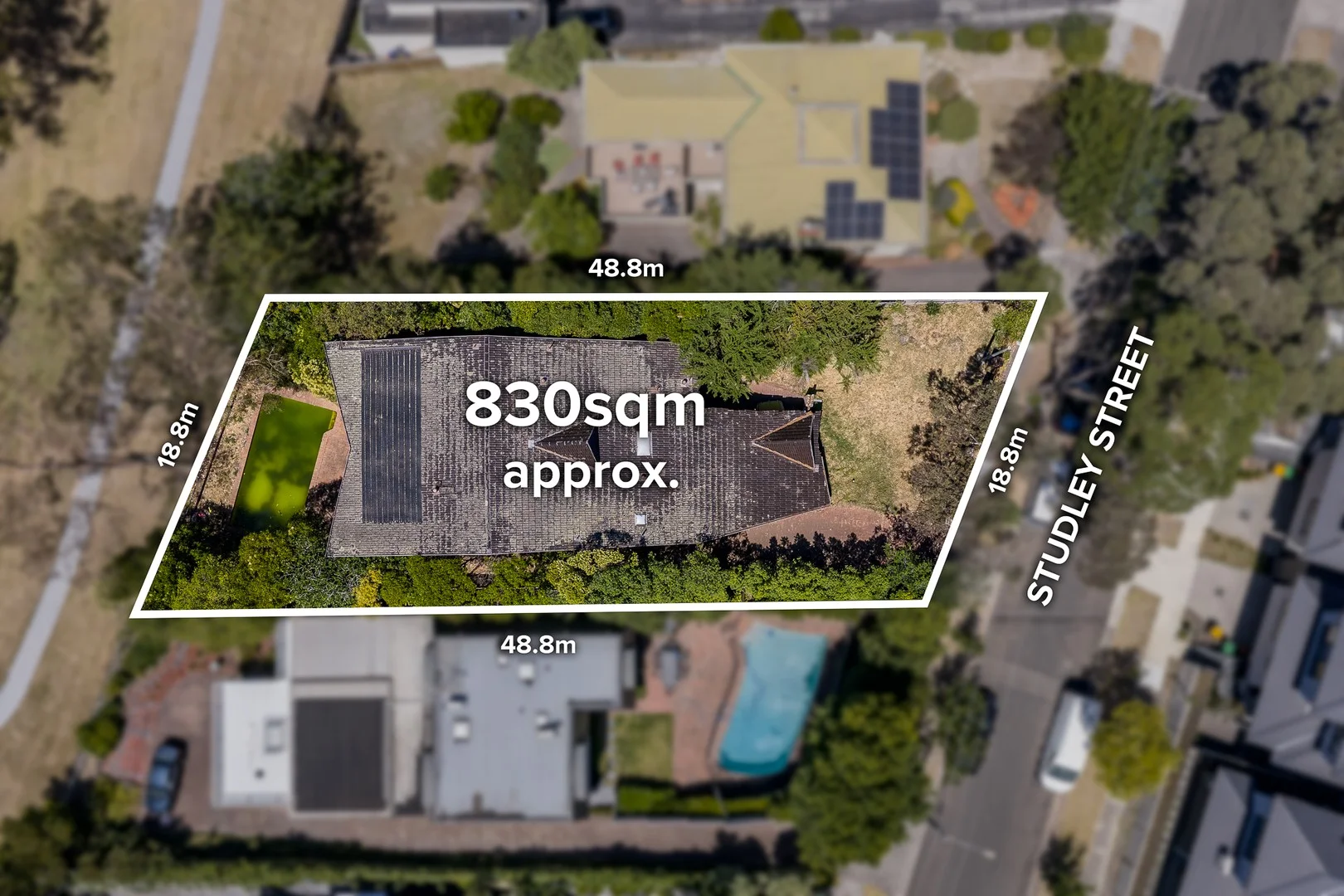 $1,400,000 - $1,500,000
House
$1,400,000 - $1,500,000
House