Overview
1. Overview
PRACE College in Reservoir, VIC 3073 is a public secondary school designed to serve a diverse local community with a focus on inclusive, student-centered learning. The school aims to provide a balanced, well-rounded education that supports academic achievement while fostering resilience, responsibility and a sense of belonging among students.
- School type: Public (government)
- School size: Medium
- Class size: Approximately 22–26 students per class
- Atmosphere/culture: Inclusive, academically focused, diverse, supportive
⸻
2. Academics & Learning
PRACE College emphasizes a broad academic program that supports students across key domains and pathways. Strengths typically include English, STEM subjects and language studies, with a strong emphasis on literacy and numeracy skills and real-world application. The school provides pathways to the Victorian Certificate of Education (VCE) and broader senior secondary options, along with related vocational opportunities.
- Academic strengths: English, STEM, digital literacy, languages; leadership development
- Special programs: VCE subject blocks and pathways, Vocational Education and Training (VET) options, targeted literacy/numeracy support; opportunities for enrichment and extension
- NAPLAN trends: Positive trajectory with steady improvement across literacy and numeracy years; generally aligns with state trends
- Student-teacher ratios: Roughly 1:13 to 1:18, with smaller groups for targeted support
- Support for diverse learners: EAL support, SEN support, Learning Support Officers, inclusive teaching practices
⸻
3. Sports & Extracurricular Strengths
A strong emphasis is placed on well-rounded development, with a range of sports and extracurricular activities that appeal to students aged 10–14 and beyond.
- Sports offered: Football (soccer), basketball, netball, cricket, athletics, swimming, and soccer
- Strong teams or achievements: Participation in district-level competitions with opportunities to progress to regional finals
- Music, arts, drama programs: Active music ensembles, drama productions and performing arts opportunities
- Clubs: Robotics, chess, coding, debating and public speaking
- Partnerships: Engagements with local clubs, community organizations and inter-school competitions to extend opportunities
⸻
4. Wellbeing & Pastoral Care
Wellbeing and pastoral care are central to the school experience, with systems in place to support student welfare and positive school culture.
- Anti-bullying approach: Whole-school anti-bullying policy, restorative practices and peer support programs
- House system: Four house groups that run along with events and competitions to build community and belonging
- Counsellors / wellbeing officers: Access to school counsellors and wellbeing staff for individual and small-group support
- Transition support for new students: Orientation, buddy programs, and targeted supports to help new students settle in
⸻
5. Facilities
The school provides a range of facilities to support teaching, learning and student life, presented in a visually accessible way.
- Sports grounds
- Libraries
- Science labs
- Music/performing arts centers
- Tech/innovation labs
- Cafeteria
- Updated playgrounds
⸻
6. School Values & Community Culture
Understanding the kind of students who thrive here helps families assess fit and culture.
- School values / mission: Respect, Responsibility, Excellence, Inclusion (with ongoing emphasis on integrity and community contribution)
- Leadership style: Distributed leadership with student voice opportunities (student council, leadership roles)
- Behaviour expectations: Clear expectations focused on respectful conduct, accountability and positive relationships
- Community reputation: Known for a supportive school culture and active family involvement
- Diversity & inclusion: Strong commitment to inclusion and support for a diverse student body
⸻
7. School Logistics & Daily Operations
Practical day-to-day details help families plan around school routines.
- School hours: 9:00 am to 3:30 pm (typical)
- Before/after school care: Availability through local/partner providers; check seasonally for spaces
- Uniform requirements: Standard school uniform; details on procurement and dress code provided by the school
- Transport (train/bus routes): Access via local bus routes and nearby train stations; catchment information used for enrollment
- Canteen availability: On-site canteen operating on most school days
- Fees (low/medium/high ranges): Public schools typically have low to modest voluntary contributions and uniform costs; list of standard fees provided at enrolment
⸻
8. Enrolment & Admissions
11. What is the enrolment process and timeline?
12. Is there a waiting list, and how does it work?
13. Are there any entry requirements, tests, or interviews?
14. Does the school accept mid-year transfers?
Enrolment for a Victorian public school generally follows a catchment-based process. Applications are typically submitted via the school’s enrolment system or the Department’s portal, with timelines aligned to the start of the school year. Families are advised to apply early and to provide proof of residence within the school’s catchment. Where space allows, new enrolments may be considered for mid-year transfers.
- Enrolment process and timeline: Apply through the school/Department portal; submission of student records; placement communicated ahead of the school year; transition planning support
- Waiting list: In high-demand periods there may be a waiting list; placements are often determined by catchment priority and space availability; duration varies by term and year
- Entry requirements, tests or interviews: Typically no entrance exam; some programs or supports may require assessments (e.g., English, maths) for targeted support or language needs; interviews may occur for specific pathways or programs
- Mid-year transfers: Possible if there is space; requires formal application, transfer documentation, and coordination with the receiving school for timetable alignment
⸻
9. Frequently Asked Questions
- Why Parents Choose This School?
The school offers a balanced curriculum, a supportive learning environment, and strong pastoral care, with opportunities across academics, sports and the arts that suit a wide range of student interests.
- What type of student thrives at this school?
Students who are motivated, cooperative, and engaged in both classroom learning and co-curricular activities tend to thrive. The school supports diverse learners and values inclusive participation.
- What opportunities are available for students to extend their skills (academics, sports, arts)?
Opportunities include accelerated subject offerings, VCE pathways, VET options, clubs (robotics, coding, chess, debating), music and drama programs, and school-level sports and inter-school competitions.
- How does the school communicate with parents?
Regular communications are typically via newsletters, a school app or portal, emails, and parent-teacher conferences. The school also shares updates through meetings and notices.
- What is the school’s approach to teaching and learning?
A student-centred approach with evidence-based teaching, integration of technology, differentiated instruction, and ongoing assessment to guide learning.
- How does the school support students who need extra academic help?
Targeted literacy and numeracy support, EAL and SEN services, Learning Support Officers, and small-group tutoring are available.
- What support is available for academic challenges?
Access to tutoring, tailored learning plans, accommodation adjustments where appropriate, and ongoing monitoring by teachers and support staff.
- How does the school communicate with parents? (repeated)
See above: newsletters, app/portal, emails, and regular conferences.
- What are the class sizes and how much individual attention do students receive?
Class sizes are typically around 22–26 students, with additional small-group or one-on-one support available for students who need it.
- What extracurricular and sports opportunities are available?
A range of sports (e.g., football, basketball, netball, cricket, athletics), clubs (robotics, chess, coding, debating), and arts programs (music and drama) are available, with pathways to district and regional competitions.
- What facilities does the school offer (sports, science, arts)?
Facilities include sports grounds, libraries, science labs, performing arts spaces, technology/innovation labs, a canteen, and updated outdoor spaces.
- What is the school’s approach to technology and digital learning?
Integration of digital literacy across the curriculum, use of an online learning platform for assignments and communications, and access to devices as part of a supported program.
- What transport and accessibility options are available?
Public transport connections via local bus routes and nearby train stations; accessible routes and car drop-off areas are coordinated with the school.
- What are typical school fees or additional costs?
As a public school, basic costs are modest with possible voluntary contributions and uniform-related expenses; families are provided with a clear breakdown at enrolment.
⸻
10. Short Pros & Cons list
- Pros
- Inclusive, supportive learning environment
- Broad range of academic and extracurricular opportunities
- Strong wellbeing and pastoral care
- Moderate class sizes and active student engagement
- Accessible transport options and central location
- Cons
- Space constraints during peak enrolment periods may lead to waiting lists
- Uniform and some activity costs can add to annual expenses
- Availability of specialized programs may vary by year and student demand
⸻












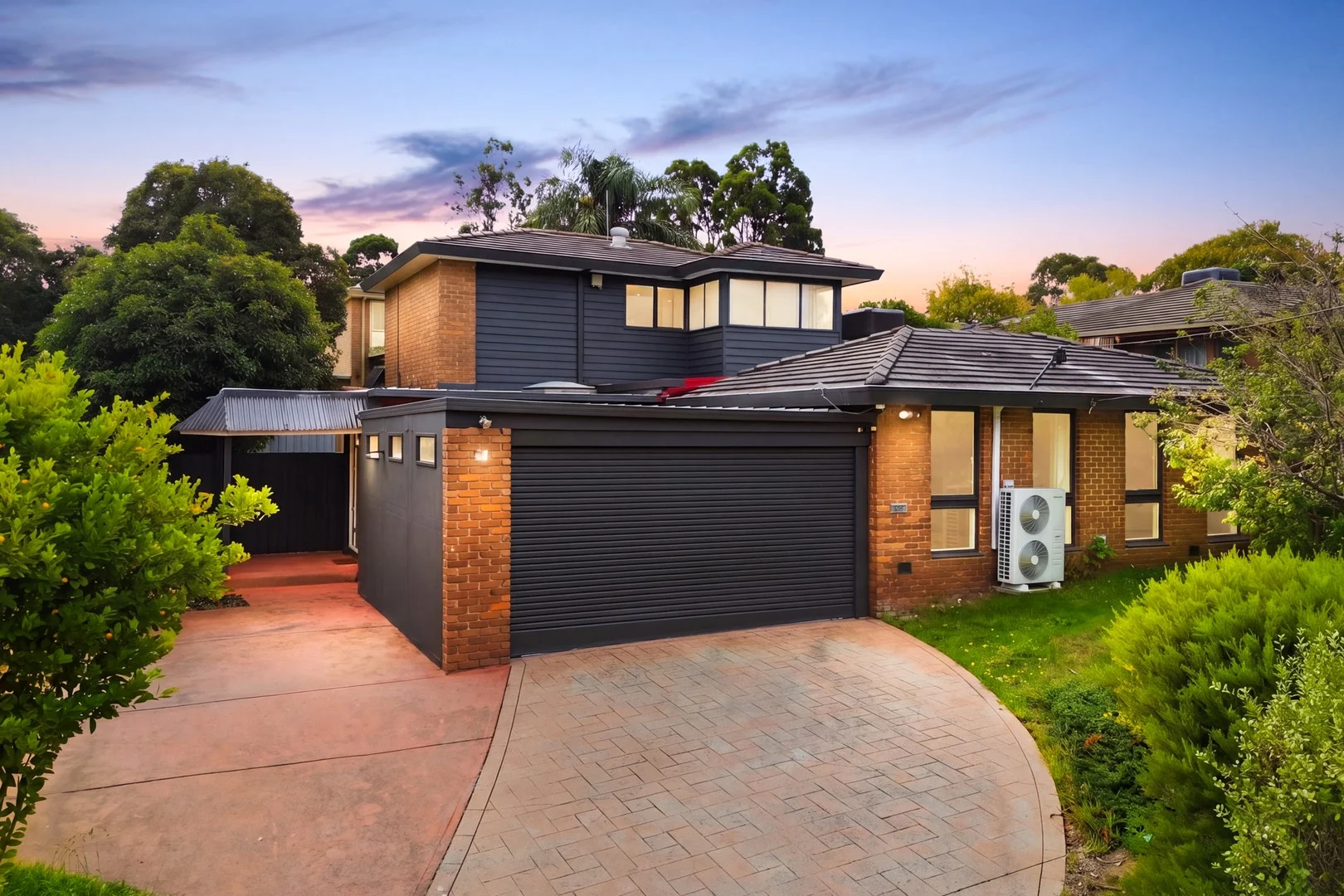 $1,220,000 - $1,320,000
House
$1,220,000 - $1,320,000
House
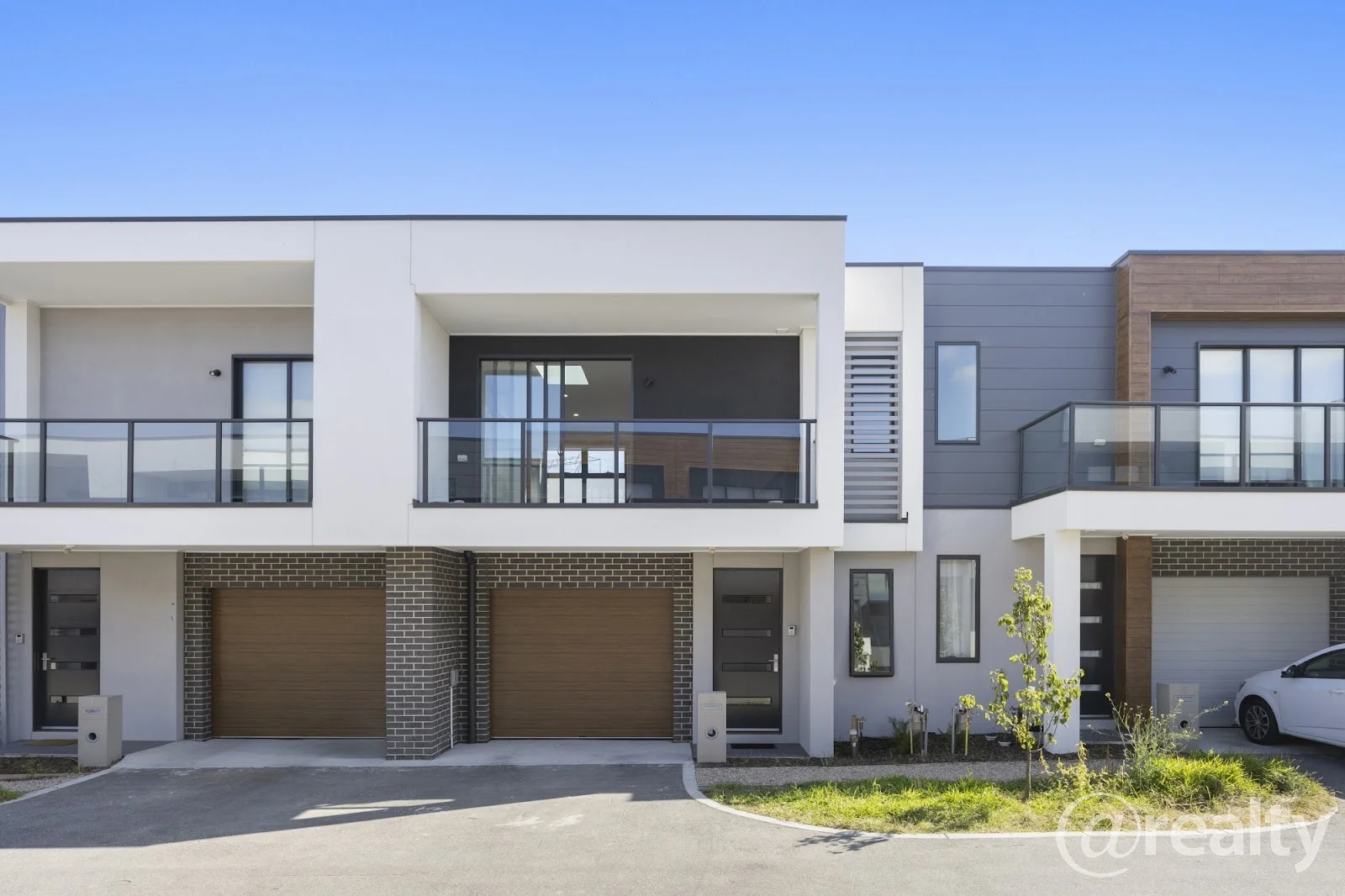 $510
Townhouse
$510
Townhouse
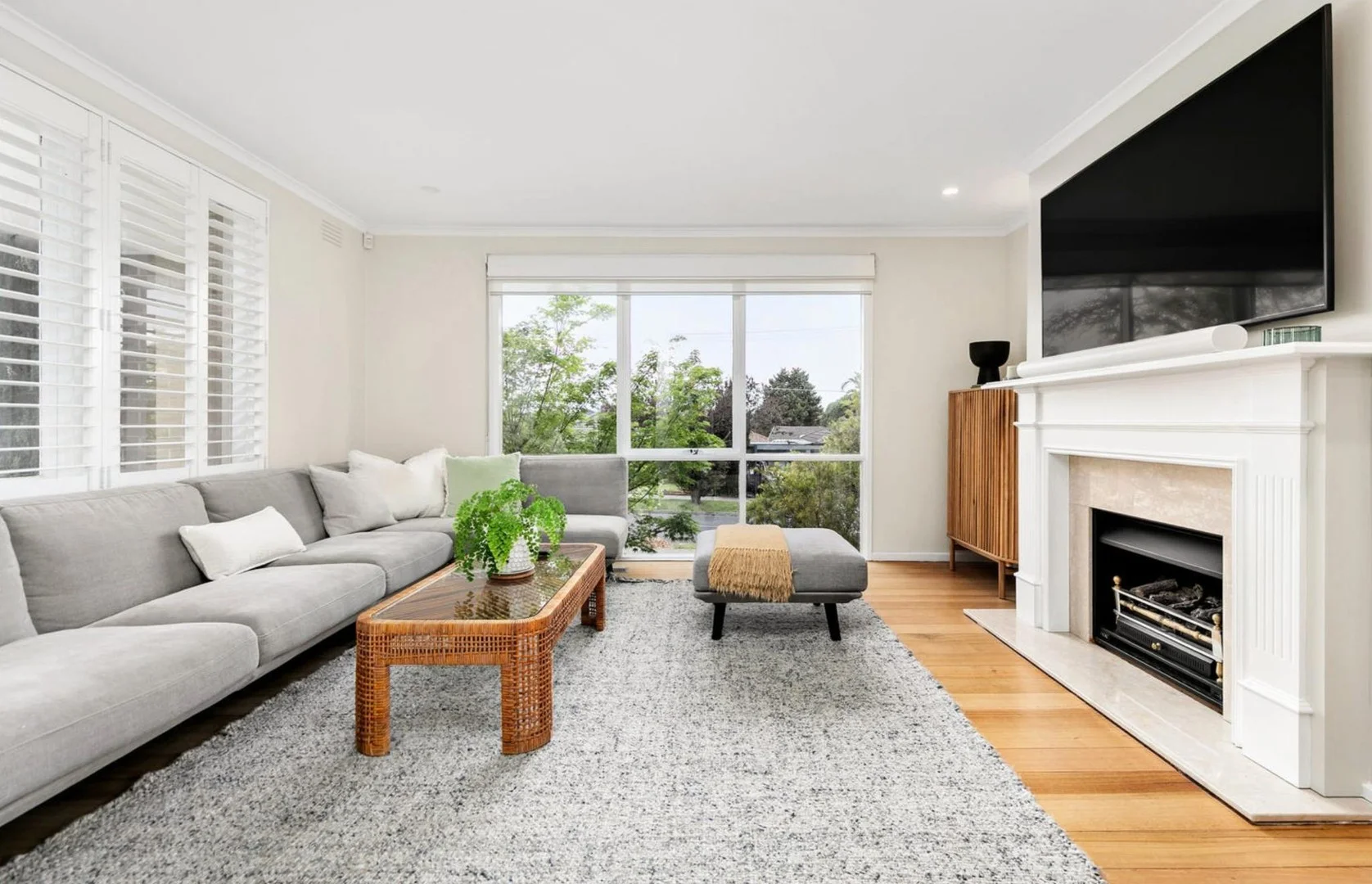 $750
House
$750
House
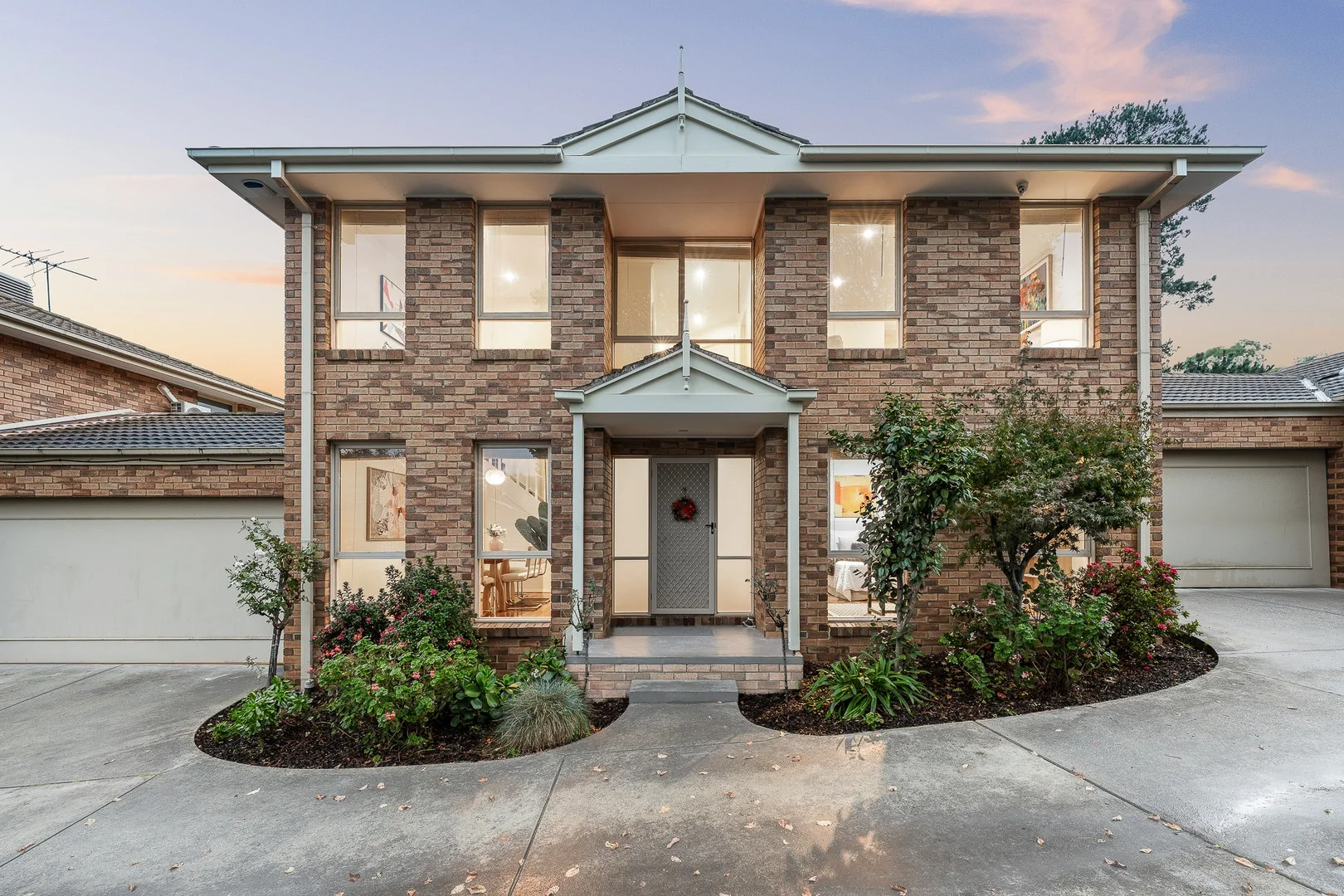 $950,000 - $1,045,000
Apartment / Unit / Flat
$950,000 - $1,045,000
Apartment / Unit / Flat
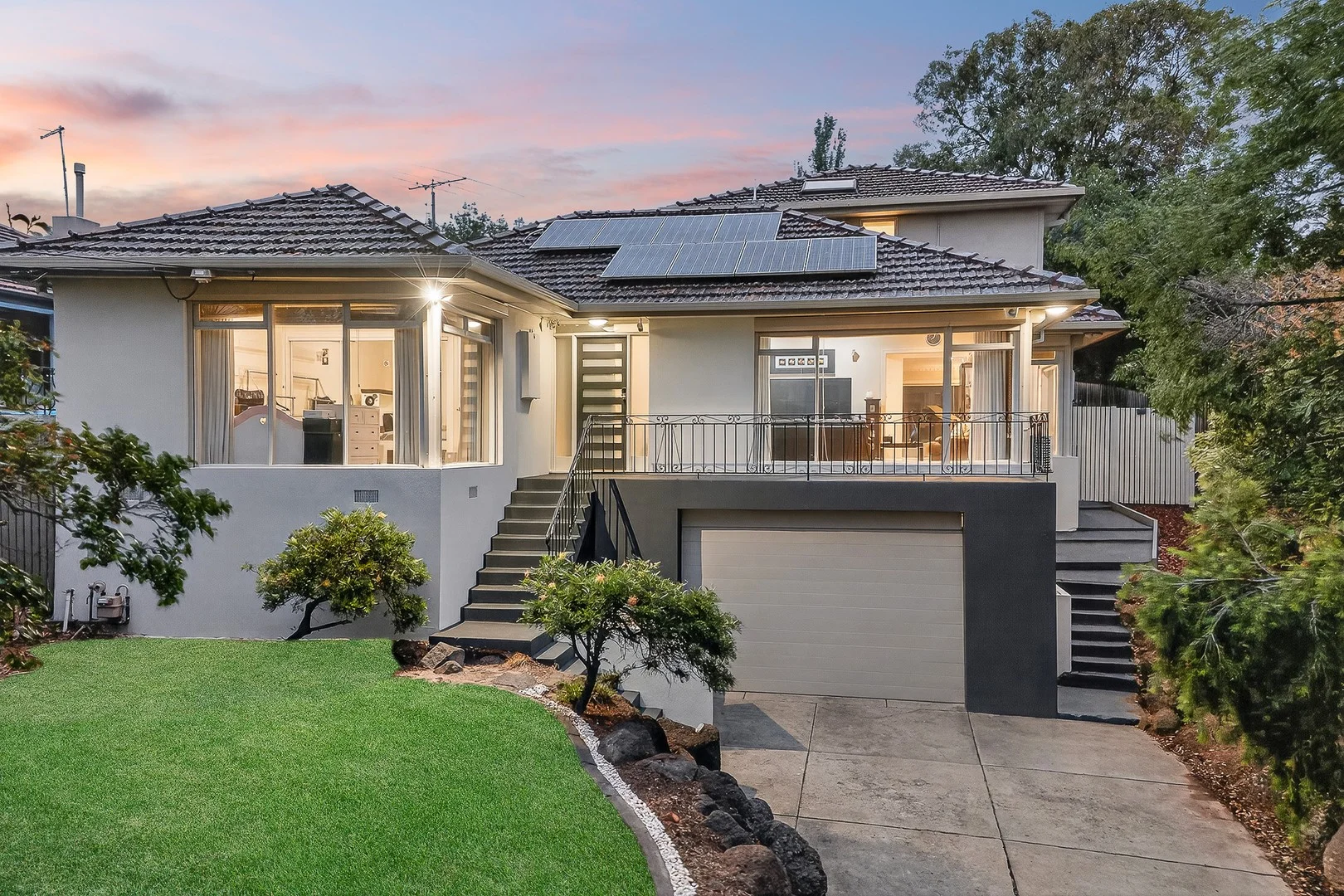 $1,350,000 - $1,450,000
House
$1,350,000 - $1,450,000
House
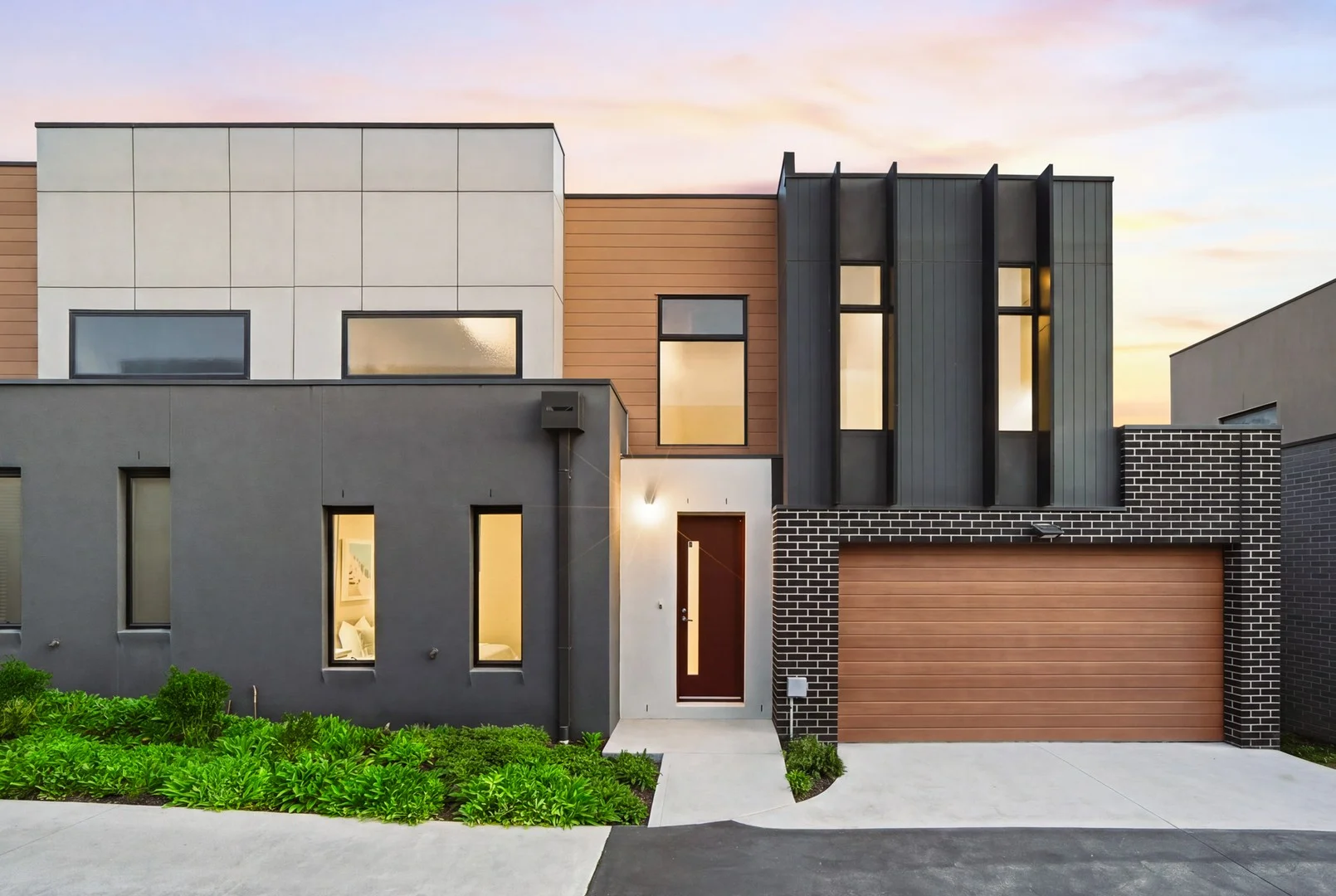 $900,000 - $990,000
Townhouse
$900,000 - $990,000
Townhouse
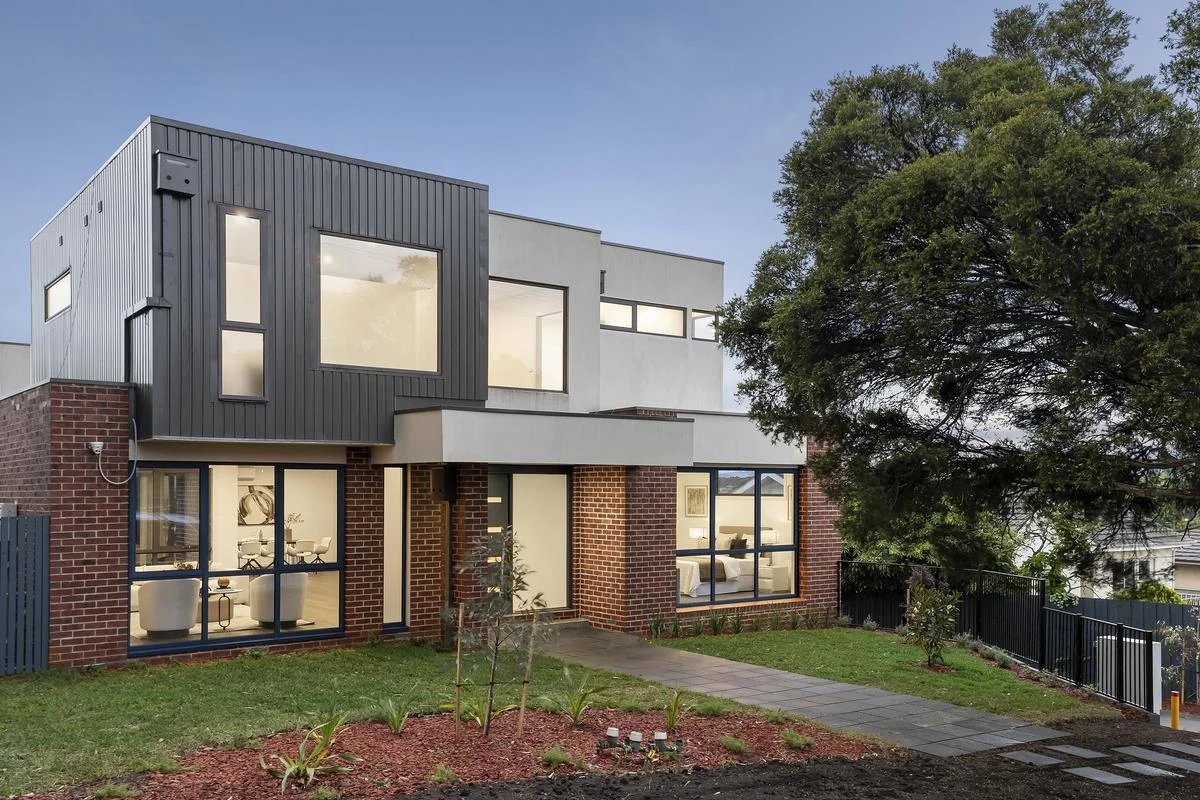 $1,550,000 - $1,650,000
Townhouse
$1,550,000 - $1,650,000
Townhouse
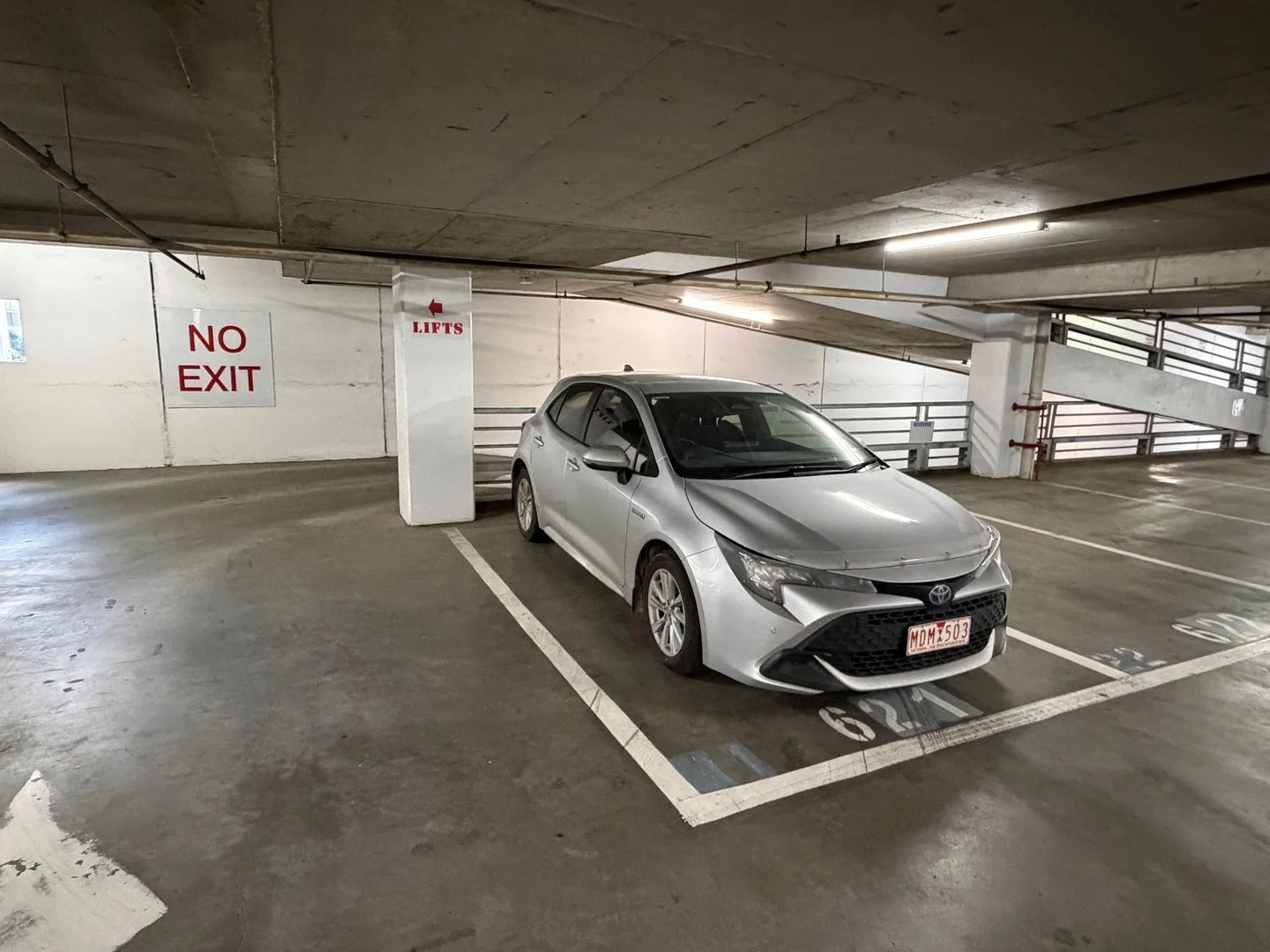 $27,500
propertyType.CAR SPACE
$27,500
propertyType.CAR SPACE
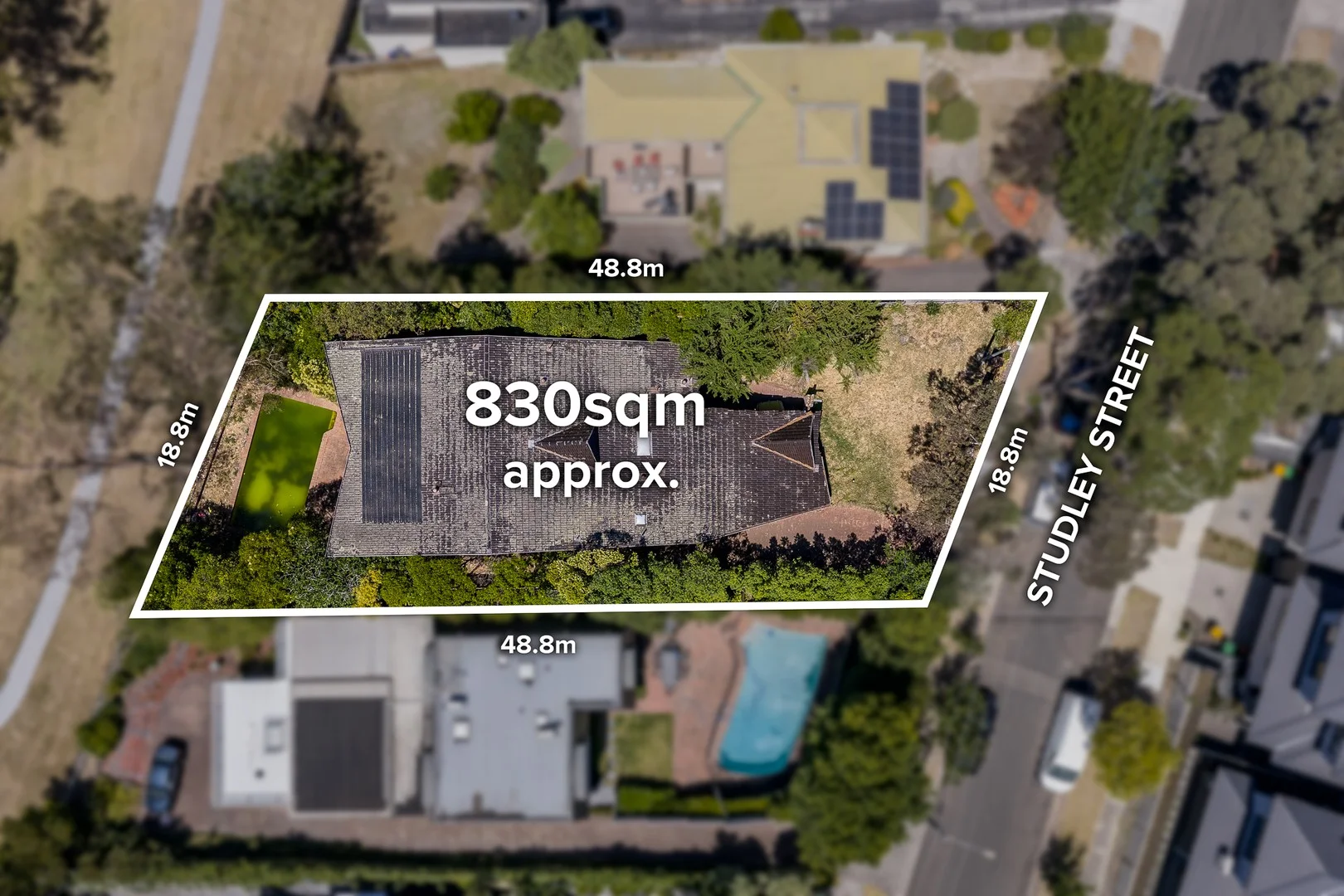 $1,400,000 - $1,500,000
House
$1,400,000 - $1,500,000
House