## 1. Overview
Princes Hill Secondary College is a public (government) secondary school serving Melbourne’s inner-north. It is a co-educational community with a strong focus on inclusive education and community involvement. The school aims to balance academic achievement with opportunities in the arts, sport, and leadership.
The school is medium-sized, with class sizes typically in the low- to mid-20s. The atmosphere is inclusive and academically oriented, supported by a culture that values diversity, student voice, and a broad range of interests.
---
## 2. Academics & Learning
- Academic strengths: English, STEM, leadership development, and language studies are emphasised, alongside opportunities in the arts and humanities.
- Special programs: Gifted and Talented pathways, accelerated learning where available, and a focus on project-based and inquiry-led learning to stretch capabilities.
- NAPLAN trends: Public data over recent years show stable to improving performance in reading and numeracy, with targeted school supports used to address gaps and lift outcomes.
- Student-teacher ratios: Class sizes generally mid-20s, with teacher support and targeted small-group sessions to assist learning.
- Support for diverse learners: EAL (English as an Additional Language) support, SEN support, and inclusive education plans are in place to help students reach their potential.
---
## 3. Sports & Extracurricular Strengths
- Sports offered: Basketball, netball, soccer, football, cricket, tennis, athletics, swimming, and cross-country are among the core offerings.
- Strong teams or achievements: Active participation in local and regional competitions across a range of sports, with emphasis on inclusive participation and team development.
- Music, arts, drama programs: A variety of music ensembles, choirs, and drama activities support creative expression and performance opportunities.
- Clubs: Robotics, chess, coding, debating, and other interest-based clubs are available to broaden skills and collaboration.
- Partnerships: Connections with local community clubs and regional competitions provide additional practice and performance opportunities for students.
---
## 4. Wellbeing & Pastoral Care
- Anti-bullying approach: Clear policies, student-led initiatives, and restorative practices are used to promote a safe environment.
- House system: A house-based pastoral structure supports belonging, competition, and peer mentoring.
- Counsellors / wellbeing officers: A dedicated team helps with personal, social, and emotional wellbeing, alongside academic guidance.
- Transition support for new students: Orientation programs, buddy systems, and targeted transition support help new students settle in smoothly.
---
## 5. Facilities
- Sports grounds
- Libraries
- Science labs
- Music/performing arts centers
- Tech/innovation labs
- Cafeteria
- Updated playgrounds
The facilities are designed to be visually engaging and easy to navigate, supporting a wide range of learning activities from hands-on experiments to creative performances.
---
## 6. School Values & Community Culture
- School values / mission: A focus on inclusion, respect, excellence, and student leadership underpins everyday learning and interactions.
- Leadership style: Collaborative and student-centered, with opportunities for student voice in planning and school initiatives.
- Behaviour expectations: Clear codes of conduct with an emphasis on respect, responsibility, and positive relationships.
- Community reputation: A welcoming, family-friendly environment with active involvement from students, families, and staff.
- Diversity & inclusion: A diverse student body is celebrated, with practices aimed at ensuring all students feel valued and supported.
---
## 7. School Logistics & Daily Operations
- School hours: Typical school day runs from morning to early afternoon, with start and finish times aligned to DET schedules.
- Before/after school care: Available through external providers contracted by the school, enabling families to access supervision outside core hours.
- Uniform requirements: School uniform is required; details provided by the school regarding items and purchasing.
- Transport (train/bus routes): Accessible by public transport; information on nearby stops and routes is available via local transport authorities.
- Canteen availability: On-site or school-run canteen provides everyday options.
- Fees (low/medium/high ranges): As a public school, tuition is not charged; families may pay for materials, excursions, and voluntary contributions as applicable.
---
## 8. Enrolment & Admissions
11. What is the enrolment process and timeline?
- Enrolments are handled through the Victorian Department of Education. Applications are typically submitted during the annual intake period. The school may publish timelines for offers and placement, with priority given to eligible catchment students and available spaces.
12. Is there a waiting list, and how does it work?
- Yes, there can be a waiting list when enrolment demand exceeds spaces. Placement on the list is usually determined by catchment status, availability, and timing of applications. Periodic updates are provided to applicants.
13. Are there any entry requirements, tests, or interviews?
- Generally, entry is based on enrolment eligibility and availability. Most public secondary schools do not require entrance tests; interviews are not routine. Non-catchment applications may involve a placement review if space exists.
14. Does the school accept mid-year transfers?
- Mid-year transfers are possible if space is available and the school can accommodate the student’s timetable. Transfer requests are assessed on a case-by-case basis and typically require relevant documentation and a smooth transition plan.
---
## 9. Frequently Asked Questions
- Why Parents Choose This School?
Public education with a welcoming, inclusive culture, balanced academics, strong arts and sports programs, and a focus on student wellbeing and leadership.
- What type of student thrives at this school?
Students who are curious, collaborative, and engaged across academics, arts, and sports; those who value a broad, inclusive program and supportive pastoral care.
- What opportunities are available for students to extend their skills (academics, sports, arts)?
Gifted and Talented pathways, accelerated learning where appropriate, leadership opportunities, sports teams, performing arts ensembles, and clubs like robotics, coding, and debating.
- How does the school communicate with parents?
Regular newsletters, parent portals, email updates, SMS alerts, and parent-teacher interviews are used to share information and progress.
- What is the school’s approach to teaching and learning?
Inquiry-based and differentiated instruction, integration of digital tools, and emphasis on literacy and numeracy development across subjects.
- How does the school support students who need extra academic help?
Targeted interventions, after-school tutoring, EAL/SEN support, and individual learning plans where required.
- What support is available for academic challenges?
Dedicated staff and programs to help students catch up, progress tracking, and regular progress reviews with families.
- How does the school communicate with parents?
See above: newsletters, portals, emails, and interviews.
- What are the class sizes and how much individual attention do students receive?
Class sizes generally sit in the low- to mid-20s, with teachers providing differentiated instruction and opportunities for smaller group support.
- What extracurricular and sports opportunities are available?
A range of sports (ball games, athletics, swimming, etc.) plus clubs and performances across robotics, chess, coding, debating, music, and drama.
- What facilities does the school offer (sports, science, arts)?
Sports grounds, libraries, science labs, music/performing arts facilities, technology/innovation labs, canteen, and well-maintained play spaces.
- What is the school’s approach to technology and digital learning?
Use of digital tools to support learning, access to computer labs and devices, and opportunities in coding and digital projects.
- What transport and accessibility options are available?
Access via public transport with nearby stops; supports for students with accessibility needs as per DET guidelines.
- What are the typical school fees or additional costs?
Public schools have no tuition fees; there may be voluntary contributions, materials charges, excursions, and uniform-related costs.
---
## 10. Short Pros & Cons list
Pros
- Public, inclusive, and community-focused environment
- Balanced emphasis on academics, arts, and sport
- Strong wellbeing and pastoral care
- Broad range of clubs, ensembles, and sporting opportunities
- Support for diverse learners (EAL, SEN)
Cons
- Class sizes in the low- to mid-20s may mean fewer one-on-one opportunities in some contexts
- Transport and travel times can vary depending on catchment location
- As a public school, some programs rely on external provider arrangements and funding cycles
- Availability of certain advanced programs may depend on cohort demand and space

 Free
Free











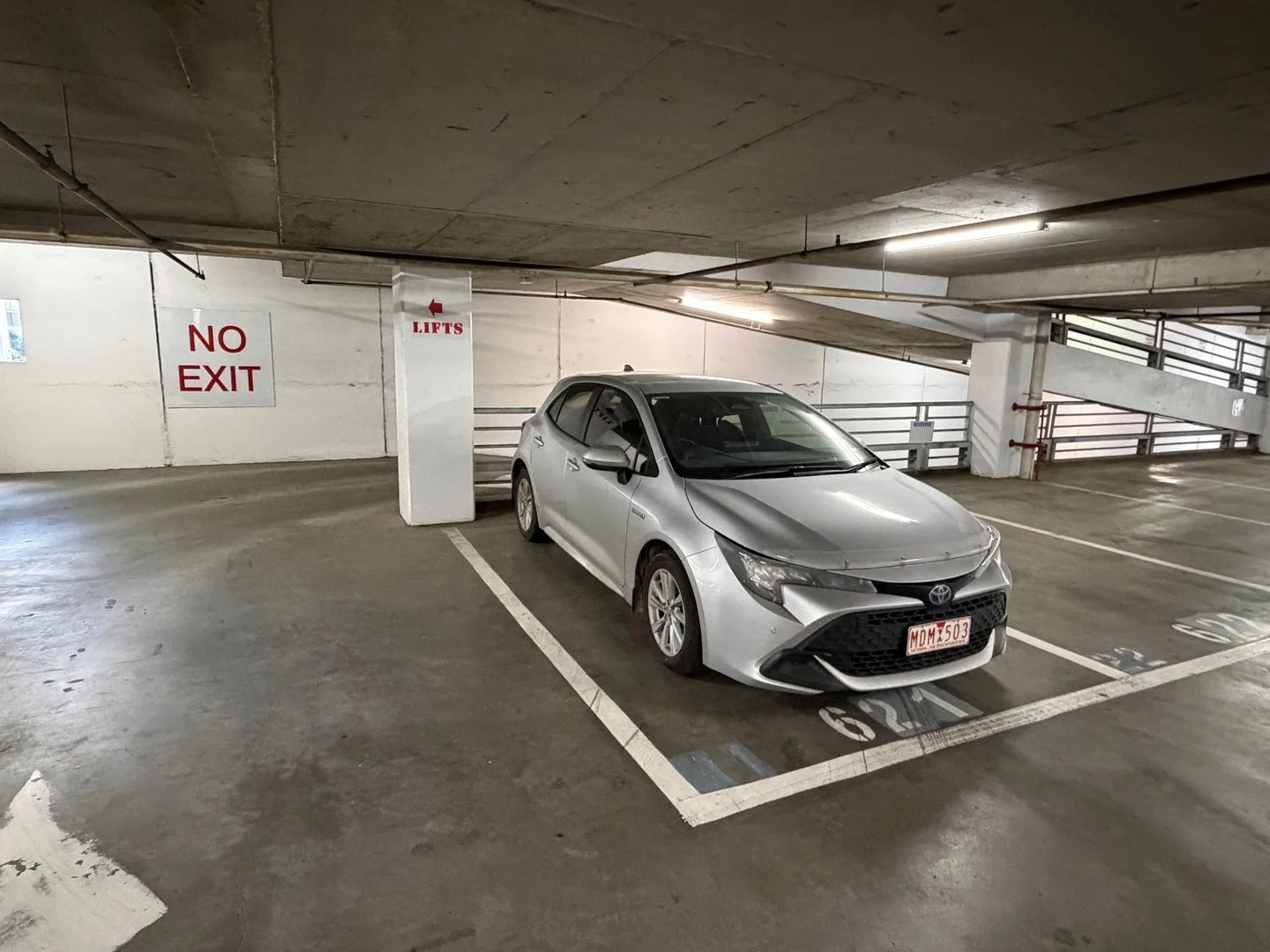 $27,500
propertyType.CAR SPACE
$27,500
propertyType.CAR SPACE
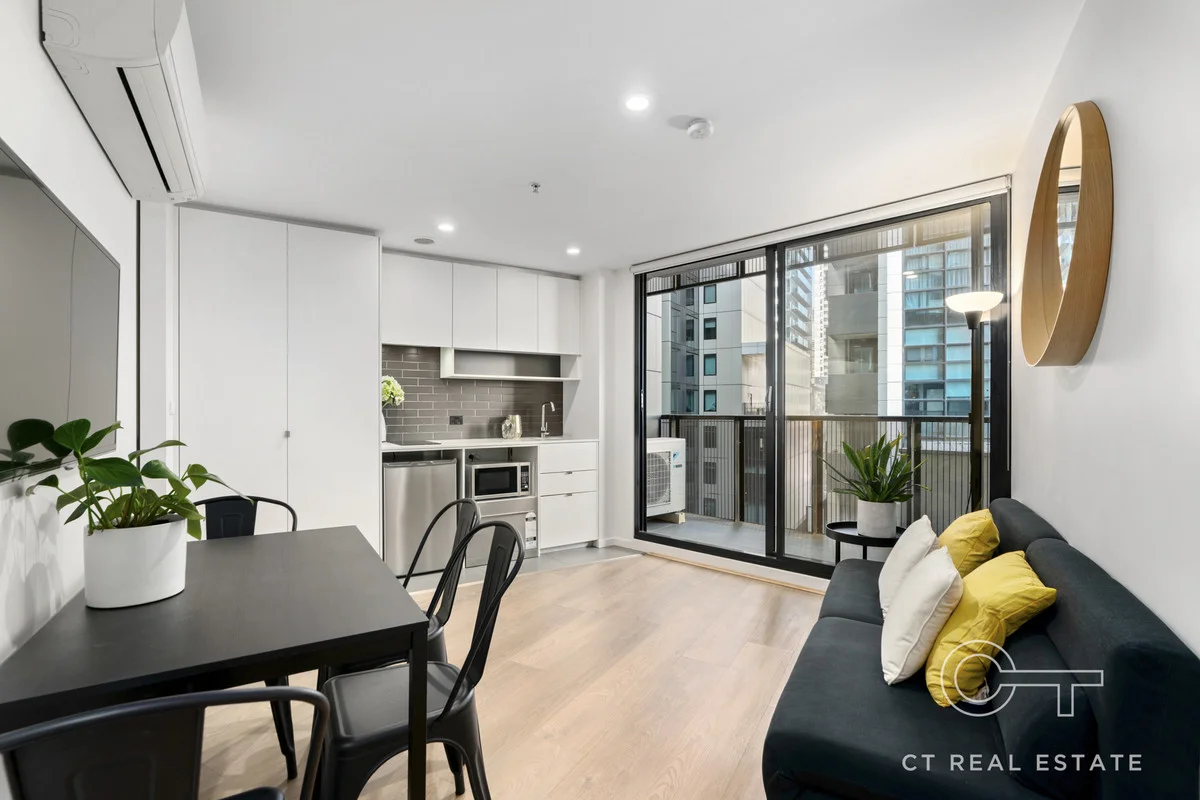 $360,000
Apartment / Unit / Flat
$360,000
Apartment / Unit / Flat
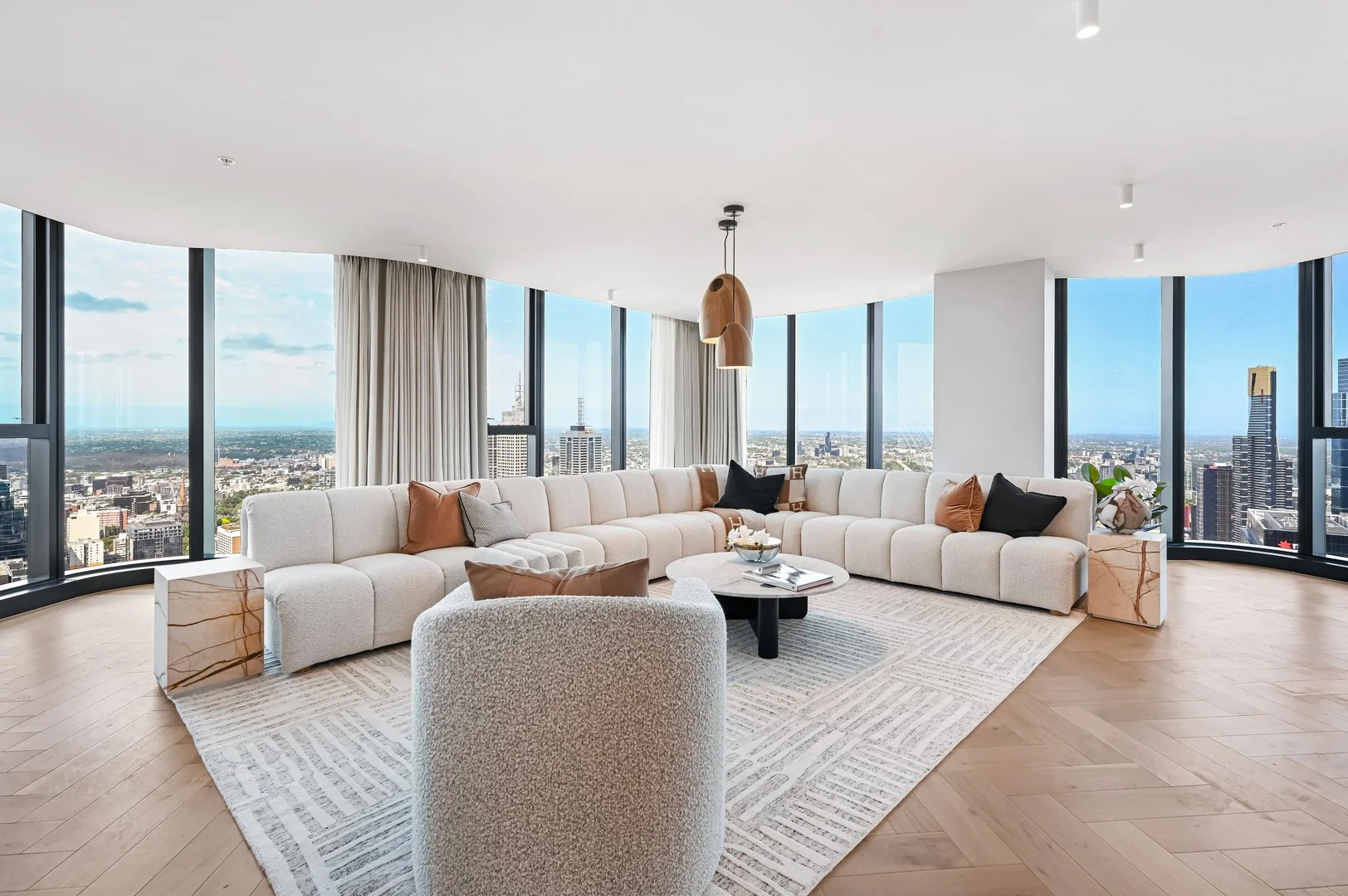 $5,512,000
propertyType.NEW APARTMENTS / OFF THE PLAN
$5,512,000
propertyType.NEW APARTMENTS / OFF THE PLAN
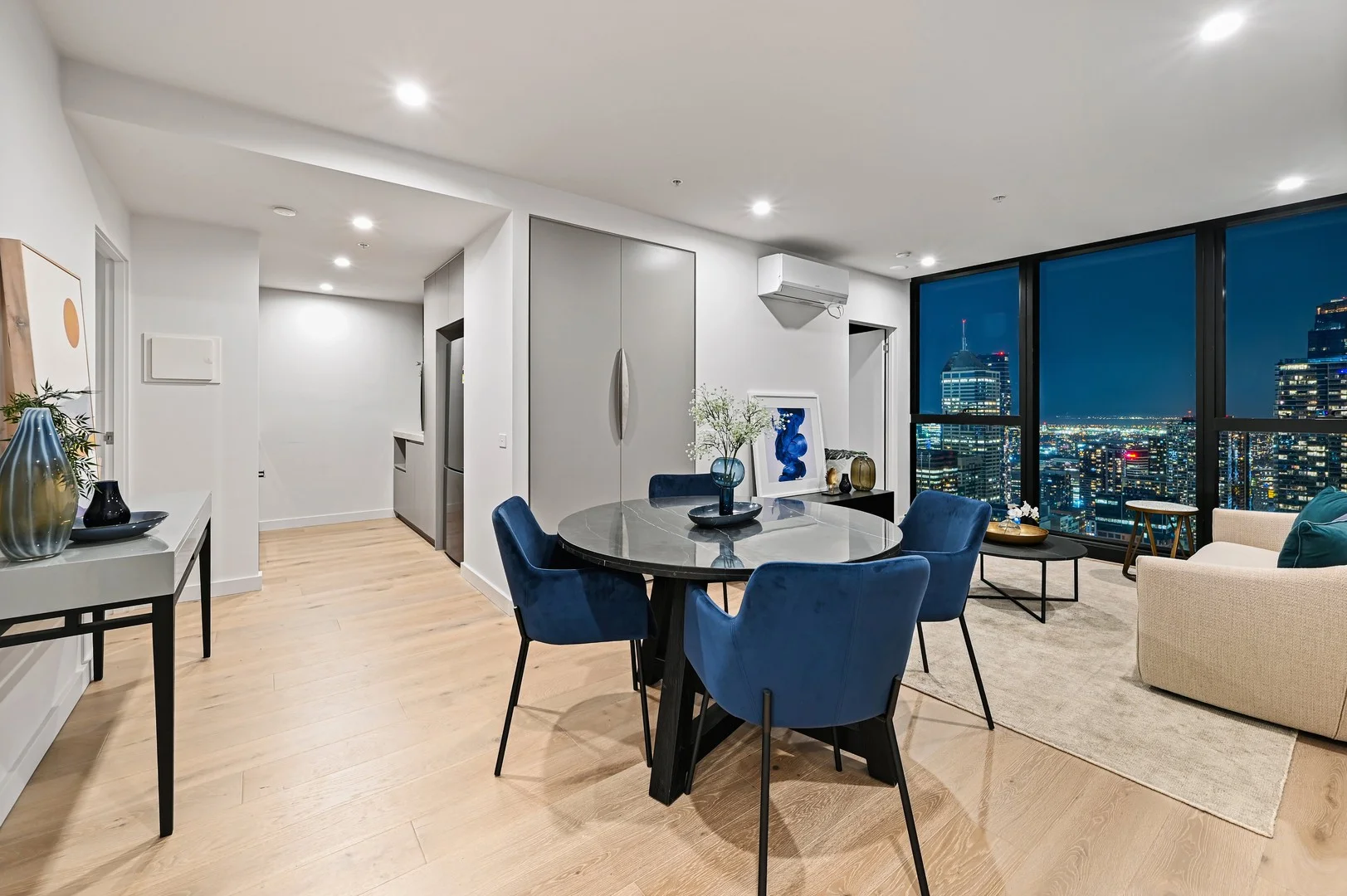 $943,000
propertyType.NEW APARTMENTS / OFF THE PLAN
$943,000
propertyType.NEW APARTMENTS / OFF THE PLAN
 $2,008,000
propertyType.NEW APARTMENTS / OFF THE PLAN
$2,008,000
propertyType.NEW APARTMENTS / OFF THE PLAN
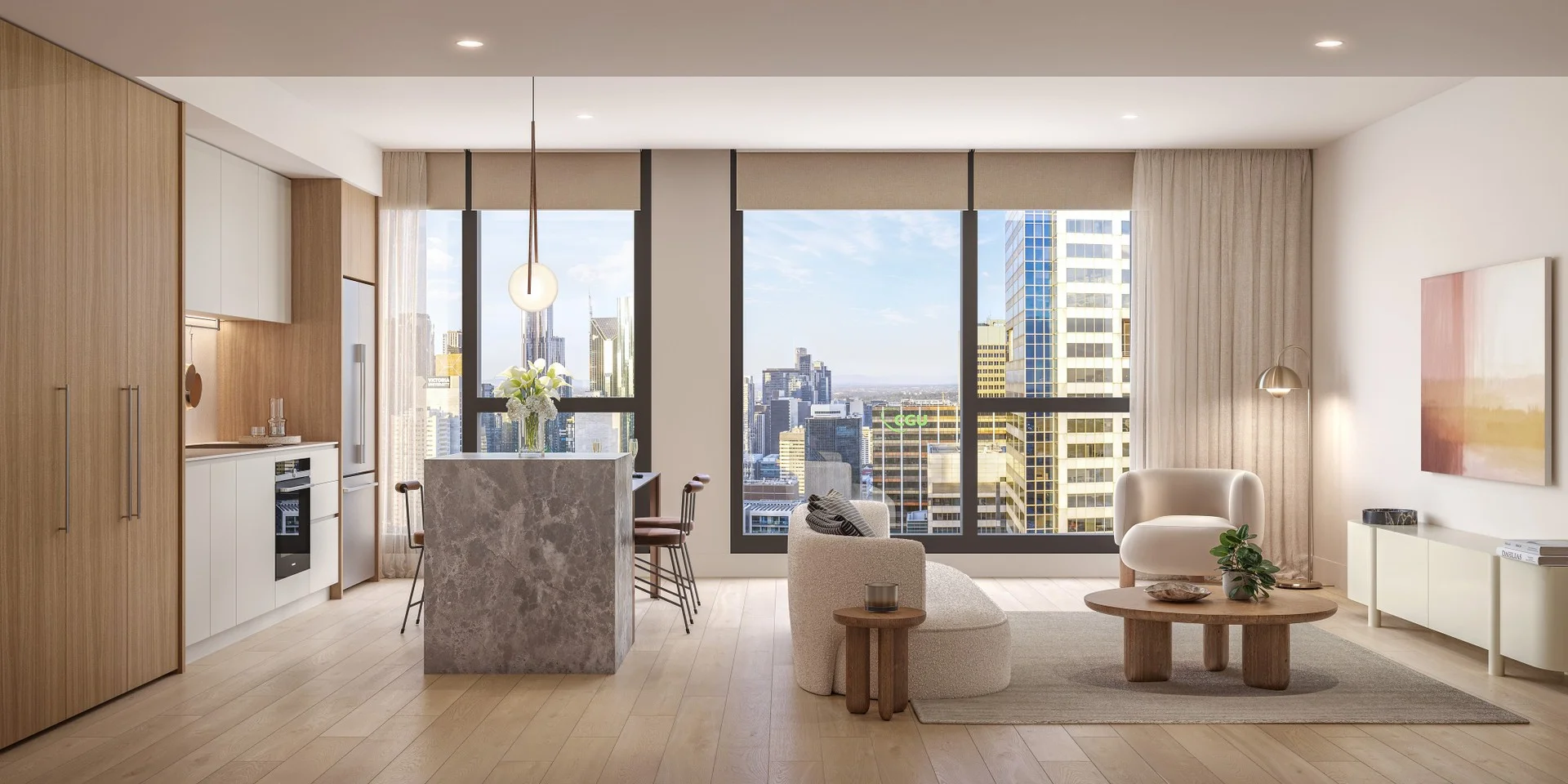 $1,870,000
propertyType.NEW APARTMENTS / OFF THE PLAN
$1,870,000
propertyType.NEW APARTMENTS / OFF THE PLAN
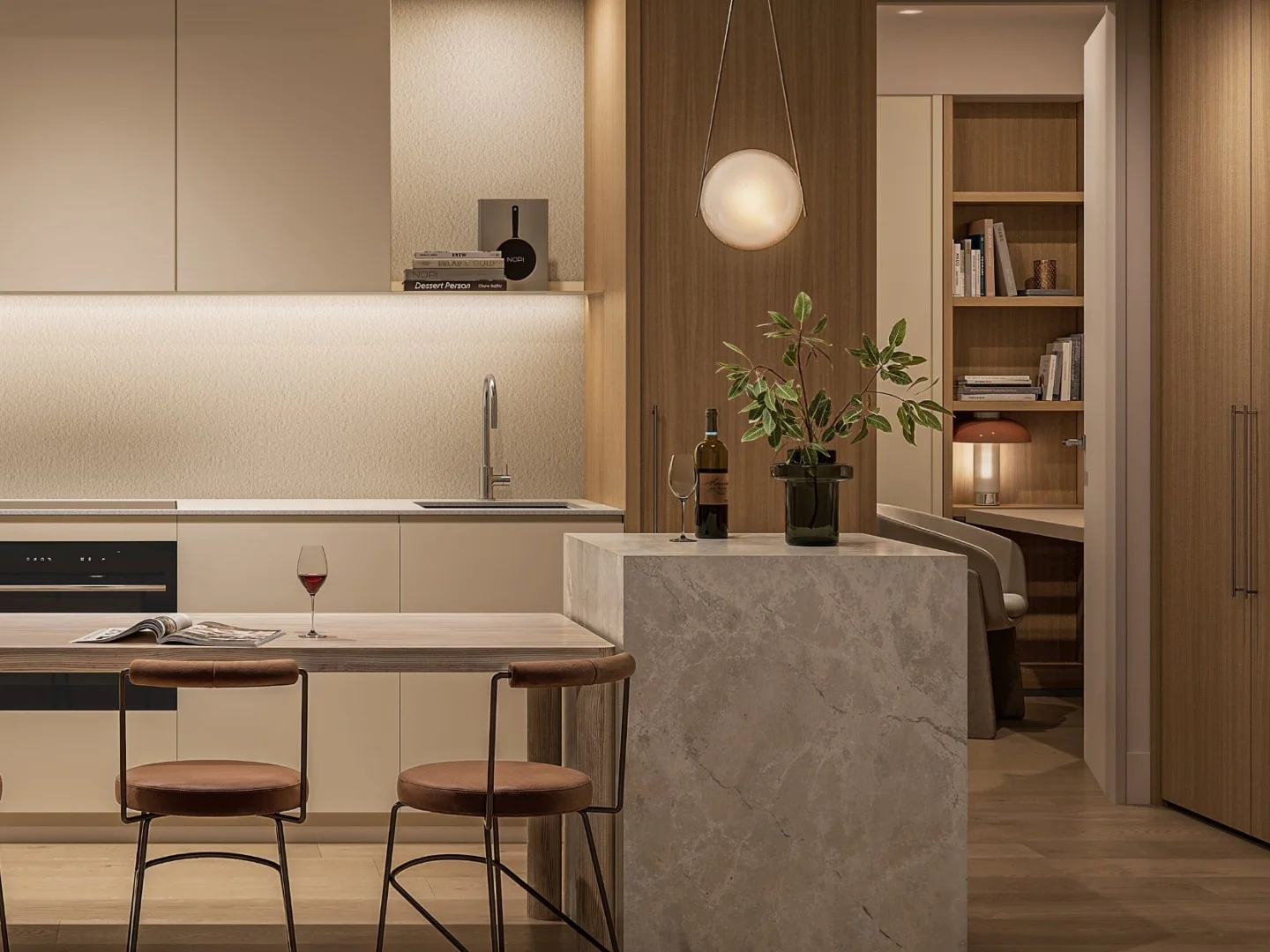 $712,500
Apartment / Unit / Flat
$712,500
Apartment / Unit / Flat
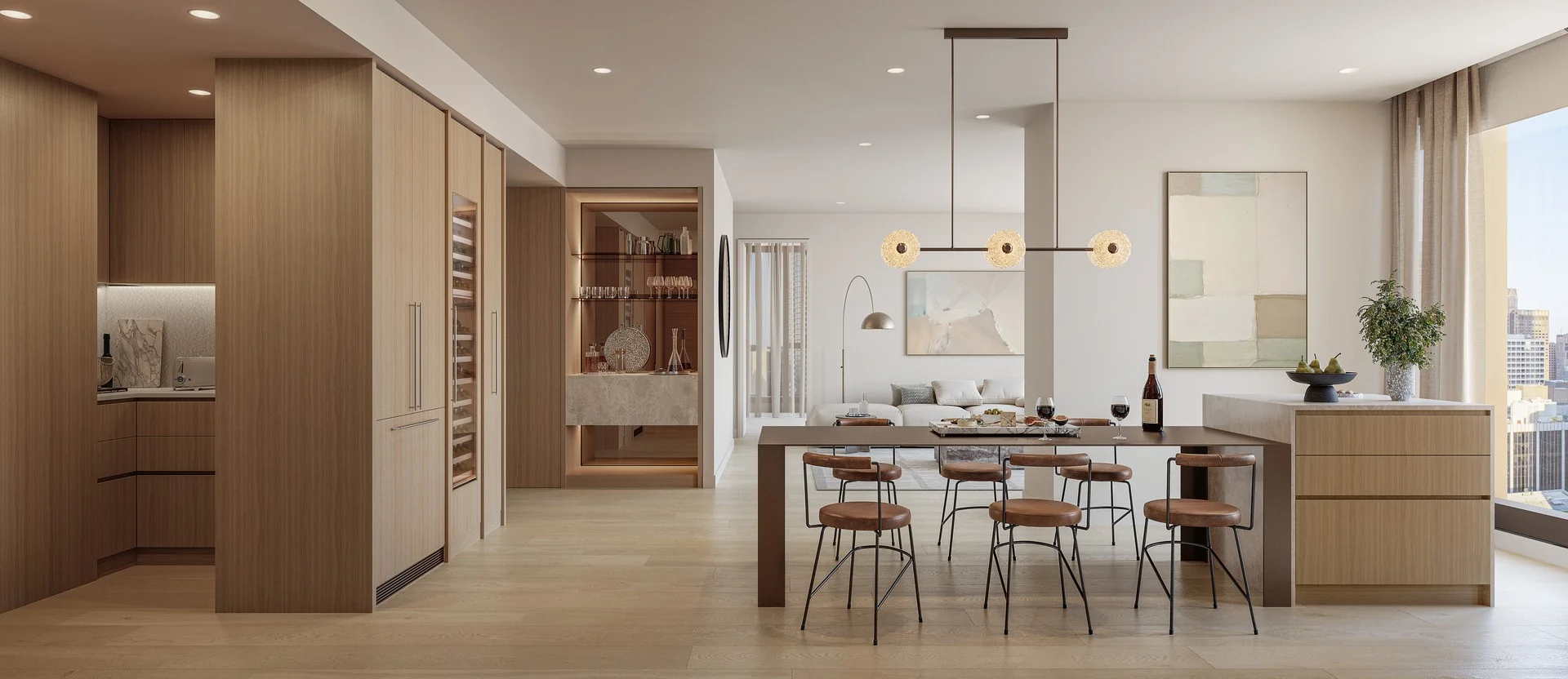 $2,865,000
Apartment / Unit / Flat
$2,865,000
Apartment / Unit / Flat
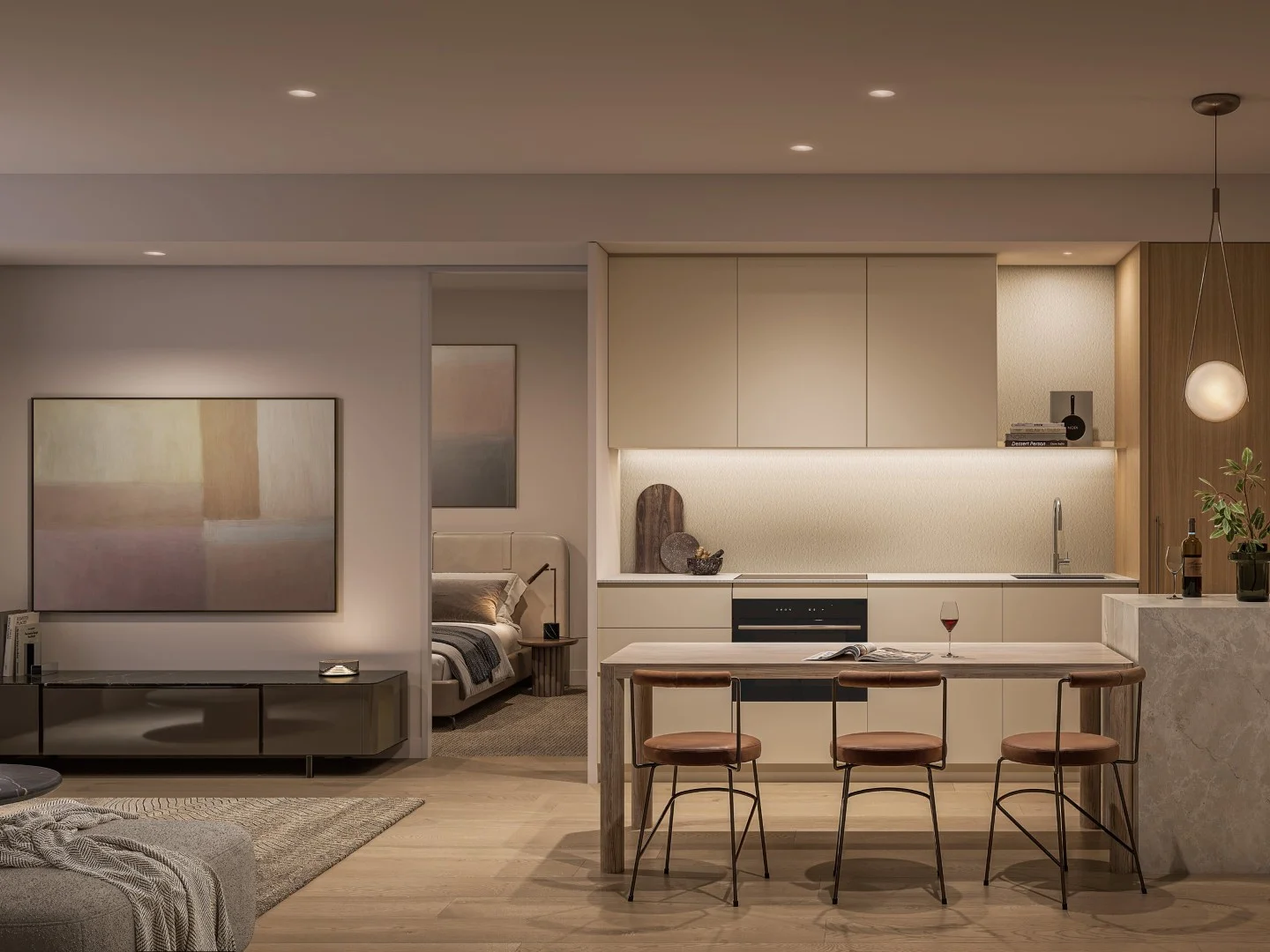 $666,000
Apartment / Unit / Flat
$666,000
Apartment / Unit / Flat


