## Overview
Rostrevor College is an independent Catholic day school for boys located in the eastern suburbs of Adelaide, offering education from Prep to Year 12. The college emphasizes a values‑based education within a supportive community, with a focus on academic growth, sport, and wellbeing. Class sizes are typically in the low 20s, supporting a more personal learning environment.
The atmosphere at Rostrevor is nurturing and inclusive, with a strong emphasis on discipline, leadership, and service. The school cultivates resilience and teamwork through a balanced program of academics, co‑curricular activities, and pastoral care, creating a culture that aims to prepare students for life beyond school.
---
## Academics & Learning
- Academic strengths: Rostrevor places emphasis on strong English and humanities, robust STEM pathways, leadership development, and language study as part of a well‑rounded curriculum.
- Special programs: Gifted and talented/enrichment opportunities and leadership development are integrated into the learning program; accelerated learning options may be available within the SA curriculum framework.
- NAPLAN / trends: Longitudinal trends show consistent progress and strong performance relative to state benchmarks, with above‑average growth in reading and numeracy across cohorts.
- Student-teacher ratios: Class sizes and teacher contact are designed to support individual attention, with typical ratios in the mid‑range for an independent school.
- Support for diverse learners: EAL and SEN supports are available, with targeted programs and learning support to assist students who need additional help or adjustments.
---
## Sports & Extracurricular Strengths
- Sports offered: A broad range of sports common to Australian private schools, including rugby, cricket, football (soccer), basketball, rowing, and athletics; swimming and other active pursuits are supported through school programs.
- Strong teams or achievements: Rostrevor maintains competitive interschool teams across several sports, with notable participation in premiership pathways and interschool fixtures.
- Music, arts, drama programs: The college offers music ensembles, choir, drama and theatre activities, and opportunities to perform in school productions and events.
- Clubs: Robotics, chess, coding, debating, and other co‑curricular clubs support STEM and liberal‑arts interests outside the classroom.
- Partnerships: The school participates in local and regional competitions and collaborations with community and sporting bodies to extend opportunities for students.
---
## Wellbeing & Pastoral Care
- Anti‑bullying approach: A proactive pastoral care framework emphasizes respect, inclusion, and a positive school climate, with clear policies and student support structures.
- House system: A house structure supports belonging, friendly competition, and mentorship among students.
- Counsellors / wellbeing officers: Dedicated wellbeing staff and access to school counsellors help students manage academic and personal challenges.
- Transition support for new students: Induction programs, buddy systems, and ongoing pastoral care assist new students as they settle into school life.
---
## Facilities
- Sports grounds: Large, well‑maintained facilities for outdoor sports and training.
- Libraries: Modern libraries with study spaces and digital resources.
- Science labs: Well‑equipped science laboratories to support practical experiments and STEM learning.
- Music/performing arts centers: Dedicated spaces for music ensembles and drama performances.
- Tech/innovation labs: Contemporary ICT and innovation spaces to support coding, robotics, and project work.
- Cafeteria: On‑site canteen with daily food options.
- Updated playgrounds: Modern outdoor play and learning spaces for different age groups.
---
## School Values & Community Culture
- School values / mission: A faith‑informed, inclusive community guided by Catholic values such as respect, compassion, integrity, and service.
- Leadership style: Leadership development through student voice, mentoring, and service opportunities; emphasis on shared responsibility and ethical conduct.
- Behaviour expectations: Clear behavioural standards aligned with the school’s values, promoting respect, resilience, and accountability.
- Community reputation: Known for a welcoming, family‑oriented culture with strong pastoral care and a commitment to holistic student development.
- Diversity & inclusion: Ongoing commitments to inclusivity and support for students from diverse backgrounds.
---
## School Logistics & Daily Operations
- School hours: Typically includes start and finish times aligned with a standard school day; after‑hours programs and activities may run beyond official hours.
- Before/after school care: Offered or coordinated to support families with early drop‑offs or late pickups.
- Uniform requirements: A formal uniform policy with daily wear and sport/dress uniform options as required.
- Transport (train/bus routes): Bus routes and transport arrangements are available within the Adelaide area to support commuting students.
- Canteen availability: On‑site canteen or vending options to provide meals and snacks.
- Fees (low/medium/high ranges): Fees are in the higher range relative to non‑private schooling in the region, reflecting independent school offerings and facilities.
---
## Enrolment & Admissions
11. What is the enrolment process and timeline?
- Prospective families typically complete an application, attend open events or information sessions, and submit required documentation. The process often includes assessments or school interviews, with timelines varying by intake year level.
12. Is there a waiting list, and how does it work?
- There is often a waiting list for popular year levels; placement may depend on vacancy availability, date of application, and meeting entry requirements.
13. Are there any entry requirements, tests, or interviews?
- Entry typically includes an interview and may involve a formal assessment or submission of academic reports. Scholarships or special programs may have additional criteria.
14. Does the school accept mid-year transfers?
- Mid‑year transfers may be possible subject to space and assessment of the student’s suitability and readiness for the current cohort.
---
## Frequently Asked Questions
- Why Parents Choose This School?
- A values‑driven, inclusive community; strong pastoral care; solid academic pathways; broad sports and arts opportunities; and a focus on leadership and service.
- What type of student thrives at this school?
- Motivated boys who respond well to a structured, values‑based environment, who enjoy academics alongside sport, arts, and leadership activities.
- What opportunities are available for students to extend their skills (academics, sports, arts)?
- Enrichment programs, gifted and talented initiatives, leadership experiences, school sports teams, music ensembles, drama productions, robotics, coding, debating clubs, and interschool competitions.
- How does the school communicate with parents?
- Regular updates through reporting cycles, newsletters, parent portals, and scheduled meetings; active channels for feedback and involvement.
- What is the school’s approach to teaching and learning?
- A balanced approach combining strong core academics with practical, project-based learning, supported by pastoral care and opportunities for leadership development.
- How does the school support students who need extra academic help?
- Targeted learning support, EAL and SEN assistance, and access to tutors or intervention programs as needed.
- What support is available for academic challenges?
- Structured support plans, small-group or one‑to‑one assistance, and ongoing monitoring of progress.
- How does the school communicate with parents? (Repeated)
- See above: multiple channels including reports, portals, meetings, and newsletters.
- What are the class sizes and how much individual attention do students receive?
- Class sizes are in the low‑to‑mid 20s, designed to provide substantial teacher attention and timely feedback.
- What extracurricular and sports opportunities are available?
- A wide range of sports plus music, drama, and various clubs (robotics, coding, chess, debating), with opportunities to compete and perform.
- What facilities does the school offer (sports, science, arts)?
- Comprehensive facilities across sports grounds, libraries, science labs, performing arts spaces, tech/innovation labs, and a canteen.
- What is the school’s approach to technology and digital learning?
- Integrated ICT and digital learning across the curriculum, with access to modern devices and software to support coursework and projects.
- What transport and accessibility options are available?
- Bus routes and transport options are available within the surrounding area to support student commuting.
- What are the typical school fees or additional costs?
- Fees are consistent with independent school offerings in the region, reflecting a comprehensive program and facilities.
---
## Short Pros & Cons list
- Pros
- Values‑driven, inclusive community with strong pastoral care
- Broad academic program with enrichment and leadership opportunities
- Wide range of co‑curriculars including sports, music, and arts
- Solid facilities and supportive learning environment
- Cons
- Higher fees typical of independent Catholic schooling
- Competitive admissions may mean waiting lists for popular year levels
- Transport options depend on location and may require planning
- Could be a strong preference for families seeking co‑education or single‑sex environments depending on current student needs
 Free
Free









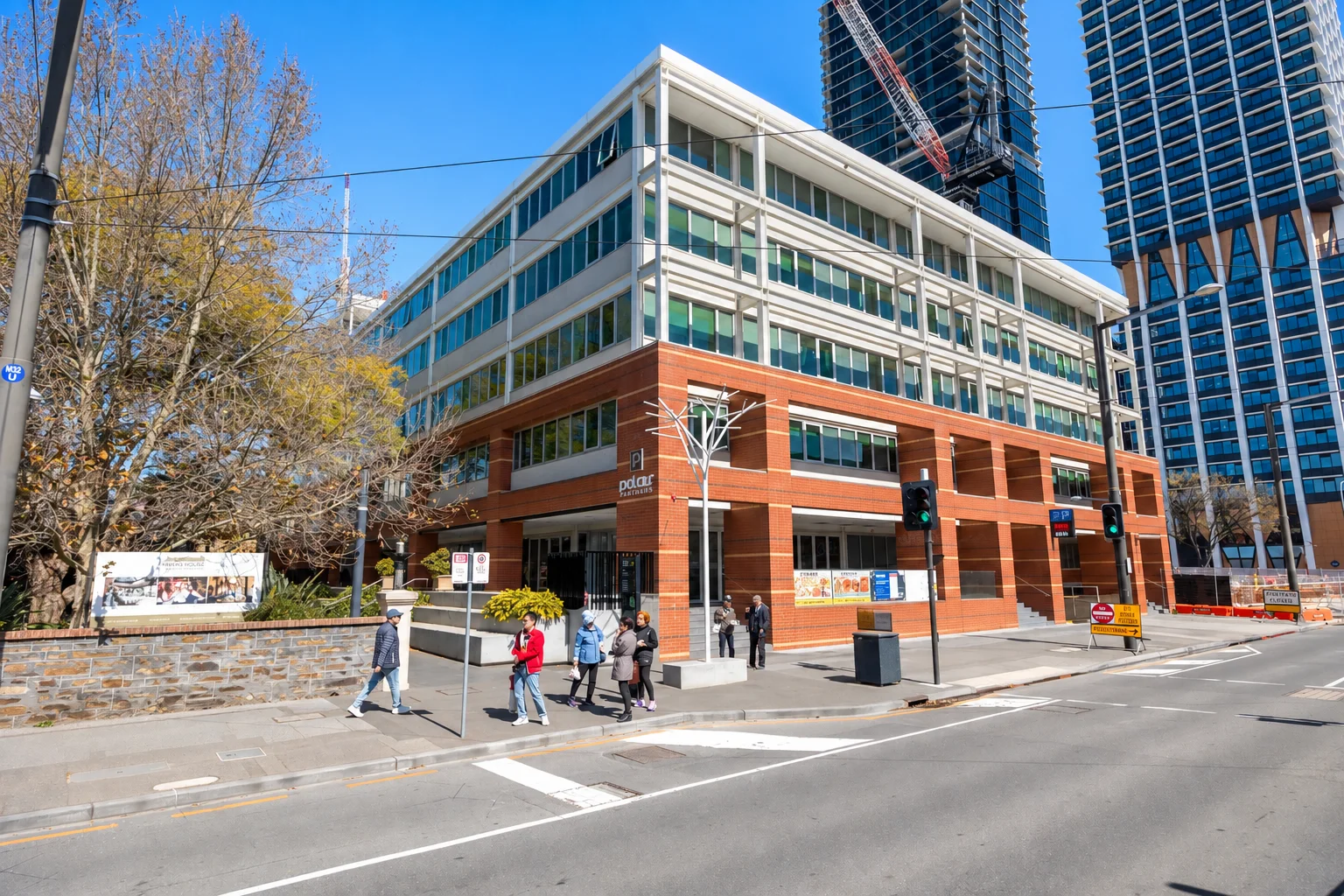 $545,000
Apartment / Unit / Flat
$545,000
Apartment / Unit / Flat
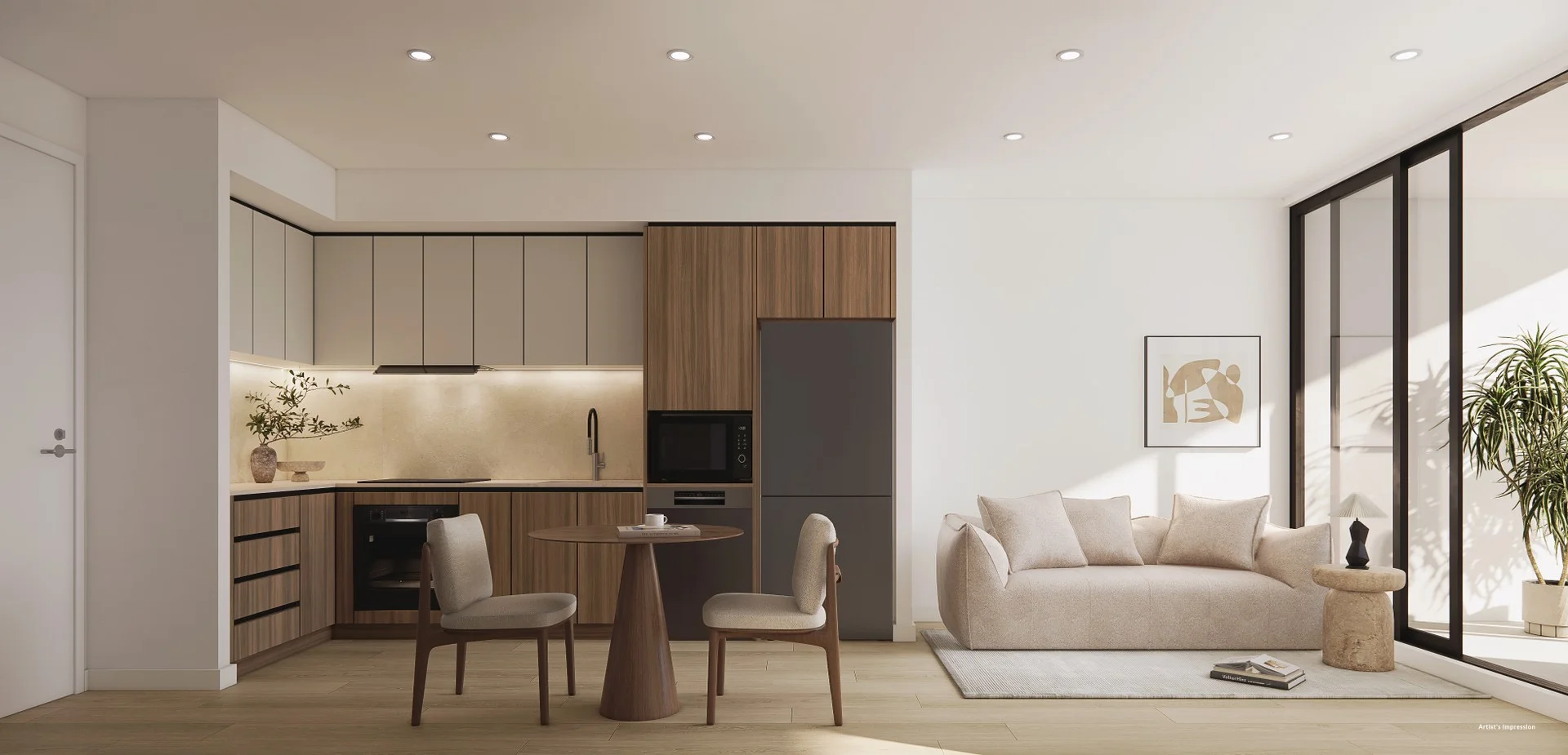 $588,000
Apartment / Unit / Flat
$588,000
Apartment / Unit / Flat
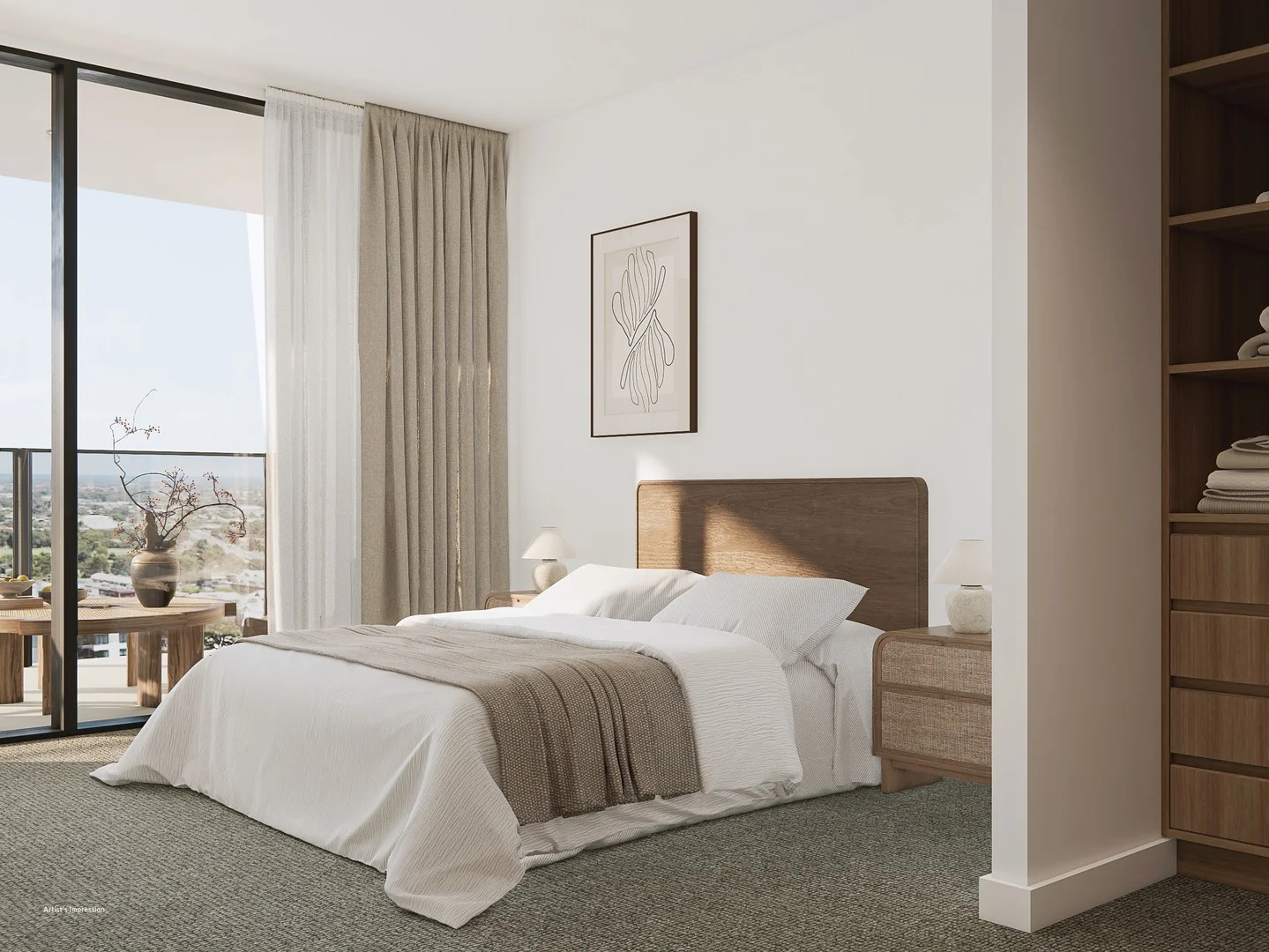 $935,000
Apartment / Unit / Flat
$935,000
Apartment / Unit / Flat
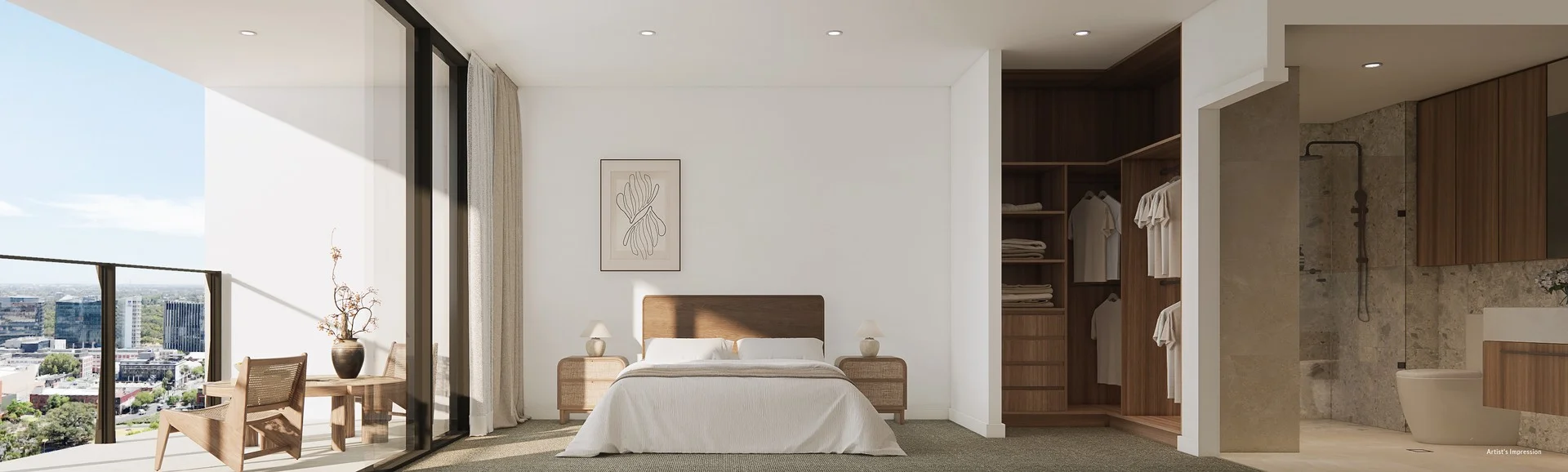 $1,056,000
Apartment / Unit / Flat
$1,056,000
Apartment / Unit / Flat
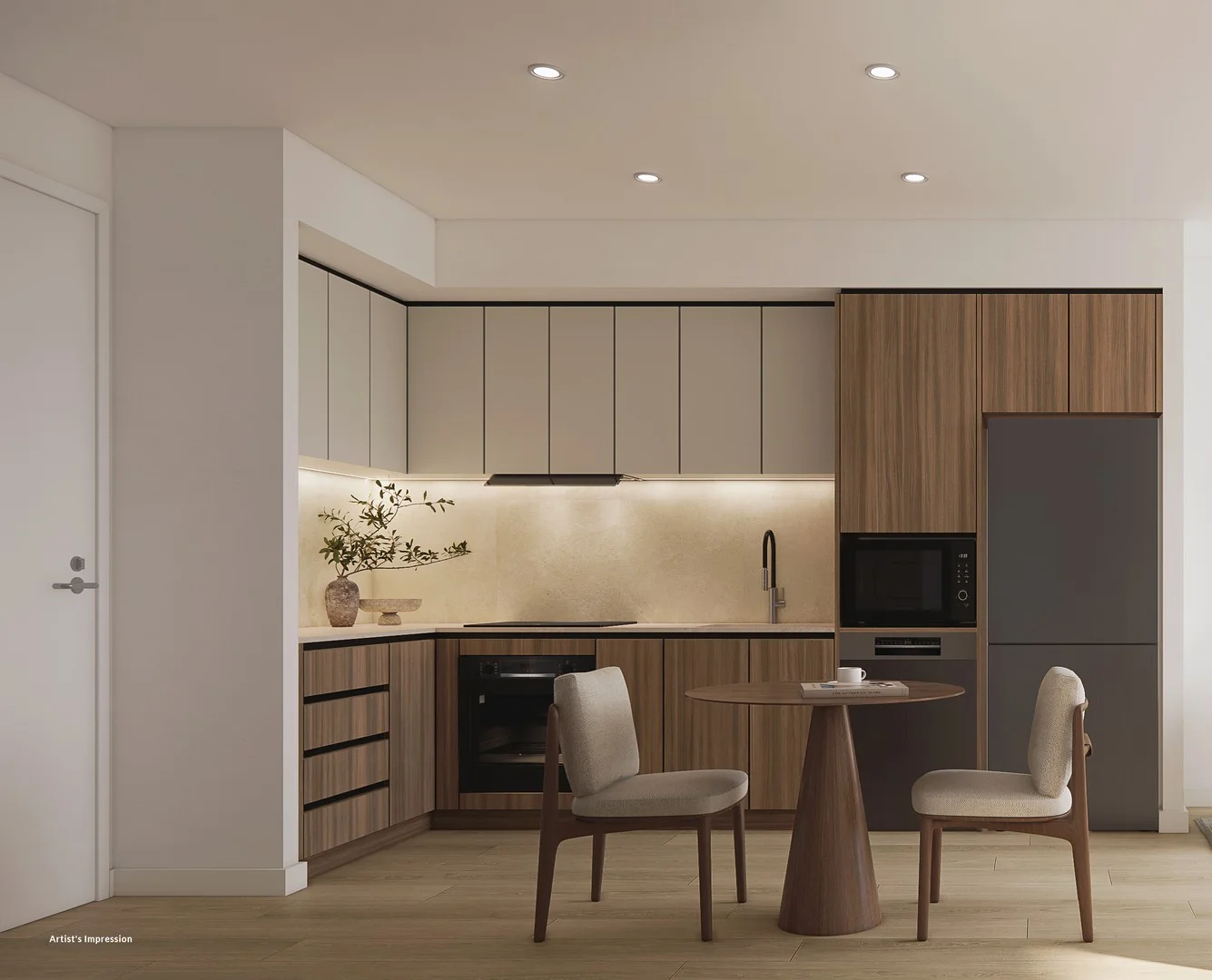 $557,000
Apartment / Unit / Flat
$557,000
Apartment / Unit / Flat
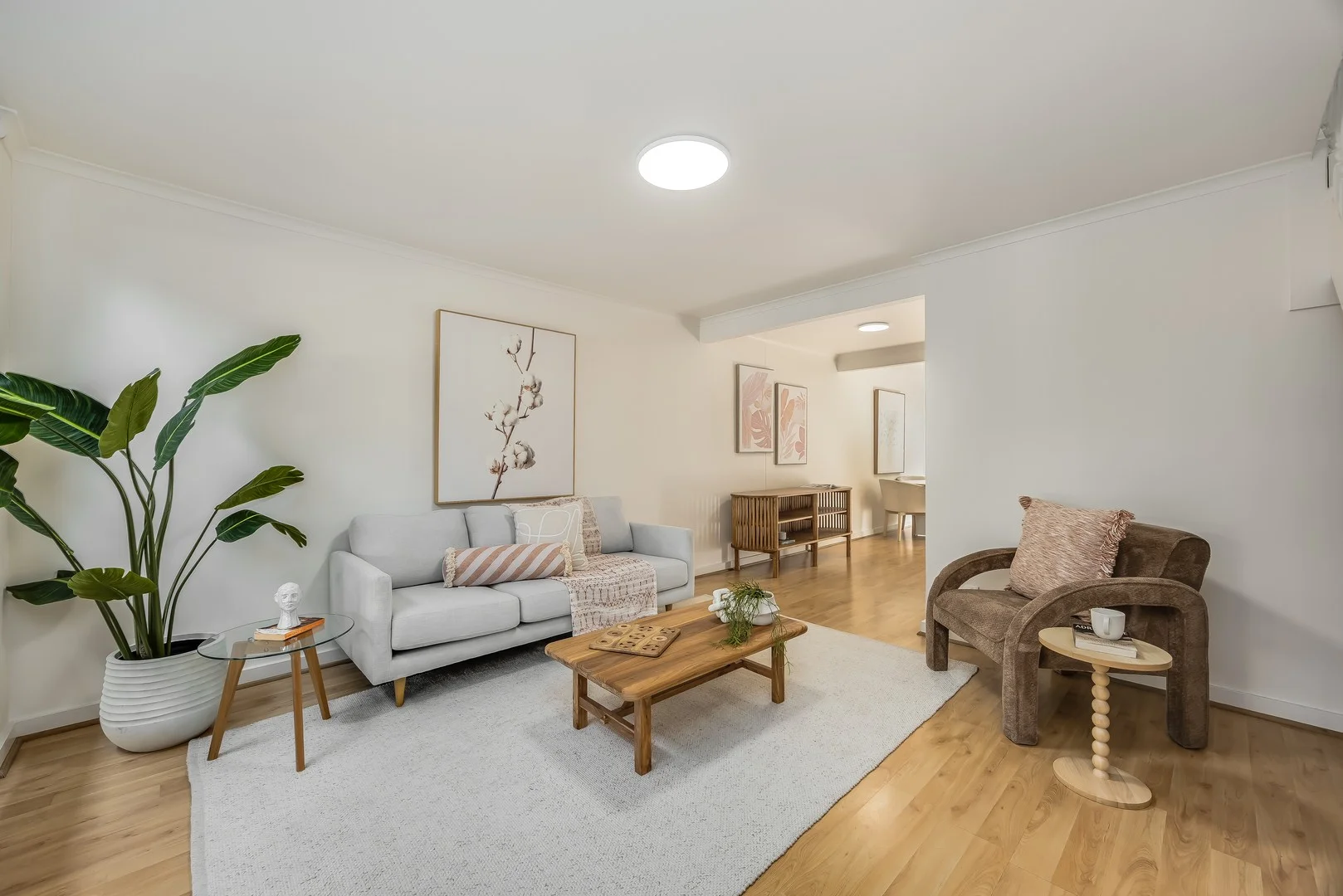 $775,000
House
$775,000
House
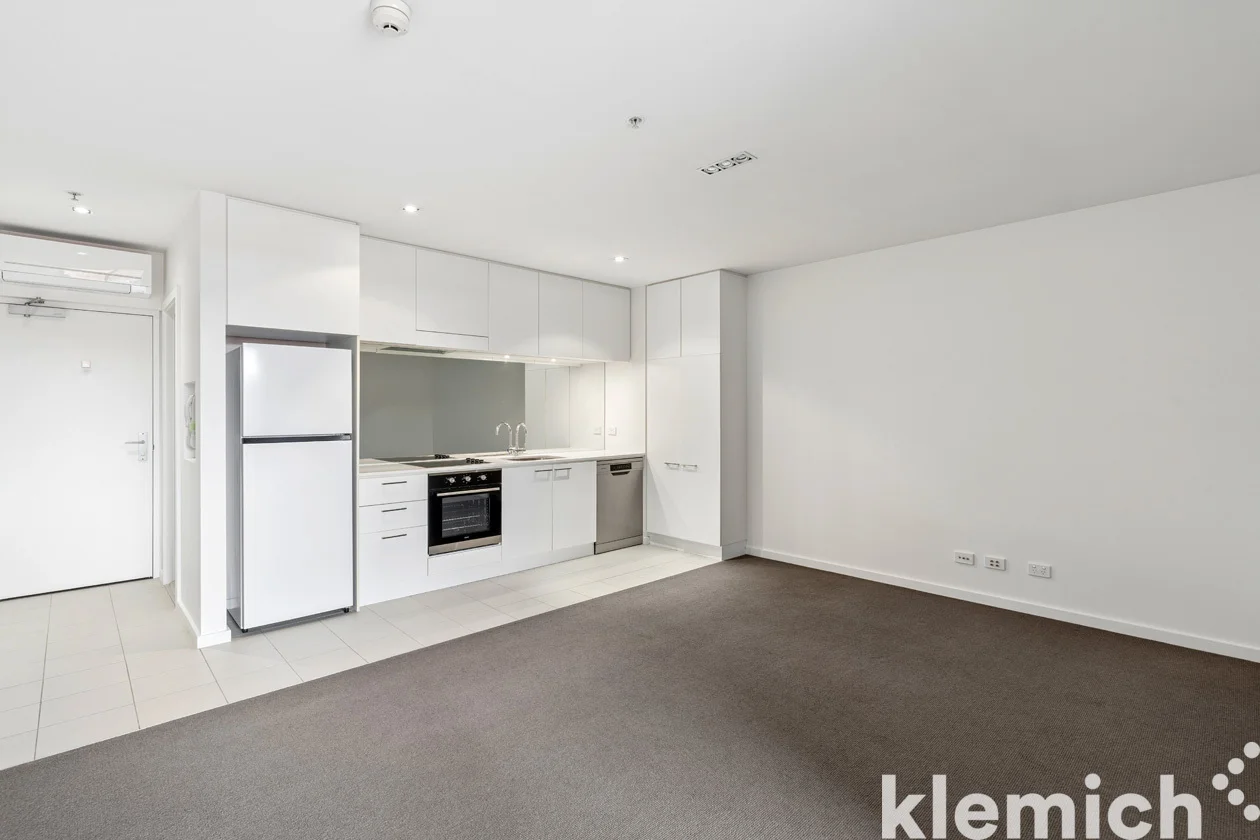 $440,000
Apartment / Unit / Flat
$440,000
Apartment / Unit / Flat
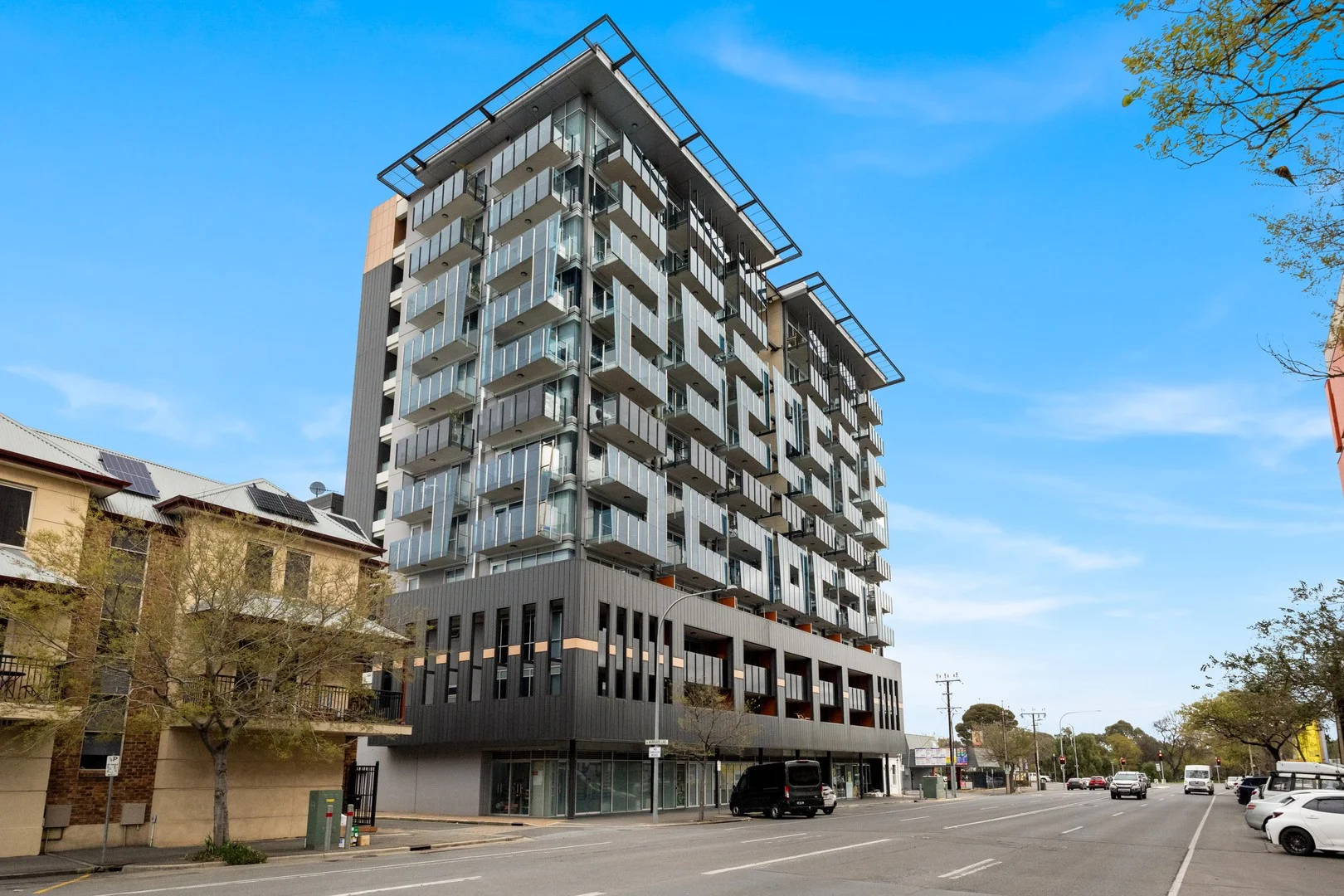 $1,100,000
Apartment / Unit / Flat
$1,100,000
Apartment / Unit / Flat