## 1. Overview
Norwood International High School is a public (government) high school serving students in the Magill area (postcode 5072). The school aims to provide a diverse, inclusive learning environment with a focus on academic achievement and student well-being. Classes are structured to support a range of learning needs and interests, fostering a supportive atmosphere where students can develop academically and personally.
- School type: Public
- School size: Medium
- Class size: Approximately 22–28 students
- Atmosphere/culture: Inclusive, diverse, academically focused, with strong emphasis on student well-being
---
## 2. Academics & Learning
The school emphasizes a well-rounded curriculum with opportunities to excel in core subjects and develop key skills for the future.
- Academic strengths: STEM, English, languages, leadership development, and global awareness
- Special programs: Gifted and Talented pathways, accelerated learning options, and preparation for SACE/ATAR
- NAPLAN / trends: Recent tendencies show steady improvement in reading and numeracy over several years, with improving or stable performance in writing
- Student-teacher ratios: Around 1:20 to 1:25
- Support for diverse learners: EAL support, dedicated SEN support, and inclusive education practices to meet a range of learning needs
---
## 3. Sports & Extracurricular Strengths
A broad mix of sport, arts, and clubs supports active student engagement and teamwork.
- Sports offered: Soccer (football), basketball, netball, cricket, athletics, tennis, and general fitness activities
- Strong teams or achievements: Participation in regional competitions with varying levels of success; a track record of competitive teams and schoolwide sporting events
- Music, arts, drama programs: School ensembles, choir, drama productions, and regular arts activities
- Clubs: Robotics, chess, coding, debating, language clubs, and other student-led groups
- Partnerships: Connections with local clubs, community organizations, and regional competitions to broaden opportunities
---
## 4. Wellbeing & Pastoral Care
Prioritizing student well-being and positive school culture.
- Anti-bullying approach: Clear policies, proactive education, and a supportive environment focused on safety
- House system: House groups to promote belonging, mentorship, and healthy competition
- Counsellors / wellbeing officers: Access to school-based counsellors and wellbeing staff
- Transition support for new students: Orientation programs, buddy systems, and targeted transition supports to help new students settle in
---
## 5. Facilities
Facilities designed to support a balanced learning experience and practical engagement.
- Sports grounds
- Libraries
- Science labs
- Music/performing arts centers
- Tech/innovation labs
- Cafeteria
- Updated playgrounds
---
## 6. School Values & Community Culture
What kind of students and community this school attracts and nurtures.
- School values / mission: Respect, integrity, responsibility, and inclusion; student growth through academics and wellbeing
- Leadership style: Collaborative and student-engaged, with opportunities for student leadership and teacher-student partnerships
- Behaviour expectations: Clear codes of conduct emphasizing respect, responsibility, and positive relationships
- Community reputation: Known for an inclusive, supportive environment and active school life
- Diversity & inclusion: Strong emphasis on welcoming students from diverse backgrounds and providing appropriate supports (including EAL programs)
---
## 7. School Logistics & Daily Operations
Practical information to help families plan around school life.
- School hours: Typically a daytime schedule aligned with the local education authority
- Before/after school care: Options often available through school programs or local providers
- Uniform requirements: School uniform required; details provided by the school
- Transport (train/bus routes): Accessible by public transport; local bus/train connections available
- Canteen availability: On-site canteen offering a range of healthy options
- Fees (low/medium/high ranges): Public schools generally have no tuition fees; expect minimal charges for materials, activities, and occasionally elective programs
---
## 8. Enrolment & Admissions
11. What is the enrolment process and timeline?
- Applications typically follow the Department for Education process for public high schools, with timelines set by the education authority. Check official guidelines for current steps, required documents, and deadlines.
12. Is there a waiting list, and how does it work?
- Some intakes may operate with waiting lists depending on capacity. If oversubscribed, enrolment may be managed by the authority with priority planned for local or sibling applicants.
13. Are there any entry requirements, tests, or interviews?
- Most public high schools do not require entry tests; certain programs or international pathways may involve interviews or additional requirements. Confirm specifics for any particular program you pursue.
14. Does the school accept mid-year transfers?
- Mid-year transfers are considered subject to space and formal procedures with the relevant education authority. Space availability and transfer rules apply.
---
## 9. Frequently Asked Questions
- Why Parents Choose This School?
- A welcoming, inclusive culture with strong academics, broad extracurriculars, and solid student support.
- What type of student thrives at this school?
- Students who are engaged, collaborative, curious, and who participate in clubs, sports, and leadership opportunities.
- What opportunities are available for students to extend their skills (academics, sports, arts)?
- Advanced coursework pathways, leadership programs, sports teams, arts ensembles, robotics, coding, debating, and more.
- How does the school communicate with parents?
- Through newsletters, the school website, emails, parent-teacher meetings, and sometimes SMS alerts.
- What is the school’s approach to teaching and learning?
- Student-centered, differentiated instruction with emphasis on inquiry, collaboration, and real-world application.
- How does the school support students who need extra academic help?
- Targeted tutoring, EAL and SEN support, study resources, and intervention programs as needed.
- What support is available for academic challenges?
- Access to counsellors, learning support staff, and personalized plans to help students improve.
- How does the school communicate with parents?
- (Repeated) Regular updates via official channels, with opportunities to engage in school events and meetings.
- What are the class sizes and how much individual attention do students receive?
- Class sizes typically around 22–28 students, with opportunities for individual support through tutors or specialist staff.
- What extracurricular and sports opportunities are available?
- A wide range: sports teams, music and drama, robotics, chess, coding, debating, language clubs, and other student-led activities.
- What facilities does the school offer (sports, science, arts)?
- Sports grounds, libraries, science labs, music/arts centers, tech/innovation labs, canteen, and upgraded play spaces.
- What is the school’s approach to technology and digital learning?
- Integration of digital tools and platforms to support learning, with access to devices and online resources as part of the curriculum.
- What transport and accessibility options are available?
- Public transport connections (bus and train routes) and accessible facilities to accommodate diverse learners.
- What are typical school fees or additional costs?
- As a public school, there is no tuition, with potential small costs for materials, excursions, or elective programs.
---
## 10. Short Pros & Cons list
- Pros
- Inclusive, supportive 학 environment with a focus on well-being
- Strong academic programs and diverse enrichment options
- Wide range of clubs and sports to suit many interests
- Clear expectations around behavior and respect
- Accessible facilities and resources for learning
- Cons
- Some programs or advanced pathways may have limited capacity and require waitlists
- Uniforms and incidental costs can add up for families
- Availability of mid-year transfers depends on space and district rules
---
If you’d like, I can adjust these sections to reflect specific details from the school’s latest official publications or enrollment guides.








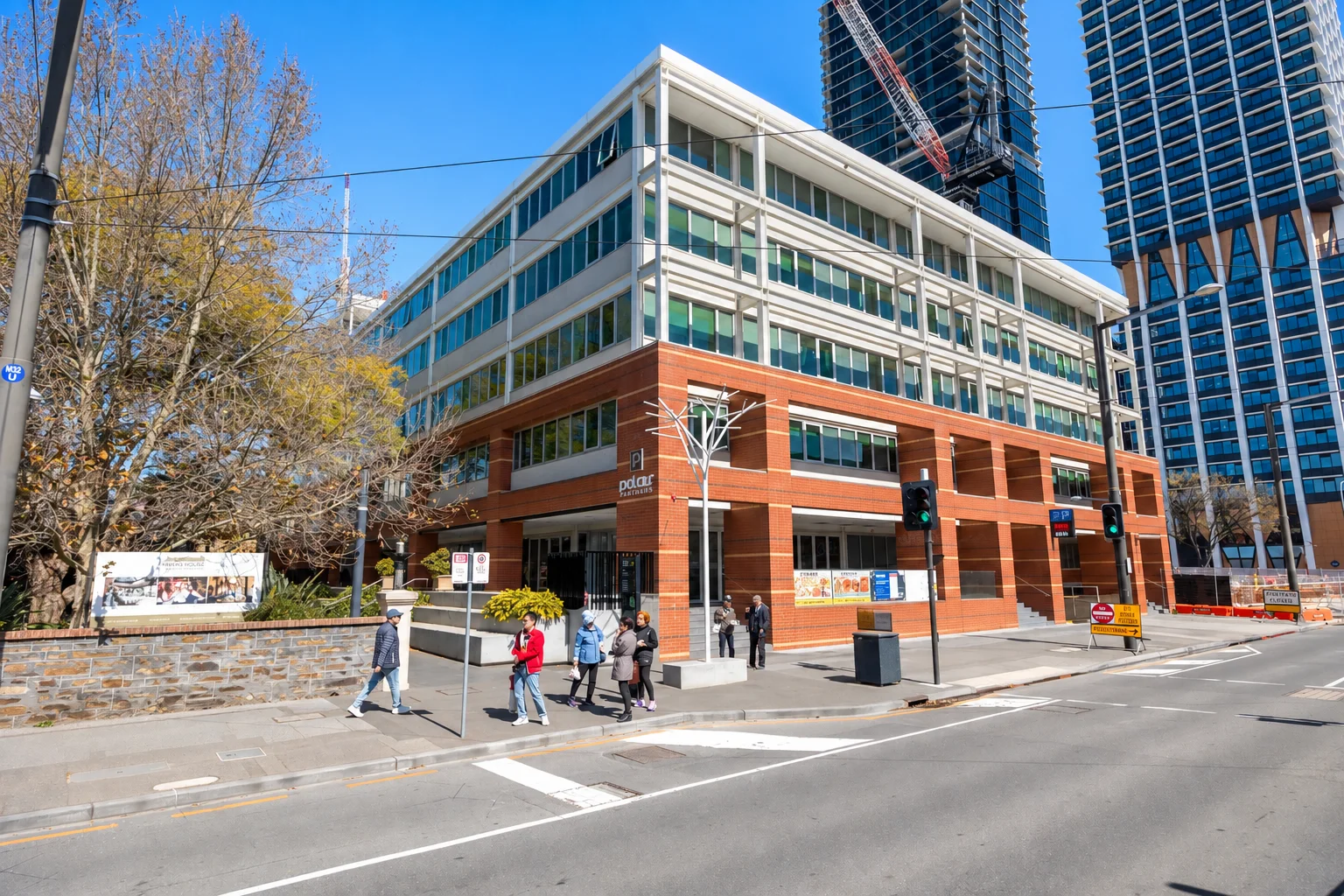 $545,000
Apartment / Unit / Flat
$545,000
Apartment / Unit / Flat
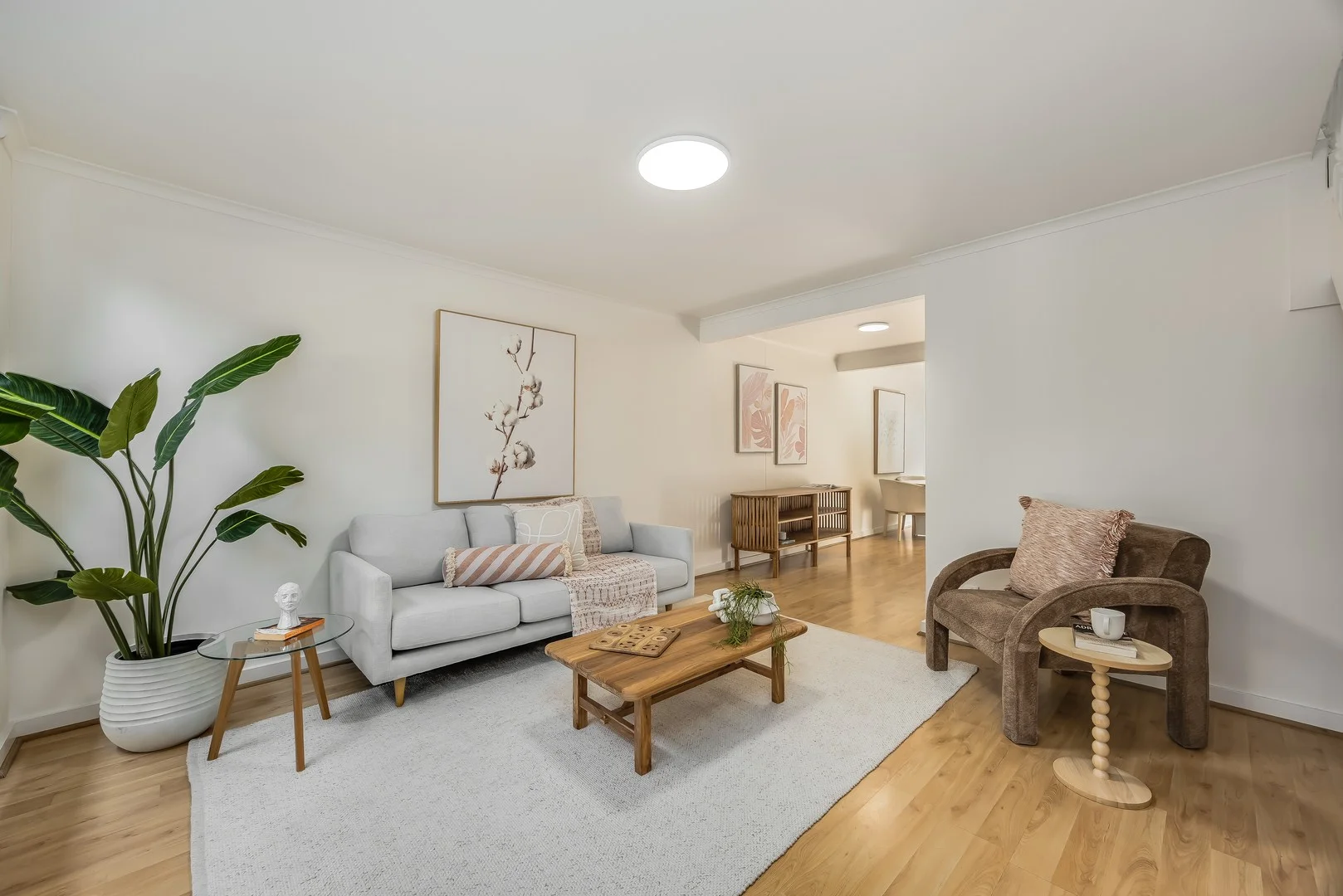 $775,000
House
$775,000
House
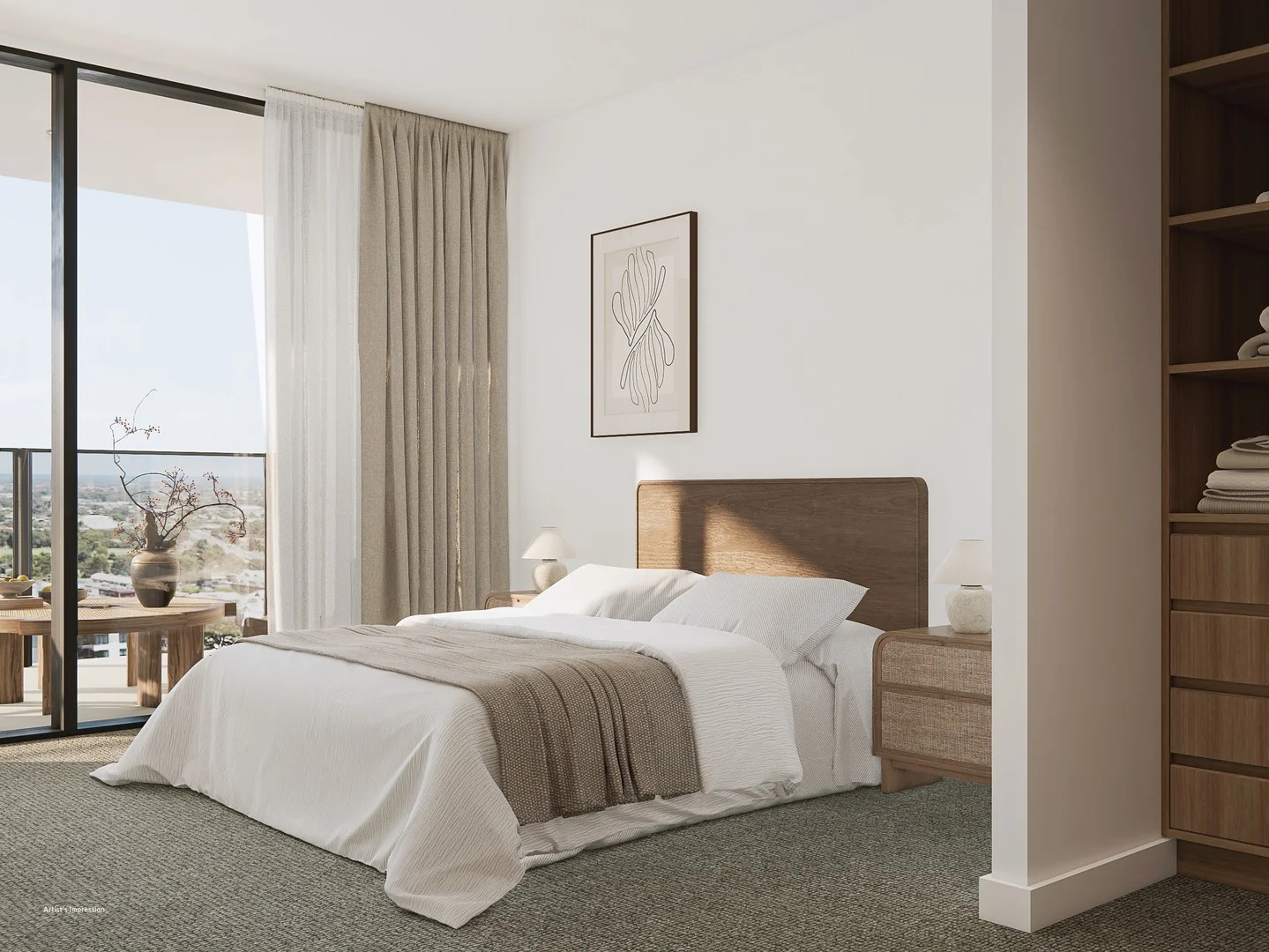 $935,000
Apartment / Unit / Flat
$935,000
Apartment / Unit / Flat
 $588,000
Apartment / Unit / Flat
$588,000
Apartment / Unit / Flat
 $557,000
Apartment / Unit / Flat
$557,000
Apartment / Unit / Flat
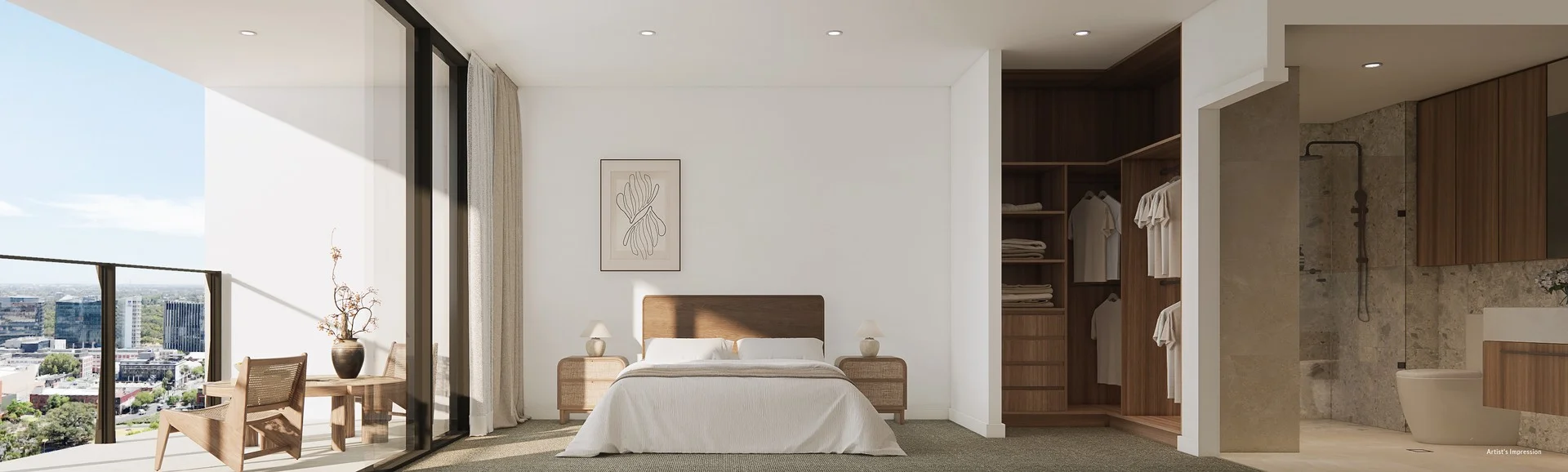 $1,056,000
Apartment / Unit / Flat
$1,056,000
Apartment / Unit / Flat
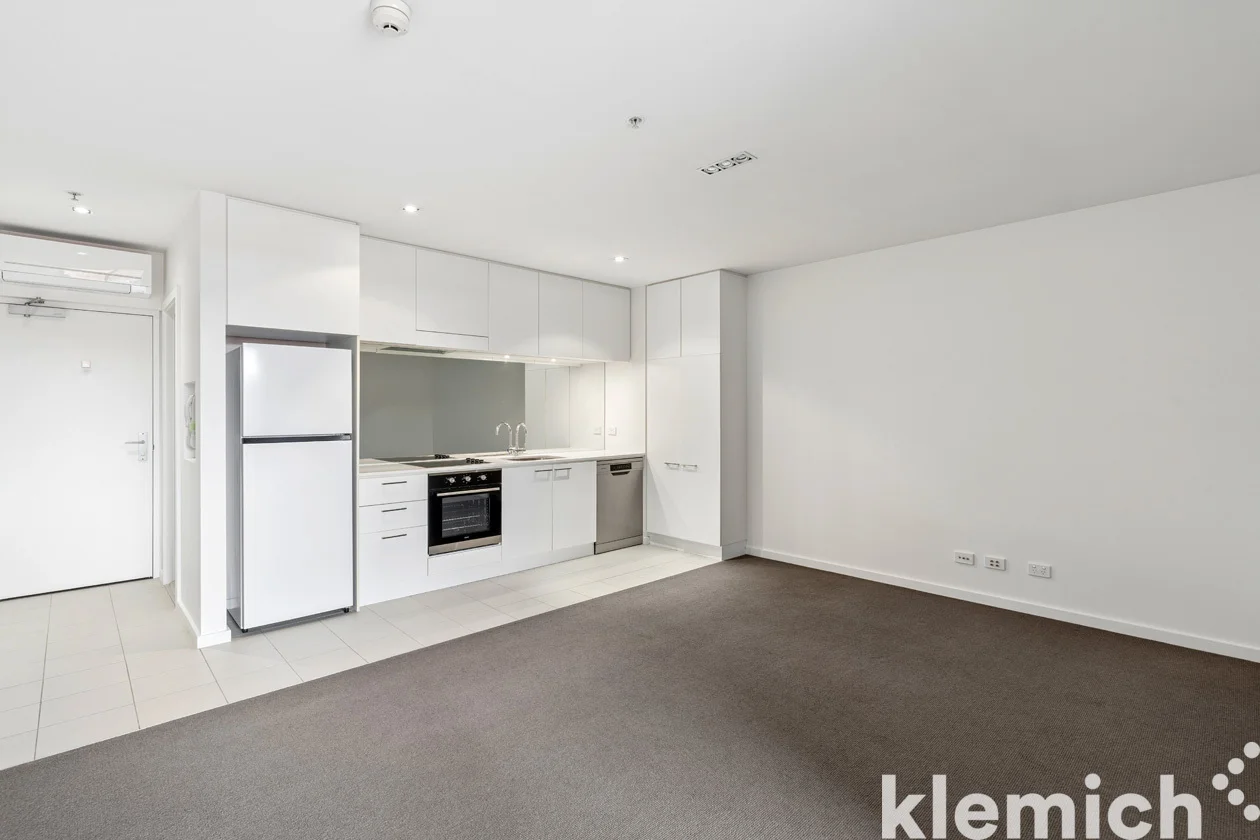 $440,000
Apartment / Unit / Flat
$440,000
Apartment / Unit / Flat
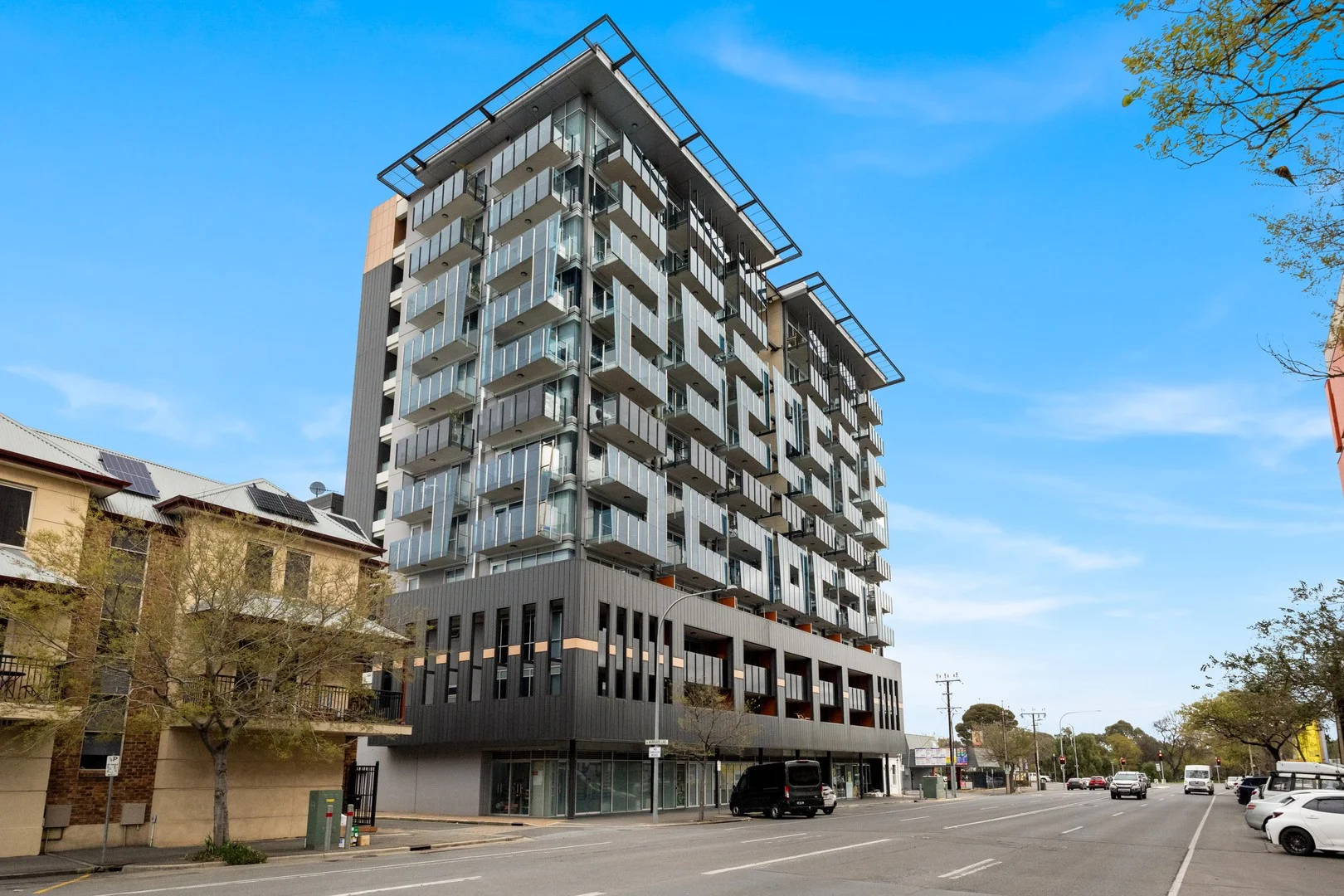 $1,100,000
Apartment / Unit / Flat
$1,100,000
Apartment / Unit / Flat


