## 1. Overview
St Joseph's School Satranmere is a Catholic school in Australia that focuses on developing the whole child within a faith-based, inclusive community. The school aims to combine academic learning with values such as compassion, service, and respect, creating a nurturing environment where students grow socially, emotionally, and academically.
- School type: Catholic
- School size: Medium
- Class size: [insert typical class size range]
- Atmosphere/culture: Nurturing, inclusive, academic-focused with a strong sense of community
## 2. Academics & Learning
St Joseph's Satranmere emphasises strong foundational skills alongside opportunities for growth in leadership, creativity, and inquiry. The learning environment is designed to support students across different abilities with a focus on literacy, numeracy, and critical thinking.
- Academic strengths: [insert strengths such as literacy, numeracy, STEM, English, leadership, languages]
- Special programs: [insert programs such as accelerated learning, gifted and talented, school-based leadership programs]
- NAPLAN / trend notes: [insert whether trends show progress/consistency over recent years; note where to find official trend data]
- Student-teacher ratios: [insert ratio or range]
- Support for diverse learners: [insert EAL, SEN support details or programs]
## 3. Sports & Extracurricular Strengths
Extracurricular life at St Joseph's Satranmere supports physical wellbeing, teamwork, and creative expression. This section highlights sports, arts, and clubs that help students explore interests beyond the classroom.
- Sports offered: [insert list of sports]
- Strong teams or achievements: [insert notable team achievements if available]
- Music, arts, drama programs: [insert details about music, drama, and arts opportunities]
- Clubs: robotics, chess, coding, debating: [insert availability]
- Partnerships: [insert connections with local clubs, academies, or competitions]
Note: This section is especially important for families with boys aged 10–14, so emphasize opportunities that support skill-building, teamwork, and discipline.
## 4. Wellbeing & Pastoral Care
Wellbeing and pastoral care are central to helping students thrive at St Joseph's Satranmere. The school aims to promote resilience, positive relationships, and a safe learning environment.
- Anti-bullying approach: [insert policy details and programs]
- House system: [insert details if applicable]
- Counsellors / wellbeing officers: [insert availability and access]
- Transition support for new students: [insert orientation, buddy systems, and ongoing support]
## 5. Facilities
The school’s facilities support a well-rounded education and a range of activities. Visualize a campus that supports learning, creativity, and physical wellbeing.
- Sports grounds: [insert status or features]
- Libraries: [insert features]
- Science labs: [insert features]
- Music/performing arts centers: [insert features]
- Tech/innovation labs: [insert features]
- Cafeteria: [insert details]
- Updated playgrounds: [insert details]
## 6. School Values & Community Culture
Families look for a school where character and community matter as much as academics. St Joseph's Satranmere aims to foster leaders who are compassionate, responsible, and respectful.
- School values / mission: [insert core values and mission statement]
- Leadership style: [insert approach, e.g., servant leadership, student voice, collaborative leadership]
- Behaviour expectations: [insert code of conduct and reinforcement approaches]
- Community reputation: [insert general sense or testimonials, if available]
- Diversity & inclusion: [insert commitments and practices to support inclusive education]
## 7. School Logistics & Daily Operations
Clear routines and predictable structures help families plan. Here’s a snapshot of daily operations and practical details.
- School hours: [insert start and finish times]
- Before/after school care: [insert availability and providers]
- Uniform requirements: [insert uniform policy and where to obtain]
- Transport (train/bus routes): [insert general transport information or typical routes]
- Canteen availability: [insert canteen details]
- Fees (low/medium/high ranges): [insert indicative fee ranges or note on annual charges]
## 8. Enrolment & Admissions
11. What is the enrolment process and timeline?
- Typically starts with an expression of interest or online application, followed by submission of required documents, an interview or family visit, and formal confirmation of enrolment. Timelines vary by intake year and space availability. Check the latest school information for exact dates.
12. Is there a waiting list, and how does it work?
- Some year levels may have waiting lists depending on space. Waiting lists are usually managed by date of application and may consider factors such as sibling priority and parish alignment. Expect communication about your position and potential wait times.
13. Are there any entry requirements, tests, or interviews?
- Most Catholic schools conduct family interviews or student conversations rather than formal academic entrance tests. Some entry processes may include discussions about values alignment, learning needs, and readiness. Please confirm current requirements with the school.
14. Does the school accept mid-year transfers?
- Mid-year transfers may be possible if there is available space and appropriate enrolment documentation is provided. Transfers typically require timetable coordination and confirmation from the receiving year level.
## 9. Frequently Asked Questions
- Why Parents Choose This School?
- Parents often value the Catholic ethos, sense of community, and a supportive environment that fosters both academic growth and character development.
- What type of student thrives at this school?
- Students who respond well to a values-based education, require a nurturing school culture, and enjoy a balanced focus on academics, faith, and community.
- What opportunities are available for students to extend their skills (academics, sports, arts)?
- Opportunities may include advanced literacy/numeracy activities, sport teams, arts programs, music ensembles, drama productions, robotics, coding clubs, and debating groups.
- How does the school communicate with parents?
- Communication channels often include newsletters, a school app or portal, regular parent-teacher meetings, and updates from pastoral staff. Details depend on the school’s current systems.
- What is the school’s approach to teaching and learning?
- A student-centered approach is common, combining faith-informed values with inquiry-based learning, differentiation, and ongoing assessment to meet diverse needs.
- How does the school support students who need extra academic help?
- Support may include targeted small-group or one-on-one interventions, learning support staff, and coordinated plans with families.
- What support is available for academic challenges?
- Additional tutoring, access to specialist staff, and customised learning plans may be available. Parents are encouraged to discuss concerns with teachers or the learning support team.
- How does the school communicate with parents? (Repeated)
- See above; typical methods include digital portals, mailings, and scheduled consultations.
- What are the class sizes and how much individual attention do students receive?
- Class sizes vary by year level; the school aims to provide regular teacher-Student contact and targeted support within the timetable.
- What extracurricular and sports opportunities are available?
- A range of sports programs, arts, music, drama, and clubs such as robotics, coding, chess, and debating are commonly offered; confirm current offerings with the school.
- What facilities does the school offer (sports, science, arts)?
- Facilities generally include sports grounds, libraries, science labs, music/arts spaces, tech/innovation labs, a cafeteria, and updated playgrounds.
- What is the school’s approach to technology and digital learning?
- Digital learning integration is typically part of the curriculum with classroom devices, online resources, and cyber-safety education. Confirm specifics with the school.
- What transport and accessibility options are available?
- Transport options often include local bus routes or proximity to public transit; accessibility features and drop-off/pick-up arrangements are usually outlined by the school.
- What are the typical school fees or additional costs?
- Fees vary by year level and program. The school usually provides a fee schedule or a comprehensive fees guide upon enquiry.
## 10. Short Pros & Cons list
- Pros
- Strong Catholic ethos and values-based education
- Supportive, inclusive culture with pastoral care
- Focus on holistic development (academic, faith, wellbeing, leadership)
- Range of extra-curricular activities and clubs
- Family-friendly communication and community engagement
- Cons
- Religious environment may not suit all families
- Uniform requirements and related costs
- Space and program availability can vary by intake year
- Transport options depend on location and logistics
If you’d like, I can tailor this draft more specifically once you provide or confirm exact details from the school (class sizes, exact facilities, current programs, and enrolment procedures).









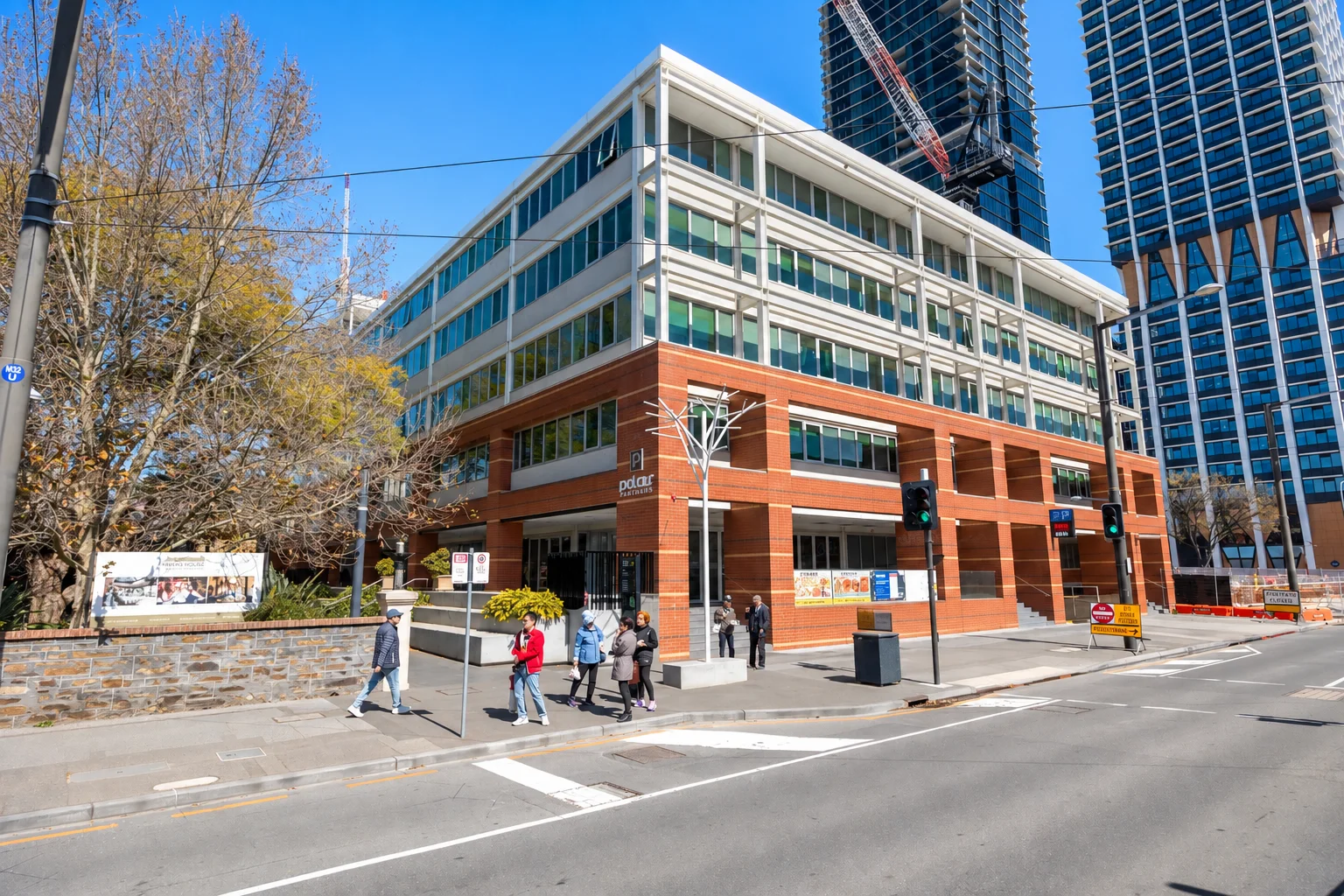 $545,000
Apartment / Unit / Flat
$545,000
Apartment / Unit / Flat
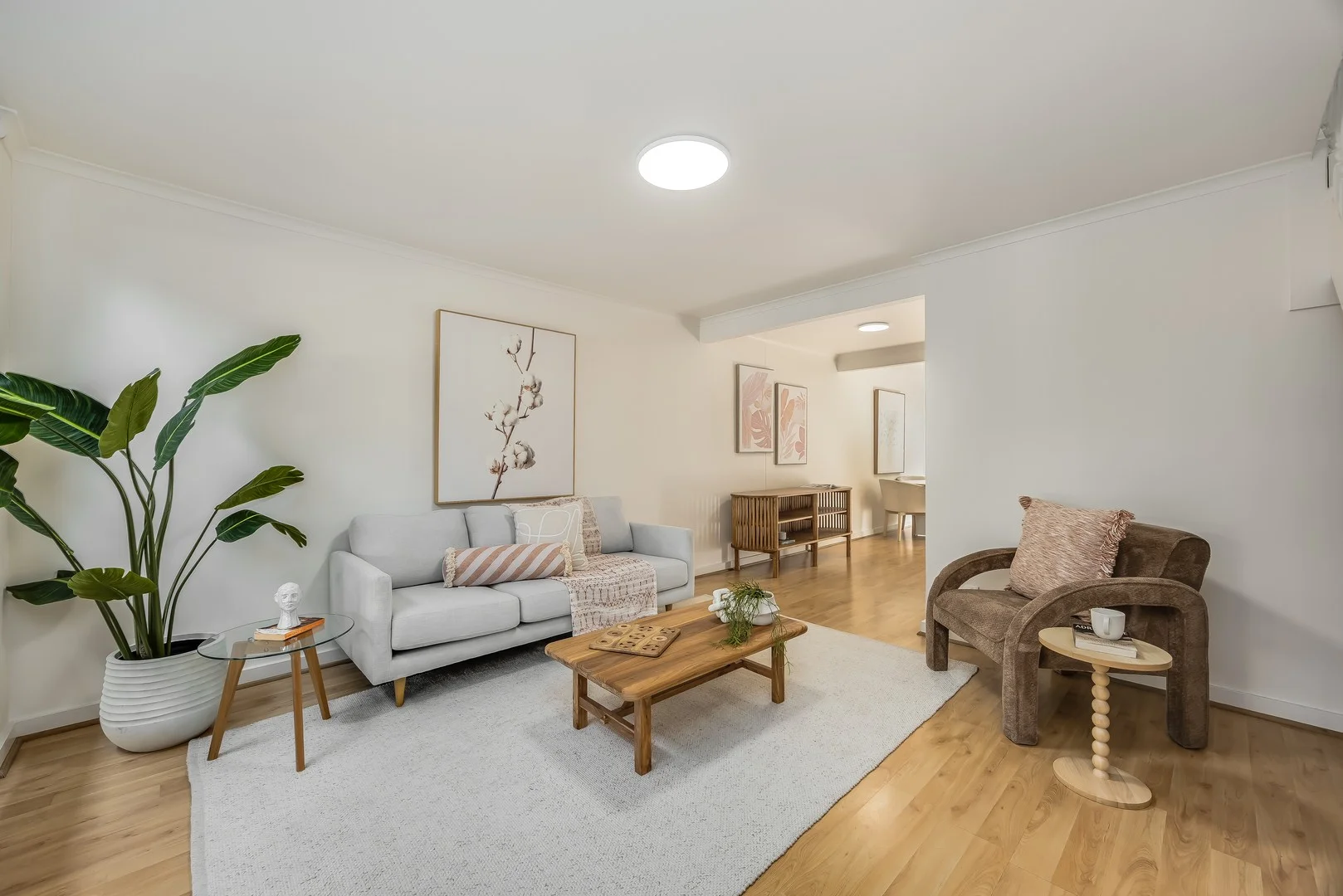 $775,000
House
$775,000
House
 $588,000
Apartment / Unit / Flat
$588,000
Apartment / Unit / Flat
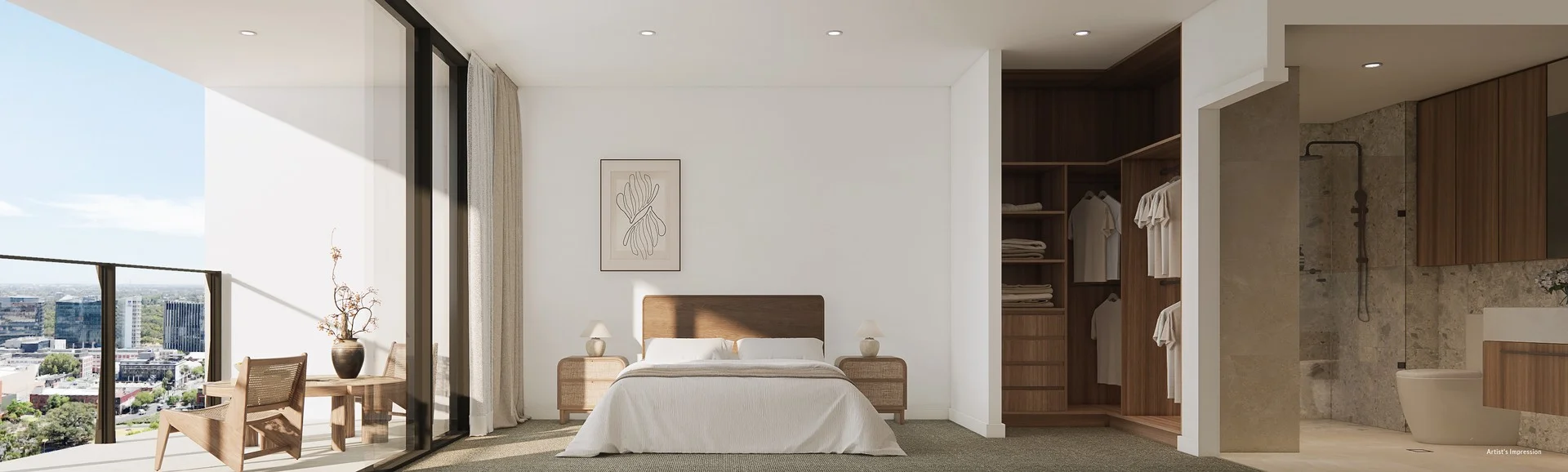 $1,056,000
Apartment / Unit / Flat
$1,056,000
Apartment / Unit / Flat
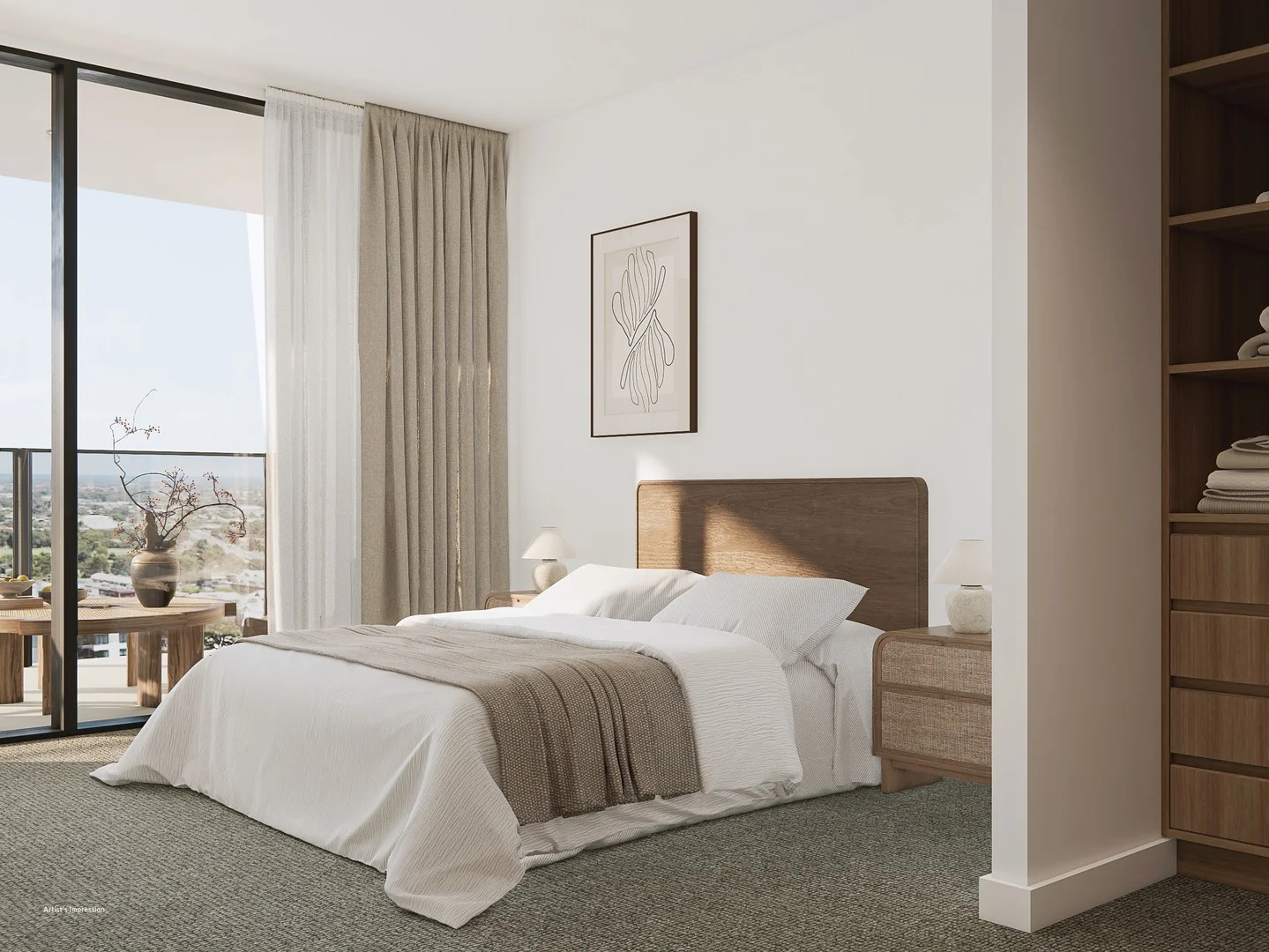 $935,000
Apartment / Unit / Flat
$935,000
Apartment / Unit / Flat
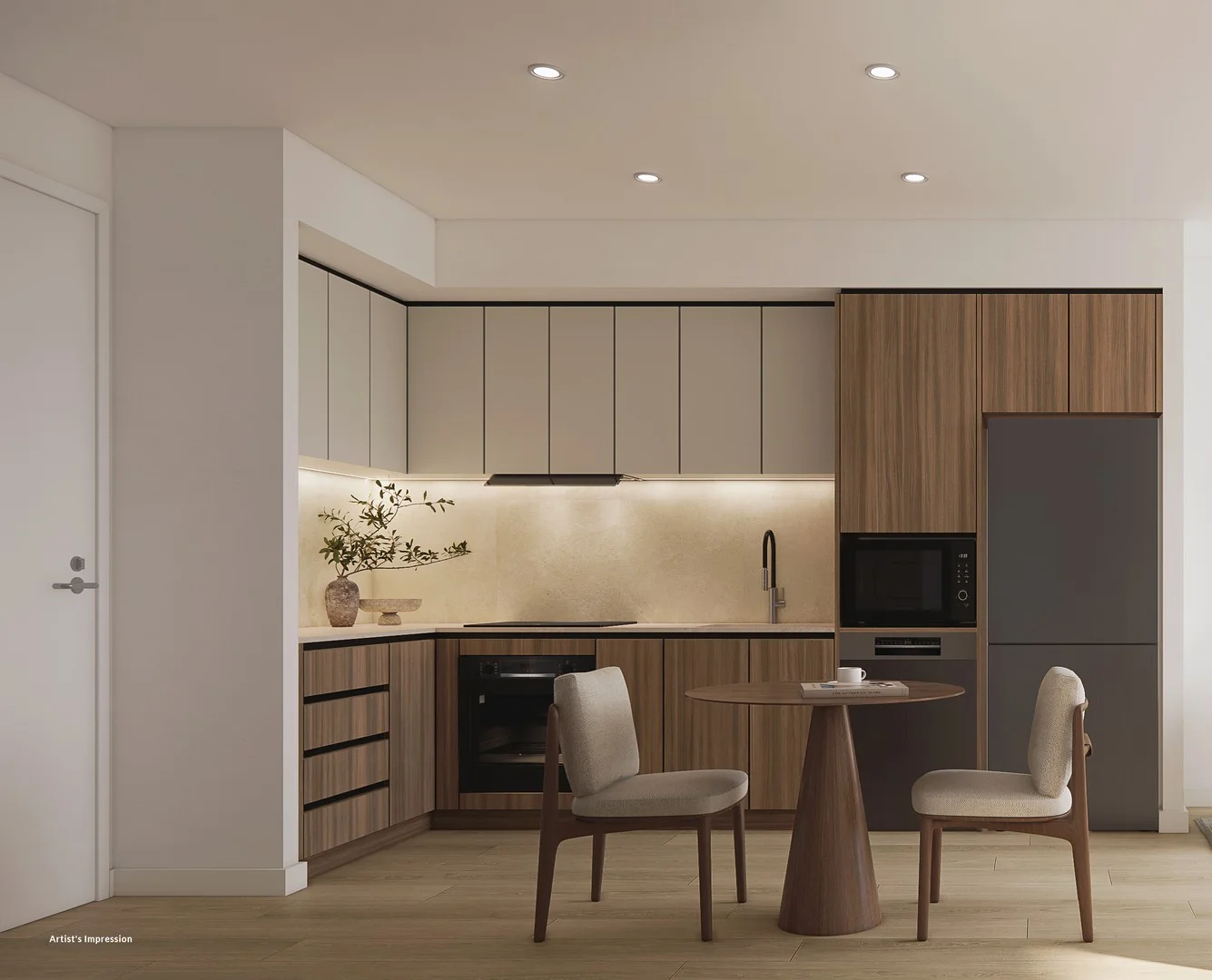 $557,000
Apartment / Unit / Flat
$557,000
Apartment / Unit / Flat
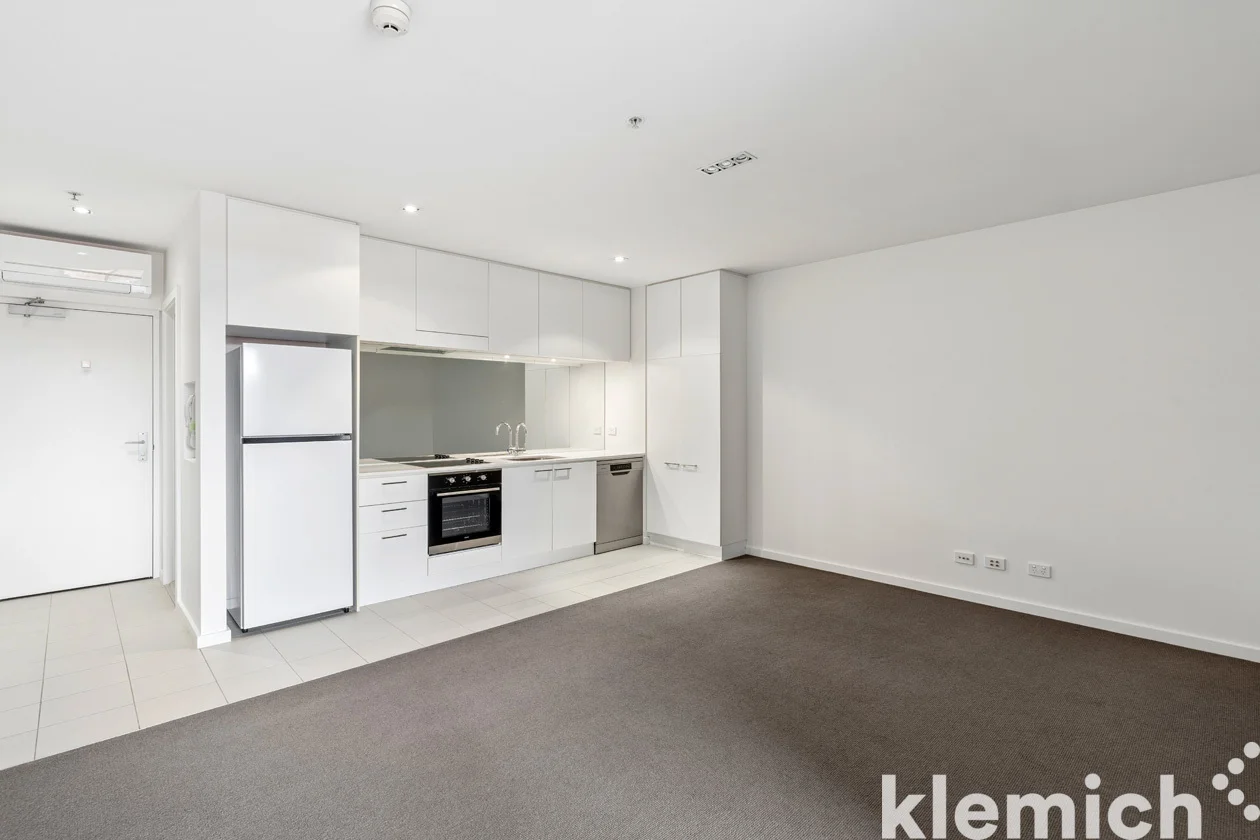 $440,000
Apartment / Unit / Flat
$440,000
Apartment / Unit / Flat
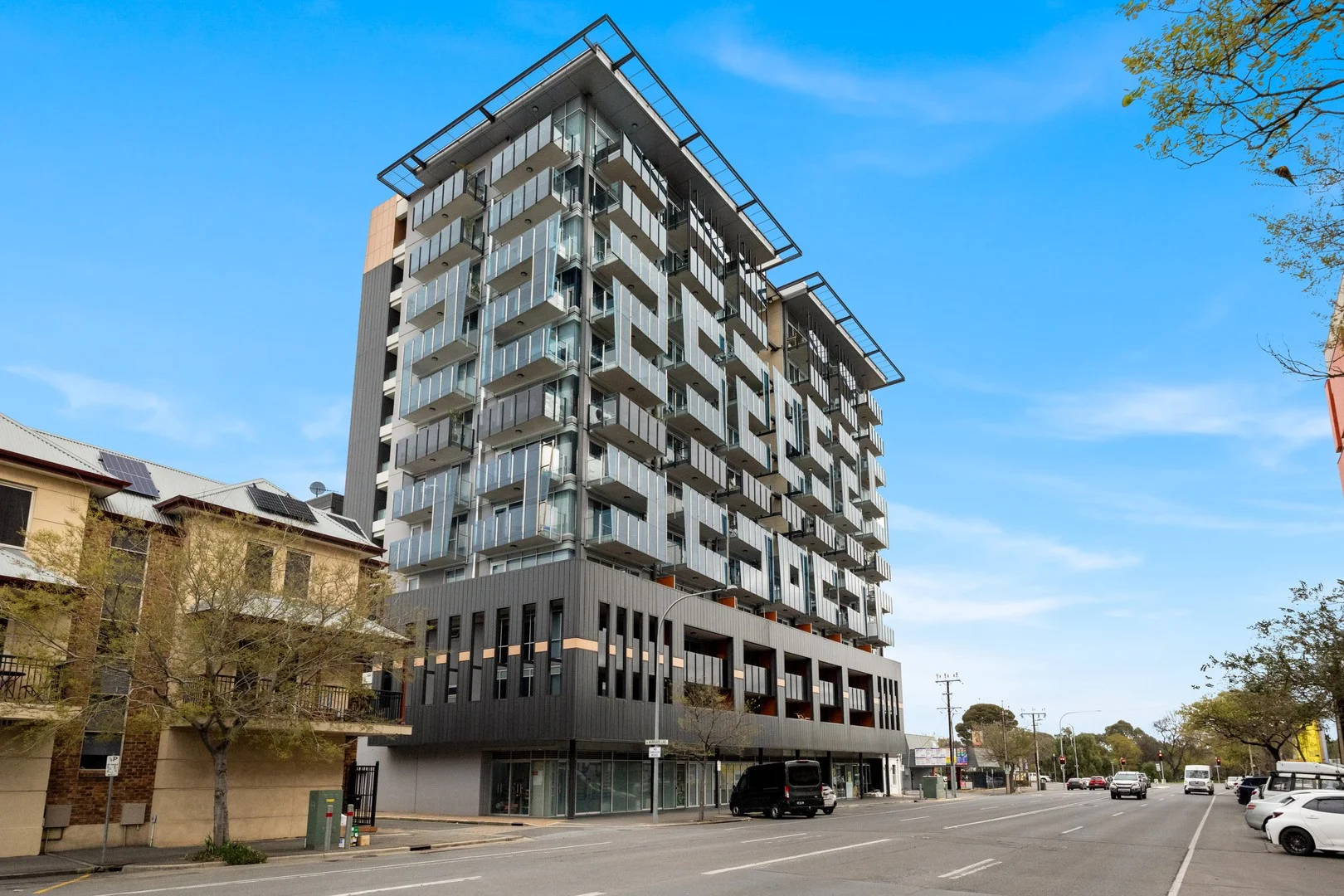 $1,100,000
Apartment / Unit / Flat
$1,100,000
Apartment / Unit / Flat