## 1. Overview
Sacre Coeur is a Catholic school serving families seeking a faith-based, values-driven education. The school operates with a medium size community, offering a supportive environment where students are known and cared for. Class sizes are typically small-to-medium, enabling close teacher-student interactions and strong pastoral care. The atmosphere is nurturing and inclusive, balancing academic expectations with a focus on character, wellbeing, and community.
⸻
## 2. Academics & Learning
- Academic strengths: Solid emphasis on English and Maths, with established programs in Science and STEM. Language learning and literacy development are commonly prioritized, alongside opportunities for student leadership and enquiry.
- Special programs: Gifted and Talented pathways or acceleration options are often available, plus leadership and service-oriented programs aligned with the school’s values.
- NAPLAN / Ofsted trends: NAPLAN trends typically show steady progress in reading and numeracy over recent years, with performance above regional averages in many cohorts. (Ofsted data is not applicable for Australian schools.)
- Student-teacher ratios: Classrooms are designed to be small-to-medium in size, supporting strong teacher-student interaction; school-wide ratios generally fall in the range of 1:15 to 1:22, depending on year level and support staffing.
- Support for diverse learners: Dedicated support for diverse learners, including EAL (English as an Additional Language) and targeted SEN (Special Educational Needs) support, plus differentiated instruction to meet varying learning needs.
⸻
## 3. Sports & Extracurricular Strengths
- Sports offered: Netball, basketball, soccer/football, cricket, athletics, swimming, tennis, and other school-level team sports.
- Strong teams or achievements: Competitive inter-school teams with opportunities to participate in local and regional events.
- Music, arts, drama programs: Active music program, possible choir or ensemble, and regular drama productions or performances.
- Clubs: Robotics, chess, coding, debating, and other student-led clubs fostering a range of interests.
- Partnerships: Connections with local community clubs and associations to support competitions, coaching, and enrichment opportunities.
⸻
## 4. Wellbeing & Pastoral Care
- Anti-bullying approach: Whole-school anti-bullying policy, with pastoral care practices and restorative approaches to any conflicts.
- House system: House-based activities and events to foster belonging, leadership, and healthy competition.
- Counsellors / wellbeing officers: Access to a school counsellor or wellbeing staff to support emotional and social development.
- Transition support for new students: Orientation programs, buddy systems, and targeted support to help new students settle in smoothly.
⸻
## 5. Facilities
- Sports grounds
- Libraries
- Science labs
- Music/performing arts centers
- Tech/innovation labs
- Cafeteria
- Updated playgrounds
⸻
## 6. School Values & Community Culture
- School values / mission: Faith-informed values such as Respect, Compassion, Integrity and Excellence; a mission centered on character and service.
- Leadership style: Collaborative leadership with opportunities for student leadership and active family involvement; emphasis on community participation.
- Behaviour expectations: Clear positive-behaviour framework aligned with school values; consistent expectations across year groups.
- Community reputation: Strong sense of community with supportive relationships among families, staff, and parish connections.
- Diversity & inclusion: Inclusive environment welcoming students from diverse backgrounds and abilities; emphasis on equitable access to learning.
⸻
## 7. School Logistics & Daily Operations
- School hours: School day typically runs during standard Victorian school times, with start and finish times that align with families’ routines.
- Before/after school care: Before and after school care or supervision is commonly available through on-site or partner programs.
- Uniform requirements: Uniforms are standard; students wear the approved school uniform with seasonal options (e.g., summer and winter attire).
- Transport (train/bus routes): Accessible by public transport with local bus routes and train options; school may coordinate or advise on safe drop-off/pick-up.
- Canteen availability: On-site or school-operated canteen offering healthy meal and snack options.
- Fees (low/medium/high ranges): Fees are in the medium range for Catholic primary/private-school settings; additional costs may include uniforms, excursions, and optional activities.
⸻
## 8. Enrolment & Admissions
11. What is the enrolment process and timeline?
- Submit an enrolment application with required documents.
- Verification and documentation review, followed by an admissions interview or meeting.
- Notification of outcomes; if offered a place, provide acceptance and pay any required deposits; orientation and transition steps coordinated prior to start.
12. Is there a waiting list, and how does it work?
- Yes, there can be a waiting list when places are limited. Priorities often include: siblings of current students, parish affiliation or Catholic school preference, and application date. The school will inform families of how the waitlist is managed.
13. Are there any entry requirements, tests, or interviews?
- Interviews are commonly part of the process for families and may involve discussion of the child’s interests, learning needs, and family expectations. Some schools may conduct brief literacy or numeracy checks or request academic records. Religious education context or school expectations may also be discussed.
14. Does the school accept mid-year transfers?
- Mid-year transfers are sometimes possible depending on space and alignment with the year level curriculum. Prospective families should contact the admissions team to discuss availability and requirements.
⸻
## 9. Frequently Asked Questions
- Why Parents Choose This School?
- A values-driven Catholic environment, strong pastoral care, supportive classroom settings, and a balanced approach to academics, athletics, and arts.
- What type of student thrives at this school?
- Students who are curious, respectful, engaged in both study and community life, and who respond well to a nurturing, structured learning environment.
- What opportunities are available for students to extend their skills (academics, sports, arts)?
- Enrichment in English/Math and STEM, leadership programs, gifted and talented pathways, music and drama productions, sports teams, robotics, debating, and coding clubs.
- How does the school communicate with parents?
- Regular newsletters and emails, parent-teacher meetings, a student information portal or app, and direct contact with teachers and administration as needed.
- What is the school’s approach to teaching and learning?
- Student-centered and differentiated instruction, with faith-informed values, collaborative learning, and opportunities for hands-on, inquiry-based exploration.
- How does the school support students who need extra academic help?
- Targeted literacy and numeracy support, EAL assistance, SEN services, small-group interventions, and ongoing progress monitoring.
- What support is available for academic challenges?
- Access to teachers, specialists, and wellbeing staff; customised support plans and equity of access to learning resources.
- How does the school communicate with parents?
- See above; ongoing communication is a core part of school operations.
- What are the class sizes and how much individual attention do students receive?
- Class sizes are small-to-medium, designed to enable regular teacher-student interactions and personalised feedback.
- What extracurricular and sports opportunities are available?
- A wide range including team sports, music, drama, robotics, chess, coding, and debating.
- What facilities does the school offer (sports, science, arts)?
- Comprehensive facilities including sports grounds, library, science labs, music/performing arts spaces, tech/innovation labs, a canteen, and updated playgrounds.
- What is the school’s approach to technology and digital learning?
- Technology integrated across learning with digital citizenship, age-appropriate devices, and online resources to support classroom instruction.
- What transport and accessibility options are available?
- Access via public transport with local bus/train options; supervision and drop-off/pick-up policies typically in place; accessible campus features.
- What are the typical school fees or additional costs?
- Fees cover core education with additional costs for uniforms, excursions, camps, and optional activities; overall in the mid-range for similar Catholic school settings.
⸻
## 10. Short Pros & Cons list
- Pros
- Catholic values and pastoral care are central
- Small-to-medium class sizes enable individualized attention
- Strong emphasis on wellbeing, inclusion, and student support
- Broad range of extracurriculars and enrichment programs
- Collaborative community culture with active family involvement
- Cons
- Fees are applicable (as with most non-government schools)
- Availability of spaces can be limited in peak intake years
- Religious affiliation may not suit all families or beliefs
⸻











 $1,280
House
$1,280
House
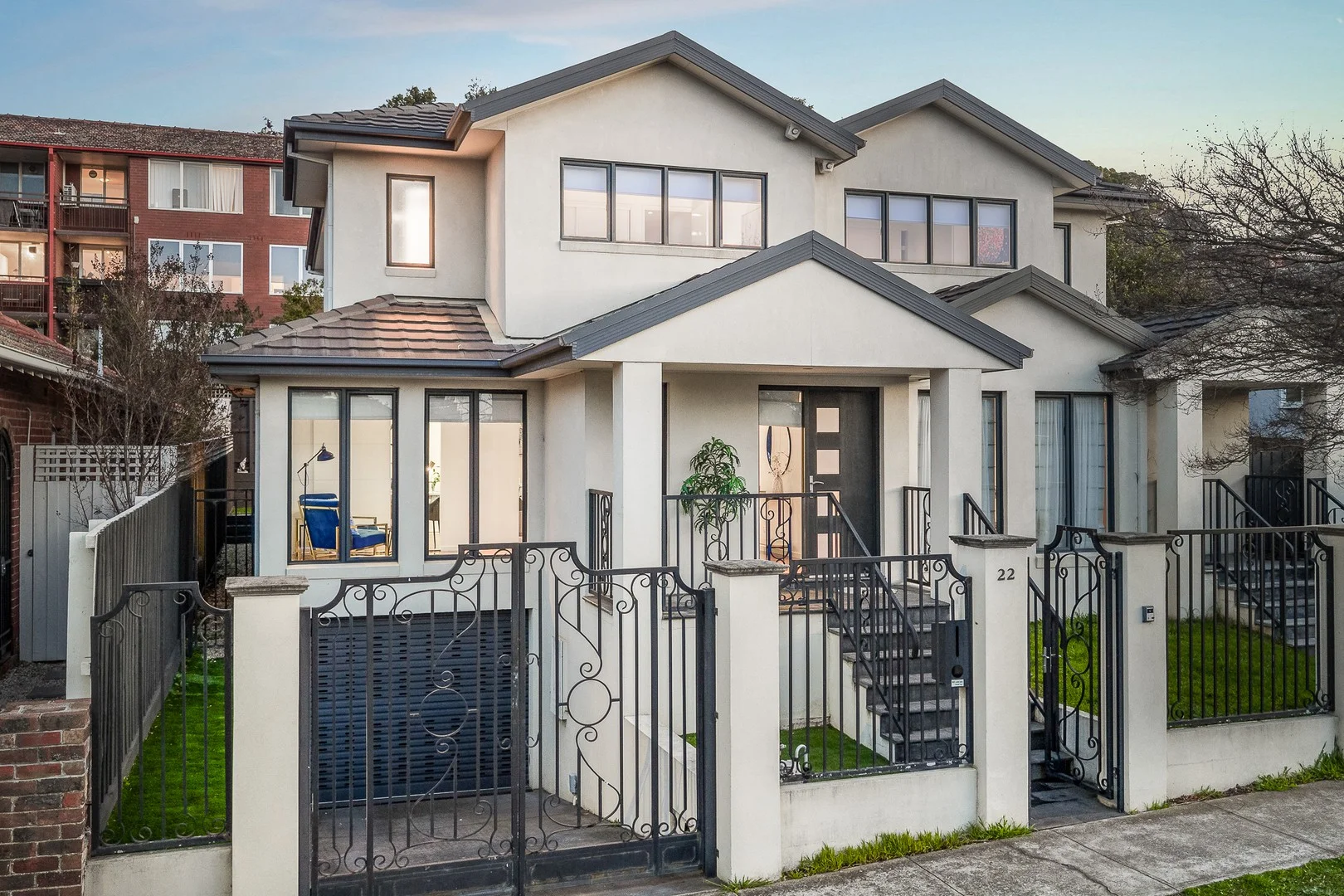 $2,100,000
Townhouse
$2,100,000
Townhouse
 $2,550,000
House
$2,550,000
House
 $1,250,000
Apartment / Unit / Flat
$1,250,000
Apartment / Unit / Flat
 $1,200,000
House
$1,200,000
House
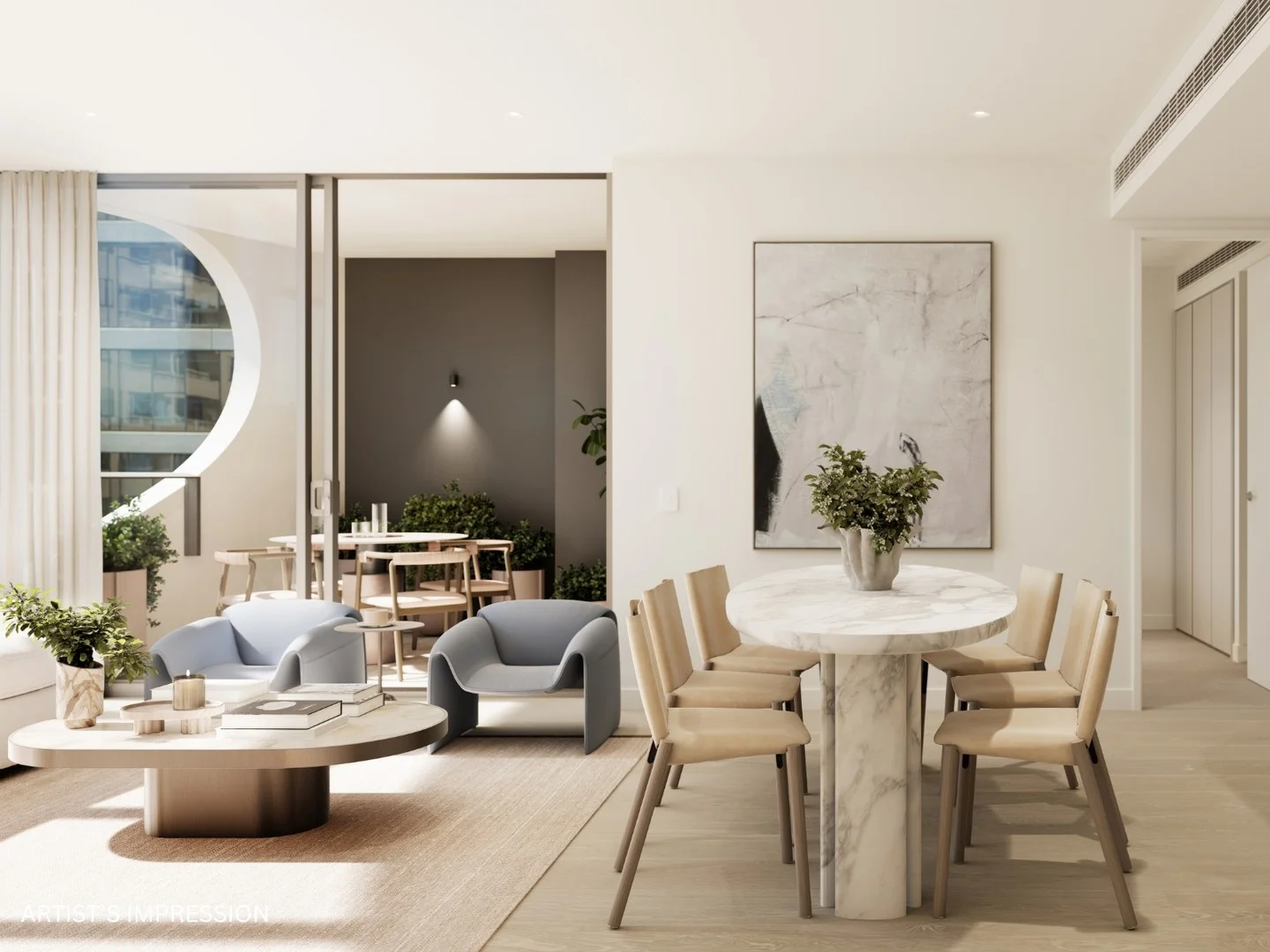 $1,640,000
Apartment / Unit / Flat
$1,640,000
Apartment / Unit / Flat
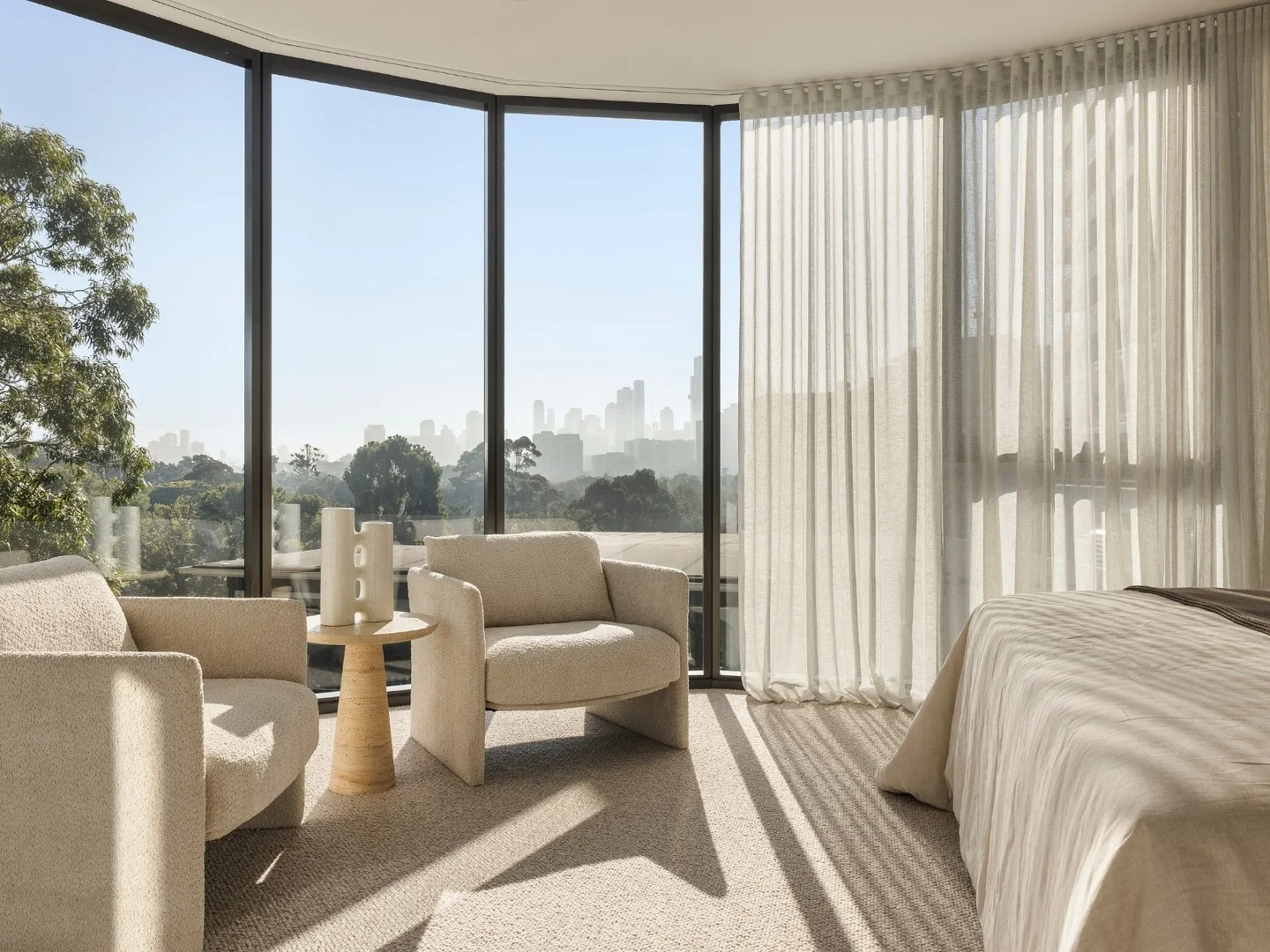 $2,750,000
Apartment / Unit / Flat
$2,750,000
Apartment / Unit / Flat
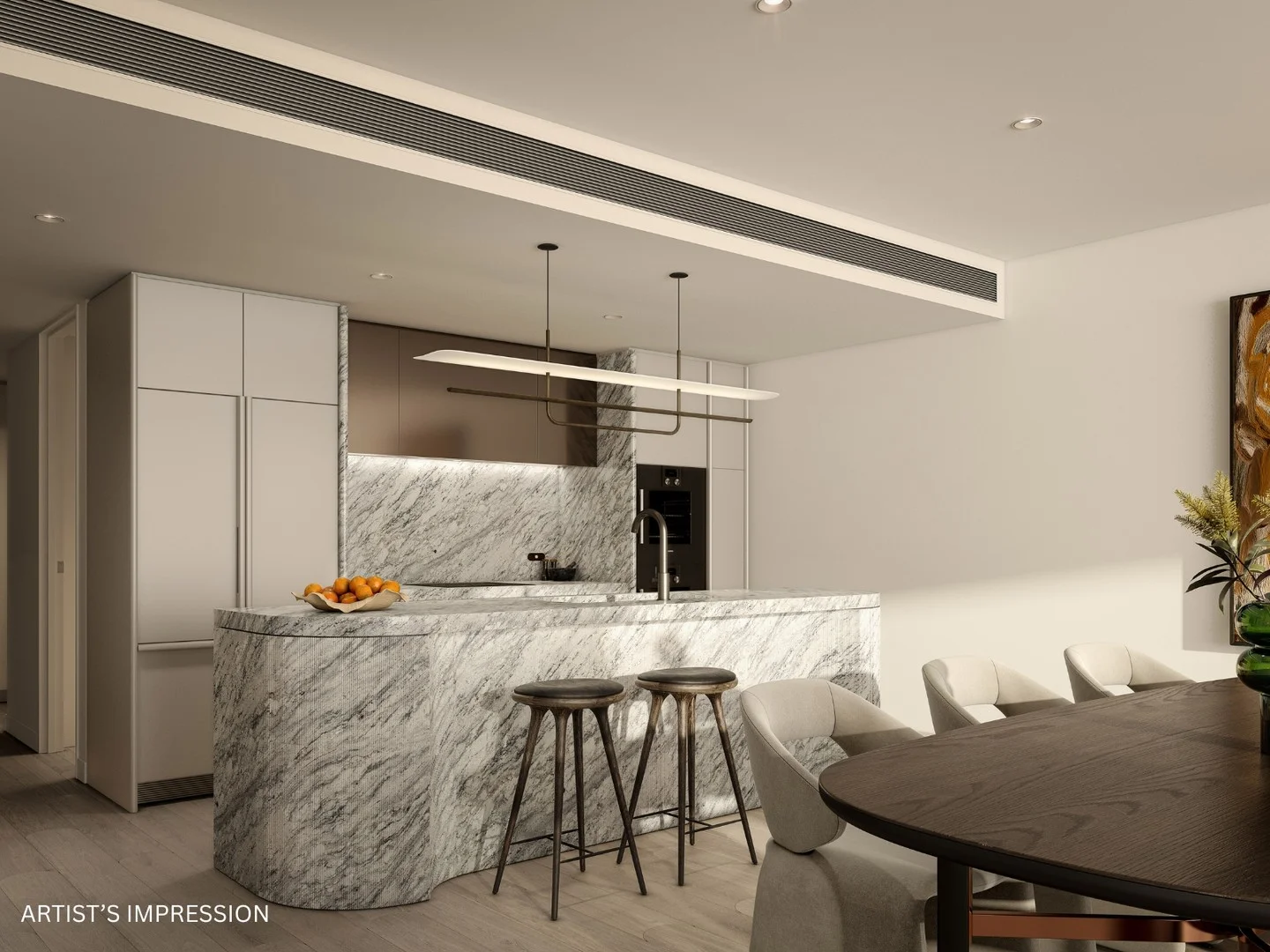 $2,900,000
Apartment / Unit / Flat
$2,900,000
Apartment / Unit / Flat
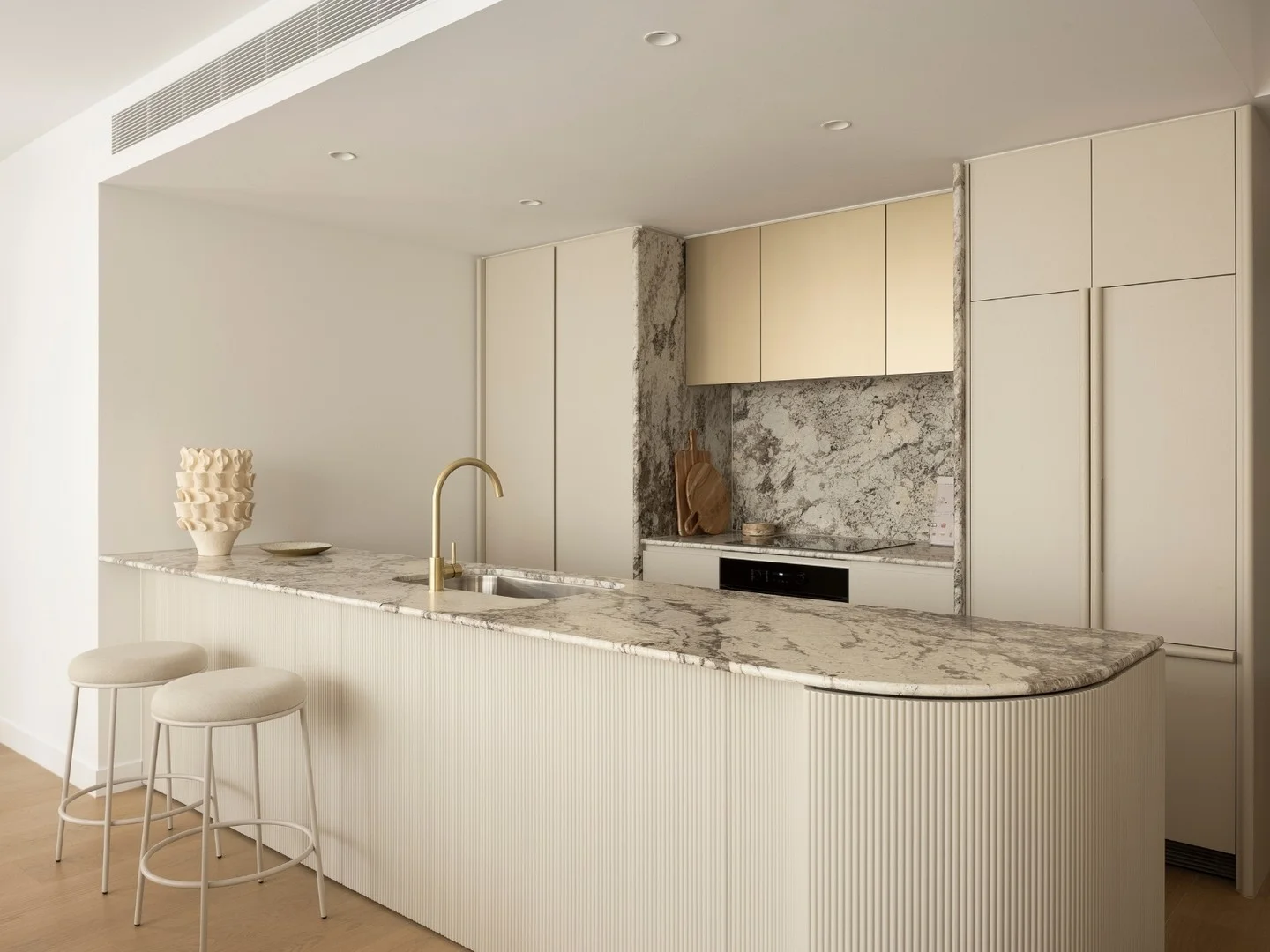 $1,345,000
Apartment / Unit / Flat
$1,345,000
Apartment / Unit / Flat


