Overview
1. Overview
St Roch's Parish Primary School Glen Iris is a Catholic primary school offering a faith-based, values-driven education in a medium-sized school community. The school focuses on creating a welcoming, inclusive atmosphere where students develop academically, spiritually and socially within a supportive parish environment.
School type: Catholic (parish primary)
Size: Medium
Class size: Typically around 20–24 students per class, with occasional multi-age arrangements
Atmosphere/culture: Nurturing, inclusive, faith-informed, with a strong sense of community and belonging
2. Academics & Learning
Academic strengths:
- Strong literacy and numeracy programs with a focus on high-quality English and mathematics foundations
- STEM integration and hands-on learning to build problem-solving and critical thinking
- Emphasis on Catholic Education values alongside core academic subjects
Special programs:
- Gifted and Talented extension opportunities and targeted learning support
- Reading Recovery or similar literacy interventions to assist developing readers
- Integrated digital technology and iSTEAM experiences to build 21st-century skills
NAPLAN / trends:
- Monitored across year levels with focus on continual improvement and consistent performance over time
- Annual review of cohorts to identify strengths and targeted support areas
Student-teacher ratios:
- Class sizes in the typical range of 20–24 students; teacher-to-student contact in line with standard primary school practice
Support for diverse learners:
- EAL (English as an Additional Language) support as needed
- SEN (Special Educational Needs) approach with an inclusive education framework and support staff
3. Sports & Extracurricular Strengths
Sports offered:
- Interschools participation with a range of team sports (e.g., soccer, basketball, netball, athletics) and school-level athletic events
- Regular opportunities for physical education, fitness activities, and school sporting days
Strong teams or achievements:
- Active participation in local inter-school events and district competitions
Music, arts, drama programs:
- School choir or singing groups, school productions, and opportunities to perform in assemblies and events
Clubs:
- Robotics, coding, chess, debating and other enquiry-based clubs are offered to broaden interests
Partnerships:
- Interschools programs, local sporting associations, and community arts partnerships to extend opportunities
4. Wellbeing & Pastoral Care
Anti-bullying approach:
- Clear anti-bullying policy and positive behaviour framework to promote respect, kindness and safe school culture
House system:
- House groups support camaraderie, leadership, and healthy competition
Counsellors / wellbeing officers:
- Access to a school wellbeing team or counsellor to support emotional and social development
Transition support for new students:
- Structured orientation programs, buddy systems and teacher/staff-led transitions to ease entry for new families and students
5. Facilities
Sports grounds:
- On-site play spaces and sporting facilities suitable for PE and sports activities
Libraries:
- Well-stocked library with quiet study areas and resources to support reading and research
Science labs:
- Dedicated spaces for practical science activities and investigations
Music/performing arts centers:
- Space for music lessons, rehearsals, and small-scale performances
Tech/innovation labs:
- Computer or STEM labs to support coding, robotics and digital learning
Cafeteria:
- On-site canteen or snack facilities supporting healthy food choices
Updated playgrounds:
- Modern playground equipment and safe outdoor spaces for breaks and play
6. School Values & Community Culture
School values / mission:
- Focus on compassion, respect, responsibility, and service within a Catholic ethos
Leadership style:
- Collaborative and student-centered leadership encouraging student voice and responsibility
Behaviour expectations:
- Clear expectations around conduct, courtesy, and positive relationships
Community reputation:
- Welcoming, parish-linked community with strong family involvement and support networks
Diversity & inclusion:
- Commitment to an inclusive environment that welcomes all faiths and backgrounds and supports diverse learners
7. School Logistics & Daily Operations
School hours:
- Typical school day start and finish times aligned with Victorian primary school schedules; before/after school care options may be available
Before/after school care:
- OSHC or external providers may offer care before or after school
Uniform requirements:
- Plain, practical school uniform with seasonal adjustments; clear guidelines on uniform expectations
Transport (train/bus routes):
- Located with access to local public transport and walking/cycling routes; school can provide guidance on routes and drop-off points
Canteen availability:
- On-site or nearby canteen options with healthy meal/snack choices
Fees (low/medium/high ranges):
- Fees fall within the mid-range for Australian Catholic primary schools; detailed information available through the enrolment team
8. Enrolment & Admissions
11. What is the enrolment process and timeline?
- Submit an expression of interest or enrolment form during the intake period
- Information sessions or open days are typically offered to families
- Application is reviewed by the school, with notification timelines provided
12. Is there a waiting list, and how does it work?
- There is often a waiting list; placement may depend on availability, family circumstance, parish ties, and sibling factors
- Check with the school for current waitlist procedures and expected wait times
13. Are there any entry requirements, tests, or interviews?
- An enrolment interview or information session is commonly held
- Religious education expectations and family involvement may be part of the process
- Some schools may request baptism or confirmation details depending on policy
14. Does the school accept mid-year transfers?
- Mid-year transfers are considered where space allows; families should contact the enrolment office promptly to discuss current vacancies and transition requirements
9. Frequently Asked Questions
- Why Parents Choose This School?
- A faith-filled, supportive community with strong academic foundations and a focus on holistic development
- What type of student thrives at this school?
- Students who value belonging, community, and growth across academics, faith, and social-emotional skills
- What opportunities are available for students to extend their skills (academics, sports, arts)?
- Extension programs in literacy and numeracy, STEM and digital learning, arts performances, music ensembles, and interschool sports
- How does the school communicate with parents?
- Regular newsletters, parent-teacher conferences, and digital updates via the school portal or app
- What is the school’s approach to teaching and learning?
- Balanced, evidence-informed pedagogy with a focus on literacy, numeracy, inquiry-based learning, and Catholic values
- How does the school support students who need extra academic help?
- Targeted interventions, reading support, and small-group or one-on-one assistance as needed
- What support is available for academic challenges?
- Access to specialists, tutoring programs, and progress monitoring to adjust supports
- How does the school communicate with parents? (repeated)
- See above: proactive, regular, multi-channel communication
- What are the class sizes and how much individual attention do students receive?
- Class sizes are typically around 20–24 students; teachers provide targeted support within the classroom and during small-group sessions
- What extracurricular and sports opportunities are available?
- A range of sports, music, arts, and clubs such as robotics, coding, chess, and debating
- What facilities does the school offer (sports, science, arts)?
- Sports grounds, library, science labs, music/performing arts spaces, and tech/innovation facilities
- What is the school’s approach to technology and digital learning?
- Integrated digital literacy, coding and ICT skills within the curriculum and age-appropriate technology use
- What transport and accessibility options are available?
- Local transport options and guidance on practical routes; support for families during transition
- What are the typical school fees or additional costs?
- Fees fall within mid-range; additional costs may include uniform, extracurricular activities, and excursions
10. Short Pros & Cons list
Pros
- Catholic, values-based education with a strong sense of community
- Moderate class sizes enabling individual attention
- Broad curriculum with emphasis on literacy, numeracy, STEM and the arts
- Active wellbeing program and inclusive environment
- Wide range of clubs, sports, and extracurricular activities
- Solid facilities supporting learning across academics, arts and sciences
Cons
- As a medium-sized school, some specialist programs may have limited capacity compared with larger schools
- Availability of certain mid-year transfer places depends on current enrolments and spaces
- Fees are in the mid-range; additional costs for excursions, uniforms, and some extracurricular activities
If you’d like, I can tailor this content further with any specific details you provide from the school or update any sections to align with the latest information from the school’s leadership.







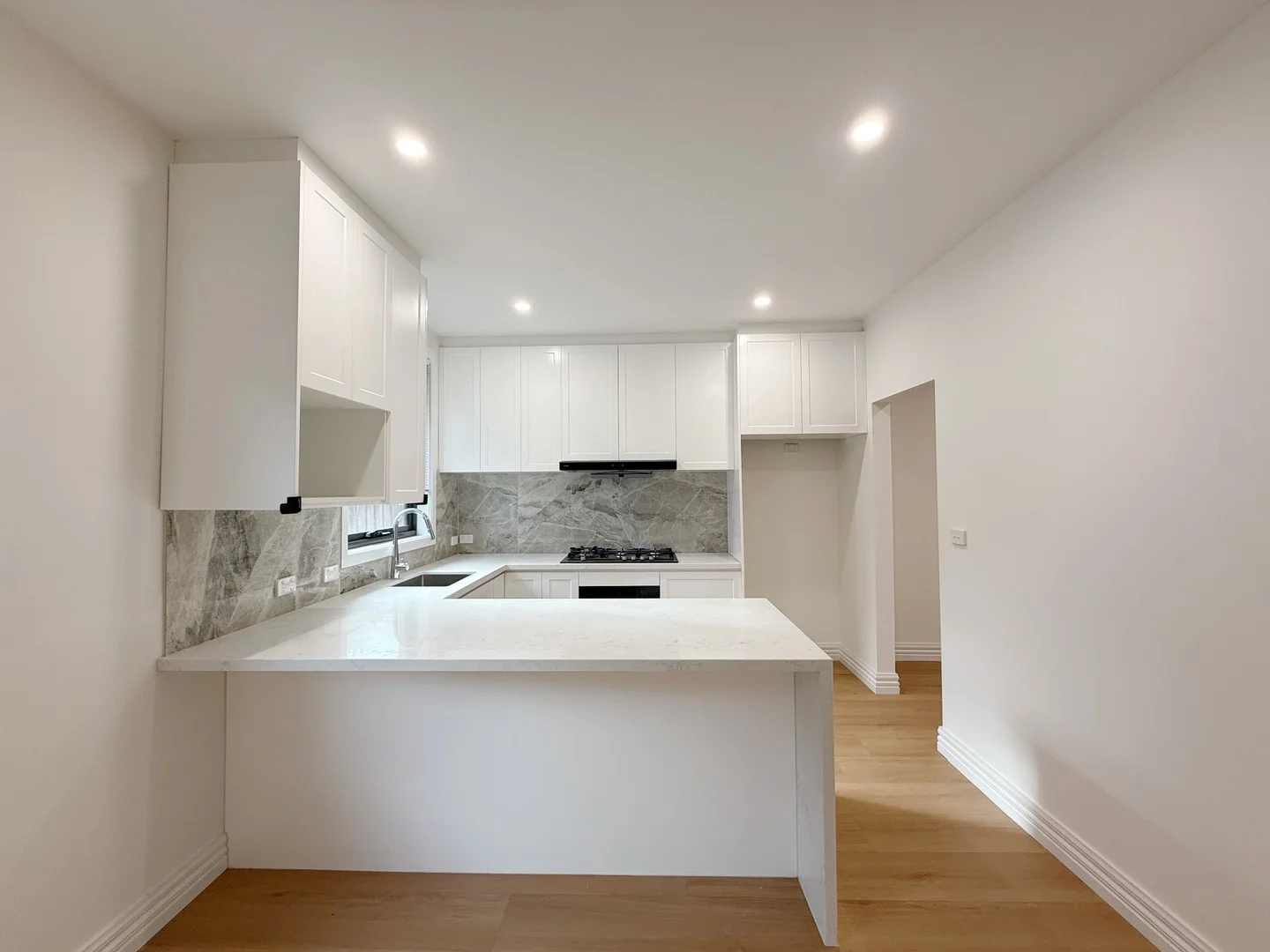 $1,280
House
$1,280
House
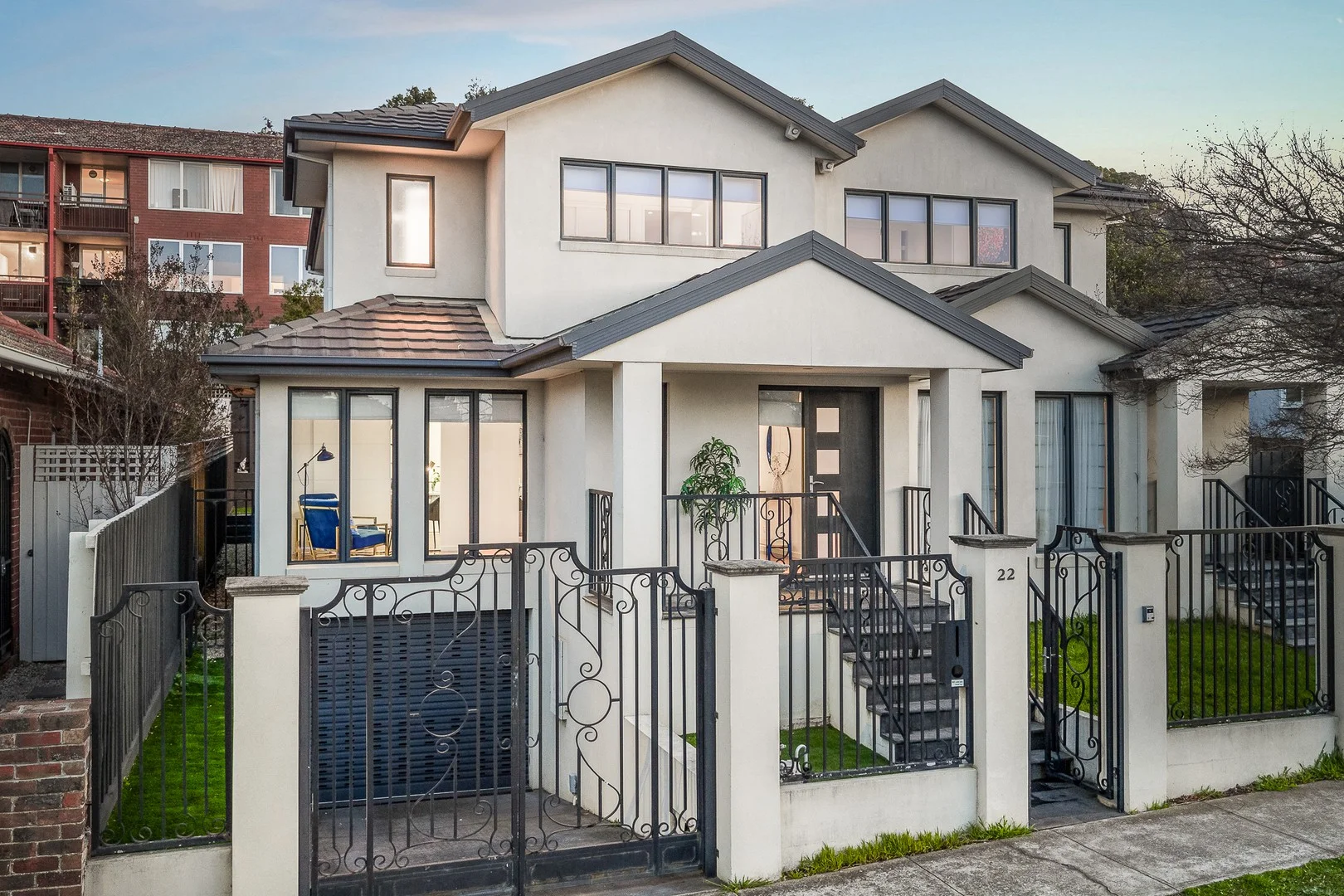 $2,390,000
Townhouse
$2,390,000
Townhouse
 $1,250,000
Apartment / Unit / Flat
$1,250,000
Apartment / Unit / Flat
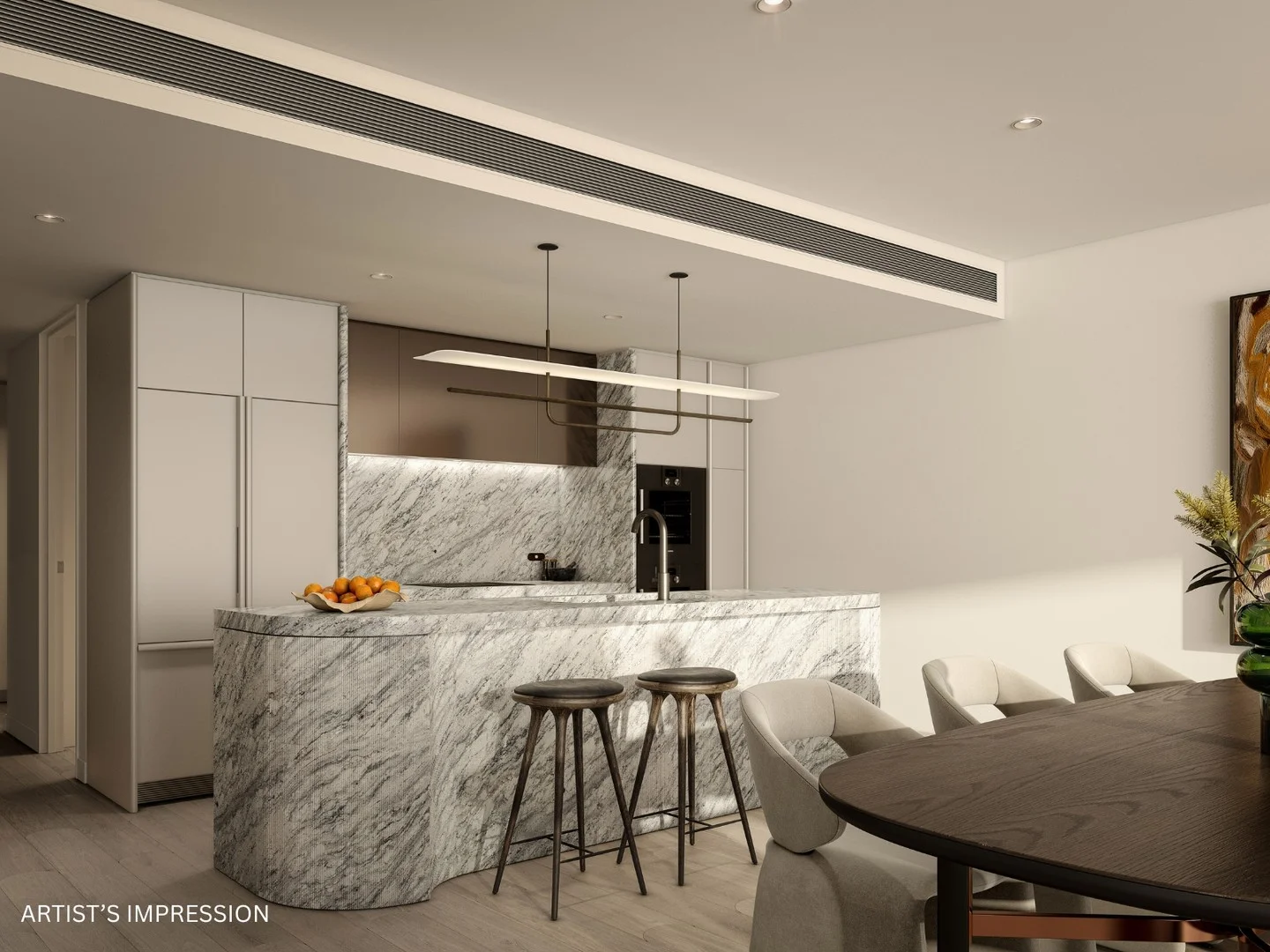 $2,900,000
Apartment / Unit / Flat
$2,900,000
Apartment / Unit / Flat
 $1,640,000
Apartment / Unit / Flat
$1,640,000
Apartment / Unit / Flat
 $1,345,000
Apartment / Unit / Flat
$1,345,000
Apartment / Unit / Flat
 $2,750,000
Apartment / Unit / Flat
$2,750,000
Apartment / Unit / Flat
 $2,000,000
House
$2,000,000
House
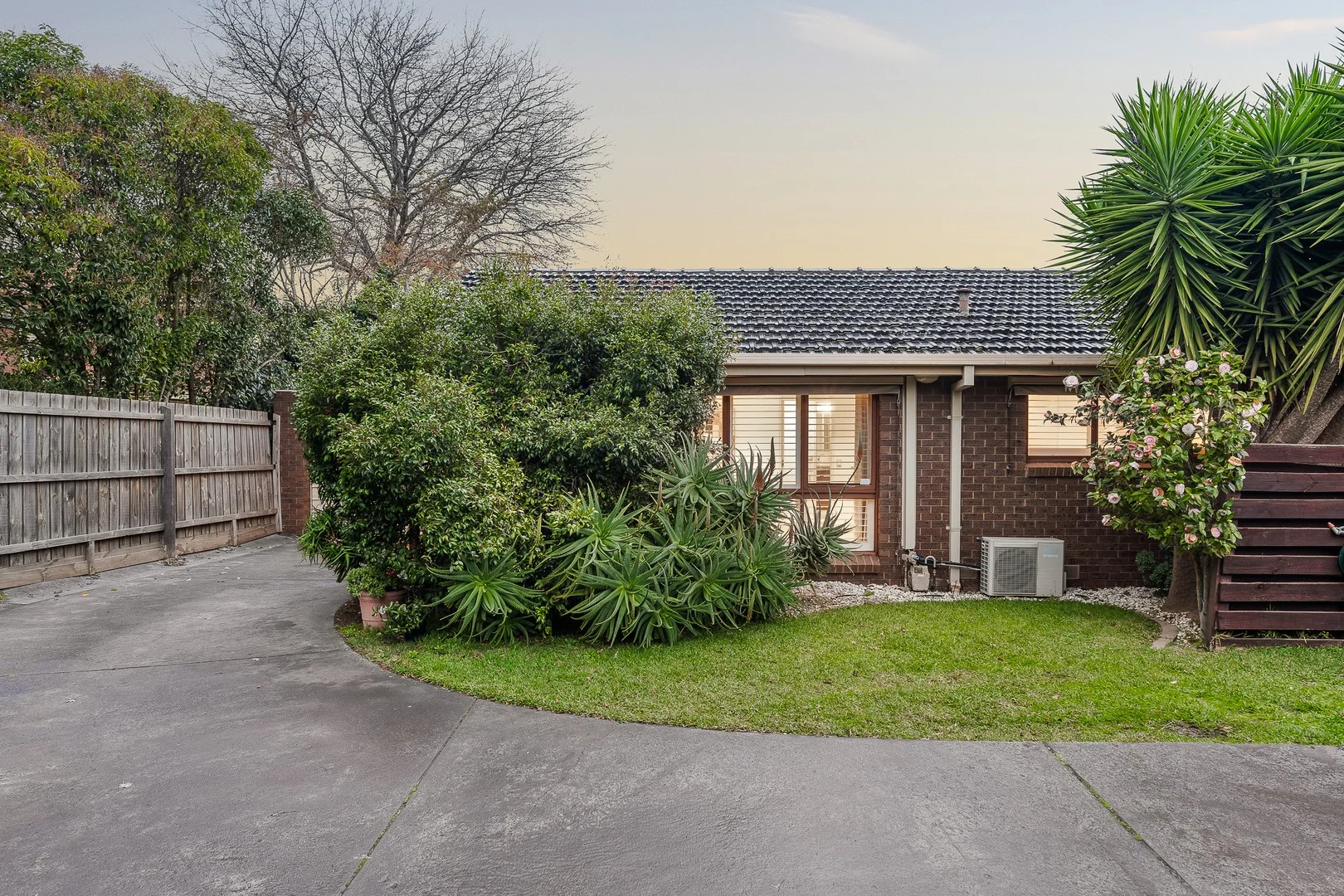 $770,000 - $820,000
Apartment / Unit / Flat
$770,000 - $820,000
Apartment / Unit / Flat