1. Overview
Korowa Anglican Girls' School is an independent Anglican day school for girls, located in Glen Iris, Melbourne. It provides a continuous K–12 education on a single campus, with a values-based environment that blends strong academics with arts, sport and wellbeing. The school is medium-sized for a private Australian cohort, with small-to-medium class sizes that enable close teacher support and individualized feedback. The atmosphere is nurturing and inclusive, while also fostering ambition, leadership and community responsibility.
2. Academics & Learning
- Academic strengths: robust programs across English, humanities, sciences and languages, with a strong focus on critical thinking, communication and leadership development.
- Special programs: prepared pathways for senior studies (VCE) with options for extension and depth, plus gifted and talented initiatives and targeted learning support for diverse learners.
- NAPLAN / Ofsted trends: NAPLAN data trends over recent years indicate stable to improving literacy and numeracy performance, supported by school-designed interventions and targeted learning supports; Ofsted reviews are not applicable in this Australian context, but internal and state-level reviews inform ongoing practice.
- Student-teacher ratios: favorable ratios typical of private K–12 schools, supporting regular teacher feedback and individualized attention.
- Support for diverse learners: dedicated EAL and SEN support, inclusive teaching approaches, and personalised learning plans where required.
3. Sports & Extracurricular Strengths
- Sports offered: a broad program including traditional team sports and fitness activities suitable for girls, with opportunities across multiple sport codes.
- Strong teams or achievements: competitive interschool teams with regular participation and success in state-level competitions.
- Music, arts, drama programs: comprehensive performing arts offerings, including choirs, ensembles and school productions.
- Clubs: robotics, chess, coding, debating, and other student-led or advisory clubs.
- Partnerships: connections with local clubs and regional competitions to broaden opportunities beyond the campus.
4. Wellbeing & Pastoral Care
- Anti-bullying approach: proactive policies and programs to promote respectful conduct, a safe campus and positive peer relationships.
- House system: house structure to foster belonging, belonging events and leadership opportunities.
- Counsellors / wellbeing officers: on-site wellbeing team available to support mental health, resilience, and personal development.
- Transition support for new students: structured orientation, buddy systems and transition programs to help students settle in smoothly.
5. Facilities
- Sports grounds: on-site playing fields and courts suitable for a range of activities.
- Libraries: well-resourced library spaces with study zones and digital access.
- Science labs: modern science laboratories for practical experiments across disciplines.
- Music/performing arts centers: dedicated spaces for practice, rehearsals and performances.
- Tech/innovation labs: ICT and makerspace facilities to support digital learning and project work.
- Cafeteria: on-site canteen with daily offerings.
- Updated playgrounds: modern outdoor spaces for recreation and informal learning.
6. School Values & Community Culture
- School values / mission: a values-led framework emphasizing integrity, respect, service, curiosity and inclusion; leadership development is embedded across year levels.
- Leadership style: student voice and leadership opportunities (prefect roles, student councils, and programmatic leadership).
- Behaviour expectations: clear codes of conduct, consistent expectations and restorative approaches where needed.
- Community reputation: regarded as a well-established part of Melbourne’s private-school community, known for a balance of academic rigor and pastoral care.
- Diversity & inclusion: welcoming community with emphasis on inclusivity and support for CALD (culturally and linguistically diverse) students and a range of backgrounds.
7. School Logistics & Daily Operations
- School hours: typically a full-day timetable with a structured start and finish; after-school activities may extend the day for some students.
- Before/after school care: available on-site or via nearby providers; information on arrangements is provided at enrolment.
- Uniform requirements: formal uniform required during lessons, with a separate sports uniform for PE and extracurricular activities.
- Transport (train/bus routes): well-served by local public transport and school-organised transport options where available; proximity to tram/bus routes and rail stations is common in the area.
- Canteen availability: on-site canteen offering daily meals and snacks.
- Fees (low/medium/high ranges): the school is in the mid-to-high range for private independent schooling in Victoria; additional costs may include uniforms, excursions, camps and extracurricular activities.
8. Enrolment & Admissions
11. What is the enrolment process and timeline?
- Applications are typically submitted online with supporting documents; families may be invited to participate in interviews or assessments appropriate to the year level; offers are issued in line with available places and the school’s annual timeline.
12. Is there a waiting list, and how does it work?
- Many year levels operate with a waiting list. Allocation generally depends on vacancy, sibling priority, year-level demand, and the school’s enrolment policy. Families on the list are kept informed of position and any action required.
13. Are there any entry requirements, tests, or interviews?
- Entry usually involves an interview process and may include age-appropriate assessments or task-based activities. Academic records, references and other documentation may be requested as part of the process.
14. Does the school accept mid-year transfers?
- Yes, mid-year transfers are possible subject to space availability, appropriate assessments, and a smooth transition plan for the new student.
9. Frequently Asked Questions
- Why Parents Choose This School?
- A values-driven, girls-only environment combined with solid academics, strong wellbeing support and a supportive community.
- What type of student thrives at this school?
- Curious, motivated and collaborative girls who engage across academics, arts and sport, and who value a caring, structured learning environment.
- What opportunities are available for students to extend their skills (academics, sports, arts)?
- Options include extended or advanced study pathways in academics, leadership roles, diverse extracurriculars in sport and arts, and clubs like robotics, debating and coding.
- How does the school communicate with parents?
- Through a dedicated parent portal/app, newsletters, emails, parent-teacher interviews and regular updates from teachers and the leadership team.
- What is the school’s approach to teaching and learning?
- A rigorous, student-centered approach that emphasises inquiry, critical thinking, collaboration and real-world application.
- How does the school support students who need extra academic help?
- Targeted learning support, EAL and SEN services, small-group tutoring, and personalised plans aligned with student needs.
- What support is available for academic challenges?
- Early identification, mentoring, intervention programs and access to specialists to help students regain confidence and progress.
- What are the class sizes and how much individual attention do students receive?
- Class sizes are small-to-medium, enabling regular feedback, differentiated instruction and closer teacher-student connections.
- What extracurricular and sports opportunities are available?
- A broad range of sports, arts, music and drama programs, plus clubs such as robotics, chess, coding and debating.
- What facilities does the school offer (sports, science, arts)?
- Modern facilities including sports grounds, libraries, science labs, performing arts spaces, tech/innovation labs and a canteen.
- What is the school’s approach to technology and digital learning?
- Integrated technology across the curriculum, with digital learning resources, appropriate devices and a focus on digital literacy and responsible use.
- What transport and accessibility options are available?
- Access to local public transport options and school-supported travel arrangements; proximity to bus and tram routes and train stations is common in the area.
- What are the typical school fees or additional costs?
- Fees are in the private-school mid-to-high range, with additional costs for uniforms, camps, excursions and elective activities.
10. Short Pros & Cons list
- Pros
- Independent Anglican, girls-only education with a values-based framework
- Strong academic program with opportunities for extension
- Broad extracurriculars across sports, arts, clubs and leadership
- Emphasis on wellbeing, pastoral care and inclusive community
- Modern facilities and supportive learning environment
- Cons
- Higher tuition compared with many state schools
- Private-school entry can be competitive with waitlists
- Travel time for families living farther away
- Busy timetable with academic and extracurricular commitments requiring time management
If you’d like, I can tailor these sections with more locally specific details or adjust the tone to fit a particular page on Aroundschools.
 $440+
$440+









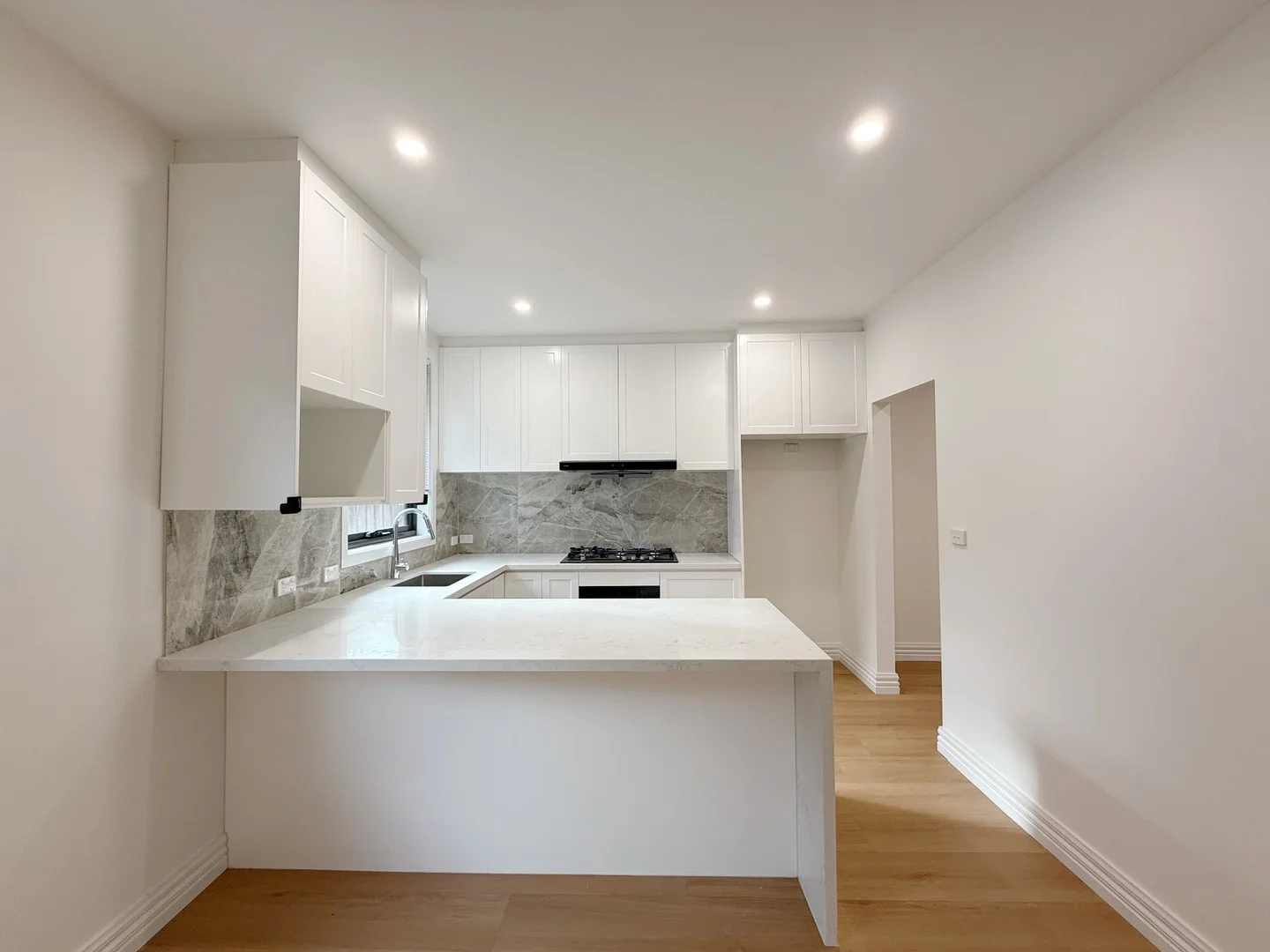 $1,280
House
$1,280
House
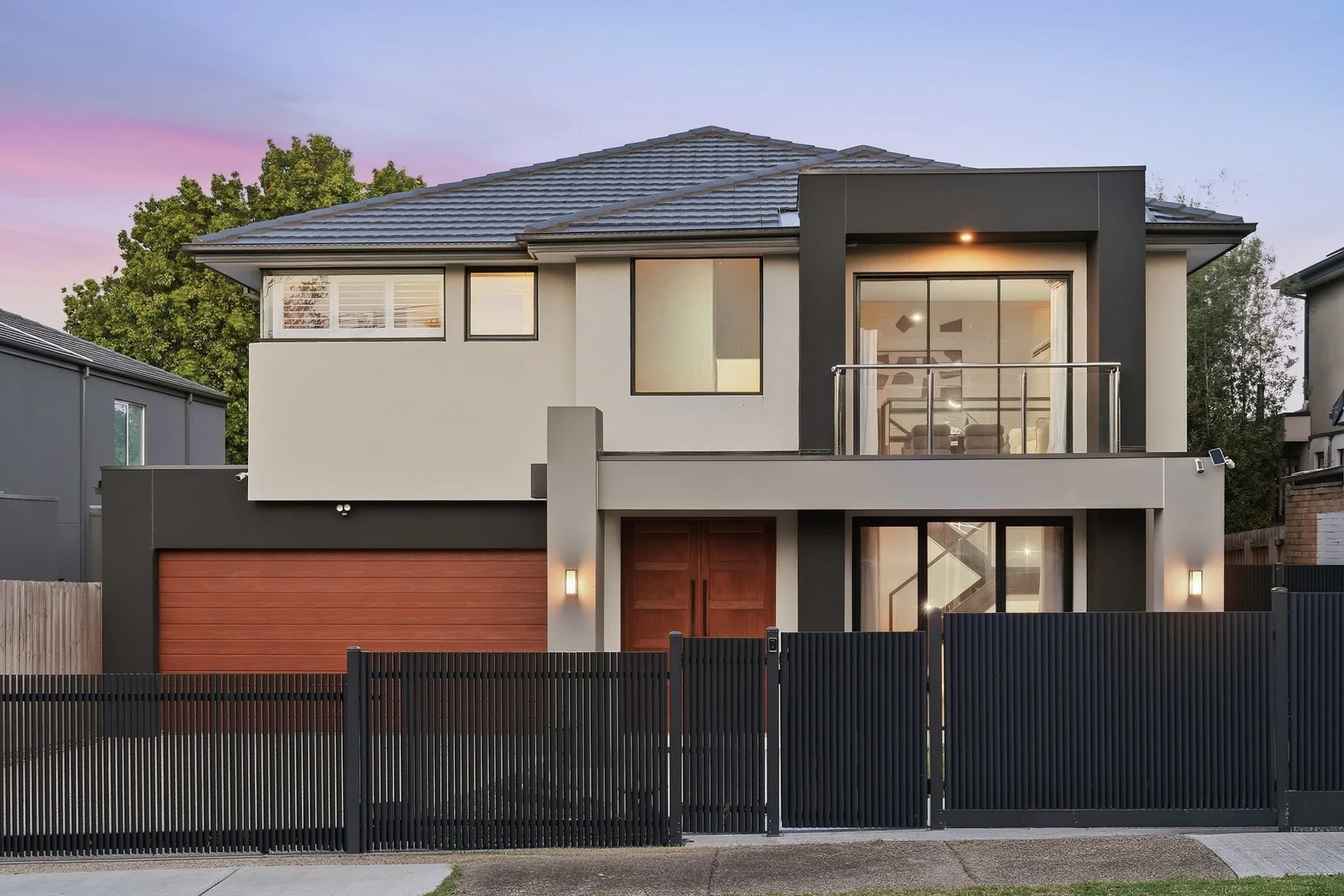 $2,680,000
House
$2,680,000
House
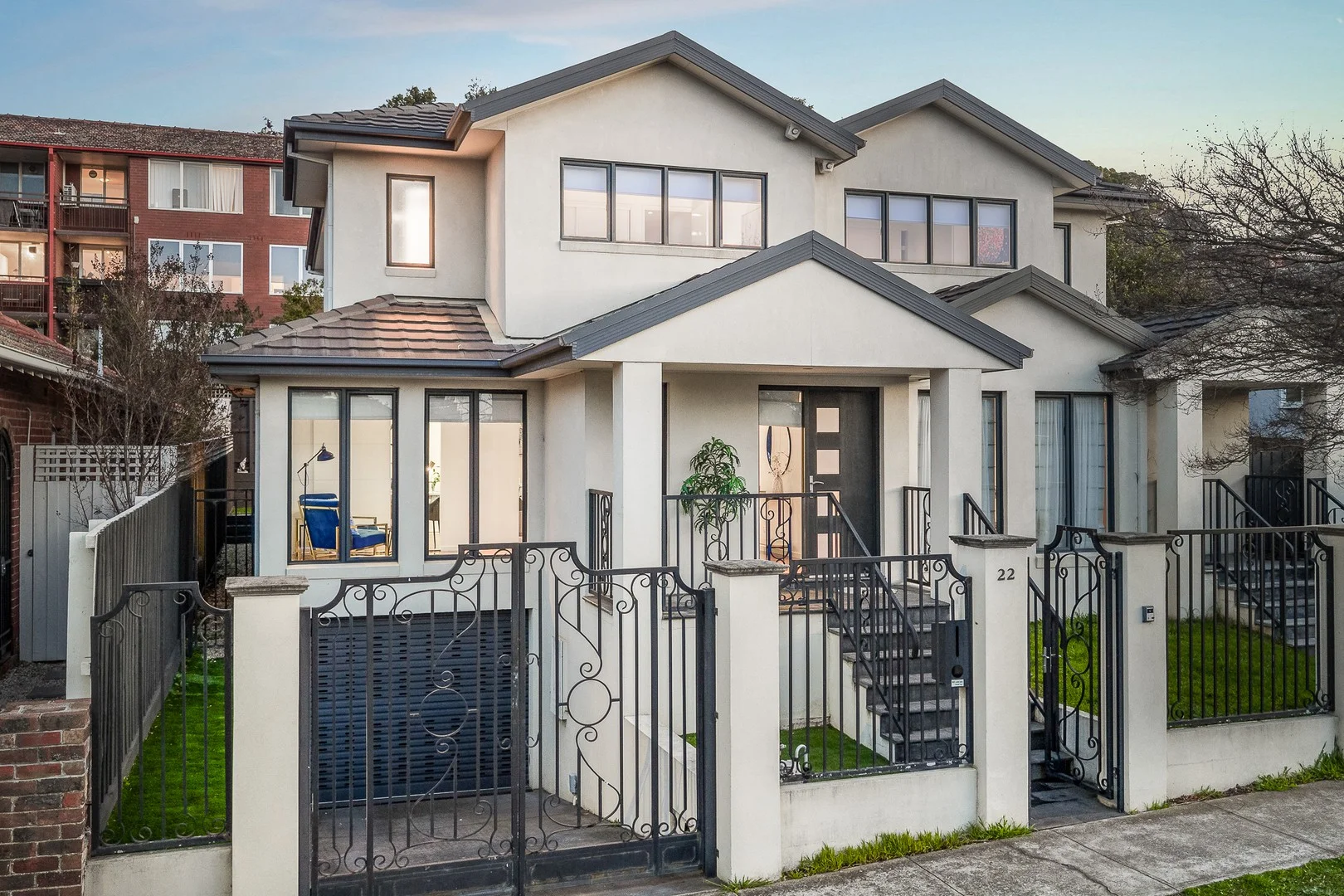 $2,100,000
Townhouse
$2,100,000
Townhouse
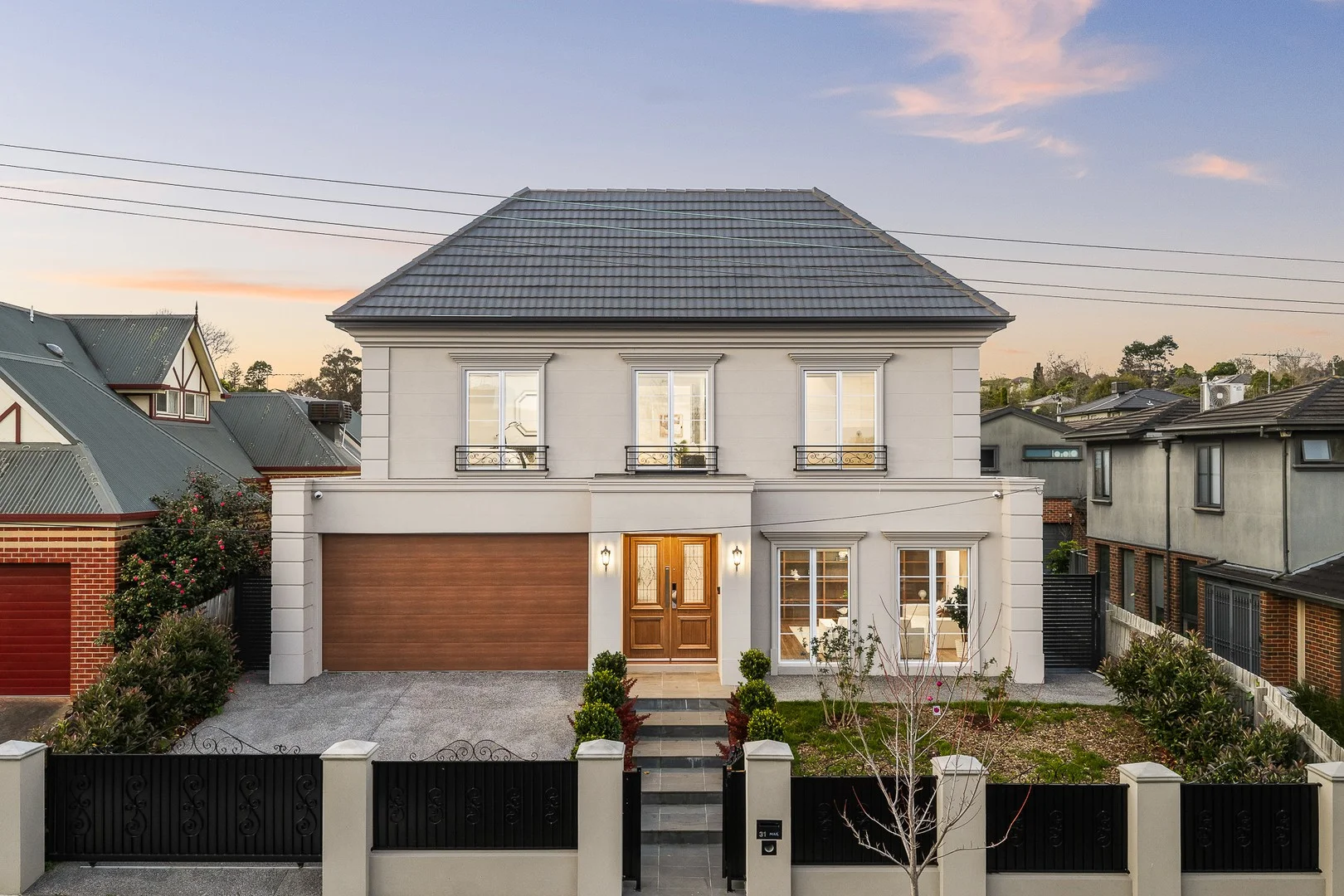 $2,550,000
House
$2,550,000
House
 $1,250,000
Apartment / Unit / Flat
$1,250,000
Apartment / Unit / Flat
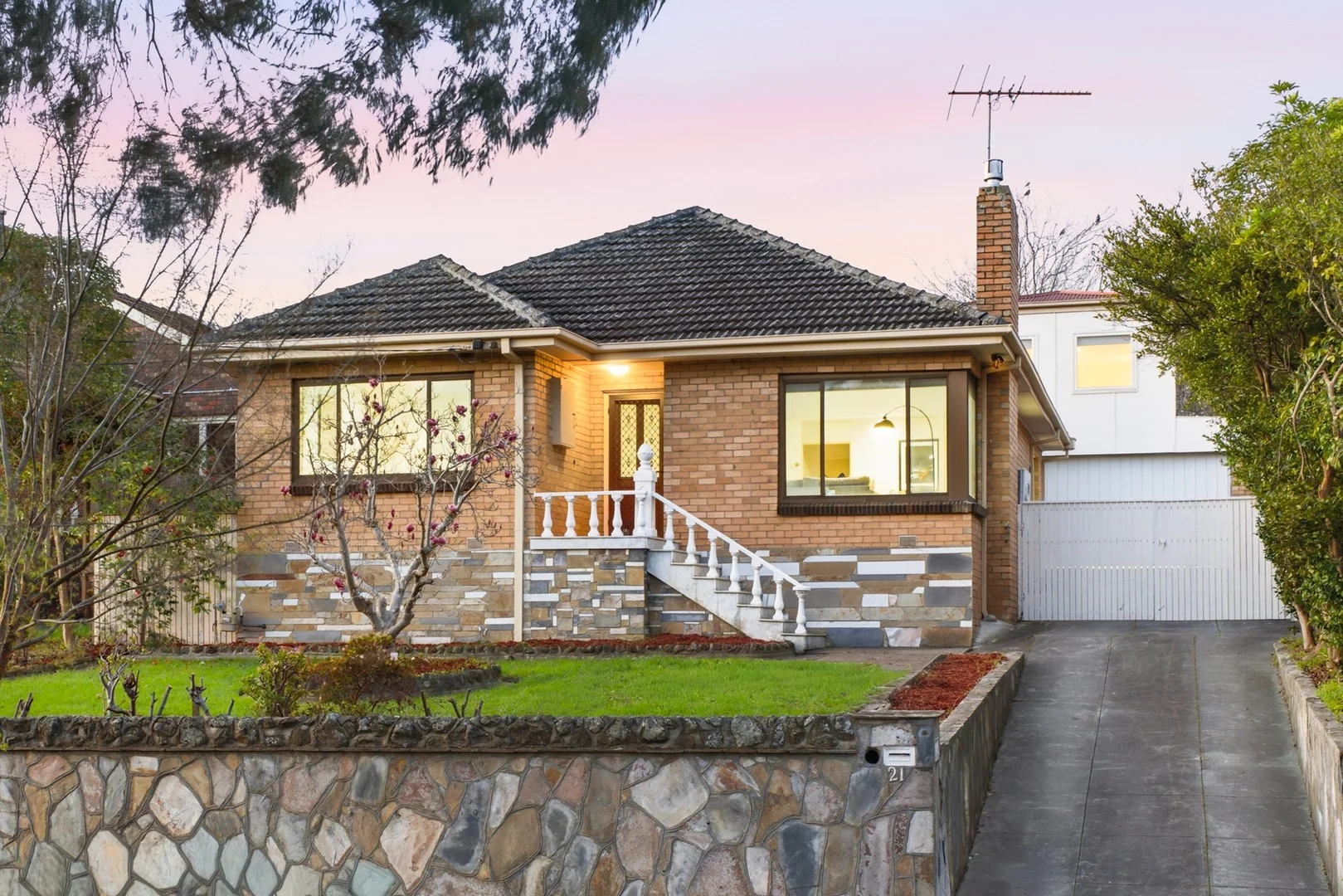 $1,200,000
House
$1,200,000
House
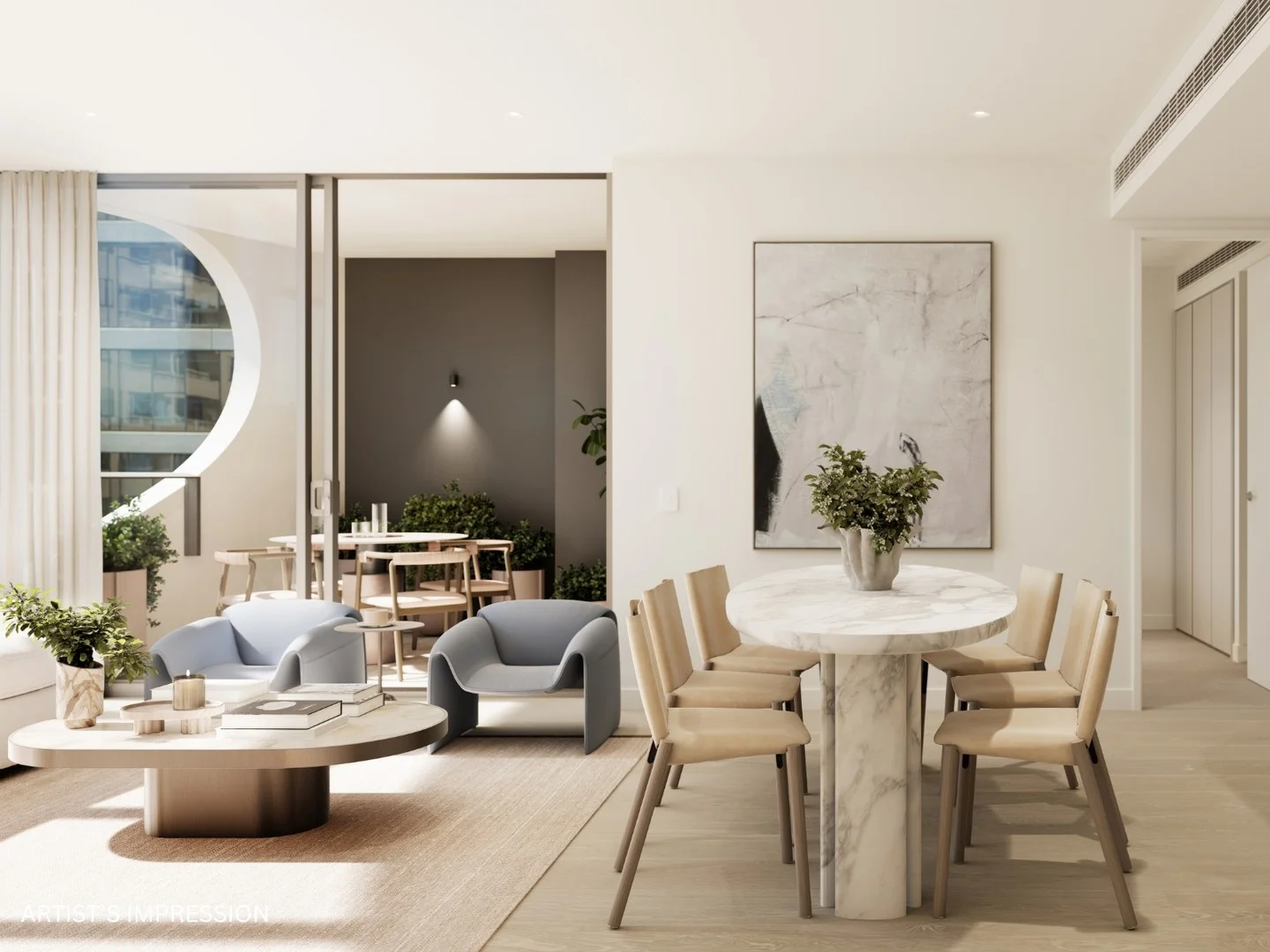 $1,640,000
Apartment / Unit / Flat
$1,640,000
Apartment / Unit / Flat
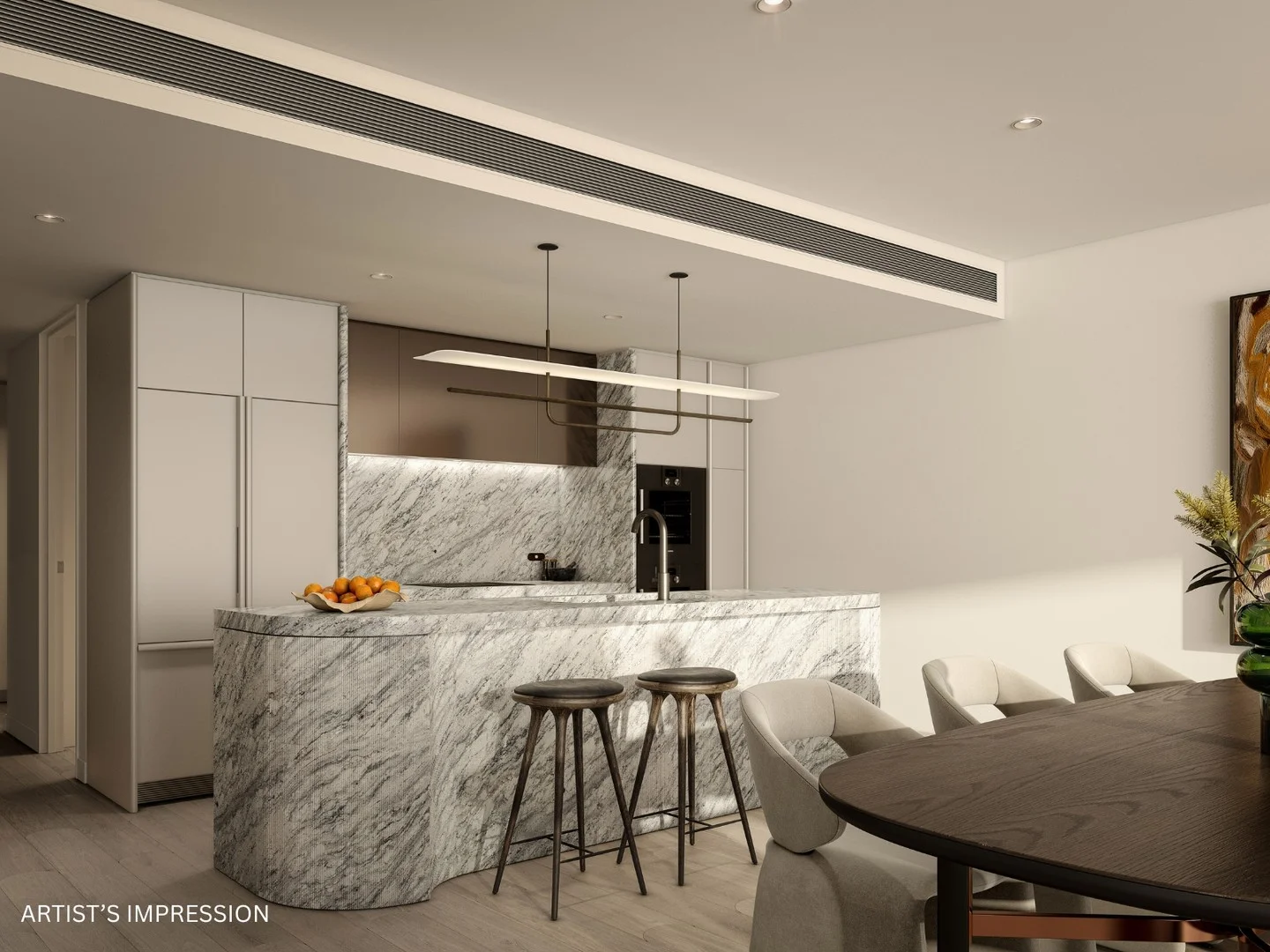 $2,900,000
Apartment / Unit / Flat
$2,900,000
Apartment / Unit / Flat
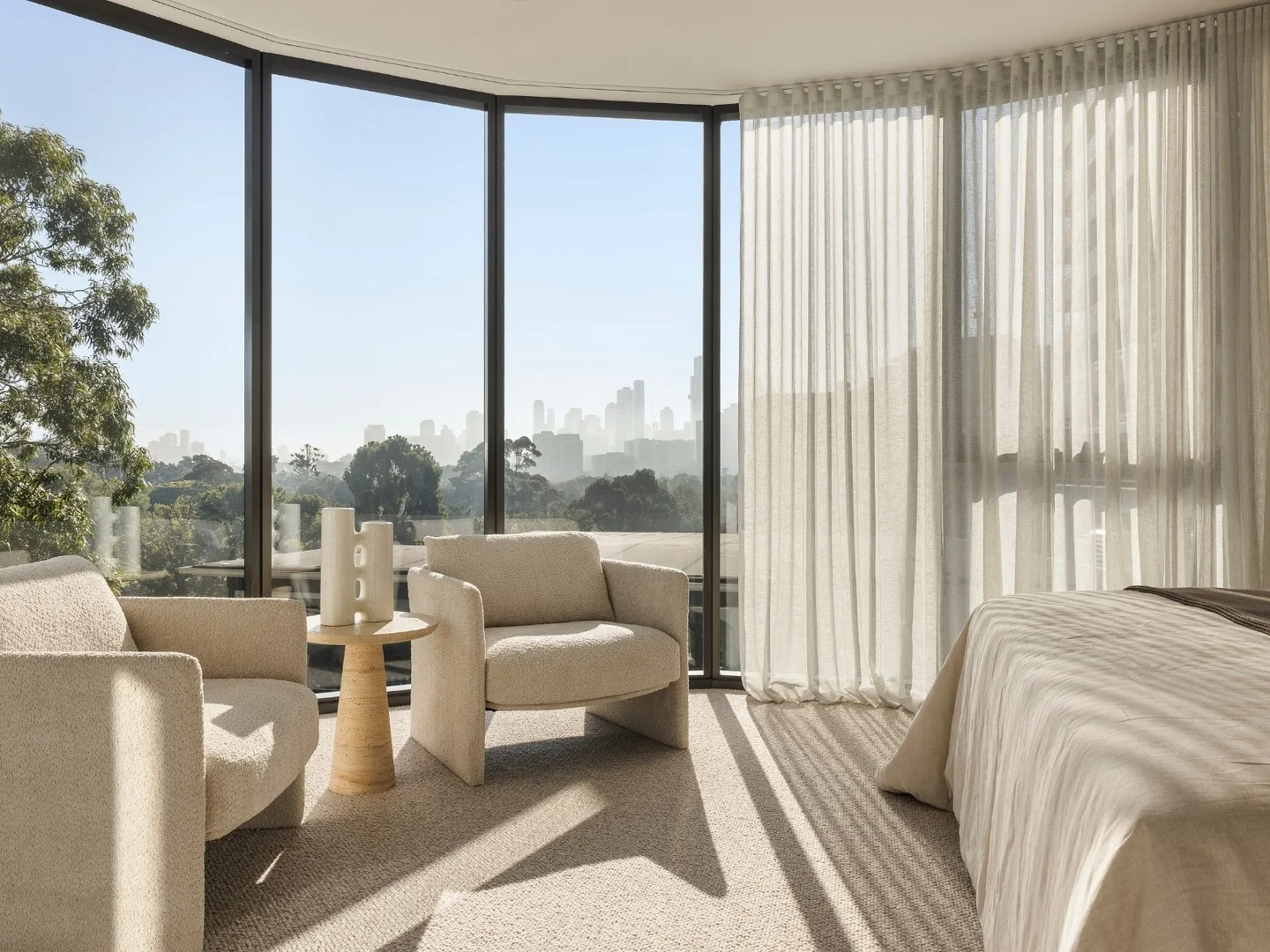 $2,750,000
Apartment / Unit / Flat
$2,750,000
Apartment / Unit / Flat


