Overview
## Overview
Sacred Heart School, Croydon is a Catholic, co-educational primary school (Prep–Year 6) that sits within the Catholic Education Melbourne network. It provides a medium-sized learning community focused on faith, learning and service, with an emphasis on developing the whole child in a nurturing environment. Class sizes are typical of Victorian Catholic primary schools, supporting strong teacher-student relationships and individual attention within a collaborative culture.
The atmosphere at Sacred Heart Croydon is one of warmth and inclusivity. The school strives to foster faith-based values, respect, and a sense of belonging, while encouraging curiosity, resilience and a love of learning among students, families and staff.
⸻
## Academics & Learning
- Academic strengths: English literacy and numeracy form the core, with a balanced emphasis on STEM, languages (where offered), and integrated inquiry-based learning across year levels.
- Special programs: Curriculum aligned to the Victorian Curriculum with a strong religious education component; opportunities for extension and targeted literacy/numeracy support; potential Gifted & Talented options depending on year level and cohorts.
- NAPLAN / trends: Trends typically align with state averages, with ongoing focus on improving reading, writing and numeracy outcomes year to year; emphasis on monitoring progress and targeted intervention where needed.
- Student-teacher ratios: Class sizes in the early to middle years are designed to be manageable for effective instruction, with typical teacher-to-student ratios in the range that supports differentiated learning (smaller groups for targeted work when required).
- Support for diverse learners: Strong commitment to inclusive education, including EAL (English as an Additional Language) support, SEN or learning support staff, and collaboration with families to adjust learning plans as needed.
⸻
## Sports & Extracurricular Strengths
- Sports offered: A range of team and individual sports appropriate for primary aged students (e.g., soccer, netball, basketball, athletics, cricket, and general fitness activities); participation in inter-school events is encouraged.
- Strong teams or achievements: Active involvement in district and inter-school competitions with opportunities for students to contribute to school pride and teamwork.
- Music, arts, drama programs: Regular opportunities in music and performing arts, seasonal productions, and potential choir or ensemble activities.
- Clubs: Robotics, coding, chess, debating and other interest-based clubs are commonly offered, subject to staffing and student interest.
- Partnerships: Connections with local clubs and inter-school programs, plus participation in regional Catholic Education Melbourne events and other community competitions and showcases.
⸻
## Wellbeing & Pastoral Care
- Anti-bullying approach: Proactive, whole-school anti-bullying policies and programs; emphasis on respect, kindness and positive relationships.
- House system: House groups support friendship, collaboration and healthy competition through events and activities.
- Counsellors / wellbeing officers: Access to school-based wellbeing staff or equivalent support to monitor student welfare and provide guidance.
- Transition support for new students: Orientation activities, buddy programs and transitional supports to help new students settle into the school routine.
⸻
## Facilities
- Sports grounds: Adequate outdoor spaces for daily activity and sports.
- Libraries: A library that supports literacy and inquiry across year levels.
- Science labs: Dedicated spaces for hands-on science learning.
- Music/performing arts centers: Facilities or spaces for music and drama activities and performances.
- Tech/innovation labs: Access to technology-enabled learning and digital projects.
- Cafeteria: On-site meal facilities or arrangements for canteen-style service.
- Updated playgrounds: Modern, safe play areas to support active breaks and physical health.
⸻
## School Values & Community Culture
- School values / mission: A faith-centered mission that emphasizes respect, compassion, service, integrity and community involvement.
- Leadership style: Collaborative and distributed leadership with teacher input and student participation where appropriate.
- Behaviour expectations: Clear norms around respect, safety, honesty and responsibility; consistent implementation across year levels.
- Community reputation: Known for fostering a welcoming environment with active family involvement and a focus on holistic development.
- Diversity & inclusion: Commitment to inclusive practices and welcoming families from diverse backgrounds.
⸻
## School Logistics & Daily Operations
- School hours: Typically 9:00am–3:30pm (with variations by year level); some schools offer scheduled start/end times with assemblies and breaks.
- Before/after school care: Available or organized through on-site programs or approved providers.
- Uniform requirements: Standard school uniform with appropriate seasonal adaptations; guidance on dress code and requirements provided by the school.
- Transport (train/bus routes): Access to local bus services and proximity to train services; school coordinates safe drop-off/pick-up and transport information.
- Canteen availability: Canteen or lunch program options outlined by the school; catering and healthy eating guidelines observed.
- Fees (low/medium/high ranges): Fees are generally in the medium range for Catholic primary schools; families may be eligible for discounts or concessions depending on circumstances and programs.
⸻
## Enrolment & Admissions
11. What is the enrolment process and timeline?
- Gather and submit the school's online application form along with required documentation (birth certificate, immunisation records, proof of residency, etc.). Check for key intake windows and deadlines each year; information nights or open days are often offered to prospective families.
12. Is there a waiting list, and how does it work?
- If applications exceed available places, a waiting list may be established. Placement often follows factors such as year level vacancy, policy on sibling priority, and family circumstances. Families may be contacted as spaces become available.
13. Are there any entry requirements, tests, or interviews?
- Entry typically involves an application and interview or information session to assess fit with the school’s values and learning environment. Religious community expectations or enrolment preferences may apply, but formal academic entry tests are not always required for primary level; specific requirements vary by year and intake.
14. Does the school accept mid-year transfers?
- Mid-year transfers can be considered subject to vacancy and alignment with the school’s enrolment criteria. Families should contact the school early to discuss placement options and any required documentation.
⸻
## Frequently Asked Questions
- Why Parents Choose This School?
- A strong Catholic identity within a warm, inclusive community; balanced academic focus; solid wellbeing support and a faith-based approach to development.
- What type of student thrives at this school?
- Students who respond well to a values-focused environment, moderate class sizes, and a combination of structured learning with opportunities for inquiry and collaboration.
- What opportunities are available for students to extend their skills (academics, sports, arts)?
- Extension in core subjects, participation in sports teams and inter-school events, music and drama programs, and clubs such as robotics, coding, chess, and debating.
- How does the school communicate with parents?
- Regular newsletters, parent portals or apps, parent-teacher interviews, informal updates, and scheduled information nights or open days.
- What is the school’s approach to teaching and learning?
- An emphasis on the Victorian Curriculum with integrated religious education, differentiated instruction, and opportunities for inquiry-based learning and collaboration.
- How does the school support students who need extra academic help?
- Targeted intervention programs, learning support staff, EAL support where needed, and collaboration with families to tailor learning plans.
- What support is available for academic challenges?
- Early identification, tailored support plans, small-group instruction, and access to wellbeing and educational specialists as required.
- How does the school communicate with parents? (Yes, repeated question)
- See above: newsletters, digital platforms, meetings, and formal reporting.
- What are the class sizes and how much individual attention do students receive?
- Class sizes are designed to support instruction and engagement, with opportunities for small-group work and targeted support as needed.
- What extracurricular and sports opportunities are available?
- A range of sports, plus clubs in robotics, coding, chess and debating; involvement in arts, music and performing arts activities; opportunities to compete in inter-school events.
- What facilities does the school offer (sports, science, arts)?
- Sports grounds, libraries, science labs, music/arts spaces, tech/innovation facilities, canteen, and well-equipped outdoor play areas.
- What is the school’s approach to technology and digital learning?
- Integration of technology in learning, digital literacy and citizenship education, and access to devices and multimedia resources as part of the curriculum.
- What transport and accessibility options are available?
- Local transport options and safe drop-off/pick-up arrangements; guidance on nearby bus routes and train access, with support for families as needed.
- What are the typical school fees or additional costs?
- Fees are in the medium range for Catholic primary schools; additional costs may include uniform, excursions, camps or activity levies, with potential discounts or concessions for eligible families.
⸻
## Short Pros & Cons list
- Pros
- Strong Catholic identity within a supportive community
- Nurturing, inclusive atmosphere with focus on wellbeing
- Balanced academic program aligned with the Victorian Curriculum
- A range of extracurriculars (sports, arts, clubs)
- Accessible to families with coordinated transport and flexible care options
- Cons
- As a primary school, the range of senior secondary programs is not applicable
- Fees are typical for private Catholic schools and may be a consideration for some families
- Availability of some clubs or facilities can depend on staffing and enrolment numbers in a given year
⸻












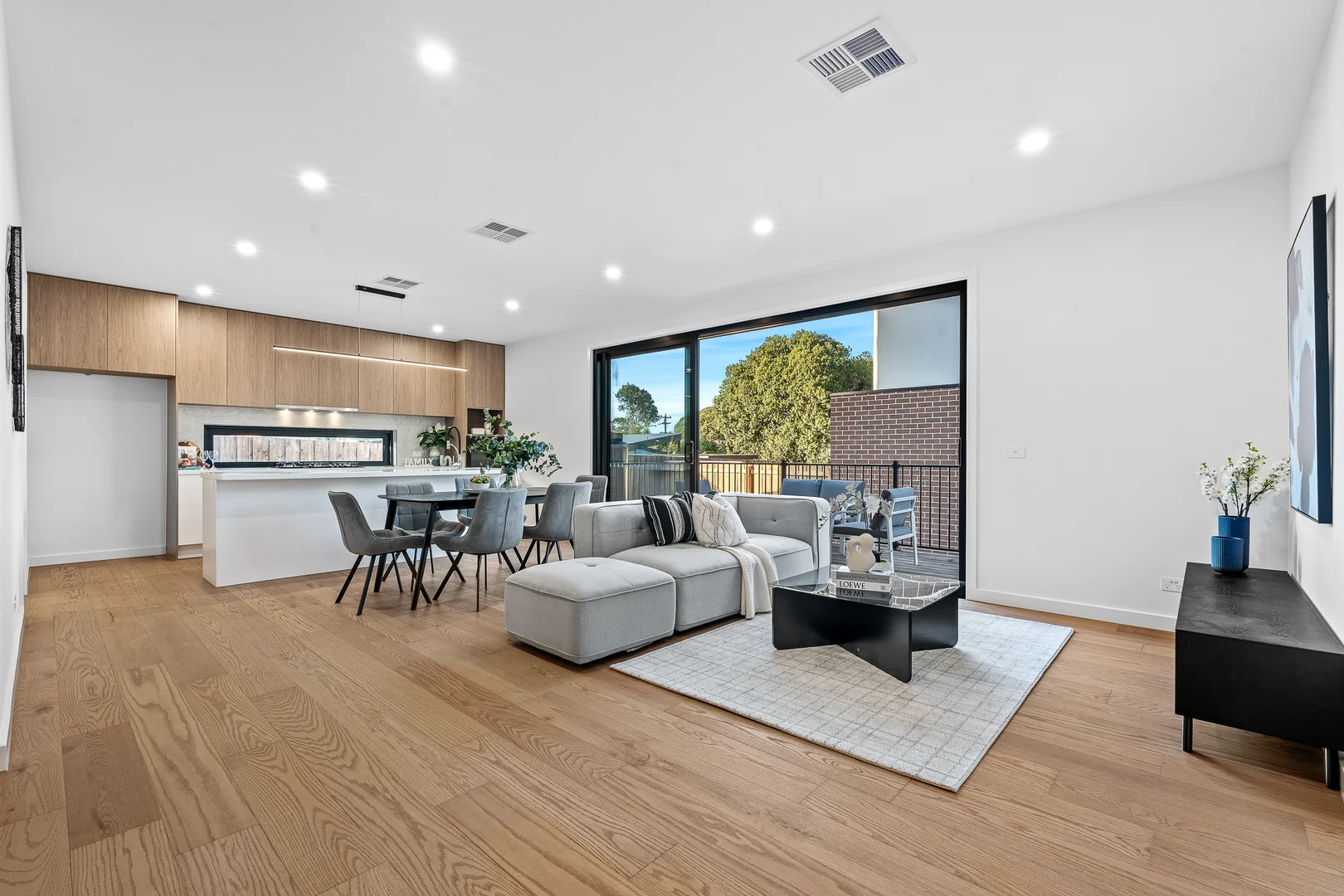 $990,000 - $1,080,000
Townhouse
$990,000 - $1,080,000
Townhouse
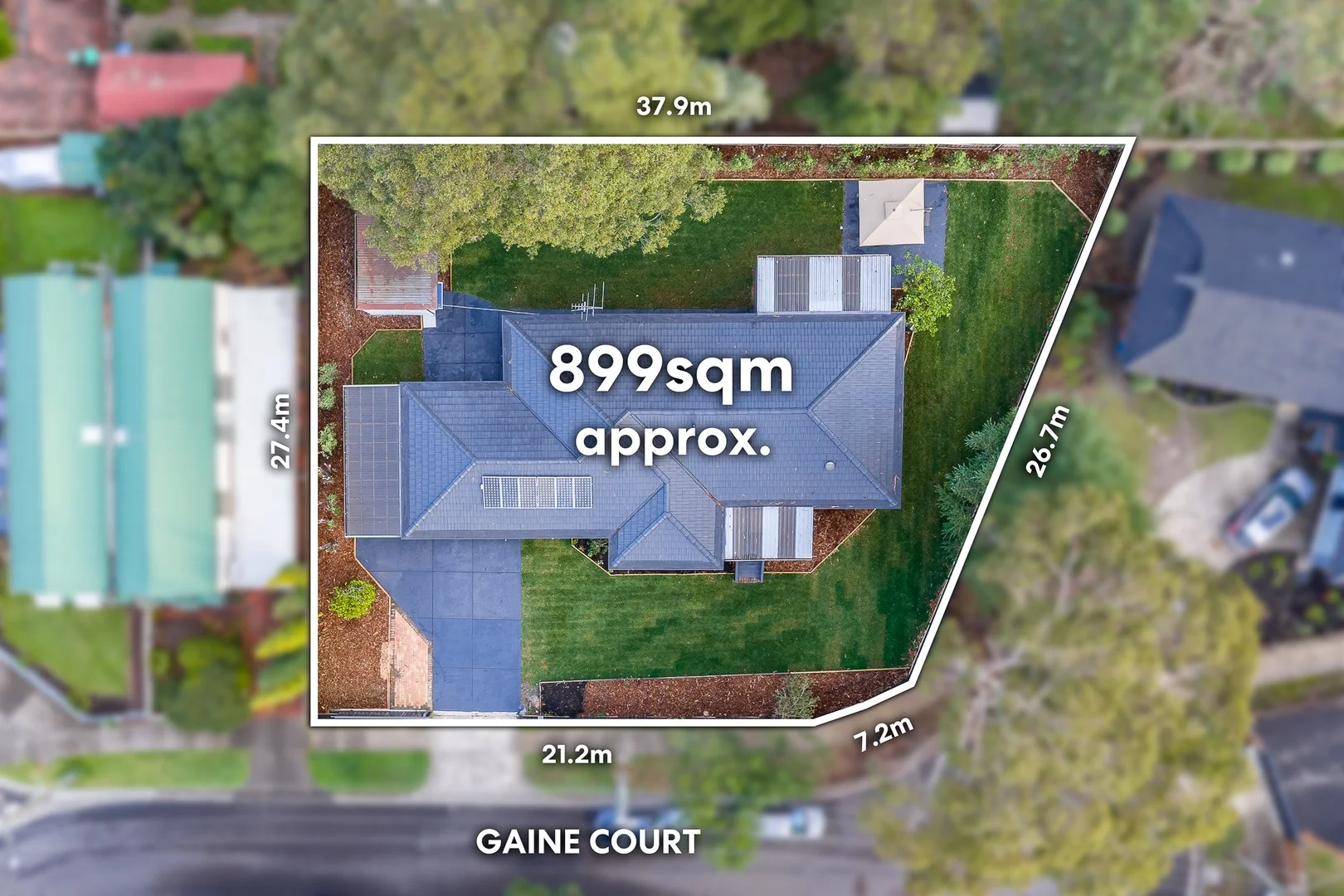 $990,000 - $1,080,000
House
$990,000 - $1,080,000
House
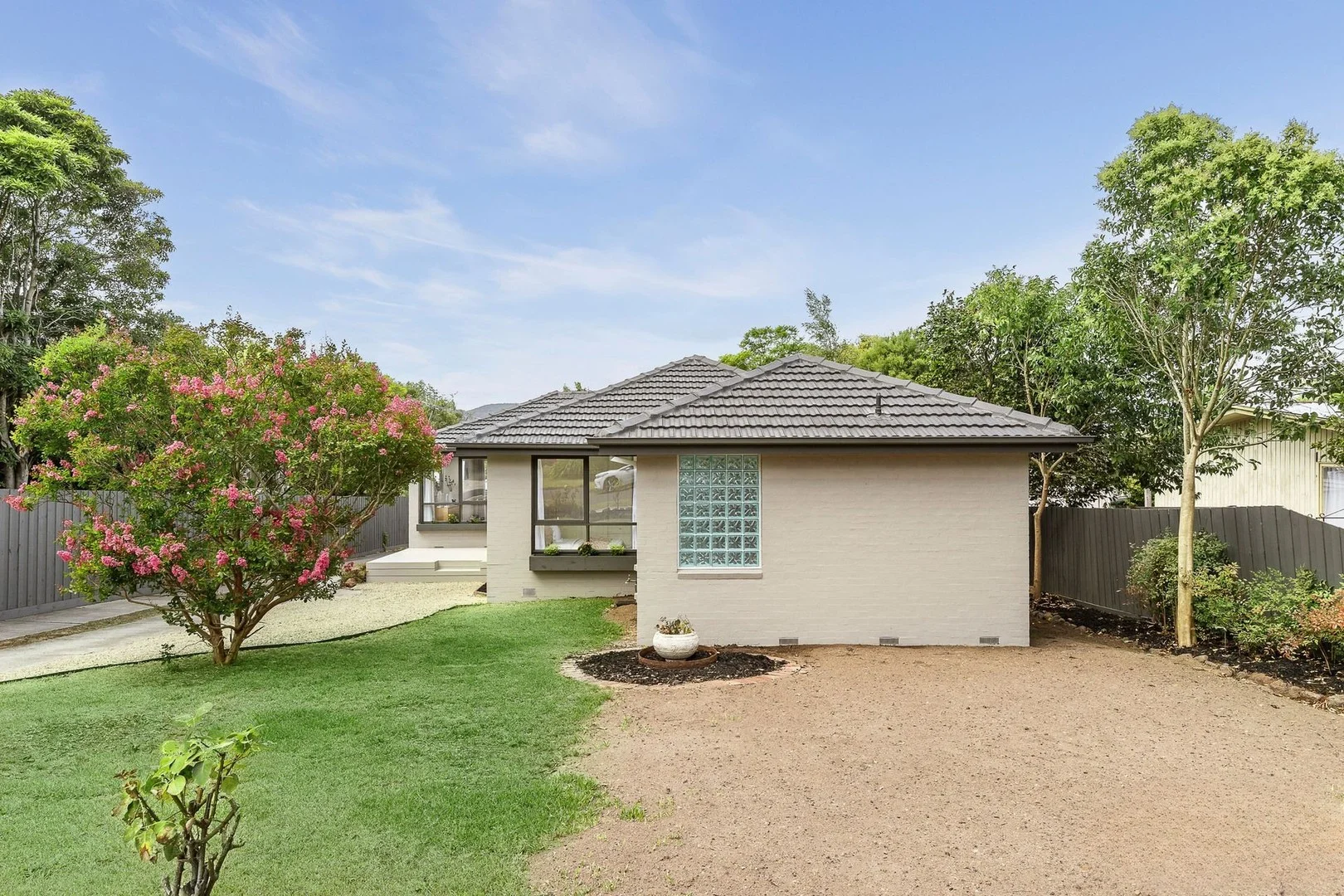 $700
Apartment / Unit / Flat
$700
Apartment / Unit / Flat
 $1,300,000
House
$1,300,000
House
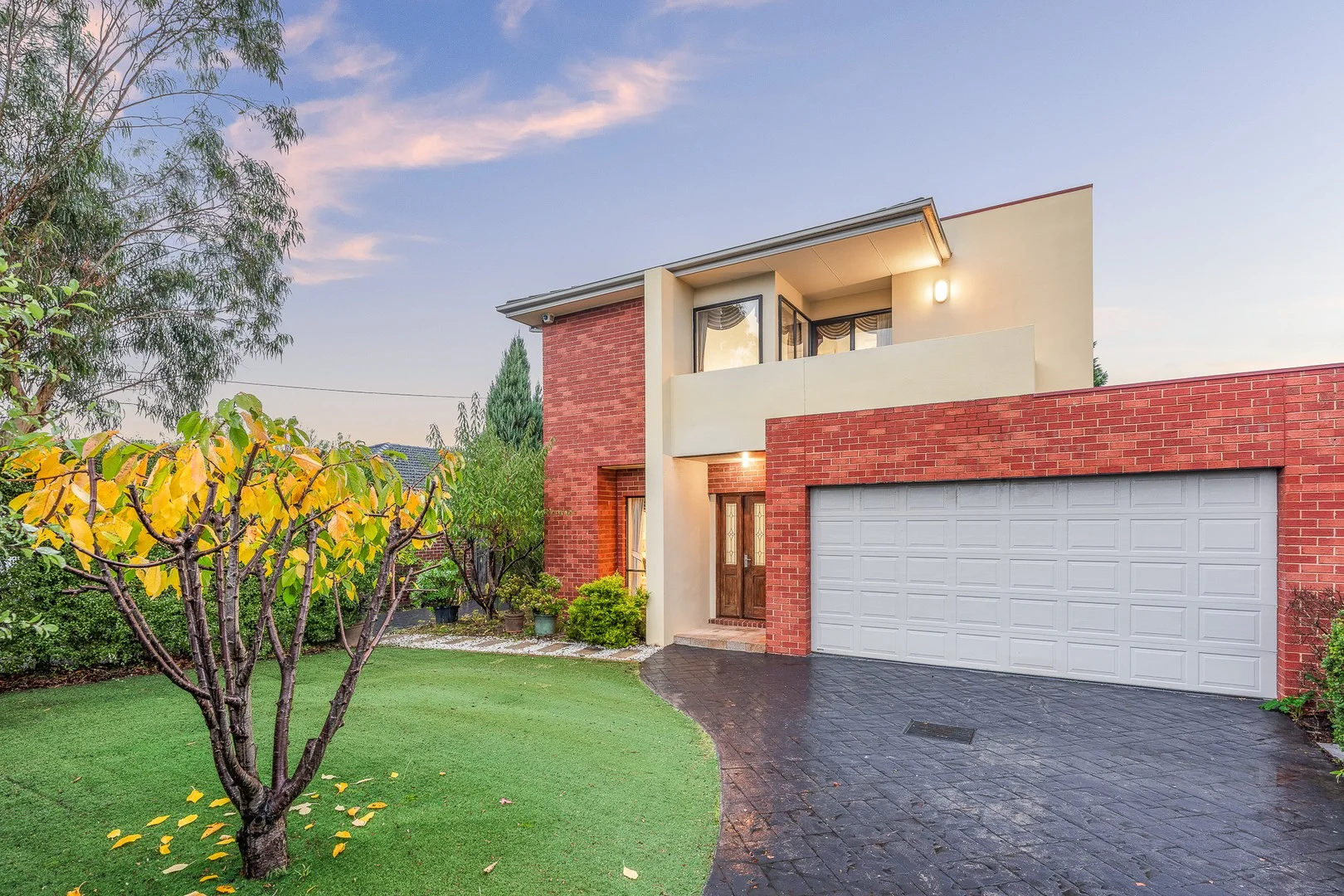 $1,150,000 - $1,250,000
Townhouse
$1,150,000 - $1,250,000
Townhouse
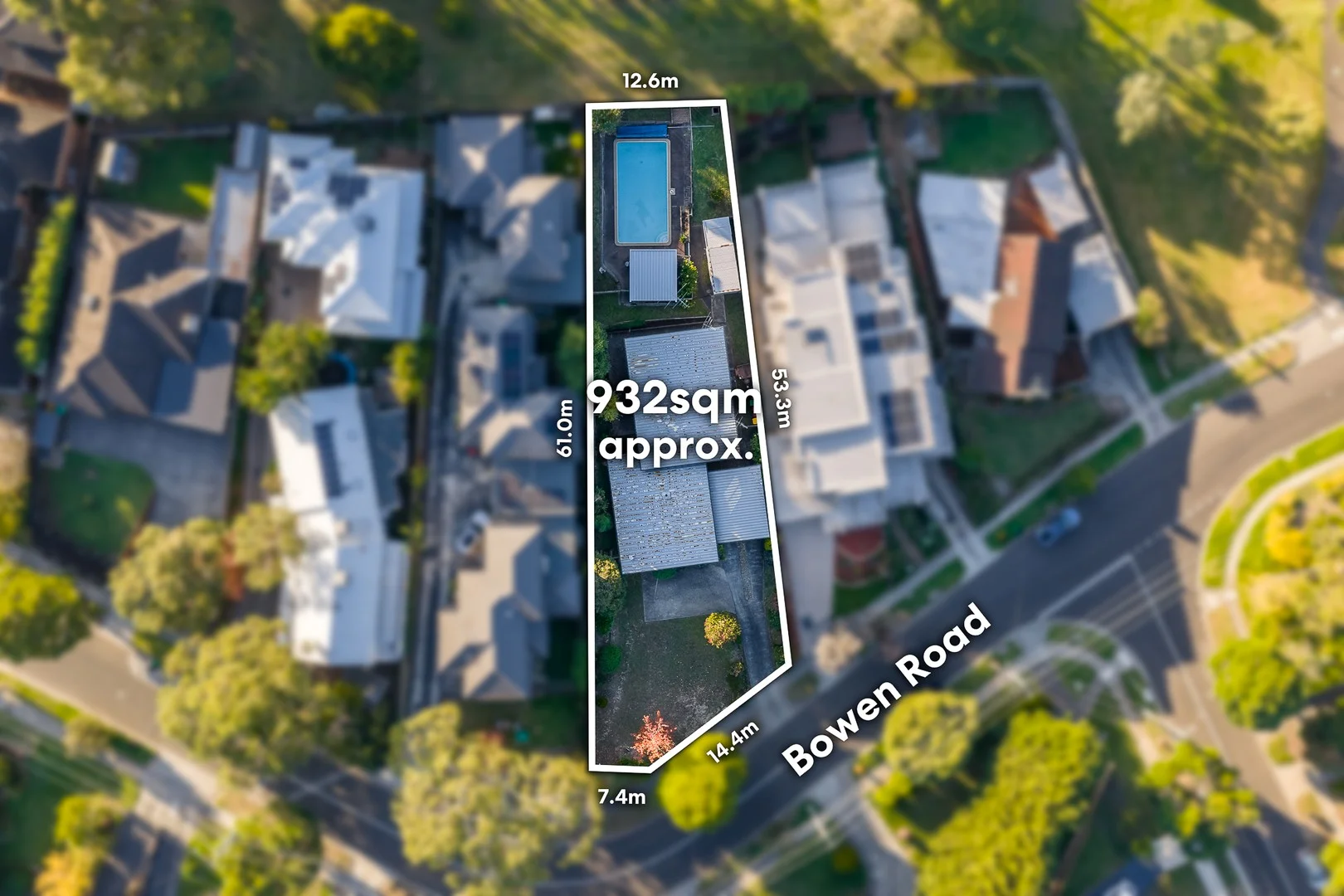 $1,300,000 - $1,400,000
House
$1,300,000 - $1,400,000
House
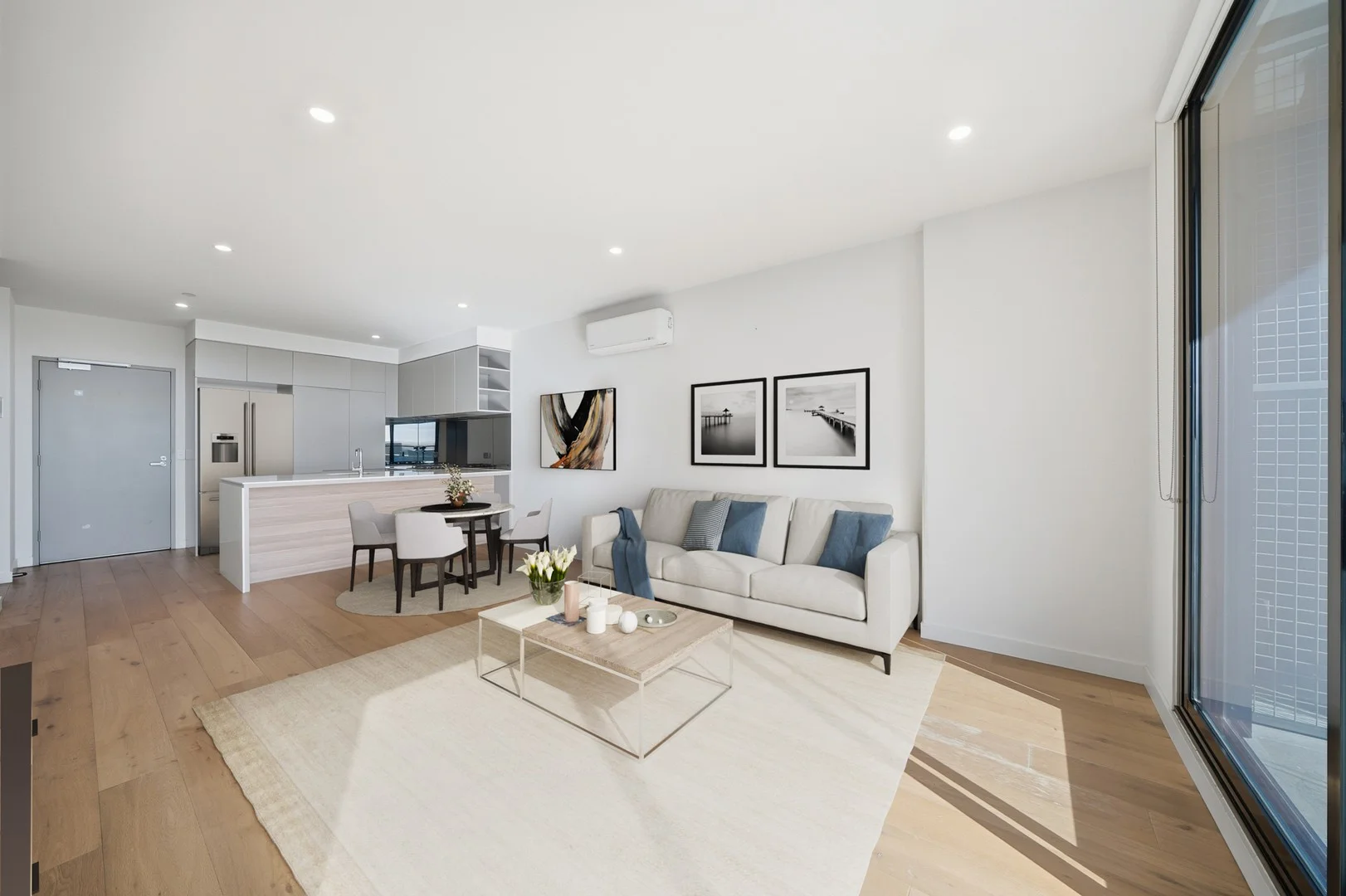 $500,000 - $550,000
Apartment / Unit / Flat
$500,000 - $550,000
Apartment / Unit / Flat
 $1,500,000
House
$1,500,000
House
 $1,730,000 - $1,830,000
House
$1,730,000 - $1,830,000
House