Overview
Santa Maria College Northcote is a Catholic, all‑girls secondary college that welcomes students from Year 7 to Year 12. The school combines a faith‑based foundation with a broad academic program, community spirit and a focus on personal growth. It is a medium‑sized school that fosters an inclusive, nurturing atmosphere while encouraging academic ambition and leadership.
With a strong sense of community, students are supported to develop academically, spiritually and socially. Class sizes are typically small to medium, enabling personalised attention and strong relationships between students and teachers.
Academics & Learning
- Academic strengths: English and literacy, humanities (history, geography), languages, and STEM subjects are emphasized to build a balanced curriculum. The college also supports creative arts and performing arts within the learning program.
- Special programs: VCE study options across a broad range of subjects; opportunities for leadership development and involvement in service learning; potential pathways into VET or other vocational studies through partnerships.
- Support for diverse learners: Dedicated learning support, EAL assistance where needed, and an inclusive education approach to SEN across the college.
- Sports offered: Netball, basketball, soccer, volleyball, athletics, swimming and other team and individual sports through interschool competitions.
- Strong teams or achievements: Regular participation in local interschool events with opportunities to compete at district levels; emphasis on teamwork, sportsmanship and personal bests.
- Music, arts, drama programs: Active music ensembles, choir and drama productions, with opportunities to perform in school and community events.
- Clubs: Robotics, coding, chess, debating and other subject‑driven or interest clubs to build skills and teamwork.
- Partnerships: Connections with local clubs and community organisations for competitions, coaching and enrichment experiences (where available).
Most parents notice a tangible balance of academics and co‑curricular opportunities, with a focus on developing well‑rounded students.
Wellbeing & Pastoral Care
- Anti-bullying approach: Clear policies, proactive education, and restorative practices to promote respectful relationships and a safe school environment.
- House system: A house structure supports student belonging, leadership opportunities, and friendly competition across activities.
- Counsellors / wellbeing officers: Access to school counsellors and wellbeing staff to support emotional health, study concerns, and transition needs.
- Transition support for new students: Orientation programs, buddy systems and pastoral care to help new students settle in smoothly.
Facilities
- Sports grounds: Onsite sports facilities suitable for a range of physical education activities.
- Libraries: Well‑resourced library spaces supporting study, research and reading for pleasure.
- Science labs: Modern labs to support practical science learning and experiments.
- Music/performing arts centers: Dedicated spaces for music, drama and performance activities.
- Tech/innovation labs: Computer and technology facilities to support digital learning and projects.
- Cafeteria: Onsite canteen or food services catering to daily lunch needs.
- Updated playgrounds: Age‑appropriate outdoor spaces for recreation and break times.
- School values / mission: A Catholic school culture that emphasizes faith, service, respect, integrity and compassion as core values guiding learning and daily life.
- Leadership style: Student involvement through student councils, house leadership and opportunities to lead in class and clubs; collaborative and supportive school leadership.
- Behaviour expectations: Clear codes of conduct aligning with school values; emphasis on respect, responsibility and positive relationships.
- Community reputation: Known for a warm, welcoming environment with strong parent involvement and a focus on holistic development.
- Diversity & inclusion: Commitment to an inclusive culture that respects diverse backgrounds and abilities, with support structures to ensure all students can participate fully.
School Logistics & Daily Operations
- School hours: Regular school day structure with start and finish times aligned to the Victorian secondary timetable.
- Before/after school care: Availability may vary; check with the school for current options and arrangements.
- Uniform requirements: Standard Catholic school uniform; specifics typically include a blazer, blouse or shirt, tie, skirt, and appropriate footwear, with year‑level variations as applicable.
- Transport (train/bus routes): Accessible by local public transport; bus routes and train access are common options in the Northcote area; plan routes via local transit services.
- Canteen availability: Onsite or nearby canteen services for daily meals and snacks.
- Fees (low/medium/high ranges): Fees are in the medium range for Catholic systemic secondary schools, with additional costs for uniforms, excursions and some co‑curricular programs. Check the current fee schedule for exact amounts.
Enrolment & Admissions
- 11. What is the enrolment process and timeline?
- Begin with an information session or open day, followed by submitting an online application form with required documents (birth certificate, immunisation status, etc.).
- The school conducts interviews or information conversations as part of the process.
- Offers are made according to capacity and alignment with the school’s priorities; timelines vary by intake year.
- 12. Is there a waiting list, and how does it work?
- There is often a waiting list when intake places are limited. Applications placed on the waiting list remain active for consideration in future intake rounds; priority may be given to siblings or specific eligibility criteria.
- 13. Are there any entry requirements, tests, or interviews?
- Entry typically involves an interview or information session, and may include discussion of the applicant’s values and fit with the college community. Standard documentation is required; testing is not always mandatory but may be used in some cases.
- 14. Does the school accept mid-year transfers?
- Mid-year transfers are possible if space is available. Prospective families should contact the admissions team promptly to discuss availability, placement and required documentation.
Frequently Asked Questions
- Why Parents Choose This School?
- A values‑driven Catholic education, a supportive and inclusive community, strong academics, and ample co‑curricular opportunities that help girls grow as confident, capable young women.
- What type of student thrives at this school?
- Students who are motivated, collaborative, curious, and values‑driven—inclined toward both academics and service, with a desire to contribute to their school and community.
- What opportunities are available for students to extend their skills (academics, sports, arts)?
- A broad range of VCE subjects, clubs in robotics, coding, debating, music and drama, and competitive sports; leadership roles and service activities also provide stretch opportunities.
- How does the school communicate with parents?
- Regular newsletters, parent portals or apps, email updates and upcoming events; parent information evenings and information sessions are commonly offered.
- What is the school’s approach to teaching and learning?
- Student‑centred, values‑based education with differentiation, regular feedback, and opportunities for practical, inquiry‑based learning aligned with Catholic ethos.
- How does the school support students who need extra academic help?
- Targeted learning support, access to tutors or teachers for one‑to‑one or small‑group help, EAL assistance and SEN supports as needed.
- What support is available for academic challenges?
- Diagnostic progress checks, personalised learning plans, and additional tutoring or remedial programs as appropriate.
- How does the school communicate with parents? (repeat)
- See above: newsletters, portals, emails, and scheduled parent meetings.
- What extracurricular and sports opportunities are available?
- Involvement in sports (team and individual), music ensembles, drama, and various interest clubs (robotics, coding, chess, debating) with interschool competition where offered.
- What facilities does the school offer (sports, science, arts)?
- Modern science labs, well‑resourced library, music/performing arts spaces, tech/innovation labs, sports facilities, and suitable canteen and common areas.
- What is the school’s approach to technology and digital learning?
- Integration of digital tools and platforms to support learning, with access to devices and digital resources as part of a modern curriculum.
- What transport and accessibility options are available?
- Public transport options via local bus routes and train access; convenient access for families in the area, with guidance on best routes and parking as needed.
- What are the typical school fees or additional costs?
- Fees are in the medium range for Victorian Catholic secondary schools; additional costs may include uniforms, excursions, and some co‑curricular activities.
Short Pros & Cons list
- Strong Catholic values and supportive, inclusive culture
- Balanced focus on academics and co‑curricular opportunities
- Wide range of extracurricular activities (sports, arts, clubs)
- Solid wellbeing and pastoral care infrastructure
- As a single‑gender school, may not suit families seeking co‑education
- Fee‑based model typical of Catholic schools; additional costs for uniforms and activities
- Mid‑sized school may have limited availability of some specialised subjects or pathways in peak years (dependent on enrolment)

 Free
Free











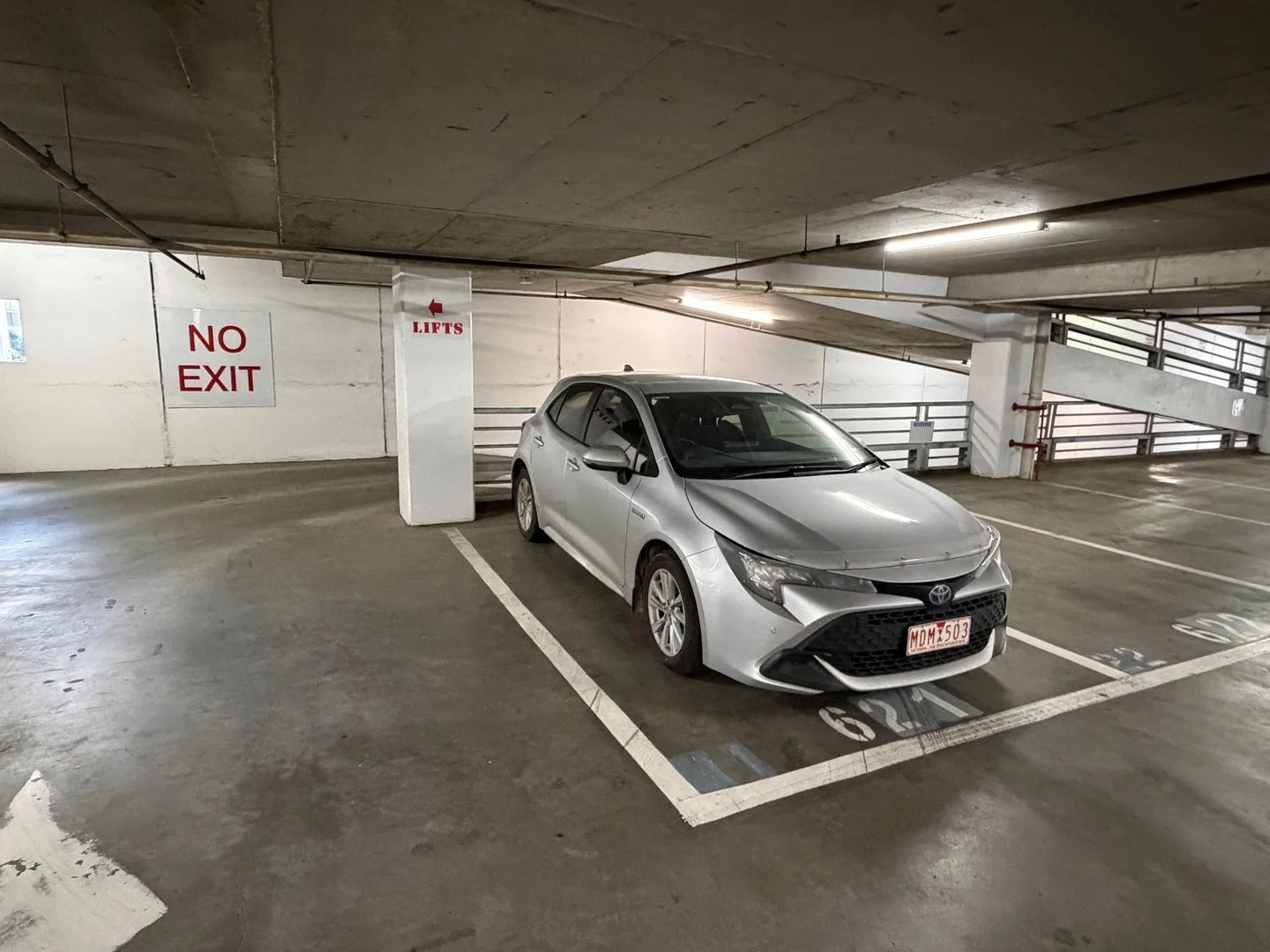 $27,500
propertyType.CAR SPACE
$27,500
propertyType.CAR SPACE
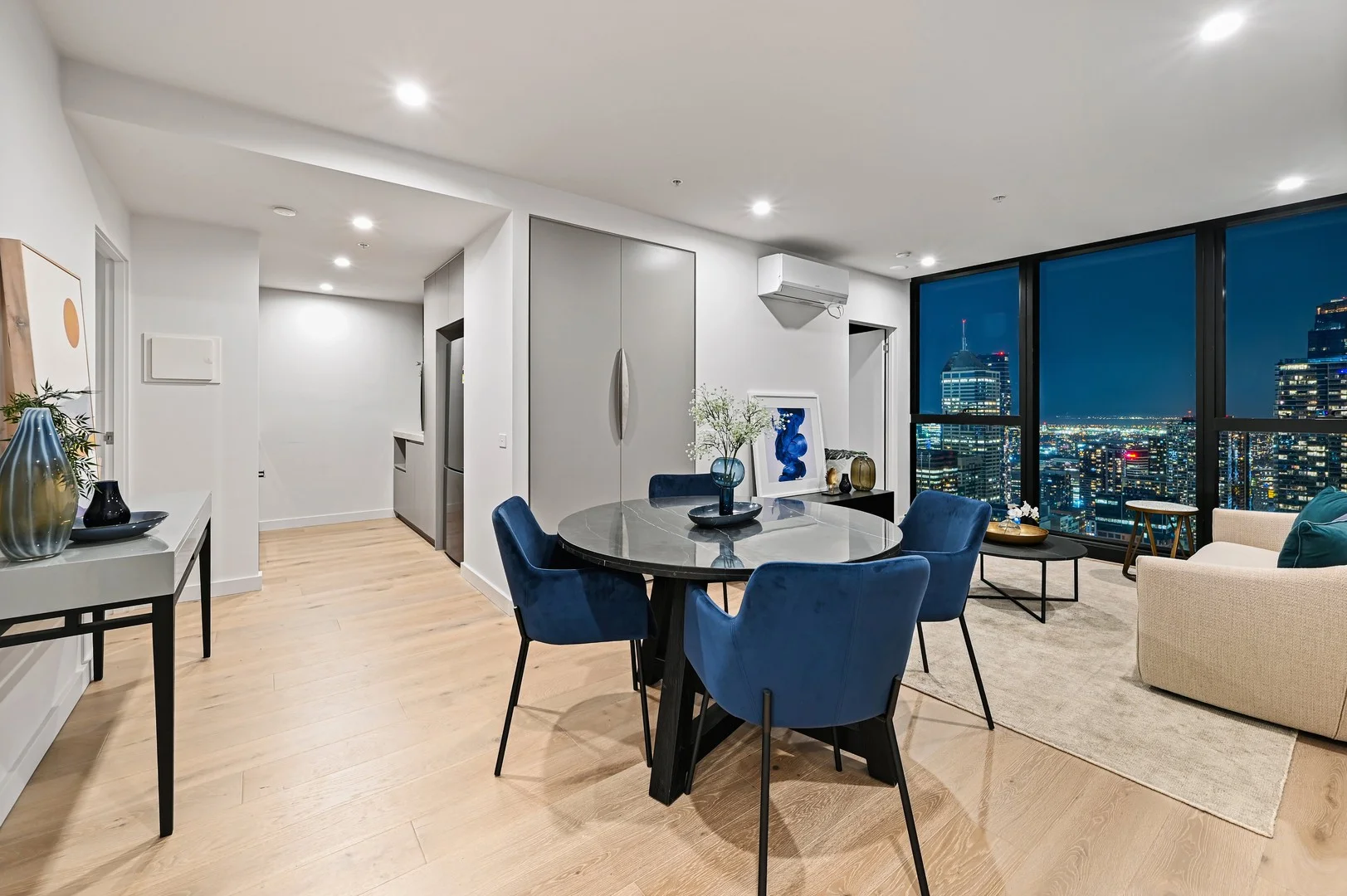 $943,000
propertyType.NEW APARTMENTS / OFF THE PLAN
$943,000
propertyType.NEW APARTMENTS / OFF THE PLAN
 $2,008,000
propertyType.NEW APARTMENTS / OFF THE PLAN
$2,008,000
propertyType.NEW APARTMENTS / OFF THE PLAN
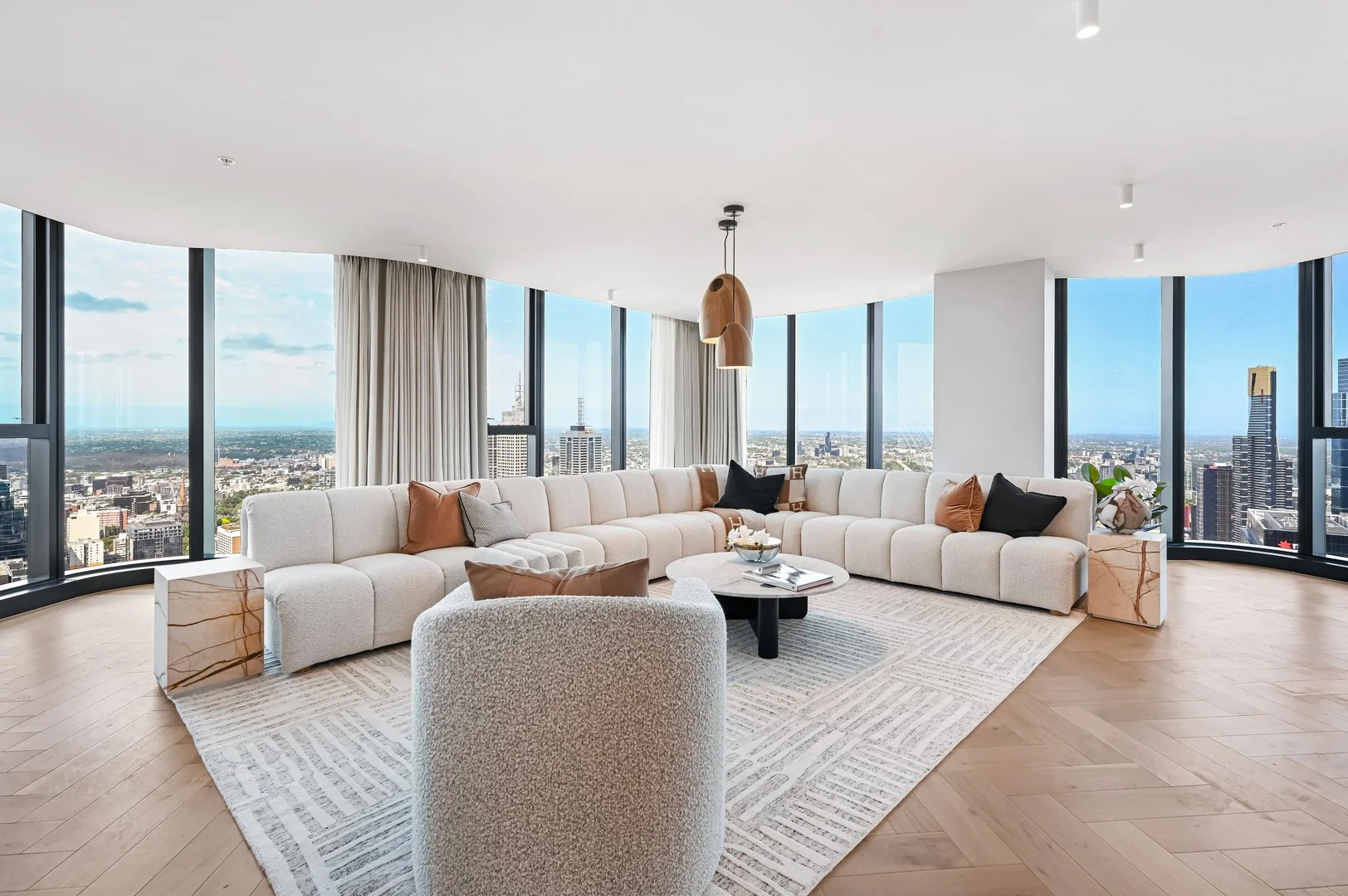 $5,512,000
propertyType.NEW APARTMENTS / OFF THE PLAN
$5,512,000
propertyType.NEW APARTMENTS / OFF THE PLAN
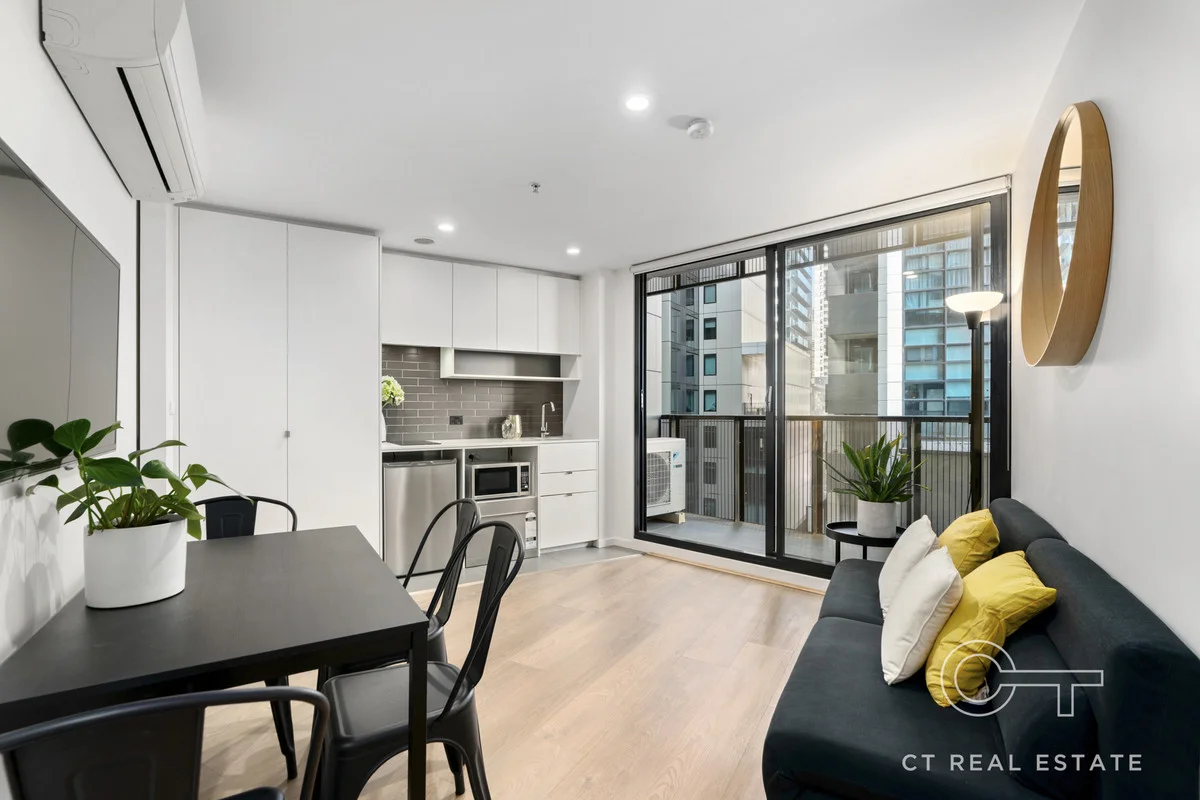 $360,000
Apartment / Unit / Flat
$360,000
Apartment / Unit / Flat
 $666,000
Apartment / Unit / Flat
$666,000
Apartment / Unit / Flat
 $712,500
Apartment / Unit / Flat
$712,500
Apartment / Unit / Flat
 $2,865,000
Apartment / Unit / Flat
$2,865,000
Apartment / Unit / Flat
 $1,870,000
propertyType.NEW APARTMENTS / OFF THE PLAN
$1,870,000
propertyType.NEW APARTMENTS / OFF THE PLAN


