Overview
# 1. Overview
St Joseph’s Primary School – Northcote is a Catholic, co-educational primary school that prioritises a nurturing, inclusive learning environment. The school draws on its Catholic identity to foster strong community relationships and a sense of belonging for students and families.
- School type: Catholic
- School size: Medium
- Class size: Typically around small-to-medium classes with a focus on individual support
- Atmosphere/culture: Nurturing, inclusive, community-minded, with an emphasis on faith-based values and academic growth
# 2. Academics & Learning
St Joseph’s Primary emphasises a well-rounded approach to learning, blending academic rigor with faith and character development.
- Academic strengths: Literacy and numeracy foundations, integrated STEM/STEAM activities, and a focus on critical thinking and literacy across the curriculum
- Special programs: Catholic education programs, opportunities for leadership development, and targeted extension or gifted/talented pathways where available
- NAPLAN / trends: Generally shows steady performance with strengths in reading and writing; ongoing improvements reflect school-led monitoring and targeted support
- Student-teacher ratios: Small-to-medium class sizes with a favorable student-to-teacher ratio to support individual learning
- Support for diverse learners: Inclusive education with support for EAL and SEN, targeted learning supports, and access to multidisciplinary staff
# 3. Sports & Extracurricular Strengths
The school offers a broad range of activities to engage students beyond the classroom, with emphasis on teamwork, skill-building, and personal growth.
- Sports offered: Football (soccer), Australian Rules football, basketball, netball, cricket, athletics, and cross-country
- Strong teams or achievements: Participation in inter-school and diocesan competitions with opportunities to contribute to school-level teams
- Music, arts, drama: Music and performing arts programs that develop talent and confidence
- Clubs: Robotics, chess, coding, debating, and other inquiry-based clubs
- Partnerships: Connections with local clubs, regional competitions, and Catholic Education Melbourne events for broader experiences
# 4. Wellbeing & Pastoral Care
Wellbeing is a central focus to help students thrive academically and personally.
- Anti-bullying approach: Clear anti-bullying policies and a restorative, inclusive approach to discipline and peer support
- House system: A house-based framework to foster belonging, teamwork, and friendly competition
- Counsellors / wellbeing officers: Access to school-based wellbeing staff and supports to monitor social-emotional health
- Transition support for new students: Orientation activities and buddy systems to help new students settle in smoothly
# 5. Facilities
Facilities are designed to support a varied program of academics, arts, and physical activity.
- Sports grounds
- Libraries
- Science labs
- Music/performing arts centers
- Tech/innovation labs
- Cafeteria
- Updated playgrounds
# 6. School Values & Community Culture
The school commits to a values-driven approach and a welcoming culture.
- School values / mission: Catholic faith, respect, inclusion, integrity, and a focus on lifelong learning
- Leadership style: Collaborative and student-centered, with opportunities for student voice and leadership
- Behaviour expectations: Clear expectations rooted in respect, responsibility, and community
- Community reputation: Supportive, family-oriented, with strong connections to local parish and community groups
- Diversity & inclusion: Emphasis on welcoming students from diverse backgrounds and providing inclusive learning opportunities
# 7. School Logistics & Daily Operations
Key daily logistics to help families plan and participate.
- School hours: Typical school day aligns with standard primary hours
- Before/after school care: Available options for before and after school care
- Uniform requirements: Formal school uniform with seasonal adjustments as appropriate
- Transport: Access to local bus routes and station options; proximity to public transport
- Canteen availability: Canteen or lunch programs with available meal options
- Fees: Moderate/typical range for primary Catholic schools; details provided by administration
# 8. Enrolment & Admissions
11. What is the enrolment process and timeline?
- Applications are typically completed via the school's enrolment process, followed by review and communication of outcomes. There is often a defined intake period and offer cycle each year.
12. Is there a waiting list, and how does it work?
- Waiting lists are common; placement is usually based on space availability, parish considerations, and priority criteria. Families may be contacted as vacancies arise.
13. Are there any entry requirements, tests, or interviews?
- Entry often involves a family/child interview or conversation with the principal or enrolment officer. Some Catholic schools may request baptism or parish documentation, but formal academic entrance tests are not common for primary enrolments.
14. Does the school accept mid-year transfers?
- Mid-year transfers are possible if space permits. Families should contact the school administration to discuss availability and required paperwork.
# 9. Frequently Asked Questions
- Why Parents Choose This School?
- A strong sense of community, values-driven education, supportive teachers, and a focus on both academic development and wellbeing.
- What type of student thrives at this school?
- Students who value community, faith-based learning, collaboration, and a balanced approach to academics, sport, and the arts.
- What opportunities are available for students to extend their skills (academics, sports, arts)?
- Access to leadership roles, extension programs where available, a range of clubs (robotics, coding, debate), and diverse sports and arts opportunities.
- How does the school communicate with parents?
- Regular updates via newsletters, email, parent-teacher conferences, and school portals or communication apps.
- What is the school’s approach to teaching and learning?
- A student-centered, inclusive approach that combines core literacy and numeracy with faith-based character formation and enrichment opportunities.
- How does the school support students who need extra academic help?
- Targeted learning support, differentiated instruction, and access to allied health or specialist staff as needed.
- What support is available for academic challenges?
- Individual or small-group interventions, review of learning plans, and collaboration with families to monitor progress.
- How does the school communicate with parents? (Repeated question)
- See above: regular updates, conferences, and digital communication channels.
- What are the class sizes and how much individual attention do students receive?
- Class sizes are designed to be small-to-medium with a focus on providing individual attention and teacher accessibility.
- What extracurricular and sports opportunities are available?
- A broad range of sports, arts, music, robotics, coding, debating, and other clubs to develop diverse interests.
- What facilities does the school offer (sports, science, arts)?
- Comprehensive facilities including sports grounds, libraries, science labs, performing arts spaces, tech/innovation labs, and a canteen.
- What is the school’s approach to technology and digital learning?
- Integrated digital learning across the curriculum with age-appropriate technology use and coding/clubs where applicable.
- What transport and accessibility options are available?
- Access to local public transport and school-specific transport arrangements or arrangements with local providers as needed.
- What are the typical school fees or additional costs?
- Fees are in a moderate range for primary Catholic schools; additional costs may include uniforms, excursions, and certain program-related fees.
# 10. Short Pros & Cons list
- Pros
- Strong sense of community and faith-based values
- Supportive learning environment with emphasis on wellbeing
- Moderate class sizes and accessible teacher support
- Broad range of extracurriculars and sport
- Inclusive culture with attention to diverse learners
- Cons
- Availability of specific programs or extensions may depend on year level and capacity
- Enrolment spots can be limited due to high demand in the area
- Some specialty offerings may require cross-school collaboration or waiting lists
If you’d like, I can tailor any section with more specific language or adjust the tone to match your Aroundschools style.









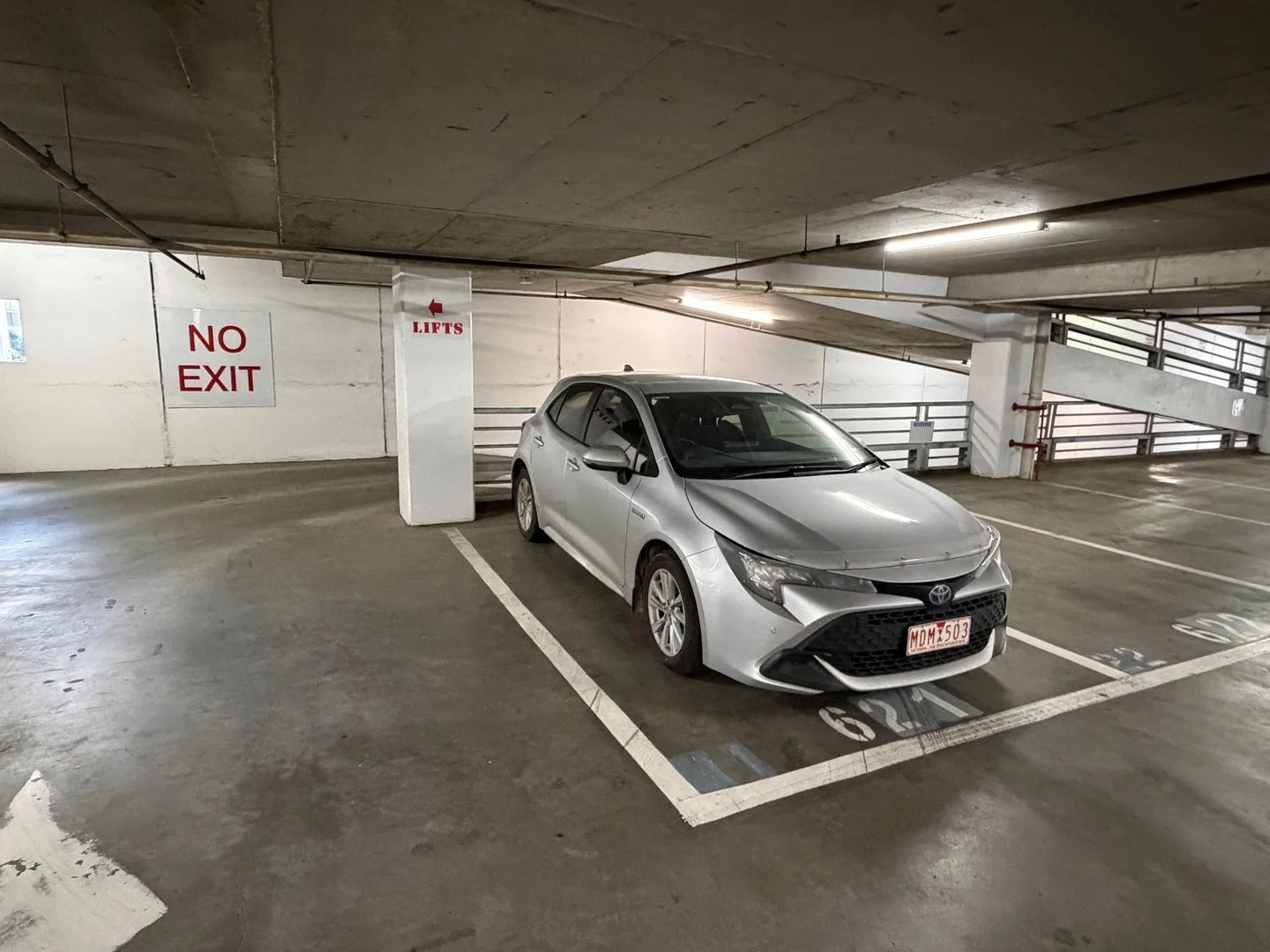 $27,500
propertyType.CAR SPACE
$27,500
propertyType.CAR SPACE
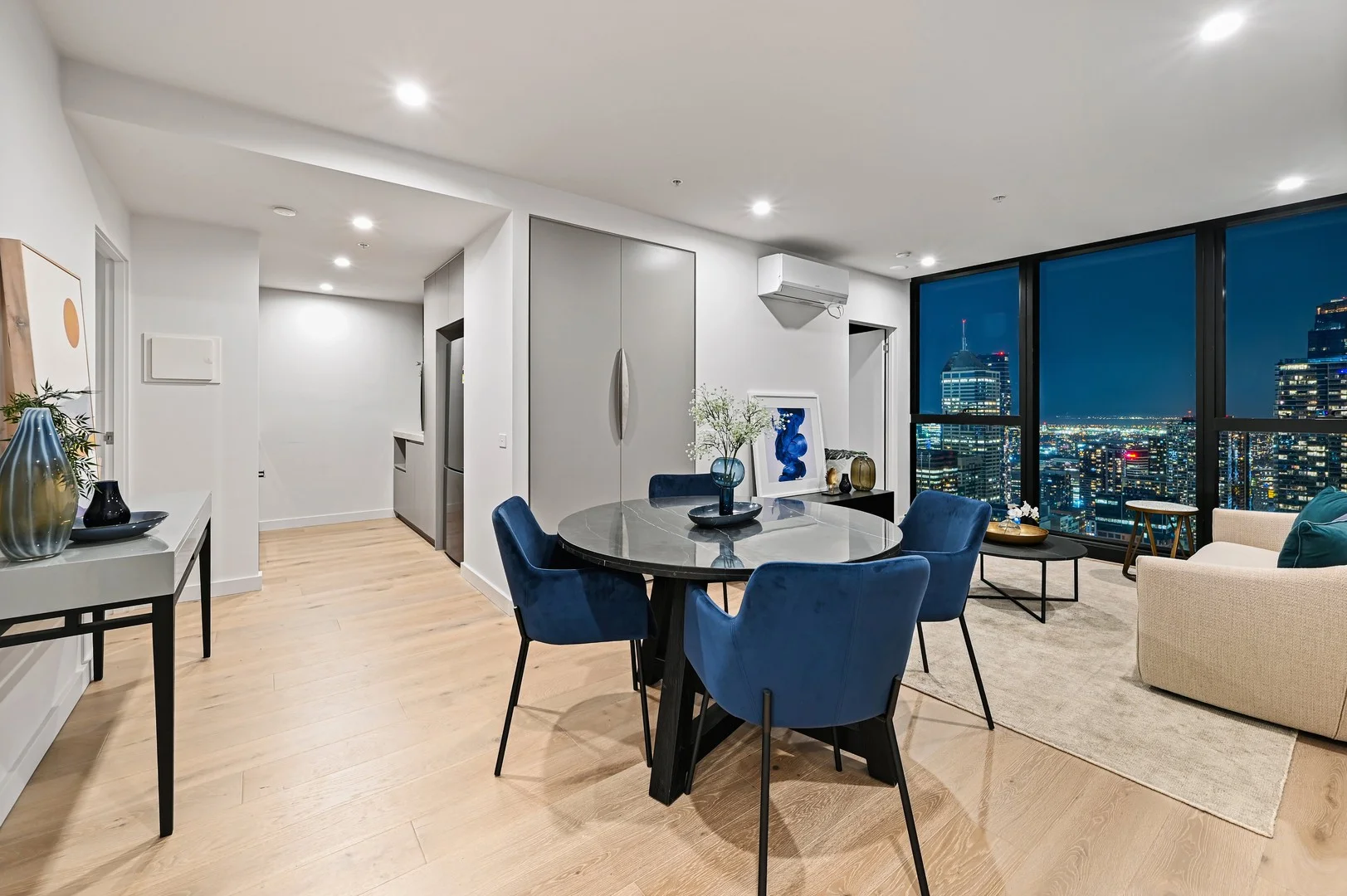 $943,000
propertyType.NEW APARTMENTS / OFF THE PLAN
$943,000
propertyType.NEW APARTMENTS / OFF THE PLAN
 $2,008,000
propertyType.NEW APARTMENTS / OFF THE PLAN
$2,008,000
propertyType.NEW APARTMENTS / OFF THE PLAN
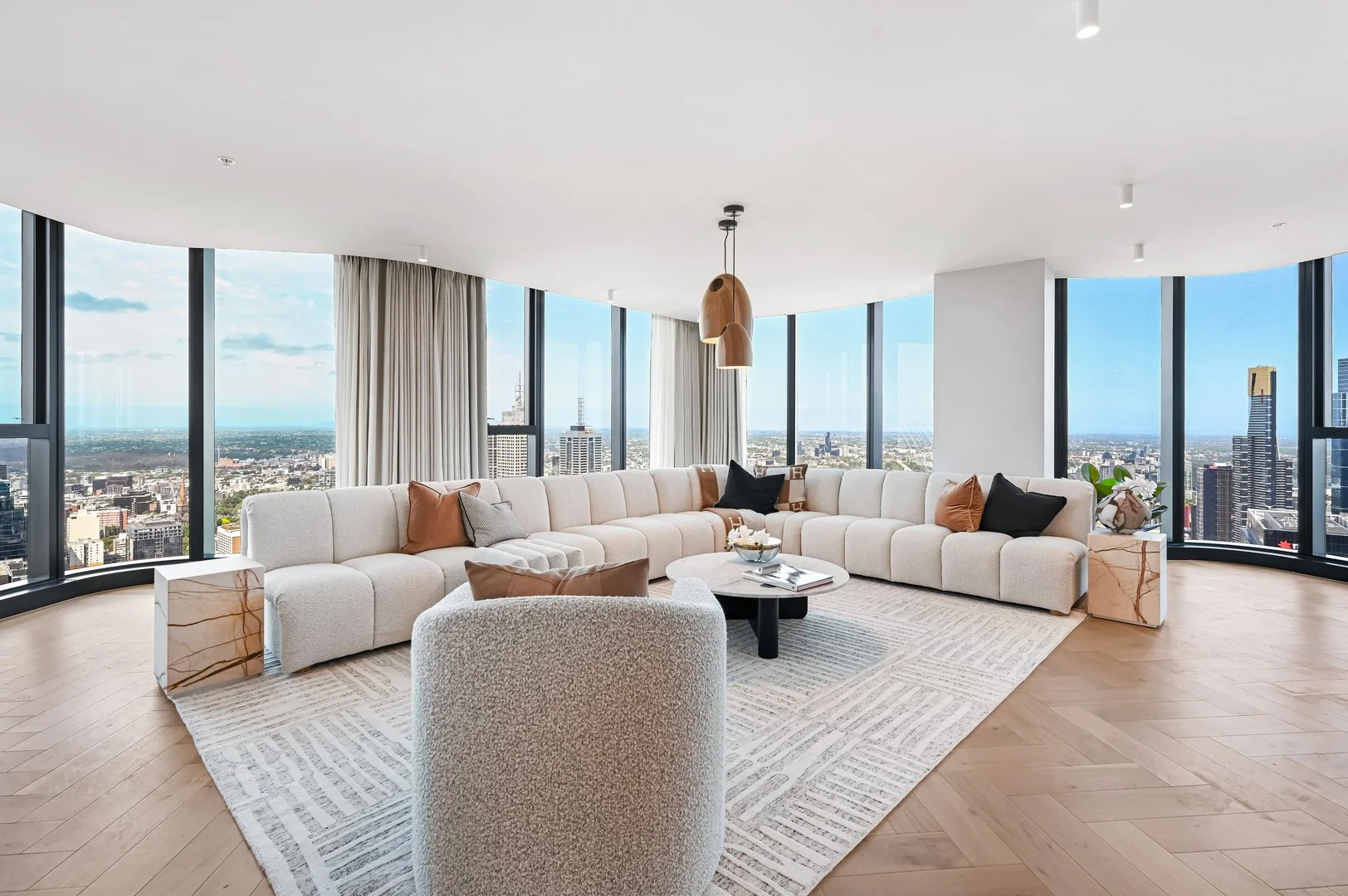 $5,512,000
propertyType.NEW APARTMENTS / OFF THE PLAN
$5,512,000
propertyType.NEW APARTMENTS / OFF THE PLAN
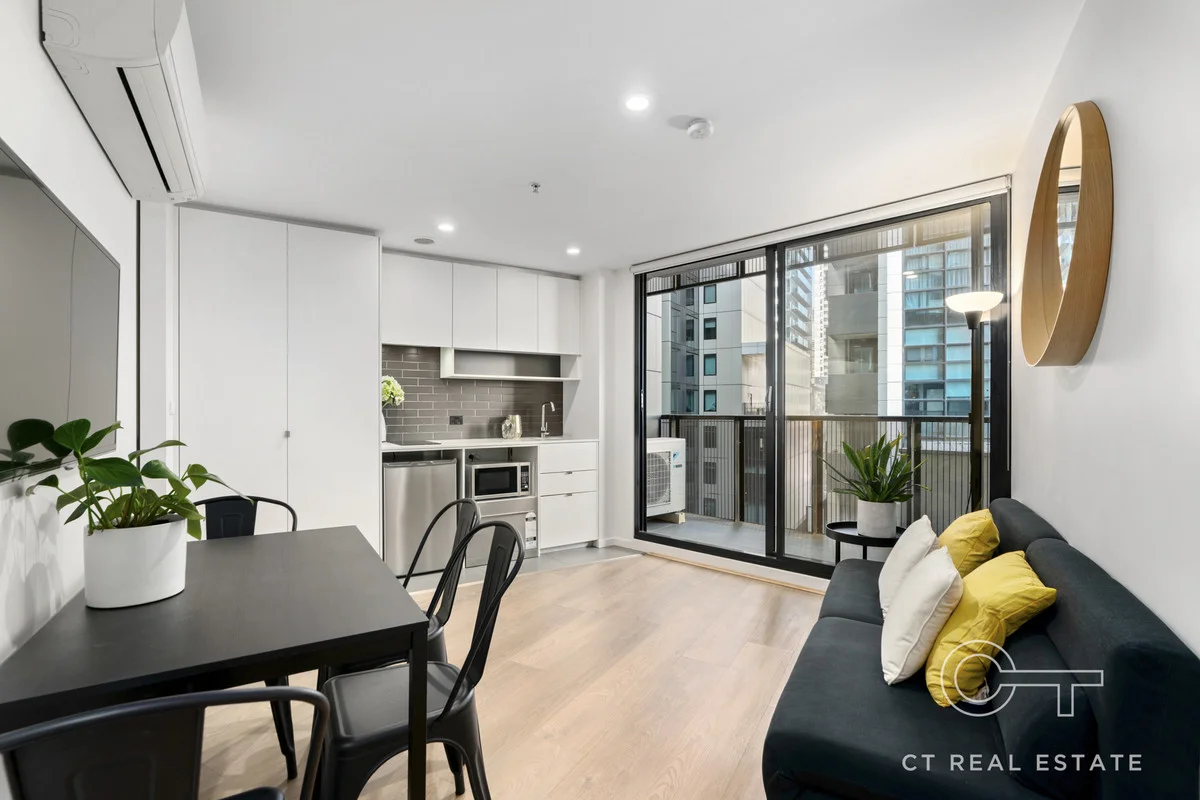 $360,000
Apartment / Unit / Flat
$360,000
Apartment / Unit / Flat
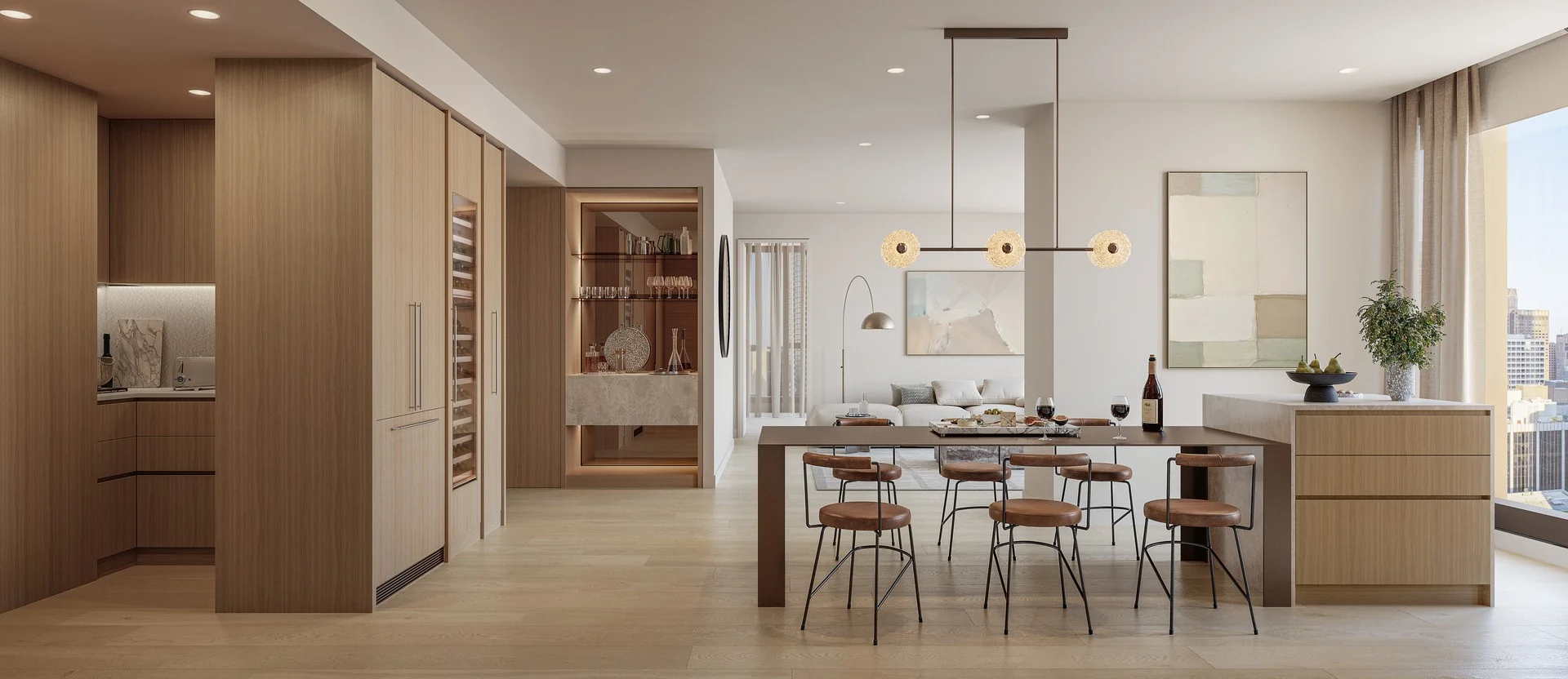 $2,865,000
Apartment / Unit / Flat
$2,865,000
Apartment / Unit / Flat
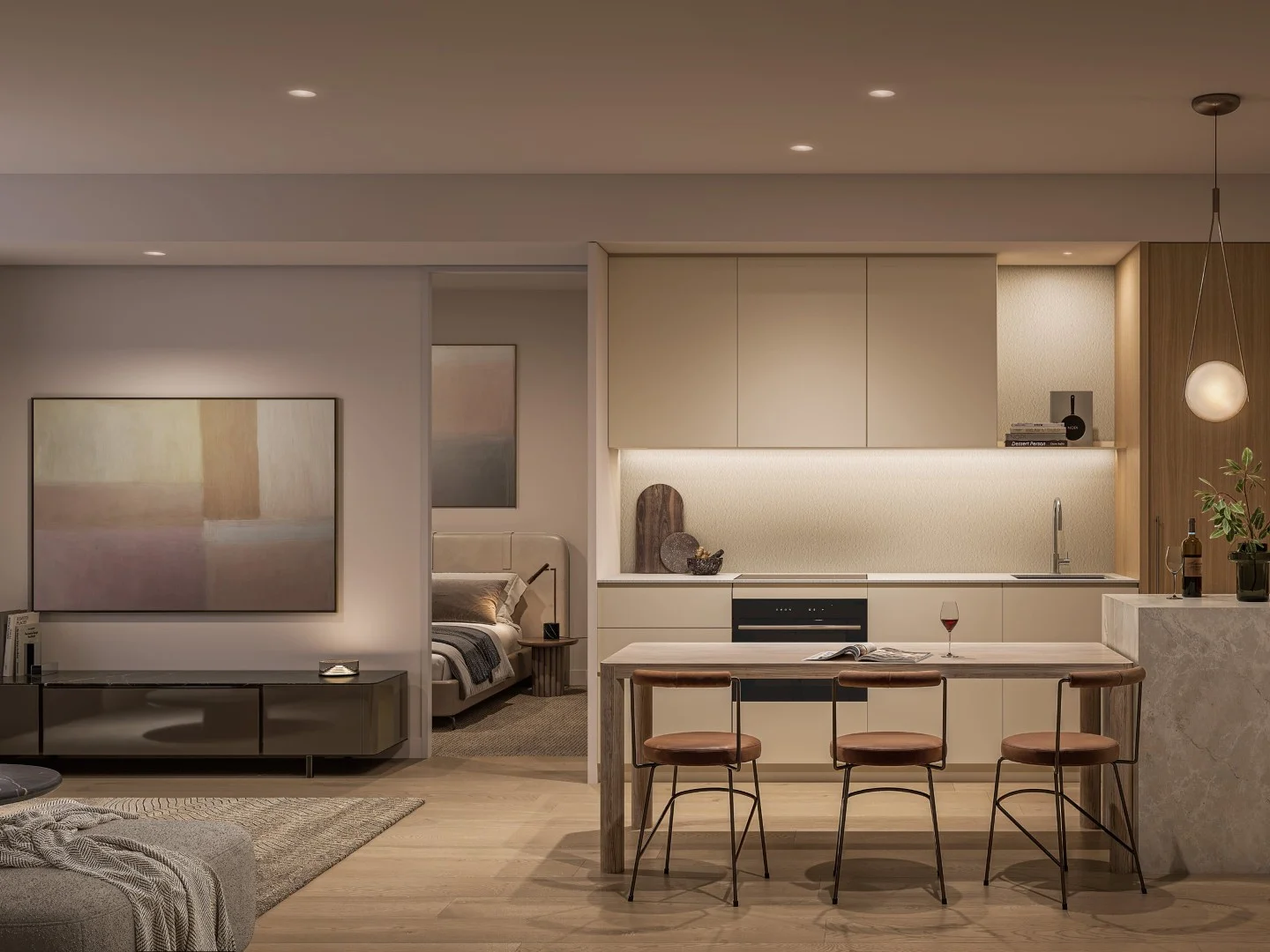 $666,000
Apartment / Unit / Flat
$666,000
Apartment / Unit / Flat
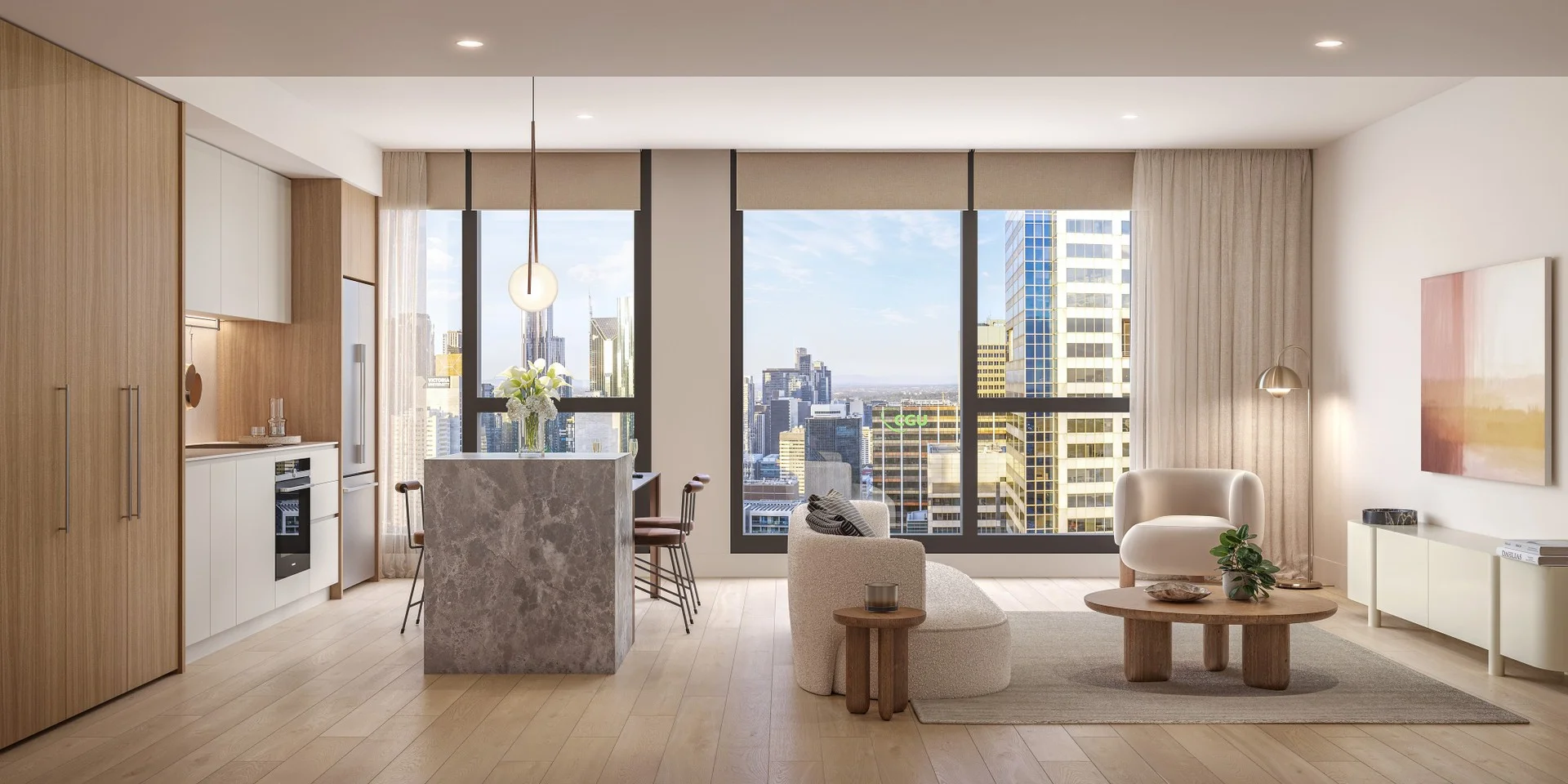 $1,870,000
propertyType.NEW APARTMENTS / OFF THE PLAN
$1,870,000
propertyType.NEW APARTMENTS / OFF THE PLAN
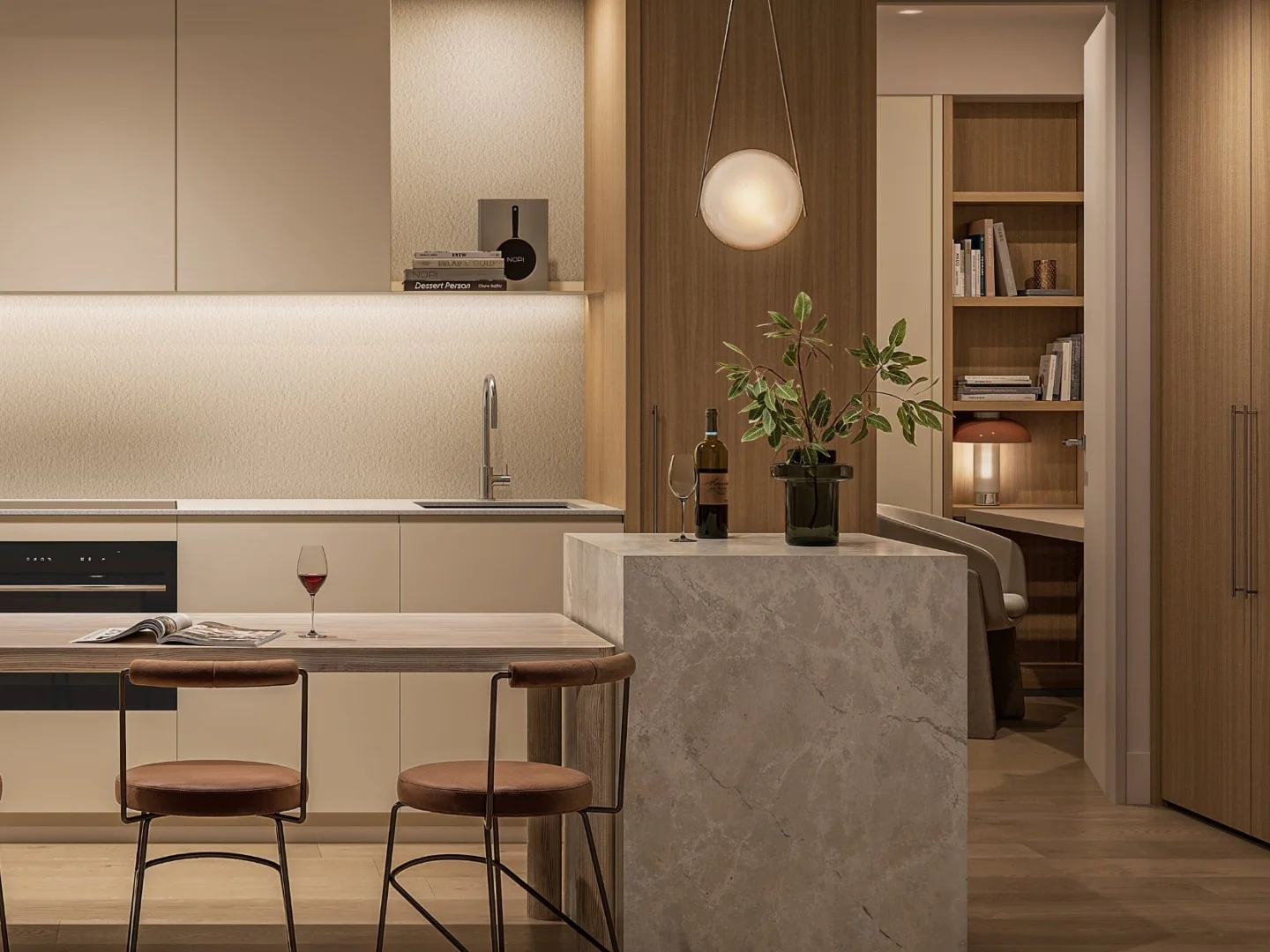 $712,500
Apartment / Unit / Flat
$712,500
Apartment / Unit / Flat