1. Overview
Shelford Girls' Grammar is an independent, girls-only school with a heritage of providing a values‑driven education in Caulfield, Victoria. The school focuses on developing confident, capable young women through strong academics, creative arts, and sport, within a nurturing, inclusive community. It sits in the mid‑size category for Melbourne private schools, offering personalised learning and opportunities across the curriculum to support each student’s growth.
The atmosphere balances high academic expectations with robust pastoral care, encouraging leadership, teamwork, and service. Students are supported to pursue excellence in the classroom, on the field, and in the arts, while benefiting from a welcoming, collaborative school culture that values diversity and inclusion.
⸻
2. Academics & Learning
- Academic strengths: English, humanities, STEM disciplines, languages, and leadership development are core focuses, with opportunities for deepening study across subjects.
- Special programs: Accelerated learning and gifted/talented pathways are available, along with opportunities for extended projects and leadership roles.
- NAPLAN / trend: The school generally shows positive trends over time, with steady performance in key literacy and numeracy areas and a focus on continuous improvement.
- Student-teacher ratios: Class sizes are designed to enable strong teacher contact and individualized guidance, typically around a 1:10 to 1:15 ratio in many year levels.
- Support for diverse learners: Dedicated support for diverse learners includes EAL and SEN assistance, with learning support staff and tailored plans to help students reach their potential.
⸻
3. Sports & Extracurricular Strengths
- Sports offered: Netball, basketball, hockey, athletics, swimming, tennis, and other team and individual sports are available across the year levels.
- Strong teams or achievements: The school supports competitive inter-school participation and has a track record of strong inter-school presence in key sports, particularly netball and athletics.
- Music, arts, drama programs: A vibrant performing arts program provides opportunities in music, drama, and public performance.
- Clubs: Robotics, coding, chess, debating, and other academic/creative clubs help students extend their skills beyond the classroom.
- Partnerships: The school engages with local arts and sports communities and participates in regional competitions and events to broaden student experiences.
⸻
4. Wellbeing & Pastoral Care
- Anti-bullying approach: Proactive policies, education, and restorative practices support a respectful campus culture.
- House system: A house framework promotes belonging, teamwork, and healthy competition across year groups.
- Counsellors / wellbeing officers: Qualified wellbeing staff provide counselling and ongoing wellbeing support for students.
- Transition support for new students: Induction programs, buddy systems, and pastoral check-ins help new students settle in smoothly.
⸻
5. Facilities
- Sports grounds: Dedicated playing fields and courts support a broad sports program.
- Libraries: Well-equipped libraries with spaces for study, collaboration, and quiet reading.
- Science labs: Modern science laboratories to support practical experiments and inquiry.
- Music/performing arts centers: Venues for concerts, drama productions, and lessons.
- Tech/innovation labs: Contemporary spaces for coding, digital design, and STEM projects.
- Cafeteria: On-site dining facilities with access to healthy meal options.
- Updated playgrounds: Safe, modern play and learning spaces for younger students.
⸻
6. School Values & Community Culture
- Values / mission: A clear emphasis on integrity, respect, compassion, and resilience underpins daily life and decision-making.
- Leadership style: Student voice and leadership are encouraged through committees, mentoring, and service opportunities; leadership is distributed across staff and students.
- Behaviour expectations: A code of conduct and positive behaviour framework guide interactions and responsibilities.
- Community reputation: A supportive parent and alumnae network contributes to a welcoming, engaged community.
- Diversity & inclusion: The school aims to foster an inclusive environment that respects and supports students from diverse backgrounds.
⸻
7. School Logistics & Daily Operations
- School hours: Typically a daytime program with start and finish times aligned to standard school schedules; some days may include after-school activities.
- Before/after school care: Available to families needing extended care outside regular hours.
- Uniform requirements: A formal uniform policy is in place, with guidelines for everyday wear and sport uniform.
- Transport (train/bus routes): Public transport options and local school run bus arrangements support access for students, with information provided by the school to families.
- Canteen availability: On-site canteen or dining facilities provide meals and snacks.
- Fees (low/medium/high ranges): Fees sit in the mid-to-high range for independent girls’ schools, with information available through the admissions team.
⸻
8. Enrolment & Admissions
11. What is the enrolment process and timeline?
- Submit an online application with supporting documents.
- Pay any applicable application fee and complete required assessments or submissions (annual reports, portfolios for specific programs, etc.).
- Participate in interviews or family interviews; may include student assessment or auditions for music or specialized programs.
- Receive a conditional offer followed by enrolment confirmation; timelines vary by year level and intake period.
12. Is there a waiting list, and how does it work?
- Yes, some year levels and entry points may operate with a waiting list. Priority often goes to siblings and then general applicants based on available places and readiness assessments. The Admissions team can provide current wait times and residency considerations.
13. Are there any entry requirements, tests, or interviews?
- Entry typically involves an interview and/or assessment relevant to the student’s year level, plus standard documentation. Music or performing arts applications may require auditions. Some year levels may have academic or readiness tasks.
14. Does the school accept mid-year transfers?
- Mid-year transfers are considered where places are available. Families should contact the Admissions team early to discuss options, intake timing, and required documentation.
⸻
9. Frequently Asked Questions
- Why Parents Choose This School?
Parents value a girls-only independent education that balances strong academics with rich arts and sport, guided by a supportive community and personalised pastoral care.
- What type of student thrives at this school?
Students who are curious, motivated, collaborative, and ready to engage in both academics and co-curricular activities typically flourish here.
- What opportunities are available for students to extend their skills (academics, sports, arts)?
A broad spectrum of extensions includes accelerated learning pathways, leadership roles, extended science and humanities projects, competitive sports, and performing arts opportunities.
- How does the school communicate with parents?
Regular updates through newsletters, emails, parent portals, and parent-teacher meetings keep families informed about student progress and school events.
- What is the school’s approach to teaching and learning?
A student-centered approach combines rigorous academic instruction with inquiry, collaboration, and real-world applications, supported by differentiated learning.
- How does the school support students who need extra academic help?
Targeted learning support, EAL/SEN assistance, and access to tutoring or in-class accommodations help students who require additional help.
- What support is available for academic challenges?
Early identification, tailored support plans, ongoing monitoring, and collaboration with families ensure timely assistance and progress.
- How does the school communicate with parents? (note: answered above; see that section for details)
- What are the class sizes and how much individual attention do students receive?
Class sizes are typically in the 18–22 range, with teacher attention and guidance prioritized through small-group work and targeted support.
- What extracurricular and sports opportunities are available?
A wide range of sports (netball, basketball, athletics, swimming, tennis, hockey), along with clubs in robotics, coding, chess, debating, music, drama, and more.
- What facilities does the school offer (sports, science, arts)?
Sports grounds, libraries, science labs, music/performing arts centers, tech/innovation labs, canteen, and updated playgrounds.
- What is the school’s approach to technology and digital learning?
Integration of digital tools to support learning, research, collaboration, coding, and responsible use of technology across the curriculum.
- What transport and accessibility options are available?
Public transport access and school-facilitated options support convenient access; details provided by the admissions team.
- What are the typical school fees or additional costs?
Fees fall within the mid-to-high range for private schools; additional costs may apply for excursions, uniforms, and specific programs. Contact the school for current figures.
⸻
10. Short Pros & Cons list
Pros
- Independent, girls-only education with a well-rounded program
- Strong academics balanced with arts and sport
- Supportive wellbeing and pastoral care
- Smaller class sizes enabling individualized attention
- Broad range of co-curricular opportunities
- Active involvement of families and a collaborative community
Cons
- Fees are in the mid-to-high range for private schools
- Competitive environments may not suit every student
- Availability of places can be limited at certain year levels
- Mid-year transfers depend on space and program needs
⸻











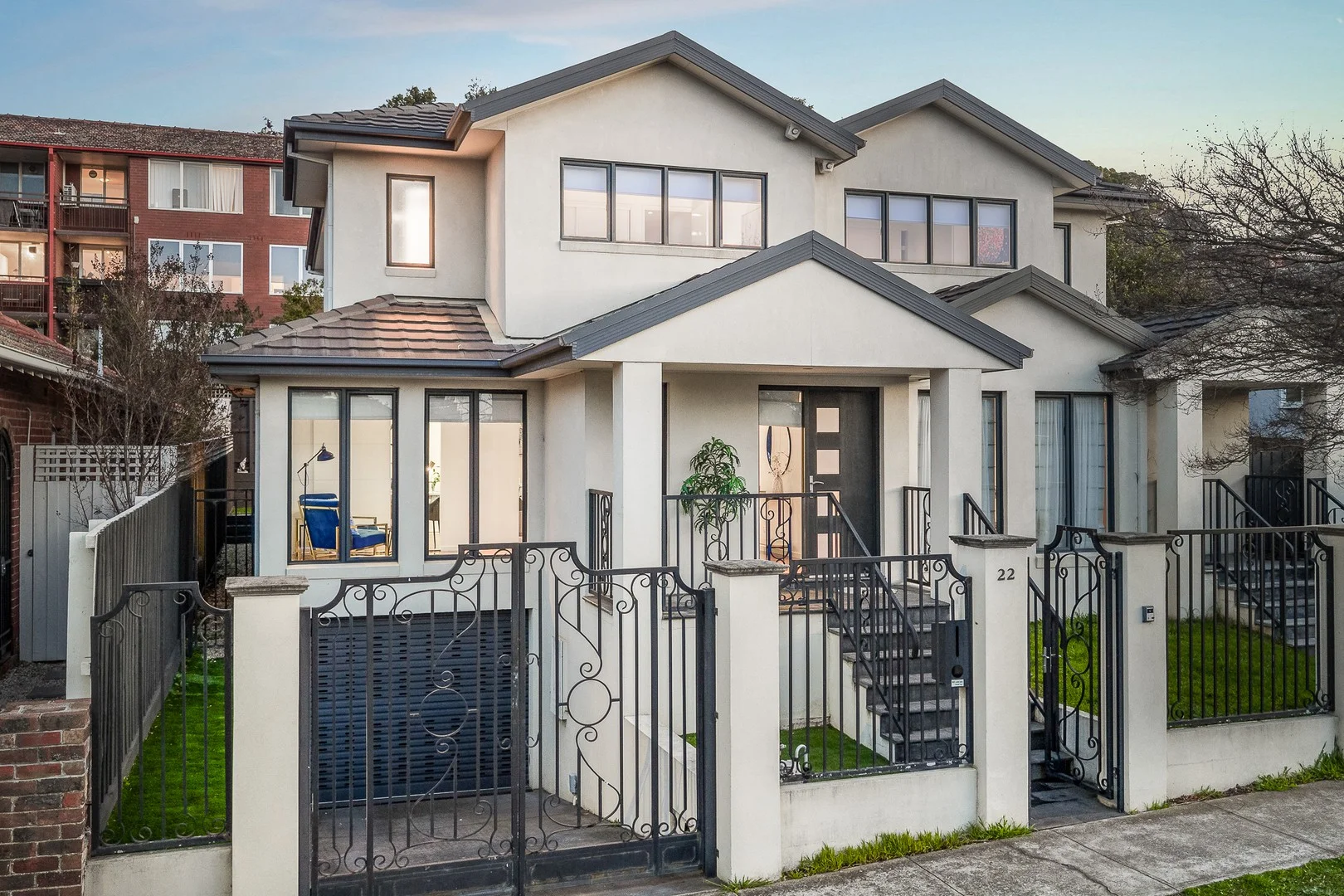 $2,100,000
Townhouse
$2,100,000
Townhouse
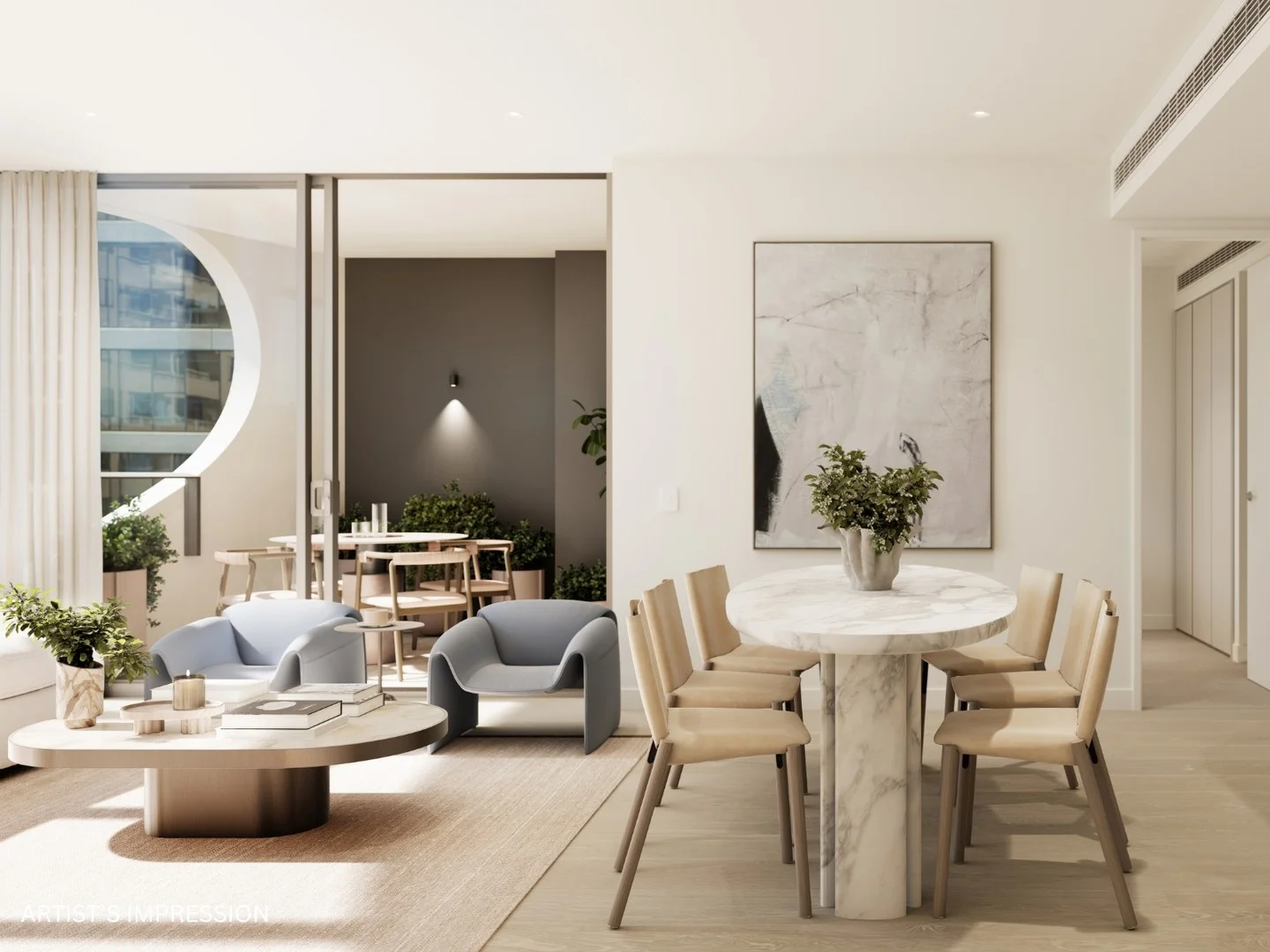 $1,640,000
Apartment / Unit / Flat
$1,640,000
Apartment / Unit / Flat
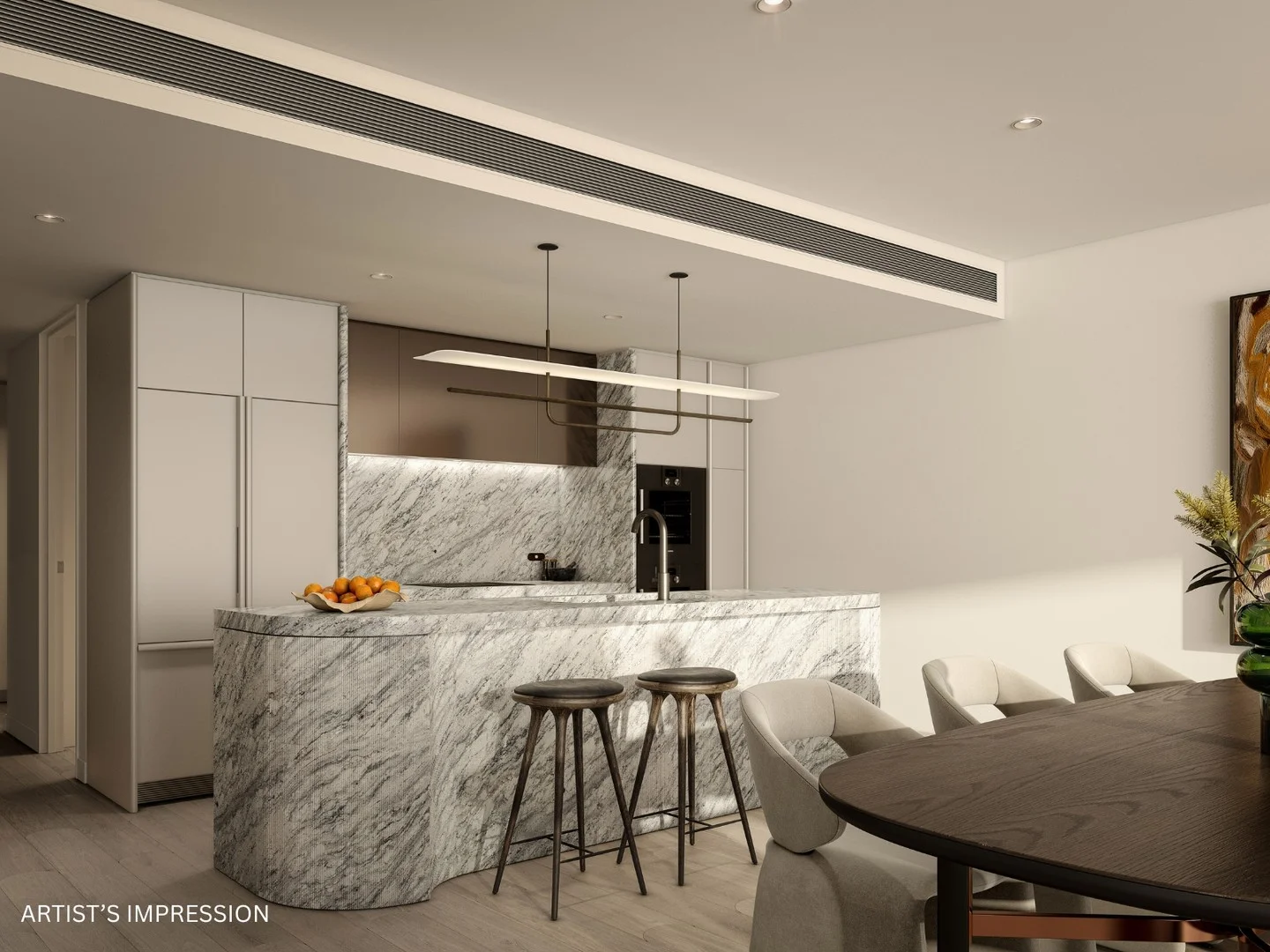 $2,900,000
Apartment / Unit / Flat
$2,900,000
Apartment / Unit / Flat
 $1,345,000
Apartment / Unit / Flat
$1,345,000
Apartment / Unit / Flat
 $2,750,000
Apartment / Unit / Flat
$2,750,000
Apartment / Unit / Flat
 $1,280
House
$1,280
House
 $1,770,000
propertyType.NEW APARTMENTS / OFF THE PLAN
$1,770,000
propertyType.NEW APARTMENTS / OFF THE PLAN
 $820,000
propertyType.NEW APARTMENTS / OFF THE PLAN
$820,000
propertyType.NEW APARTMENTS / OFF THE PLAN
 $1,760,000
propertyType.NEW APARTMENTS / OFF THE PLAN
$1,760,000
propertyType.NEW APARTMENTS / OFF THE PLAN


