1. Overview
Caulfield Grammar School, Caulfield Campus is an independent, co-educational day school offering a broad education from early learning through senior secondary. The campus emphasises academic achievement alongside strong pastoral care and a wide range of co-curricular opportunities.
With a medium-to-large student body, class sizes are typically around 20–24 students in primary and roughly 18–25 in secondary, supporting both close teacher attention and collaborative learning. The atmosphere blends high academic expectations with an inclusive, supportive culture that values sport, the arts, and community involvement.
2. Academics & Learning
- Academic strengths: English and STEM are core strengths, supported by languages, critical thinking, and leadership development. The curriculum emphasises rigorous learning across year levels and opportunities to engage in advanced projects and challenges.
- Special programs: Opportunities for accelerated or enriched learning, leadership development programs, and a broad co-curricular framework that complements classroom learning.
- NAPLAN trends: Positive trajectory with consistent performance above state averages and year-on-year improvements across cohorts.
- Student-teacher ratios: Generally low-to-medium ratios (approximately 1:10 to 1:15), enabling responsive teaching and individual attention.
- Support for diverse learners: Dedicated EAL and SEN support, inclusive education practices, and targeted interventions to assist students who need extra help or challenge.
3. Sports & Extracurricular Strengths
- Sports offered: A wide range of winter and summer sports, including athletics, cricket, football (soccer), rugby, hockey, netball, basketball, tennis, and swimming.
- Strong teams or achievements: Consistent participation and achievement in inter-school and regional competitions; emphasis on teamwork, discipline, and sportsmanship.
- Music, arts, drama: Robust programs with ensembles, theatre productions, and opportunities to perform at school and community events.
- Clubs: Robotics, chess, coding, debating, and other academic or interest-based clubs to nurture curiosity and collaboration.
- Partnerships: Connections with local clubs and academies for competitions, coaching, and advanced opportunities beyond the classroom.
4. Wellbeing & Pastoral Care
- Anti-bullying approach: Clear policies, proactive education, and student-led initiatives to promote respectful behavior and digital citizenship.
- House system: A house-based framework supports social belonging, leadership opportunities, and wellbeing activities.
- Counsellors / wellbeing officers: On-site counsellors and a dedicated wellbeing team to support students’ mental health and resilience.
- Transition support for new students: Orientation programs, buddy systems, and targeted transition support to help new students settle in smoothly.
5. Facilities
- Sports grounds: Comprehensive outdoor spaces and facilities to support physical education and team sports.
- Libraries: Well-stocked libraries with study spaces and reference resources.
- Science labs: Modern science laboratories for hands-on experiments and inquiry learning.
- Music/performing arts centers: Dedicated spaces for music ensembles, drama, and performances.
- Tech/innovation labs: Dedicated rooms and equipment for digital learning, coding, and design projects.
- Cafeteria: On-site dining facilities with healthy options.
- Updated playgrounds: Safe, modern play areas and outdoor learning spaces.
6. School Values & Community Culture
- School values / mission: A commitment to academic excellence, integrity, respect, inclusivity, and social responsibility.
- Leadership style: Collaborative and student-centered with distributed leadership across faculties and student leadership pathways.
- Behaviour expectations: Clear standards for conduct, responsibility, and respect; emphasis on creating a supportive, safe school environment.
- Community reputation: Well-regarded within the local area for strong academics, quality pastoral care, and active parent involvement.
- Diversity & inclusion: Ongoing commitment to fostering an inclusive community that respects diverse backgrounds and abilities.
7. School Logistics & Daily Operations
- School hours: Typical school day runs through standard morning and afternoon sessions, with variations by year level.
- Before/after school care: Available for families needing extended care beyond the school day.
- Uniform requirements: Formal uniform required, with seasonal adjustments; a clear uniform policy governs daily wear and special occasions.
- Transport (train/bus routes): Access to public transport and school-specific transport options; proximity to rail and bus networks; carpool and drop-off arrangements may be available.
- Canteen availability: On-site canteen or vending options with healthy meal and snack choices.
- Fees (low/medium/high ranges): Fees are in the higher range typical of independent day schools, with additional costs for uniforms, excursions, and activities.
8. Enrolment & Admissions
11. What is the enrolment process and timeline?
- Steps typically include an initial inquiry, online application, submission of required documents (birth certificate, immunisation records, school reports), a short assessment or interview, and a decision/offer. The timeline can span several months, with key intake periods aligned to the start of the school year or other entry points depending on vacancy.
12. Is there a waiting list, and how does it work?
- There may be a waiting list when demand exceeds current vacancies. Waiting list policies usually prioritise siblings and applicants who have completed the formal application process, with offers made as spaces become available.
13. Are there any entry requirements, tests, or interviews?
- Entry typically involves an interview (with the student and family) and may include a literacy/numeracy discussion or assessment. Schools often review prior academic records, immunisation status, and other relevant documents to determine fit.
14. Does the school accept mid-year transfers?
- Mid-year transfers are possible subject to vacancies and alignment with the curriculum and year level requirements. The process generally involves an application, meeting with relevant staff, and the ability to place the student in appropriate classes.
9. Frequently Asked Questions
- Why Parents Choose This School?
- A balance of strong academic outcomes, broad co-curriculars, comprehensive wellbeing support, and a values-driven community.
- What type of student thrives at this school?
- Students who are motivated, curious, and collaborative, and who value a supportive environment that challenges them academically while offering rich extracurricular opportunities.
- What opportunities are available for students to extend their skills (academics, sports, arts)?
- Access to accelerated or enriched learning options, leadership programs, and clubs in STEM, humanities, arts, and sport; strong teams and performances in music and drama.
- How does the school communicate with parents?
- Regular newsletters, parent portals, parent-teacher interviews, and timely updates on events and student progress.
- What is the school’s approach to teaching and learning?
- A rigorous, curriculum-aligned approach that emphasises inquiry, critical thinking, and hands-on learning, with support structures to help every student progress.
- How does the school support students who need extra academic help?
- Targeted learning support, EAL assistance, small-group interventions, and access to specialist staff.
- What support is available for academic challenges?
- Early identification, personalised learning plans, and close collaboration with families to design effective interventions.
- How does the school communicate with parents? (duplicate)
- See above: newsletters, portals, interviews, and notifications.
- What are the class sizes and how much individual attention do students receive?
- Typical class sizes around 18–25 students, with teacher support and opportunities for one-on-one or small-group interaction.
- What extracurricular and sports opportunities are available?
- A wide range of sports, music and drama programs, robotics, chess, coding, debating, and other clubs.
- What facilities does the school offer (sports, science, arts)?
- Comprehensive facilities including sports grounds, libraries, science labs, music/performing arts spaces, tech/innovation labs, and dining facilities.
- What is the school’s approach to technology and digital learning?
- Integrated digital learning with appropriate devices and resources to support modern teaching methods and student collaboration.
- What transport and accessibility options are available?
- Access to public transport, school transport options, and convenient drop-off arrangements; accessibility considerations are part of campus planning.
- What are the typical school fees or additional costs?
- Fees are in the higher range for independent day schools, with additional costs for uniforms, excursions, activities, and resources.
10. Short Pros & Cons list
Pros
- Strong academic program with broad co-curriculars
- Supportive wellbeing and pastoral care
- Range of leadership and enrichment opportunities
- Diverse, inclusive school culture
- Modern facilities and resources
Cons
- Higher tuition compared with public/state schools
- Large school environment may mean fewer opportunities for ultra-personalised attention in some settings
- Commute or travel considerations for families outside the immediate area

 $25+
$25+












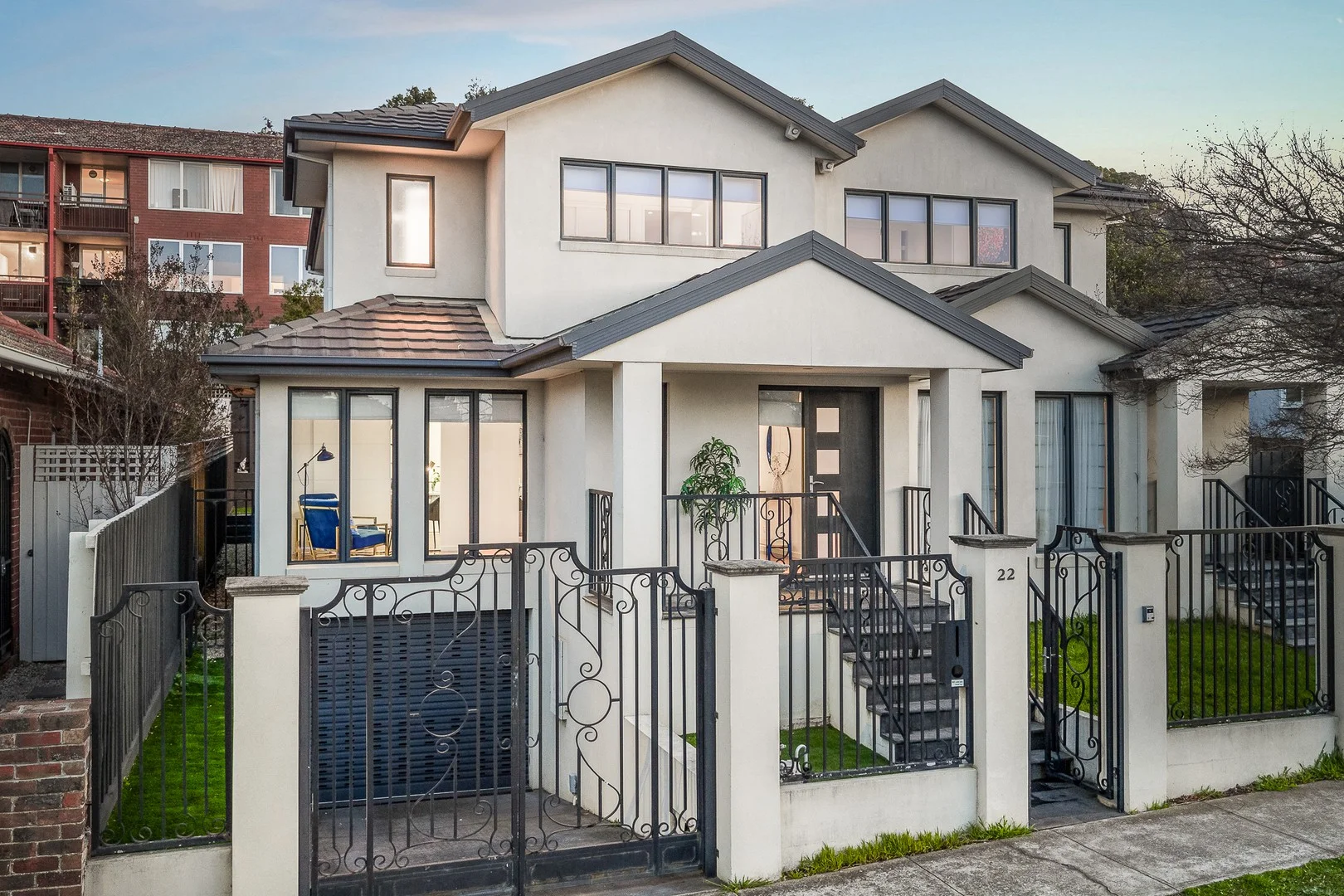 $2,100,000
Townhouse
$2,100,000
Townhouse
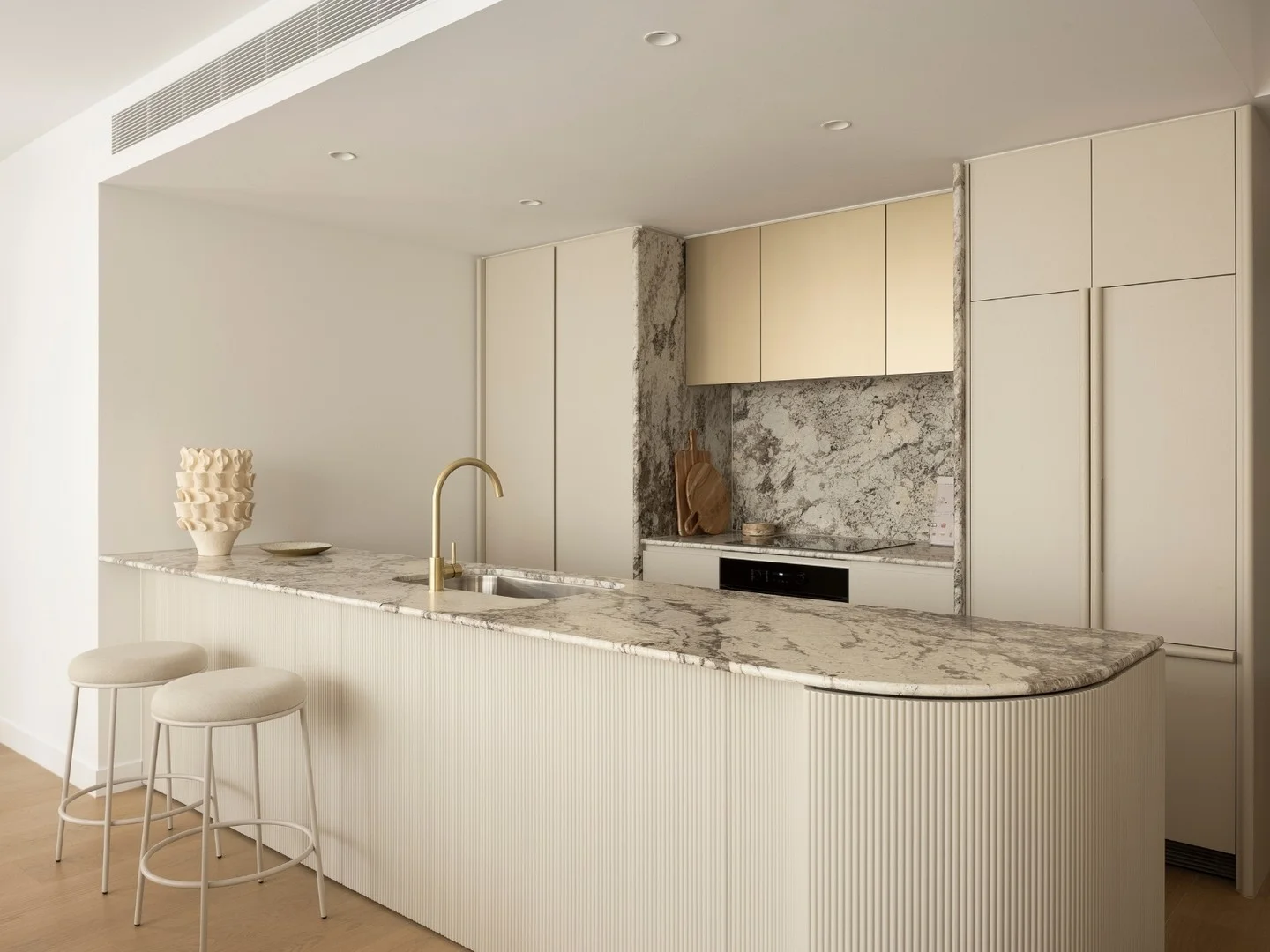 $1,345,000
Apartment / Unit / Flat
$1,345,000
Apartment / Unit / Flat
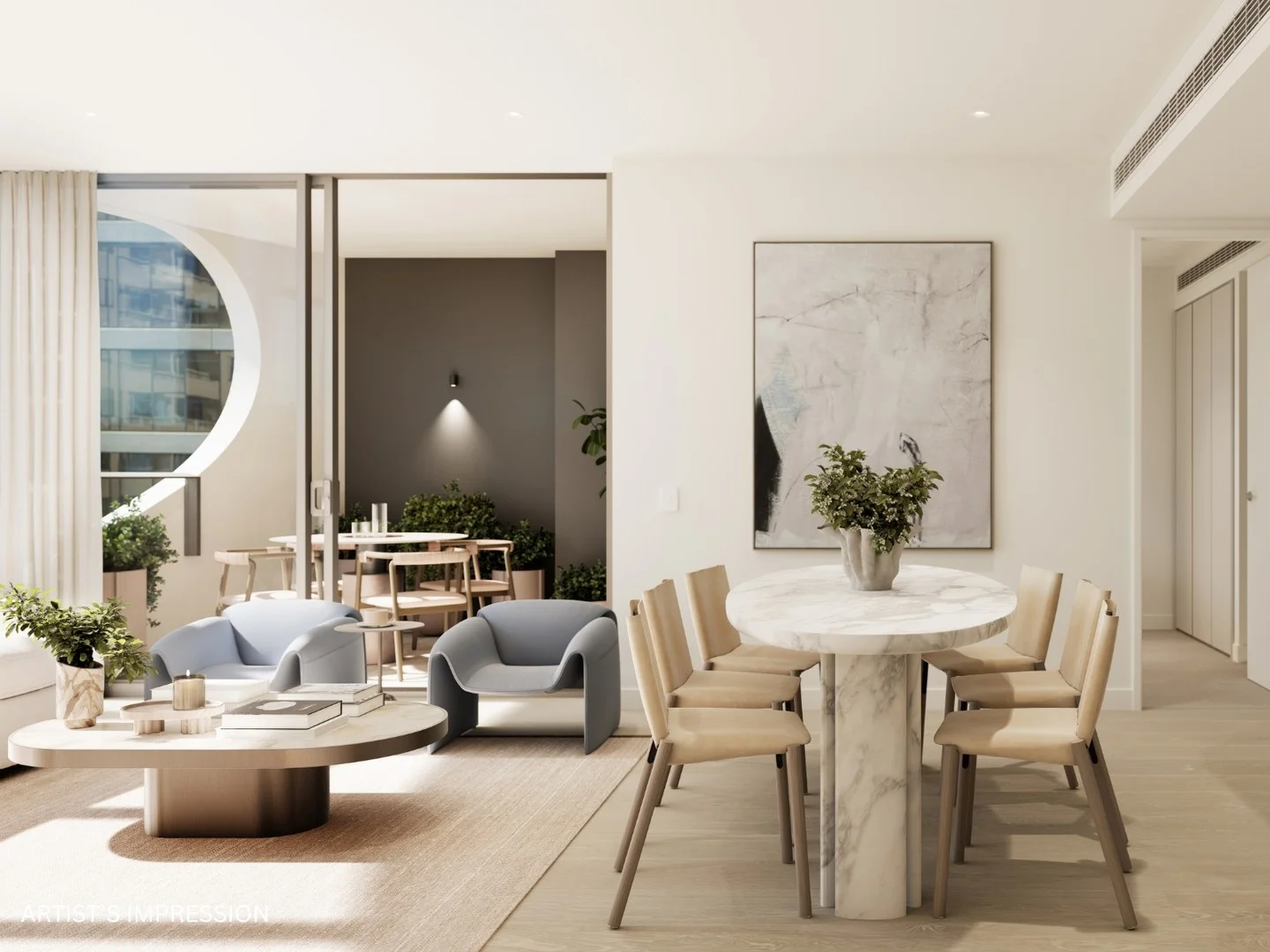 $1,640,000
Apartment / Unit / Flat
$1,640,000
Apartment / Unit / Flat
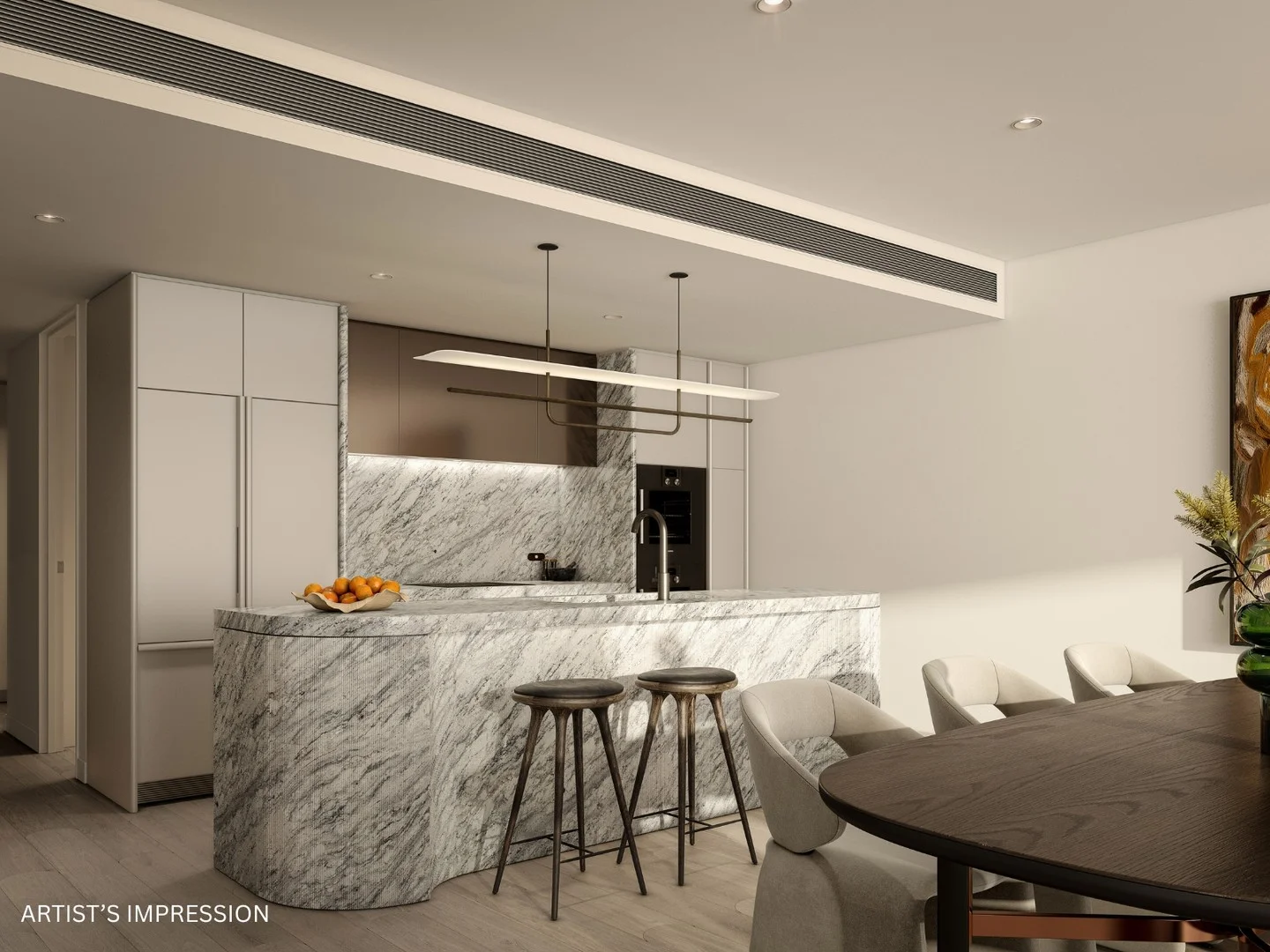 $2,900,000
Apartment / Unit / Flat
$2,900,000
Apartment / Unit / Flat
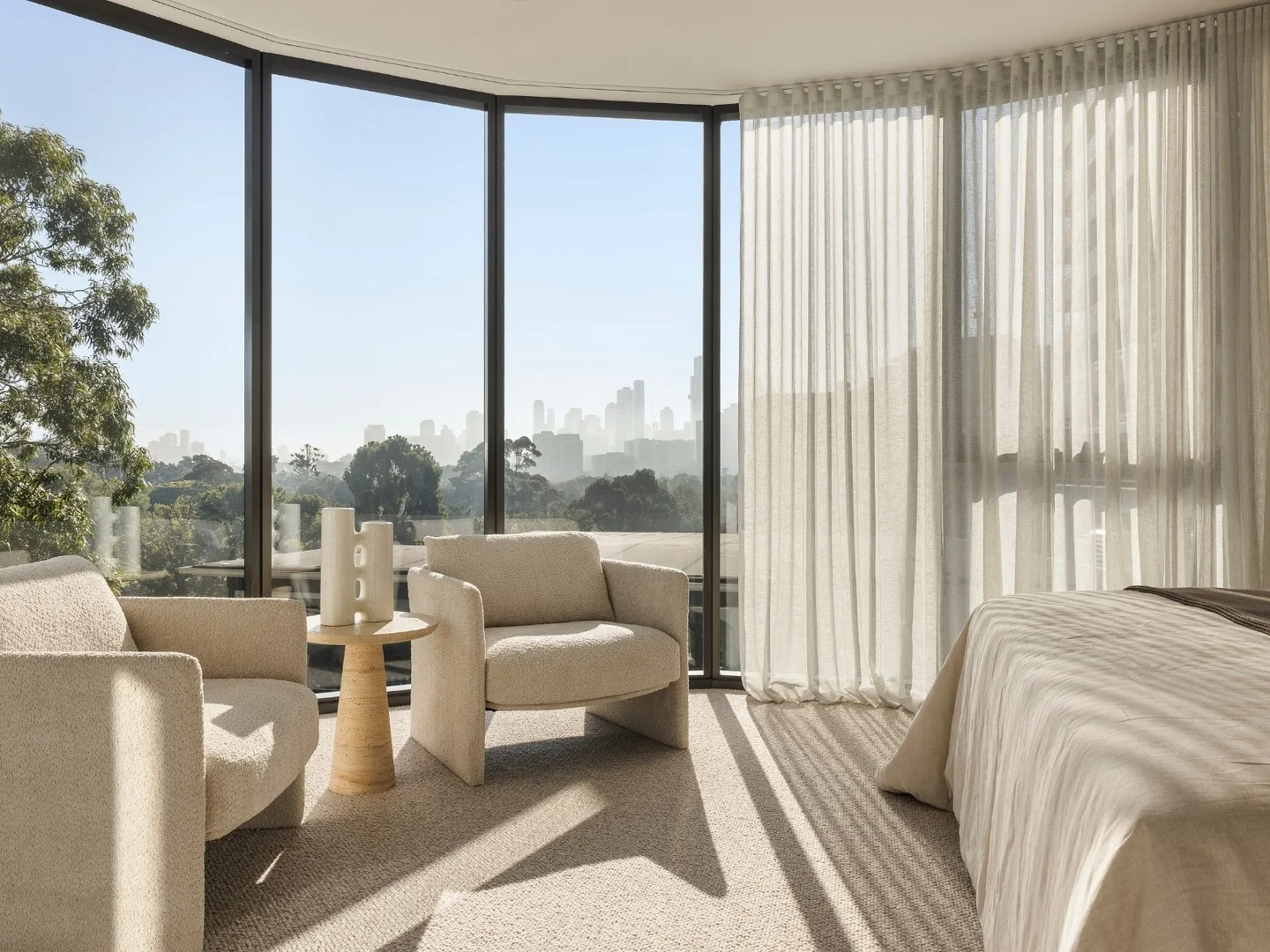 $2,750,000
Apartment / Unit / Flat
$2,750,000
Apartment / Unit / Flat
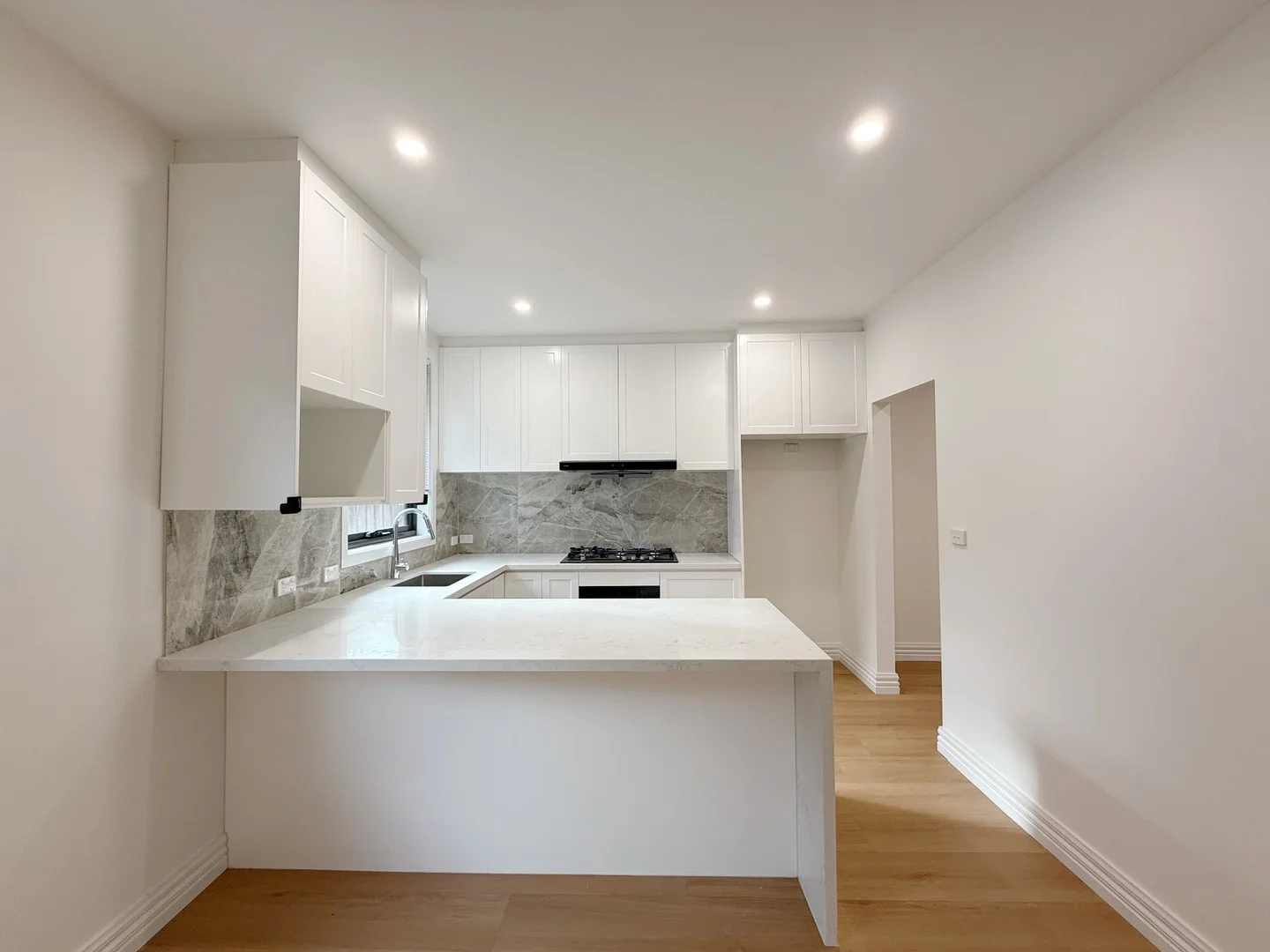 $1,280
House
$1,280
House
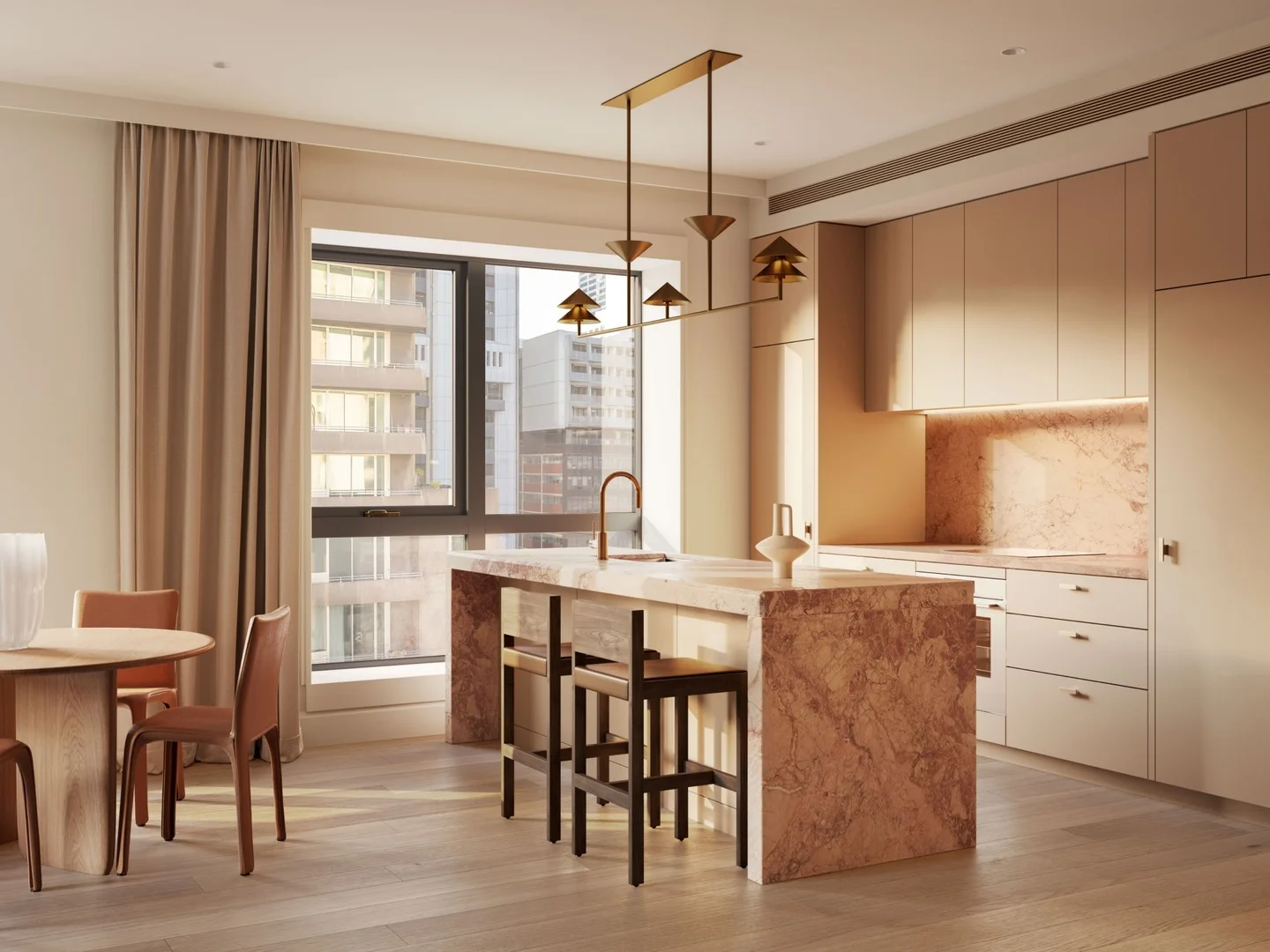 $1,760,000
propertyType.NEW APARTMENTS / OFF THE PLAN
$1,760,000
propertyType.NEW APARTMENTS / OFF THE PLAN
 $1,770,000
propertyType.NEW APARTMENTS / OFF THE PLAN
$1,770,000
propertyType.NEW APARTMENTS / OFF THE PLAN
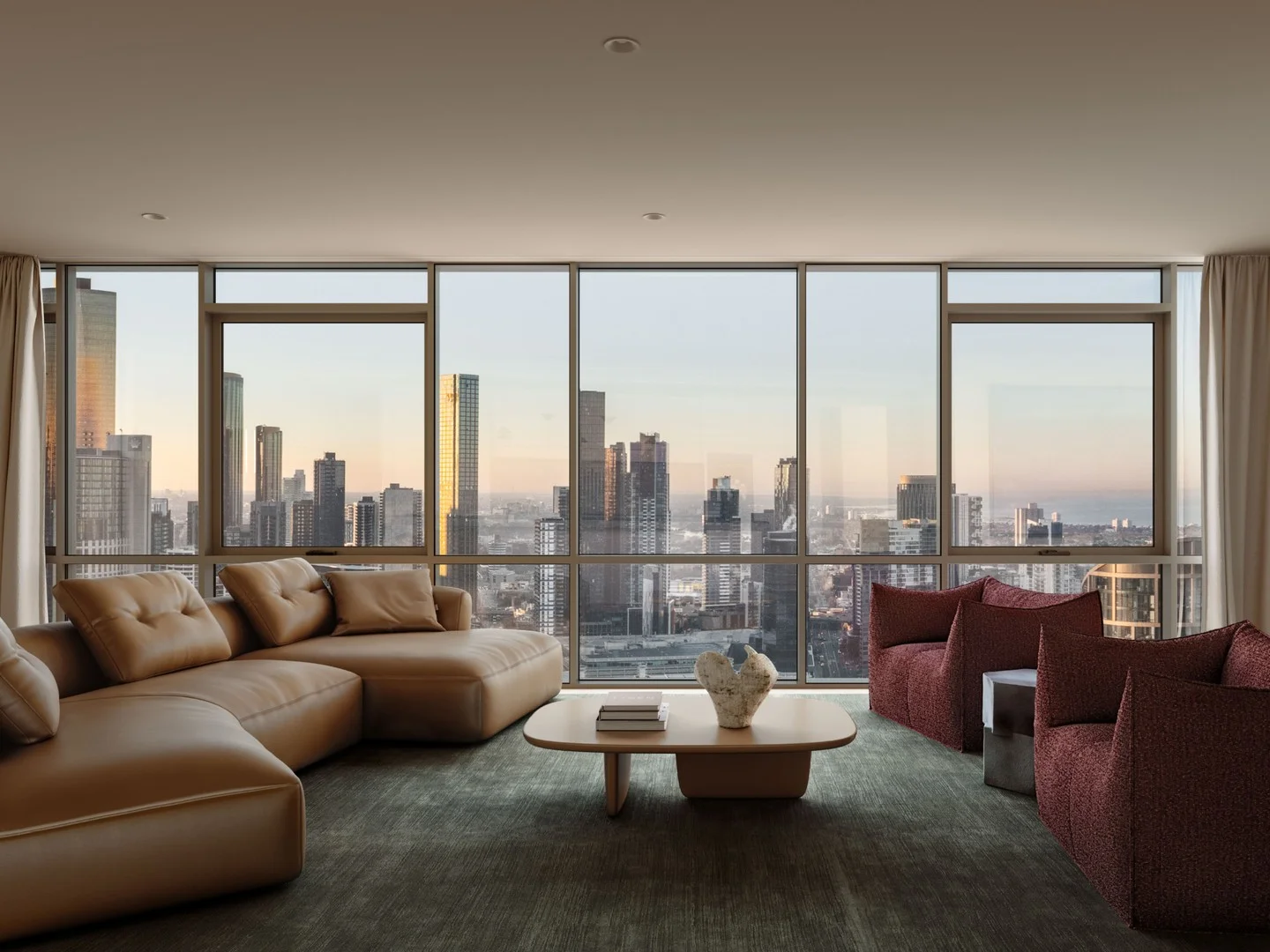 $3,700,000
propertyType.NEW APARTMENTS / OFF THE PLAN
$3,700,000
propertyType.NEW APARTMENTS / OFF THE PLAN


