Overview
# Overview
St Andrew’s Catholic Primary School in Malabar is a co-educational Catholic school focused on delivering a faith-inspired education within a nurturing, inclusive community. The school emphasises strong relationships, values-based learning and a respectful, supportive culture that involves families in the life of the school.
The school is a medium-sized community primary school with a typical class size in the low-to-mid 20s. It aims to balance strong academics with pastoral care, faith formation and opportunities for students to participate in sport, the arts and community service. The atmosphere is generally described as welcoming, collaborative and inclusive, with a clear focus on developing the whole child.
---
# Academics & Learning
- Academic strengths: focus on literacy and numeracy aligned to the NSW syllabus, with integration of faith-based education. Emphasis on critical thinking, writing, and preparation for lifelong learning, alongside opportunities to develop leadership and service-minded behaviours.
- Special programs: faith formation and sacramental preparation as part of the school community; enrichment opportunities and targeted support programs to cater for varied learning needs; access to school-wide library programs and supported learning frameworks.
- NAPLAN / trends: public trend data for individual schools isn’t provided here; NSW Catholic primary schools typically show steady performance with local year-to-year variations. For precise trends, consult NSW Department of Education data or the school's annual report.
- Student-teacher ratios: class sizes generally in the low-to-mid 20s with a student-teacher ratio that supports targeted teaching; teacher aides may assist in some classes to support diverse learners.
- Support for diverse learners: dedicated support for EAL (English as an Additional Language) learners and students with additional learning needs; Learning Support Team to coordinate interventions and accommodations as required.
---
# Sports & Extracurricular Strengths
- Sports offered: a range of traditional primary-school sports such as soccer (football), cricket, rugby league, netball, basketball and athletics; opportunities for inter-school participation.
- Strong teams or achievements: participation in local inter-school competitions and district events; focus on teamwork, sportsmanship and personal bests.
- Music, arts, drama programs: choir, school performances, and opportunities to engage in music and drama activities through the performing arts program.
- Clubs: robotics, chess, coding, debating and other after-school clubs are typically available to extend learning beyond the classroom.
- Partnerships: connections with local community clubs, diocesan or Catholic Schools Office activities, and regional competitions to broaden opportunities for students.
---
# Wellbeing & Pastoral Care
- Anti-bullying approach: proactive anti-bullying strategies, positive behaviour policies and safe, supportive classroom environments.
- House system: a house-style structure to foster teamwork, healthy competition and community spirit across year levels.
- Counsellors / wellbeing officers: access to wellbeing staff or school counsellors as part of a broader pastoral care program.
- Transition support for new students: orientation visits, buddy programs and transition activities to help students settle into the school community.
---
# Facilities
- Sports grounds: dedicated outdoor playing fields and play spaces for physical education and recreation.
- Libraries: well-stocked library to support reading and research.
- Science labs: age-appropriate science facilities for hands-on experiments.
- Music/performing arts centers: spaces for music lessons, rehearsals and performances.
- Tech/innovation labs: classrooms and spaces that support digital learning and technology-integrated projects.
- Cafeteria: on-site canteen or cafeteria offering standard school meals and snacks.
- Updated playgrounds: modern, safe outdoor play areas with shade and seating.
(Overall, facilities are designed to support core learning, creative arts, physical activity and safe, supervised learning environments.)
---
# School Values & Community Culture
- School values / mission: faith-based education grounded in Catholic values such as compassion, respect, responsibility, service and integrity.
- Leadership style: inclusive and participatory, with opportunities for student voice through leadership roles and student councils; strong partnership with families and parish communities.
- Behaviour expectations: clear code of conduct, restorative practices and positive behaviour support to promote a respectful school environment.
- Community reputation: well-regarded within the local Catholic education community for caring staff, friendly culture and active family involvement.
- Diversity & inclusion: welcoming to families from diverse backgrounds with inclusive practices and a commitment to equity and belonging.
---
# School Logistics & Daily Operations
- School hours: typical school day runs during standard primary school hours, with start and finish times aligned to NSW norms; routine includes morning and afternoon breaks.
- Before/after school care: available through on-site or affiliated programs to support working families.
- Uniform requirements: standard school uniform with seasonal adjustments; hat policy and appropriate attire for health and safety.
- Transport (train/bus routes): accessible by public transport with nearby bus routes; drop-off/pick-up arrangements managed to support safe access for families.
- Canteen availability: canteen or lunch provisions offering healthy meal options.
- Fees (low/medium/high ranges): fees are in the low-to-medium range for NSW Catholic primary schools, with typical additional costs for uniforms, booklists, excursions and activities.
---
# Enrolment & Admissions
11. What is the enrolment process and timeline?
- Submit an expression of interest or enrolment application through the school.
- Attend any open days or information sessions offered by the school.
- Provide required documentation (birth certificate, immunisation records, baptism certificate (where applicable), parish details, and any other school-specific forms).
- Participate in any interview or classroom briefings for prospective students as part of the process.
- Offers of placement are made subject to availability; confirmation of enrolment follows acceptance and any placement timelines set by the school.
12. Is there a waiting list, and how does it work?
- Many Catholic primary schools operate with a waitlist when vacancies are limited.
- Priority is usually given to Catholic families, siblings of current students, and parish considerations; the school will advise on the order and updates of the waitlist and expected timelines.
13. Are there any entry requirements, tests, or interviews?
- Entry typically involves documentation and confirmation of eligibility; some schools may conduct short interviews or classroom briefings to understand the student’s needs and fit, but formal entrance testing is uncommon for primary-level enrolments.
- Immunisation records and parish references may be requested as part of the process.
14. Does the school accept mid-year transfers?
- Yes, subject to vacancies and the school’s transfer policy; mid-year admissions may require availability checks and a transition plan to ensure a smooth start for the new student.
---
# Frequently Asked Questions
- Why Parents Choose This School?
- A faith-centered, values-based education in a welcoming community with strong emphasis on pastoral care, academics and student well-being.
- What type of student thrives at this school?
- Students who are engaged, respectful, curious and ready to participate in a faith-based community; those who value service, collaboration and learning within a supportive environment.
- What opportunities are available for students to extend their skills (academics, sports, arts)?
- A range of academic programs, enrichment opportunities, and clubs in areas like robotics, coding, chess, debating, arts and music; participation in local sports and performing arts activities.
- How does the school communicate with parents?
- Through newsletters, emails, school app or portal, parent-teacher interviews, and regular updates from teachers and the leadership team.
- What is the school’s approach to teaching and learning?
- A curriculum aligned to the NSW syllabus, with differentiated instruction, opportunities for inquiry-based learning, and integration of faith education to support whole-child development.
- How does the school support students who need extra academic help?
- Learning Support Team, targeted literacy and numeracy interventions, EAL support, and access to specialist services as needed.
- What support is available for academic challenges?
- Individual or small-group support plans, additional classroom resources, and coordinated referrals to external professionals when appropriate.
- How does the school communicate with parents? (Repeated question)
- See above: newsletters, portals, direct communication from teachers and the school leadership.
- What are the class sizes and how much individual attention do students receive?
- Classes typically range in the low-to-mid 20s; teachers provide tailored instruction, with opportunities for small-group or one-on-one support as needed.
- What extracurricular and sports opportunities are available?
- A variety of sports (soccer, cricket, netball, rugby league, basketball, athletics), plus clubs like robotics, chess, coding and debating, and performing arts opportunities.
- What facilities does the school offer (sports, science, arts)?
- Sports grounds, library, science labs, music/performing arts spaces, tech/innovation labs, canteen, and updated playgrounds.
- What is the school’s approach to technology and digital learning?
- Integrated ICT across the curriculum with age-appropriate devices and digital literacy instruction; emphasis on safe, responsible use and privacy.
- What transport and accessibility options are available?
- Access to local public transport options and organized drop-off/pick-up plans; school facilities are designed to support accessibility for diverse learners.
- What are the typical school fees or additional costs?
- Fees are generally in the low-to-medium range for NSW Catholic primary schools, with additional costs for uniforms, booklists, annual excursions and optional activities.
---
# Short Pros & Cons list
- Pros
- Catholic-focused education with strong community and pastoral care
- Moderate class sizes enabling close teacher attention
- Broad range of academic, sport, arts and extracurricular options
- Inclusive approach with support for diverse learners
- Engaged parent and parish community
- Cons
- As a medium-sized school, some highly specialized programs may be more limited than larger schools
- Open vacancies may lead to waitlists during peak intake years
- Fees and additional costs (uniforms, excursions) are an ongoing consideration for families
- Availability of mid-year transfers depends on vacancies and timing








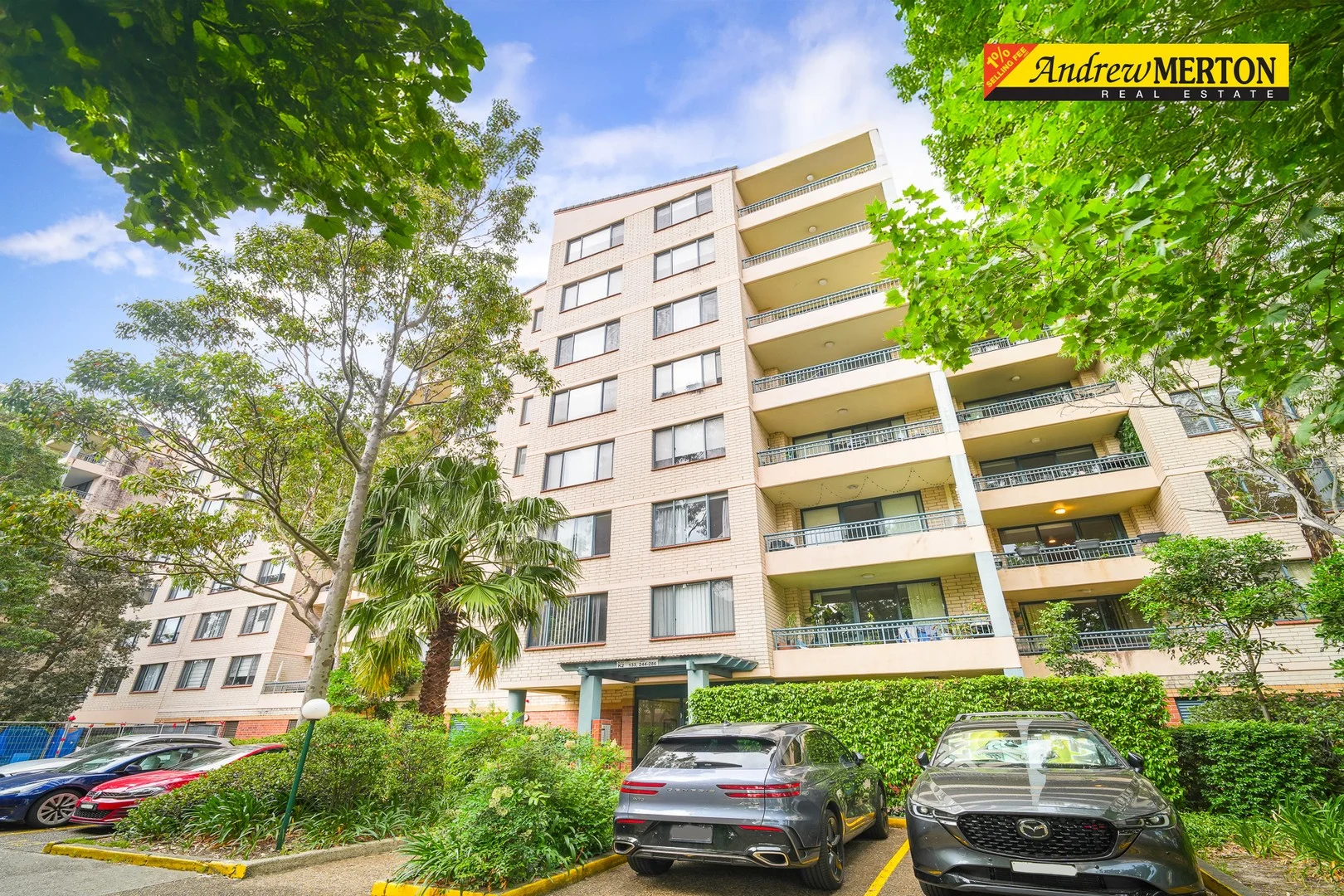 $933,000
Apartment / Unit / Flat
$933,000
Apartment / Unit / Flat
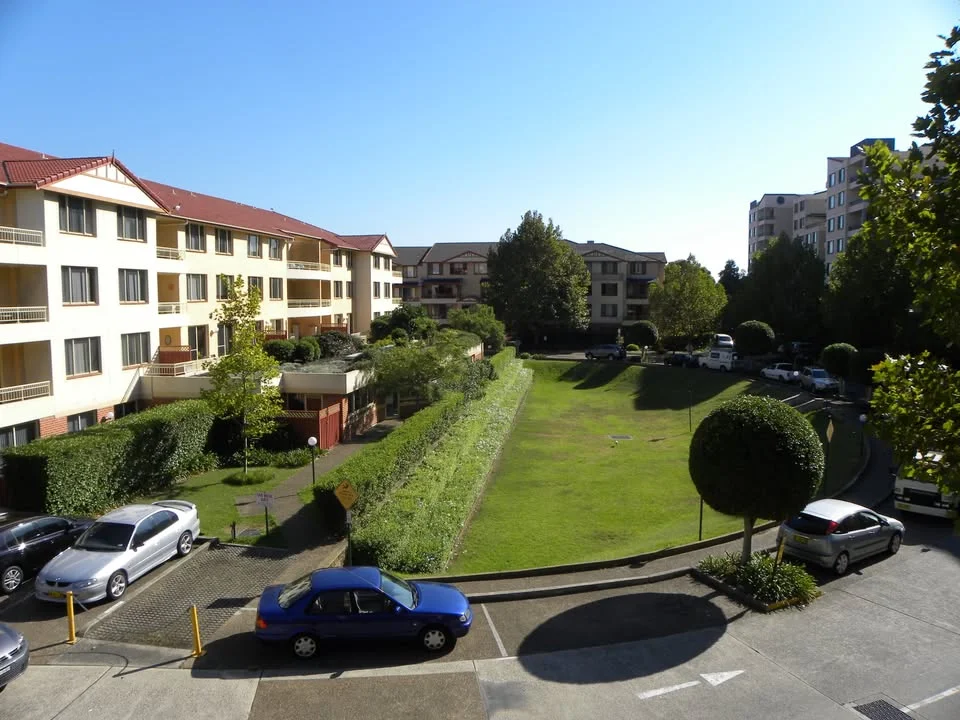 $990
Apartment / Unit / Flat
$990
Apartment / Unit / Flat
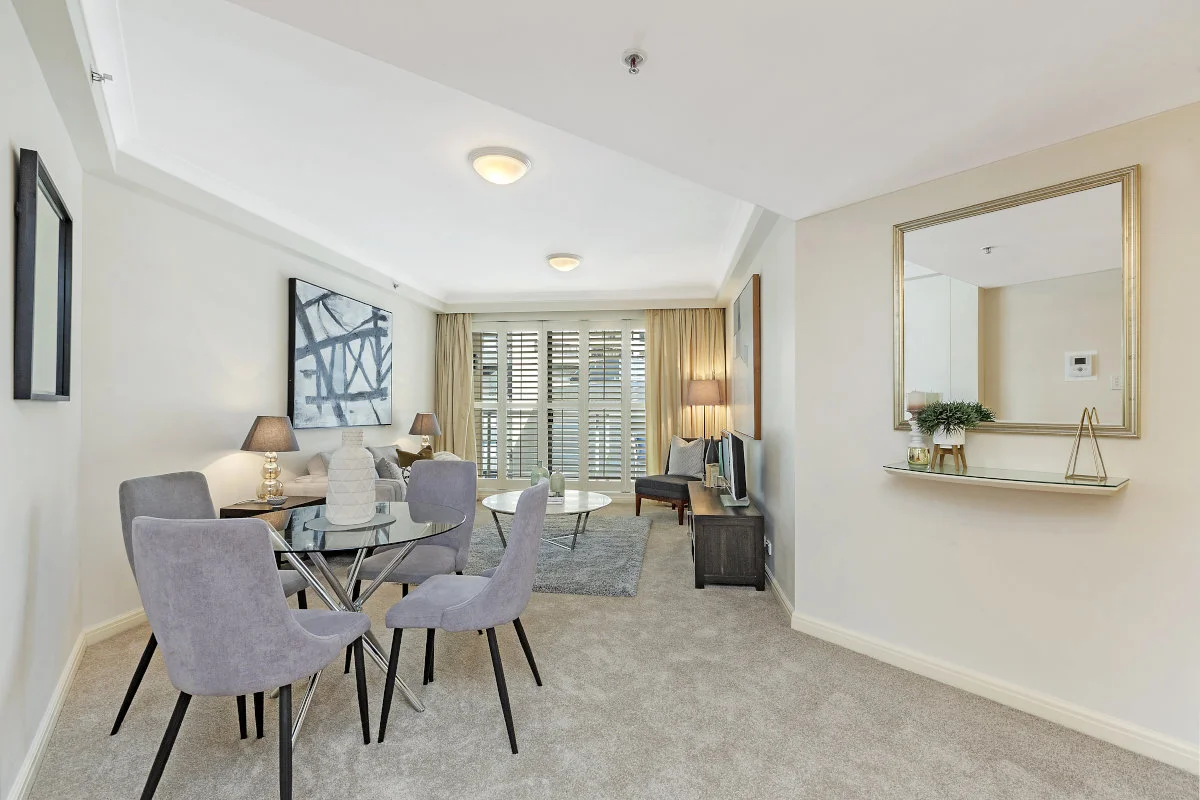 $660,000 - $725,000
Apartment / Unit / Flat
$660,000 - $725,000
Apartment / Unit / Flat
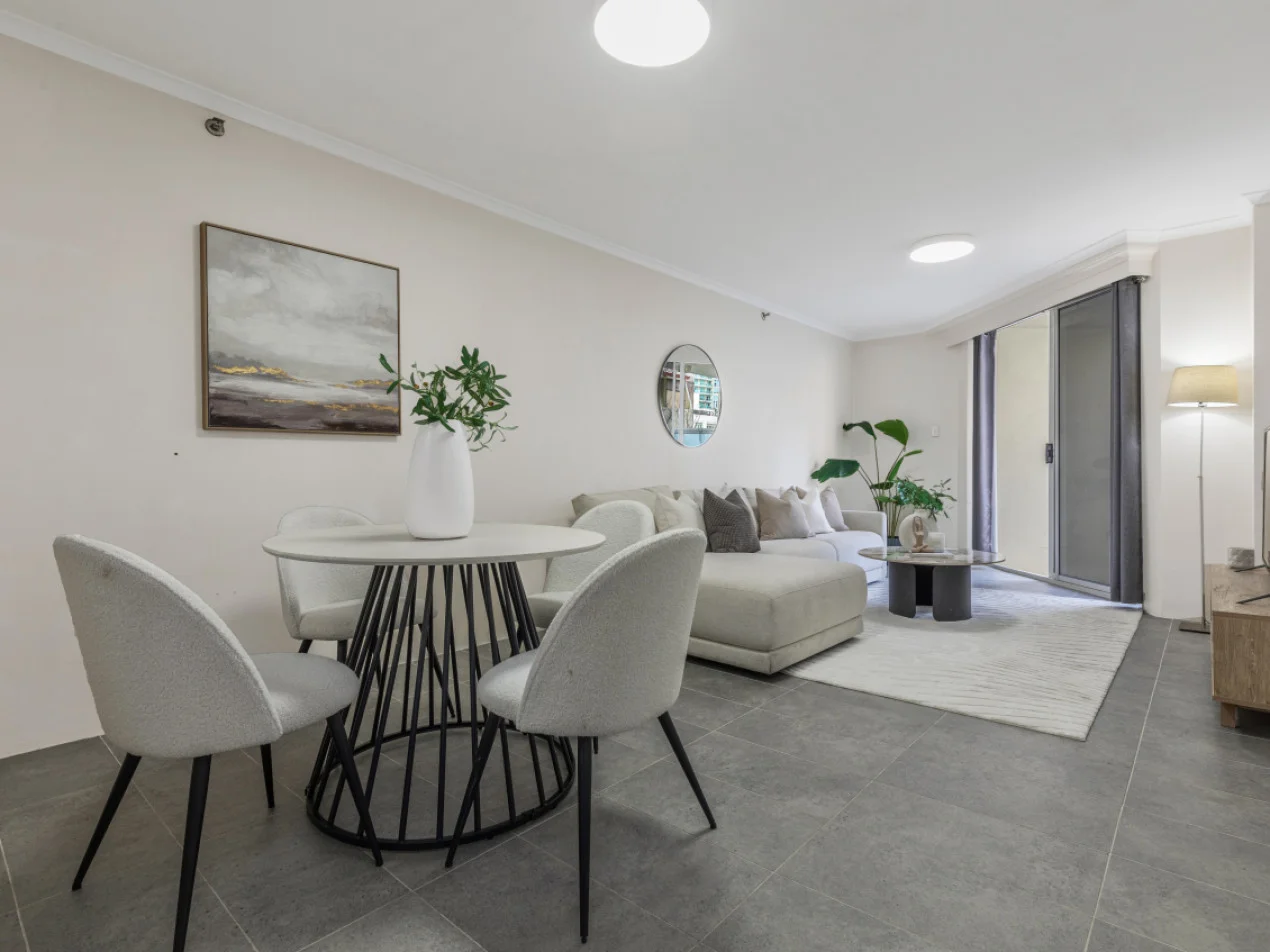 $640,000 - $675,000
Apartment / Unit / Flat
$640,000 - $675,000
Apartment / Unit / Flat
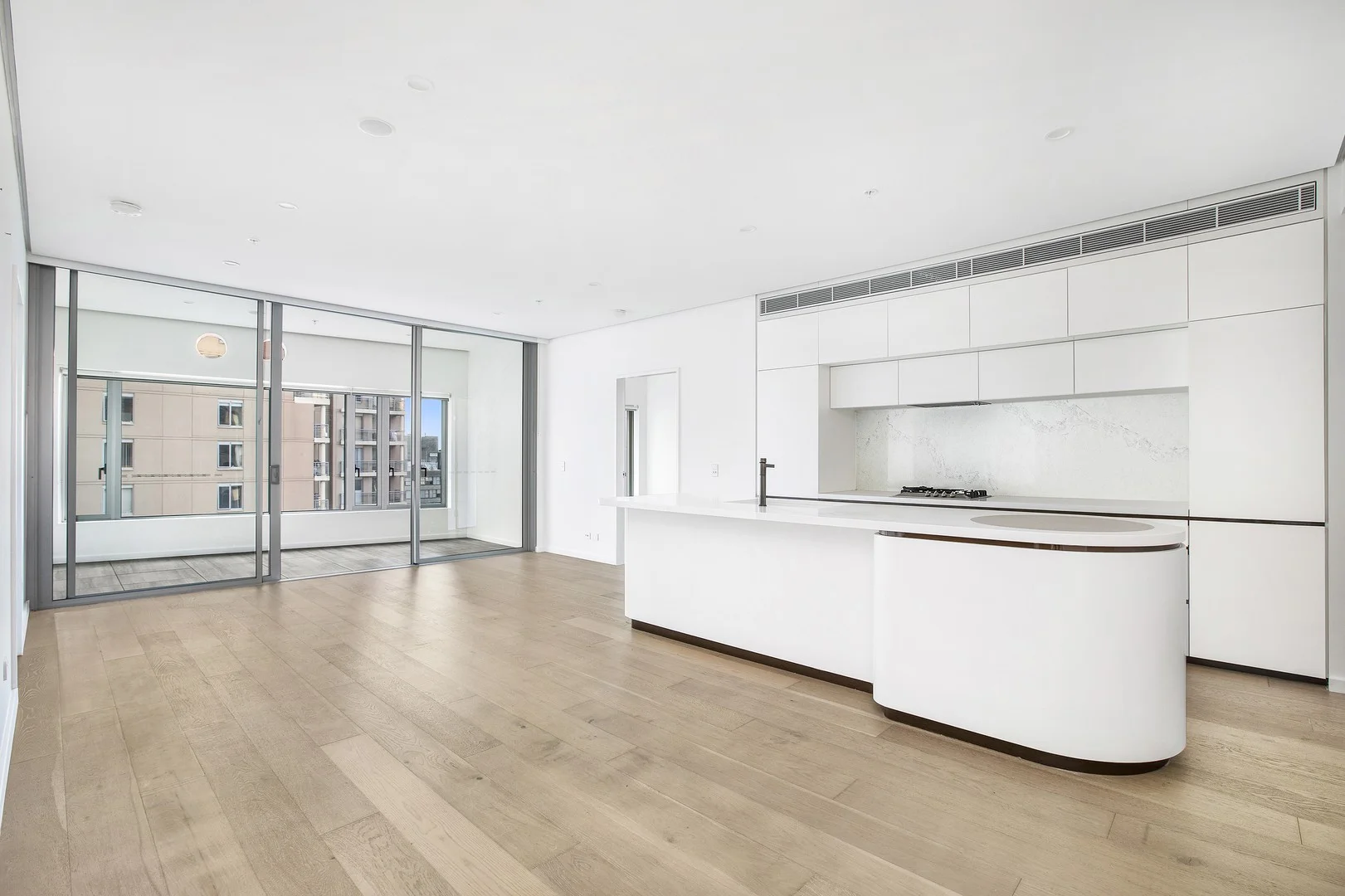 $2,250,000
Apartment / Unit / Flat
$2,250,000
Apartment / Unit / Flat
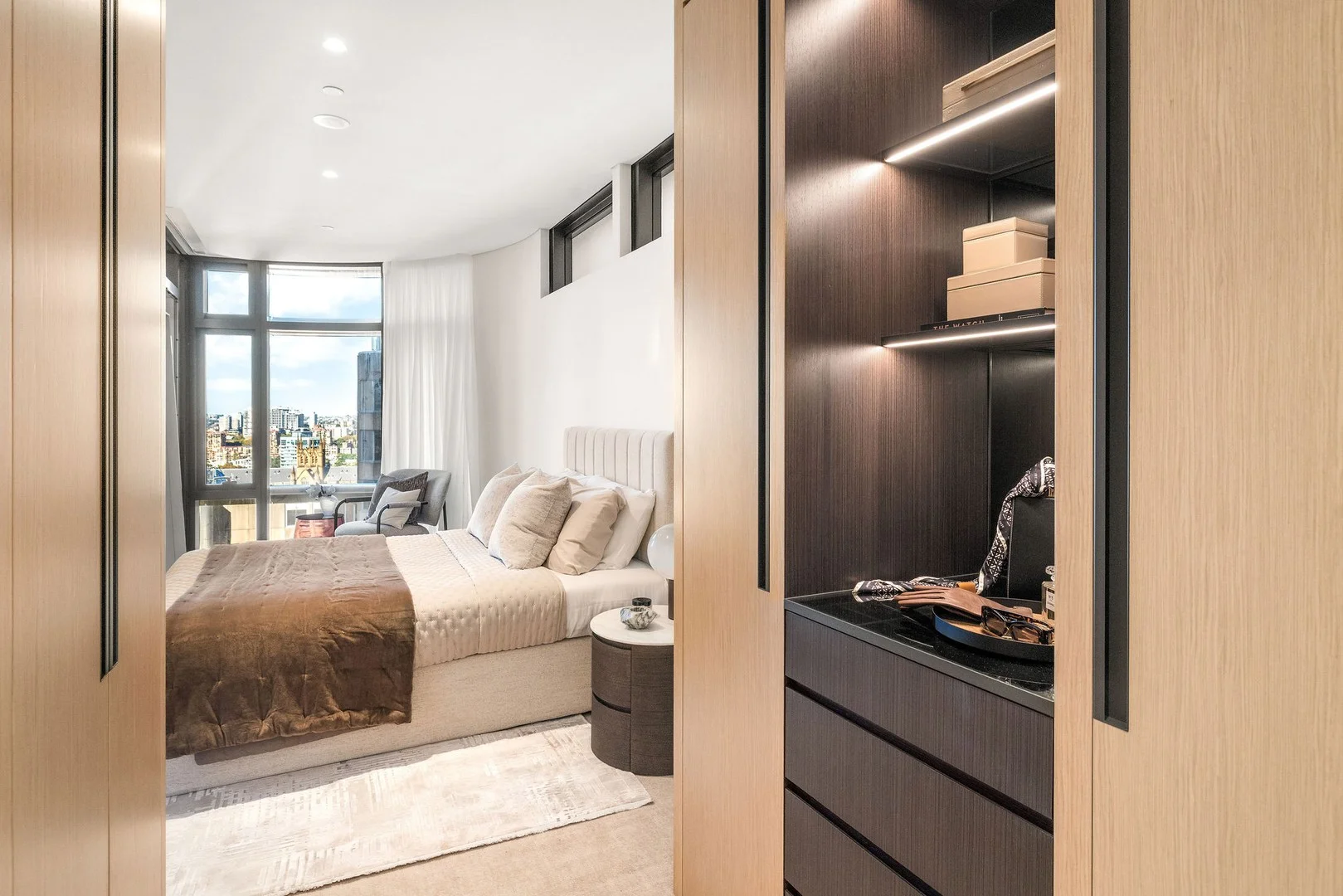 $2,745,000
propertyType.NEW APARTMENTS / OFF THE PLAN
$2,745,000
propertyType.NEW APARTMENTS / OFF THE PLAN
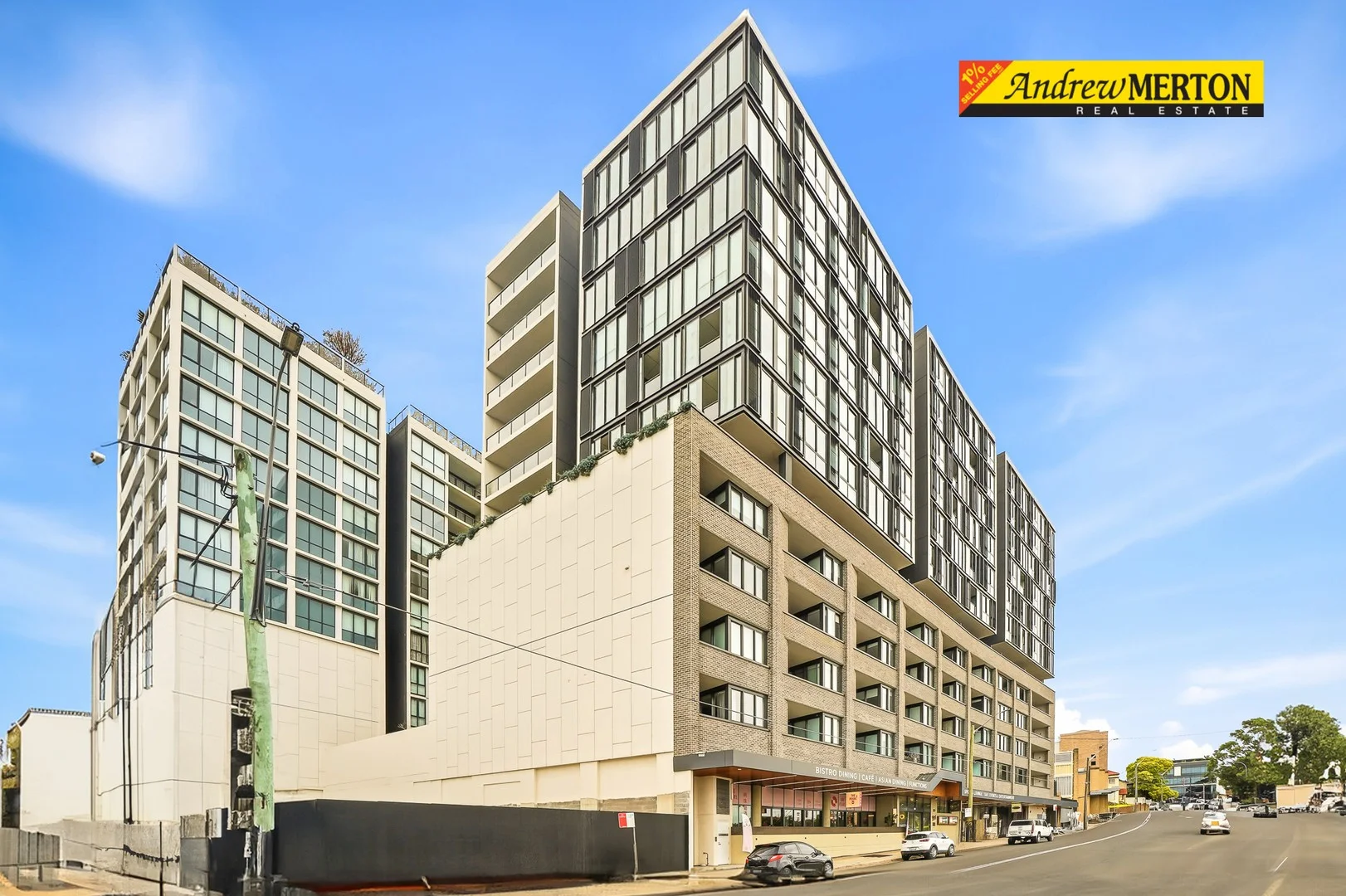 $699,000
Apartment / Unit / Flat
$699,000
Apartment / Unit / Flat
 $9,020,000
propertyType.NEW APARTMENTS / OFF THE PLAN
$9,020,000
propertyType.NEW APARTMENTS / OFF THE PLAN
 $8,630,000
propertyType.NEW APARTMENTS / OFF THE PLAN
$8,630,000
propertyType.NEW APARTMENTS / OFF THE PLAN


