# 1. Overview
Somerville House is an independent girls’ school located in South Brisbane. It offers a comprehensive, academically focused education with a strong emphasis on the arts, leadership, and personal development. The school operates as a day and boarding institution, providing a vibrant campus culture with wide-ranging opportunities for girls to excel across academics, sport, and creative pursuits.
School size is large, supporting a diverse and inclusive atmosphere where students can pursue individualized interests within a supportive, high-expectations environment. Class sizes tend to be small-to-medium, enabling close teacher-student interaction and personalised attention within a bustling, activity-rich campus.
⸻
# 2. Academics & Learning
- Academic strengths: Strong emphasis on English, STEM, leadership development, and languages, with a balanced curriculum designed to foster inquiry, critical thinking, and communication.
- Special programs: Opportunities for accelerated learning and gifted/talented pathways; robust programs in the arts and sciences to extend capable students.
- NAPLAN / trends: Consistently strong performance with positive year-to-year trends relative to state averages, particularly in Reading and Numeracy.
- Student-teacher ratios: Generally around 1:12 to 1:14, enabling substantial individual support within classes.
- Support for diverse learners: EAL and SEN support available, with targeted interventions and access to specialist staff to assist a range of learning needs.
⸻
# 3. Sports & Extracurricular Strengths
- Sports offered: Netball, basketball, swimming, athletics, tennis, rowing, hockey, and other inter-school sports as part of a broad program.
- Strong teams or achievements: Competitive inter-school teams with a track record of participation in regional and state events; opportunities to contribute to successful teams across multiple sports.
- Music, arts, drama programs: Strong performing arts program, including music ensembles, theatre productions, and related arts experiences.
- Clubs: Robotics, coding, chess, debating, and other clubs that promote STEM and humanities interests.
- Partnerships: Involvement with local competitions and collaborations with community and youth organizations to broaden opportunities in sport, arts, and academics.
⸻
# 4. Wellbeing & Pastoral Care
- Anti-bullying approach: Clear policies and proactive safeguarding, with emphasis on respectful culture and accessible reporting channels.
- House system: House structure supports belonging, healthy competition, and pastoral care across the student body.
- Counsellors / wellbeing officers: On-campus wellbeing team, including counsellors and designated wellbeing staff to support mental health and transition needs.
- Transition support for new students: Orientation programs, buddy systems, and targeted support to help new students settle in smoothly.
⸻
# 5. Facilities
- Sports grounds: Ample outdoor spaces and courts to support a wide range of physical activity.
- Libraries: Well-equipped library facilities to support study and reading programs.
- Science labs: Modern science laboratories for hands-on experiments and inquiry-based learning.
- Music/performing arts centers: Dedicated spaces for music ensembles, drama, and productions.
- Tech/innovation labs: Facilities for digital learning, coding, and STEM projects.
- Cafeteria: On-site dining facilities with options for students.
- Updated playgrounds: Well-maintained outdoor spaces that support recreation and break times.
⸻
# 6. School Values & Community Culture
- Values / mission: A focus on excellence, integrity, respect, and community contribution; emphasis on developing leadership and responsibility in students.
- Leadership style: Collaborative, student-centered leadership with opportunities for student voice and involvement in school life.
- Behaviour expectations: Clear code of conduct and high standards for behaviour, with consistent reinforcement across the school community.
- Community reputation: Strong reputation for academic achievement, arts and sport participation, and a welcoming, inclusive environment.
- Diversity & inclusion: Commitment to diversity and inclusive practices that welcome students from various backgrounds.
⸻
# 7. School Logistics & Daily Operations
- School hours: Typical school day runs during standard hours with supervision before and after, depending on programs and activities.
- Before/after school care: Availability of before- and after-school care and supervision for families.
- Uniform requirements: Formal uniform policy with specified attire for various activities and occasions.
- Transport: Access to bus routes and public transport options; convenient connections for students coming from different parts of the city.
- Canteen availability: On-site canteen or cafe-style options for snacks and meals.
- Fees: Fee levels are in the higher range compared with public schooling; additional costs may include uniforms, activities, camps, and excursions.
⸻
# 8. Enrolment & Admissions
11. What is the enrolment process and timeline?
- Submit an application with supporting documents (academic records, references, and any required assessments).
- Complete any school-specific entrance assessments or interviews.
- Attend a formal interview or information session as part of shortlisting.
- Receive an offer if a place is available, with a timeline for acceptance and enrolment.
12. Is there a waiting list, and how does it work?
- Yes, there is typically a waiting list when year levels are full. Places are offered based on availability and the order of application, with priority often given to siblings or other school-specific criteria.
13. Are there any entry requirements, tests, or interviews?
- Entry typically involves an assessment (academic or aptitude-based), an interview, and review of previous school reports. English language proficiency may be considered for non-native speakers.
14. Does the school accept mid-year transfers?
- Mid-year transfers are possible subject to vacancies, alignment with the year level’s requirements, and completion of the school’s transfer process.
⸻
# 9. Frequently Asked Questions
- Why Parents Choose This School?
- A combination of strong academics, broad extracurriculars, supportive wellbeing programs, and a positive, inclusive community culture.
- What type of student thrives at this school?
- Motivated, curious girls who value academics, arts, leadership, and being part of a collaborative school community.
- What opportunities are available for students to extend their skills (academics, sports, arts)?
- Extended learning programs, STEM and language opportunities, leadership and service roles, diverse sports, music ensembles, drama productions, and inter-school competitions.
- How does the school communicate with parents?
- Regular newsletters, parent portals, emails, parent-teacher meetings, and ongoing updates on events and activities.
- What is the school’s approach to teaching and learning?
- Student-centered, inquiry-based pedagogy with high expectations, aimed at developing critical thinking, collaboration, and communication.
- How does the school support students who need extra academic help?
- Targeted learning support, tutoring options, and access to specialist staff for EAL/SEN needs.
- What support is available for academic challenges?
- Individualised plans, teacher collaboration, and access to learning support staff to address gaps and promote growth.
- How does the school communicate with parents? (repeat)
- See above: multiple channels including portals, emails, and regular meetings.
- What are the class sizes and how much individual attention do students receive?
- Class sizes are typically around 20–24 students, allowing meaningful individual attention and teacher support.
- What extracurricular and sports opportunities are available?
- A wide range of sports (netball, basketball, swimming, tennis, rowing, etc.), plus robotics, coding, chess, debating, music ensembles, and drama.
- What facilities does the school offer (sports, science, arts)?
- Modern facilities across sports grounds, libraries, science labs, music/performing arts spaces, and tech/innovation labs.
- What is the school’s approach to technology and digital learning?
- Integrated digital learning with access to devices, online platforms, coding and ICT programs to support modern pedagogy.
- What transport and accessibility options are available?
- Access to local bus routes and public transport; school-arranged options may be available to support families.
- What are the typical school fees or additional costs?
- Fees are in the higher range for independent schools; additional costs may include uniforms, camps, excursions, and activity fees.
⸻
# 10. Short Pros & Cons list
- Pros
- Strong academic program with broad extracurriculars (arts, sports, clubs)
- Supportive wellbeing and pastoral care with a house system
- Modern facilities across science, arts, and technology
- Active parental communication and engaged community
- Cons
- Higher fees relative to public schools
- Competitive environment may require adjustment for some students
- Transport and commute considerations for families outside inner-city areas
⸻









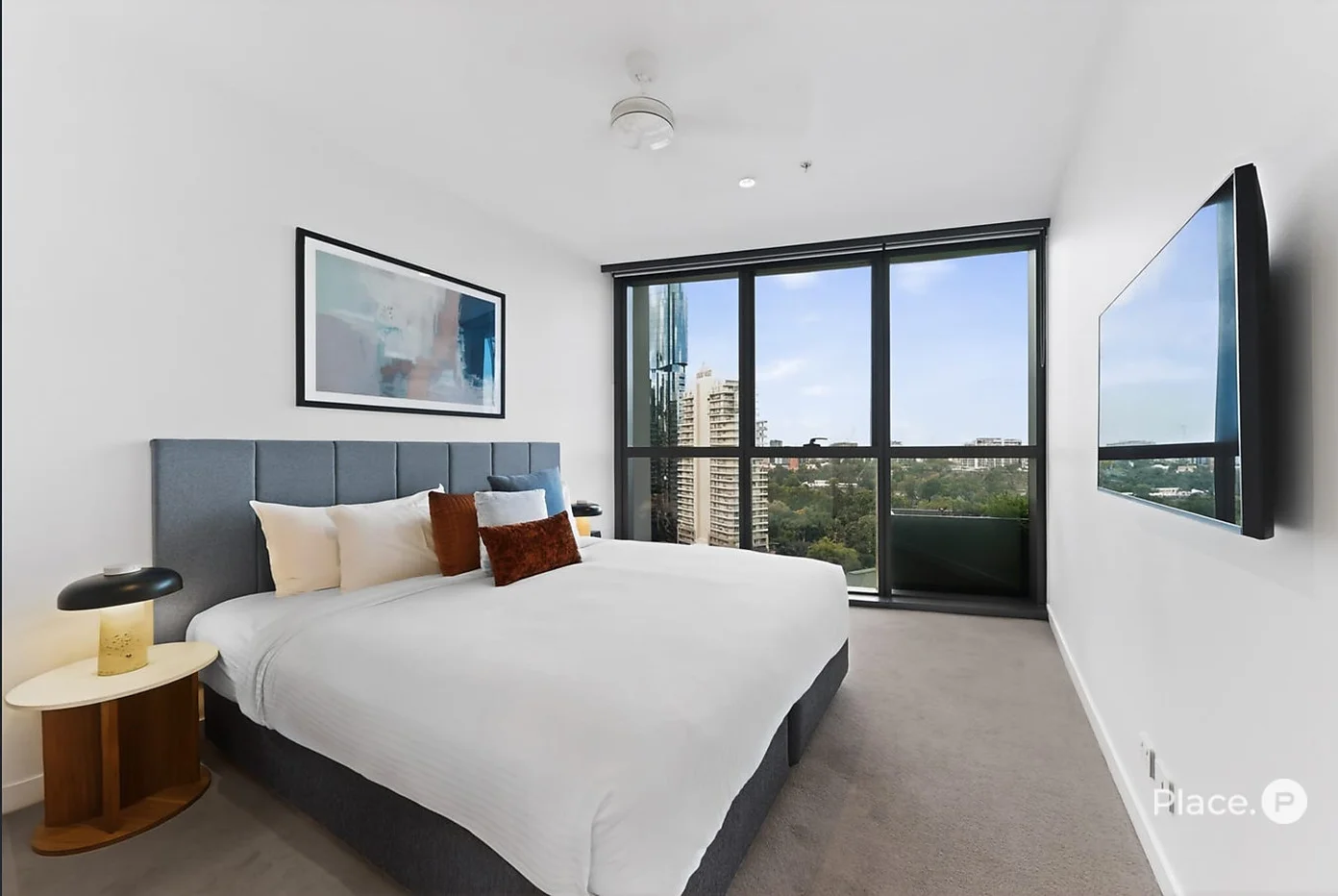 $770,000
Apartment / Unit / Flat
$770,000
Apartment / Unit / Flat
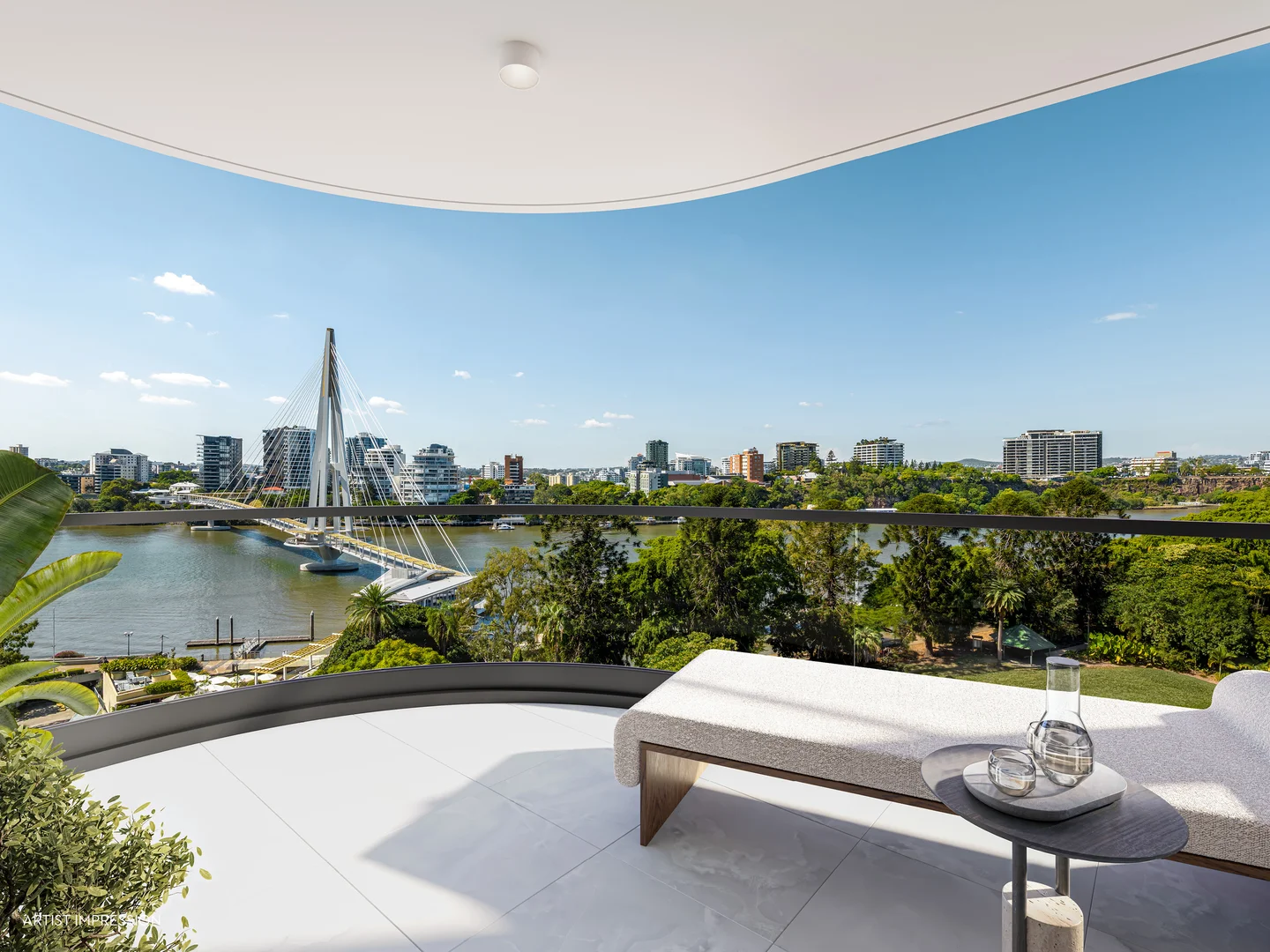 $1,475,000 - $2,090,000
propertyType.NEW APARTMENTS / OFF THE PLAN
$1,475,000 - $2,090,000
propertyType.NEW APARTMENTS / OFF THE PLAN
 $550,000
Apartment / Unit / Flat
$550,000
Apartment / Unit / Flat
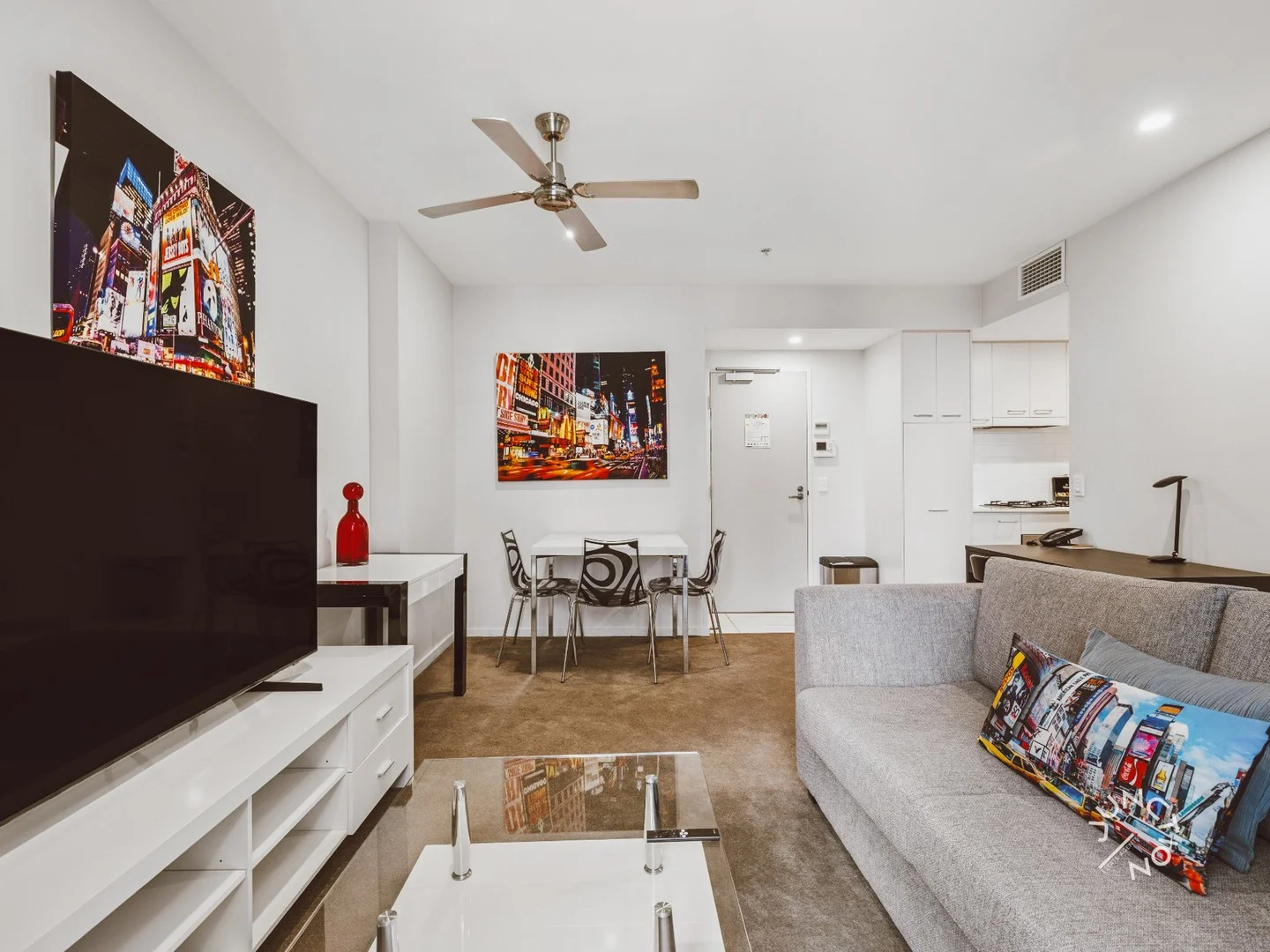 $523,200 - $566,800
Apartment / Unit / Flat
$523,200 - $566,800
Apartment / Unit / Flat
 $950,000
Apartment / Unit / Flat
$950,000
Apartment / Unit / Flat


