## 1. Overview
St Laurence’s College is an independent Catholic day school for boys, located in South Brisbane (QLD 4101). The college combines a faith-based education with a strong focus on academics, sport and wellbeing, catering to a substantial cohort of students across middle and senior years.
- School type: Independent Catholic boys’ school
- School size: Medium to large (a substantial student body across multiple year levels)
- Class size: Generally mid‑sized classes with opportunities for more individualized attention in smaller groups
- Atmosphere/culture: Nurturing and academically focused, with a traditional, values-driven environment that supports inclusion and sport
## 2. Academics & Learning
- Academic strengths: Strong emphasis on STEM and English, with opportunities in leadership development and languages; robust senior studies program
- Special programs: Gifted and Talented/extension options; accelerated pathways where available; ATAR-focused preparation and curriculum enrichment
- NAPLAN / trends: Historically solid performance with steady improvement and outcomes above state averages over time
- Student-teacher ratios: Typical ratios in the mid to low teens, facilitating some level of individual attention
- Support for diverse learners: EAL and SEN support available; dedicated learning support staff and accessibility to targeted interventions and adjustments
## 3. Sports & Extracurricular Strengths
- Sports offered: Rugby, cricket, football (soccer), basketball, tennis, swimming, athletics, and other common school sports
- Strong teams or achievements: Competitive inter-school programs with notable activity in rugby and cricket; regular participation in local and regional competitions
- Music, arts, drama programs: Active music ensembles, choirs, and drama productions; opportunities to perform in school and community venues
- Clubs: Robotics, chess, coding, debating and other enrichment clubs
- Partnerships: Connections with local clubs and competitive school leagues; participation in regional competitions and events
Most parents of boys around ages 10–14 find this section helpful due to the balance of sport, academics and creative pursuits
## 4. Wellbeing & Pastoral Care
- Anti-bullying approach: Clear respectful conduct expectations with supportive programs and restorative practices
- House system: House-based pastoral care providing belonging, competition and mentorship
- Counsellors / wellbeing officers: On-site pastoral care team and wellbeing staff to support students
- Transition support for new students: Orientation programs, buddy systems and transition support to help new students settle in
This section is designed to build trust with families by outlining proactive care and community belonging
## 5. Facilities
- Sports grounds: On-site facilities for field sports and practice
- Libraries: Central library resources and study spaces
- Science labs: Modern science laboratories for practical work
- Music/performing arts centers: Dedicated spaces for music ensembles and performance
- Tech/innovation labs: Technology and computer science facilities for digital learning and projects
- Cafeteria: On-site canteen with daily meal options
- Updated playgrounds: Well-maintained recreation spaces for break and activity
The facilities are presented in a visual, easy-to-skim format for quick reference
## 6. School Values & Community Culture
- School values / mission: Faith-based education emphasizing service, integrity, respect and inclusion
- Leadership style: Participatory and student-involved leadership opportunities; active student councils or equivalent
- Behaviour expectations: Clear codes of conduct aligned with school values; emphasis on respect and responsibility
- Community reputation: Family-oriented culture with strong alumni and parent engagement
- Diversity & inclusion: Inclusive environment that welcomes students from diverse backgrounds
This section helps parents understand the character and environment of the school community
## 7. School Logistics & Daily Operations
- School hours: Typical day starts mid-morning to early afternoon with a defined timetable
- Before/after school care: Availability of supervised programs outside normal hours
- Uniform requirements: Formal school uniform policy (blazer, tie, etc.) consistent with Catholic school traditions
- Transport: Access to bus routes and public transport options; convenient links to nearby suburbs and Brisbane CBD
- Canteen availability: On-site canteen offering meals and snacks
- Fees: Higher-end fee structure typical of private Catholic schools in the area; includes tuition and levies
This section gives quick, practical details families need for daily planning
## 8. Enrolment & Admissions
11. What is the enrolment process and timeline?
- Typically begins with an application and submission of supporting documents, followed by a family interview and/or testing where applicable. Offers are made based on year level capacity and intake policies; timelines vary by year and enrollment type.
12. Is there a waiting list, and how does it work?
- Waiting lists are common; families may be placed on a list when applications exceed available places. Placement often depends on year level, readiness, and priority guidelines.
13. Are there any entry requirements, tests, or interviews?
- Entry may involve an interview and may include assessment tasks or academic reviews. Family faith alignment or Catholic education expectations may be considered as part of the process.
14. Does the school accept mid-year transfers?
- Mid-year transfers can be possible subject to space, assessment, and alignment with the school’s timetable and policies.
Specific enrolment steps and dates should be confirmed with the school’s admissions office, as they can vary by year level and intake year.
## 9. Frequently Asked Questions
- Why Parents Choose This School?
- A combination of faith-based values, balanced academics, strong sport and pastoral care, plus a supportive community and clear student development pathways.
- What type of student thrives at this school?
- Motivated boys who value a balanced environment that blends academics, sport, arts and service, and who respond well to a structured, values-driven culture.
- What opportunities are available for students to extend their skills (academics, sports, arts)?
- Access to extension programs in STEM and humanities, leadership opportunities, competitive sport, music and drama ensembles, and clubs such as robotics, coding and debating.
- How does the school communicate with parents?
- Regular updates through newsletters, emails, parent portals, and informal channels; formal progress reporting and parent-teacher meetings are typically in place.
- What is the school’s approach to teaching and learning?
- A comprehensive curriculum with a focus on core disciplines, higher-order thinking, and opportunities for student-led projects and collaboration.
- How does the school support students who need extra academic help?
- Dedicated learning support, targeted interventions, EAL/SEN support, and access to counselling and wellbeing services as needed.
- What support is available for academic challenges?
- Small-group or one-on-one support options; extra coaching in core subjects; monitoring and adjustment plans through learning support staff.
- How does the school communicate with parents? (duplicate question)
- See above; various channels used to maintain ongoing engagement and timely information.
- What are the class sizes and how much individual attention do students receive?
- Class sizes are medium scale with opportunities for individual or small-group support through learning programs and tutor-style assistance.
- What extracurricular and sports opportunities are available?
- A range of sports (rugby, cricket, football, basketball, tennis, etc.), music ensembles and drama, plus clubs like robotics, chess, coding and debating.
- What facilities does the school offer (sports, science, arts)?
- Sports grounds, libraries, science labs, music/performing arts facilities, tech/innovation labs, cafeteria and well‑maintained playgrounds.
- What is the school’s approach to technology and digital learning?
- Integrated technology with dedicated labs and digital learning tools to support modern pedagogy and project-based learning.
- What transport and accessibility options are available?
- Bus routes and public transport options are available; the campus is set within accessible Brisbane transport corridors.
- What are the typical school fees or additional costs?
- Fees are in the higher range for private Catholic schooling; families should confirm current tuition, levies and any additional costs with the admissions team.
## 10. Short Pros & Cons list
Pros
- Strong Catholic values and a school-wide culture of respect and service
- Balanced emphasis on academics, sport and the arts
- Active pastoral care, house system, and student leadership opportunities
- Comprehensive facilities for science, technology, music and performance
- Accessible learning support and inclusion programs
Cons
- Higher tuition cost typical of private Catholic education
- Competitive environment may not suit all learners
- Admissions can involve waiting lists and selective intake considerations
If you’d like, I can tailor this content further with more precise figures or align it to a particular tone (e.g., more formal, more family-friendly, or more concise) based on your audience needs.









 $770,000
Apartment / Unit / Flat
$770,000
Apartment / Unit / Flat
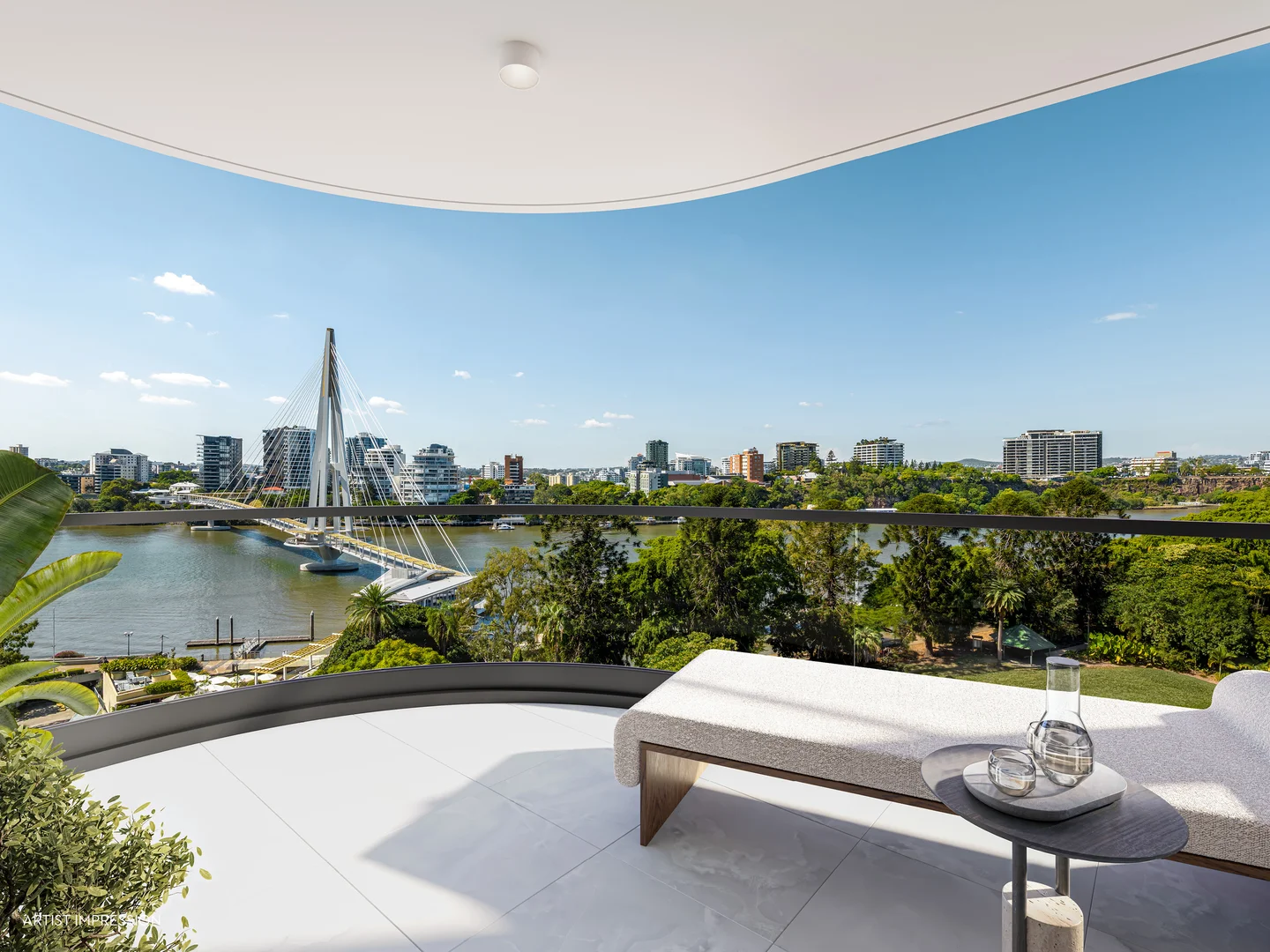 $1,475,000 - $2,090,000
propertyType.NEW APARTMENTS / OFF THE PLAN
$1,475,000 - $2,090,000
propertyType.NEW APARTMENTS / OFF THE PLAN
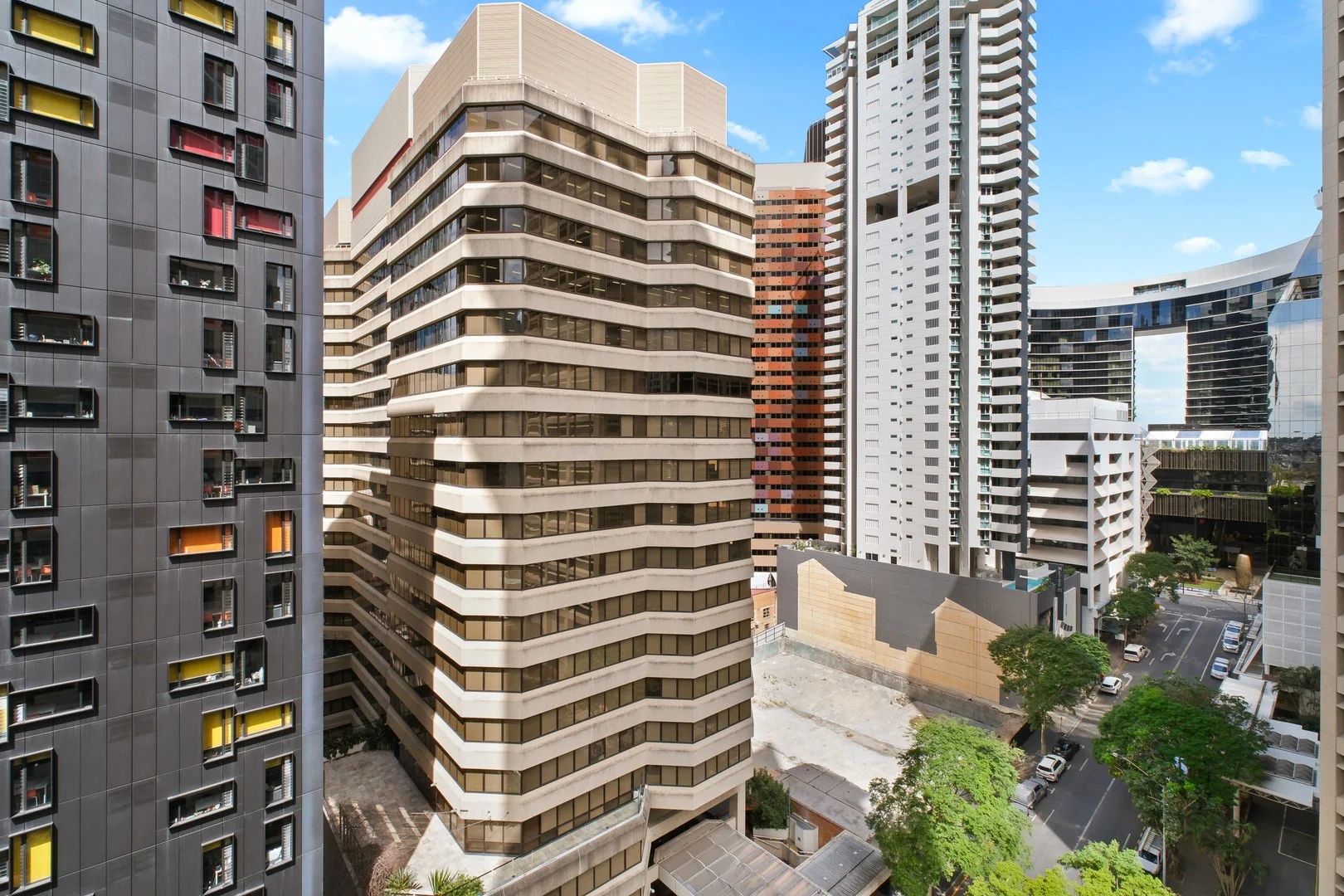 $550,000
Apartment / Unit / Flat
$550,000
Apartment / Unit / Flat
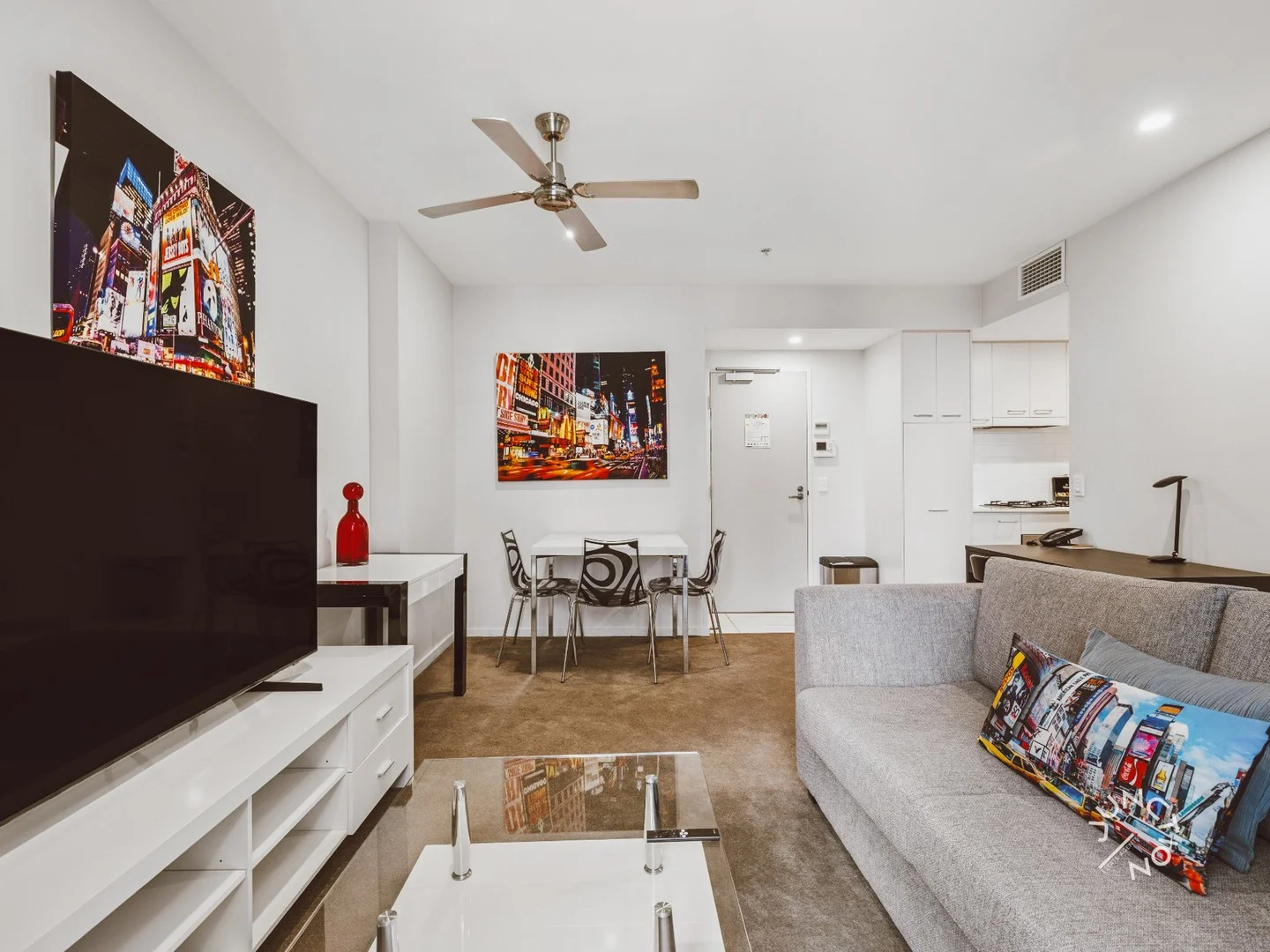 $523,200 - $566,800
Apartment / Unit / Flat
$523,200 - $566,800
Apartment / Unit / Flat
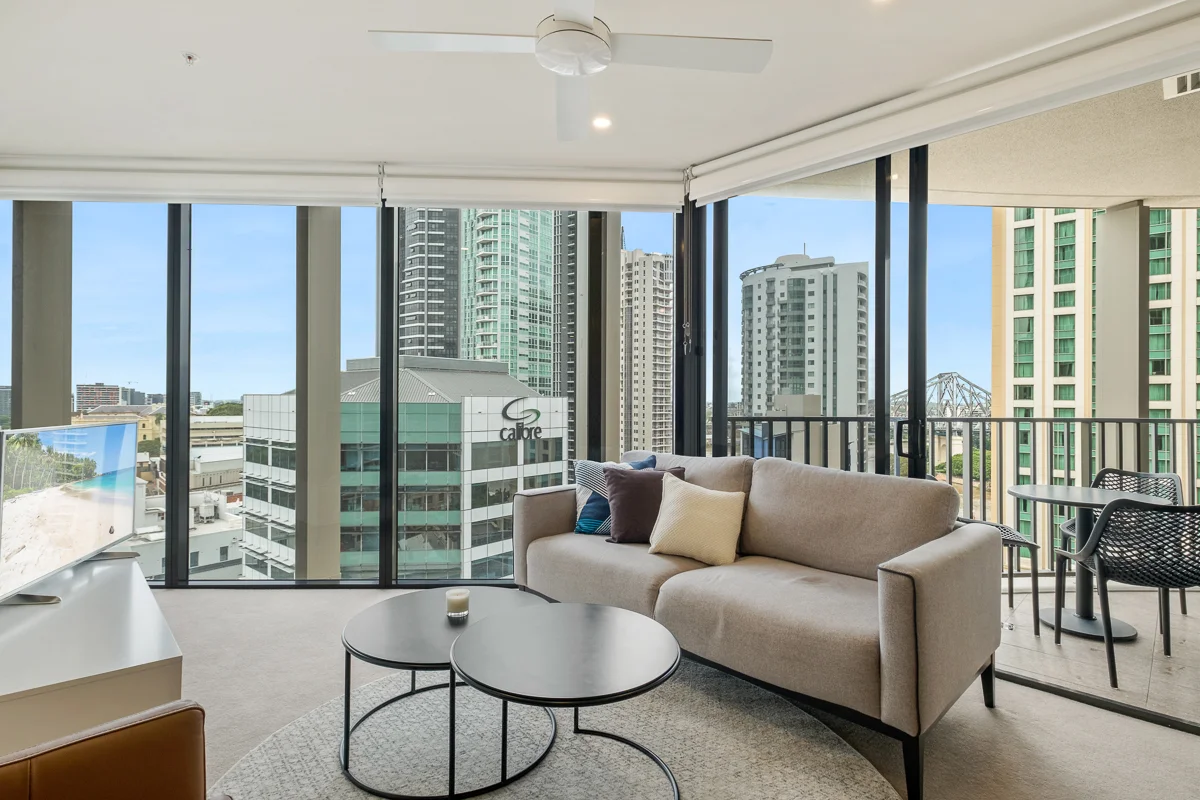 $950,000
Apartment / Unit / Flat
$950,000
Apartment / Unit / Flat