Overview
## 1. Overview
The Queensland Children’s Hospital School (QLD) at South Brisbane provides public hospital-based education for students who are admitted to or receiving treatment at Queensland Children’s Hospital. It’s a public service run by the Queensland Department of Education, designed to keep students connected to learning while they focus on health. The setting is small and student-centered, with flexible learning options that align with medical schedules.
The atmosphere is nurturing and inclusive, prioritising continuity of learning, well-being, and smooth transitions back to a regular school. Class sizes are typically small, and teachers work closely with families, hospital staff, and the students’ regular schools to tailor learning to each medical journey.
⸻
## 2. Academics & Learning
- Academic strengths: Core subjects (English, mathematics, science, humanities) are delivered with flexibility to align with each student’s health plan. Emphasis is placed on literacy, numeracy, and ensuring learning progress continues alongside treatment.
- Special programs: Hospital-based individualized learning plans (ILPs) with ongoing progress monitoring. Access to remote or homebound learning options when needed, and support for gifted or talented learners when feasible.
- NAPLAN / Ofsted trends: NAPLAN scores and traditional inspection trends are not published specifically for hospital schools; learning progress is tracked through ILPs and regular formative assessments tailored to medical circumstances.
- Student-teacher ratios: Typically very low to accommodate medical needs (roughly 1:2 to 1:6, depending on caseload and mobility restrictions).
- Support for diverse learners: Strong supports for diverse needs, including EAL and SEN, with adaptations, assistive technologies, and connections to allied health professionals as required.
⸻
## 3. Sports & Extracurricular Strengths
- Sports offered: In-hospital physical activity options and access to gym facilities where possible; opportunities to participate in community or school sports when medically feasible.
- Strong teams or achievements: Focus is on individual student progress and well-being; participation in broader school sports may occur when appropriate.
- Music, arts, drama programs: Access to in-hospital music therapy, arts activities and creative expression; avenues to engage in performing or visual arts as health allows.
- Clubs: Robotics, chess, coding, debating and other clubs may be offered online or via partnerships with the student’s regular school.
- Partnerships: Collaborations with local clubs, external competitions, and allied health teams to support enrichment activities and competitions when feasible.
⸻
## 4. Wellbeing & Pastoral Care
- Anti-bullying approach: Zero-tolerance stance with an emphasis on inclusivity, respect, and safe learning environments.
- House system: A house or care-group framework may be used to foster belonging and community within the hospital setting.
- Counsellors / wellbeing officers: Access to school-based wellbeing staff and referrals to hospital-based or external counselling as needed.
- Transition support for new students: Structured transition planning to support returning to the student’s regular school when health allows, including coordinated handovers with families and receiving schools.
⸻
## 5. Facilities
- Sports grounds: Access to hospital campus or nearby facilities for physical activity.
- Libraries: On-site resource centre or library space for borrowing and independent reading.
- Science labs: Adapted science resources and supervised lab activities where medically safe.
- Music/performing arts centers: In-hospital spaces for music and drama activities; rehearsal areas as available.
- Tech/innovation labs: Computer labs or maker spaces for digital learning and projects.
- Cafeteria: On-site hospital cafeteria or convenient dining options; snacks available.
- Updated playgrounds: Age-appropriate play spaces on or near the hospital campus where feasible.
⸻
## 6. School Values & Community Culture
- School values / mission: Compassion, resilience, inclusivity, and student-centered learning; focus on well-being as part of academic progress.
- Leadership style: Supportive and collaborative, with emphasis on partnership among teachers, hospital staff, families, and the student’s regular school.
- Behaviour expectations: Positive behaviour expectations aligned with public school guidelines, prioritising respect and inclusion.
- Community reputation: Known for prioritising patient-centered education and continuity of learning during medical treatment.
- Diversity & inclusion: Committed to an inclusive environment that supports students from diverse backgrounds and with varying health needs.
⸻
## 7. School Logistics & Daily Operations
- School hours: Flexible; scheduling adapted to medical appointments, treatments, and patient energy levels.
- Before/after school care: Not typically available; options may exist through partnerships with the regular school or local programs as health allows.
- Uniform requirements: Often flexible or simplified; comfortable clothing is encouraged, with guidance provided by the school if/when uniform rules apply.
- Transport (train/bus routes): Not typically a primary service; families arrange transport; some support may be available through hospital or education programs on a case-by-case basis.
- Canteen availability: On-site hospital dining options or access to hospital cafeteria.
- Fees: No tuition fees for hospital-based public education; costs are minimal or associated with optional activities or materials.
⸻
## 8. Enrolment & Admissions
11. What is the enrolment process and timeline?
- Enrolment is typically initiated by a referral from hospital staff or a family, coordinated by Education Queensland’s hospital education service. Once medically cleared and the ILP is established, learning arrangements are put in place and integrated with the student’s regular school as needed. Timeline varies based on medical status and patient availability.
12. Is there a waiting list, and how does it work?
- Waiting lists are generally not the main mechanism; spaces are allocated based on capacity and medical need. If immediate capacity is limited, learning continues through homebound or distance-learning options until a place becomes available.
13. Are there any entry requirements, tests, or interviews?
- There are no standard academic entrance tests or interviews. Enrollment is based on medical need and referrals, with documentation from healthcare providers as appropriate to establish learning needs and scheduling.
14. Does the school accept mid-year transfers?
- Yes. Mid-year admissions are accommodated, with careful coordination among hospital staff, the student’s current school, and the regular school pathway to ensure continuity of learning.
⸻
## 9. Frequently Asked Questions
- Why Parents Choose This School?
- It offers flexible, learning-continuity options for students who are temporarily unable to attend regular school due to health, while prioritising well-being and smooth reintegration.
- What type of student thrives at this school?
- Students who benefit from individualized pacing, close teacher support, and a learning plan aligned to medical treatment and energy levels.
- What opportunities are available for students to extend their skills (academics, sports, arts)?
- Individualised academic work, access to online clubs and activities, arts and music therapy, and opportunities to participate in broader school programs when medically feasible.
- How does the school communicate with parents?
- Through regular updates from hospital teachers, coordination with the family and the student’s regular school, phone calls, emails, and, when available, school management systems or portals.
- What is the school’s approach to teaching and learning?
- Learner-centered with ILPs, flexible scheduling, and adaptations that support medical needs while maintaining academic progress.
- How does the school support students who need extra academic help?
- One-on-one or small-group instruction, targeted interventions, assistive technology, and coordination with allied health professionals and the regular school.
- What support is available for academic challenges?
- Extended time, modified tasks, and ongoing progress monitoring; referrals to external specialists if needed.
- How does the school communicate with parents?
- See above; ongoing, proactive communication is a core part of the hospital education model.
- What are the class sizes and how much individual attention do students receive?
- Class sizes are small, with a very low student-to-teacher ratio (roughly 1:2 to 1:6) to maximise individual attention.
- What extracurricular and sports opportunities are available?
- In-hospital activities and partnerships with local clubs; online or partner-school options for robotics, coding, chess, debating, and arts when health allows.
- What facilities does the school offer (sports, science, arts)?
- Access to hospital-based spaces for learning, arts, science activities, computer labs, and nearby facilities for movement and recreation.
- What is the school’s approach to technology and digital learning?
- Emphasis on digital resources, assistive technology, remote learning options, and aligning tech use with medical needs and energy levels.
- What transport and accessibility options are available?
- Transportation is typically managed by families; the school coordinates with hospital services to ensure accessibility where possible.
- What are the typical school fees or additional costs?
- There are no tuition fees for public hospital education; any costs relate to optional materials or activities.
⸻
## 10. Short Pros & Cons list
- Pros
- Flexible learning schedules tailored to medical needs
- Very small class sizes and high individual attention
- Strong emphasis on continuity of learning and well-being
- Integrated support with hospital staff and regular schools
- Inclusive, patient-centered environment
- Cons
- Limited on-site facilities compared to a full campus
- Scheduling depends on medical treatment and hospital routines
- Fewer peers in the immediate environment due to health-related absences
- Availability of extracurricular activities may be limited by health status
⸻









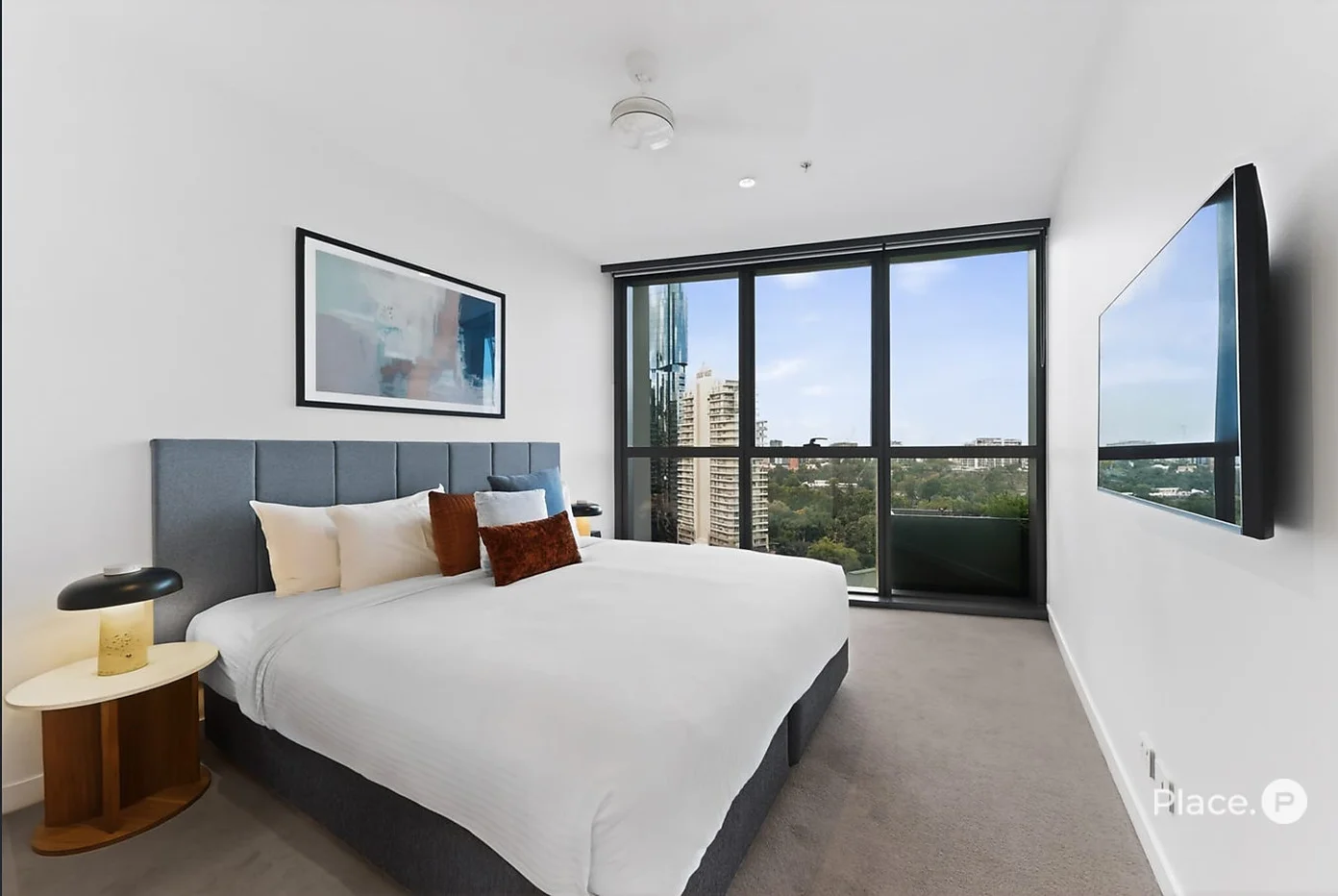 $770,000
Apartment / Unit / Flat
$770,000
Apartment / Unit / Flat
 $1,475,000 - $2,090,000
propertyType.NEW APARTMENTS / OFF THE PLAN
$1,475,000 - $2,090,000
propertyType.NEW APARTMENTS / OFF THE PLAN
 $550,000
Apartment / Unit / Flat
$550,000
Apartment / Unit / Flat
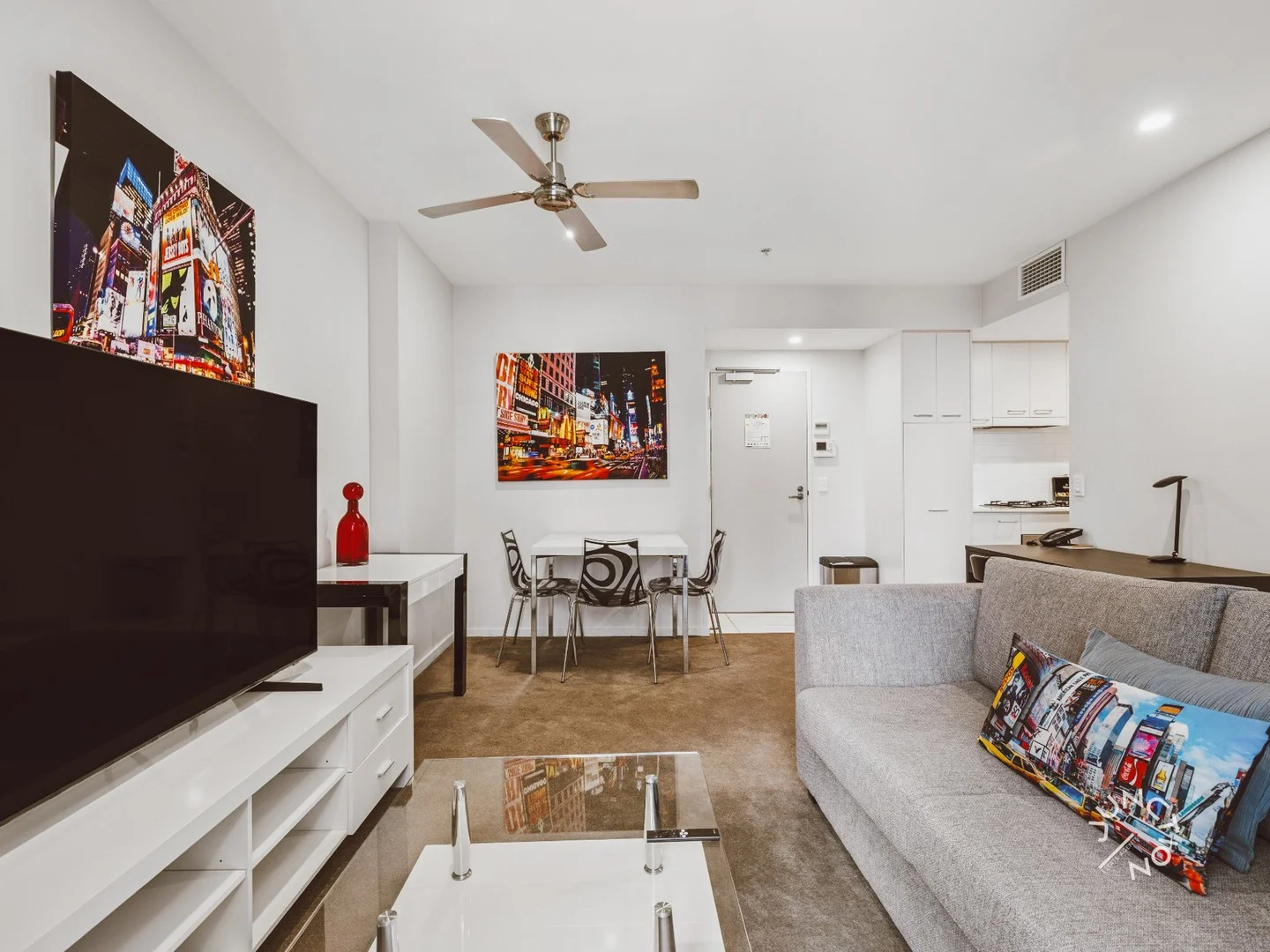 $523,200 - $566,800
Apartment / Unit / Flat
$523,200 - $566,800
Apartment / Unit / Flat
 $950,000
Apartment / Unit / Flat
$950,000
Apartment / Unit / Flat