Overview
1. Overview (1–2 paragraphs max)
Southern Cross Catholic College, Burwood is a Catholic secondary college that offers a values‑driven, faith‑informed education within a supportive, inclusive community. The school emphasises academic development alongside pastoral care, helping students grow as confident, responsible young people who contribute to their communities.
- School type: Catholic
- School size: Medium
- Class size: Approximately 22–25 students per class
- Atmosphere/culture: Nurturing, inclusive, academically motivated, with a focus on service and community
⸻
2. Academics & Learning
Southern Cross Catholic College supports students across a broad curriculum with opportunities to deepen knowledge and skills.
- Academic strengths: English and STEM are core strengths, with emphasis on literacy, numeracy and problem‑solving. Languages and leadership development are also highlighted.
- Special programs: Gifted & Talented pathways, accelerated learning options, and HSC preparation programs are available to extend capable students.
- NAPLAN / trends: The school typically shows stable to improving performance trends in reading and numeracy over time, with strong writing development evident across year groups.
- Student-teacher ratios: Generally around 1:14 to 1:20, supporting accessible teacher support in lessons.
- Support for diverse learners: Dedicated support for EAL learners, learning support staff for SEN, and inclusive education practices to suit a range of needs.
⸻
3. Sports & Extracurricular Strengths
A strong focus on well‑rounded development, with extensive sport and activity options.
- Sports offered: Soccer, rugby league, basketball, cricket, tennis, athletics, swimming and more, with opportunities to participate in interschool and local competitions.
- Strong teams or achievements: Regular participation in district/inter‑school carnivals and various premierships across sports.
- Music, arts, drama programs: School ensembles, choir, drama productions and access to performing arts spaces.
- Clubs: Robotics, chess, coding, debating and other academic or interest‑based clubs.
- Partnerships: Local clubs and competitions partner with the school to provide pathways in sport, STEM and the arts.
⸻
4. Wellbeing & Pastoral Care
Wellbeing is a central element of school life, supporting safe and respectful relationships.
- Anti-bullying approach: Proactive, whole‑school anti-bullying policies, clear reporting channels and a culture of respect.
- House system: A house framework for pastoral care, leadership roles and community events.
- Counsellors / wellbeing officers: On‑campus counsellors and wellbeing staff provide confidential support and guidance.
- Transition support for new students: Orientation programs, buddy systems and targeted induction support to help new students settle in.
⸻
5. Facilities
Facilities are designed to support learning, performance and student life.
- Sports grounds
- Libraries
- Science labs
- Music/performing arts centers
- Tech/innovation labs
- Cafeteria
- Updated playgrounds
⸻
6. School Values & Community Culture
What it’s like to be part of the school community.
- School values / mission: Catholic faith formation informs the mission, with emphasis on respect, service, integrity and lifelong learning.
- Leadership style: Collaborative and pastoral, with student voice through councils and leadership roles.
- Behaviour expectations: Clear codes of conduct and positive behaviour support to foster a respectful environment.
- Community reputation: Known for a welcoming, faith‑based community and a commitment to inclusion.
- Diversity & inclusion: Active encouragement of diverse backgrounds and inclusive practices across the campus.
⸻
7. School Logistics & Daily Operations
Practical daily information for families.
- School hours: Typical day starts mid‑morning and runs into the afternoon, with specific timetable published by the school.
- Before/after school care: Availability of before/after school care or supervision programs.
- Uniform requirements: Standard school uniform with allowances for sport uniform on designated days.
- Transport (train/bus routes): Accessible via local public transport; school‑run or recommended bus routes may be available.
- Canteen availability: On‑site canteen offering meal and snack options.
- Fees (low/medium/high ranges): School fees fall in the moderate to standard range for Catholic secondary education; specifics available from the school.
⸻
8. Enrolment & Admissions
11. What is the enrolment process and timeline?
- Complete an online or in‑person application, provide required documentation (birth certificate, previous school reports, immunisation records, etc.), and submit by the stated deadlines. Schools often publish intake timelines for term start dates, interviews, and acceptance periods.
12. Is there a waiting list, and how does it work?
- Many Catholic schools maintain a waiting list once intake capacity is reached. Families are typically contacted in order of application date; priority may be given to siblings or parish affiliations depending on the school policy.
13. Are there any entry requirements, tests, or interviews?
- Common elements include an application, parent/guardian interview or information session, and possibly student interviews. Some courses or year levels may require assessment or documentation to determine appropriate placement.
14. Does the school accept mid-year transfers?
- Mid‑year transfers are sometimes possible depending on space and staffing, with a transfer assessment and formal approval process. Check with the school for current arrangements and timing.
⸻
9. Frequently Asked Questions
- Why Parents Choose This School?
- A values‑driven Catholic education, strong community, balanced focus on academic achievement and wellbeing, with opportunities in sport, arts and leadership.
- What type of student thrives at this school?
- Students who are motivated to engage in academics while participating in faith‑based community life, and who value service and collaboration.
- What opportunities are available for students to extend their skills (academics, sports, arts)?
- Gifted and Talented programs, accelerated learning options, leadership opportunities, sport teams, performing arts, robotics and debating clubs.
- How does the school communicate with parents?
- Regular newsletters, parent portals, emails, phone updates and scheduled information evenings; emergency communications protocols are in place.
- What is the school’s approach to teaching and learning?
- A blend of curriculum delivery, student support services, project-based and inquiry‑driven learning, with a focus on literacy and numeracy development.
- How does the school support students who need extra academic help?
- Dedicated learning support staff, EAL support, targeted interventions and accommodations within class settings.
- What support is available for academic challenges?
- Timetabled support periods, tutoring options, and access to counsellors or learning support staff.
- How does the school communicate with parents? (duplicate)
- See above: multiple channels including digital platforms and regular meetings.
- What are the class sizes and how much individual attention do students receive?
- Class sizes typically around 22–25 students, with teacher access for individual help during and after class.
- What extracurricular and sports opportunities are available?
- A wide range of sports, clubs (robotics, chess, coding, debating), music ensembles and drama, plus interschool competitions.
- What facilities does the school offer (sports, science, arts)?
- Comprehensive facilities including sports grounds, libraries, science labs, performing arts centers, tech/innovation labs and a canteen.
- What is the school’s approach to technology and digital learning?
- Integration of digital learning tools and platforms to support classroom learning and project work; focus on responsible use of technology.
- What transport and accessibility options are available?
- Access via local public transport with convenient bus/train routes; consideration of accessibility needs through campus facilities.
- What are typical school fees or additional costs?
- Fees are in the moderate range for NSW Catholic secondary education; specific figures are available from the school.
⸻
10. Short Pros & Cons list
- Pros
- Values-based Catholic education with a strong sense of community
- Balanced emphasis on academics, wellbeing and faith formation
- Wide range of co‑curriculars including sports, arts, and clubs
- Supportive learning environment with dedicated staff
- Inclusive culture that welcomes diverse students
- Cons
- Fees are applicable (not government‑funded entirely for private/catholic schools)
- Class sizes, while typical for the sector, may still limit one‑to‑one time during peak periods
- Availability of specialised programs may vary by intake year and campus
- Transport options depend on local routes and services; some families may require longer commutes
- Mid‑year transfers depend on space and school policies
⸻










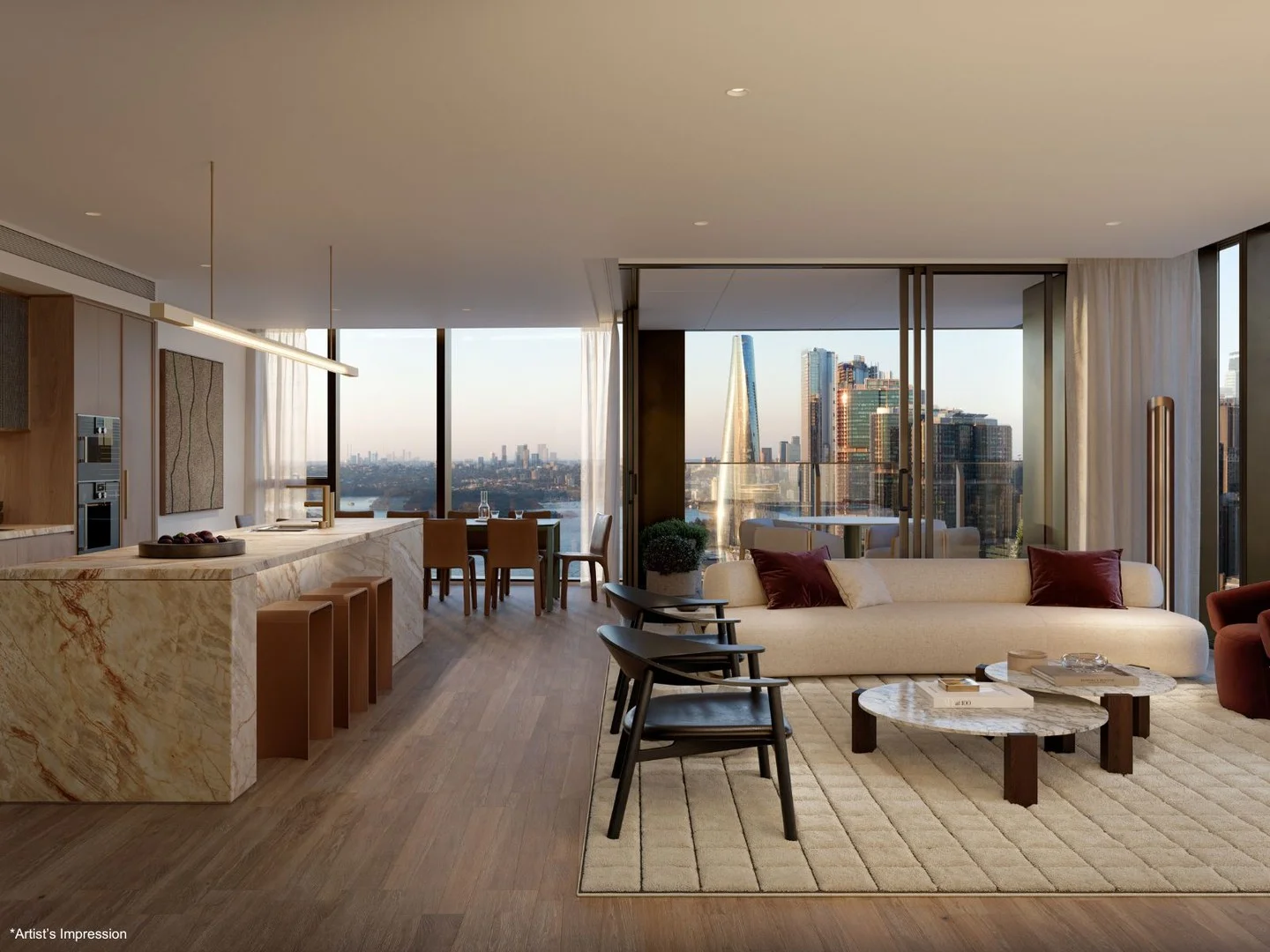 $12,980,000
propertyType.NEW APARTMENTS / OFF THE PLAN
$12,980,000
propertyType.NEW APARTMENTS / OFF THE PLAN
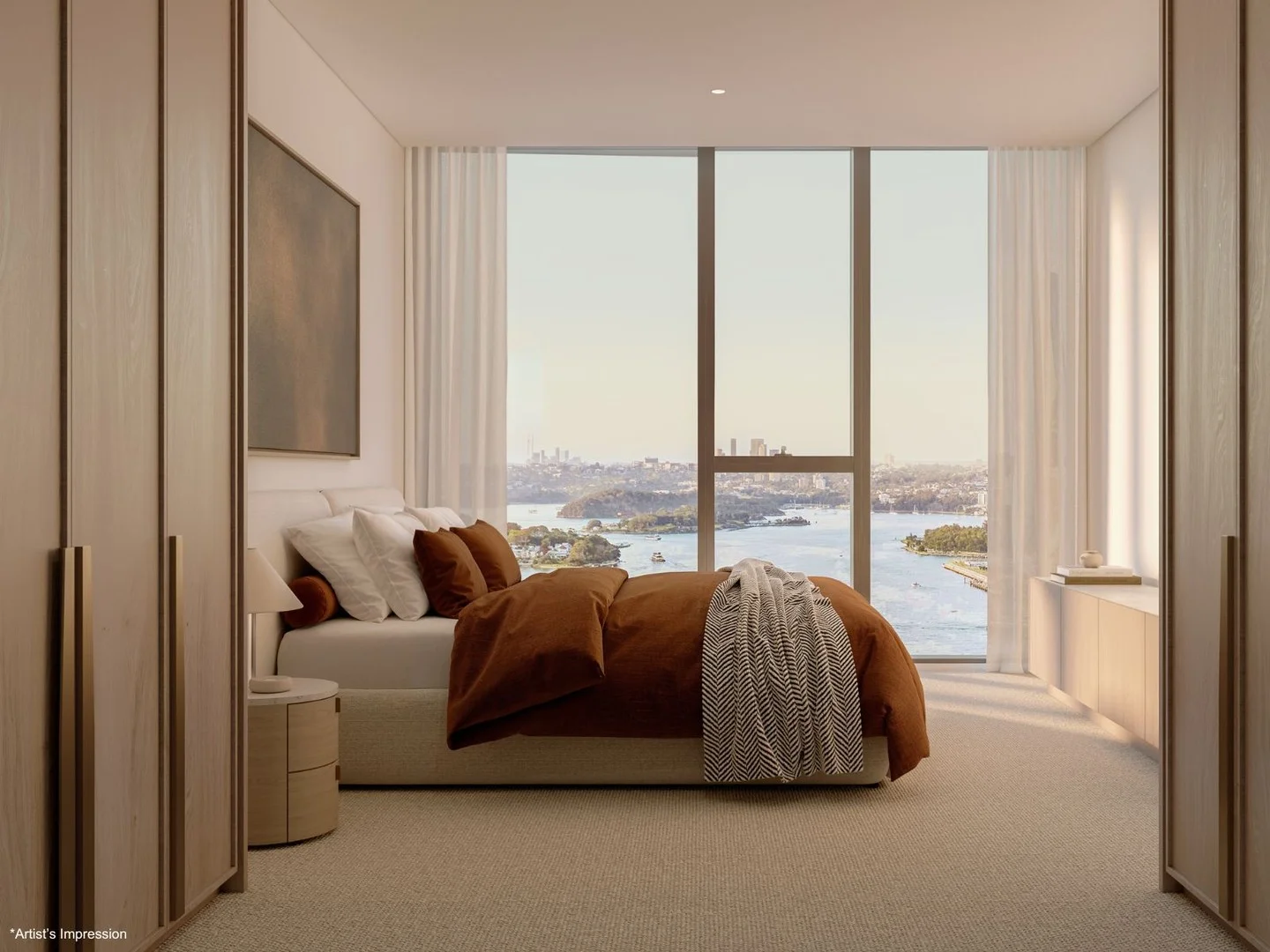 $8,630,000
propertyType.NEW APARTMENTS / OFF THE PLAN
$8,630,000
propertyType.NEW APARTMENTS / OFF THE PLAN
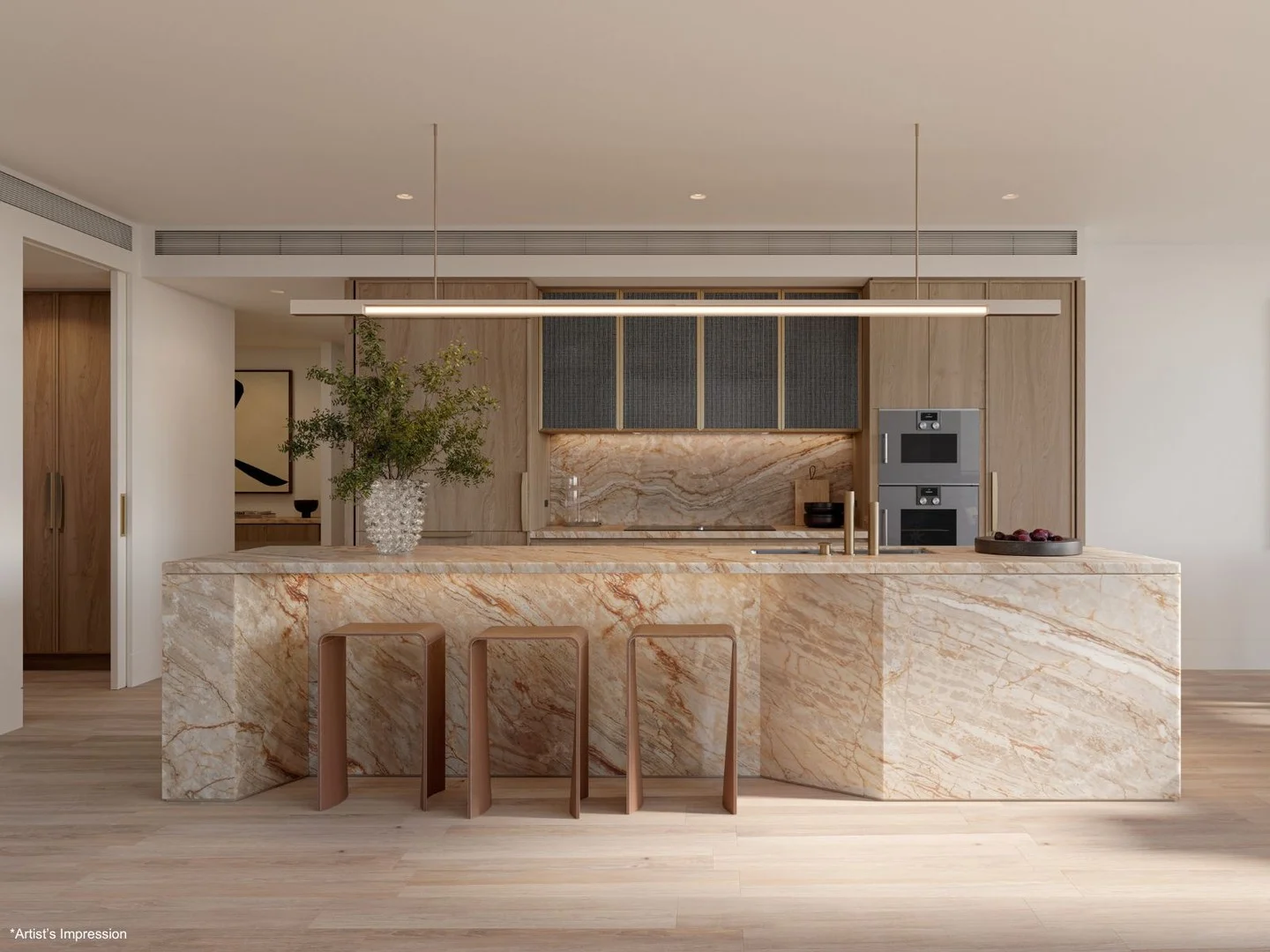 $6,225,000
propertyType.NEW APARTMENTS / OFF THE PLAN
$6,225,000
propertyType.NEW APARTMENTS / OFF THE PLAN
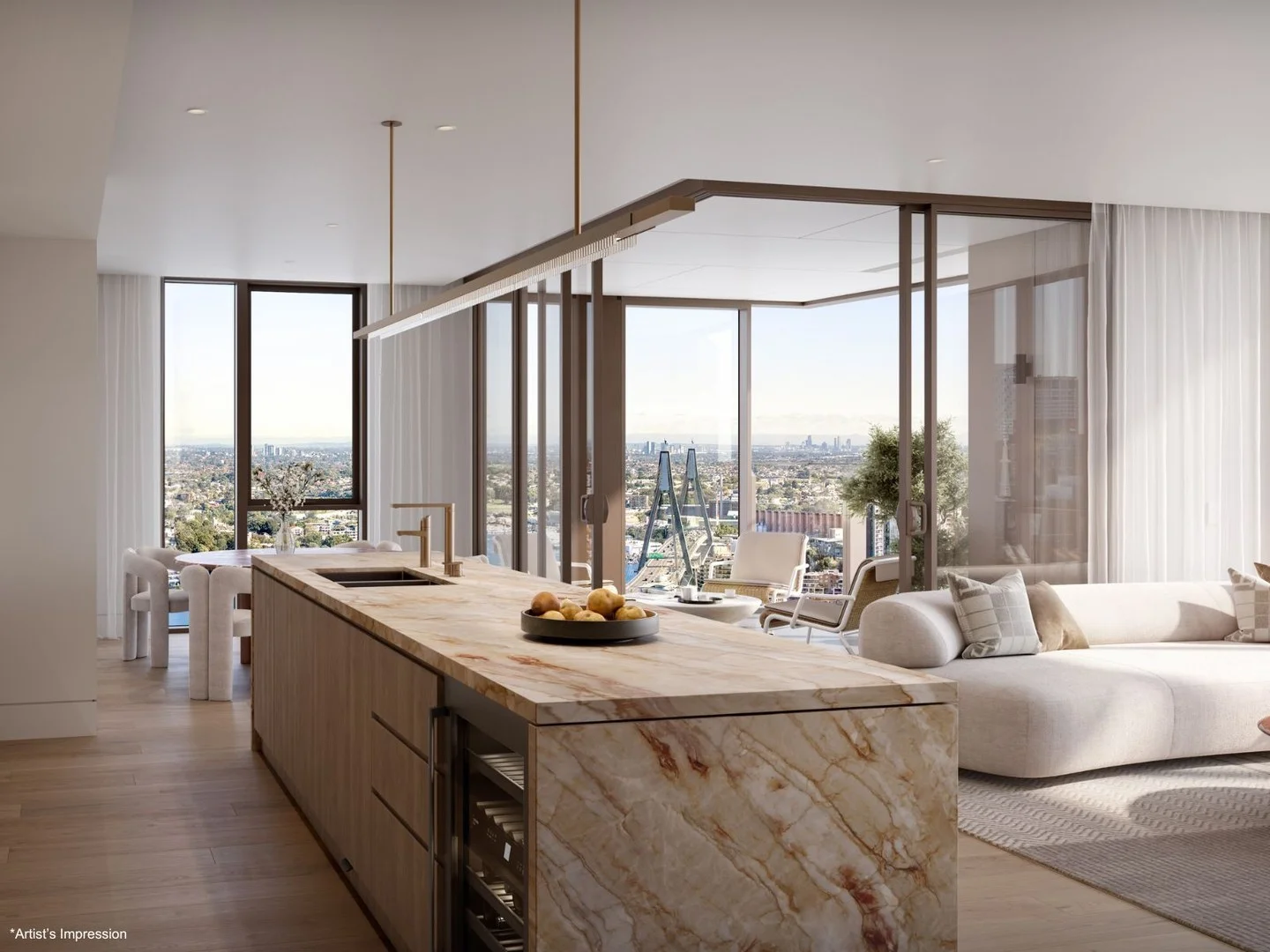 $9,020,000
propertyType.NEW APARTMENTS / OFF THE PLAN
$9,020,000
propertyType.NEW APARTMENTS / OFF THE PLAN
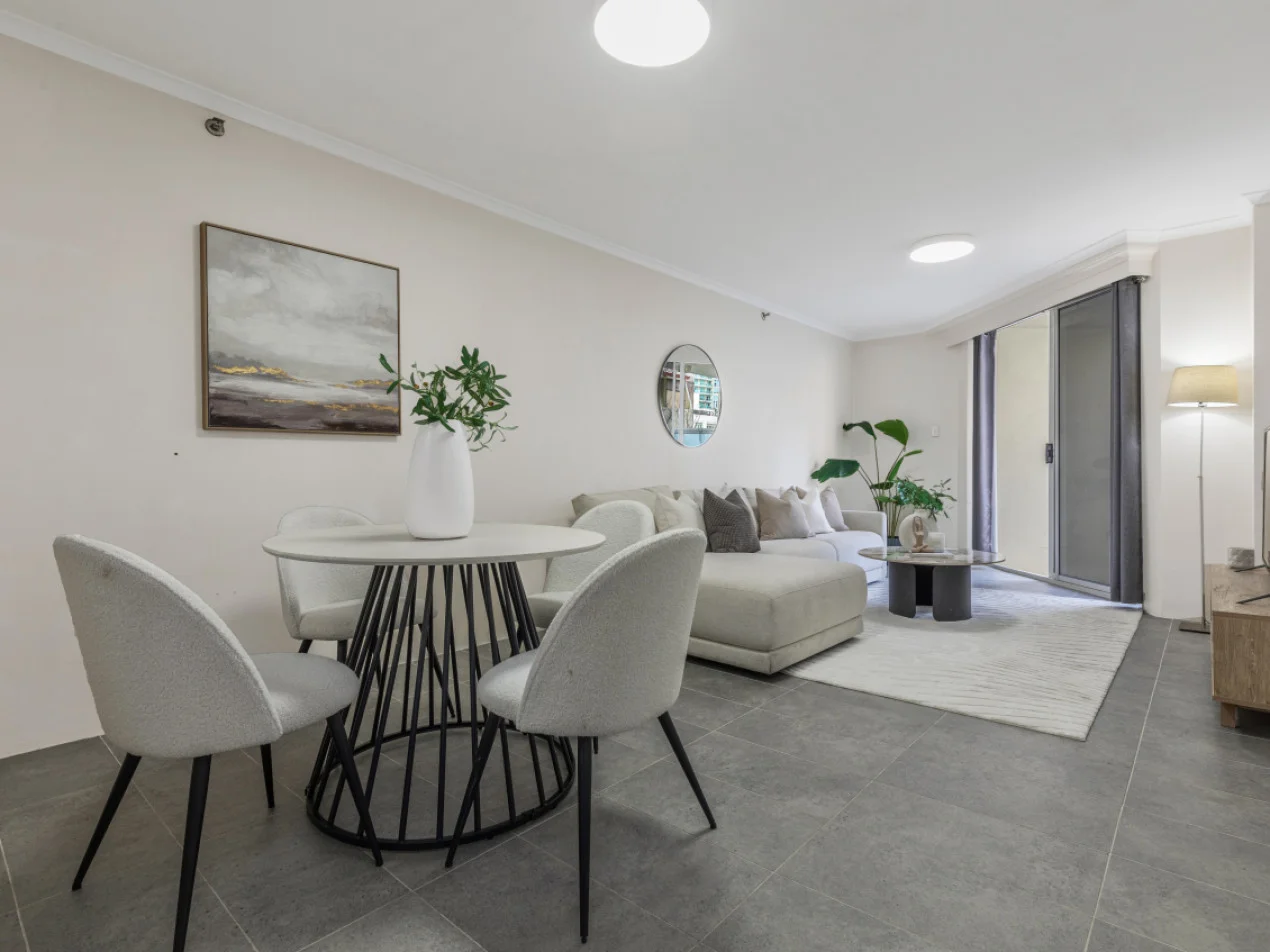 $640,000 - $675,000
Apartment / Unit / Flat
$640,000 - $675,000
Apartment / Unit / Flat
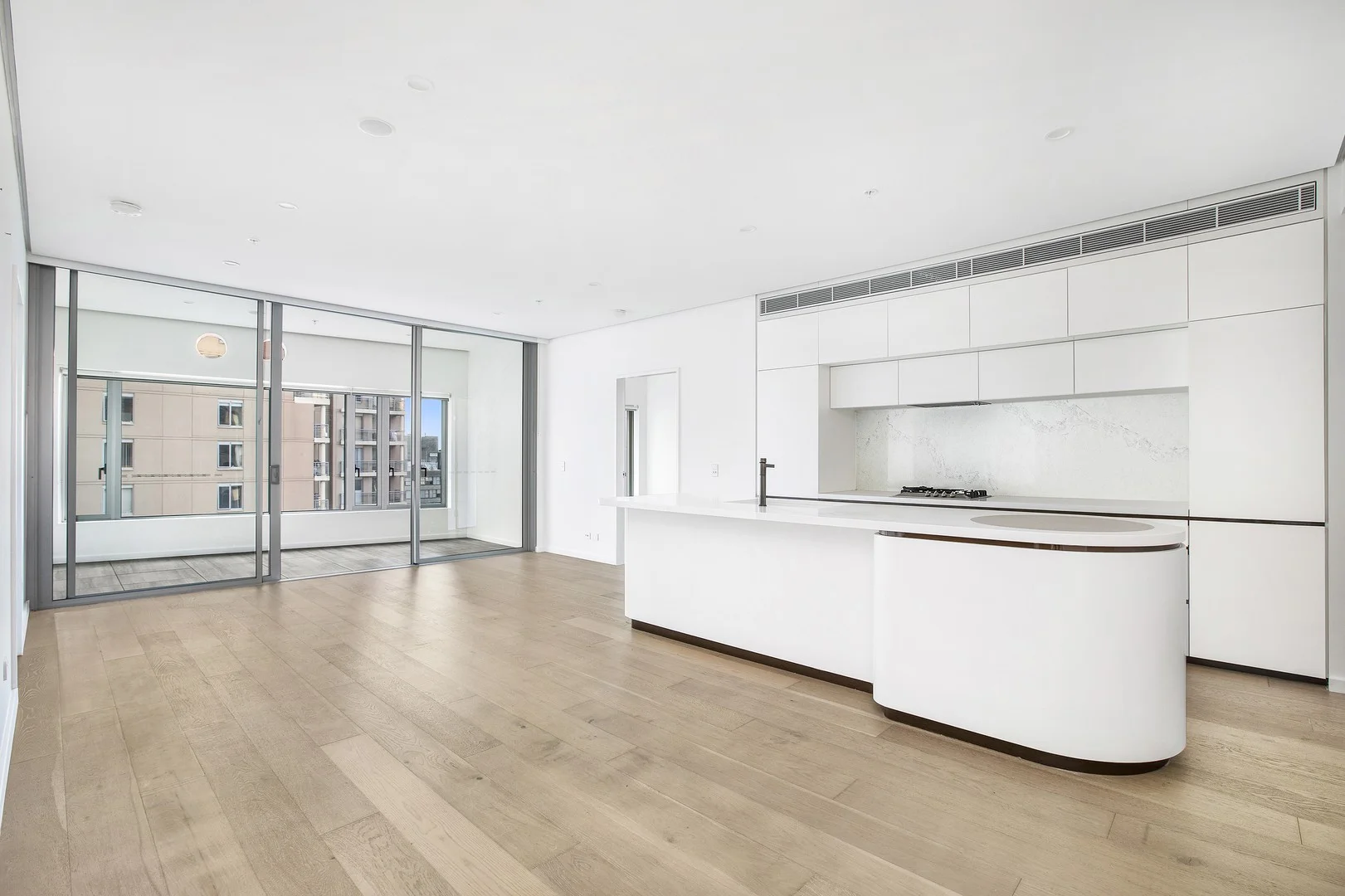 $2,250,000
Apartment / Unit / Flat
$2,250,000
Apartment / Unit / Flat
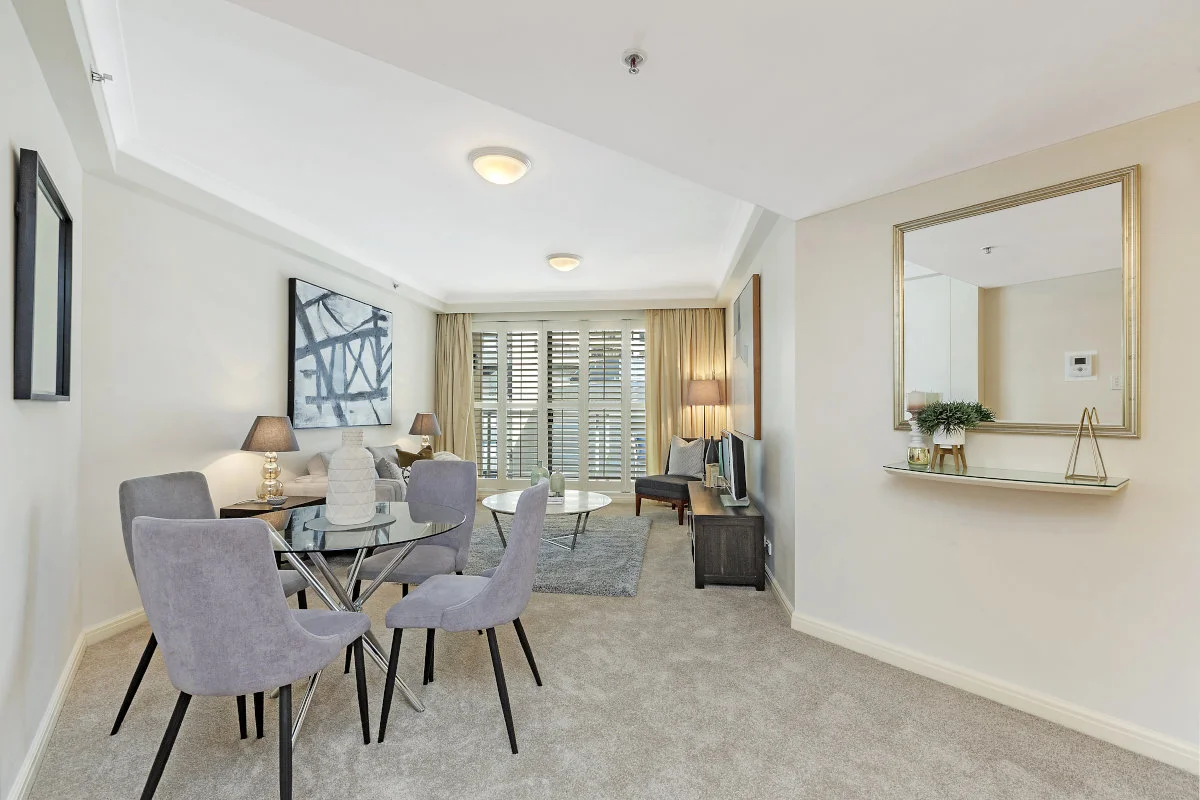 $660,000 - $725,000
Apartment / Unit / Flat
$660,000 - $725,000
Apartment / Unit / Flat
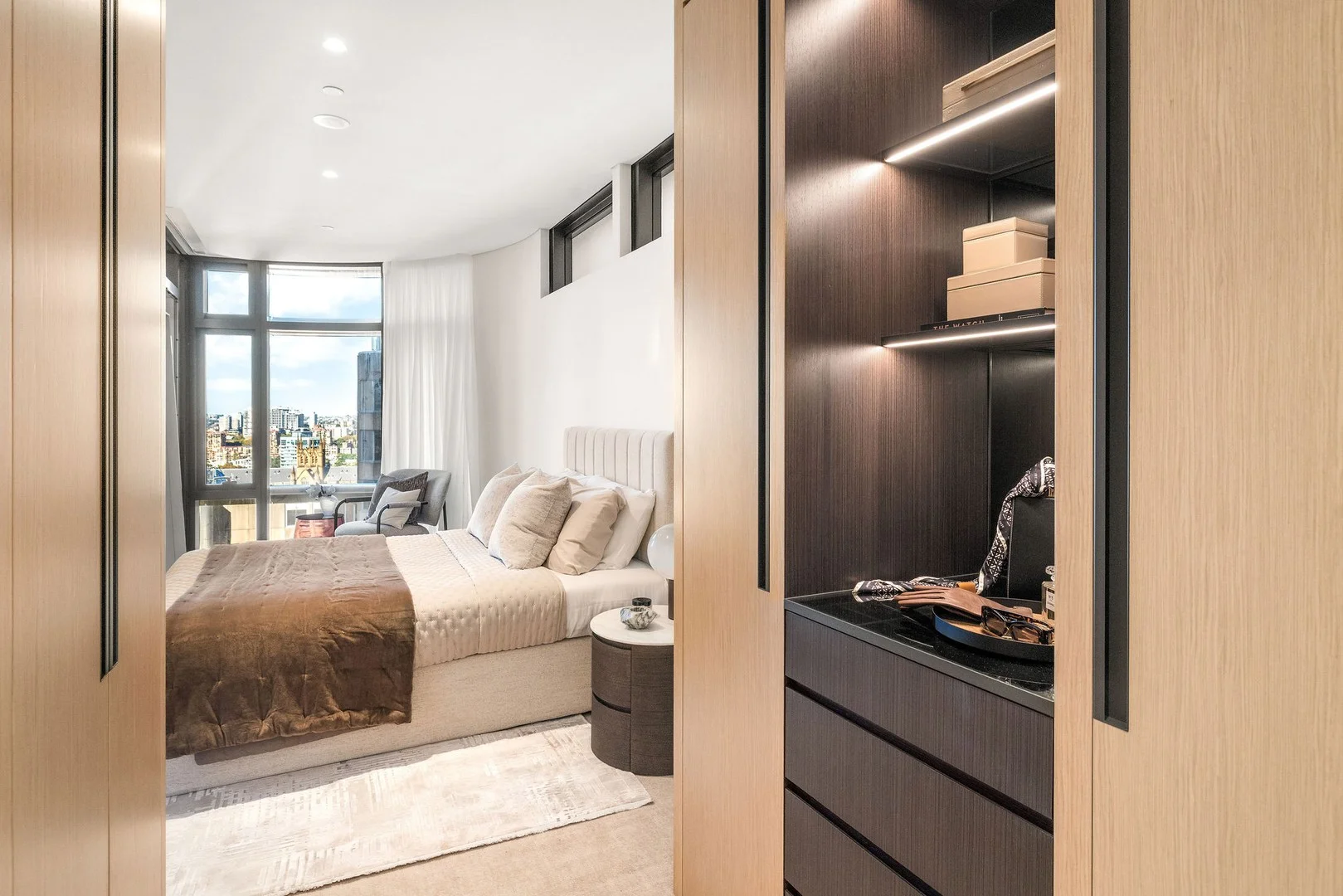 $2,745,000
propertyType.NEW APARTMENTS / OFF THE PLAN
$2,745,000
propertyType.NEW APARTMENTS / OFF THE PLAN
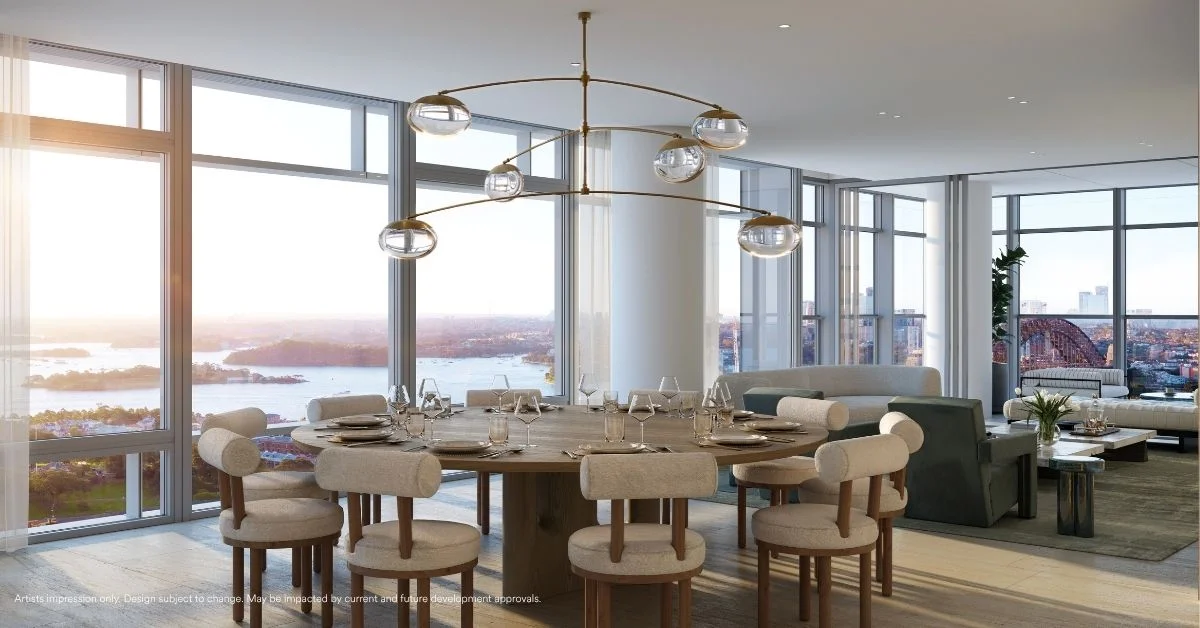 $26,550,000
propertyType.NEW APARTMENTS / OFF THE PLAN
$26,550,000
propertyType.NEW APARTMENTS / OFF THE PLAN