## 1. Overview
St Mary’s Catholic Primary School, Concord is a Catholic, co-educational primary school that serves families in Concord, NSW. As part of the Sydney Catholic Education system, the school focuses on faith-based education within a supportive, community-minded environment. The school is small-to-medium in size, with intimate class cohorts and a warm, inclusive atmosphere that values respect, collaboration, and strong home–school partnerships. Class sizes are designed to enable personalised feedback and meaningful student participation.
The school emphasises a nurturing culture where every child is known and encouraged to grow academically, socially, and spiritually. Families are welcomed into a community that values service, character development, and a positive learning climate where faith-informed values guide daily life and learning.
---
## 2. Academics & Learning
- Academic strengths: Focus on literacy and numeracy alongside Religious Education, with emphasis on critical thinking, writing, and a solid foundation in core skills. The school supports well-rounded learning through integrated coursework and opportunities to apply skills across subjects.
- Special programs: Catholic faith formation and sacramental preparation are embedded in the curriculum. Where available, enrichment and gifted/talented activities are offered to extend capable students.
- NAPLAN / trends: NSW NAPLAN trend data is monitored to guide teaching and set improvement goals. The school aims for steady progress in literacy and numeracy over time and uses ongoing assessment to inform planning.
- Student-teacher ratios: Class groups are small-to-medium, enabling frequent teacher feedback and close student support. Teachers and support staff work to ensure individual attention within a collaborative classroom.
- Support for diverse learners: Comprehensive support for diverse learners includes English as an Additional Language (EAL) assistance, inclusive education practices, and coordination with specialised staff or Support for Learning (SLSO) as needed to cater for varied needs.
---
## 3. Sports & Extracurricular Strengths
- Sports offered: A range of team and individual sports typical for primary schools, such as soccer, basketball, cricket, athletics, and cross-country, with opportunities to participate in school and inter-school events.
- Strong teams or achievements: The school participates in local inter-school competitions and aims to build strong team spirit and sportsmanship; achievements can vary year to year.
- Music, arts, drama programs: Active music and performing arts opportunities, including choir, school productions, and instrumental or ensemble experiences where available.
- Clubs: After-school options may include robotics, coding, chess, debating, science clubs, and other enrichment activities that build practical skills and curiosity.
- Partnerships: Involvement with local clubs, diocesan activities, and regional competitions supports student development beyond the classroom.
---
## 4. Wellbeing & Pastoral Care
- Anti-bullying approach: The school adopts clear anti-bullying policies, positive behaviour guidelines, and restorative practices to foster a safe and respectful environment.
- House system: A house system promotes belonging, teamwork, and healthy, supportive competition across year levels.
- Counsellors / wellbeing officers: Wellbeing staff or school counsellors support students’ social-emotional development and provide accessible pathways to assistance when needed.
- Transition support for new students: Orientation programs, buddy systems, and targeted transition support help new students settle in smoothly and establish connections with peers and staff.
---
## 5. Facilities
- Sports grounds: Adequate outdoor spaces to support physical education and sporting activities.
- Libraries: A library aids reading development and independent learning.
- Science labs: Dedicated spaces for practical science activities and experiments.
- Music/performing arts centers: Facilities or spaces that support music and drama activities and performances.
- Tech/innovation labs: Access to technologies and learning spaces that encourage digital literacy and innovation.
- Cafeteria: On-site dining options and a canteen to support healthy meals and snacks.
- Updated playgrounds: Well-maintained play areas that encourage safe, active play and exploration.
---
## 6. School Values & Community Culture
- School values / mission: Values-based education rooted in Catholic teachings, emphasising faith, respect, compassion, service, and strive for excellence.
- Leadership style: Collaborative leadership that involves staff, students, and families in fostering a positive, faith-centered learning community.
- Behaviour expectations: Clear expectations centred on respect, responsibility, and kindness, reinforced through consistent routines and restorative practices.
- Community reputation: A welcoming, supportive Catholic school community with strong connections to the parish and wider school network.
- Diversity & inclusion: Commitment to welcoming families from diverse backgrounds and ensuring an inclusive environment where all students can participate and belong.
---
## 7. School Logistics & Daily Operations
- School hours: The day generally follows a standard NSW primary schedule, with a morning start, mid-day break, and an afternoon finish. Specific start/end times are published by the school each year.
- Before/after school care: Before and after school care options are available to families through designated programs.
- Uniform requirements: A school uniform is worn daily, with additional sports uniform on designated days. Uniforms are typically available through the school’s approved shop.
- Transport (train/bus routes): Local transport options include walking, bus services, and proximity to public transport; parking and drop-off zones are organised to support safe arrival and departure.
- Canteen availability: A canteen or lunch program provides healthy meal options and convenient meal services.
- Fees (low/medium/high ranges): Fees are in the medium range for Catholic primary schools, with additional costs for excursions, activities, and optional programs.
---
## 8. Enrolment & Admissions
11. What is the enrolment process and timeline?
- Families typically submit an expression of interest or application, provide required documentation (birth certificate, immunisation records, Catholic/baptismal details if applicable), and participate in an interview or information session with the principal or admissions team. Offers are issued based on availability and alignment with enrolment criteria; timelines vary by year and term.
12. Is there a waiting list, and how does it work?
- There may be a waiting list when places are limited. Priority is usually guided by parish catchment and school policy, with placements assigned according to availability, vacancy type, and adherence to enrolment criteria.
13. Are there any entry requirements, tests, or interviews?
- Entry may involve an interview or orientation discussion. There is typically no formal entrance exam; readiness and fit within the school community, as well as Catholic education expectations, are taken into account.
14. Does the school accept mid-year transfers?
- Mid-year transfers are possible if space and enrolment criteria are met. Families wishing to transfer mid-year should contact the school promptly to discuss availability and transition arrangements.
---
## 9. Frequently Asked Questions
- Why Parents Choose This School?
- A values-based Catholic education, a close-knit community, caring staff, and opportunities for holistic development across academics, faith, and wellbeing.
- What type of student thrives at this school?
- Students who respond well to a nurturing, inclusive environment, strong relationships with teachers, and a curriculum that blends faith formation with academic growth.
- What opportunities are available for students to extend their skills (academics, sports, arts)?
- Enrichment in literacy and numeracy, faith-based programs, sports and physical activity, music and drama, and clubs such as robotics, coding, chess, and debating where offered.
- How does the school communicate with parents?
- Regular updates through newsletters, a school website or portal, parent-teacher conferences, and timely responses from staff.
- What is the school’s approach to teaching and learning?
- A student-centered approach emphasising core skills, critical thinking, collaboration, and values-based learning supported by differentiated instruction.
- How does the school support students who need extra academic help?
- Targeted supports, EAL assistance, in-class differentiation, and access to additional staff or resources as needed.
- What support is available for academic challenges?
- Early identification, intervention plans, and collaboration with families to provide appropriate supports.
- How does the school communicate with parents? (Repeated)
- See above: newsletters, portals, conferences, and direct staff communication.
- What are the class sizes and how much individual attention do students receive?
- Class sizes are small-to-medium, enabling regular teacher feedback and individual attention within a collaborative classroom.
- What extracurricular and sports opportunities are available?
- A range of sports and team activities, plus clubs and arts programs depending on the term and year levels.
- What facilities does the school offer (sports, science, arts)?
- Facilities include sports grounds, library, science spaces, music/performing arts facilities, tech/innovation spaces, and a canteen, plus updated play areas.
- What is the school’s approach to technology and digital learning?
- Integration of digital tools to support learning, critical thinking, and responsible use of technology as part of the curriculum.
- What transport and accessibility options are available?
- Walkable campus location with nearby bus routes and public transport access; practical arrangements for drop-off and pick-up.
- What are typical school fees or additional costs?
- Fees are in the moderate range for Catholic primary schools, with potential additional costs for excursions and optional programs.
---
## 10. Short Pros & Cons list
- Pros
- Catholic values-based education with a nurturing, community-focused culture
- Small-to-medium class sizes enabling individualized attention
- Strong emphasis on wellbeing, inclusion, and pastoral care
- Broad program offering across academics, arts, and sports
- Access to enrichment opportunities, clubs, and faith formation
- Cons
- Availability of places may be limited; potential waiting lists
- Uniform and associated costs are an ongoing consideration
- Mid-year transfers depend on space and may require flexibility with programmes
- Specific extracurriculars or facilities may vary year to year based on funding and staffing









 $36,000,000 - $39,500,000
Vacant Land
$36,000,000 - $39,500,000
Vacant Land
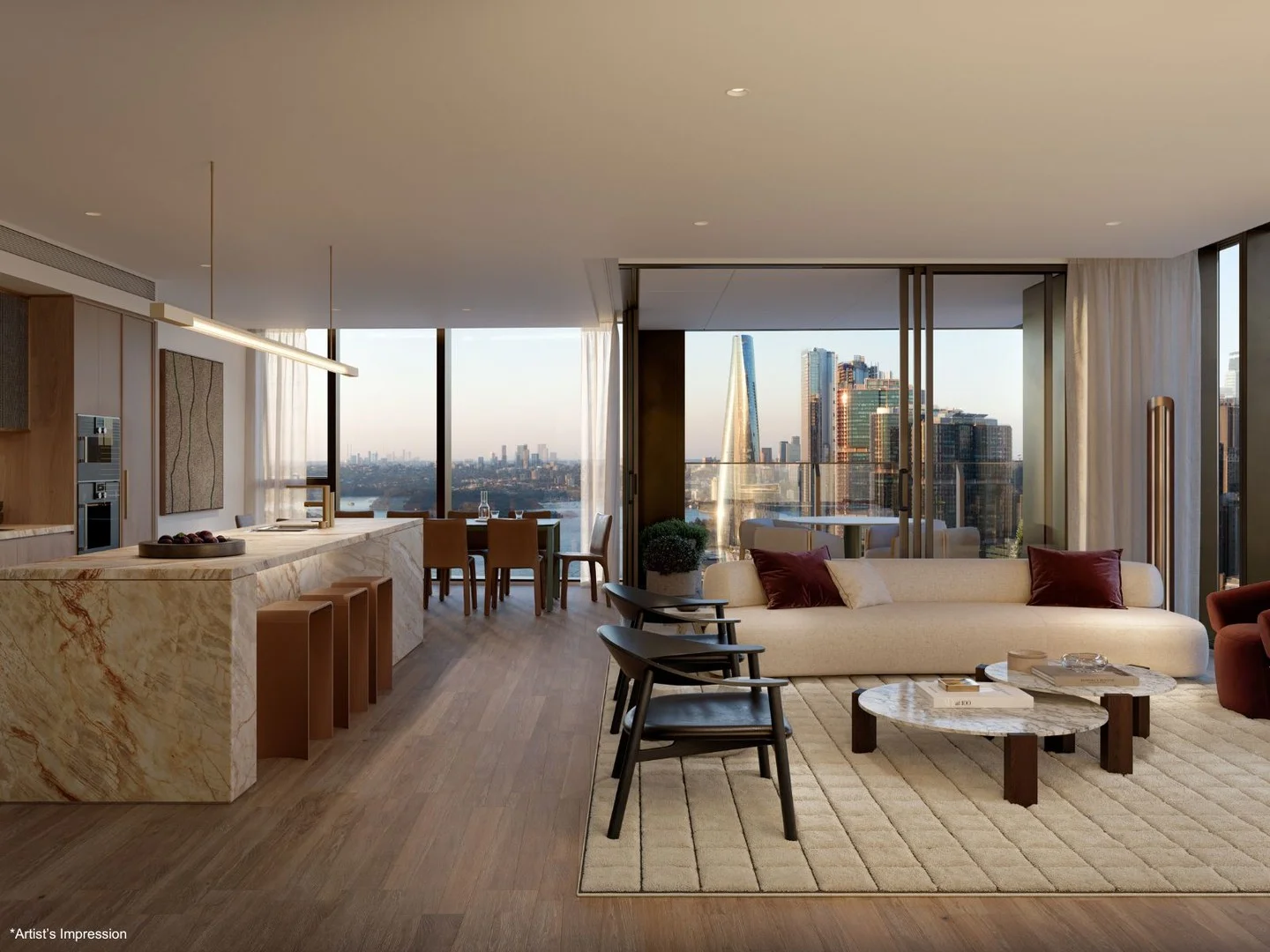 $12,980,000
propertyType.NEW APARTMENTS / OFF THE PLAN
$12,980,000
propertyType.NEW APARTMENTS / OFF THE PLAN
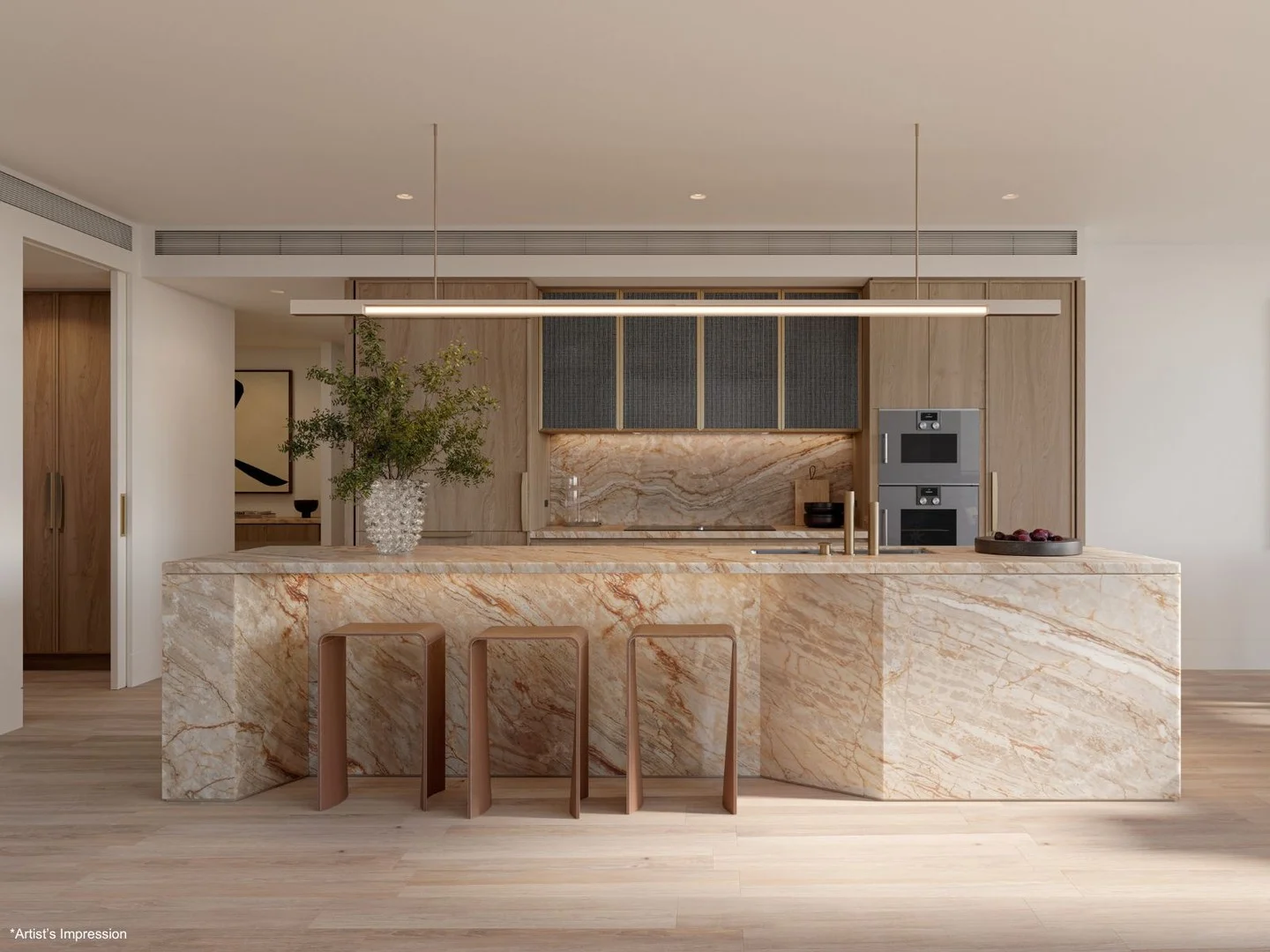 $6,225,000
propertyType.NEW APARTMENTS / OFF THE PLAN
$6,225,000
propertyType.NEW APARTMENTS / OFF THE PLAN
 $8,630,000
propertyType.NEW APARTMENTS / OFF THE PLAN
$8,630,000
propertyType.NEW APARTMENTS / OFF THE PLAN
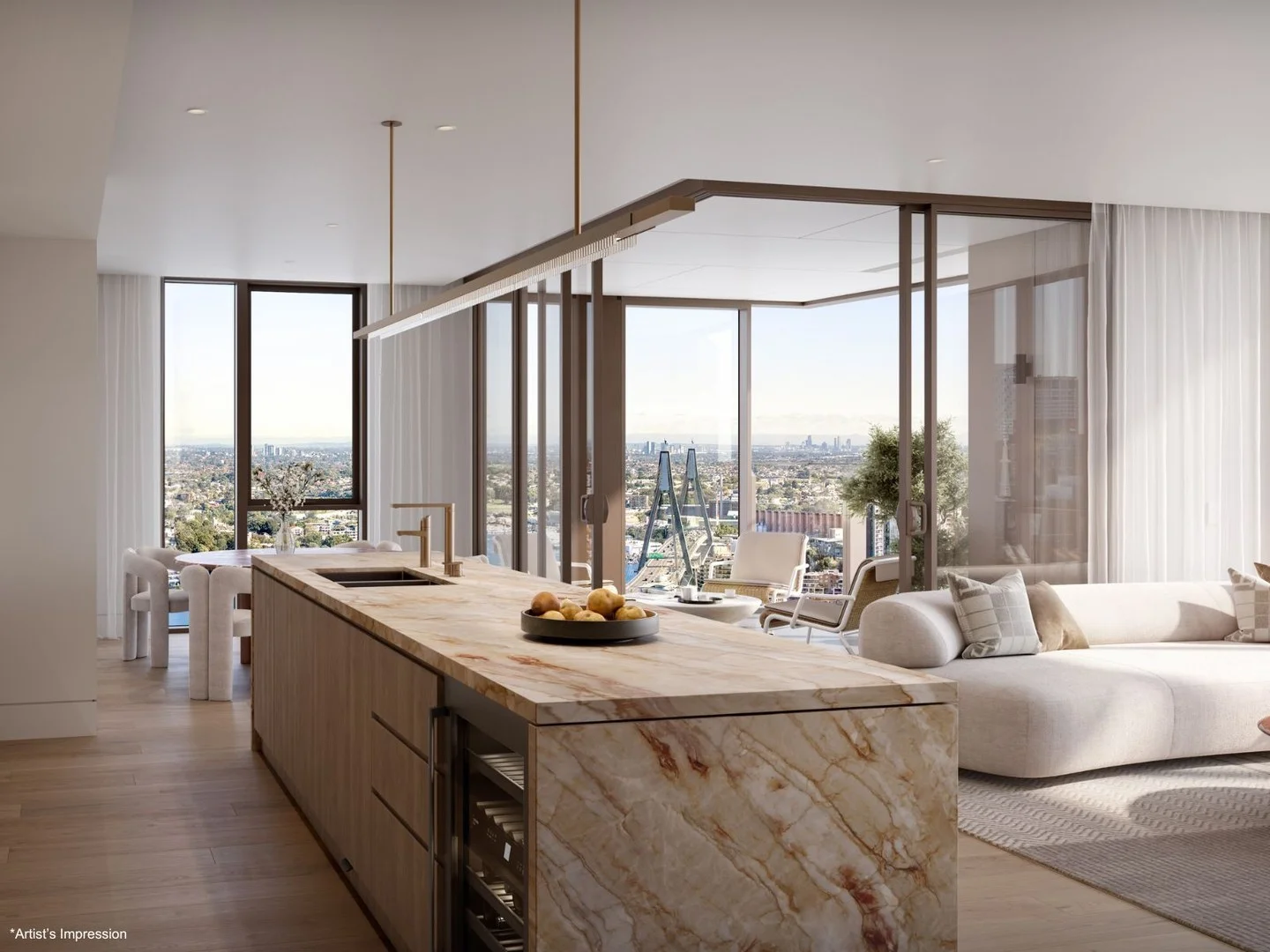 $9,020,000
propertyType.NEW APARTMENTS / OFF THE PLAN
$9,020,000
propertyType.NEW APARTMENTS / OFF THE PLAN
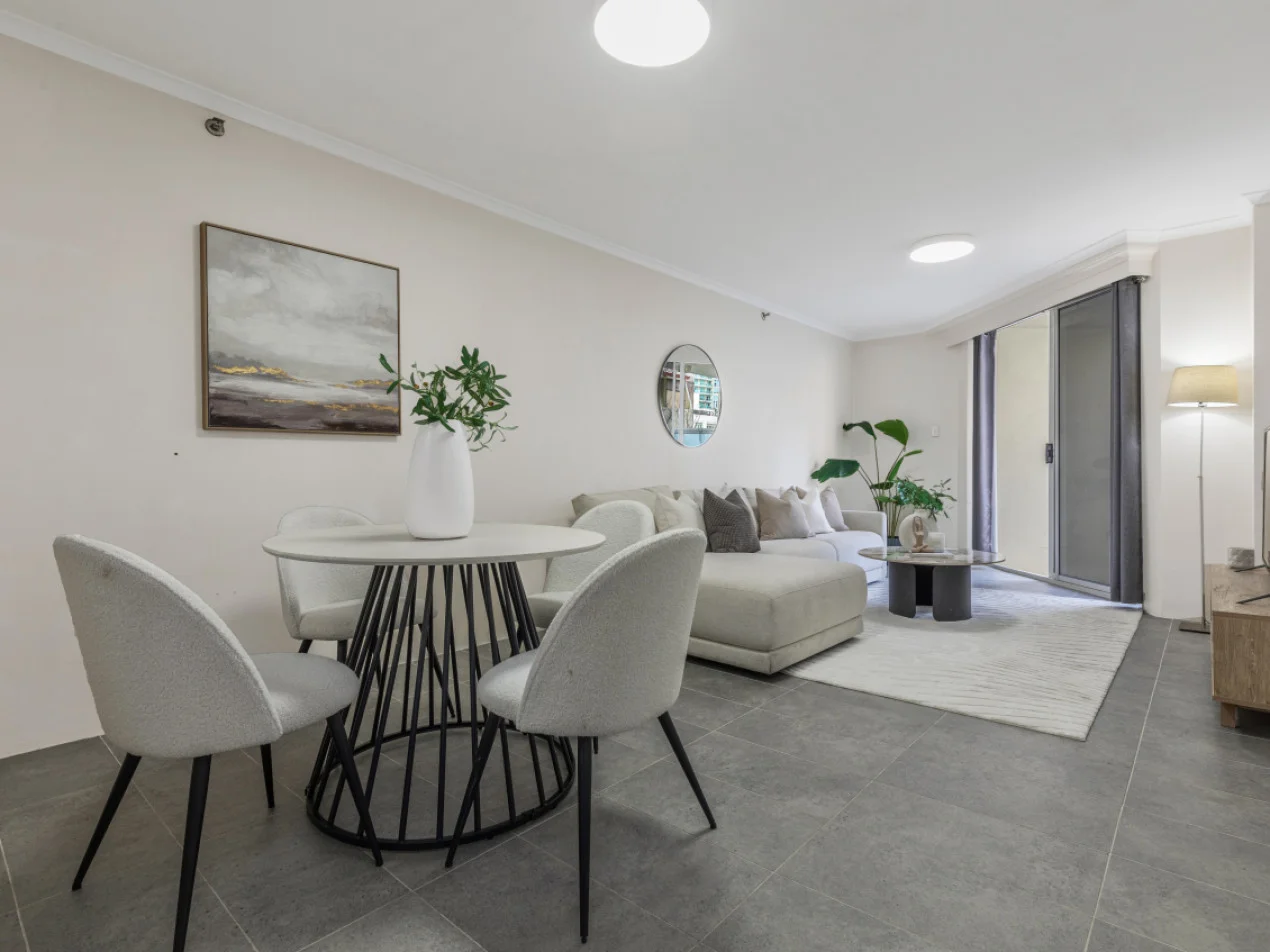 $640,000 - $675,000
Apartment / Unit / Flat
$640,000 - $675,000
Apartment / Unit / Flat
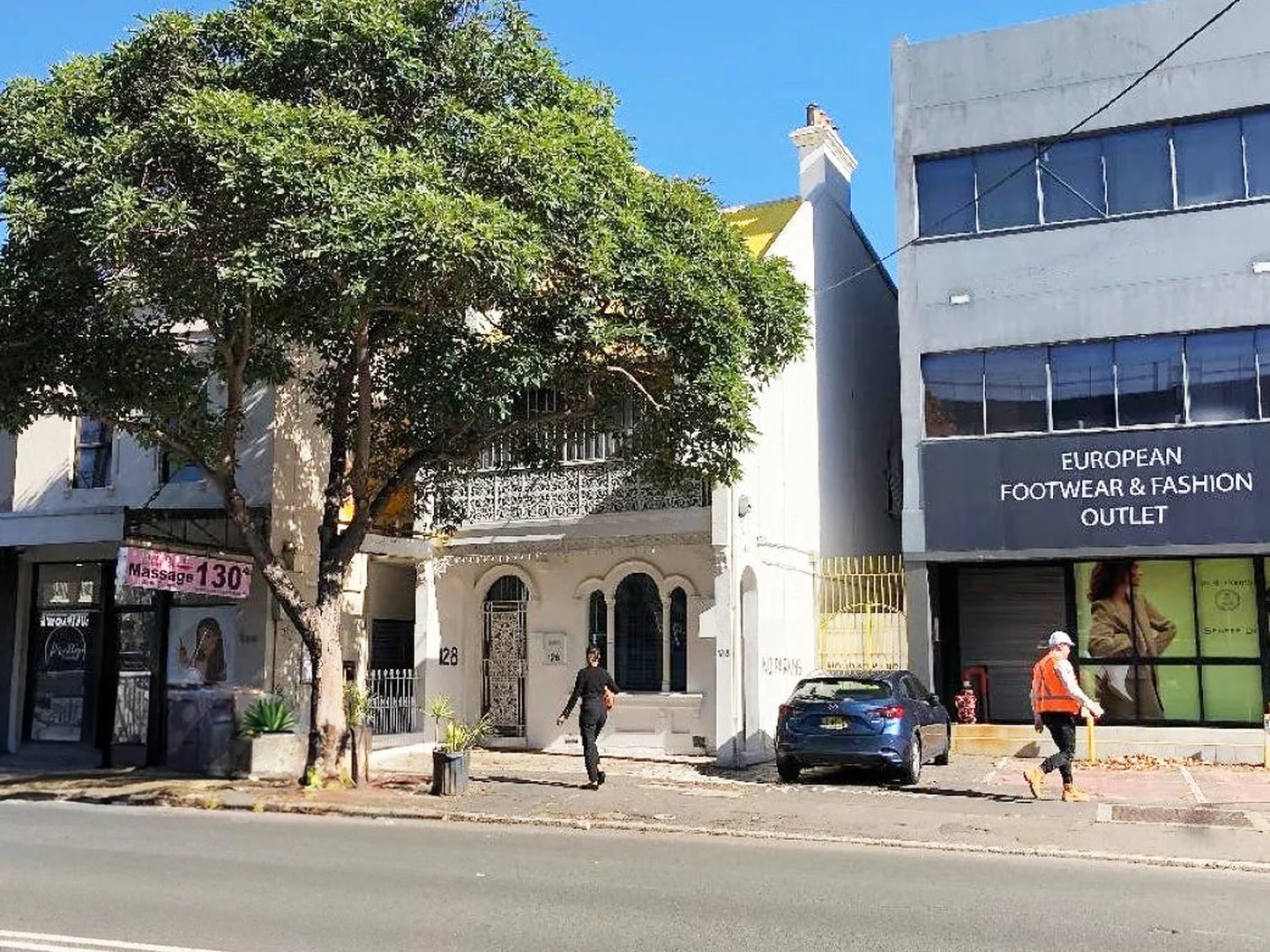 $3,900,000
House
$3,900,000
House
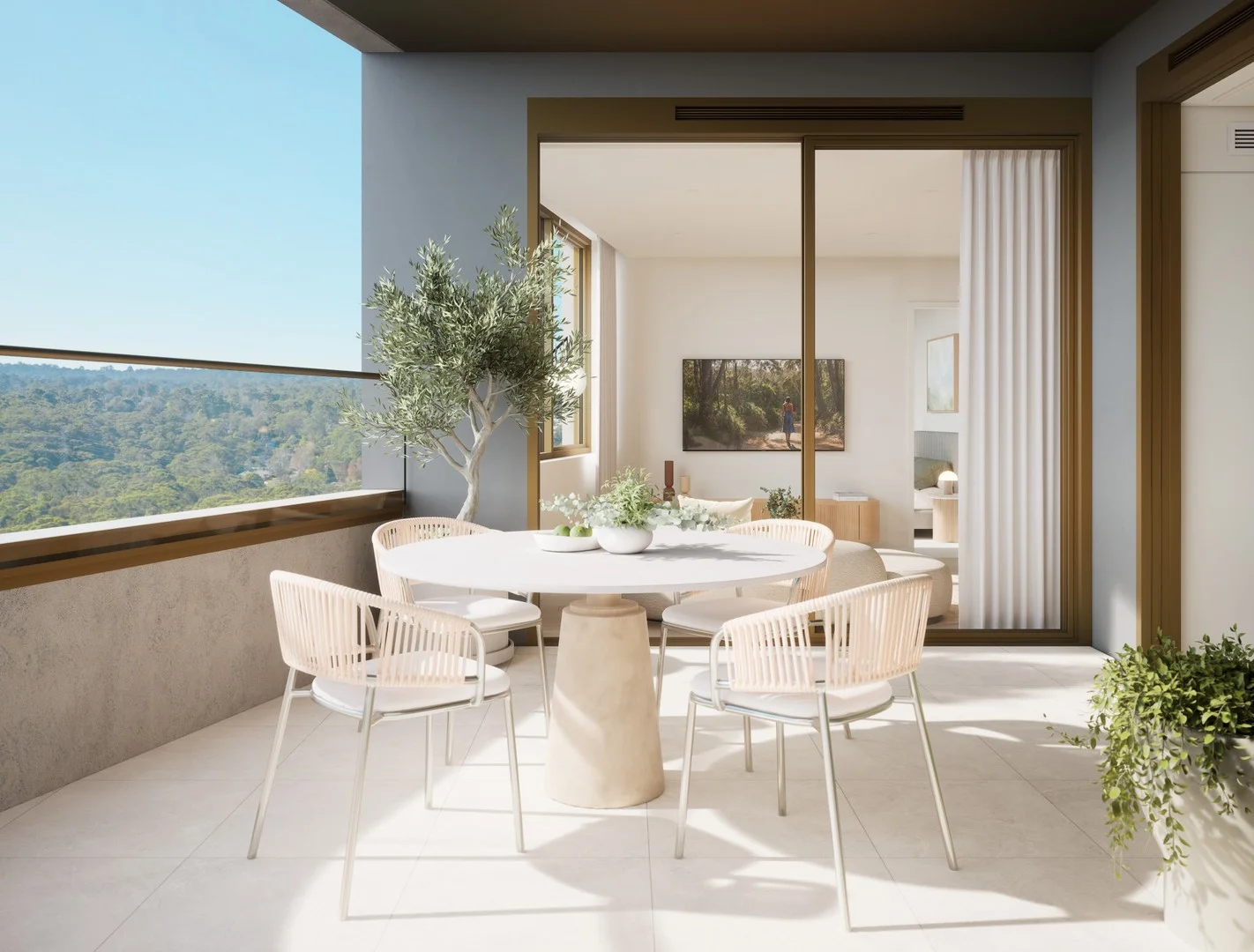 $1,525,000
Apartment / Unit / Flat
$1,525,000
Apartment / Unit / Flat
 $2,824,000
Apartment / Unit / Flat
$2,824,000
Apartment / Unit / Flat


