## 1. Overview
MLC School is an independent, girls‑only day school offering Kindergarten to Year 12 education in Sydney’s inner‑west. The school emphasises academic excellence within a caring, inclusive community and provides a broad program that combines strong STEM and languages with robust arts and sport. With a medium-to-large student body, MLC blends high expectations with supportive pastoral care, helping girls develop academically, socially and emotionally.
- School type: Independent/private, day school
- School size: Large
- Class size: Approximately 20–25 students per class
- Atmosphere/culture: Nurturing, academically focused, inclusive and diverse, with opportunities for leadership and community involvement
---
## 2. Academics & Learning
MLC aims to equip students with rigorous academic foundations while encouraging curiosity and leadership.
- Academic strengths: STEM, English, languages, and opportunities for leadership development are key strengths, supported by a broad curriculum across K–12.
- Special programs: Gifted and talented options and accelerated learning pathways; NSW HSC/ATAR pathways are available for senior years.
- NAPLAN trends: Positive trends in literacy and numeracy over recent years, with students generally reaching high proficiency bands relative to state benchmarks.
- Student-teacher ratios: Approximately 1:9 to 1:14, depending on year level and subject.
- Support for diverse learners: EAL support and targeted learning assistance are available to help students with diverse learning needs.
---
## 3. Sports & Extracurricular Strengths
A strong focus on well‑rounded development makes this section a priority for many families.
- Sports offered: Netball, basketball, tennis, swimming, athletics, soccer, hockey, cricket, and more.
- Strong teams or achievements: Competitive inter‑school programs with regular representation at district/state levels across several sports.
- Music, arts, drama programs: Active performing arts scene, with ensembles, regular productions and advanced drama/musical opportunities.
- Clubs: Robotics, chess, coding, debating, and other STEAM and humanities clubs available.
- Partnerships: Inter-school competitions and affiliations with local arts and sports academies; opportunities to participate in regional and national events.
---
## 4. Wellbeing & Pastoral Care
Wellbeing is a core priority, supporting academic success and personal growth.
- Anti-bullying approach: Clear policies and an emphasis on a respectful school culture.
- House system: A House system supports pastoral care, mentorship and healthy competition.
- Counsellors / wellbeing officers: Access to school counsellors and wellbeing staff to support students’ mental health and resilience.
- Transition support for new students: Orientation, buddy programs and targeted transition planning for new entrants.
---
## 5. Facilities
Facilities are designed to support a broad, modern education and engaging student life.
- Sports grounds: On‑site outdoor spaces for a range of sports.
- Libraries: Well‑stocked library with study spaces and digital resources.
- Science labs: Modern science laboratories for hands‑on learning.
- Music/performing arts centers: Dedicated spaces for music, drama and dance.
- Tech/innovation labs: Computer labs and makerspaces to support coding and design activities.
- Cafeteria: On‑site dining facilities with healthy option choices.
- Updated playgrounds: Age‑appropriate play and recreation areas.
---
## 6. School Values & Community Culture
The school’s ethos shapes daily life and student identity.
- School values / mission: Emphasis on respect, integrity, resilience, and leadership; preparing girls to contribute to the community.
- Leadership style: Distributed leadership with opportunities for student voice and leadership roles.
- Behaviour expectations: Clear codes of conduct promoting respectful, responsible, and collaborative behaviour.
- Community reputation: Reputable independent girls’ school with strong family and alumni engagement.
- Diversity & inclusion: Commitment to equity, inclusion and celebrating diverse backgrounds.
---
## 7. School Logistics & Daily Operations
Practical information to help families plan.
- School hours: Typical day runs from morning to mid‑afternoon, with variations by year level; some after‑school activities may extend beyond regular hours.
- Before/after school care: Available in many terms; check current offerings and times.
- Uniform requirements: Formal daily uniform plus sports uniform for physical education and agreed sports activities.
- Transport (train/bus routes): Access via local public transport (train and bus routes) with accompanying school information on convenient routes; some families use car drop‑off/pick‑up.
- Canteen availability: On‑site canteen offering a range of meal options.
- Fees (low/medium/high ranges): Fees are in the mid-to-high range for NSW independent schools, with additional costs for camps, activities and trips.
---
## 8. Enrolment & Admissions
11. What is the enrolment process and timeline?
- Inquiries and applications typically open well before entry year. The process usually includes submitting an application, family information, and relevant documentation, followed by assessments/interviews for certain year levels. Offers are issued based on space availability and suitability for the program.
12. Is there a waiting list, and how does it work?
- There can be a waiting list when spaces are limited. Placement on the list is usually determined by availability, with priority given to siblings or applicants of particular cohorts where policies allow. Timelines vary by year level and year of entry.
13. Are there any entry requirements, tests, or interviews?
- Depending on year level, entry may involve interviews, academic assessments or tests, and review of prior school reports. Additional considerations may include EAL needs and overall fit with the school’s program.
14. Does the school accept mid-year transfers?
- Mid-year transfers are possible if spaces are available and the student’s profile fits the program. Families should inquire early to understand space, timetable alignment and enrollment requirements.
---
## 9. Frequently Asked Questions
- Why Parents Choose This School?
- Families often cite strong academic outcomes, a nurturing and inclusive environment, leadership development, and a wide range of co‑curricular opportunities.
- What type of student thrives at this school?
- Motivated, curious, collaborative girls who benefit from a supportive classroom setting, small to medium class sizes, and opportunities across academics, arts and sport.
- What opportunities are available for students to extend their skills (academics, sports, arts)?
- Extended courses and accelerated options, leadership roles, high‑level sports programs, performing arts productions, robotics and coding clubs, debating and other competitions.
- How does the school communicate with parents?
- Regular communications through email newsletters, parent portals, school apps, parent‑teacher nights, and updated term reports.
- What is the school’s approach to teaching and learning?
- A balanced approach combining rigorous academic instruction with differentiated teaching, inquiry‑based learning, and a focus on literacy and numeracy foundations.
- How does the school support students who need extra academic help?
- Availability of learning support, tutoring or targeted assistance; EAL support for students learning English; personalised plans where needed.
- What support is available for academic challenges?
- Access to counsellors, learning specialists, and targeted interventions to help students build study skills and confidence.
- How does the school communicate with parents? (repeat)
- See above: parent portals, emails, newsletters, and formal meetings.
- What are the class sizes and how much individual attention do students receive?
- Class sizes typically around 20–25 students, with teachers able to provide regular individual feedback and targeted support.
- What extracurricular and sports opportunities are available?
- A broad spectrum across sports, arts, robotics, debating, coding and other clubs; regular inter‑school competitions and performances.
- What facilities does the school offer (sports, science, arts)?
- Modern sports facilities, comprehensive science labs, well‑appointed music and performing arts spaces, libraries and IT/tech labs.
- What is the school’s approach to technology and digital learning?
- Emphasis on digital literacy, integrated technology in learning, and opportunities to engage with coding and design through dedicated labs.
- What transport and accessibility options are available?
- Access via public transport (trains and buses) and car drop‑off/pick‑up; information on routes and accessibility provided by the school.
- What are typical school fees or additional costs?
- Fees fall in the mid-to-high range for NSW independent schools, with additional costs for camps, excursions, and activities.
---
## 10. Short Pros & Cons list
- Pros
- Independent, girls‑only environment with strong academic results
- Broad co‑curricular program across sports, arts and STEM
- Supportive wellbeing and pastoral care
- Competitive class sizes with opportunities for individual attention
- Well‑equipped facilities and modern learning spaces
- Cons
- Fees are higher than many public or semi‑government options
- Space can be limited in peak enrolment periods, leading to waitlists for some year levels
- Travel may be a consideration for families outside the local area
- Entry can be selective, with assessments or interviews required
- Some families may prefer co‑educational experiences for certain activities











 $36,000,000 - $39,500,000
Vacant Land
$36,000,000 - $39,500,000
Vacant Land
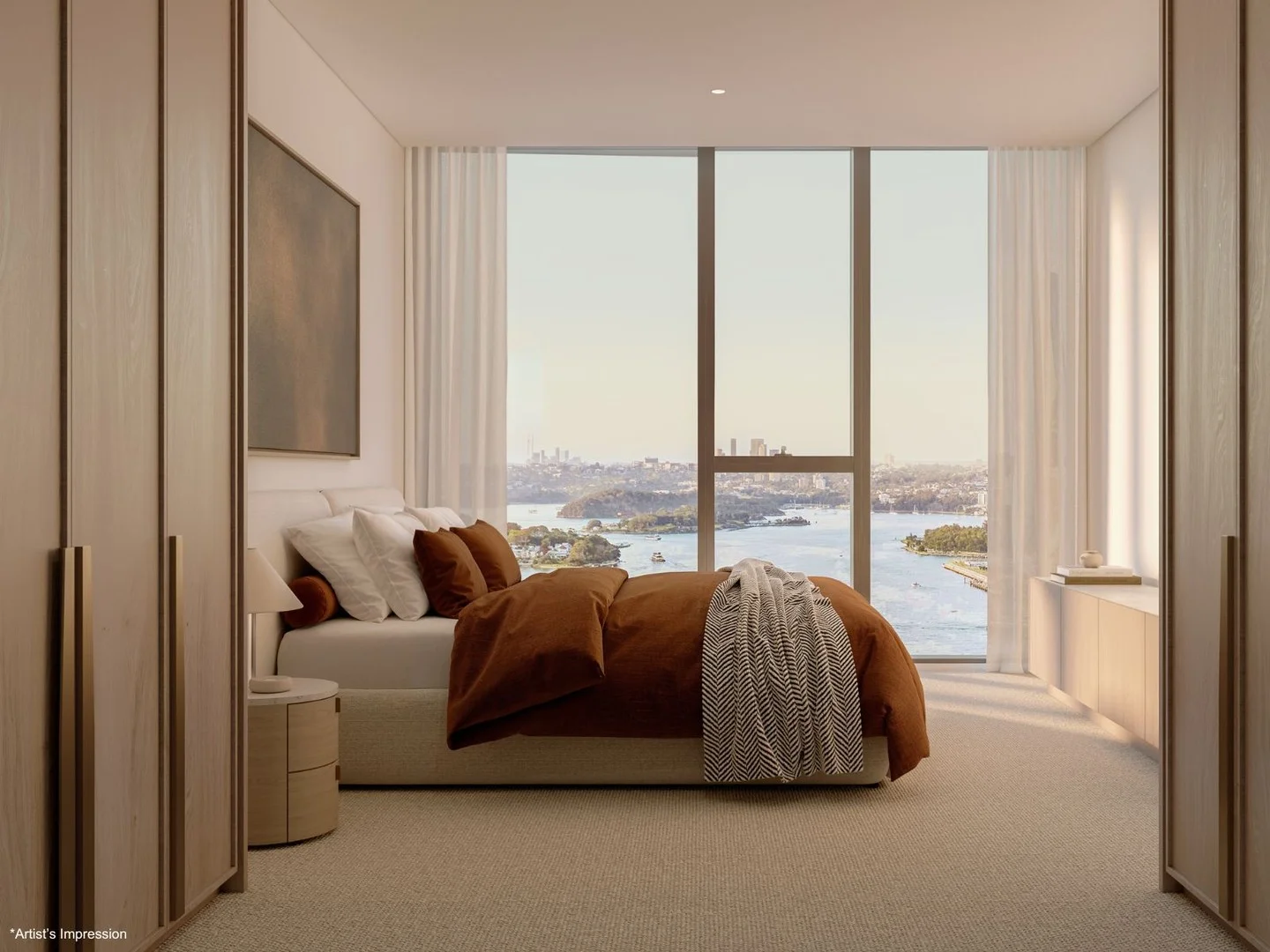 $8,630,000
propertyType.NEW APARTMENTS / OFF THE PLAN
$8,630,000
propertyType.NEW APARTMENTS / OFF THE PLAN
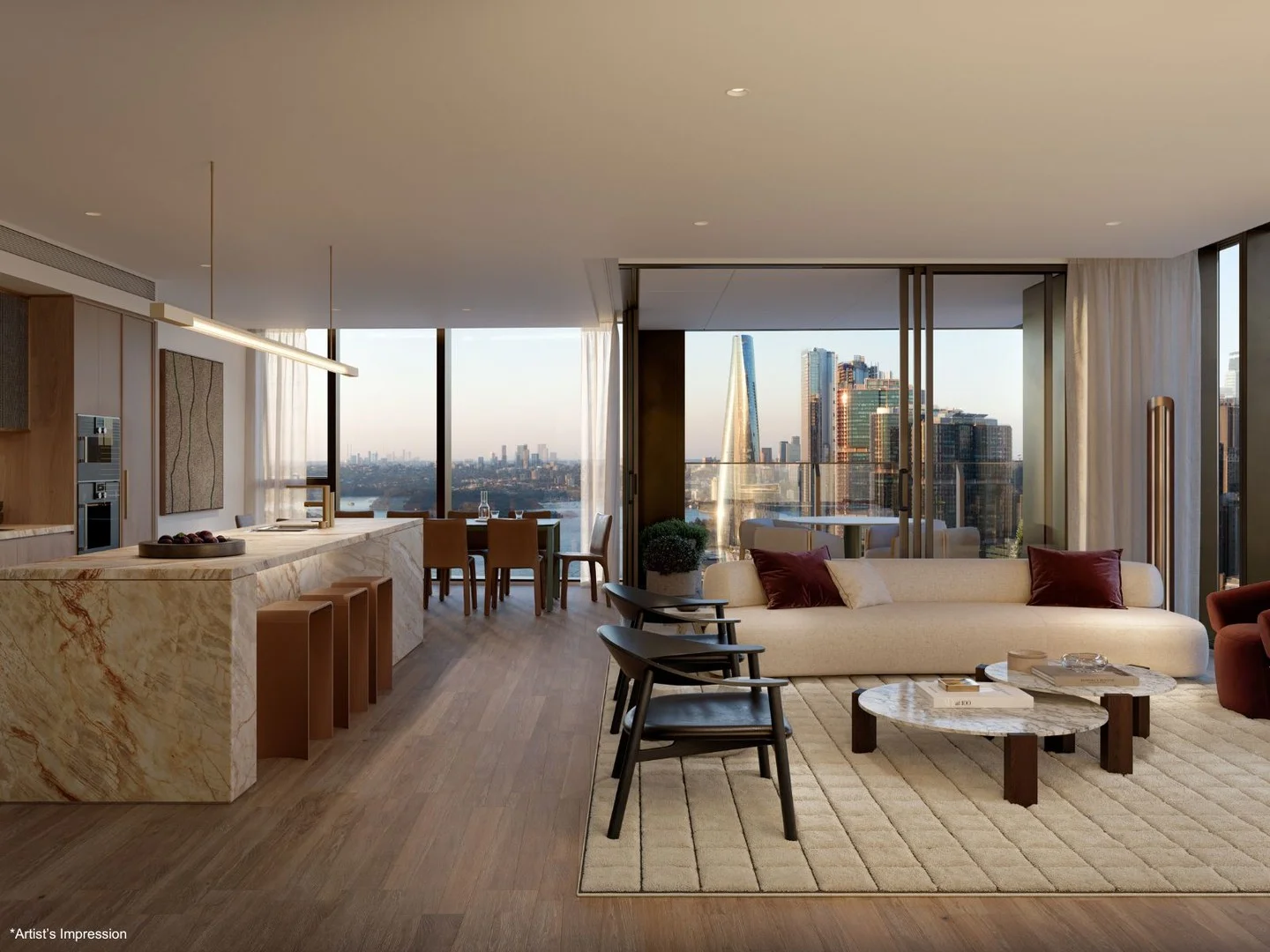 $12,980,000
propertyType.NEW APARTMENTS / OFF THE PLAN
$12,980,000
propertyType.NEW APARTMENTS / OFF THE PLAN
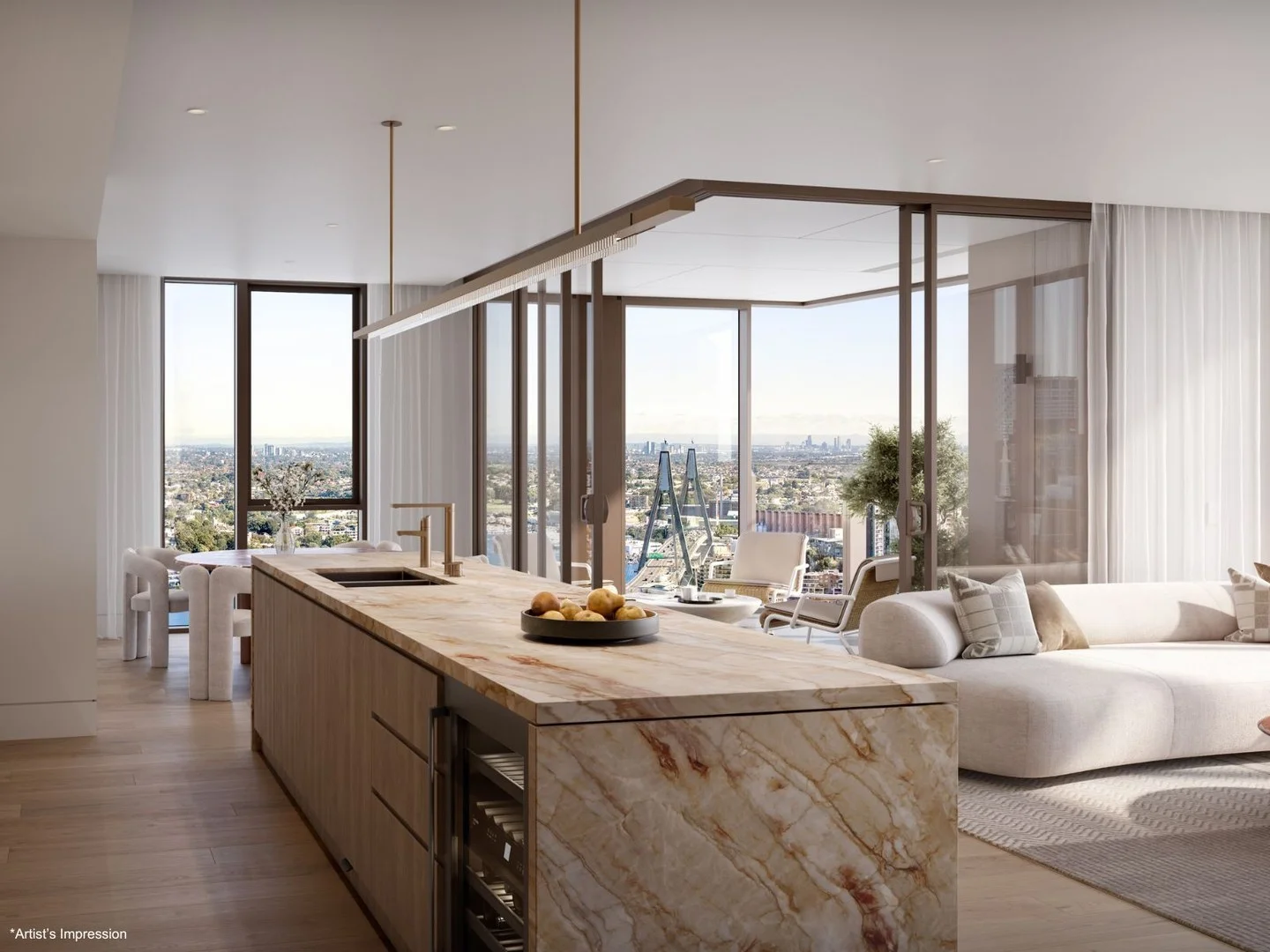 $9,020,000
propertyType.NEW APARTMENTS / OFF THE PLAN
$9,020,000
propertyType.NEW APARTMENTS / OFF THE PLAN
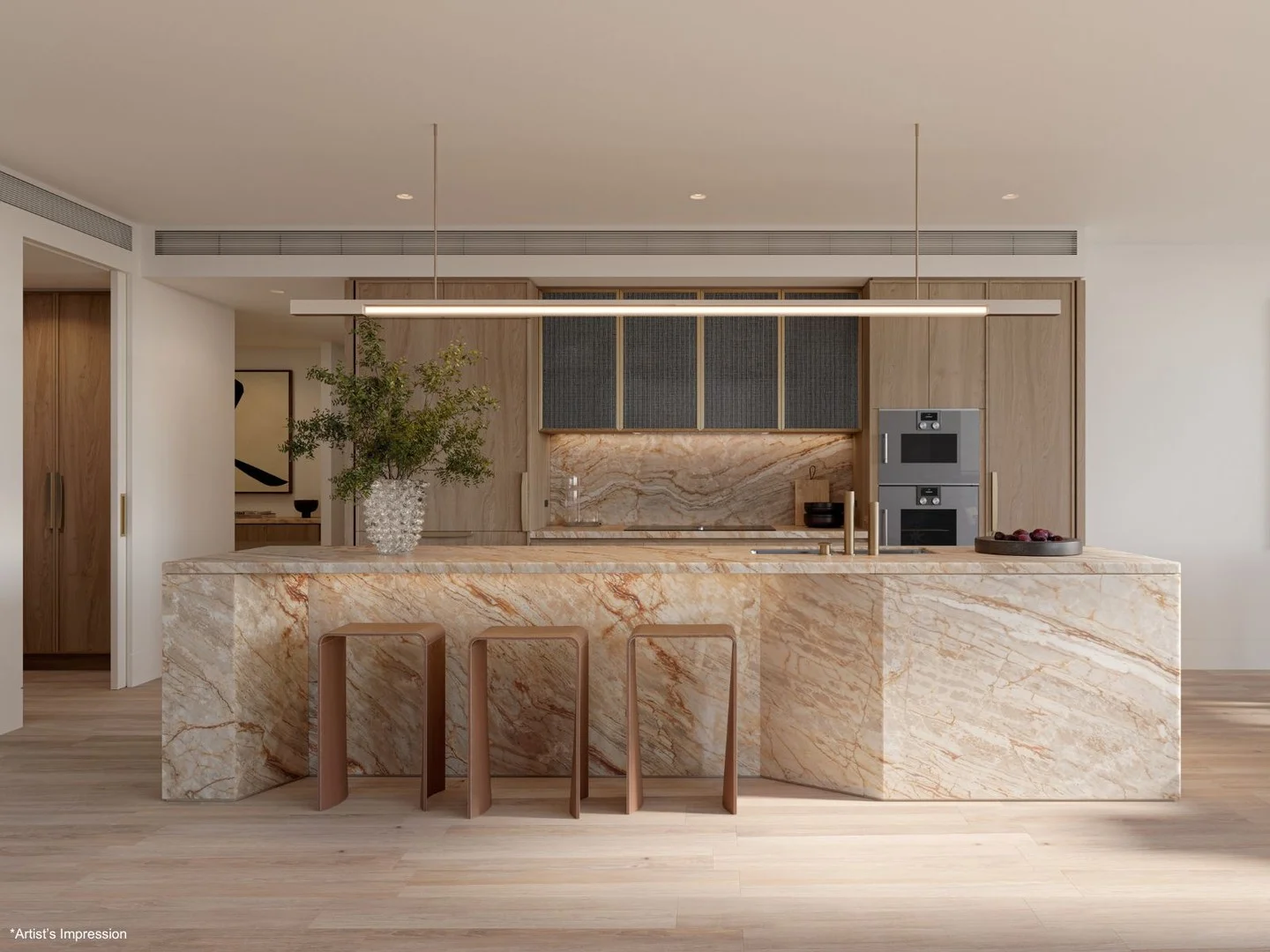 $6,225,000
propertyType.NEW APARTMENTS / OFF THE PLAN
$6,225,000
propertyType.NEW APARTMENTS / OFF THE PLAN
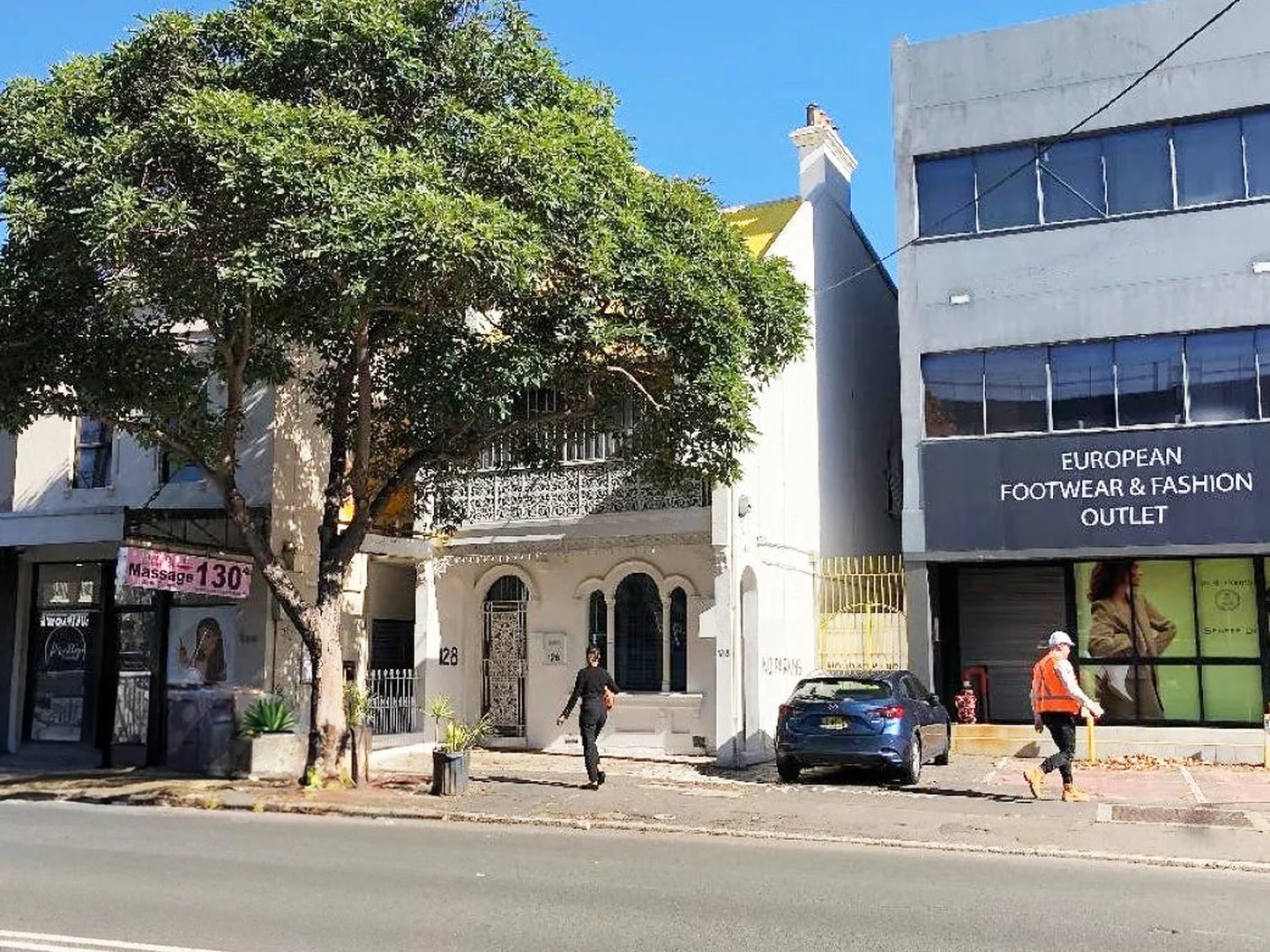 $3,900,000
House
$3,900,000
House
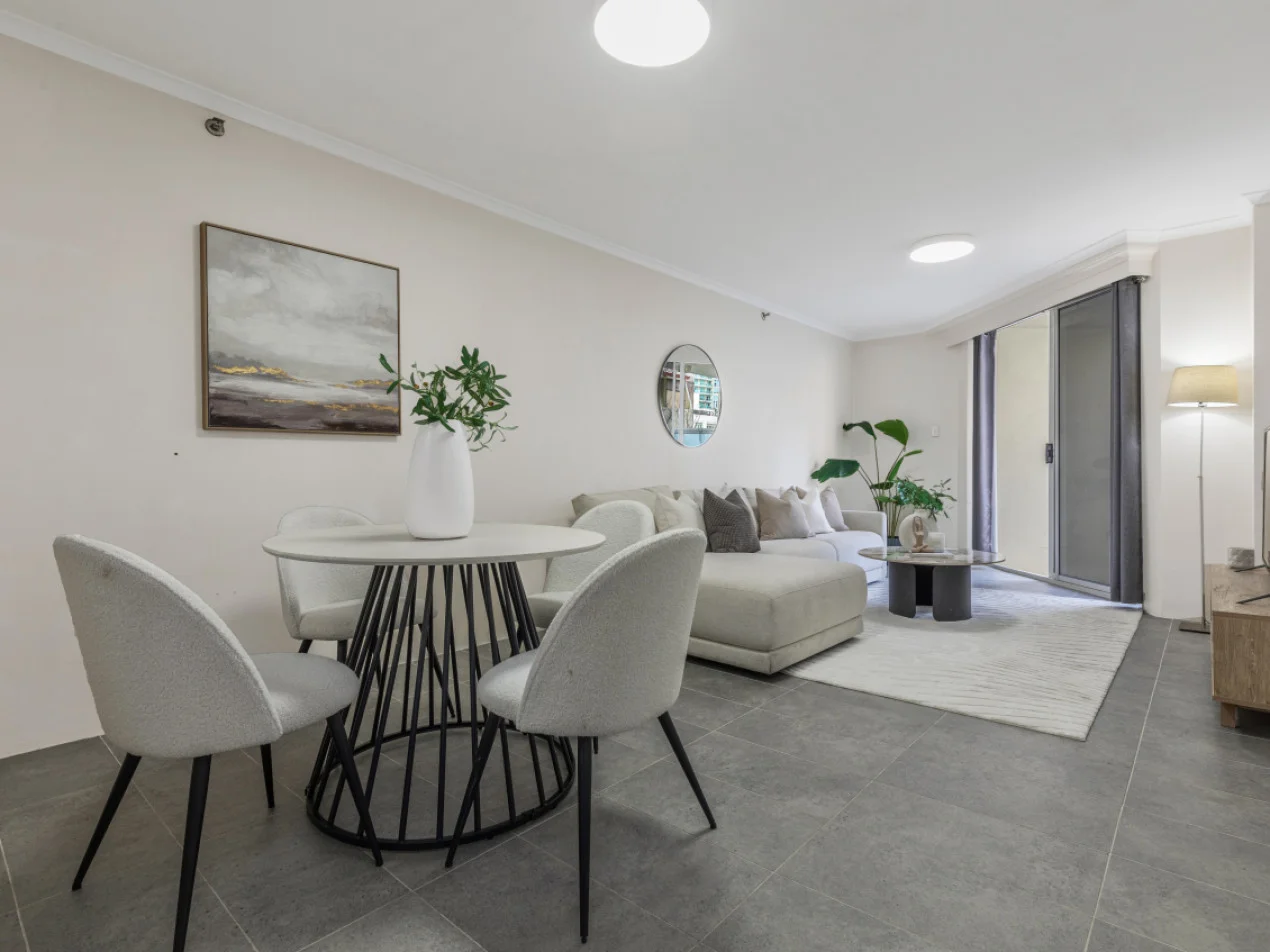 $640,000 - $675,000
Apartment / Unit / Flat
$640,000 - $675,000
Apartment / Unit / Flat
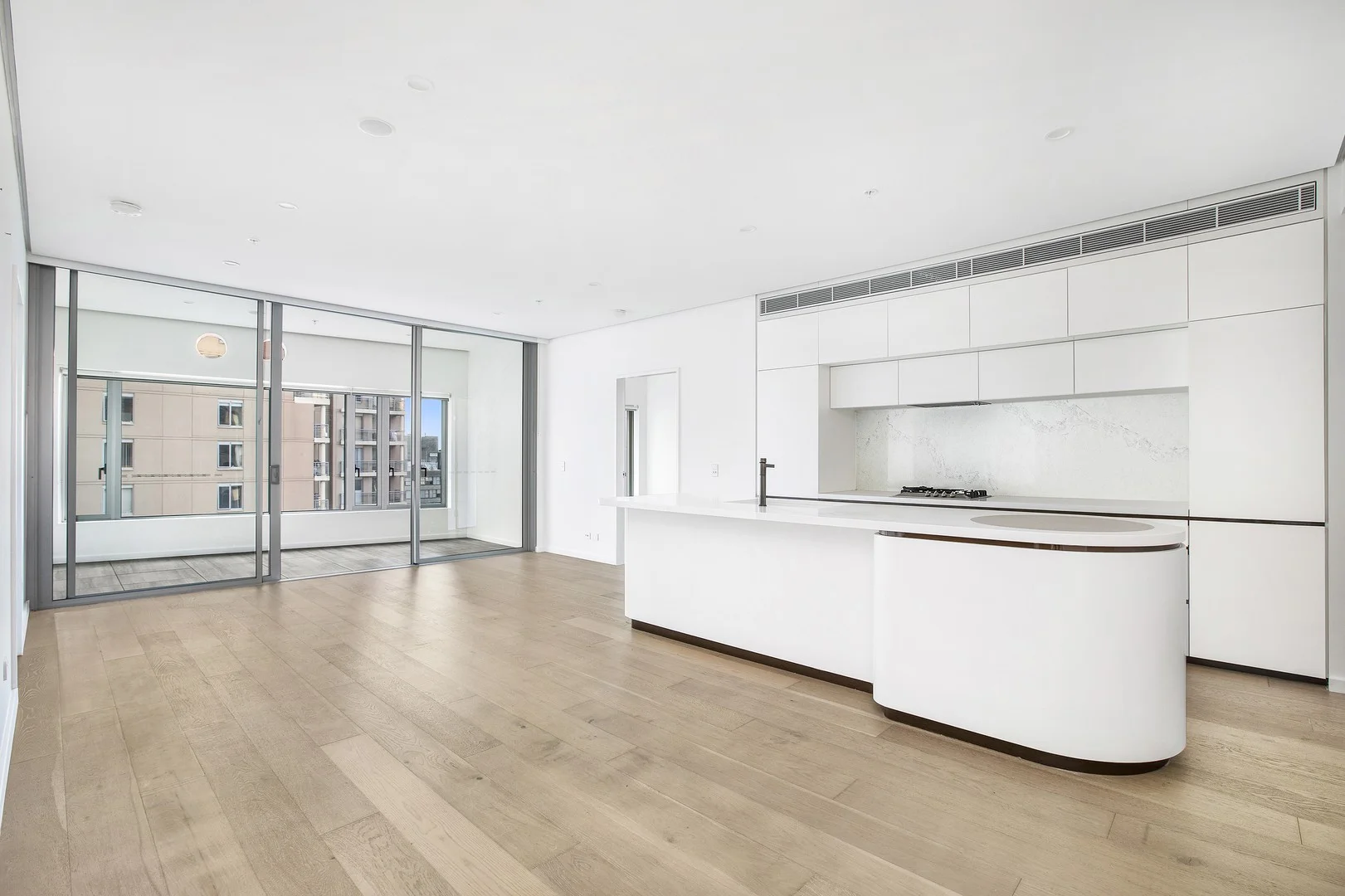 $2,250,000
Apartment / Unit / Flat
$2,250,000
Apartment / Unit / Flat
 $660,000 - $725,000
Apartment / Unit / Flat
$660,000 - $725,000
Apartment / Unit / Flat


