Overview
## 1. Overview
Santa Sabina College Strathfield is an independent Catholic girls’ school offering a values-driven education from the early years through to Year 12. The college emphasises academic achievement, faith-based formation, and service to the community within a caring, inclusive environment.
- School type: Independent Catholic girls’ school
- School size: Medium to large (cohesive K–12 community with a broad range of year levels)
- Class size: Typically around mid-teens per class in primary and early secondary years; secondary classes often in the low 20s, with smaller groups for core subject areas
- Atmosphere/culture: Nurturing, academically focused, inclusive, with strong pastoral care and a commitment to leadership and service
## 2. Academics & Learning
Santa Sabina College supports rigorous learning across the curriculum with strong engagement in both academics and personal development.
- Academic strengths: English, STEM, leadership development, and modern languages; robust HSC preparation with a broad subject offering
- Special programs: Gifted and Talented/accelerated learning options; opportunities for extended study in senior years; well-developed English as an Additional Language (EAL) support
- NAPLAN trends: Historically above state averages with constructive progress in reading and writing; numeracy trends show consistency; overall positive trajectory in higher bands over recent years
- Student-teacher ratios: Generally favorable, with smaller class sizes in the primary years and dedicated teachers in the senior years; typical ratios around 1:10–1:15 in many classes
- Support for diverse learners: EAL support, learning support/senior learning support coordinators, and inclusive education approaches to help students with diverse needs
## 3. Sports & Extracurricular Strengths
A key consideration for many families, with a broad range of activities and competitive opportunities.
- Sports offered: Netball, basketball, soccer, tennis, cricket, athletics, swimming, and other school-wide sports programs
- Strong teams or achievements: Active participation in regional and inter-school competitions; regular finals appearances in various sports at CIS/ICAS levels
- Music, arts, drama programs: Comprehensive performing arts program including ensembles, choirs, and drama productions; strong participation in music exams and concerts
- Clubs: Robotics, coding, chess, debating, environmental/sustainability clubs, and other student-led interest groups
- Partnerships: Inter-school competitions and collaborations with local clubs and arts/creative programs to broaden opportunities
## 4. Wellbeing & Pastoral Care
Pastoral care is a central pillar, supporting students’ wellbeing and personal development.
- Anti-bullying approach: Clear anti-bullying policies, regular wellbeing checks, student-led mentoring and awareness initiatives
- House system: House structure supports belonging, pastoral care, and friendly competition; promotes teamwork and leadership among students
- Counsellors / wellbeing officers: Dedicated school counsellors and wellbeing staff available to provide confidential support
- Transition support for new students: Orientation programs, buddy systems, and structured transition activities to help new entrants settle in
## 5. Facilities
Facilities are designed to support a wide range of learning and activity experiences.
- Sports grounds: Multiple playing fields, courts, and outdoor spaces for PE and athletics
- Libraries: Well-equipped library services with study spaces and resources
- Science labs: Modern science laboratories for chemistry, biology, and physics practicals
- Music/performing arts centers: Dedicated spaces for rehearsals, ensembles, and performances
- Tech/innovation labs: Makerspaces and ICT/STEAM facilities to support coding, robotics, and digital projects
- Cafeteria: On-site dining facilities offering a range of healthy meal options
- Updated playgrounds: Age-appropriate, secure outdoor play areas and breakout spaces
## 6. School Values & Community Culture
The school’s ethos and community culture shape daily life and student development.
- School values / mission: Catholic values of compassion, integrity, service, and respect; emphasis on social justice and community engagement
- Leadership style: Collaborative leadership with student voice through committees and representative structures; emphasis on responsibility and service
- Behaviour expectations: Clear codes of conduct, positive behaviour policies, and restorative approaches to discipline
- Community reputation: Strong ties with families and alumni; active parent and community involvement
- Diversity & inclusion: Inclusive environment that welcomes diverse backgrounds and supports a range of learner needs
## 7. School Logistics & Daily Operations
Practical info to help families plan around a school day.
- School hours: Typical day runs from morning to mid-afternoon with variations by year level
- Before/after school care: On-campus or partner-supported OSHC/after-school care options available
- Uniform requirements: Standard uniform with summer and winter options; specifics provided by the school
- Transport: Accessible via local transport networks; proximity to Strathfield and surrounding areas; bus routes and parent drop-off/pick-up options available
- Canteen availability: On-site canteen or café-style options offering healthy meals
- Fees: Fees fall in the mid-to-high range for NSW independent schools; exact amounts vary by year level and program; financial arrangements and scholarships may be available
## 8. Enrolment & Admissions
What you need to know to apply and secure a place.
11. What is the enrolment process and timeline?
- Submit a complete online application with required documents (birth certificate, baptism/school census details if applicable, prior reports)
- Attend information evenings or open days as offered
- Participate in an interview and/or assessment tasks appropriate to year level
- Receive an offer of admission if a place is available
- Accept the offer, pay any acceptance deposit, and complete joining paperwork
- Prepare for orientation and welcome activities prior to starting
12. Is there a waiting list, and how does it work?
- There is typically a waiting list when demand exceeds places; prioritisation may include sibling preference, Catholic affiliation, and demonstrated fit with the school’s values; wait times vary by year level and intake year
13. Are there any entry requirements, tests, or interviews?
- Yes. Entry usually involves an interview and may include a short assessment or tasks related to the applicant’s age and year level; Catholic identity may be considered as part of the process; documentation and references are commonly required
14. Does the school accept mid-year transfers?
- Yes, subject to vacancies and a smooth transition plan; mid-year transfers require timely application, assessment of current reports, and coordination with the current school for transcripts and transfer notes
## 9. Frequently Asked Questions
Concise answers to common questions families ask.
- Why Parents Choose This School?
- A values-based, girl-focused education with strong academics, pastoral care, and a thriving community culture
- What type of student thrives at this school?
- Students who value academic challenge, collaborative learning, faith-based formation, and active participation in sports, arts, and service
- What opportunities are available for students to extend their skills (academics, sports, arts)?
- Advanced or gifted programs, leadership opportunities, regional and inter-school competitions, diverse clubs, arts productions, and sports teams
- How does the school communicate with parents?
- Regular newsletters, parent-teacher meetings, online portals for grades and updates, and targeted communications from pastoral and wellbeing staff
- What is the school’s approach to teaching and learning?
- Inquiry-based, student-centered approaches within a Catholic framework; emphasis on critical thinking, resilience, and real-world application
- How does the school support students who need extra academic help?
- Dedicated learning support staff, EAL services, targeted literacy/numeracy programs, and differentiated instruction within classes
- What support is available for academic challenges?
- Access to tutoring or small-group support; collaboration between teachers, counsellors, and parents to tailor strategies
- How does the school communicate with parents? (Note: see above)
- What are the class sizes and how much individual attention do students receive?
- Class sizes are generally in the 20s, with smaller group instruction in key subject areas and targeted teacher support
- What extracurricular and sports opportunities are available?
- A wide range of sports, music and drama programs, robotics, coding, debating, and other clubs
- What facilities does the school offer (sports, science, arts)?
- Comprehensive facilities including sports grounds, libraries, science labs, performing arts spaces, and technology/innovation labs
- What is the school’s approach to technology and digital learning?
- Integrated ICT across the curriculum; emphasis on digital literacy, coding, and safe, responsible use of technology
- What transport and accessibility options are available?
- Local transport connections and school-arranged options; proximity to train stations and bus routes; access for families across the catchment
- What are the typical school fees or additional costs?
- Fees are mid-to-high for NSW independent schools; additional costs may include uniforms, activity fees, camp/field trips, and elective materials
## 10. Short Pros & Cons list
A quick snapshot to help families compare options.
- Pros
- Strong academic program with supportive learning environment
- Comprehensive wellbeing and pastoral care
- Broad extracurriculars across sport, arts, and clubs
- Modern facilities and a Catholic values-driven culture
- Active parent and community engagement
- Cons
- Higher tuition compared with public options
- Religious affiliation may not suit every family
- Competitive intake can lead to waitlists for popular year levels
- Large school size can mean fewer spots for individual programs in peak years
If you’d like, I can tailor these sections with more specific language or adjust the emphasis to match particular parental concerns or age groups you’re targeting.










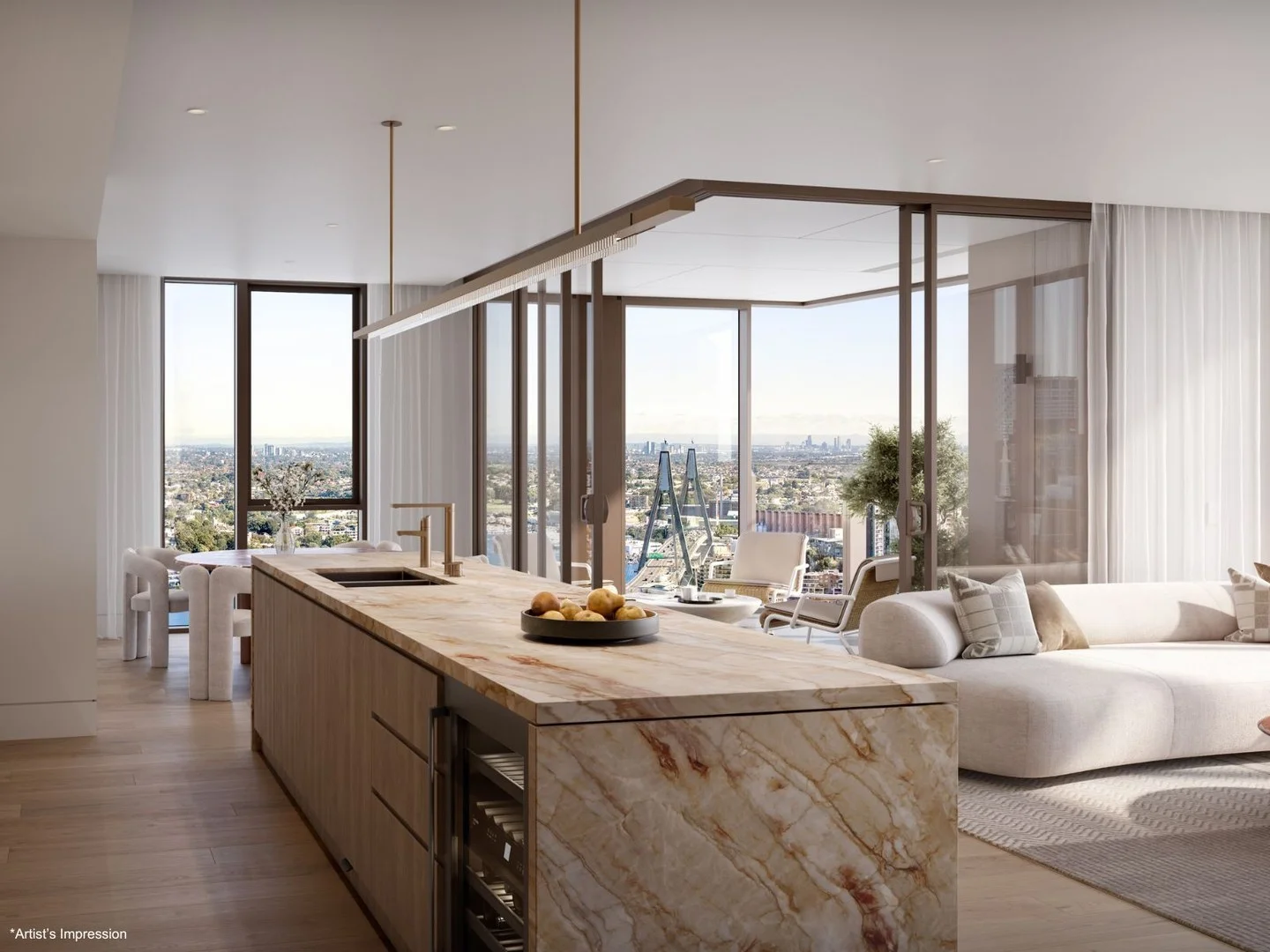 $9,020,000
propertyType.NEW APARTMENTS / OFF THE PLAN
$9,020,000
propertyType.NEW APARTMENTS / OFF THE PLAN
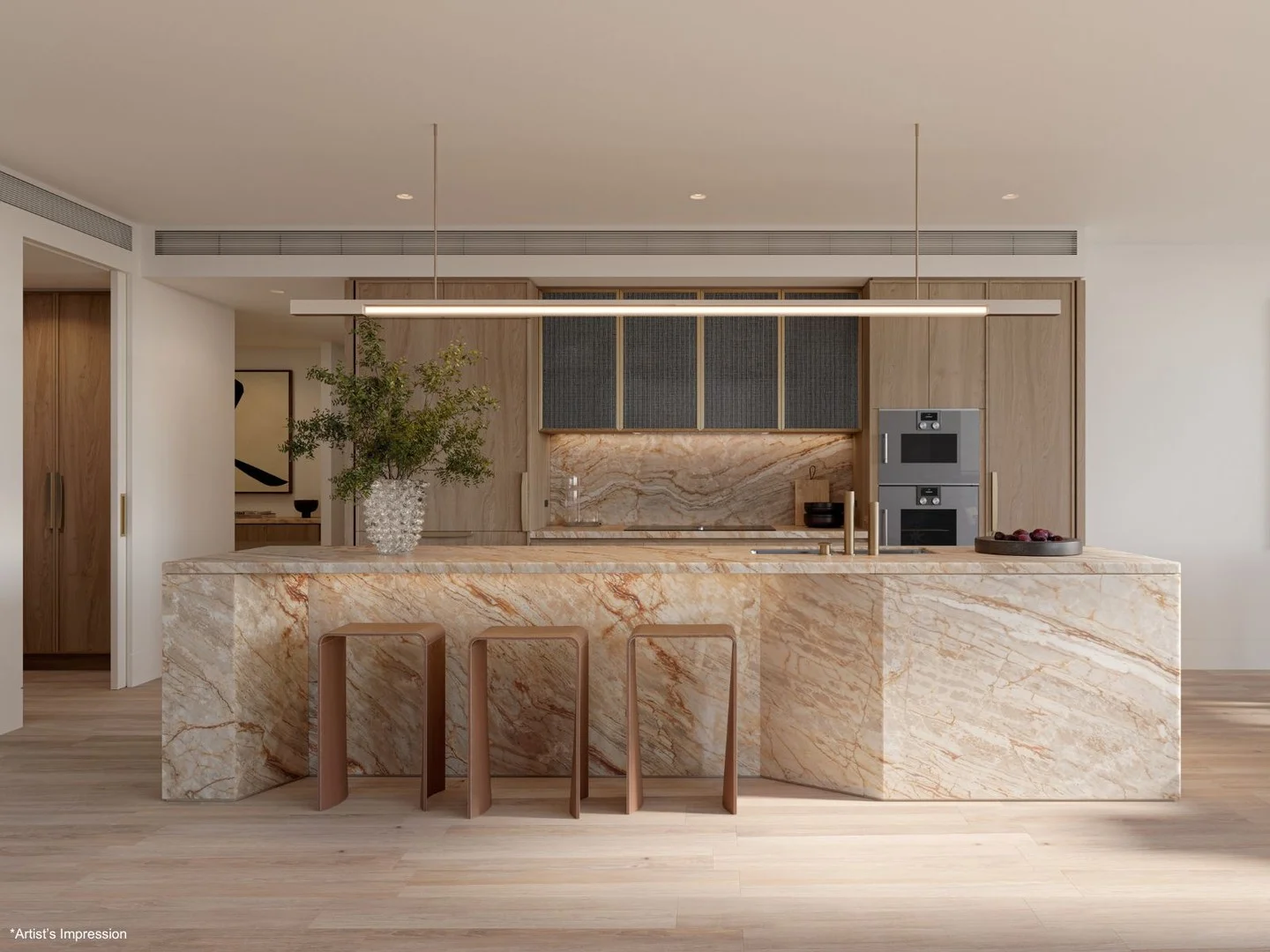 $6,225,000
propertyType.NEW APARTMENTS / OFF THE PLAN
$6,225,000
propertyType.NEW APARTMENTS / OFF THE PLAN
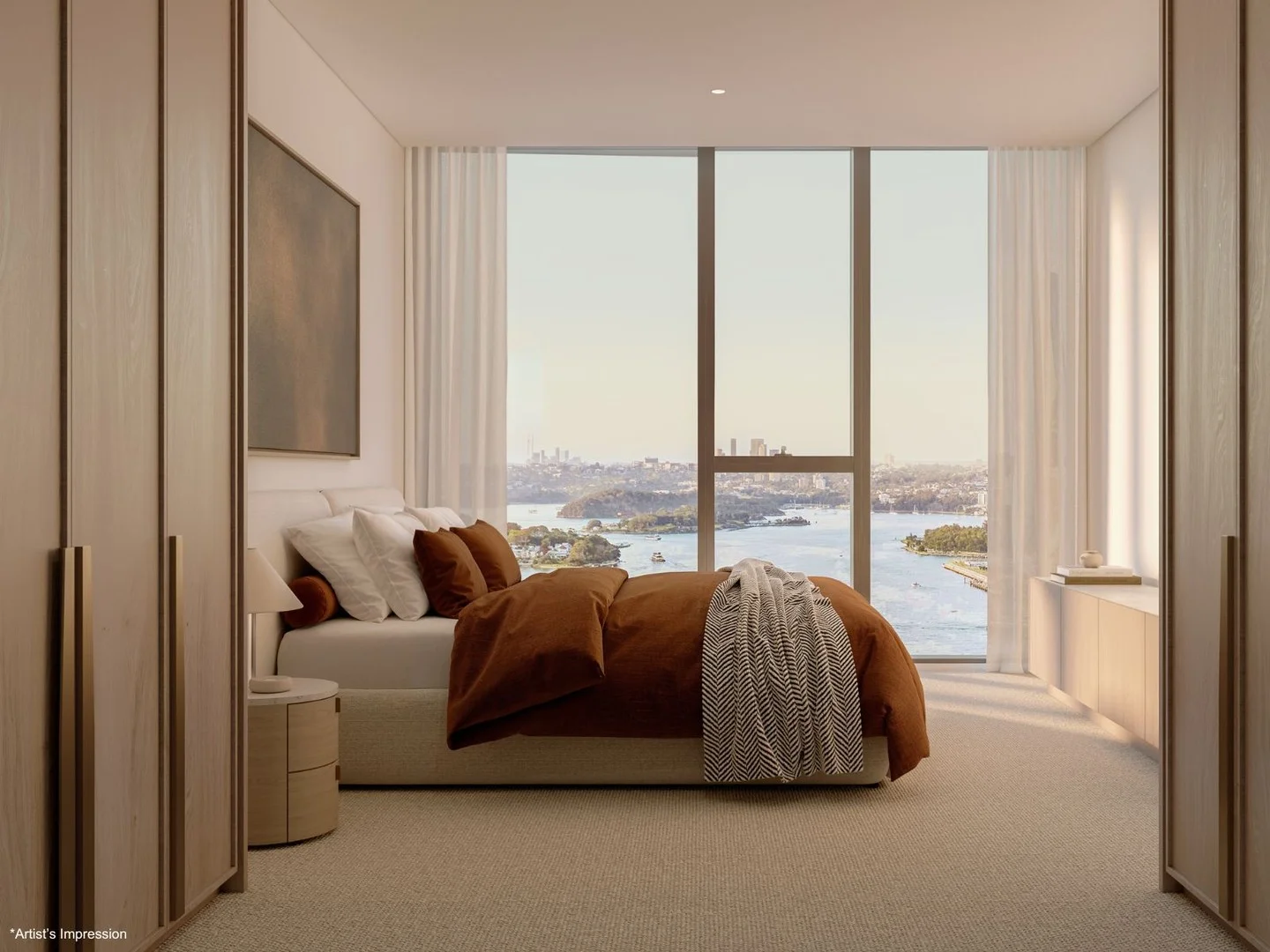 $8,630,000
propertyType.NEW APARTMENTS / OFF THE PLAN
$8,630,000
propertyType.NEW APARTMENTS / OFF THE PLAN
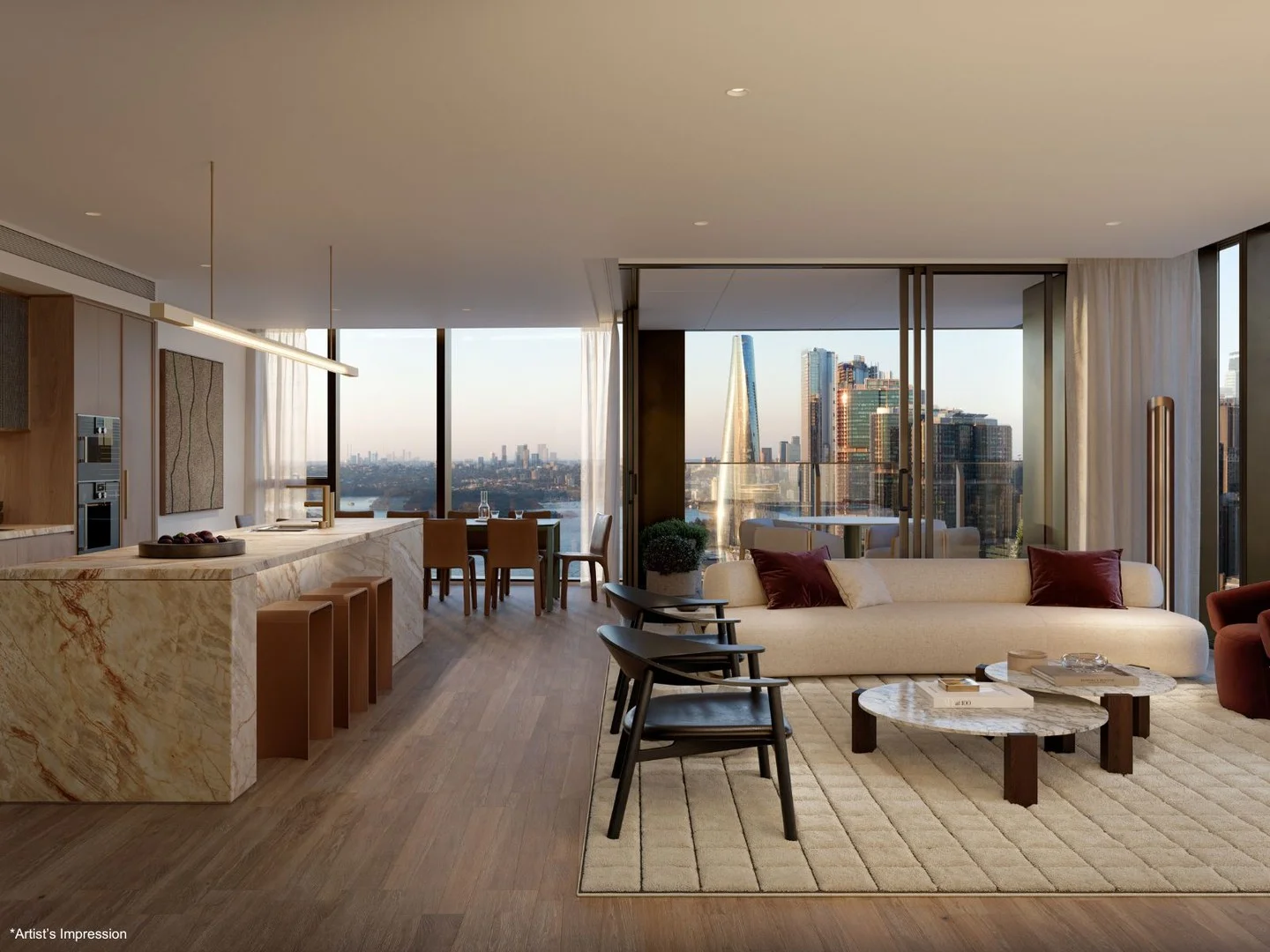 $12,980,000
propertyType.NEW APARTMENTS / OFF THE PLAN
$12,980,000
propertyType.NEW APARTMENTS / OFF THE PLAN
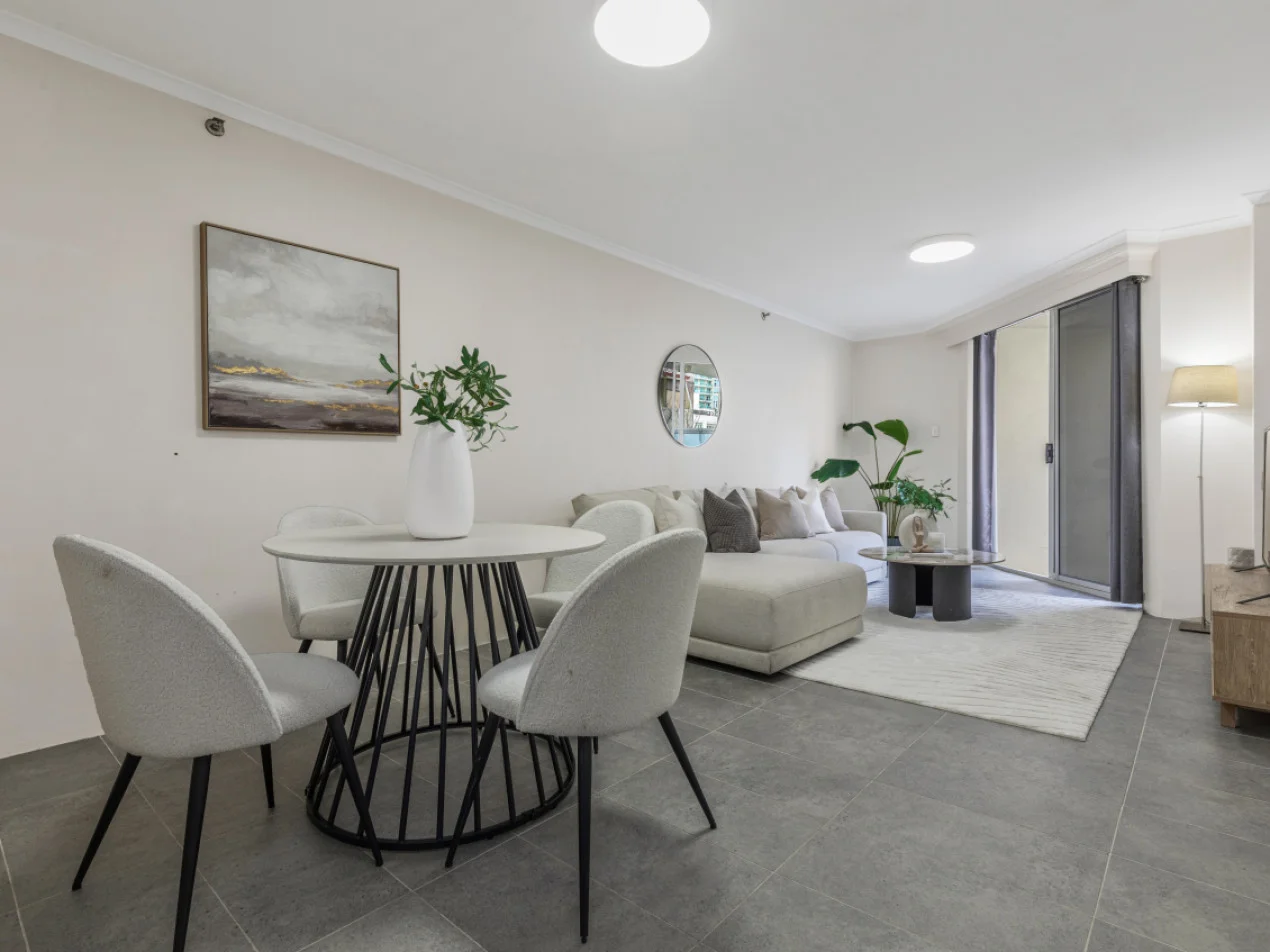 $640,000 - $675,000
Apartment / Unit / Flat
$640,000 - $675,000
Apartment / Unit / Flat
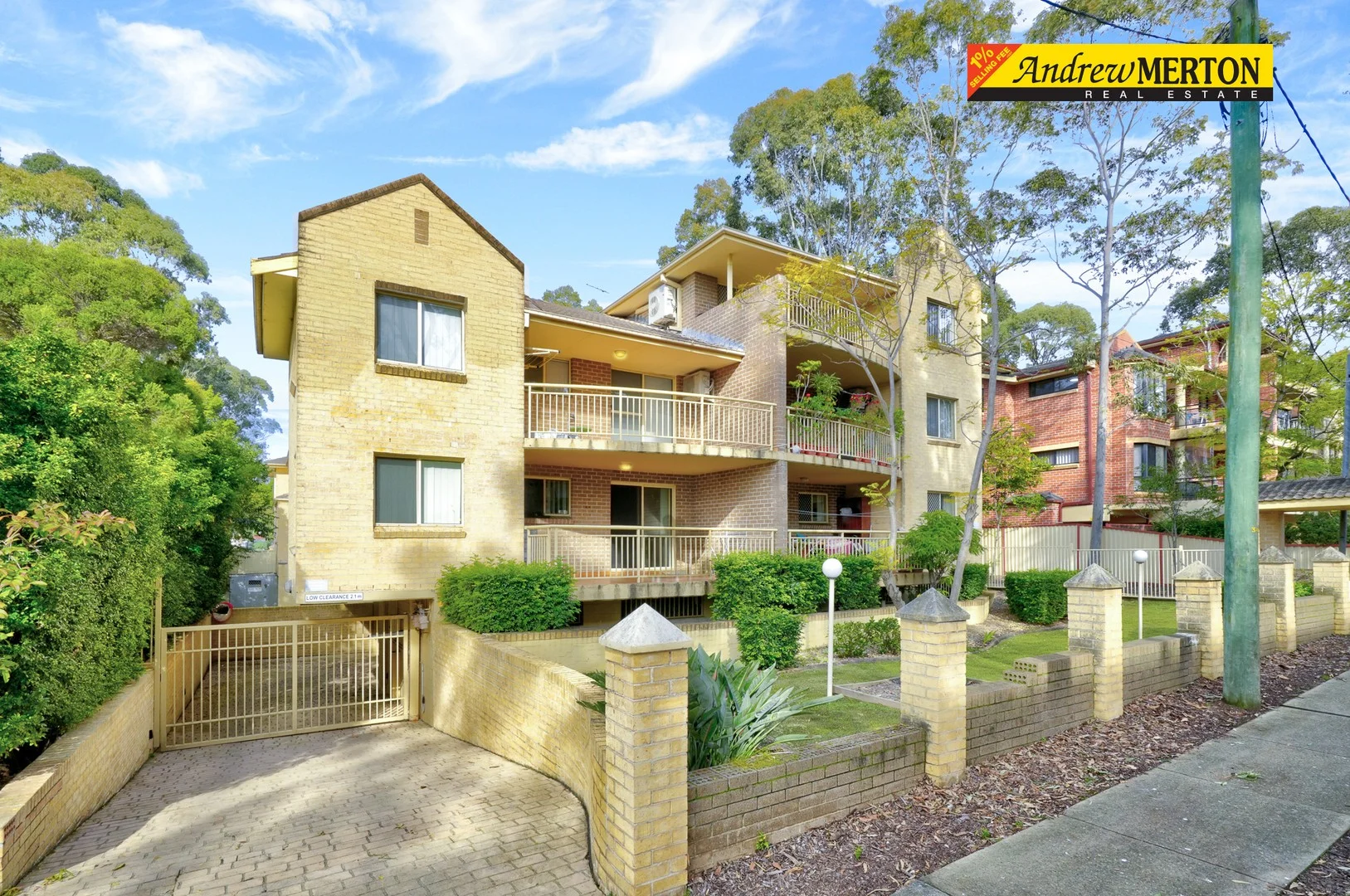 $530,000
Apartment / Unit / Flat
$530,000
Apartment / Unit / Flat
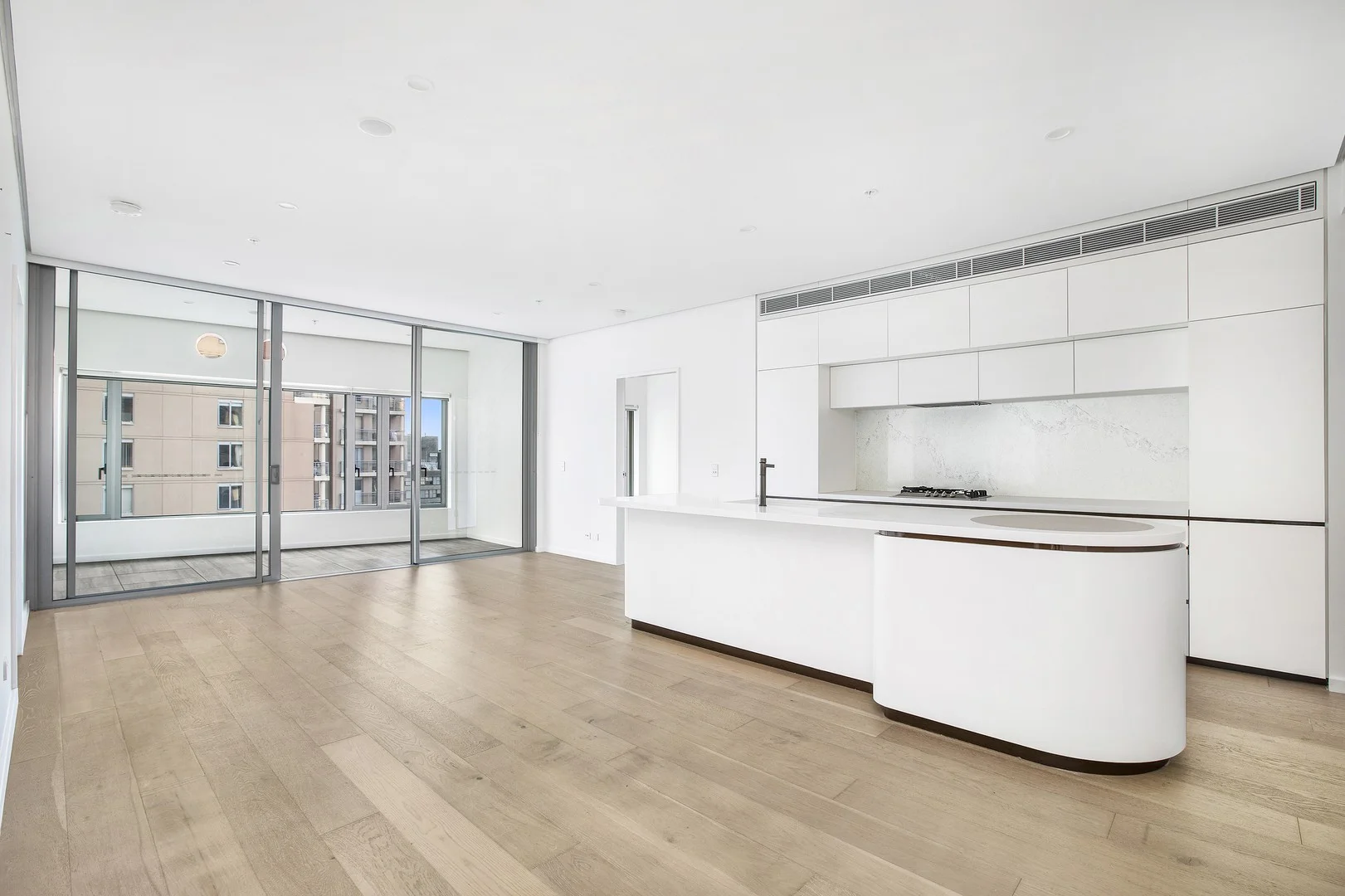 $2,250,000
Apartment / Unit / Flat
$2,250,000
Apartment / Unit / Flat
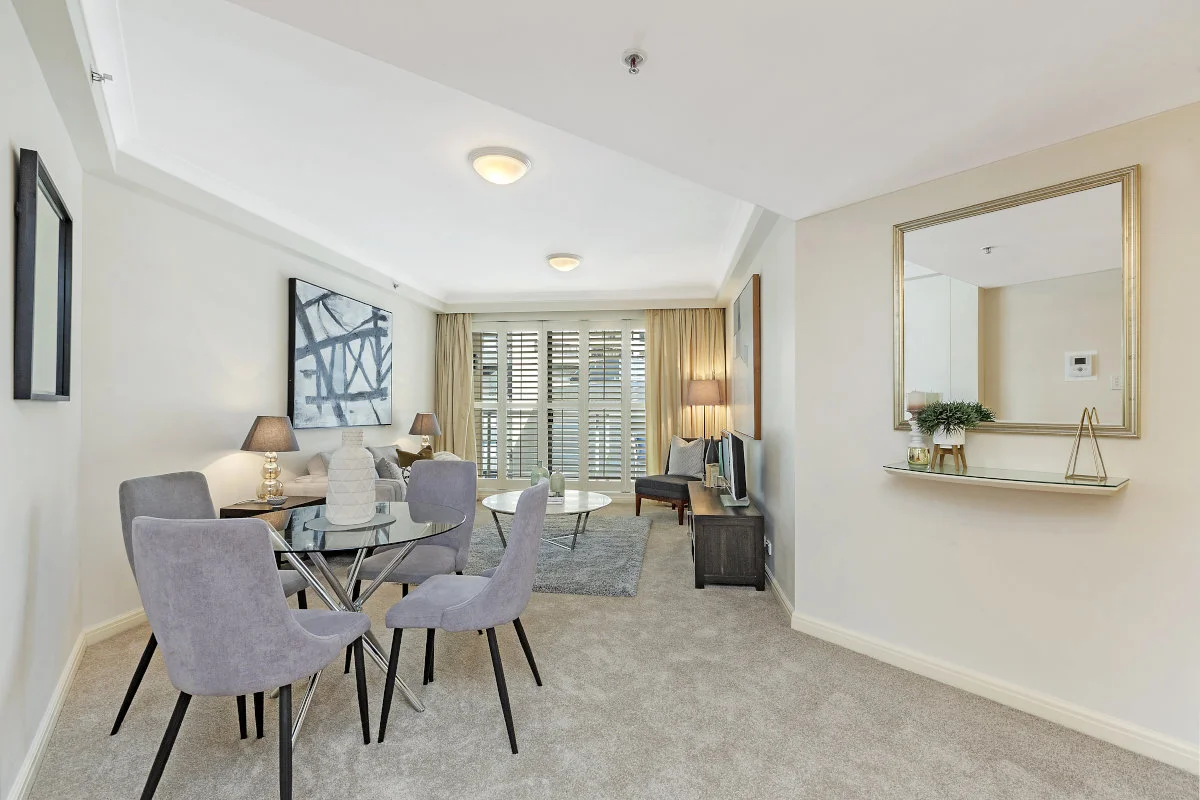 $660,000 - $725,000
Apartment / Unit / Flat
$660,000 - $725,000
Apartment / Unit / Flat
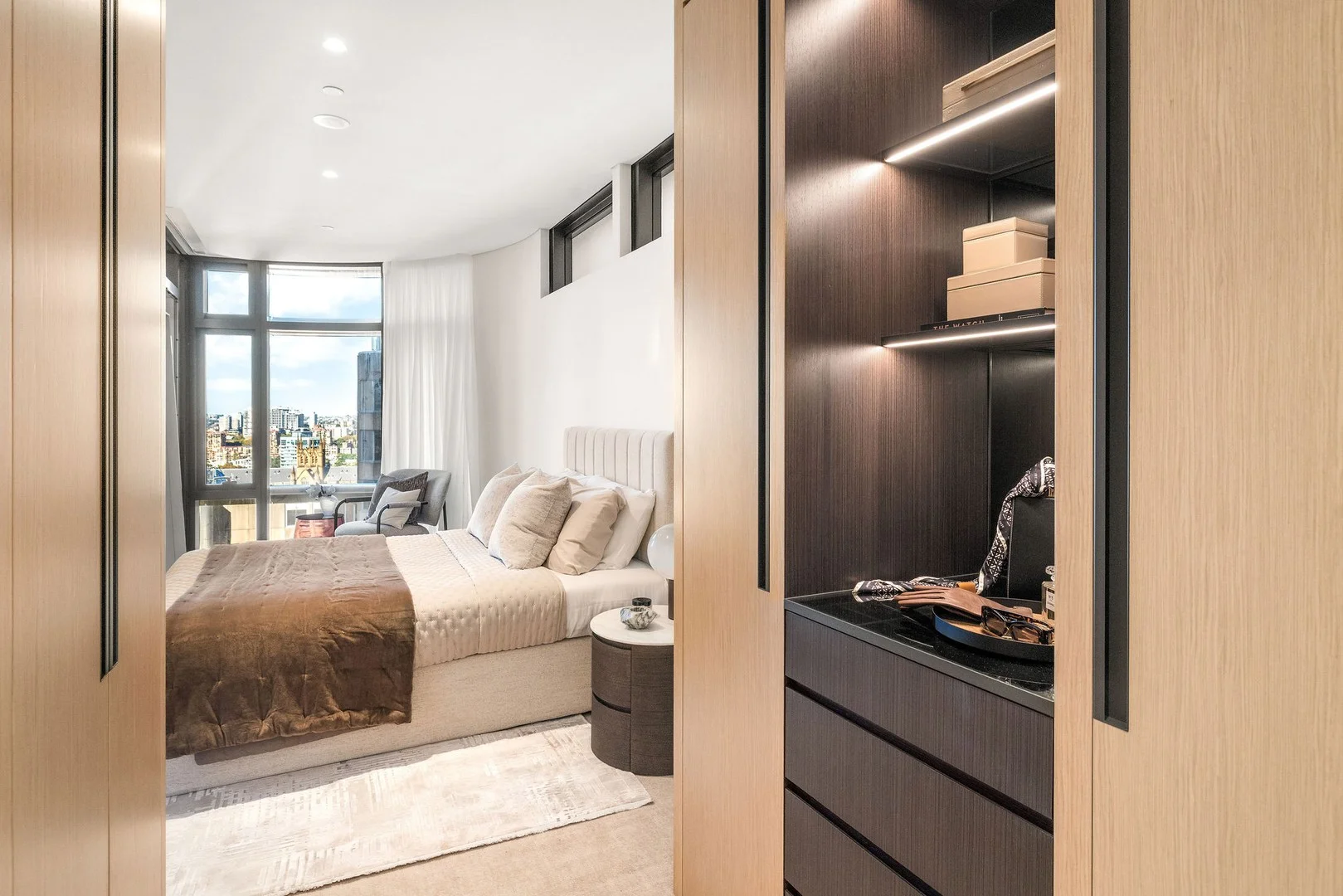 $2,745,000
propertyType.NEW APARTMENTS / OFF THE PLAN
$2,745,000
propertyType.NEW APARTMENTS / OFF THE PLAN