1. Overview
- School type: Catholic independent school
- School size: Medium
- Class size: Typically around 20–25 students per class
- Atmosphere/culture: Nurturing, inclusive, and academically oriented with a strong sense of community and pastoral care
2. Academics & Learning
- Academic strengths: English, STEM, Humanities, Languages, and Leadership development; emphasis on critical thinking and regular student-led learning opportunities
- Special programs: Pathways for extension and leadership; gifted and talented options; development opportunities across STEM, arts, and languages
- NAPLAN trends: Steady improvement or stable performance in literacy and numeracy over recent years, with strong outcomes in reading and writing
- Student-teacher ratios: Generally around 1:12 to 1:15 in core classes, enabling relatively small group support
- Support for diverse learners: Robust support for diverse learners, including EAL (English as an Additional Language) and SEN (Special Educational Needs) with targeted learning supports and inclusive practices
3. Sports & Extracurricular Strengths
- Sports offered: A broad range of ball sports, athletics, swimming, and other team-based activities
- Strong teams or achievements: Competitive participation in regional and inter-school competitions; emphasis on participation, skill development, and fair play
- Music, arts, drama programs: Active music program, choir, ensemble opportunities, and drama productions
- Clubs: Robotics, chess, coding, debating, environmental and service clubs
- Partnerships: Connections with local clubs, academies, and inter-school competitions to broaden opportunities
4. Wellbeing & Pastoral Care
- Anti-bullying approach: Clear anti-bullying policies, proactive education, and student-led wellbeing initiatives
- House system: House structure to foster belonging, leadership, and friendly competition
- Counsellors / wellbeing officers: On-site counsellors and wellbeing staff with access to external support when needed
- Transition support for new students: Orientation programs, buddy systems, and targeted transition supports to help new students acclimate
5. Facilities
- Sports grounds: On-site or nearby well-maintained facilities for practical physical education
- Libraries: Well-stocked library with digital resources and study spaces
- Science labs: Modern science laboratories for practical experiments
- Music/performing arts centers: Dedicated spaces for music and drama activities
- Tech/innovation labs: Computer labs and maker/innovation spaces for STEM and coding
- Cafeteria: On-site canteen with healthy meal options
- Updated playgrounds: Well-maintained outdoor play and social spaces
- Chapel or spiritual spaces: Reserved areas for reflection and prayer in line with Catholic tradition
6. School Values & Community Culture
- School values / mission: Education rooted in Catholic values of compassion, service, respect, integrity, and excellence
- Leadership style: Collaborative leadership with student voice through prefects, leadership teams, and peer mentoring
- Behaviour expectations: Consistent positive-behaviour framework emphasizing responsibility, respect, and community
- Community reputation: Well-regarded for a welcoming, supportive, and values-driven community
- Diversity & inclusion: Inclusive culture with support for families from diverse backgrounds
7. School Logistics & Daily Operations
- School hours: Typical school day generally runs from morning to mid-afternoon (specific times may vary by year level)
- Before/after school care: Available through on-site or partnered programs, subject to availability
- Uniform requirements: Formal uniform policy with seasonal options (summer/winter) as per school guidelines
- Transport (train/bus routes): Accessible via public transport and local bus/train routes; details provided by admissions
- Canteen availability: On-site canteen with healthy meal options
- Fees (low/medium/high ranges): Fees are in the mid-to-high range for Melbourne’s independent Catholic schools; scholarships and concessions may apply
8. Enrolment & Admissions
11. What is the enrolment process and timeline?
- Submit an online or paper application with required documentation (e.g., birth certificate, academic records, immunisation where applicable)
- Complete any school-specific steps (interviews, information sessions, or brief assessments)
- Admissions review and offer of place according to vacancies and timeline set by the school
12. Is there a waiting list, and how does it work?
- If applications exceed places, a waiting list is typically used
- Offers are made as vacancies arise, with priority given according to the school’s policy (which may include factors like year level, parish affiliation, siblings, and other criteria)
13. Are there any entry requirements, tests, or interviews?
- Possible entry requirements include an interview or information session
- Some programs may include short literacy/numeracy checks or assessments to understand needs and placement
14. Does the school accept mid-year transfers?
- Mid-year transfers may be considered, subject to vacancy and alignment with academic and pastoral programs
- If you’re considering a mid-year move, contact the admissions team to discuss availability and requirements
9. Frequently Asked Questions
- Why Parents Choose This School?
- A values-based Catholic education with a supportive, close-knit community; strong academic programs and wide-ranging extracurriculars; emphasis on wellbeing and character development.
- What type of student thrives at this school?
- Motivated students who value a faith-informed education, participate in a broad range of activities, and respond well to a supportive, inclusive learning environment.
- What opportunities are available for students to extend their skills (academics, sports, arts)?
- Extension options in core subjects, leadership opportunities, clubs (robotics, coding, debating), performing arts, and diverse sports programs; pathways through senior studies and potential acceleration where offered.
- How does the school communicate with parents?
- Regular newsletters, parent portals, scheduled parent-teacher meetings, and easy access to staff via email or via the school front office.
- What is the school’s approach to teaching and learning?
- Student-centered and differentiated instruction, emphasis on inquiry, collaboration, and the integration of technology to support learning.
- How does the school support students who need extra academic help?
- Targeted learning support, EAL and SEN programs, small-group interventions, and access to specialist staff.
- What support is available for academic challenges?
- Additional tutoring, customized learning plans, and coordinated support involving teachers, families, and support staff.
- How does the school communicate with parents? (Note: same as above)
- See above: newsletters, portals, meetings, and direct contact with teachers and administrators.
- What are the class sizes and how much individual attention do students receive?
- Class sizes are kept relatively small (around 20–25), with additional support available through learning support staff and targeted interventions.
- What extracurricular and sports opportunities are available?
- A wide range of sports (ball games, athletics, swimming), music and drama programs, robotics, chess, coding, debating, and other clubs.
- What facilities does the school offer (sports, science, arts)?
- Comprehensive facilities including sports grounds, libraries, science labs, music/performing arts spaces, tech/innovation labs, canteen, and dedicated spaces for spiritual reflection.
- What is the school’s approach to technology and digital learning?
- Integrated digital learning with appropriate technology in classrooms, computer labs, and coding/maker spaces; emphasis on digital citizenship and safe online practices.
- What transport and accessibility options are available?
- Access via local public transport routes; information on buses/trains and potential school transport options is provided during the admissions process.
- What are the typical school fees or additional costs?
- Fees fall in the mid-to-high range for Melbourne independent Catholic schools; additional costs may include uniforms, excursions, instrument hire, and elective activities; scholarships and concessions may be available.
10. Short Pros & Cons list
Pros
- Values-based Catholic education with strong pastoral care
- Supportive, inclusive community and focus on wellbeing
- Broad academics with opportunities for extension and leadership
- Wide range of sports, arts, and clubs
- Small-to-medium class sizes enabling individual attention
- Modern facilities and integrated technology
Cons
- Fees reflect independent school status (higher than public options)
- Commute to a North Melbourne location may require transport planning
- Availability of places can be limited in high-demand intake years
Note: Please confirm current details with the school’s admissions team for the most up-to-date information, as programs, policies, and facilities can change.
 Free
Free










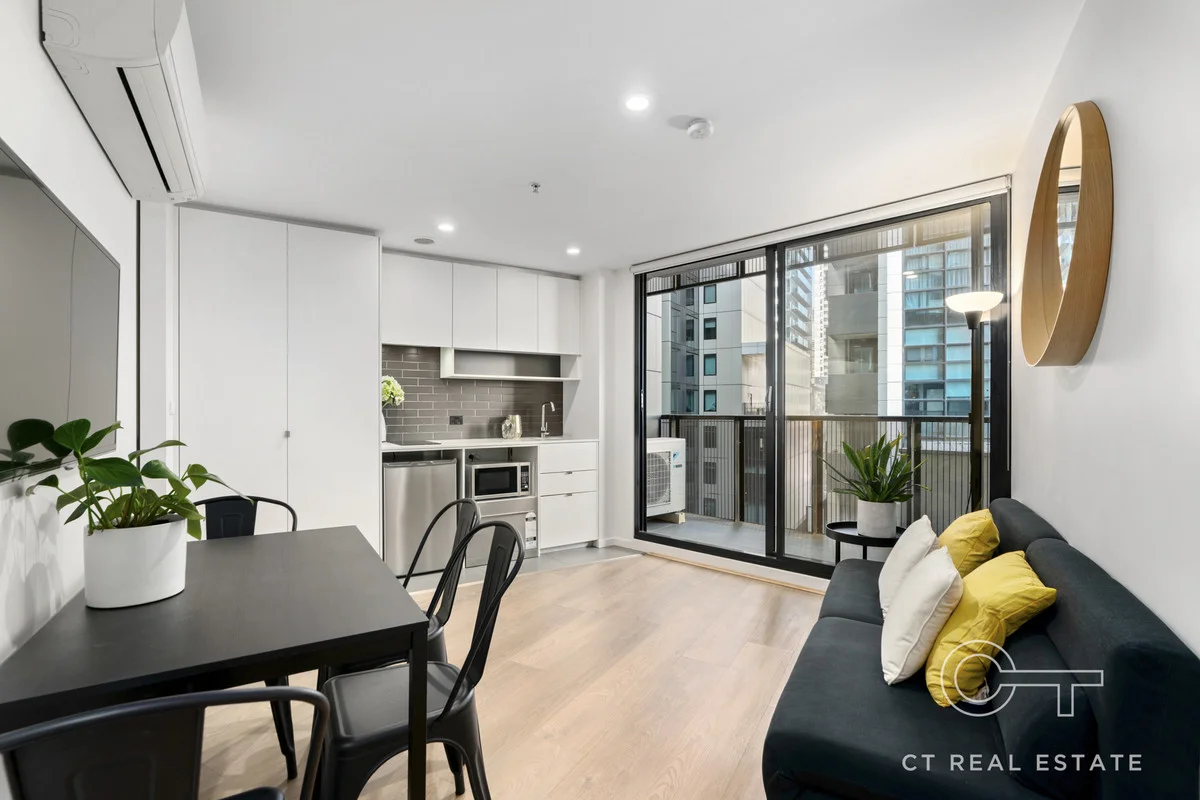 $360,000
Apartment / Unit / Flat
$360,000
Apartment / Unit / Flat
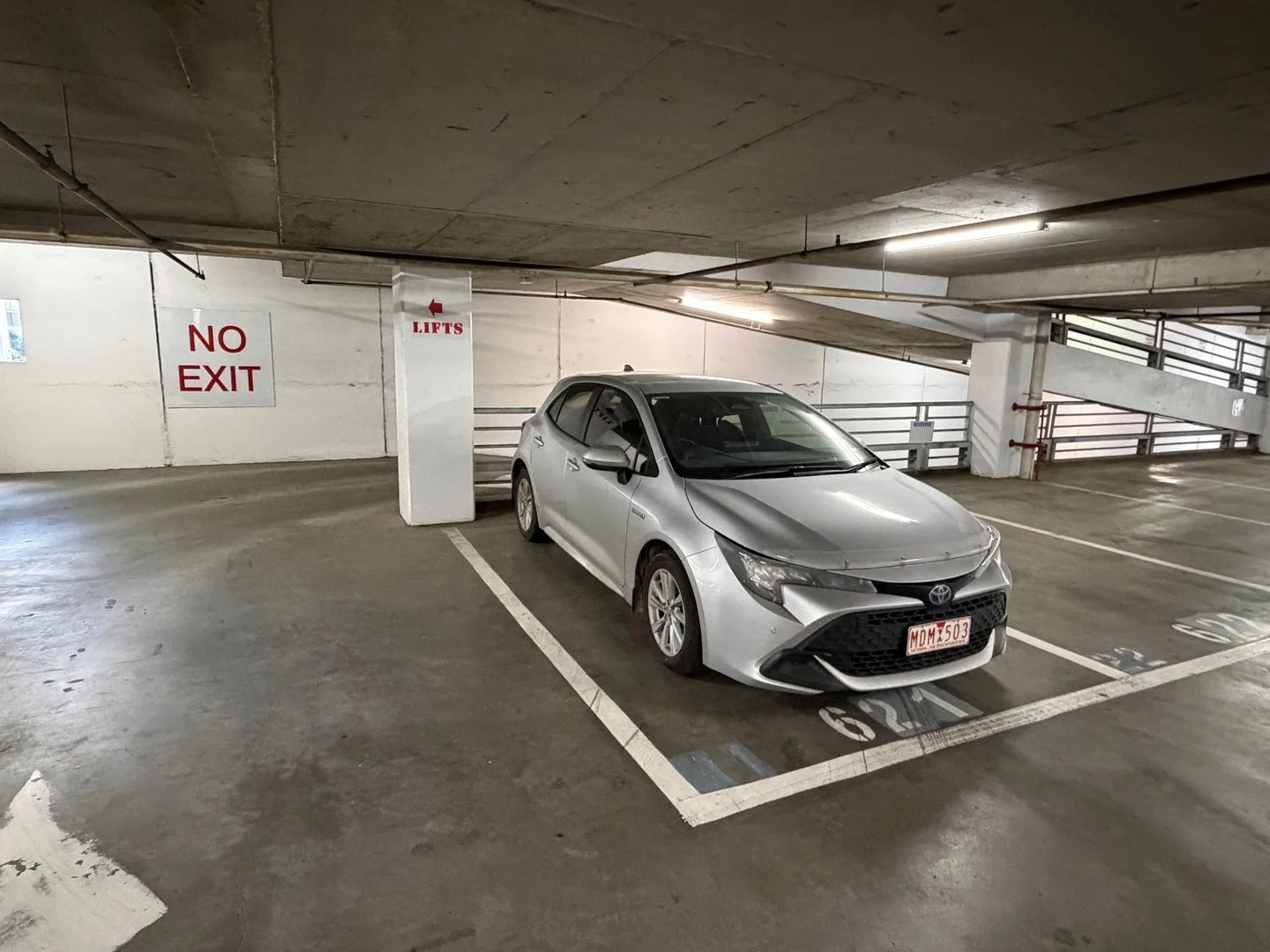 $27,500
propertyType.CAR SPACE
$27,500
propertyType.CAR SPACE
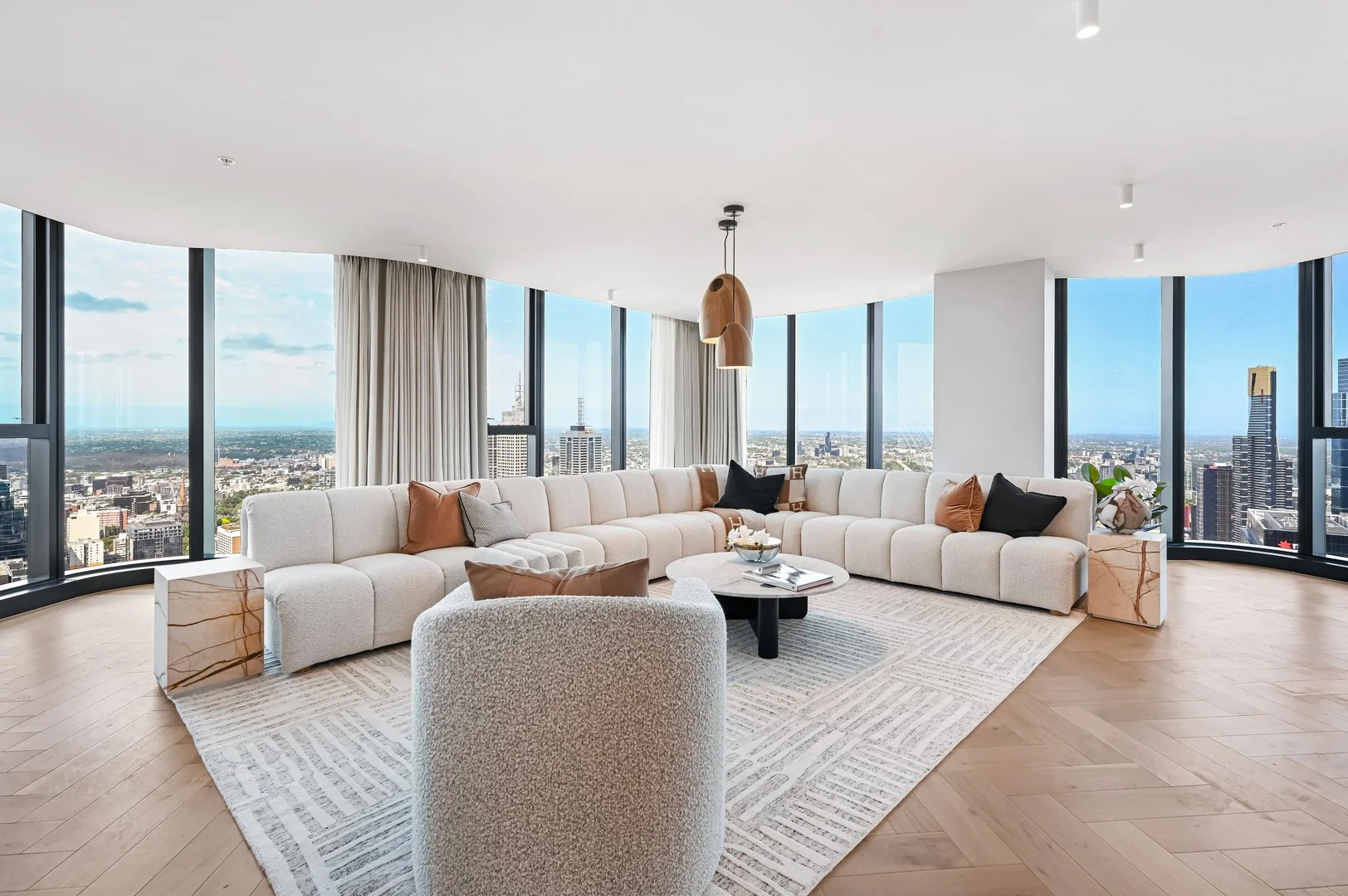 $5,512,000
propertyType.NEW APARTMENTS / OFF THE PLAN
$5,512,000
propertyType.NEW APARTMENTS / OFF THE PLAN
 $2,008,000
propertyType.NEW APARTMENTS / OFF THE PLAN
$2,008,000
propertyType.NEW APARTMENTS / OFF THE PLAN
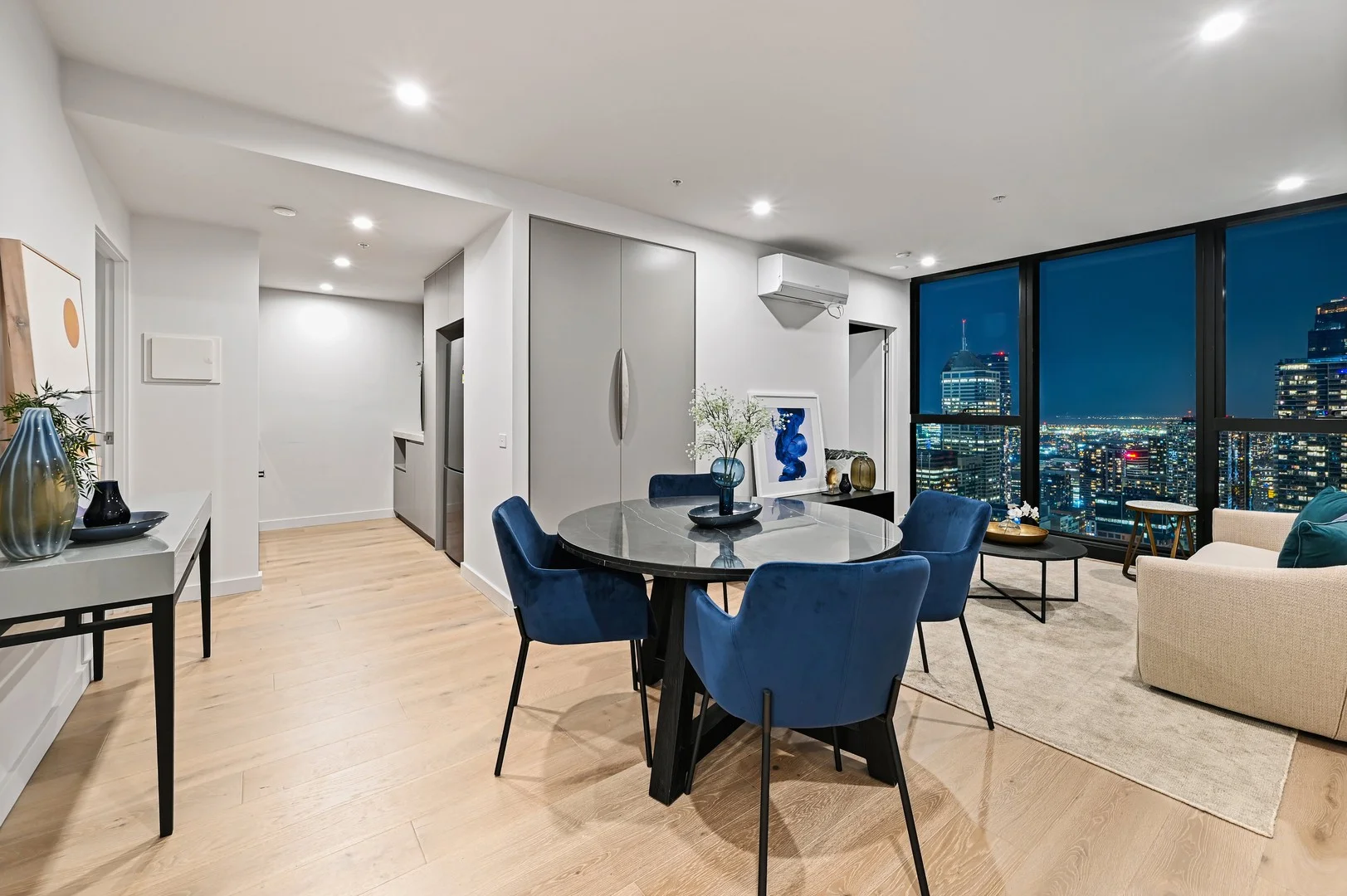 $943,000
propertyType.NEW APARTMENTS / OFF THE PLAN
$943,000
propertyType.NEW APARTMENTS / OFF THE PLAN
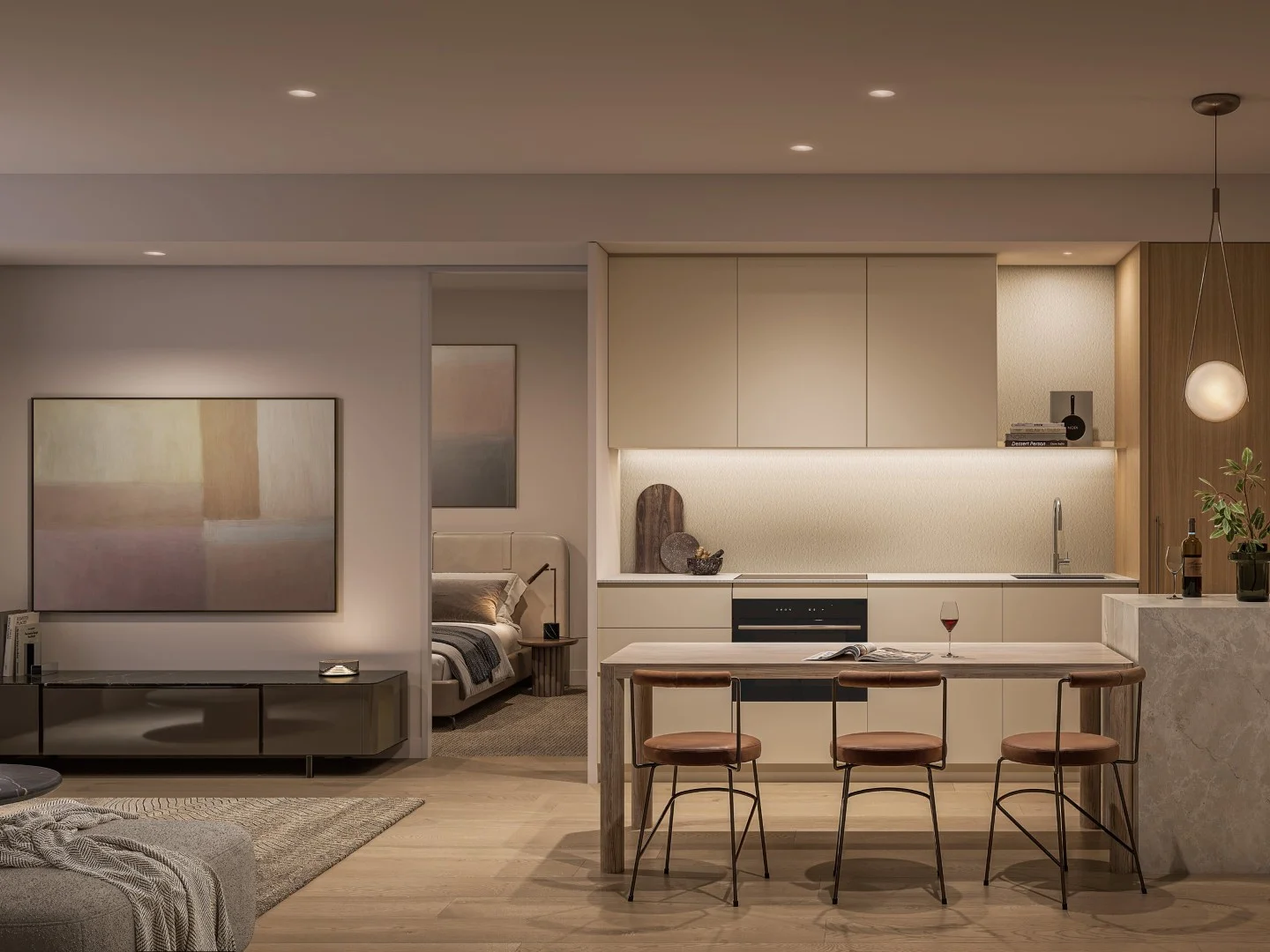 $666,000
Apartment / Unit / Flat
$666,000
Apartment / Unit / Flat
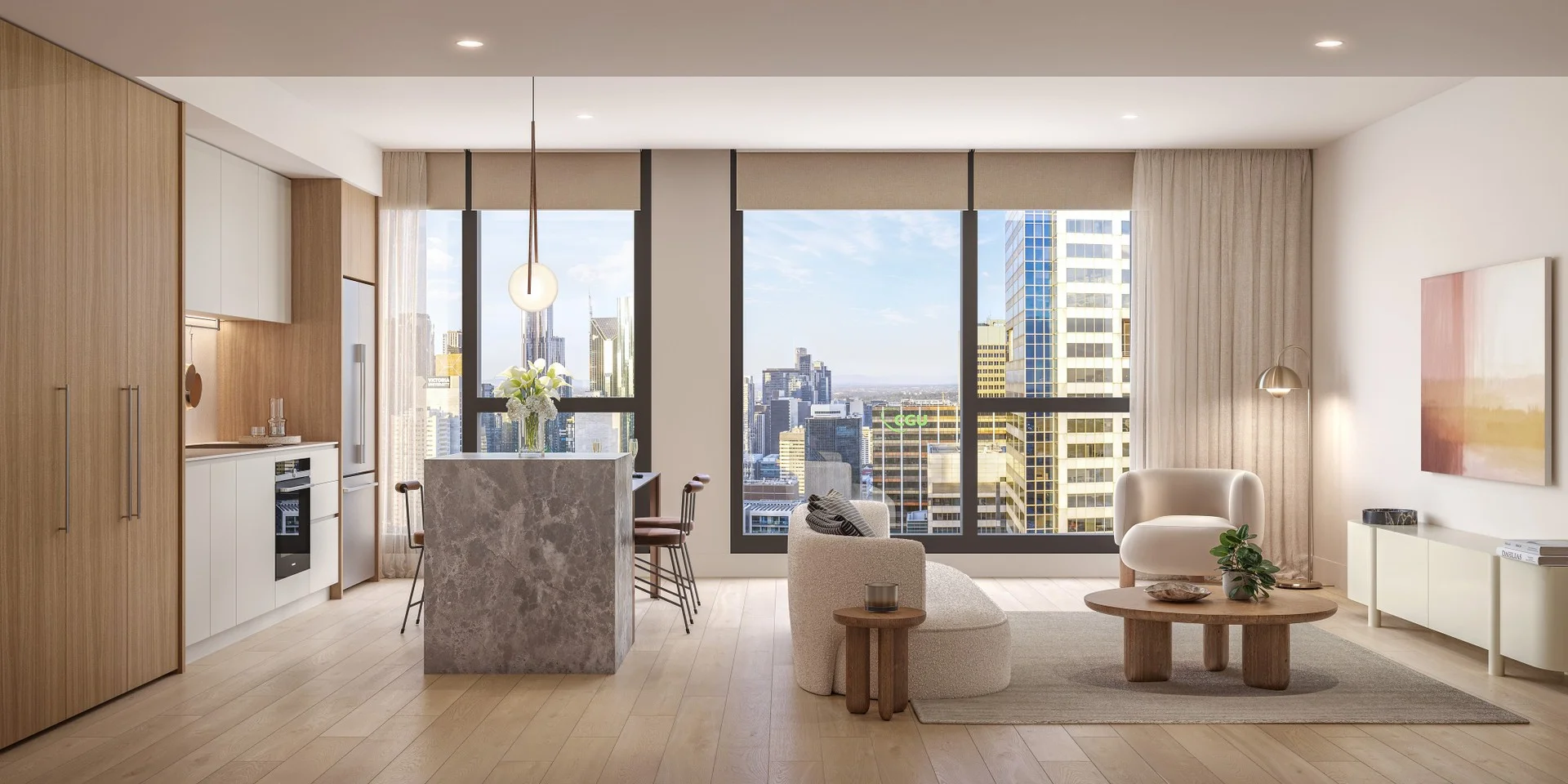 $1,870,000
propertyType.NEW APARTMENTS / OFF THE PLAN
$1,870,000
propertyType.NEW APARTMENTS / OFF THE PLAN
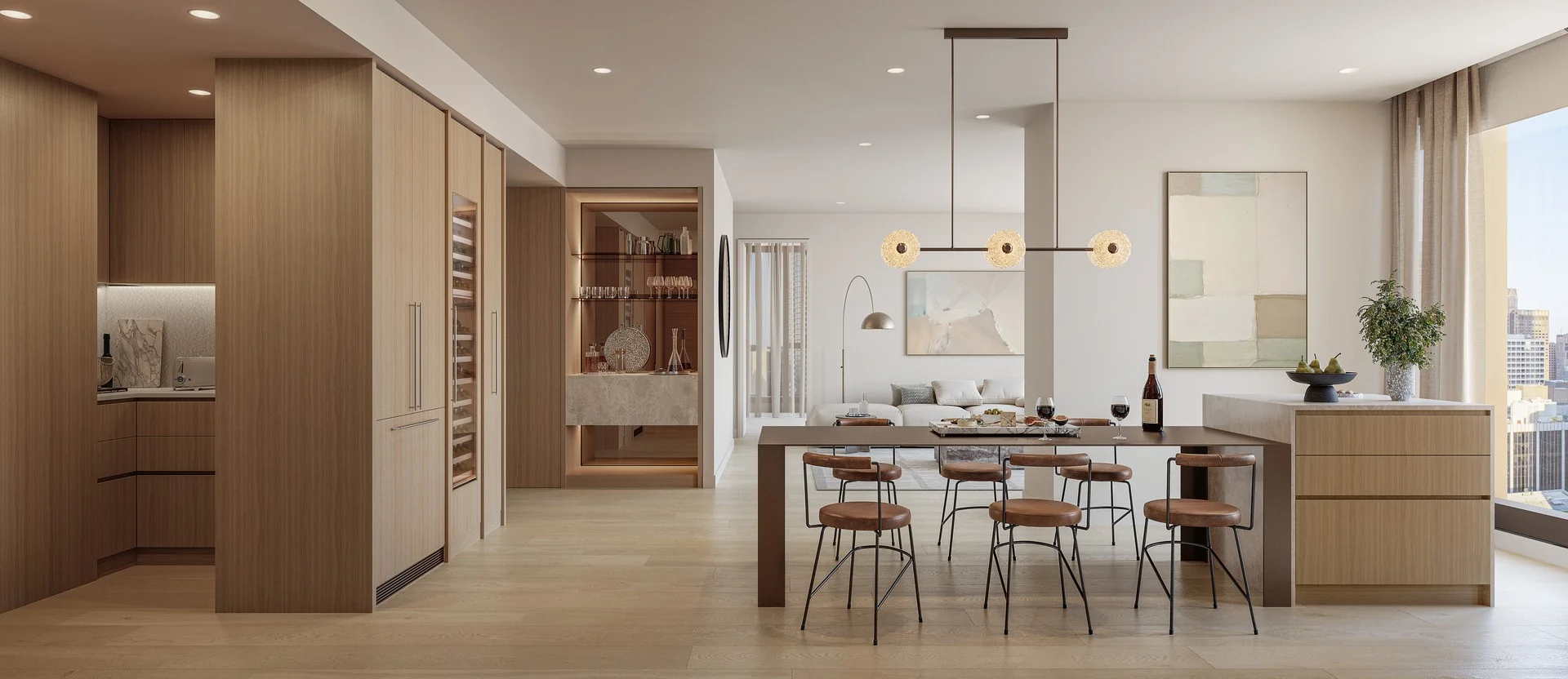 $2,865,000
Apartment / Unit / Flat
$2,865,000
Apartment / Unit / Flat
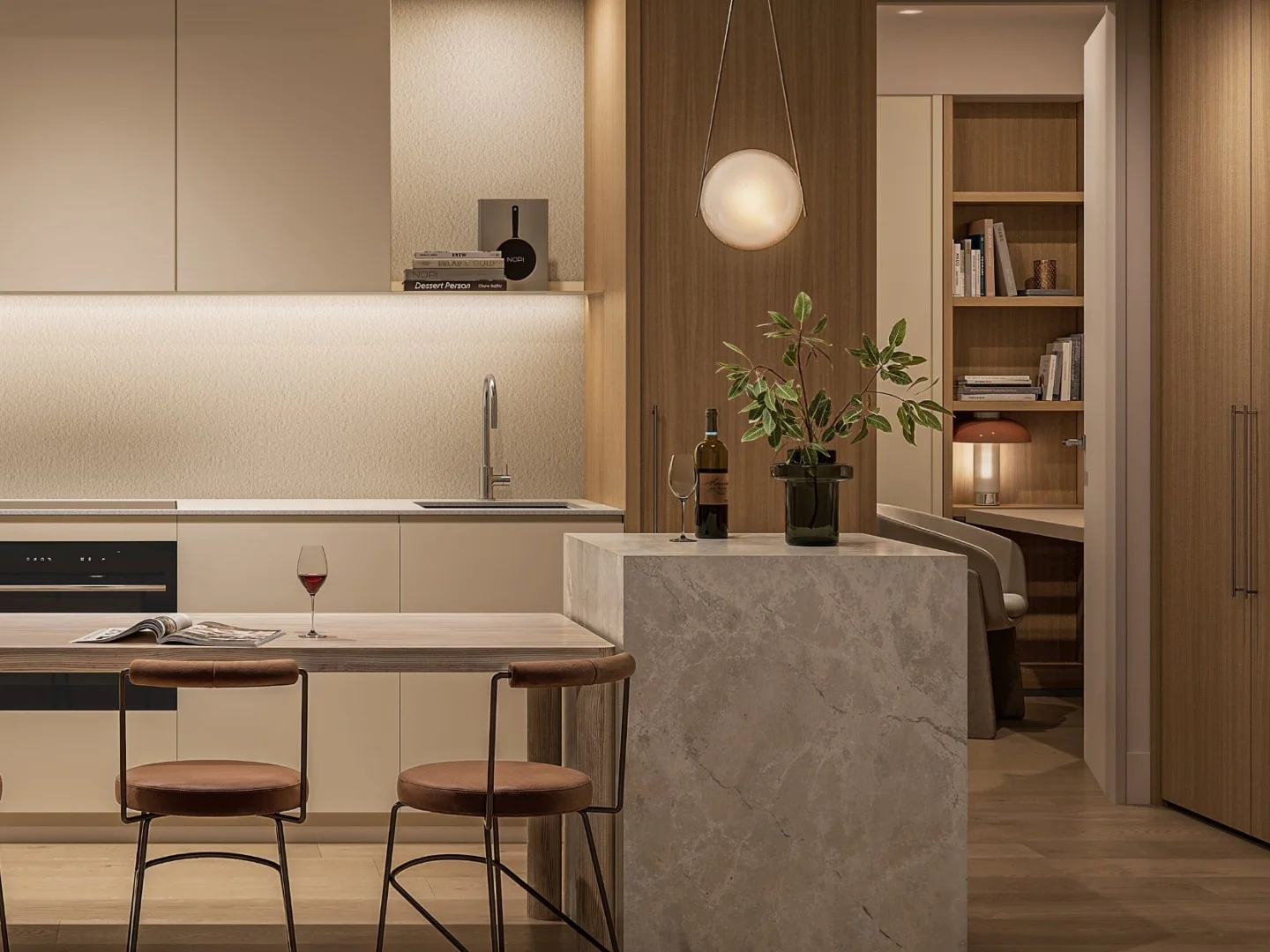 $712,500
Apartment / Unit / Flat
$712,500
Apartment / Unit / Flat


