Overview
# 1. Overview
St Bernard’s Primary School, East Coburg is a Catholic co-educational primary school serving families in the local parish and community. The school focuses on a values-based education that nurtures the whole child—mind, body and spirit—within a warm, faith-filled learning environment.
As a small to medium-sized school, class sizes are designed to support close teacher–student relationships and individual attention. The atmosphere is nurturing and inclusive, with a strong sense of community, opportunity for faith formation, and participation in school life that blends academic growth with social and spiritual development.
⸻
# 2. Academics & Learning
- Academic strengths: Strong literacy and numeracy foundations, with a focus on critical thinking, problem solving and core curriculum across STEM, English and integrated inquiry learning.
- Special programs: Catholic identity and faith formation embedded in daily life; opportunities for enrichment and gifted/talented pathways; support for digital literacy and 21st-century skills; access to learning support and inclusive education initiatives.
- NAPLAN trends: Schools of this type typically show steady progress year over year in reading and numeracy, with targeted interventions helping students who need extra support. For precise trends, consult the school's annual report.
- Student-teacher ratios: Class sizes generally around 20–25 students, with a supportive teacher-to-student ratio that enables differentiated instruction and attention to individual learning needs.
- Support for diverse learners: Robust support for diverse learners including English as an Additional Language (EAL) learners, learning support for students with additional needs, and inclusive teaching practices.
⸻
# 3. Sports & Extracurricular Strengths
- Sports offered: A variety of primary-school sports such as soccer, netball, AFL-inspired activities, basketball and athletics, with participation in inter-school sport events where possible.
- Strong teams or achievements: Active involvement in inter-school competitions and inter-school carnivals; emphasis on teamwork, sportsmanship and personal bests.
- Music, arts, drama programs: School music programs, choir or ensemble opportunities, and occasional drama or performing arts activities and productions.
- Clubs: Robotics, chess, coding, debating and other lunchtime or after-school clubs designed to develop critical thinking, problem solving and collaboration.
- Partnerships: Connections with local clubs and community organizations to support competitions, coaching and enrichment opportunities.
⸻
# 4. Wellbeing & Pastoral Care
- Anti-bullying approach: Clear anti-bullying policies and proactive social-emotional learning to foster respectful relationships and a safe school climate.
- House system: House groups promote belonging, healthy competition, leadership and school spirit across year levels.
- Counsellors / wellbeing officers: Access to school-based wellbeing staff and counsellors who support student wellbeing, resilience and social-emotional development.
- Transition support for new students: Structured orientation, buddy systems and transitional resources to help new students settle in smoothly.
⸻
# 5. Facilities
- Sports grounds: Indigenous-friendly and multi-use playing spaces suitable for physical education and inter-school events.
- Libraries: School library with a collection to support reading and research across year levels.
- Science labs: Dedicated spaces for science activities and inquiry-based learning.
- Music/performing arts centers: Areas for music education and performing arts activities.
- Tech/innovation labs: Digital learning spaces and access to technology to support coding, robotics and creative projects.
- Cafeteria: On-site dining options or lunch facilities to support daily meals and healthy choices.
- Updated playgrounds: Modern and safe play areas designed to support physical activity and imaginative play.
⸻
# 6. School Values & Community Culture
- School values / mission: A faith-centered mission that emphasises compassion, respect, service, integrity and community engagement.
- Leadership style: Collaborative leadership that values student voice, family partnership and inclusive decision-making.
- Behaviour expectations: Clear expectations around respect, kindness and responsibility; consistent, restorative approaches to behaviour management.
- Community reputation: A welcoming parish-school community with strong ties to families, staff and local faith life.
- Diversity & inclusion: Commitment to an inclusive environment that respects diversity and promotes belonging for all students and families.
⸻
# 7. School Logistics & Daily Operations
- School hours: Typically a full-day schedule with standard start and finish times; before/after school care options may be available.
- Before/after school care: Availability of before/after school care programs or supervision.
- Uniform requirements: Uniform dress code for everyday wear and sports uniform for physical education and events.
- Transport (train/bus routes): Access to local bus routes and proximity to public transport; drop-off/pick-up arrangements supported by the school.
- Canteen availability: On-site canteen or lunch provision options, with healthy meal choices and ordering arrangements.
- Fees (low/medium/high ranges): Fees generally fall in the medium range for Catholic primary schools; precise figures vary by year level and programs, with information available from the school’s enrolment materials.
⸻
# 8. Enrolment & Admissions
11. What is the enrolment process and timeline?
- Applications are typically invited for the upcoming intake year. Families submit an application, complete any required Catholic identity or family information, participate in an interview or information session if requested, and receive placement offers within a defined timeline. Accepted families complete enrolment paperwork and confirm start dates.
12. Is there a waiting list, and how does it work?
- If enrolments exceed available places, a waiting list may operate. Places are offered in order of eligibility and date of application, with families kept informed about anticipated timelines and next steps.
13. Are there any entry requirements, tests, or interviews?
- Entry typically involves proving eligibility within the Catholic school system, documentary requirements, and possibly an interview or information session. There is usually no standard academic entrance test; priority is given to Catholic families or those connected with the parish, with consideration given to overall fit and capacity.
14. Does the school accept mid-year transfers?
- Yes, mid-year transfers may be possible if spaces are available. Prospective families should communicate early with the admissions team to review space and alignment with current cohorts.
⸻
# 9. Frequently Asked Questions
- Why Parents Choose This School?
- A values-based Catholic education in a nurturing, inclusive community, with small to medium class sizes that support individual attention and strong faith formation.
- What type of student thrives at this school?
- Students who are curious, respectful, collaborative and engaged in faith, learning and service; those who appreciate a supportive environment with opportunities to grow academically and socially.
- What opportunities are available for students to extend their skills (academics, sports, arts)?
- A range of academic enrichment, sport and co-curricular clubs (robotics, chess, coding, debating), music and performing arts programs, and participation in inter-school events and competitions.
- How does the school communicate with parents?
- Regular newsletters, a school information portal or app, parent-teacher interviews, and timely updates via email or SMS.
- What is the school’s approach to teaching and learning?
- Student-centered, differentiated instruction with emphasis on literacy, numeracy and inquiry-based learning within a Catholic values framework.
- How does the school support students who need extra academic help?
- Learning support, targeted reading/numeracy interventions, EAL support and inclusive teaching practices.
- What support is available for academic challenges?
- Additional small-group or one-on-one assistance, intervention programs and collaboration with families to plan progression.
- How does the school communicate with parents? (repeat)
- See above: newsletters, portal/app, interviews, and timely updates.
- What are the class sizes and how much individual attention do students receive?
- Class sizes typically around 20–25 students with dedicated teachers who tailor instruction to individual needs and provide regular feedback.
- What extracurricular and sports opportunities are available?
- A broad mix of sports, music, arts, and clubs (robotics, chess, coding, debating), plus opportunities to participate in inter-school events.
- What facilities does the school offer (sports, science, arts)?
- Sports grounds, library, science labs, music/performing arts spaces, tech/innovation labs, canteen and updated play areas.
- What is the school’s approach to technology and digital learning?
- Integrated digital learning across the curriculum with access to devices and online resources, plus education on responsible digital citizenship.
- What transport and accessibility options are available?
- Proximity to public transport options and school-supported drop-off/pick-up arrangements; details on specific routes are provided during enrollment.
- What are the typical school fees or additional costs?
- Fees fall in the medium range for primary Catholic schools; additional costs may include uniform, excursions and optional activities, with subsidies or concessions where available.
⸻
# 10. Short Pros & Cons list
- Pros
- Catholic, values-based education in a supportive, inclusive community
- Small to medium class sizes enabling individual attention
- Strong wellbeing and pastoral care with a house system and student support
- Broad range of co-curriculars including sports, music, clubs and arts
- Modern facilities and dedicated learning spaces
- Cons
- Fees apply (typical for independent Catholic primary education)
- Availability of places can be limited during peak intake periods
- Admissions and transfers may depend on space and parish eligibility at times
⸻












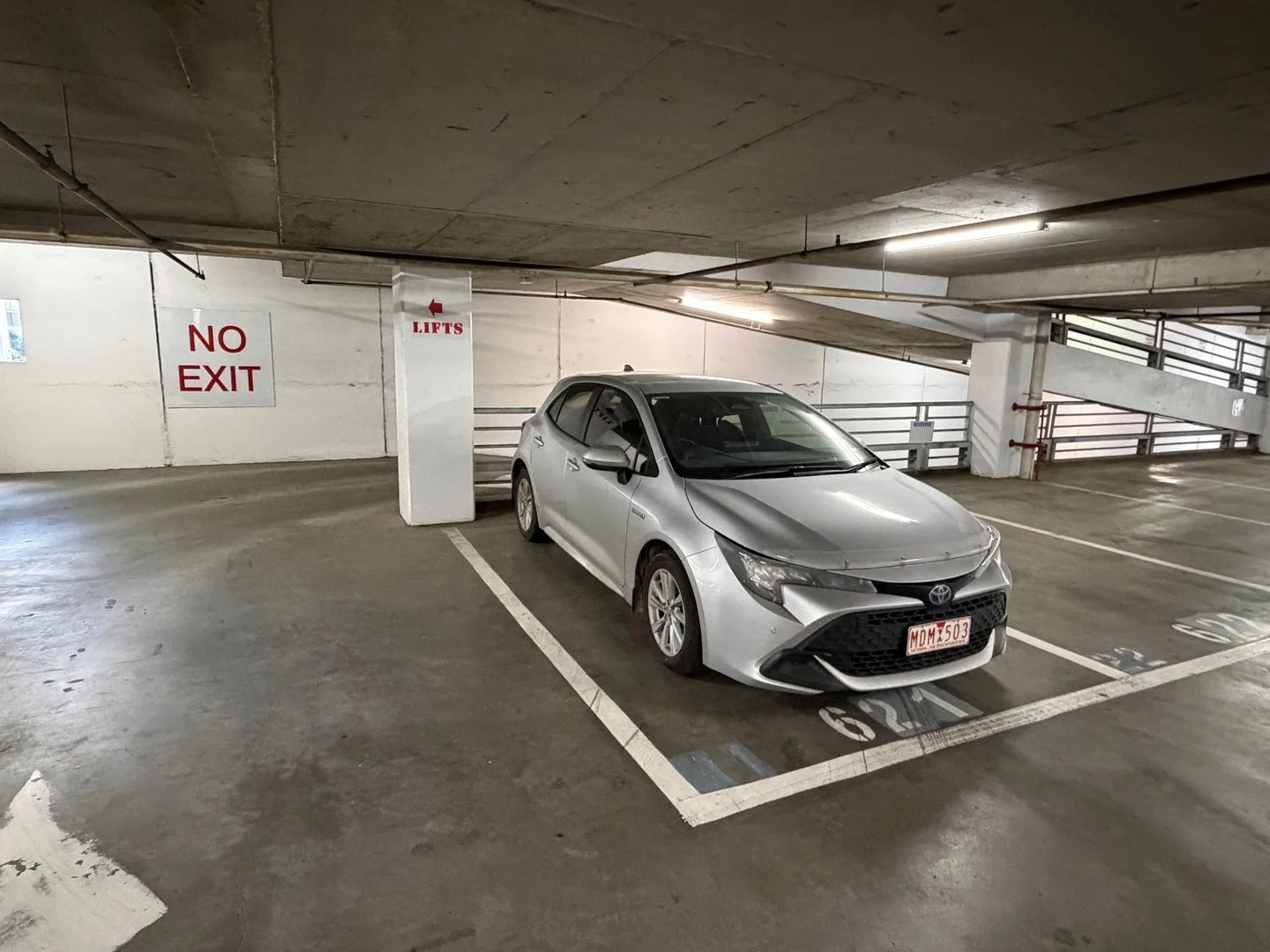 $27,500
propertyType.CAR SPACE
$27,500
propertyType.CAR SPACE
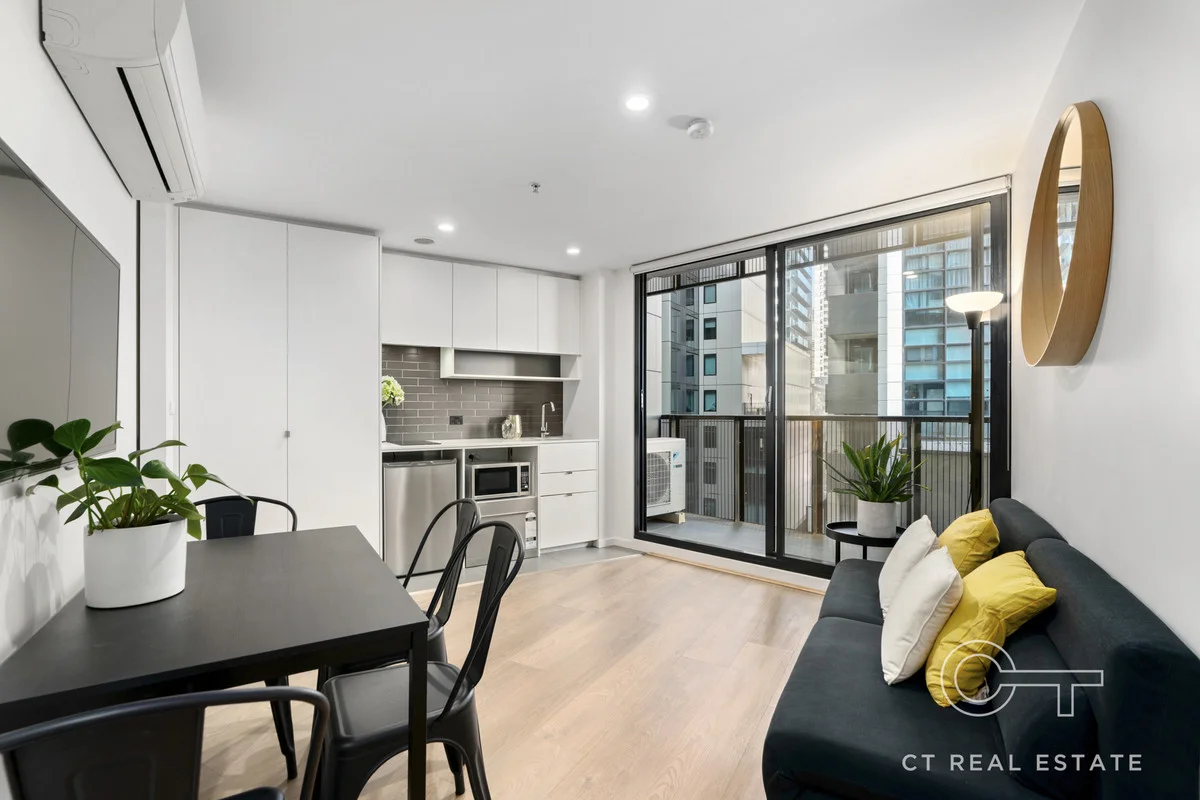 $360,000
Apartment / Unit / Flat
$360,000
Apartment / Unit / Flat
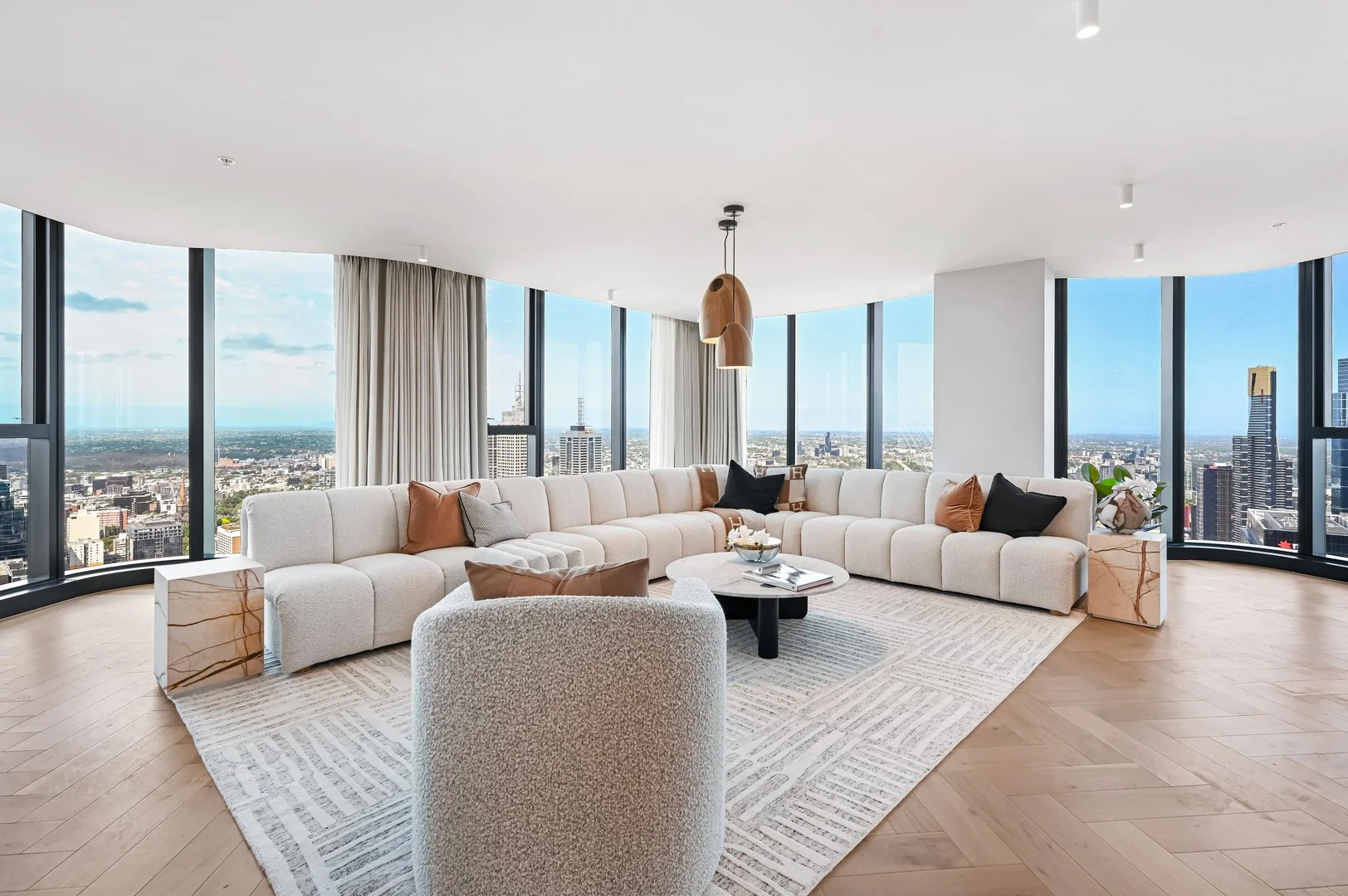 $5,512,000
propertyType.NEW APARTMENTS / OFF THE PLAN
$5,512,000
propertyType.NEW APARTMENTS / OFF THE PLAN
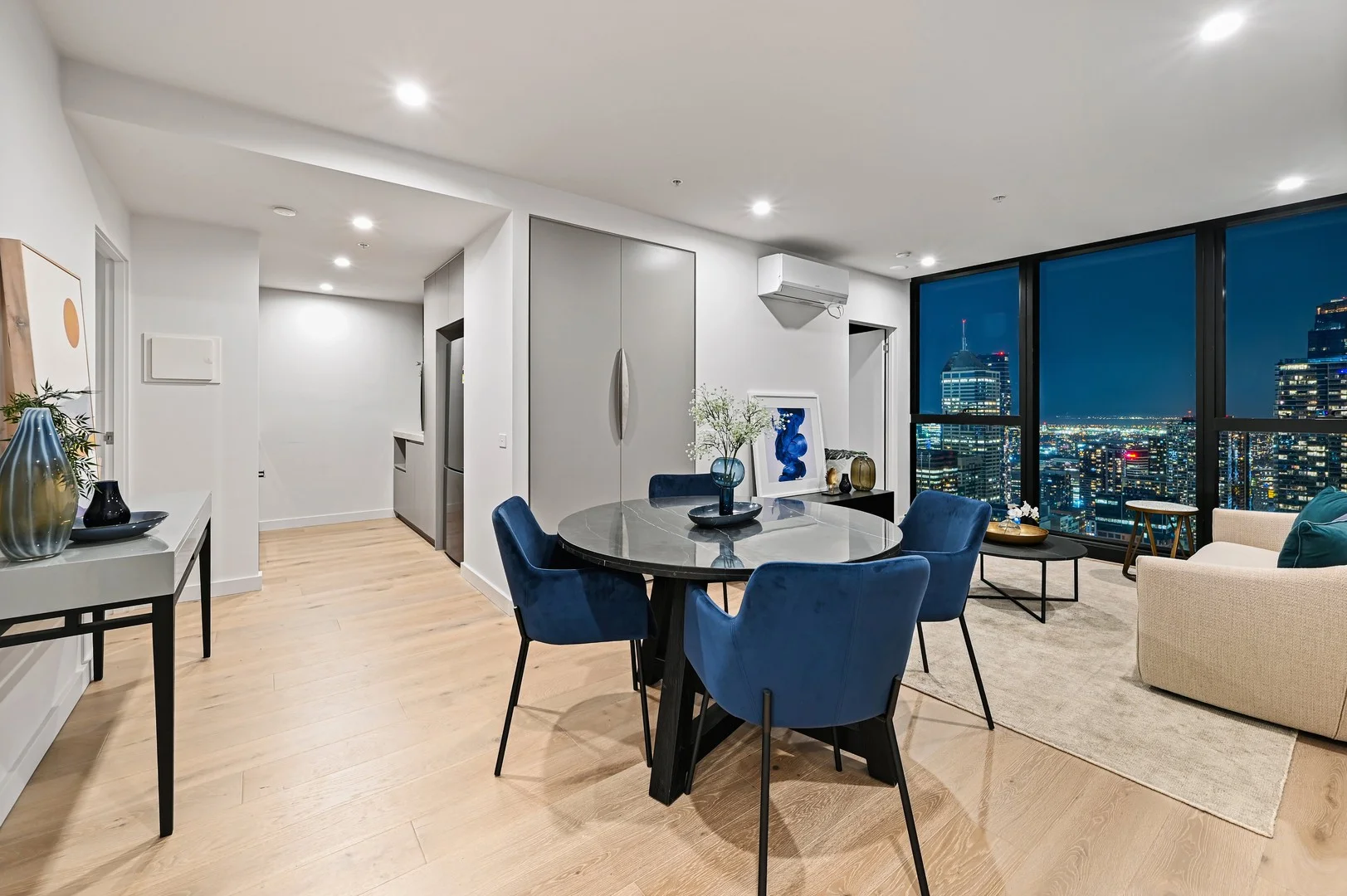 $943,000
propertyType.NEW APARTMENTS / OFF THE PLAN
$943,000
propertyType.NEW APARTMENTS / OFF THE PLAN
 $2,008,000
propertyType.NEW APARTMENTS / OFF THE PLAN
$2,008,000
propertyType.NEW APARTMENTS / OFF THE PLAN
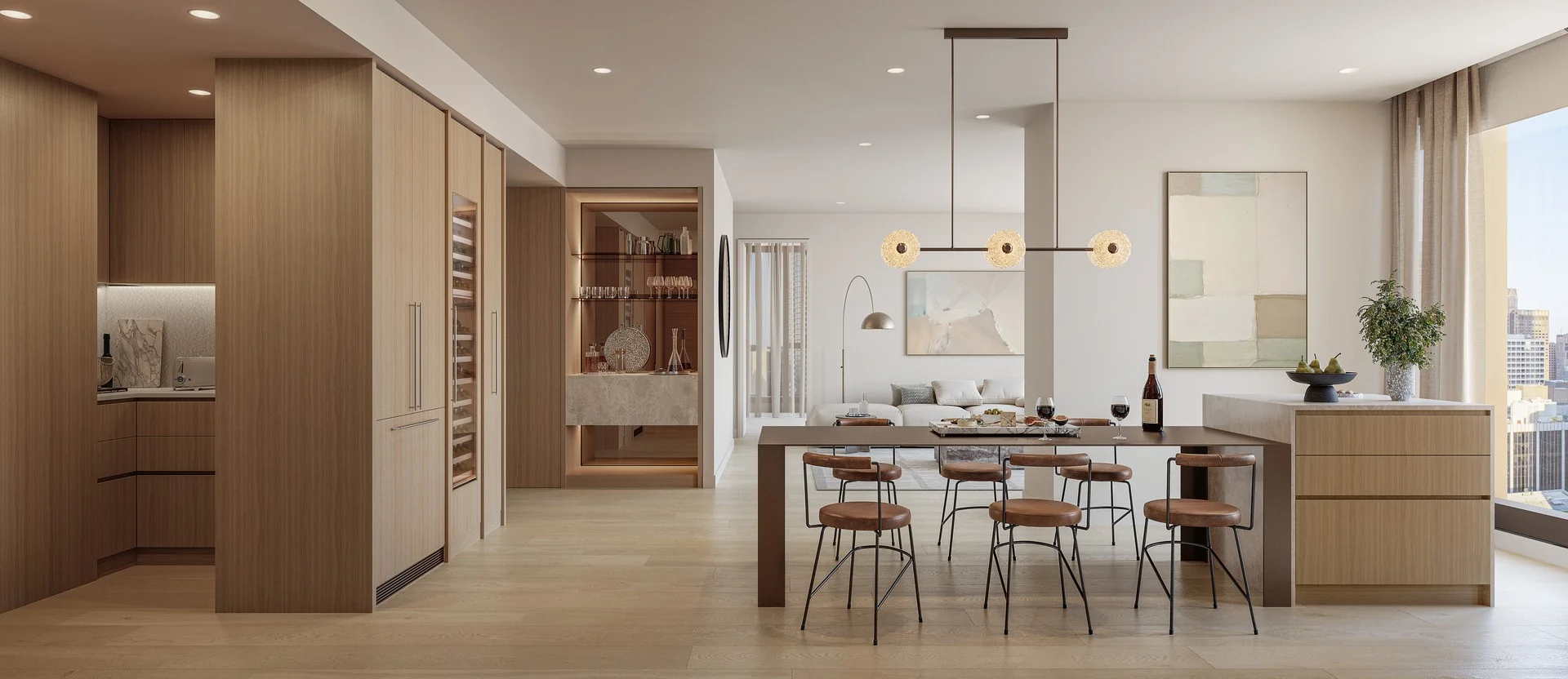 $2,865,000
Apartment / Unit / Flat
$2,865,000
Apartment / Unit / Flat
 $666,000
Apartment / Unit / Flat
$666,000
Apartment / Unit / Flat
 $712,500
Apartment / Unit / Flat
$712,500
Apartment / Unit / Flat
 $1,870,000
propertyType.NEW APARTMENTS / OFF THE PLAN
$1,870,000
propertyType.NEW APARTMENTS / OFF THE PLAN