Overview
## 1. Overview
Saint Paul’s Primary School, Coburg is a Catholic primary school in Victoria that offers a values-driven education for boys and girls in the early years through to the final year of primary schooling. The school emphasises faith, community, and academic growth within a caring, inclusive environment. It aims to nurture well-rounded students who are curious, respectful, and engaged with their local community.
- School type: Catholic
- School size: Medium
- Class size: Typically around 20–25 students per class
- Atmosphere/culture: Nurturing, inclusive, faith-based, community-focused
⸻
## 2. Academics & Learning
- Academic strengths: Core emphasis on English and mathematics, with a focus on literacy, numeracy, and faith-based studies. Enables integrated learning across subjects with opportunities to develop critical thinking and problem-solving.
- Special programs: Potential enrichment options (e.g., gifted and talented pathways or enrichment groups); inclusion of faith formation and intercultural learning as part of the curriculum. Check with the school for current offerings.
- NAPLAN / trends: Year-to-year NAPLAN trends vary by cohort; schools typically report on growth and improvement patterns in annual reports. For precise trends, refer to the school’s published data.
- Student-teacher ratios: Common primary-school ratios range from roughly 1:15 to 1:20, depending on year level and staffing. The school will provide exact figures on request.
- Support for diverse learners: Likely EAL (English as an Additional Language) support and dedicated learning support for students with additional needs; inclusive education practices and targeted interventions as part of a Learning Support Team.
⸻
## 3. Sports & Extracurricular Strengths
- Sports offered: Common primary-school sports may include Australian rules football, netball, basketball, soccer, cricket, and swimming programs, with inter-school events where possible.
- Strong teams or achievements: Schools often participate in local inter-school competitions and build school pride through team participation and annual sports days.
- Music, arts, drama programs: Choir, school band or ensemble, and junior drama or theatre activities; opportunities to showcase talents in assemblies and community events.
- Clubs: Robotics, coding, chess, debating, and other enrichment clubs commonly available, depending on staffing and student interest.
- Partnerships: Local community partnerships and participation in Catholic education events, regional competitions, and external arts or sport programs may exist.
⸻
## 4. Wellbeing & Pastoral Care
- Anti-bullying approach: Clear anti-bullying policies, respectful relationships education, and a supportive school culture to promote safety and inclusion.
- House system: House groups used to foster belonging, teamwork, and healthy competition across activities and events.
- Counsellors / wellbeing officers: Access to school wellbeing staff or a counsellor to support emotional and social needs; targeted supports as required.
- Transition support for new students: Orientation programs, buddy systems, and paid attention to helping new students settle into the school community.
⸻
## 5. Facilities
- Sports grounds: On-site spaces for physical education and outdoor activities.
- Libraries: Central library or learning commons with books and digital resources.
- Science labs: Dedicated spaces for hands-on science learning.
- Music/performing arts centers: Facilities or rooms for music practice and small drama productions.
- Tech/innovation labs: Classrooms or spaces equipped for digital learning and coding activities.
- Cafeteria: On-site canteen or lunch facilities; healthy eating options.
- Updated playgrounds: Safe, well-maintained play areas and outdoor learning spaces.
⸻
## 6. School Values & Community Culture
- School values / mission: Faith-centered education focusing on respect, responsibility, compassion, and service within a Catholic ethos.
- Leadership style: Student leadership opportunities (e.g., school or house captains) alongside teacher guidance to model positive behaviours.
- Behaviour expectations: Clear code of conduct emphasizing respect, courtesy, and responsibility; consistent reinforcement and restorative approaches.
- Community reputation: Strong Catholic ethos with active parental involvement and a collaborative school community.
- Diversity & inclusion: Commitment to inclusion and support for students from diverse backgrounds and abilities.
⸻
## 7. School Logistics & Daily Operations
- School hours: Typical primary-school day runs from morning to afternoon with a timetable that includes recess and lunch breaks (exact times vary by year level).
- Before/after school care: Likely available (e.g., after-school care or early arrival programs) to support families.
- Uniform requirements: Official school uniform policy; details provided by the school.
- Transport (train/bus routes): Public transport options and school shuttle or drop-off arrangements depending on location; families should check local routes.
- Canteen availability: On-site canteen or lunch facilities with healthy options (may rely on volunteers or staff).
- Fees: Fees and charges vary; consult the school for current information on tuition, levies, and additional costs.
⸻
## 8. Enrolment & Admissions
11. What is the enrolment process and timeline?
- Complete an application online or via the school’s enrolment form.
- Submit required documents (birth certificate, immunisations, baptism/faith documents if applicable, proof of custody arrangements if relevant).
- Attend any information sessions or school tours as part of the intake process.
- There is usually an intake period at the start of the school year; timelines vary, so confirm with the school.
12. Is there a waiting list, and how does it work?
- Waiting lists are common for popular Catholic primary schools. Families are placed on a waiting list after submitting an application, and positions are offered as spaces become available. The list order and any priority rules (e.g., siblings, parish affiliation) will be specified by the school.
13. Are there any entry requirements, tests, or interviews?
- Most primary-school enrolments do not require formal testing, but some years or programs may include information sessions, short informal assessments, or interviews to better understand alignment with the school’s values and expectations.
14. Does the school accept mid-year transfers?
- Mid-year transfers are possible where space exists and documentation is complete (transcripts, immunisations, and school reports). Contact the enrolments team to assess availability and next steps.
⸻
## 9. Frequently Asked Questions
- Why Parents Choose This School?
- A faith-based, inclusive community that supports academic growth, wellbeing, and character development in a supportive environment.
- What type of student thrives at this school?
- Students who are community-minded, motivated to learn across core subjects, and engaged with faith-based values and service.
- What opportunities are available for students to extend their skills (academics, sports, arts)?
- Enrichment in English and maths, potential gifted programs, sports teams and inter-school events, music and drama, and clubs such as robotics, coding, chess, and debating.
- How does the school communicate with parents?
- Regular newsletters, emails, parent-teacher interviews, and a school information system or app (where available) to share updates and upcoming events.
- What is the school’s approach to teaching and learning?
- Student-centred learning with differentiation, faith-integrated education, and opportunities for inquiry and collaboration.
- How does the school support students who need extra academic help?
- In-class support, targeted interventions, Learning Support Team involvement, and EAL or SEN support where applicable.
- What support is available for academic challenges?
- Additional tutoring or small-group support, learning plans, and ongoing communication with families to monitor progress.
- How does the school communicate with parents?
- See above: regular updates via newsletters, apps, and interviews; open days and parent forums are common.
- What are the class sizes and how much individual attention do students receive?
- Class sizes typically around 20–25 students with opportunities for small-group or targeted support as part of the learning program.
- What extracurricular and sports opportunities are available?
- Sports programs (team sports and PE-based activities), music and drama, and clubs such as robotics, coding, chess, and debating, subject to staffing and student interest.
- What facilities does the school offer (sports, science, arts)?
- Sports facilities, libraries, science labs, music/arts spaces, tech/innovation labs, a canteen, and playgrounds.
- What is the school’s approach to technology and digital learning?
- Integration of ICT in learning, use of digital resources and devices where appropriate, and online systems for communication and assignments.
- What transport and accessibility options are available?
- Information on nearby public transport routes and school-arranged transport or drop-off options; accessibility features will depend on the site.
- What are the typical school fees or additional costs?
- Fees vary; please contact the school directly for the current fee schedule and any additional costs for items like uniforms, excursions, or activities.
⸻
## 10. Short Pros & Cons list
- Pros
- Catholic values-based education with a nurturing, inclusive environment
- Medium-sized school with opportunities for individual attention
- Broad program including academics, sports, arts, and clubs
- Focus on wellbeing, pastoral care, and community involvement
- Structured transition support for new students and families
- Cons
- Fees and voluntary contributions may be a consideration for some families
- As a faith-based school, families who do not share the Catholic faith may need to consider fit
- Enrolment demand can lead to waiting lists at certain year levels
- Specific programs or facilities may vary year to year depending on staffing and funding













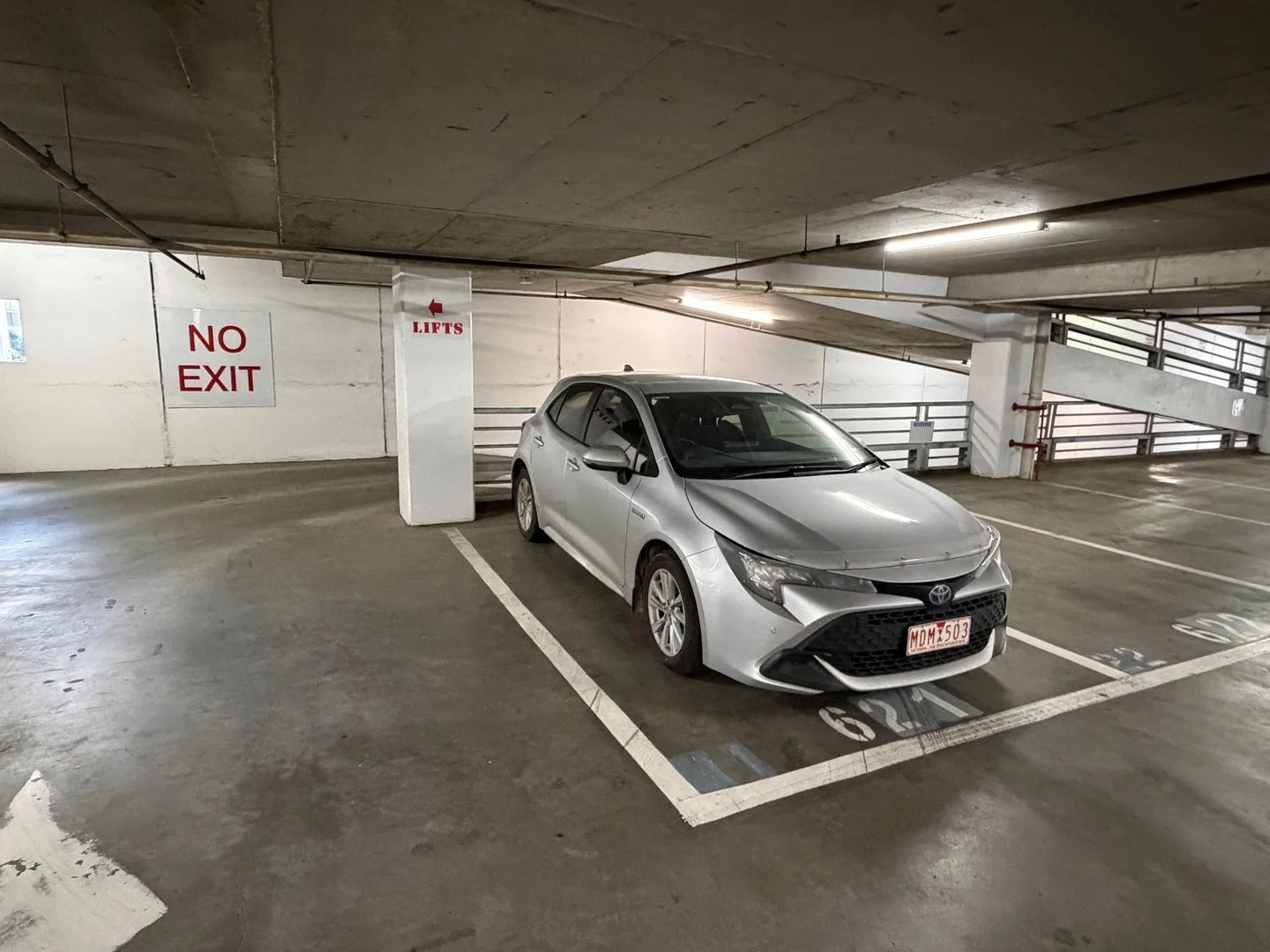 $27,500
propertyType.CAR SPACE
$27,500
propertyType.CAR SPACE
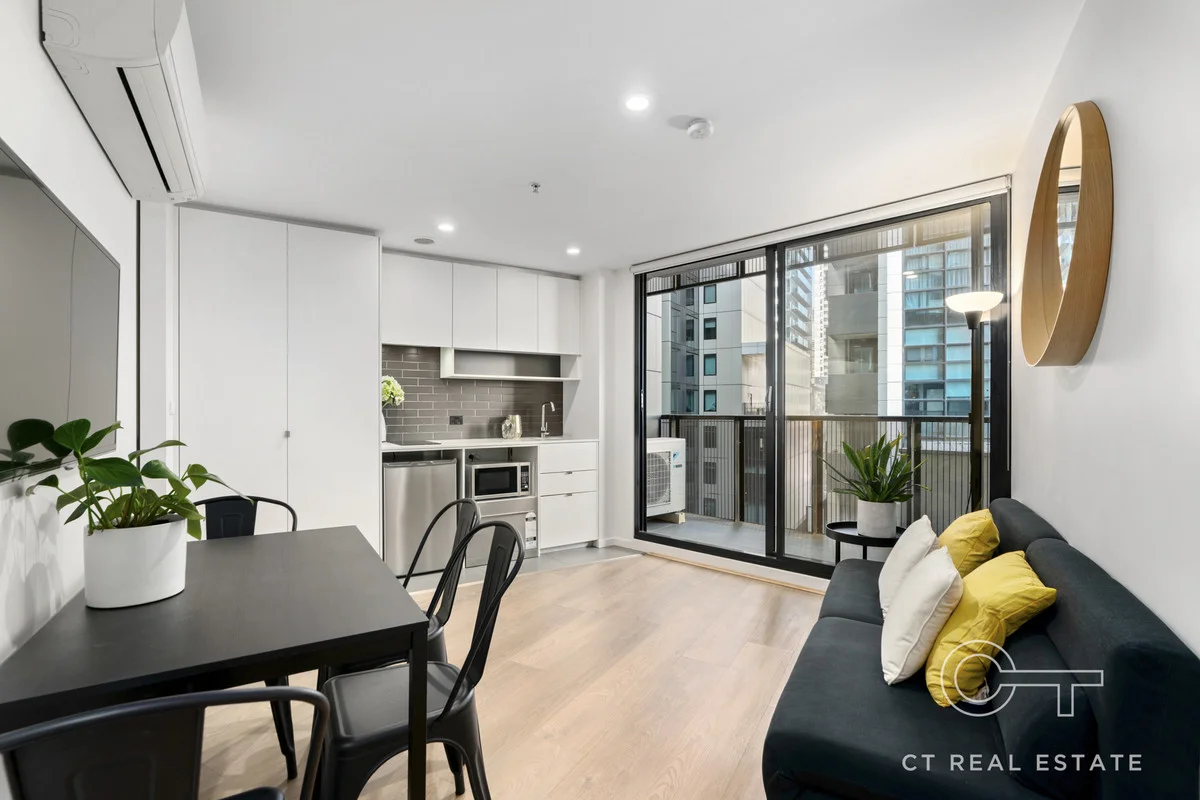 $360,000
Apartment / Unit / Flat
$360,000
Apartment / Unit / Flat
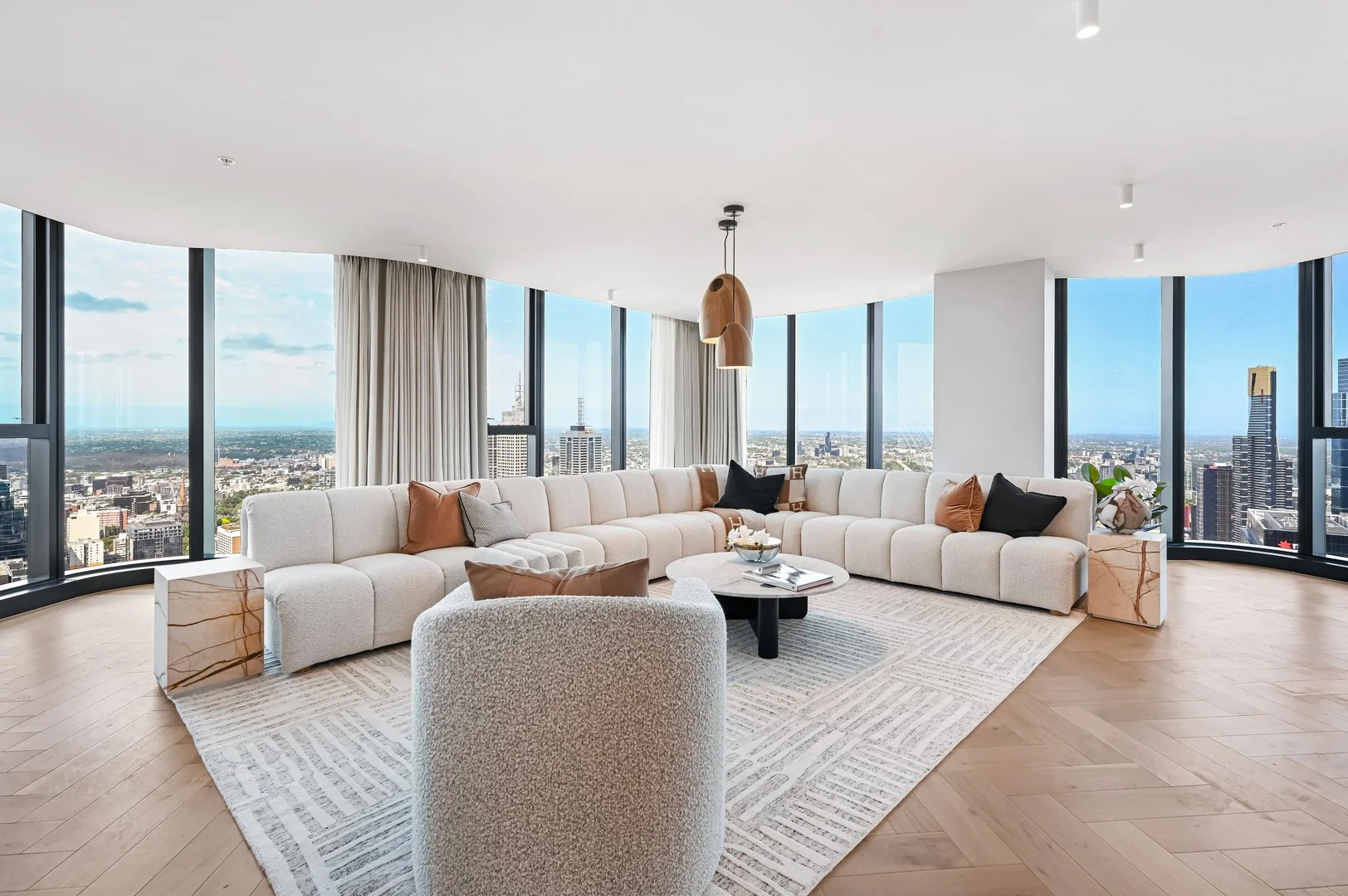 $5,512,000
propertyType.NEW APARTMENTS / OFF THE PLAN
$5,512,000
propertyType.NEW APARTMENTS / OFF THE PLAN
 $2,008,000
propertyType.NEW APARTMENTS / OFF THE PLAN
$2,008,000
propertyType.NEW APARTMENTS / OFF THE PLAN
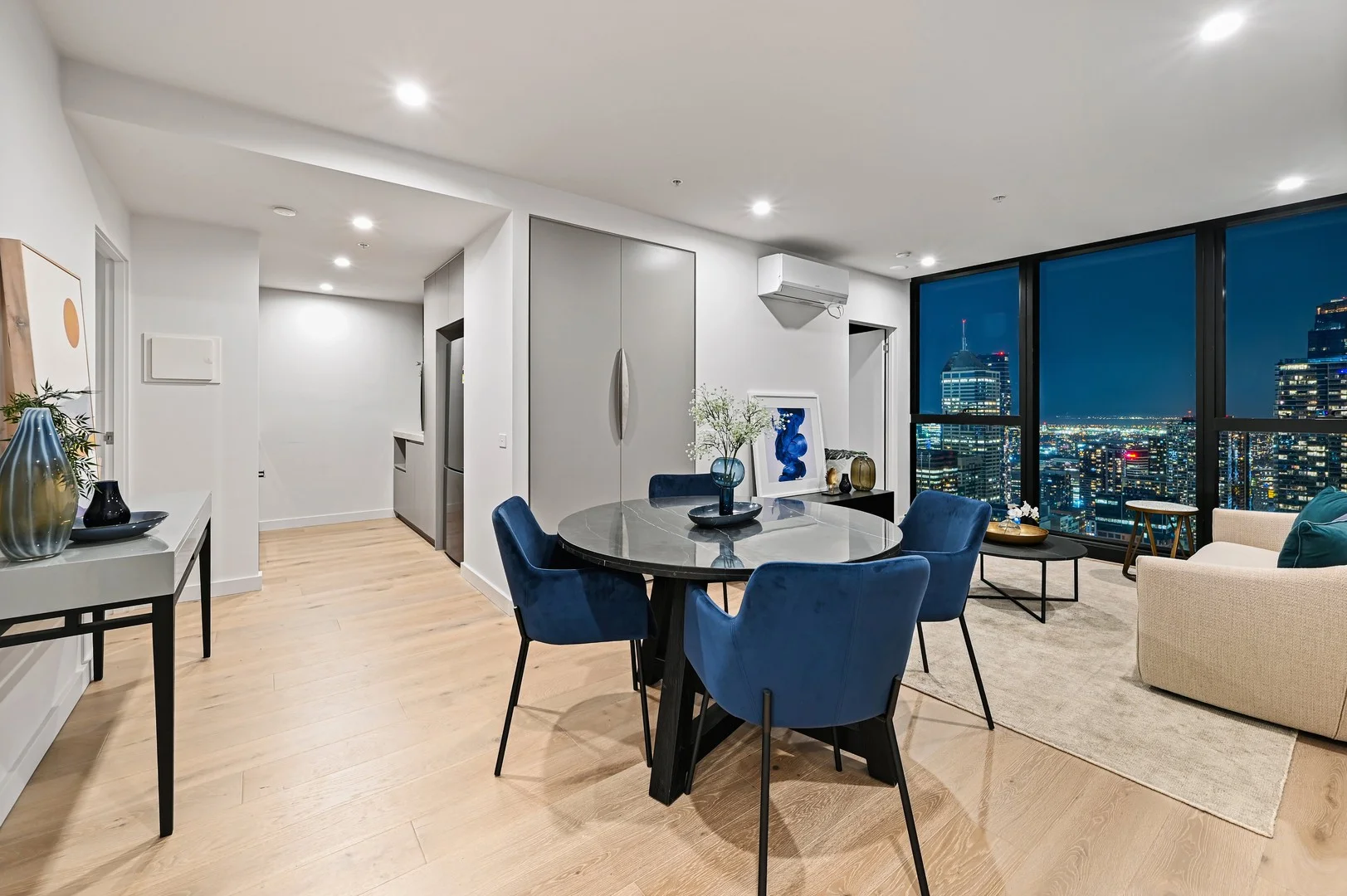 $943,000
propertyType.NEW APARTMENTS / OFF THE PLAN
$943,000
propertyType.NEW APARTMENTS / OFF THE PLAN
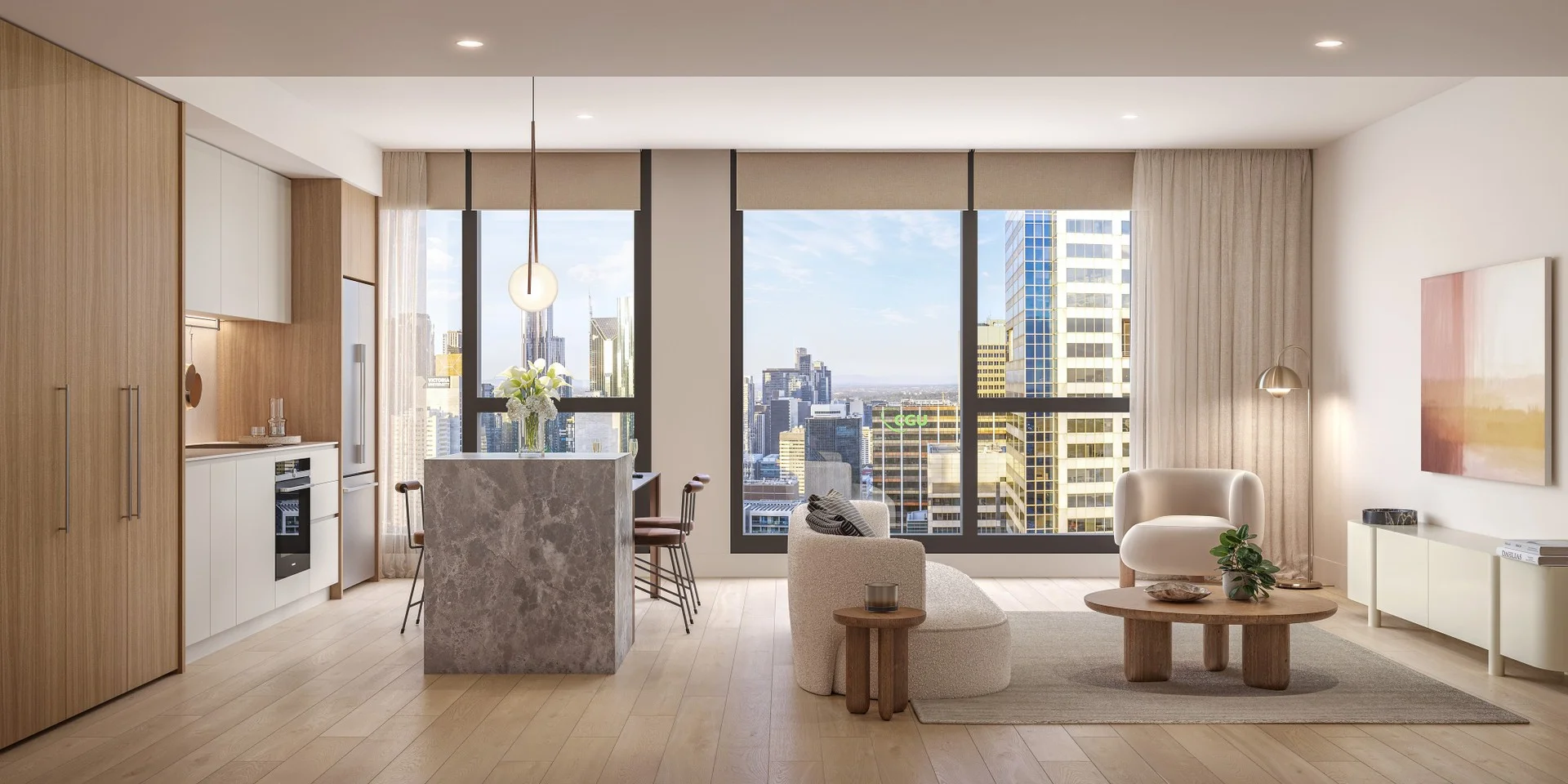 $1,870,000
propertyType.NEW APARTMENTS / OFF THE PLAN
$1,870,000
propertyType.NEW APARTMENTS / OFF THE PLAN
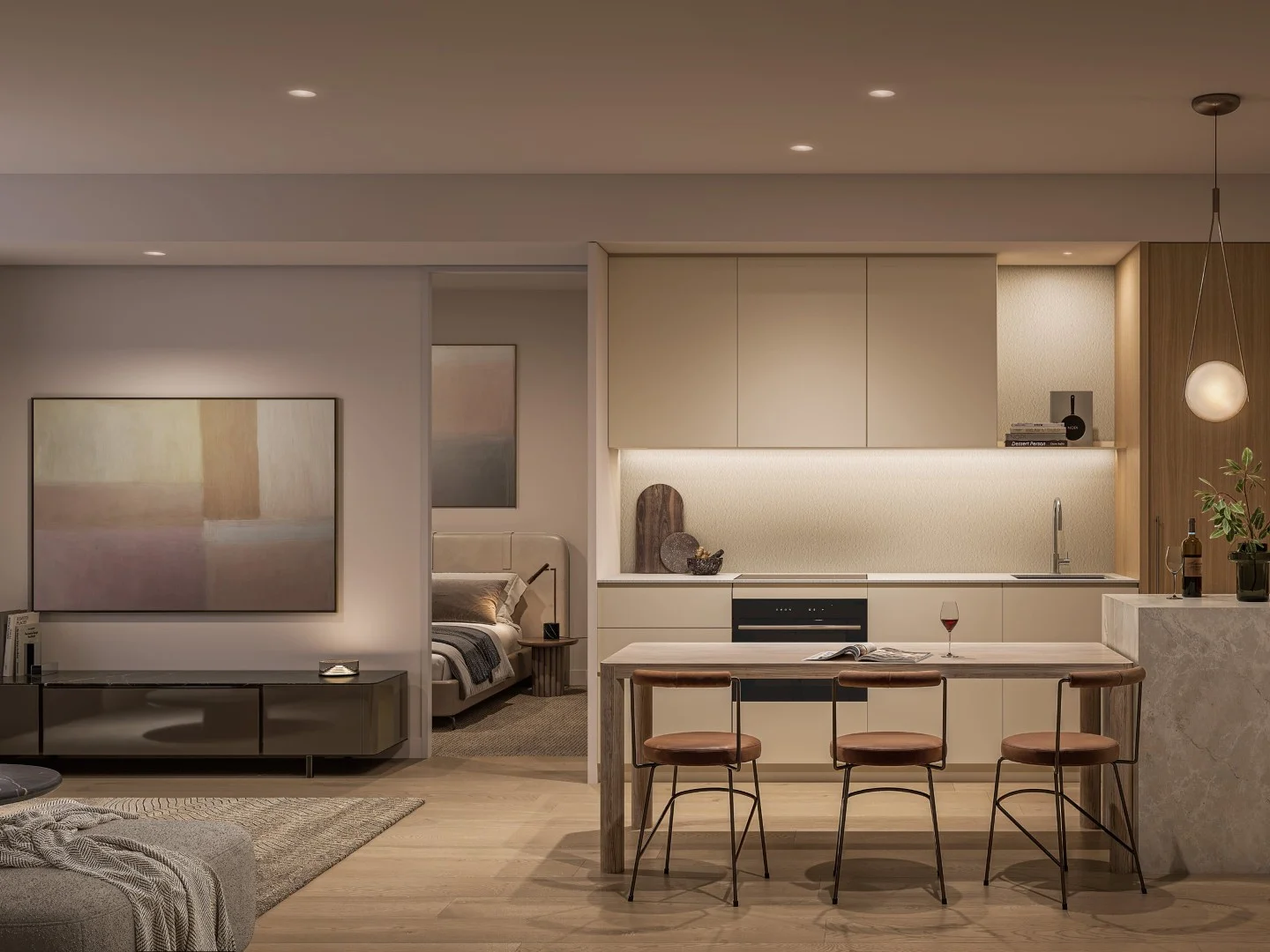 $666,000
Apartment / Unit / Flat
$666,000
Apartment / Unit / Flat
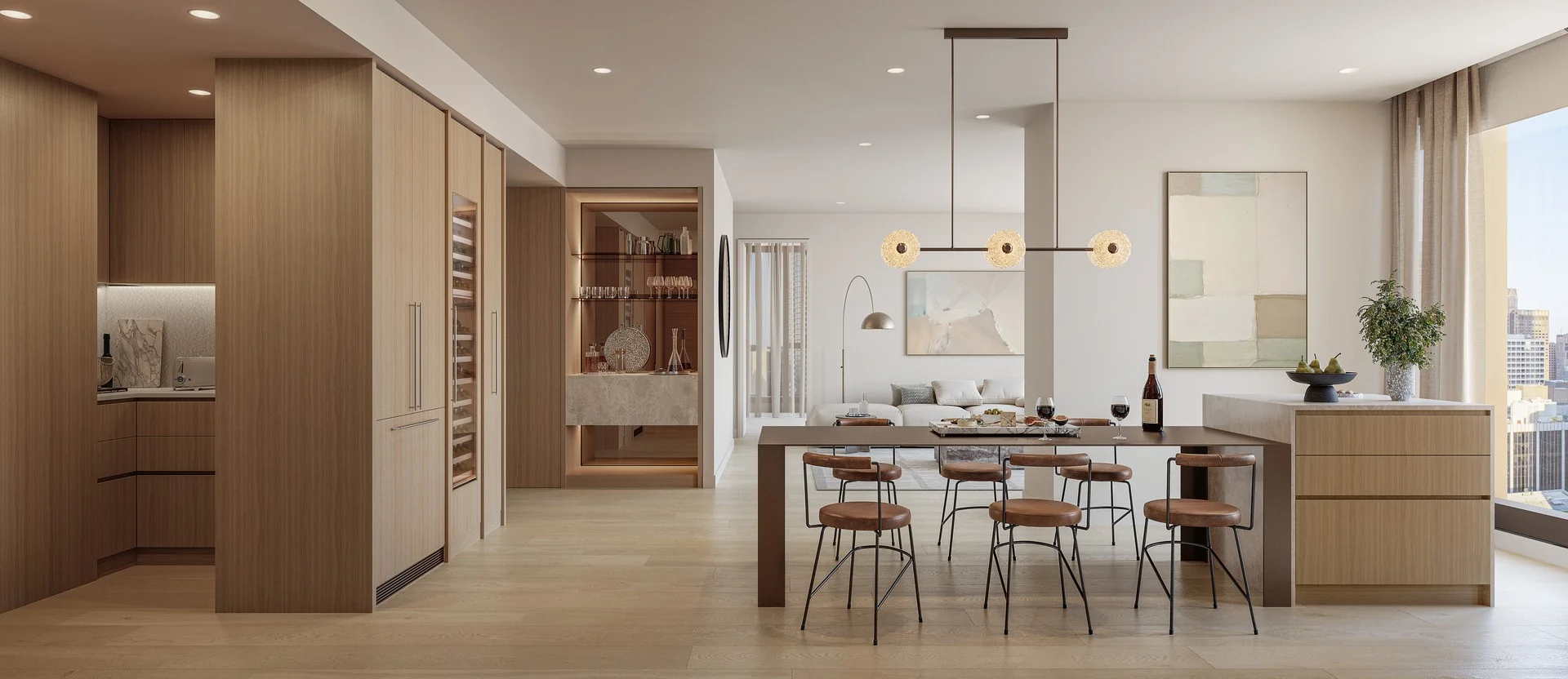 $2,865,000
Apartment / Unit / Flat
$2,865,000
Apartment / Unit / Flat
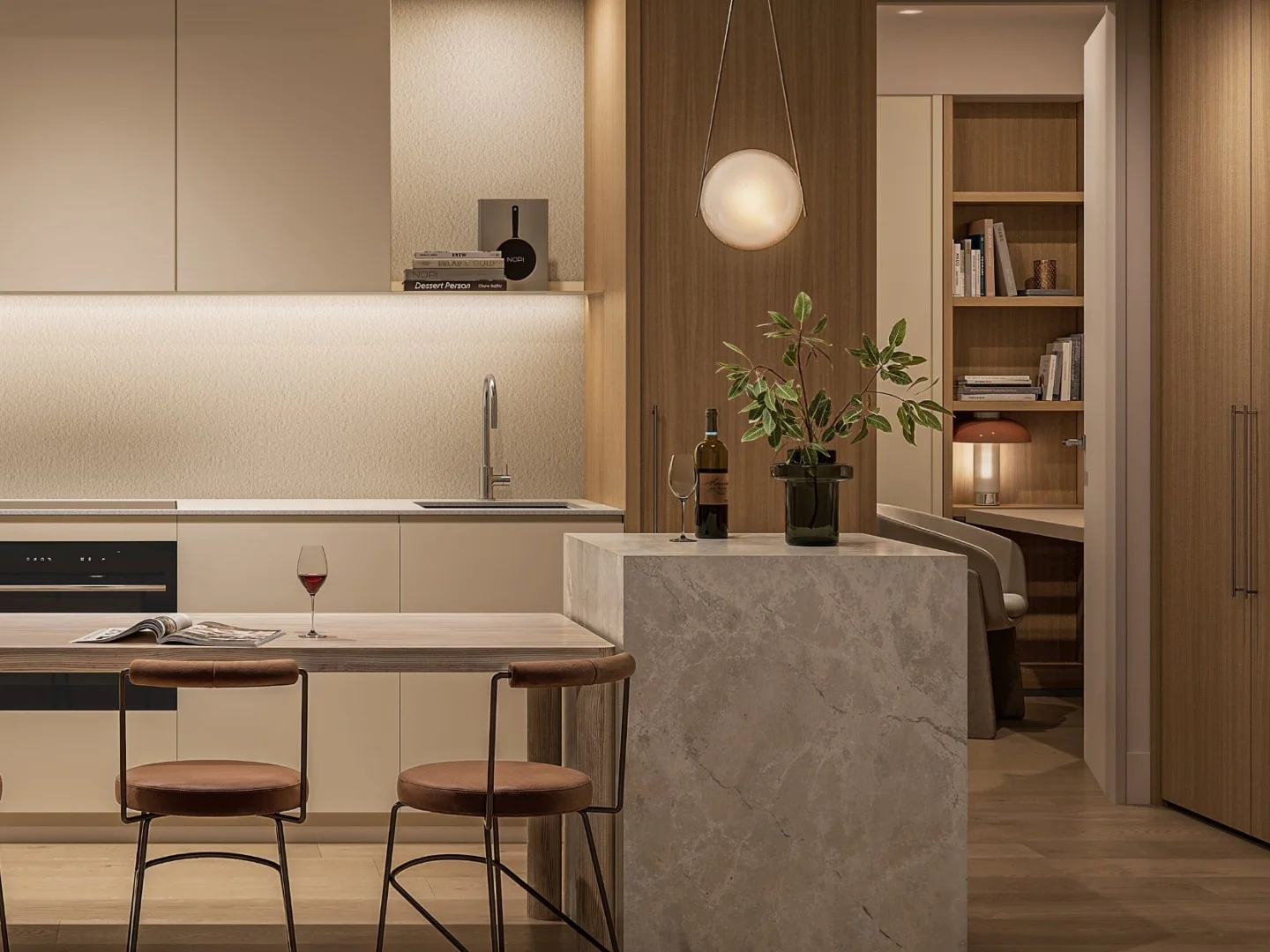 $712,500
Apartment / Unit / Flat
$712,500
Apartment / Unit / Flat