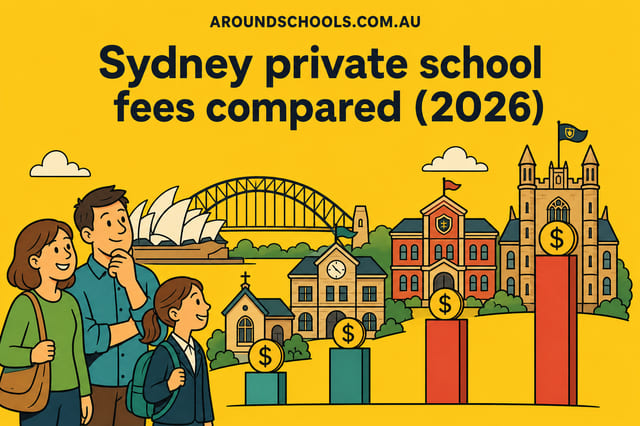
Overview
# Overview
St Brigid’s Catholic Primary School, Coogee is a Catholic primary school serving families seeking faith-centred education in the Coogee area. The school offers a medium-sized community with multiple classes per year level, fostering a close-knit feel while providing opportunities to engage across year groups. Class sizes typically range from about 20 to 25 students, enabling teachers to give strong individualised attention within a supportive learning atmosphere. The atmosphere is nurturing and inclusive, with a focus on values, academic effort, and service to the community.
⸻
# Academics & Learning
St Brigid’s prioritises strong literacy and numeracy foundations and provides a balanced program that integrates STEM, English, and leadership development. There are opportunities for students to participate in specialist programs and extension activities where available, including potential Gifted and Talented or Stage-based extension options. The school emphasises digital literacy and inquiry-based learning within a Catholic education framework. NAPLAN trends publicly available for the school indicate steady progress across key learning areas over recent years, with a focus on differentiating instruction to support diverse learners. The student-teacher ratio is in the typical range for NSW primary schools, with a Learning Support Team to assist students who need extra help. The school offers targeted support for diverse learners, including EAL/D and SEN, to help every child access the curriculum.
⸻
# Sports & Extracurricular Strengths
A strong emphasis is placed on well-rounded development, including sports, arts, and clubs. Sports offered commonly include soccer, netball, basketball, cricket, and athletics, with opportunities to participate in inter-school and local parish competitions. The school supports music, drama, and the arts through choir, school plays, and instrumental programs. Extracurricular clubs commonly available include robotics, chess, coding, and debating, providing both cognitive and teamwork opportunities. The school often collaborates with local community clubs and academies to provide additional pathways for student competition and skill-building.
⸻
# Wellbeing & Pastoral Care
Wellbeing sits at the heart of the school culture. St Brigid’s has an anti-bullying approach grounded in positive behaviour supports and Catholic values of respect and compassion. A house system helps foster belonging, healthy competition, and peer mentorship. A school counsellor or wellbeing officer supports students’ emotional health and resilience, with proactive transition programs for new students to ease adjustment and build connections quickly within the school community.
⸻
# Facilities
- Sports grounds and outdoor play spaces
- Libraries with reading programs and digital resources
- Science labs for hands-on experiments
- Music and performing arts spaces for ensembles and productions
- Tech/innovation spaces or computer labs for digital learning
- Canteen or canteen facilities supporting lunch options
- Updated and safe playgrounds and outdoor learning areas
⸻
# School Values & Community Culture
The school’s values are grounded in Catholic ethos, emphasising respect, responsibility, compassion, and service. Leadership is typically collaborative, with opportunities for student voice in appropriate forums. Behaviour expectations focus on courtesy, integrity, and contributing positively to the school community. The school is known for a welcoming and inclusive atmosphere, with a diverse student body and a culture of mutual support among families and staff. Diversity and inclusion are core considerations in everyday practice, curriculum choices, and community engagement.
⸻
# School Logistics & Daily Operations
- School hours: typically around 8:30 am–3:15 pm, with programs for before/after school care
- Before/after school care: available (where offered by the school or local providers)
- Uniform requirements: standard school uniform with seasonal adjustments; hats and sun protection as part of outdoor learning
- Transport: access to nearby bus routes and public transport; details typically provided by the school and local transport authorities
- Canteen: available during lunch periods
- Fees: moderate level, covering tuition/charges, with additional costs for uniform, excursions, and activities
⸻
# Enrolment & Admissions
11. What is the enrolment process and timeline?
- Begin with a formal application during the annual enrolment period. You’ll typically submit required documentation (birth certificate, immunisation records, proof of Catholic affiliation or parish verification, parental details). The school may host open days or information sessions. After review, families are contacted about next steps and offers are made in line with the diocese’s enrolment policies and capacity.
12. Is there a waiting list, and how does it work?
- Yes, there is often a waiting list when vacancies are limited. Placement will depend on availability, date of application, priority rules (often including Catholic identity, siblings, and geographical considerations), and interview outcomes where applicable.
13. Are there any entry requirements, tests, or interviews?
- Generally, entry involves an interview or meeting with families and the student to discuss suitability and fit with the school’s Catholic ethos and learning environment. There are usually no formal academic entrance tests for primary-level enrolment, but schools may assess readiness and alignment with values during the process.
14. Does the school accept mid-year transfers?
- Mid-year transfers may be possible subject to vacancies, space in classes, and the school’s transfer policy. Parents typically need to provide documentation (academic records, immunisation status, and enrolment forms) and complete a transfer process before the new term begins.
⸻
# Frequently Asked Questions
- Why Parents Choose This School?
- Strong Catholic ethos with a focus on values, academic progress, and community involvement; nurturing environment with responsive support for diverse learners.
- What type of student thrives at this school?
- Students who respond well to a faith-centred, supportive community with a balanced emphasis on academics, well-being, and participation in sport, arts, and clubs.
- What opportunities are available for students to extend their skills (academics, sports, arts)?
- English and mathematics literacy development, STEM activities, leadership opportunities, extension or gifted programs where available, music/drama, and clubs like robotics, chess, coding, and debating.
- How does the school communicate with parents?
- Regular newsletters, emails, parent-teacher meetings, a possible parent portal or app, and open days or information sessions.
- What is the school’s approach to teaching and learning?
- Values-based, student-centred learning with differentiation to meet diverse learner needs, integrated digital literacy, and opportunities for experiential or inquiry-based learning.
- How does the school support students who need extra academic help?
- Learning Support Team, targeted interventions, small-group instruction, EAL/D and SEN support as needed.
- What support is available for academic challenges?
- Early identification, tailored supports, and collaboration with families to implement effective strategies for growth.
- How does the school communicate with parents? (Repeated)
- See above.
- What are the class sizes and how much individual attention do students receive?
- Typical class sizes around 20–25 students, with teacher attention tailored to the cohort and additional support staff as needed.
- What extracurricular and sports opportunities are available?
- Soccer, netball, basketball, cricket, athletics; music/arts programs; robotics, chess, coding, debating clubs; local inter-school and community partnerships.
- What facilities does the school offer (sports, science, arts)?
- Sports grounds, library, science labs, music/performing arts spaces, tech/innovation labs, canteen, and upgraded playgrounds.
- What is the school’s approach to technology and digital learning?
- Integrated technology across the curriculum, with computer labs or digital devices, and digital literacy development.
- What transport and accessibility options are available?
- Access to local bus routes and public transport; on-site or nearby drop-off zones; pathways and facilities designed for accessibility.
- What are the typical school fees or additional costs?
- Fees are moderate and cover tuition/charges, with additional costs for uniform, excursions, and may include voluntary contributions or activity fees.
⸻
# Short Pros & Cons list
- Pros
- Catholic values-based education with a nurturing, inclusive culture
- Strong focus on literacy and numeracy with diverse learner support
- Range of extracurriculars, sports, and arts programs
- Active wellbeing and pastoral care with house system and counselors
- Modern facilities and dedicated learning spaces
- Cons
- Limited vacancies may mean waiting lists for new enrolments
- Uniforms and additional costs can add up for families
- Mid-year transfers depend on space and may be challenging during term start
- Larger events or programs may require early planning due to the school’s size












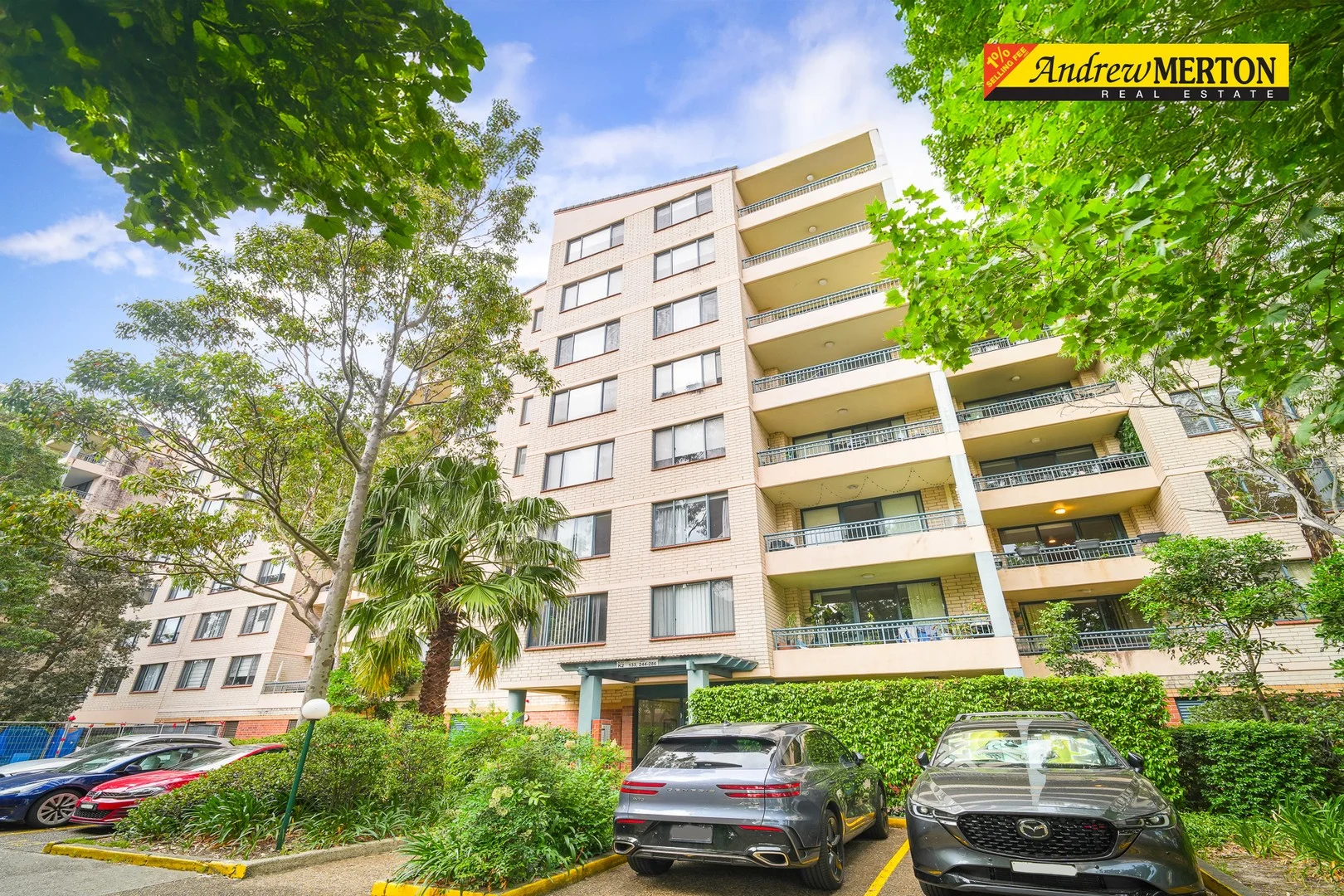 $933,000
Apartment / Unit / Flat
$933,000
Apartment / Unit / Flat
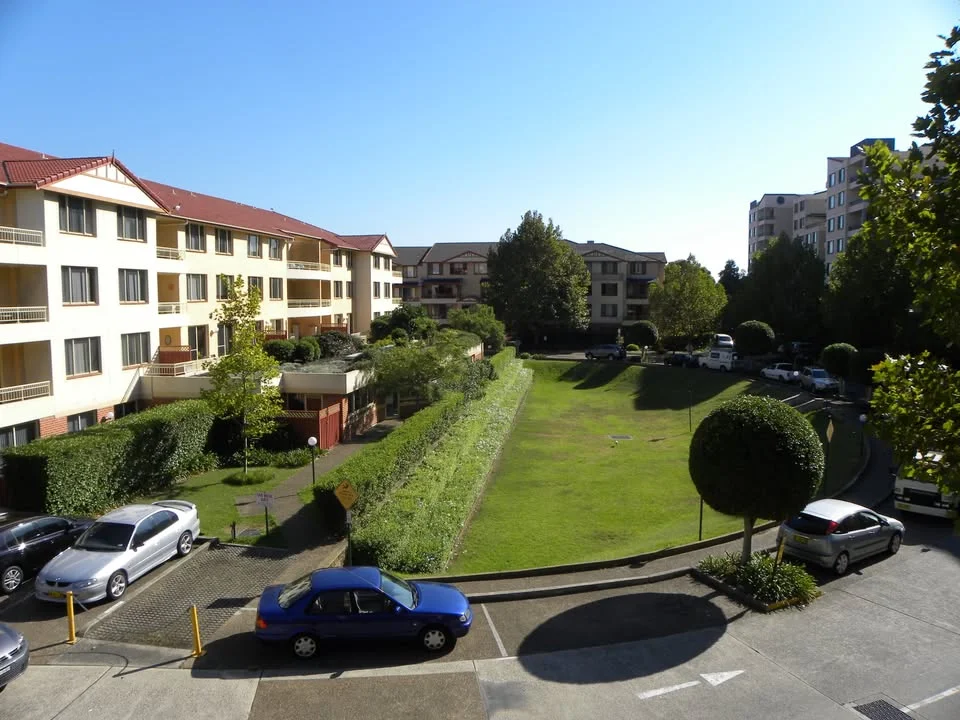 $990
Apartment / Unit / Flat
$990
Apartment / Unit / Flat
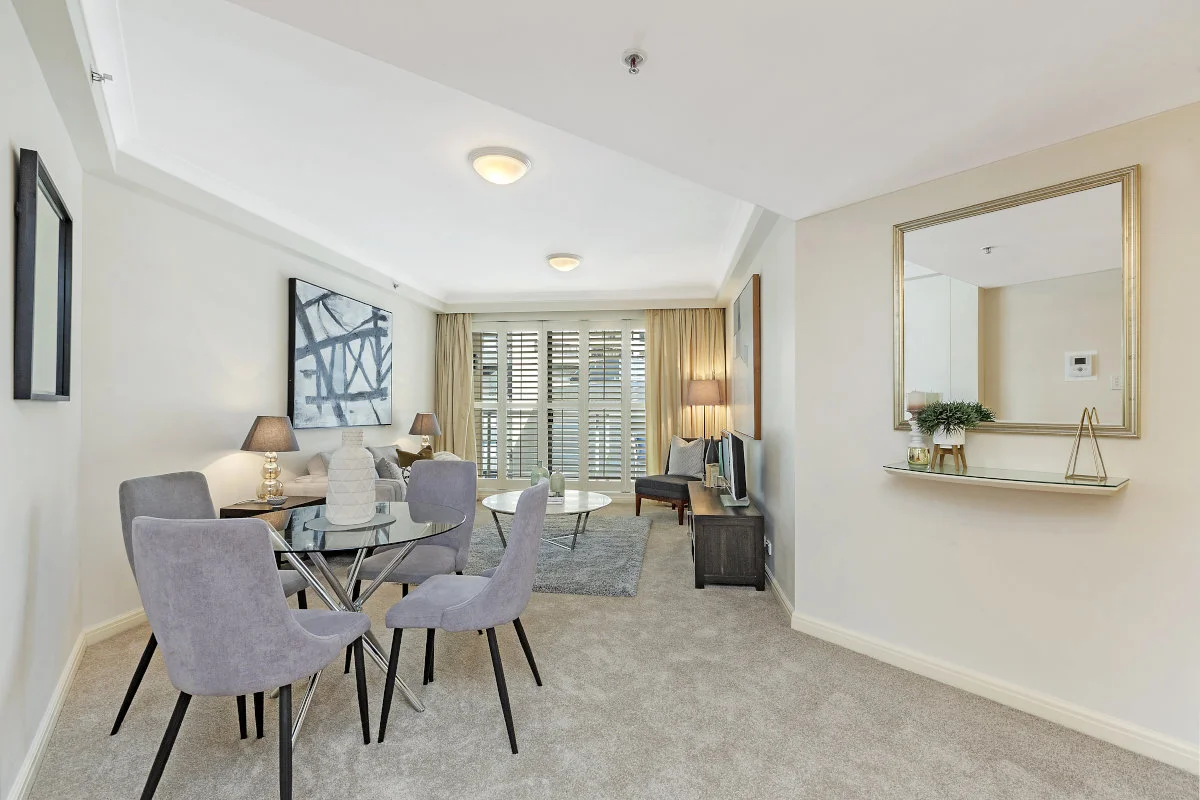 $660,000 - $725,000
Apartment / Unit / Flat
$660,000 - $725,000
Apartment / Unit / Flat
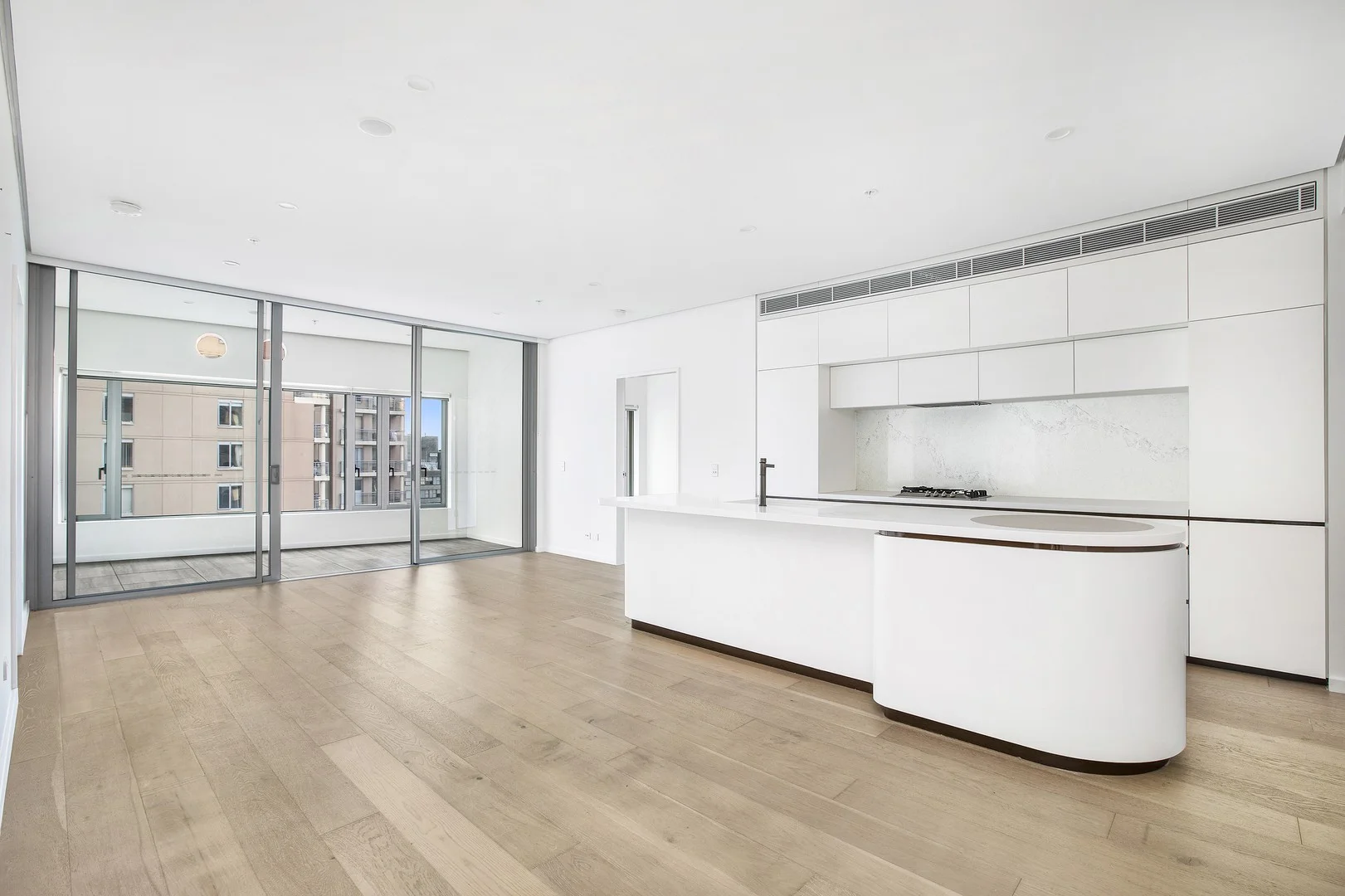 $2,250,000
Apartment / Unit / Flat
$2,250,000
Apartment / Unit / Flat
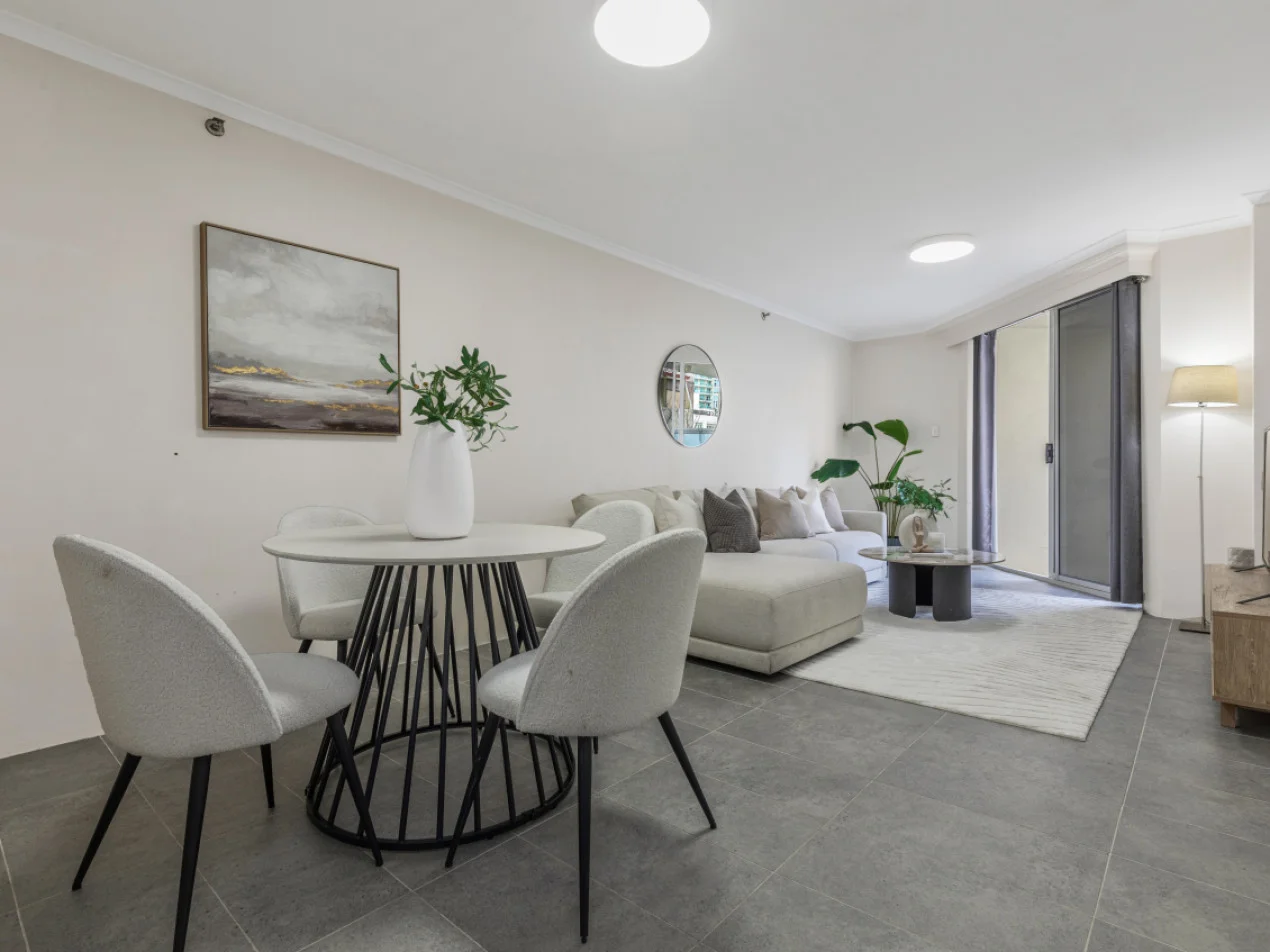 $640,000 - $675,000
Apartment / Unit / Flat
$640,000 - $675,000
Apartment / Unit / Flat
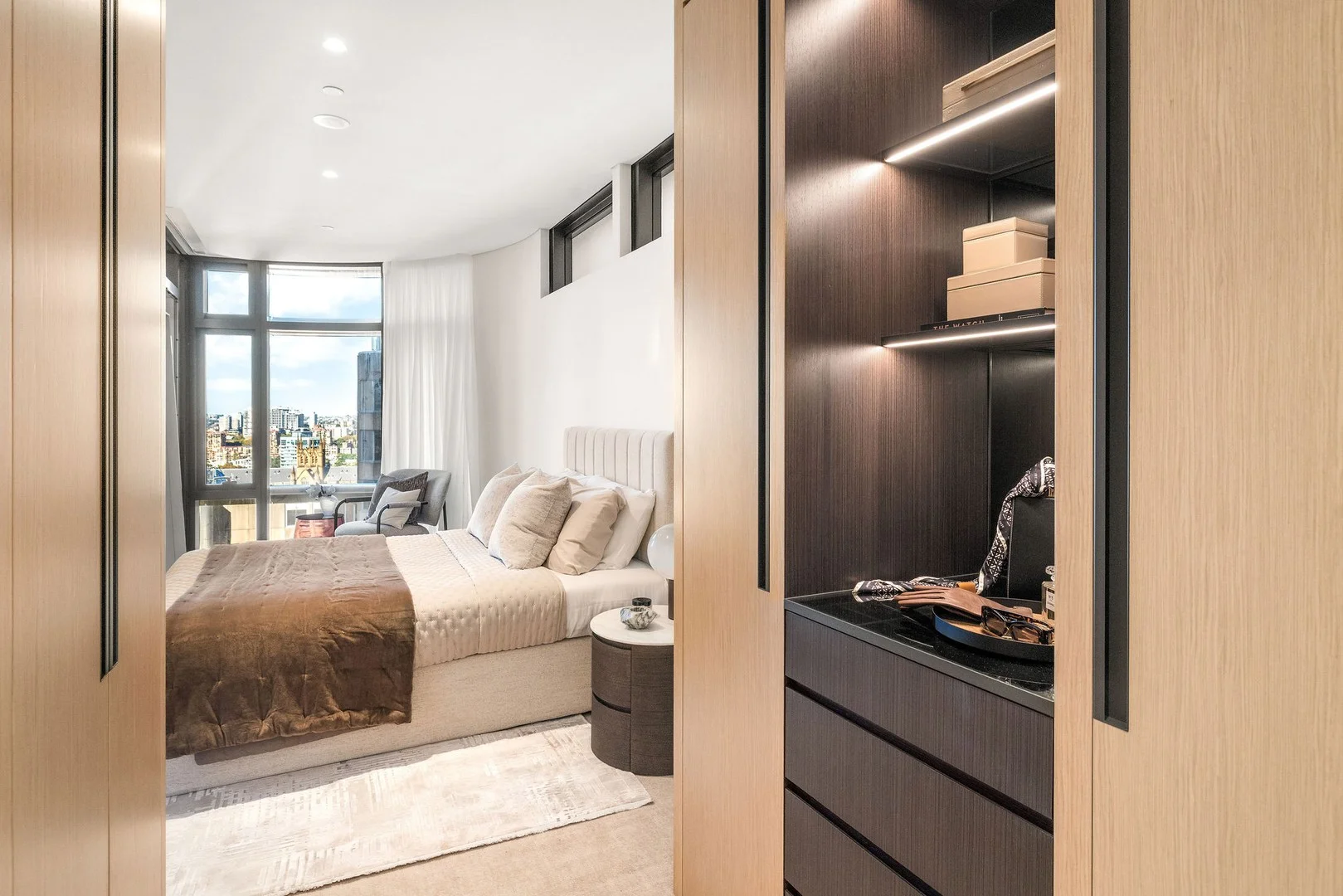 $2,745,000
propertyType.NEW APARTMENTS / OFF THE PLAN
$2,745,000
propertyType.NEW APARTMENTS / OFF THE PLAN
 $8,630,000
propertyType.NEW APARTMENTS / OFF THE PLAN
$8,630,000
propertyType.NEW APARTMENTS / OFF THE PLAN
 $6,225,000
propertyType.NEW APARTMENTS / OFF THE PLAN
$6,225,000
propertyType.NEW APARTMENTS / OFF THE PLAN
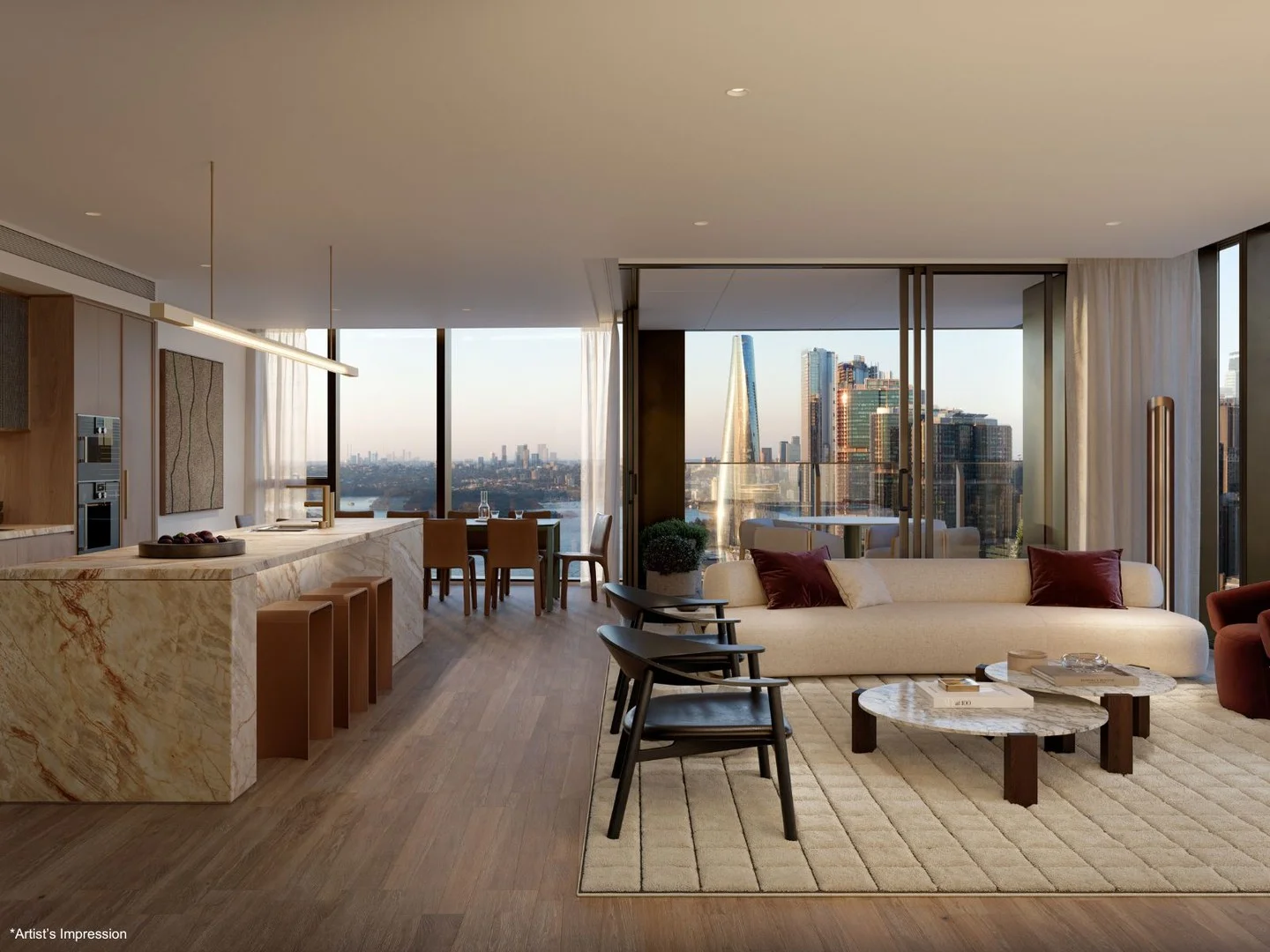 $12,980,000
propertyType.NEW APARTMENTS / OFF THE PLAN
$12,980,000
propertyType.NEW APARTMENTS / OFF THE PLAN