1. Overview
Our Lady of the Sacred Heart College, Bentleigh is a Catholic independent secondary school for girls, dedicated to developing confident, values-driven young women. The college combines faith-based education with a strong academic program, aiming to prepare students for success in both study and life beyond school.
- School type: Catholic independent secondary school for girls
- School size: Medium to large student community
- Class size: Typically mid-20s, allowing for supportive, personal learning
- Atmosphere/culture: Nurturing, inclusive, academically oriented with a strong sense of community and service
⎯
2. Academics & Learning
The college focuses on a well-rounded curriculum that balances core academics with opportunities for creativity, leadership and real-world application.
- Academic strengths: English, STEM, languages, and leadership development are key focus areas; a strong emphasis on critical thinking, literacy and numeracy
- Special programs: VCE program with pathways for accelerated or enriched learning, potential gifted/talented opportunities within subject areas
- NAPLAN trends: Historically strong performance with steady year‑to‑year improvements in reading and numeracy; ongoing focus on sustaining growth across domains
- Student-teacher ratios: Favorable ratios that support individualized attention and mentoring
- Support for diverse learners: Services for EAL (if applicable) and SEN support to help all students access the curriculum and achieve their goals
⎯
3. Sports & Extracurricular Strengths
A broad range of activities supports physical health, teamwork, creativity and leadership. This is particularly important for families seeking strong extracurricular options for boys’ allies at other schools; for this girls’ college, the focus is on girl-centered programs and opportunities.
- Sports offered: Netball, basketball, soccer/football, tennis, athletics, swimming and other court/field sports as part of school programs
- Strong teams or achievements: Competitive school teams with participation in local and regional competitions
- Music, arts, drama programs: Active performing arts program including music ensembles, drama productions and related arts
- Clubs: Robotics, chess, coding, debating and other academically focused or interest-based clubs
- Partnerships: Local community and sporting affiliations, opportunities to participate in regional events and competitions
⎯
4. Wellbeing & Pastoral Care
Wellbeing and pastoral care are central to helping students flourish academically and personally.
- Anti-bullying approach: Clear policies and proactive programs to promote respectful behavior and safe learning environments
- House system: (If applicable) House structure to foster belonging, teamwork and mentorship among students
- Counsellors / wellbeing officers: Access to school counsellors and wellbeing staff to support mental health, resilience and personal development
- Transition support for new students: Orientation activities, peer mentoring and ongoing check-ins to help new students settle in
⎯
5. Facilities
The campus provides purpose-built spaces to support learning, creativity and social development.
- Sports grounds: Access to outdoor playing fields and courts
- Libraries: Modern library with study spaces and digital resources
- Science labs: Well-equipped laboratories for hands-on experiments
- Music/performing arts centers: Dedicated spaces for concerts, rehearsals and performances
- Tech/innovation labs: Computers and maker/tech spaces to support STEM and creative projects
- Cafeteria: On-site dining facilities
- Updated playgrounds: Safe, modern recreation and social spaces
⎯
6. School Values & Community Culture
The college fosters a culture grounded in faith, service, respect and integrity.
- School values / mission: Catholic ethos with emphasis on service, compassion, responsibility and leadership
- Leadership style: Collaborative and student-centered, with opportunities for student voice and leadership
- Behaviour expectations: Clear codes of conduct focused on respect, responsibility and resilience
- Community reputation: Known within the local Catholic school network for strong pastoral care and academic program
- Diversity & inclusion: Commitment to inclusive practices and welcoming students from diverse backgrounds
⎯
7. School Logistics & Daily Operations
Practical details help families plan and participate in school life.
- School hours: Typical school day structure with start and finish times aligned to secondary schooling norms
- Before/after school care: Availability of care or supervision options around school hours
- Uniform requirements: Specific uniform guidelines with seasonal options and guidance on appearance
- Transport: Access to public transport options (train/bus routes) and local drop-off/pick-up arrangements
- Canteen availability: On-site canteen or dining services supporting lunch breaks
- Fees: Fee ranges corresponding to Catholic independent secondary education in the area (mid-to-high range relative to local peers)
⎯
8. Enrolment & Admissions
11. What is the enrolment process and timeline?
- Typically involves an expression of interest, submission of enrolment form, and preparation of supporting documents; an information session or open day is common, followed by an application review and key dates for offers
12. Is there a waiting list, and how does it work?
- Many Catholic independent schools maintain a waiting list; places are offered in order of criteria, with places becoming available as current families’ plans change
13. Are there any entry requirements, tests, or interviews?
- Entry often includes an interview or information session; academic results may be reviewed, and families may be asked to provide pastoral information or declarations of faith as part of the Enrollment process
14. Does the school accept mid-year transfers?
- Mid-year transfers can be possible if spaces are available; the school will typically require transcripts, attendance records and relevant administrative steps to ensure a smooth transition
⎯
9. Frequently Asked Questions
- Why Parents Choose This School?
- Strong Catholic ethos, supportive pastoral care, balanced focus on academics, sport, arts and community involvement
- What type of student thrives at this school?
- Students who are curious, collaborative, values-driven and ready to engage in both classroom and extracurricular activities
- What opportunities are available for students to extend their skills (academics, sports, arts)?
- Enriched subject paths, leadership roles, competitive sport teams, performing arts productions, clubs and specialist programs
- How does the school communicate with parents?
- Regular newsletters, parent portals, information evenings, progress reports and a responsive front-line team
- What is the school’s approach to teaching and learning?
- Student-centered learning with a mix of direct instruction, enquiry-based activities and practical applications to develop understanding and skills
- How does the school support students who need extra academic help?
- Targeted tutoring, learning support staff, EAL/SEN services and accommodations where appropriate
- What support is available for academic challenges?
- Access to mentors, counsellors and academic support programs to build resilience and strategies for improvement
- How does the school communicate with parents? (Repeat)
- See above: multiple channels for timely updates and two-way dialogue
- What are the class sizes and how much individual attention do students receive?
- Class sizes in the mid-20s with opportunities for teacher‑student interaction through small-group work and targeted support
- What extracurricular and sports opportunities are available?
- Broad sports program plus clubs in robotics, coding, debating, chess and the arts
- What facilities does the school offer (sports, science, arts)?
- Sports grounds, libraries, science labs, performing arts spaces, tech/innovation labs and a canteen
- What is the school’s approach to technology and digital learning?
- Integration of digital tools and resources to support learning, critical thinking and collaboration
- What transport and accessibility options are available?
- Access to local transport routes and school-provided or recommended commuting options
- What are the typical school fees or additional costs?
- Fees fall within the mid-to-high range for Catholic independent secondary schools in the region; details available on request
⎯
10. Short Pros & Cons list
Pros
- Strong Catholic identity with a values-driven environment
- Balanced focus on academics, arts, sport and wellbeing
- Supportive pastoral care and student-centred staffing
- Range of clubs and enrichment programs
- Positive sense of community and belonging
Cons
- Fees are higher than public schools; consideration for financial planning
- Class sizes, while typically manageable, may be larger in peak years depending on intake
- Availability of certain mid-year transfers can be contingent on vacancies
- Specific programs or pathways may vary by year and cohort
⎯
 $25+
$25+










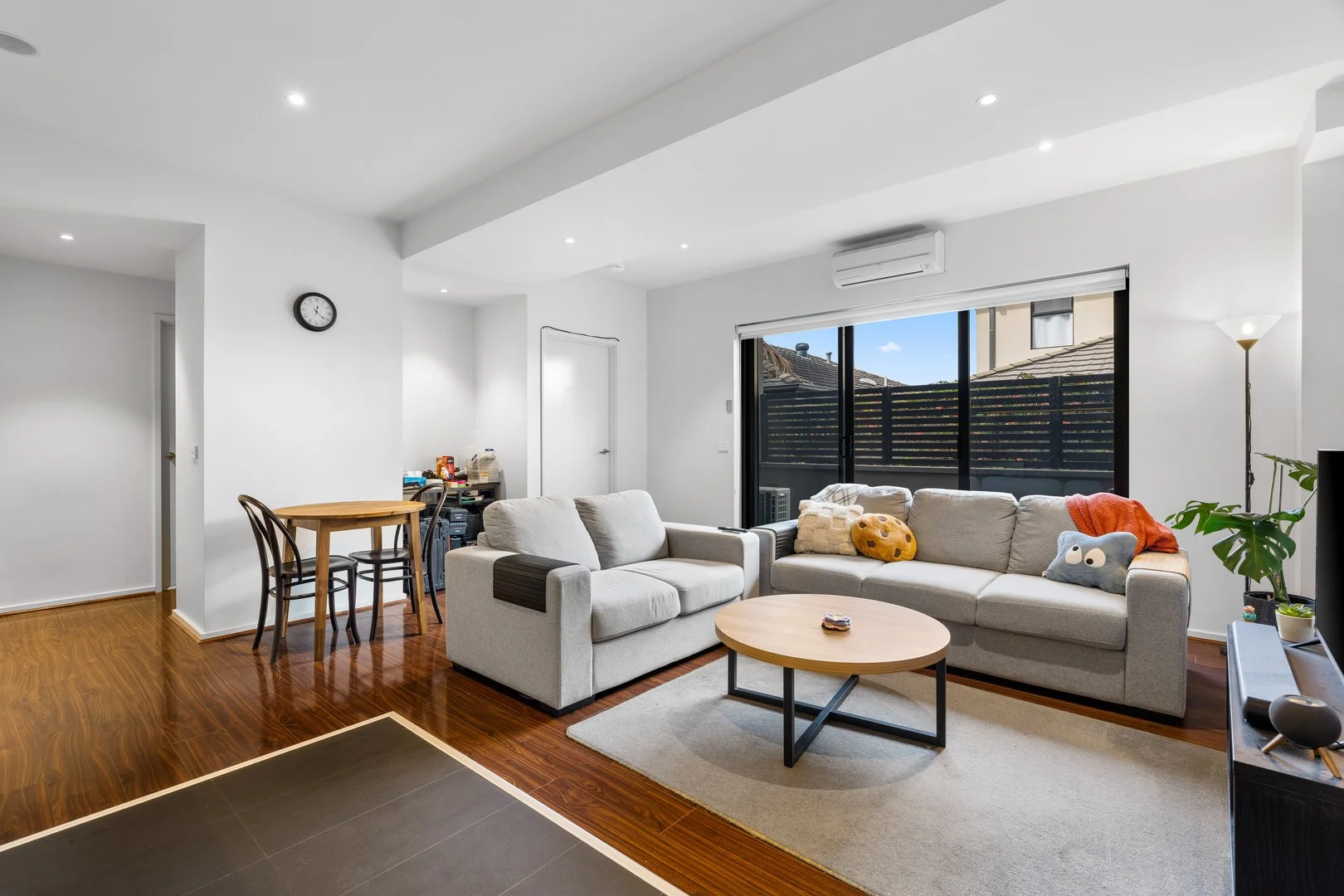 $385,000 - $410,000
Apartment / Unit / Flat
$385,000 - $410,000
Apartment / Unit / Flat
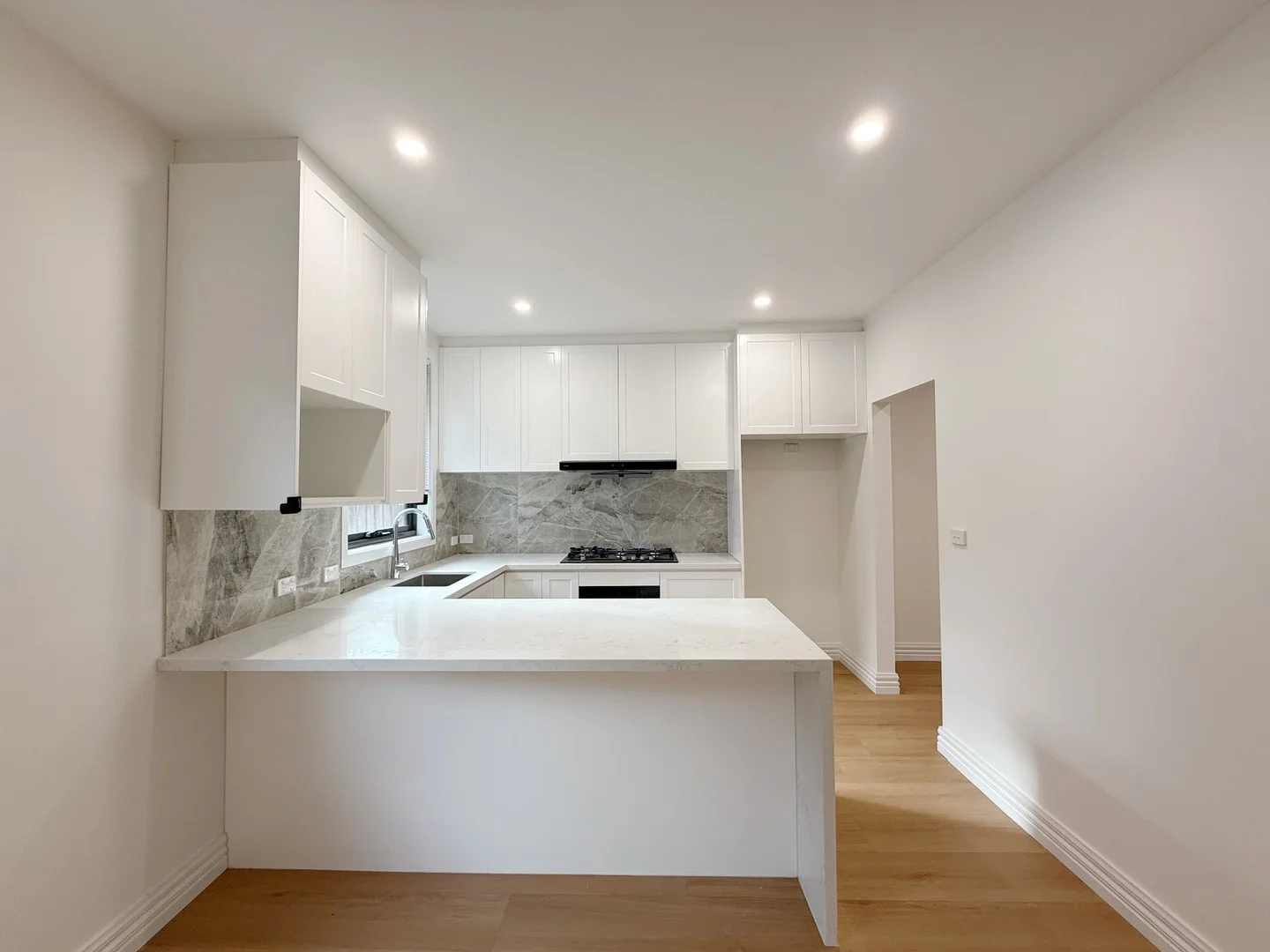 $1,280
House
$1,280
House
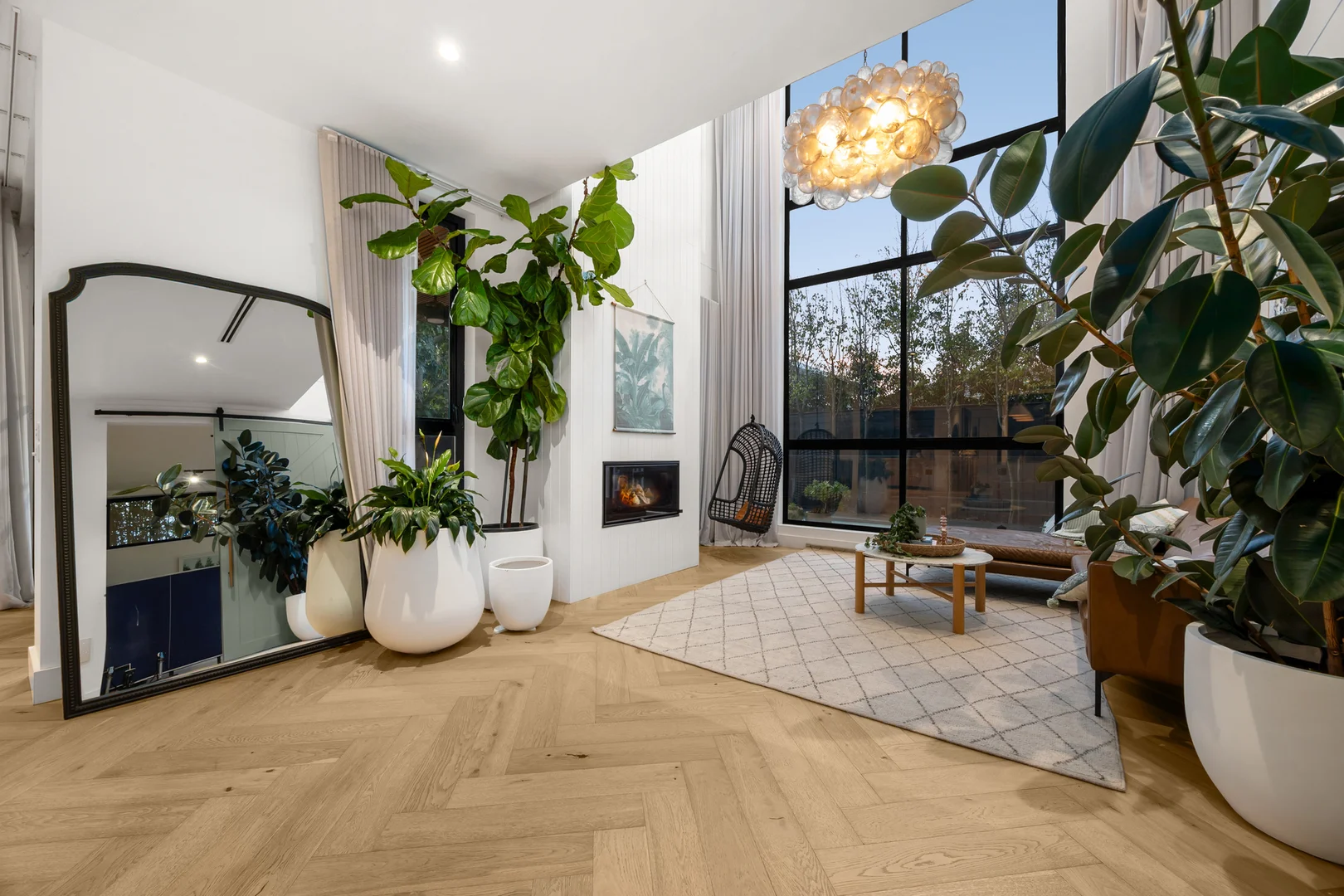 $3,300,000
House
$3,300,000
House
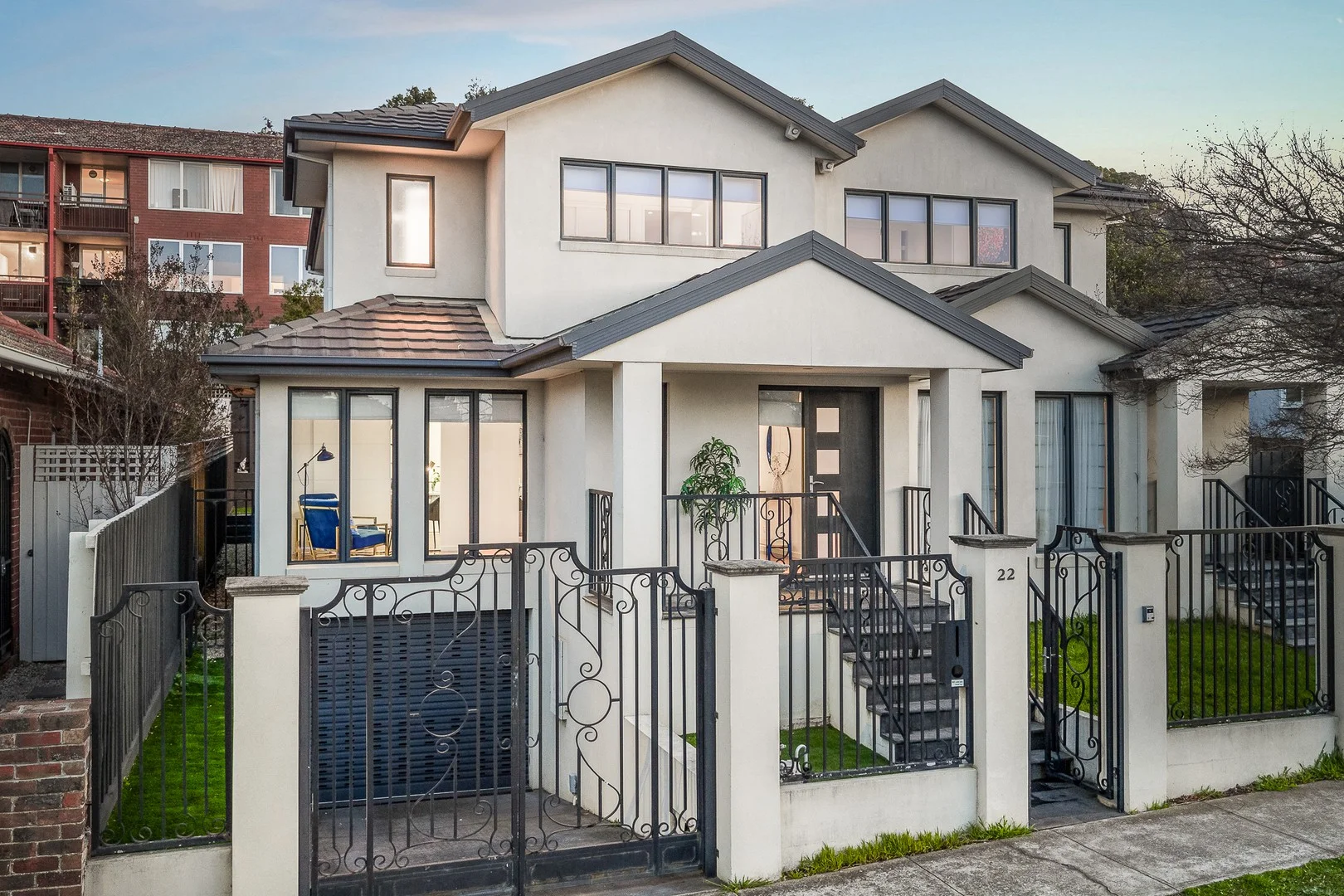 $2,100,000
Townhouse
$2,100,000
Townhouse
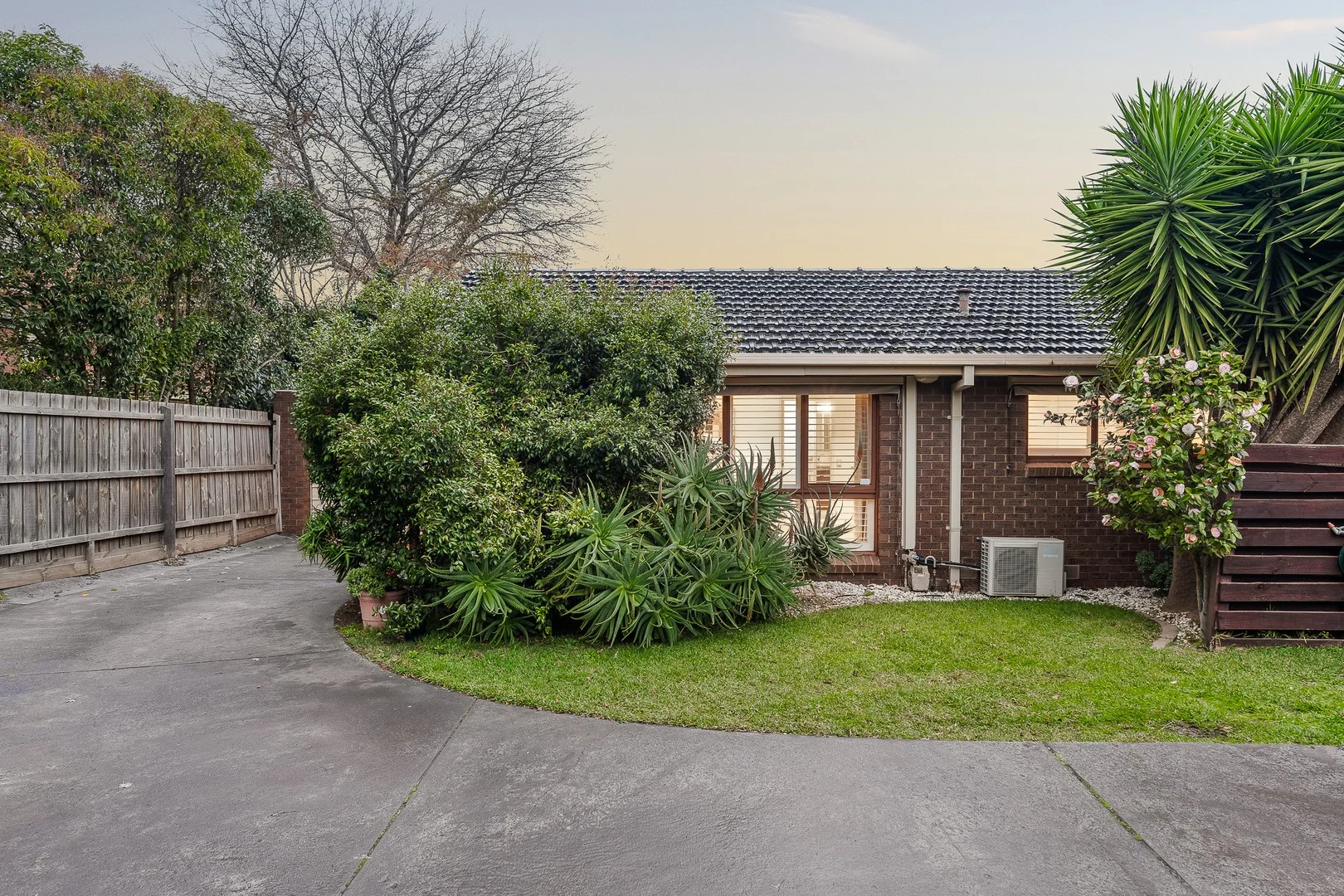 $770,000 - $820,000
Apartment / Unit / Flat
$770,000 - $820,000
Apartment / Unit / Flat
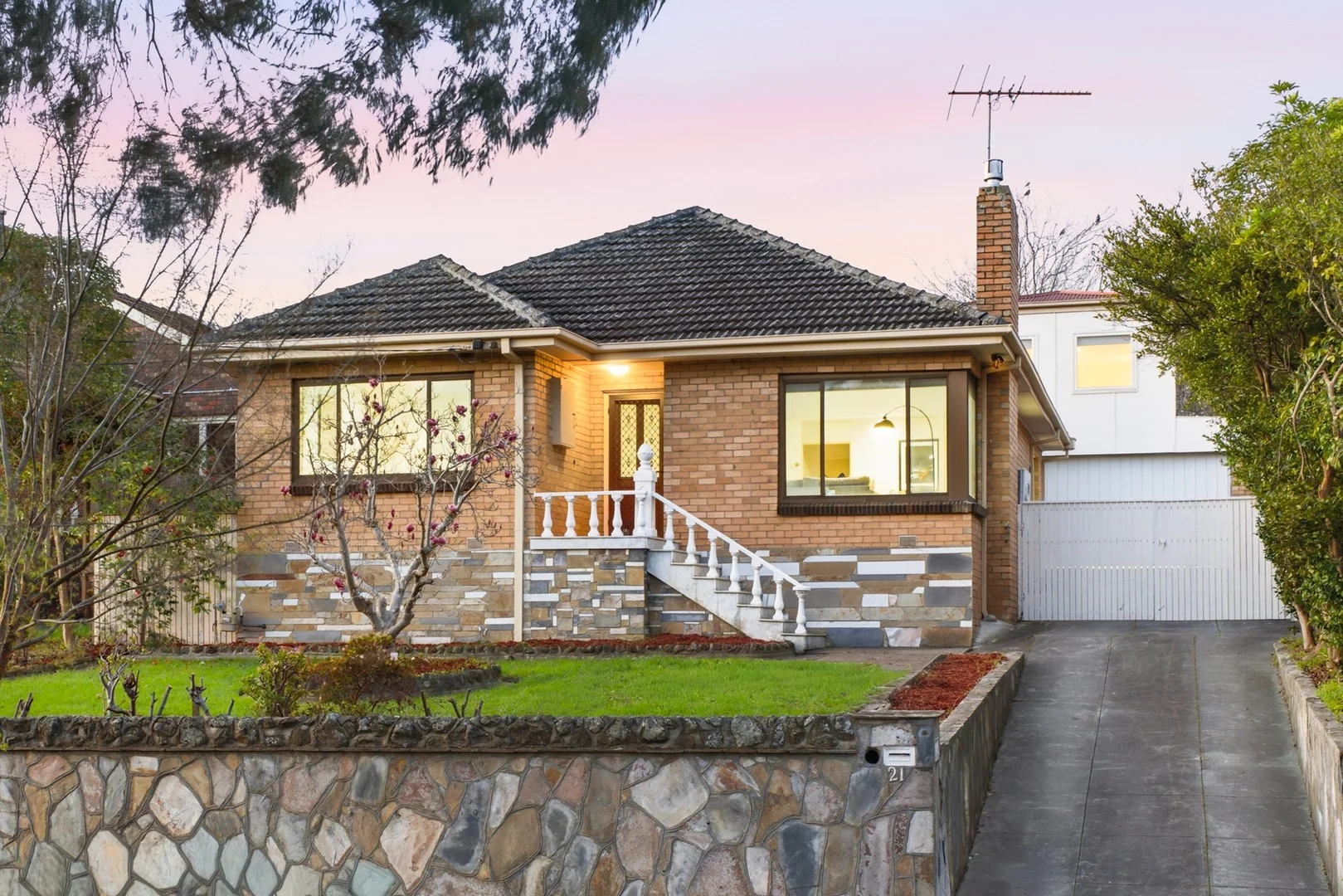 $1,200,000
House
$1,200,000
House
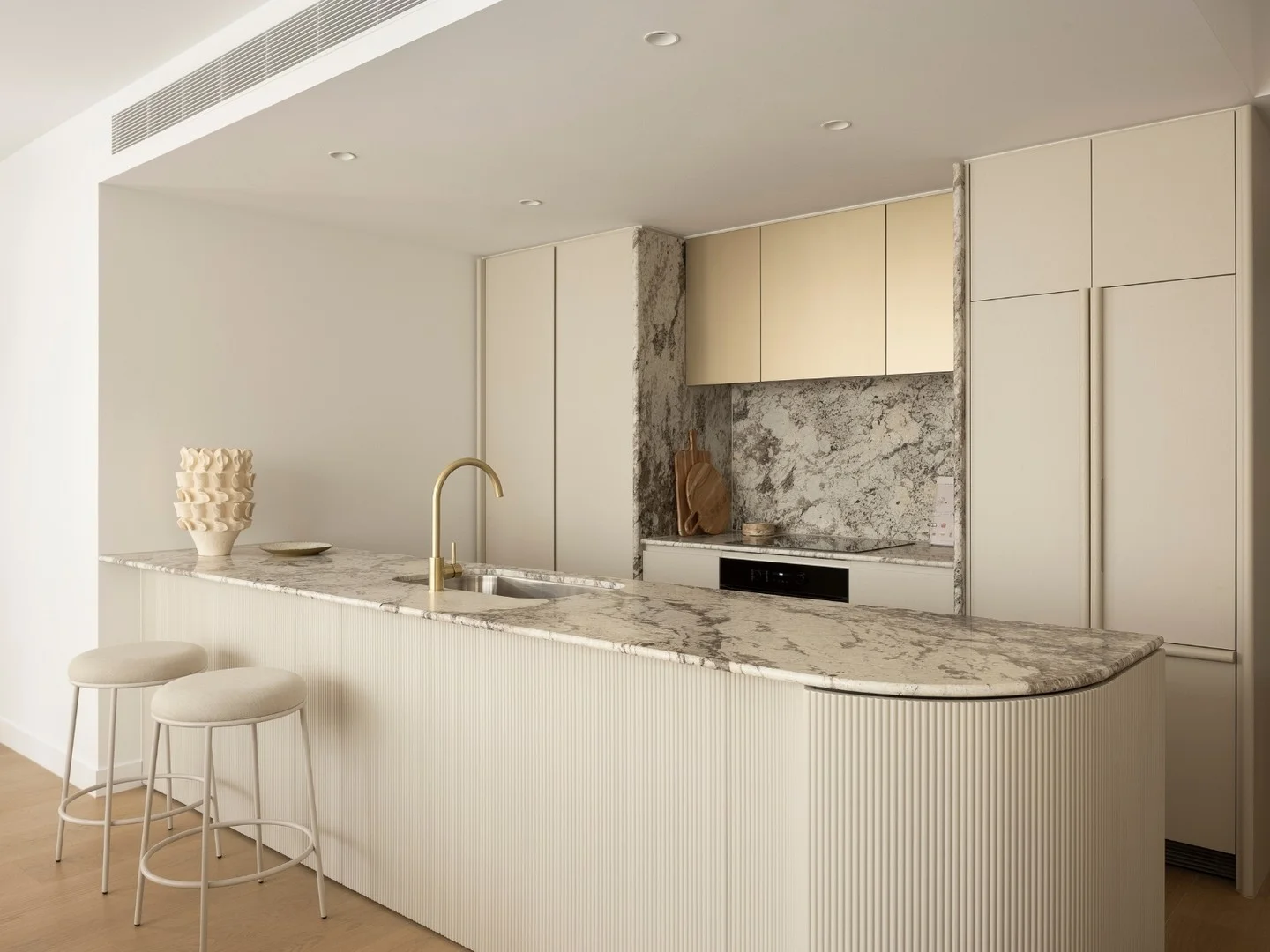 $1,345,000
Apartment / Unit / Flat
$1,345,000
Apartment / Unit / Flat
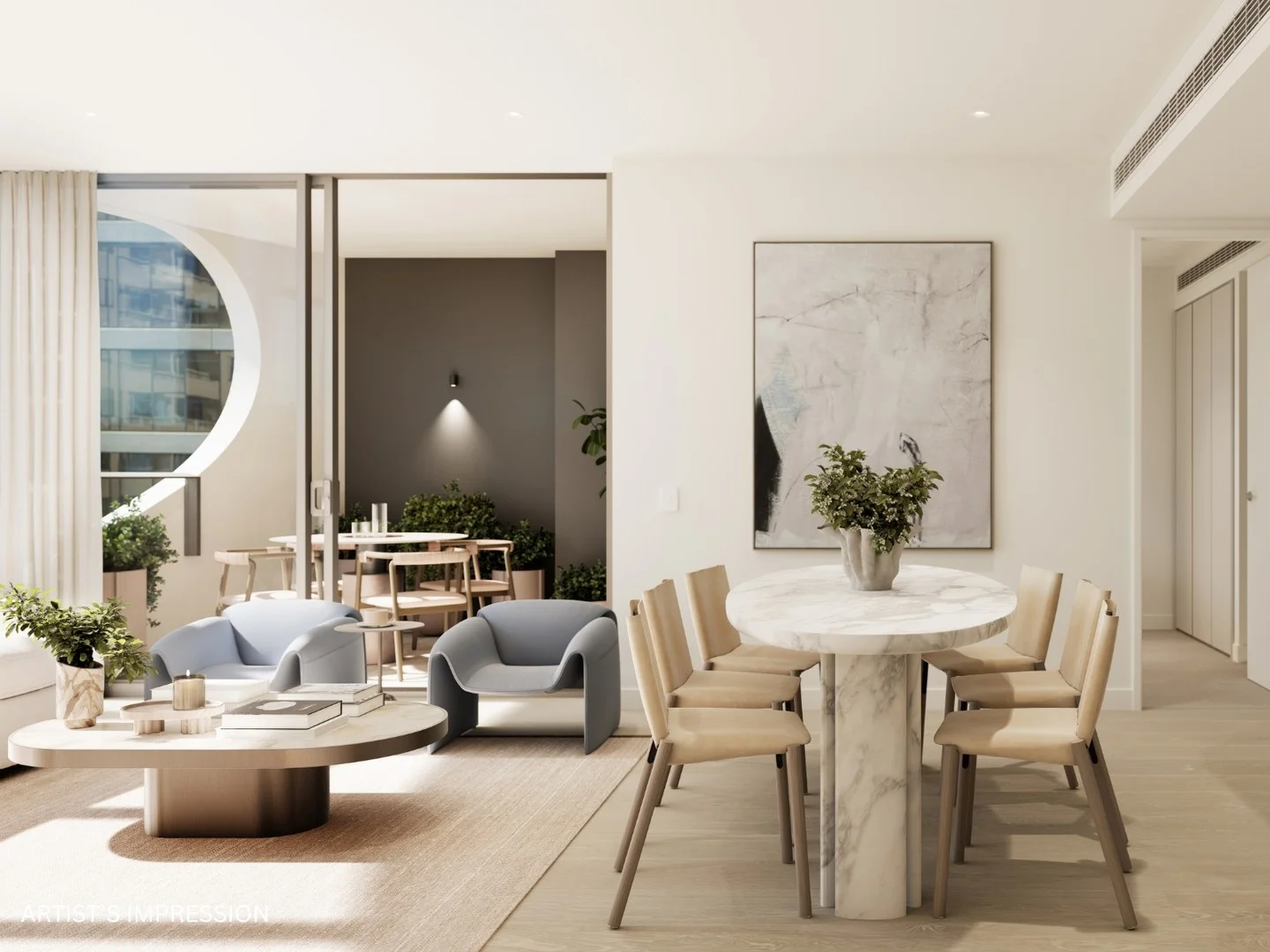 $1,640,000
Apartment / Unit / Flat
$1,640,000
Apartment / Unit / Flat
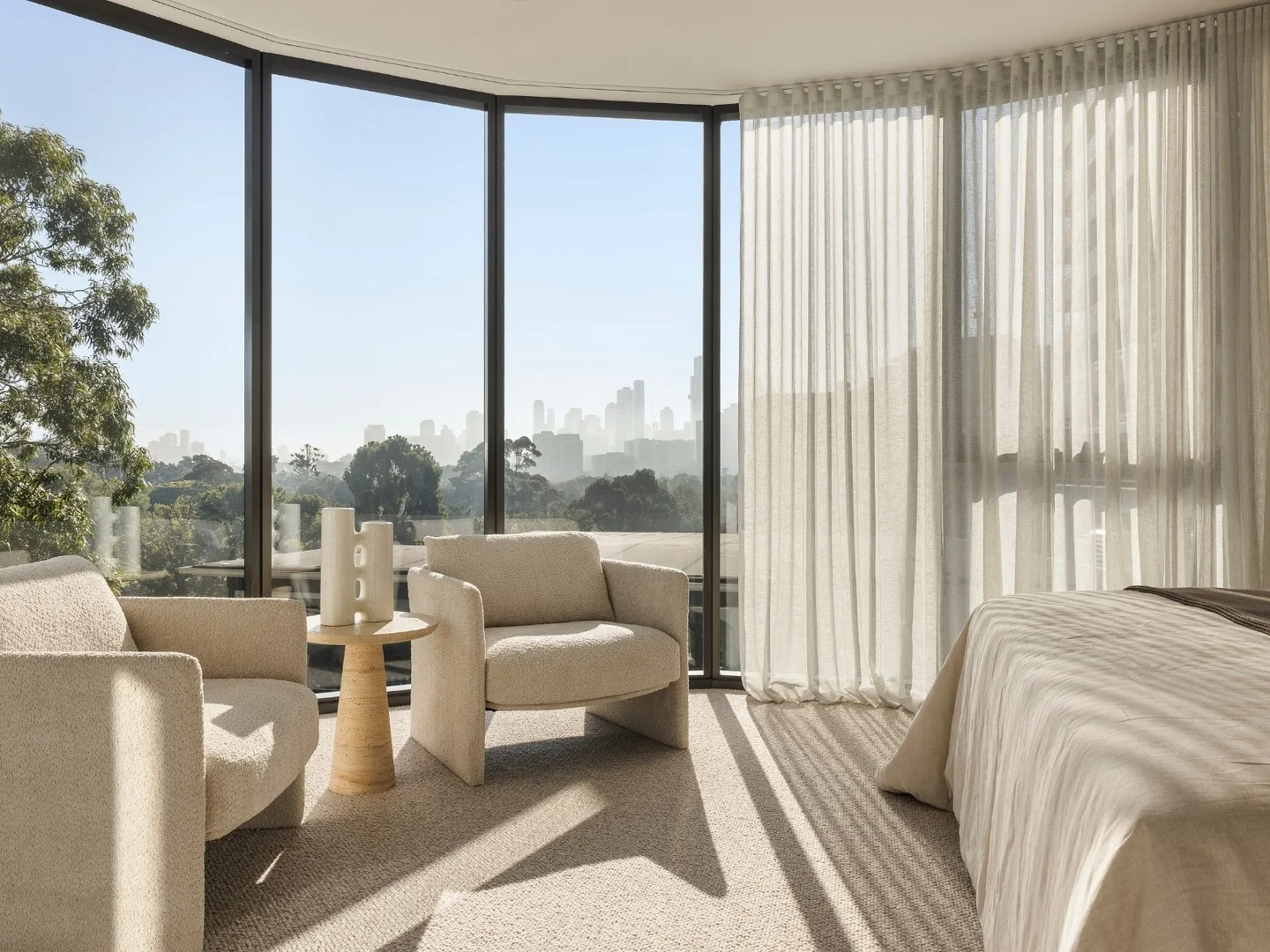 $2,750,000
Apartment / Unit / Flat
$2,750,000
Apartment / Unit / Flat


