Overview
## 1. Overview
St Christopher's Primary School – Glen Waverley is a Catholic, co-educational primary school that supports Foundation to Year 6 students. The school aims to nurture confident, compassionate learners within a faith-centered community, balancing academic growth with faith formation and social development. With a medium size enrolment, classes typically offer a warm, supportive atmosphere that encourages curiosity, collaboration, and respectful relationships.
Class sizes are generally in the mid-range for primary schools, and the environment emphasises a nurturing and inclusive culture alongside an active engagement in sport and community life.
---
## 2. Academics & Learning
- Academic strengths: A solid focus on literacy and numeracy foundations, with opportunities to explore STEM concepts, leadership roles, and collaborative learning across year levels. A faith-informed approach supports wellbeing alongside academics.
- Special programs: Availability of enrichment and support options depending on the cohort, including targeted interventions and opportunities for students to extend learning in select areas (e.g., enrichment activities and school-wide inquiry projects).
- NAPLAN / trends: Schools in Victoria often show stable to improving performance in literacy and numeracy compared with state averages; trends reflect ongoing emphasis on foundational skills and growth across year levels.
- Student-teacher ratios: Typical primary school ranges. Class sizes and adult support vary by year level, with indications of supportive teacher-to-student contact to enable responsive teaching.
- Support for diverse learners: Inclusive education framework with support for diverse learners, including strategies for EAL (English as an Additional Language) learners and targeted SEN (Special Educational Needs) support where appropriate.
---
## 3. Sports & Extracurricular Strengths
- Sports offered: A broad selection such as soccer, AFL, netball, basketball, cricket, swimming, and athletics; balanced opportunities across year levels.
- Strong teams or achievements: A culture that emphasises participation and school spirit through house events and inter-school activities, with opportunities for competitive teams and representative involvement.
- Music, arts, drama programs: Active emphasis on performing arts, school productions, choral activities, and potential instrumental lessons or ensembles.
- Clubs: Robotics, coding, chess, debating, and other interest-based clubs that support critical thinking and teamwork.
- Partnerships: Local partnerships with community clubs and associations for events, competitions, and external opportunities to showcase student skills.
---
## 4. Wellbeing & Pastoral Care
- Anti-bullying approach: Clear policies and programs promoting respectful relationships, with restorative practices and ongoing wellbeing education.
- House system: House-based structure used to build community, leadership opportunities, and healthy competition.
- Counsellors / wellbeing officers: Access to wellbeing staff to support social-emotional learning, resilience, and student needs.
- Transition support for new students: Orientation activities, buddy programs, and transitional supports to help new students settle in smoothly.
---
## 5. Facilities
- Sports grounds: Outdoor spaces suitable for general physical activity and school events.
- Libraries: On-site library supporting reading, research, and quiet study.
- Science labs: Dedicated spaces for hands-on science exploration and experiments.
- Music/performing arts centers: Areas for music, drama, and performances.
- Tech/innovation labs: Facilities that support digital learning and creative projects.
- Cafeteria: On-site canteen or food service for healthy meal options.
- Updated playgrounds: Modern outdoor play areas designed for safe play and physical activity.
---
## 6. School Values & Community Culture
- School values / mission: A mission rooted in Catholic faith and values such as respect, responsibility, compassion, and service to others.
- Leadership style: Collaborative leadership that encourages student voice and active participation in school life.
- Behaviour expectations: Clear conduct expectations aligned with a positive behavior support framework.
- Community reputation: Known for a welcoming, family-friendly environment and strong school–home partnerships.
- Diversity & inclusion: Committed to an inclusive culture that recognises and respects diverse backgrounds and abilities.
---
## 7. School Logistics & Daily Operations
- School hours: Follows the standard Victorian school day; start and finish times align with the state calendar and school policies.
- Before/after school care: Usually available, with supervision and activities offered to families needing extended care.
- Uniform requirements: Consistent with the school’s uniform policy for all year levels.
- Transport (train/bus routes): Local bus routes and public transport options commonly available nearby; car drop-off and pick-up procedures in place.
- Canteen availability: Canteen or food service offering healthy choices during the day.
- Fees (low/medium/high ranges): Fee structures typically fall in a mid-range band for Catholic primary schools, with additional costs for camps, excursions, or activities as applicable.
---
## 8. Enrolment & Admissions
### 11. What is the enrolment process and timeline?
- Submit an enrolment application with required documents.
- Provide supporting materials (birth certificate, immunisation records, proof of residency or enrolment eligibility, and other school-specific documents).
- Application window and closing dates are published by the school; there may be interview days or information sessions.
- Offers are made based on availability, with timelines communicated by the school.
- Upon offer acceptance, enrolment is confirmed and any required deposits or forms completed.
### 12. Is there a waiting list, and how does it work?
- Waiting lists are common when year-level vacancies are limited.
- Priority may be given to siblings and Catholic families or those with priority considerations as defined by the school.
- The school will communicate waiting-list procedures, estimated wait times, and how to remain on the list.
### 13. Are there any entry requirements, tests, or interviews?
- Many Catholic primary schools conduct an interview or family discussion as part of the process.
- Some year levels may require readiness discussions or assessments, though not all will require formal testing.
- Documentation and eligibility (age/grade level) must be met prior to finalising enrolment.
### 14. Does the school accept mid-year transfers?
- Mid-year transfers can be possible subject to space and alignment with year-level intake.
- The transfer process typically mirrors the standard enrolment steps, including documentation and coordination with current and receiving schools.
- Availability of places may vary by term or year level.
---
## 9. Frequently Ask Questions
- Why Parents Choose This School?
- A values-driven Catholic environment, strong sense of community, supportive staff, focus on both academics and character development.
- What type of student thrives at this school?
- Students who are curious, respectful, collaborative, and engaged in community life.
- What opportunities are available for students to extend their skills (academics, sports, arts)?
- Enrichment and intervention options, clubs (robotics, coding, chess, debating), sports teams, music and drama programs, and leadership opportunities.
- How does the school communicate with parents?
- Regular newsletters, parent portals or apps, emails, parent-teacher meetings, and updates on school events.
- What is the school’s approach to teaching and learning?
- Student-centered, with emphasis on literacy and numeracy foundations, inquiry-based learning, and faith-informed education.
- How does the school support students who need extra academic help?
- In-class differentiation, small-group interventions, targeted support from learning specialists or classroom teachers.
- What support is available for academic challenges?
- Access to learning support, guidance for students needing additional time or resources, and regular progress monitoring.
- How does the school communicate with parents? (Note: this is a duplicate question)
- See above: newsletters, portals/apps, meetings, and ongoing school communications.
- What are the class sizes and how much individual attention do students receive?
- Class sizes are typically mid-range for primary schools; teacher-to-student contact supports individual attention, especially in early years and targeted groups.
- What extracurricular and sports opportunities are available?
- A range of sports, clubs (robotics, coding, chess, debating), music and arts programs, and opportunities to participate in inter-school events.
- What facilities does the school offer (sports, science, arts)?
- Sports grounds, library, science laboratories, music/performing arts spaces, tech/innovation labs, canteen, and modern outdoor playgrounds.
- What is the school’s approach to technology and digital learning?
- Integration of ICT and digital literacy within the curriculum, safe online practices, and access to age-appropriate devices and learning platforms.
- What transport and accessibility options are available?
- Local bus routes and proximity to public transport; car drop-off/pick-up arrangements; considerations for accessibility.
- What are the typical school fees or additional costs?
- Fees are in the moderate range for Catholic primary schools, with possible extra costs for camps, excursions, uniforms, and additional activities.
---
## 10. Short Pros & Cons list
- Pros
- Values-driven education with a supportive, faith-based community
- Holistic development: academics, wellbeing, and character
- Wide range of extracurriculars and clubs
- Balanced class sizes and accessible teacher support
- Strong emphasis on inclusivity and diversity
- Cons
- Enrolment may involve waiting lists in high-demand years
- Uniform and some activity costs can add to overall expenses
- Location considerations for families commuting from distant suburbs
- Availability of specific programs might vary by year level or cohort












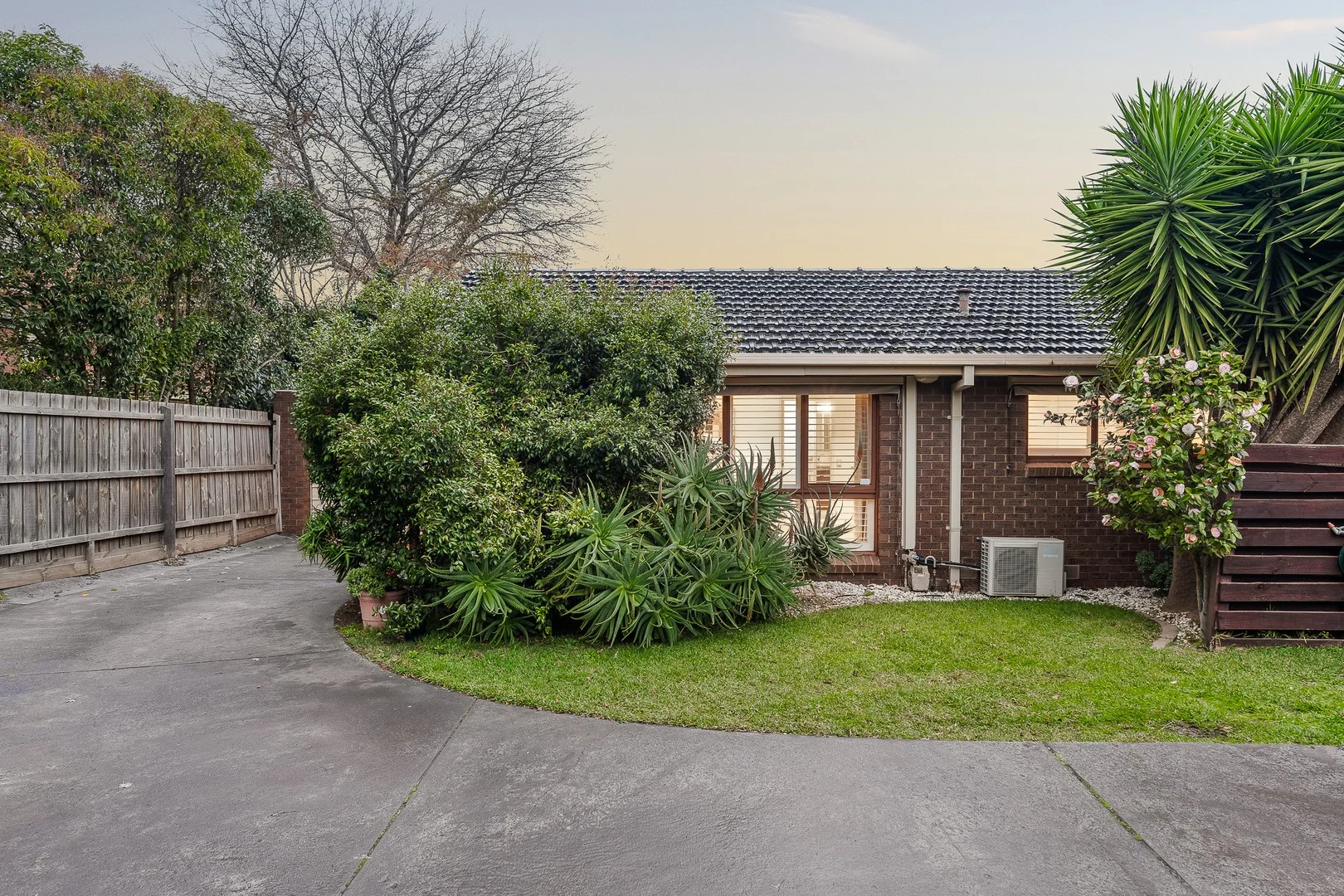 $770,000 - $820,000
Apartment / Unit / Flat
$770,000 - $820,000
Apartment / Unit / Flat
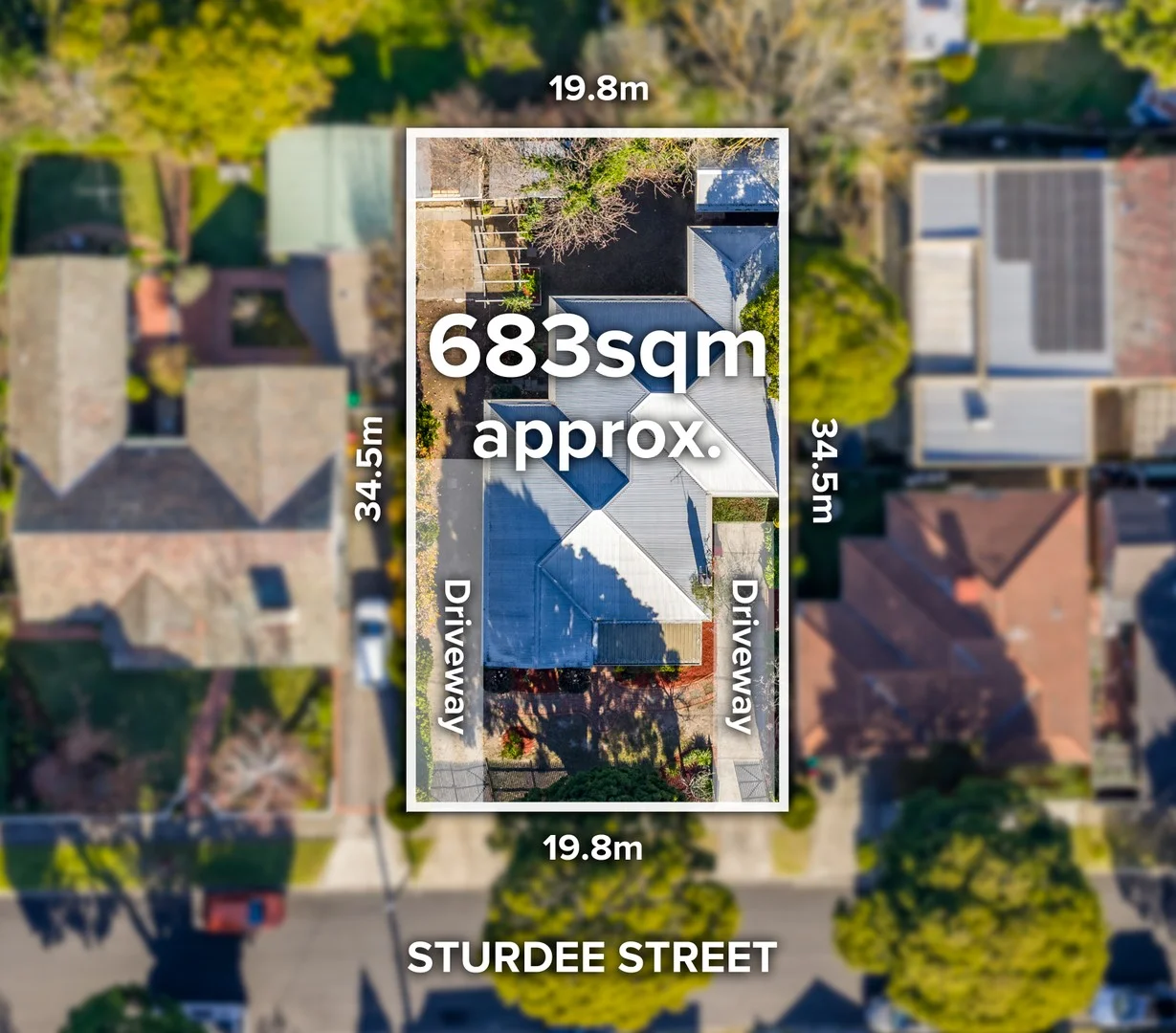 $2,000,000
House
$2,000,000
House
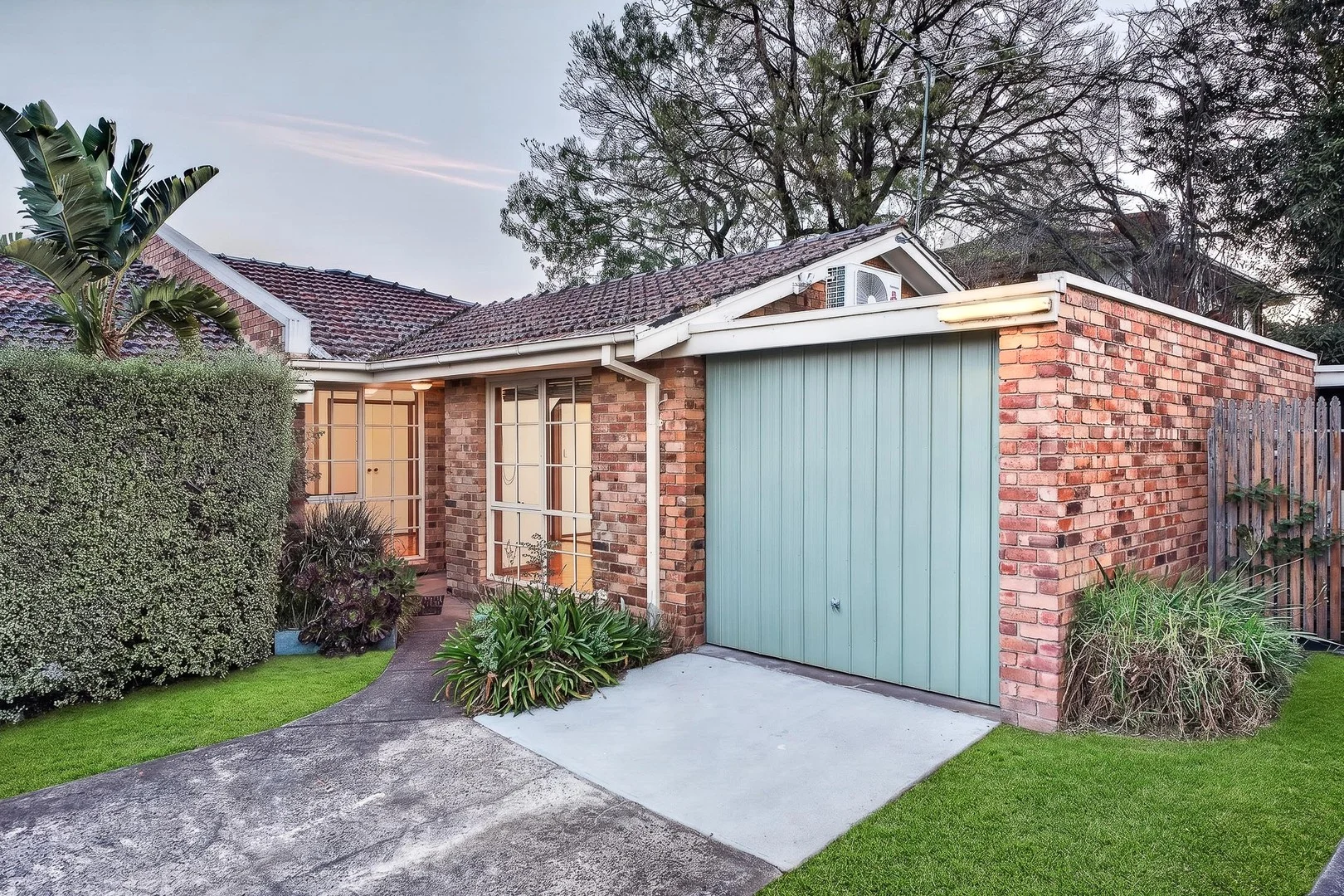 $765,000 - $825,000
Apartment / Unit / Flat
$765,000 - $825,000
Apartment / Unit / Flat
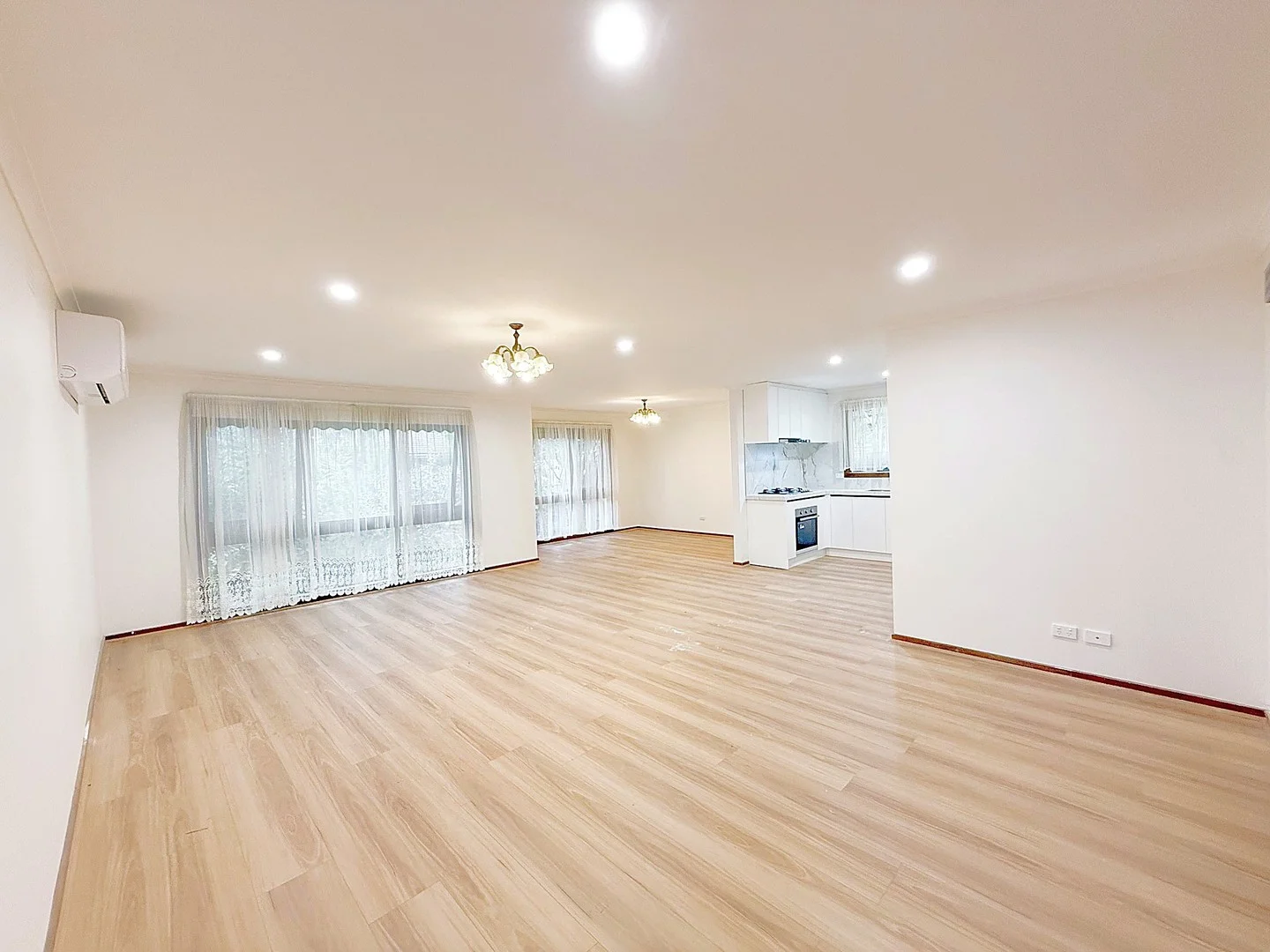 $1,100
House
$1,100
House
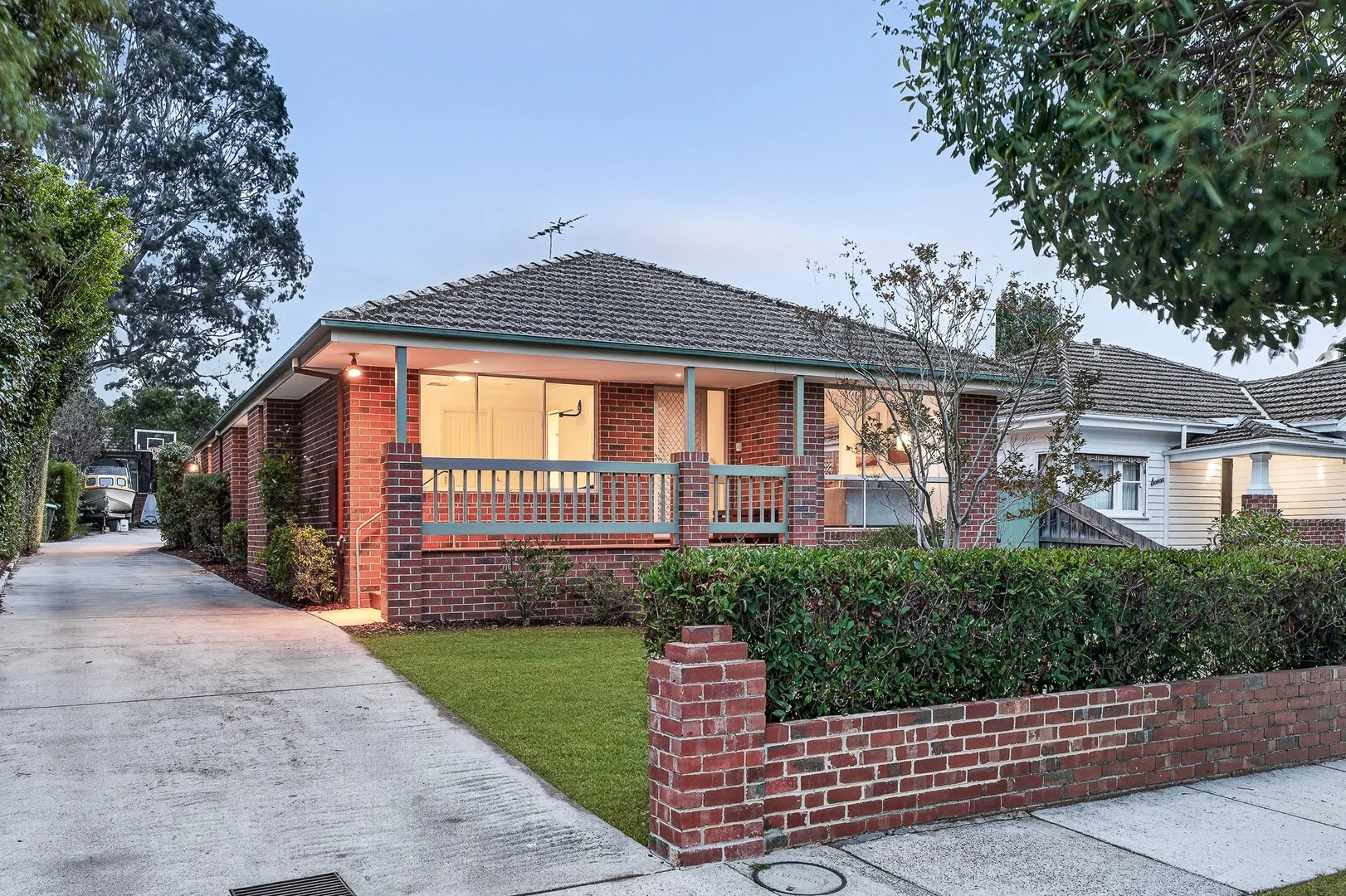 $1,200,000 - $1,300,000
House
$1,200,000 - $1,300,000
House
 $630,000 - $680,000
Apartment / Unit / Flat
$630,000 - $680,000
Apartment / Unit / Flat
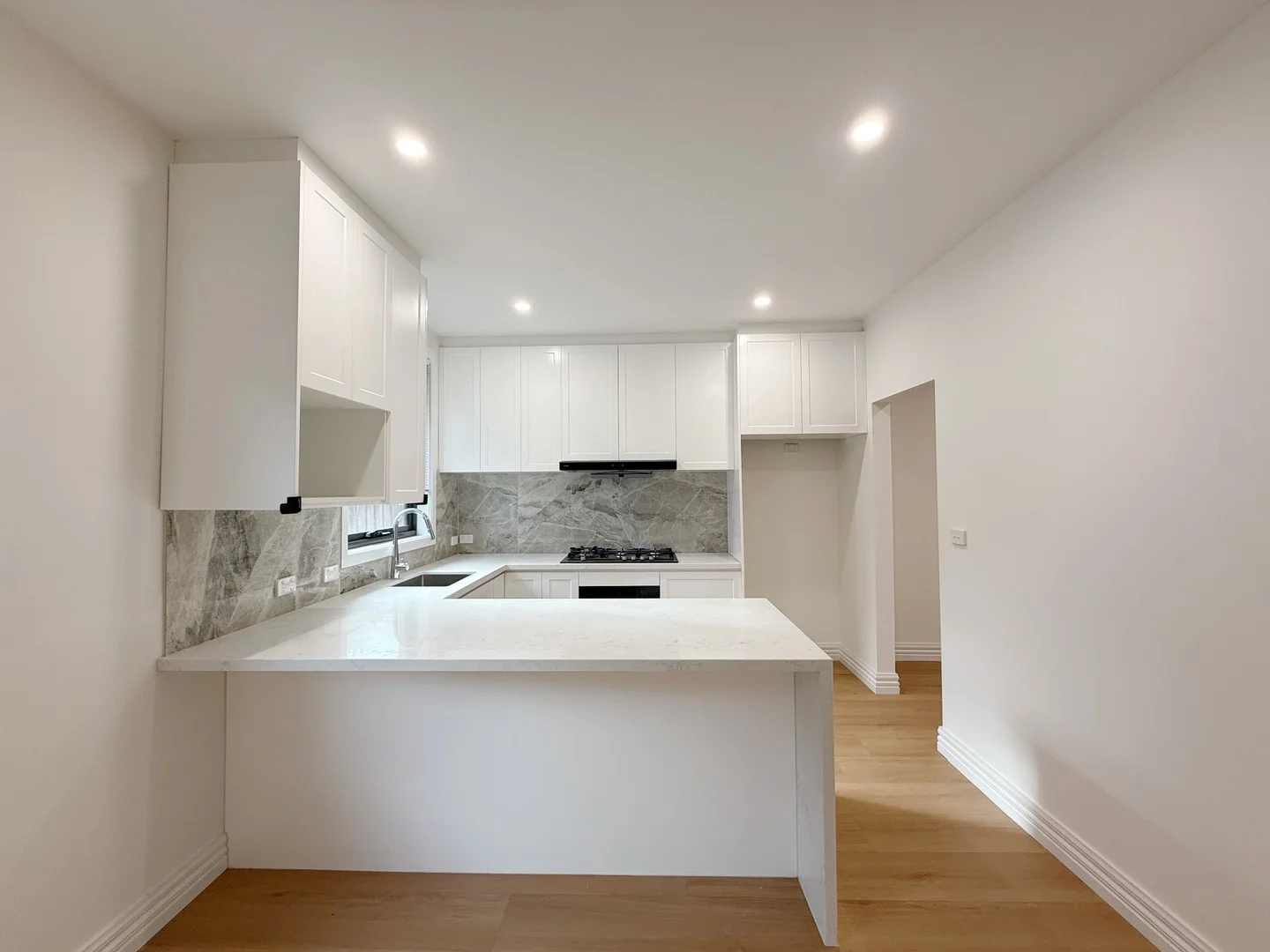 $1,280
House
$1,280
House
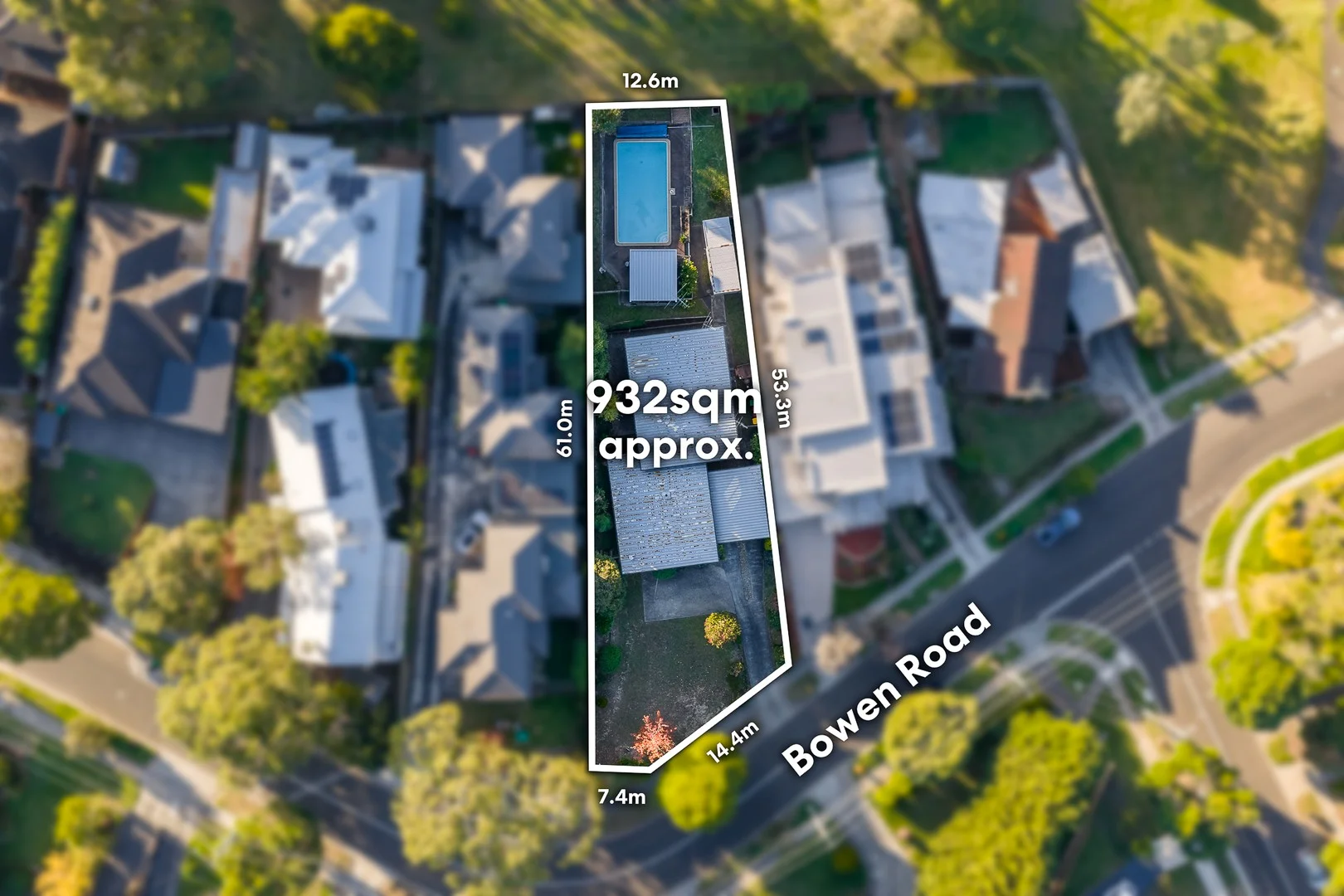 $1,300,000 - $1,400,000
House
$1,300,000 - $1,400,000
House
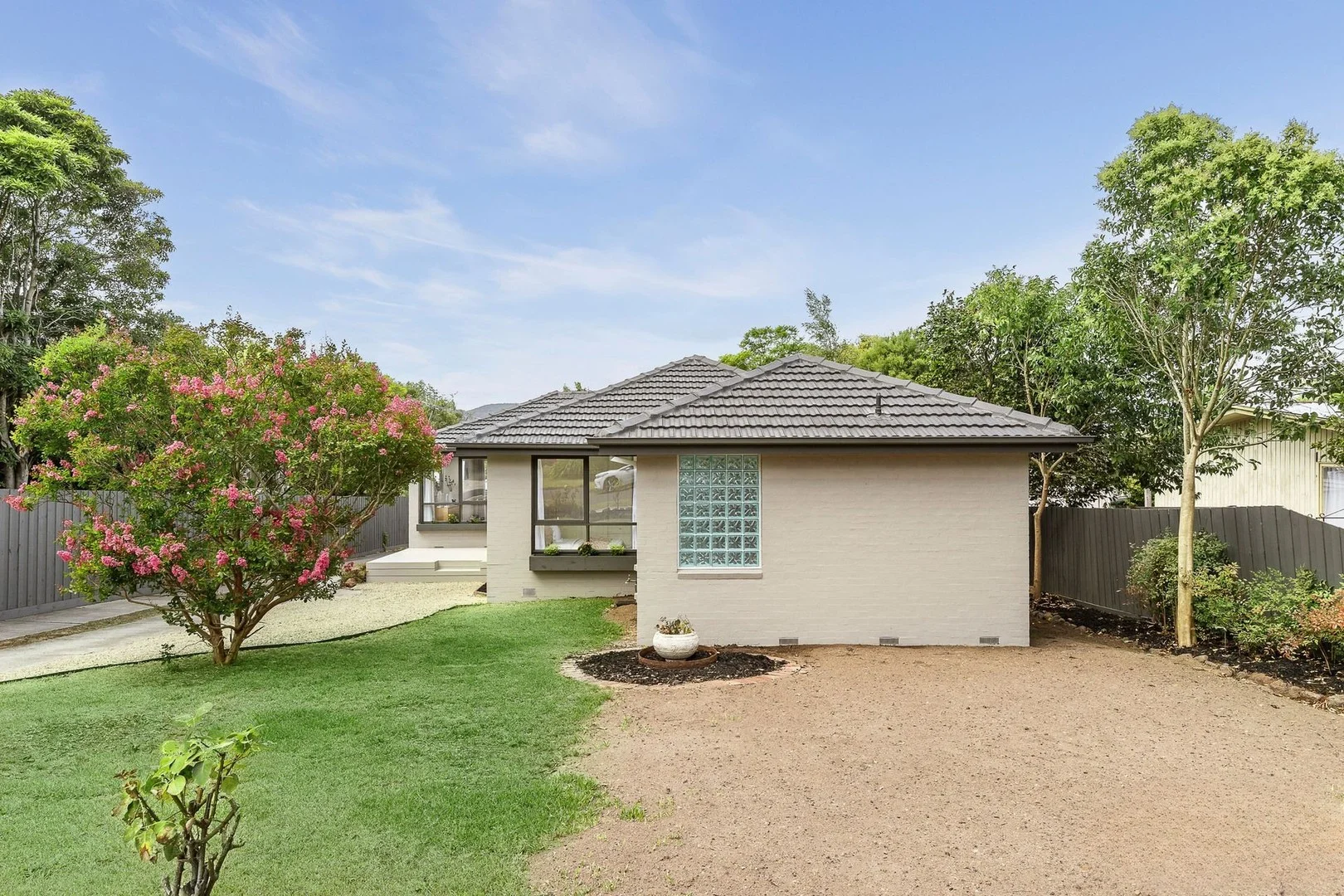 $700
Apartment / Unit / Flat
$700
Apartment / Unit / Flat