## Overview
Independent, co-educational day school with a strong Melbourne presence. The Glen Waverley campus offers a medium-sized school community that focuses on close student-teacher relationships and a balanced approach to academics and personal growth. Typical class sizes are in the low-to-mid 20s, fostering interaction and individual attention. The atmosphere tends to be nurturing and academically oriented, while also valuing inclusivity, sport, and clubs that help students develop diverse interests.
⸻
## Academics & Learning
- Academic strengths: balanced emphasis across literacy and numeracy, with robust STEM and languages programs, plus opportunities for leadership development.
- Special programs: established pathways for gifted and talented students and accelerated learning options; strong co-curricular support to extend learning beyond the classroom.
- NAPLAN / trend: consistent year-on-year improvement in literacy and numeracy, with results generally tracking above state averages over time.
- Student-teacher ratios: small-to-medium class sizes, enabling regular teacher contact and targeted feedback.
- Support for diverse learners: dedicated EAL support and inclusive education practices; access to SEN services and learning support as needed.
⸻
## Sports & Extracurricular Strengths
- Sports offered: broad program including cricket, football (soccer), basketball, tennis, swimming, athletics, and cross-country.
- Strong teams or achievements: competitive interschool programs with representative teams and annual school-level championships across multiple sports.
- Music, arts, drama programs: active performing arts scene with ensembles, choirs, and theatre productions; regular showcases and productions.
- Clubs: robotics, chess, coding, debating, and other academic or interest-based clubs available to students.
- Partnerships: participation in local interschool events and competitions, alongside collaborations with nearby arts and sports groups to broaden opportunities.
⸻
## Wellbeing & Pastoral Care
- Anti-bullying approach: clear codes of conduct and proactive programs that promote respect, empathy, and safe digital citizenship.
- House system: a house-based framework to build leadership, mentorship, and belonging through friendly competition.
- Counsellors / wellbeing officers: dedicated staff supporting student mental health, resilience, and transition periods.
- Transition support for new students: orientation programs, buddy systems, and gradual onboarding to help new students settle in.
⸻
## Facilities
- Sports grounds
- Libraries
- Science labs
- Music/performing arts centres
- Tech/innovation labs
- Cafeteria
- Updated playgrounds
⸻
## School Values & Community Culture
- School values / mission: a focus on respect, integrity, excellence, and inclusivity; emphasis on holistic development.
- Leadership style: collaborative and student-centered, with opportunities for student voice and leadership roles.
- Behaviour expectations: high standards upheld through consistent routines, positive reinforcement, and clear consequences.
- Community reputation: supportive, engaged parent community; emphasis on inclusivity and strong pastoral care.
- Diversity & inclusion: commitment to welcoming students from varied backgrounds and ensuring equitable access to opportunities.
⸻
## School Logistics & Daily Operations
- School hours: typical day runs mid-morning to mid-afternoon with structured break times; before/after school care available.
- Before/after school care: available to families needing extended supervision.
- Uniform requirements: formal school uniform with designated daily and sports attire.
- Transport (train/bus routes): accessible by public transport with nearby bus routes and proximity to local train services; school-run transport options may be available in some cases.
- Canteen availability: canteen or cafe services on site for lunches and snacks.
- Fees (low/medium/high ranges): fees fall in the mid-to-high range for independent schools in the region; exact figures vary by year level and program.
⸻
## Enrolment & Admissions
11. What is the enrolment process and timeline?
- Typical process includes submitting an application, followed by an eligibility check, one or more information sessions, and an interview or assessment where appropriate. Application timelines often align with term starts, with some intake windows for February and mid-year entries. Families should contact the admissions office for a current timeline and required documentation.
12. Is there a waiting list, and how does it work?
- There can be a waiting list when enrolments reach capacity. Priorities may include siblings of current students and local catchment considerations. The school will provide details on how to join and how waiting lists are managed, including how updates are communicated.
13. Are there any entry requirements, tests, or interviews?
- Entry typically involves an interview or information session, and may include recommendations or references, along with a review of prior school reports. Some year levels may have short assessments to understand mathematical and literacy readiness.
14. Does the school accept mid-year transfers?
- Mid-year transfers may be possible depending on space and the receiving year level. Prospective families should inquire early to understand availability, curriculum alignment, and required documentation.
⸻
## Frequently Ask Questions
- Why Parents Choose This School?
- A strong sense of community, balanced academics, and supportive pastoral care; opportunities to grow in leadership, sport, arts, and technology within a welcoming environment.
- What type of student thrives at this school?
- Curious, motivated students who value a well-rounded program, collaborative learning, and opportunities to lead and contribute to a diverse school community.
- What opportunities are available for students to extend their skills (academics, sports, arts)?
- Gifted and talented pathways, accelerated learning options, extensive sports programs, performing arts ensembles, theatre productions, robotics and coding clubs, and debating teams.
- How does the school communicate with parents?
- Regular newsletters, a parent portal or online communication platform, emails, and parent-teacher meetings; proactive channels for timely updates on student progress and school events.
- What is the school’s approach to teaching and learning?
- Student-centered, differentiated instruction with an emphasis on critical thinking, collaboration, and the integration of technology to support learning.
- How does the school support students who need extra academic help?
- Targeted learning support, EAL assistance, SEN services, tutoring options, and ongoing assessment to tailor interventions.
- What support is available for academic challenges?
- Access to learning support staff, small-group or one-on-one tutoring, and adjustments or accommodations as needed to help students succeed.
- How does the school communicate with parents?
- See above: regular, multi-channel updates and opportunities for input through events and meetings.
- What are the class sizes and how much individual attention do students receive?
- Class sizes are typically in the low-to-mid 20s, with opportunities for individual feedback and targeted teacher support.
- What extracurricular and sports opportunities are available?
- A broad range of sports (including team and individual options), music ensembles, theatre, robotics, coding, debating, and other clubs tailored to student interests.
- What facilities does the school offer (sports, science, arts)?
- Comprehensive facilities including sports grounds, libraries, science labs, music/performing arts centres, tech/innovation labs, a canteen, and updated playgrounds.
- What is the school’s approach to technology and digital learning?
- Integrated digital learning across curricula with appropriate devices, resources, and teacher-supported technology use to enhance understanding and collaboration.
- What transport and accessibility options are available?
- Access to public transport options such as nearby bus routes and train services; some schools offer additional transport arrangements or suggestions to families.
- What are the typical school fees or additional costs?
- Fees are in the mid-to-high range for independent schools in the area; families should request the current fee schedule to understand tuition, uniforms, camps, and other incidental costs.
⸻
## Short Pros & Cons list
- Pros
- Strong sense of community and supportive staff
- Balanced academic program with broad extracurriculars
- Inclusive culture with focus on wellbeing and leadership
- Wide range of clubs and facilities to develop diverse talents
- Cons
- Tuition and related costs can be higher than public options
- Admissions can be competitive, with limited spaces at peak entry points
- Travel times may be longer for families living outside the immediate area
- Some facilities and programs may be concentrated in specific year levels or campuses

 $390+
$390+













 $770,000 - $820,000
Apartment / Unit / Flat
$770,000 - $820,000
Apartment / Unit / Flat
 $1,200,000
House
$1,200,000
House
 $2,550,000
House
$2,550,000
House
 $2,000,000
House
$2,000,000
House
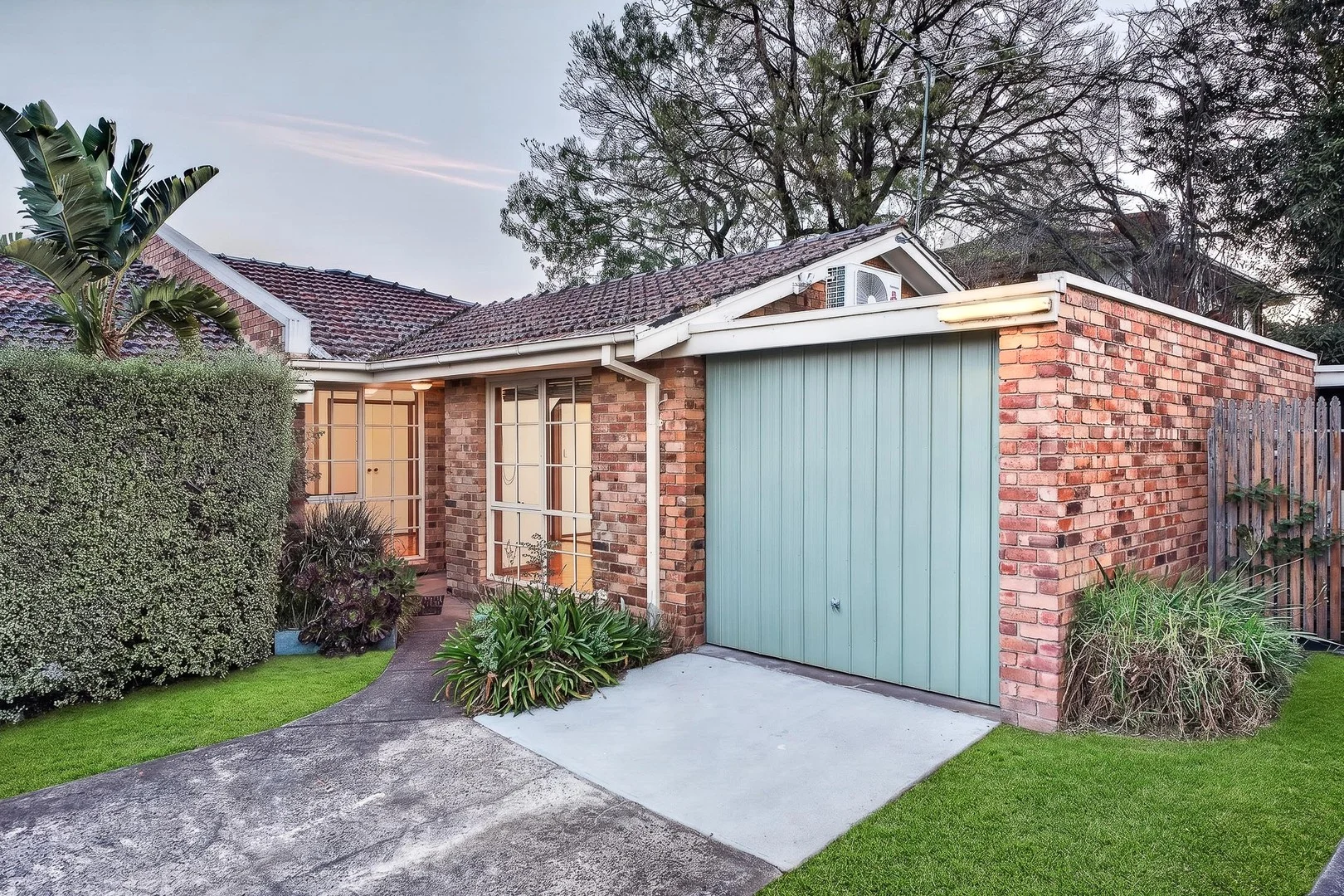 $765,000 - $825,000
Apartment / Unit / Flat
$765,000 - $825,000
Apartment / Unit / Flat
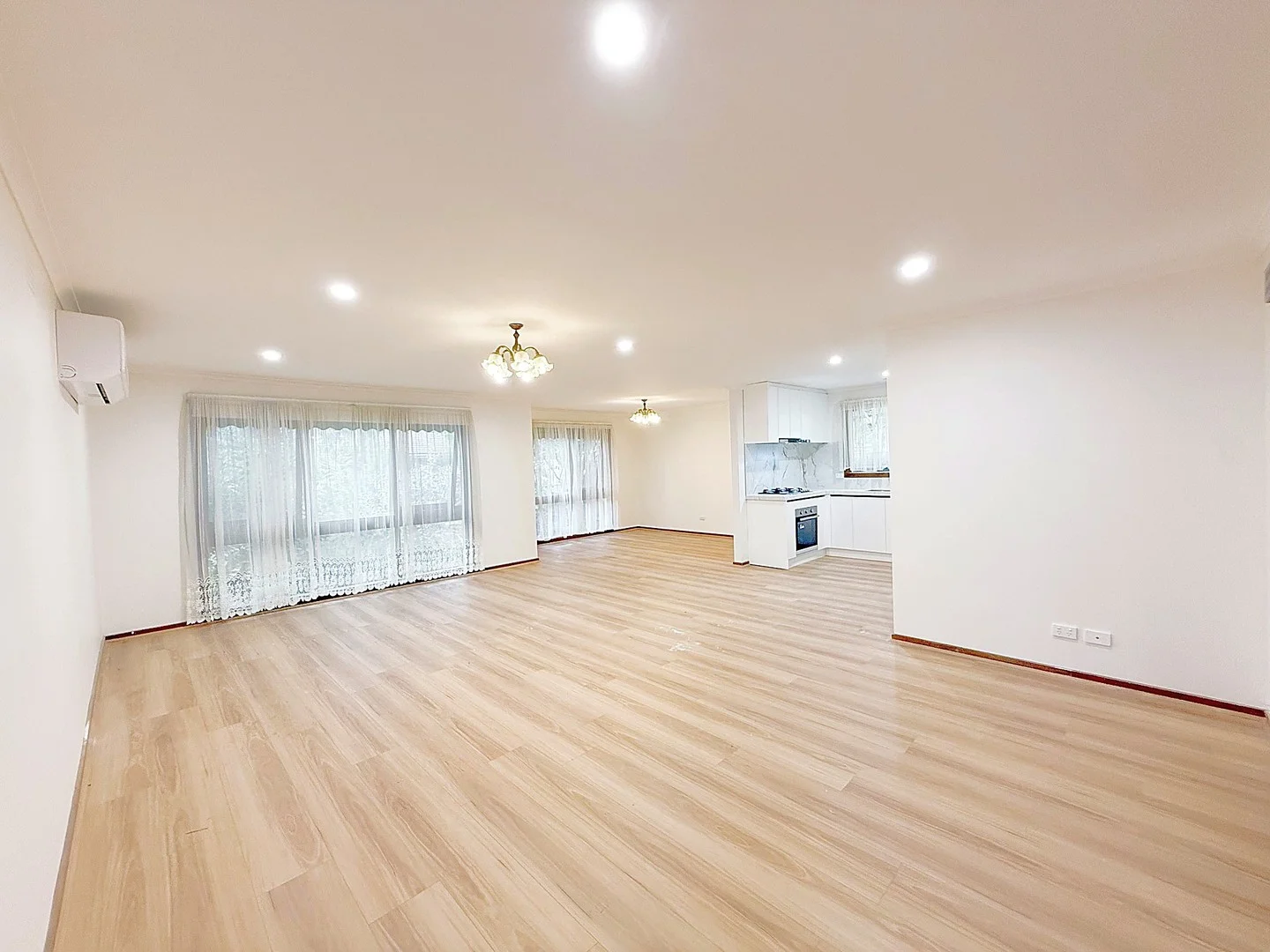 $1,100
House
$1,100
House
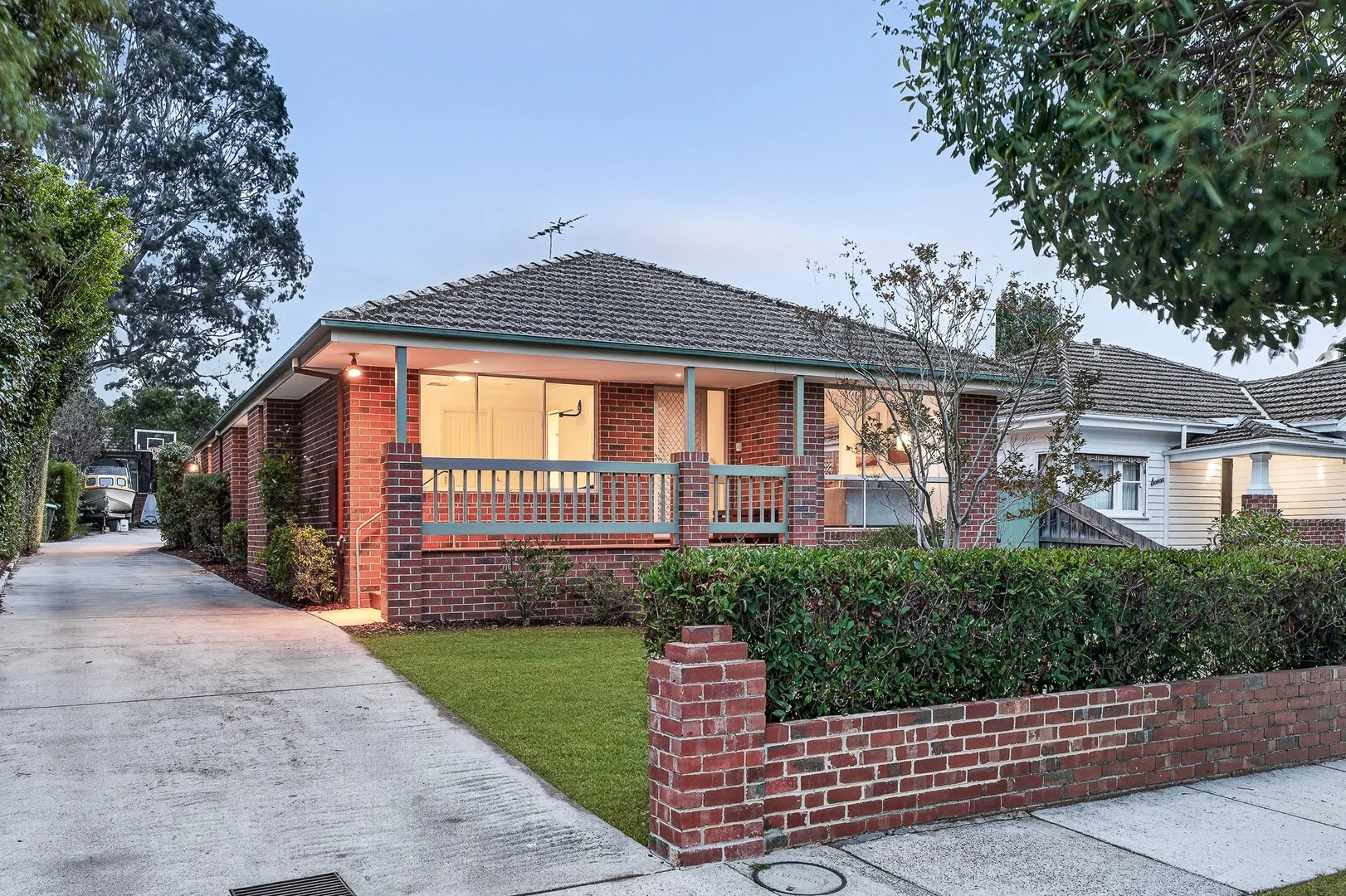 $1,200,000 - $1,300,000
House
$1,200,000 - $1,300,000
House
 $630,000 - $680,000
Apartment / Unit / Flat
$630,000 - $680,000
Apartment / Unit / Flat
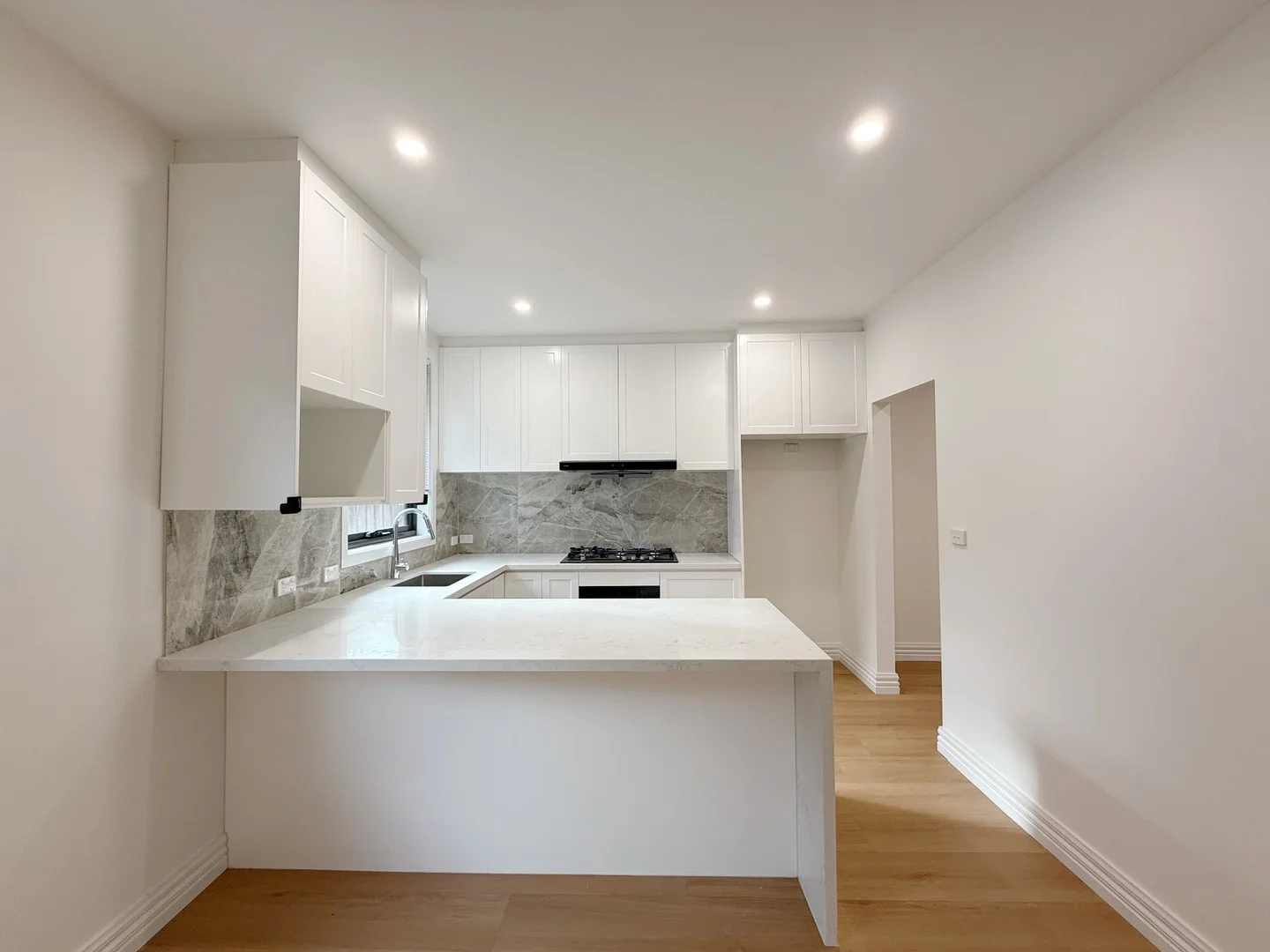 $1,280
House
$1,280
House


