Overview
# 1. Overview
St Columba's Catholic Primary School is a Catholic primary school in South Perth, offering a faith-centered, values-based learning community for families seeking a nurturing educational environment. The school emphasises both academic growth and spiritual development within a warm, inclusive setting.
The school is medium-sized, with class sizes typically around 20–25 students. The atmosphere is generally described as nurturing and inclusive, supporting students to develop academically while growing in character and community.
⸻
# 2. Academics & Learning
- Academic strengths: English literacy and numeracy are core priorities, with a focus on building strong reading, writing, and mathematical skills alongside religious education that supports character formation. Leadership and personal development are embedded across the curriculum.
- Special programs: Catholic faith formation and sacramental preparation are integral, with opportunities for differentiated learning and targeted support for students who need it. Gifted/talented provisions may be available where appropriate.
- NAPLAN / trends: WA Catholic schools typically monitor NAPLAN results to track progress in literacy and numeracy and set yearly targets. Expect to see a focus on continuous improvement and close alignment with student growth over time.
- Student-teacher ratios: Class sizes are designed to be manageable for individual attention, commonly around 1:20 or similar in primary settings.
- Support for diverse learners: EAL support and learning assistance plans are commonly available, with pathways for students requiring additional academic or behavioural support, alongside referrals to appropriate support services as needed.
⸻
# 3. Sports & Extracurricular Strengths
- Sports offered: A range of team and individual sports typical for primary schools, including basketball, soccer, cricket, netball, and AFL-influenced activities, with opportunities to participate in inter-school events.
- Strong teams or achievements: The school often participates in inter-school competitions and showcases teamwork and effort across sports seasons.
- Music, arts, drama programs: Active music and performing arts opportunities, including choir or instrumental activities and opportunities to present performances.
- Clubs: Robotics, coding, chess, debating, and other STEM/academic clubs commonly run to support enrichment and strategic thinking.
- Partnerships: Connections with local clubs, community organisations, and regional competitions help broaden opportunities beyond the classroom.
⸻
# 4. Wellbeing & Pastoral Care
- Anti-bullying approach: A positive behaviour framework underpins student interaction, with restorative practices and clear anti-bullying policies.
- House system: A house-based structure promotes teamwork, belonging, and healthy competition across year levels.
- Counsellors / wellbeing officers: Access to wellbeing staff or school counsellors supports student social-emotional growth.
- Transition support for new students: Beginner-friendly induction, buddy systems, and targeted orientation assist new entrants settling in smoothly.
⸻
# 5. Facilities
- Sports grounds: Outdoor spaces suitable for physical education and games.
- Libraries: A library supporting reading, research, and quiet study.
- Science labs: Primary-level science facilities to support hands-on exploration.
- Music/performing arts centers: Dedicated spaces for music, drama, and performances.
- Tech/innovation labs: Learning spaces for coding, digital projects, and STEM activities.
- Cafeteria: On-site food service or canteen options.
- Updated playgrounds: Play areas designed for active, safe recreation and learning outside the classroom.
⸻
# 6. School Values & Community Culture
- School values / mission: A Catholic worldview central to daily life, emphasising respect, responsibility, compassion, and service.
- Leadership style: A collaborative leadership approach that involves staff, families, and students in setting a positive, inclusive culture.
- Behaviour expectations: Clear standards for respectful behaviour, personal accountability, and constructive peer interactions.
- Community reputation: Typically regarded as a welcoming, faith-filled community with engaged families and supportive staff.
- Diversity & inclusion: Focus on welcoming families from varied backgrounds and ensuring access to learning supports and inclusive practices.
⸻
# 7. School Logistics & Daily Operations
- School hours: Operates during standard school hours for primary education; daily schedule includes lessons, breaks, and structured activities.
- Before/after school care: Usually available or offered through on-site or nearby providers; check specific arrangements with the school.
- Uniform requirements: Uniform dress code is standard, with seasonal options and clear guidelines for daily wear.
- Transport (train/bus routes): South Perth area is well-served by public transport; the school can provide information about local bus routes and accessibility.
- Canteen availability: Canteen or food service is typically available, with a menu of healthy options.
- Fees (low/medium/high ranges): Fees tend to be mid-range for WA Catholic primary schools; exact costs vary by year level and family circumstances—confirm current schedules with the school.
⸻
# 8. Enrolment & Admissions
11. What is the enrolment process and timeline?
- Parents typically submit an expression of interest or application, provide required documentation (birth certificate, immunisation records, family details, and any requested Catholic baptism information), and complete any school-specific forms. The timeline often includes an information session, family interview or meeting with leadership, and a decision window prior to the start of the new school year.
12. Is there a waiting list, and how does it work?
- If the year level is full, a waiting list is commonly maintained. Applicants are usually placed on the list in order of date of application and may be offered places as spots become available, with consideration given to maintaining balance across year groups.
13. Are there any entry requirements, tests, or interviews?
- Entry typically involves confirmation of Catholic faith or agreement to participate in the school’s faith-based program, along with the standard interview or meeting process. Some schools offer a short information session or tour for prospective families.
14. Does the school accept mid-year transfers?
- Mid-year transfers are often possible subject to space availability, with a transition plan to support the student’s adjustment, including meeting with teachers, a provisional timetable, and access to learning supports as needed.
⸻
# 9. Frequently Asked Questions
- Why Parents Choose This School?
- A values-driven Catholic education in a supportive, close-knit community with strong emphasis on faith, character, and academic growth.
- What type of student thrives at this school?
- Students who respond well to a nurturing environment, proactive pastoral support, and a balanced focus on academics, faith, and community.
- What opportunities are available for students to extend their skills (academics, sports, arts)?
- Enrichment in literacy and numeracy, leadership development, sports teams, music/arts programs, and clubs such as robotics, coding, and chess.
- How does the school communicate with parents?
- Regular updates through newsletters, parent-teacher meetings, digital portals, and formal reporting on student progress.
- What is the school’s approach to teaching and learning?
- A holistic approach combining strong literacy and numeracy with faith formation, inclusive practices, and differentiated learning to meet diverse needs.
- How does the school support students who need extra academic help?
- Targeted learning support, EAL assistance, and access to specialists or referral pathways as appropriate.
- What support is available for academic challenges?
- Early intervention, ongoing progress monitoring, and collaborative planning between teachers, specialists, and families.
- How does the school communicate with parents? (Repeated)
- See above: newsletters, meetings, portals, and progress reports.
- What are the class sizes and how much individual attention do students receive?
- Class sizes are designed to be conducive to individual support, typically around 20–25 students, with targeted teacher attention to each child.
- What extracurricular and sports opportunities are available?
- A range of sports, music/arts, and clubs such as robotics, coding, chess, and debating, plus inter-school events.
- What facilities does the school offer (sports, science, arts)?
- Modern facilities including sports grounds, library, science labs, music/performing arts spaces, technology/innovation labs, and a canteen.
- What is the school’s approach to technology and digital learning?
- Integration of age-appropriate digital literacy, coding, and safe use of technology across the curriculum.
- What transport and accessibility options are available?
- Access to local bus routes and public transport; information on school pickup/drop-off and accessibility can be provided by the school.
- What are the typical school fees or additional costs?
- Fees are generally mid-range for WA Catholic primary schools; exact costs vary by year level and family circumstances—confirm current figures with the school.
⸻
# 10. Short Pros & Cons list
- Pros
- Faith-based, nurturing environment with a strong sense of community
- Focus on literacy and numeracy alongside character development
- Active wellbeing support and pastoral care
- Range of enrichment activities (sports, arts, clubs)
- Moderate class sizes enabling individual attention
- Cons
- As with many Catholic schools, there may be a religious commitment expected of participating families
- Fees are not free and can vary by year level and programs
- Availability of certain clubs or programs may depend on year level or staffing
⸻










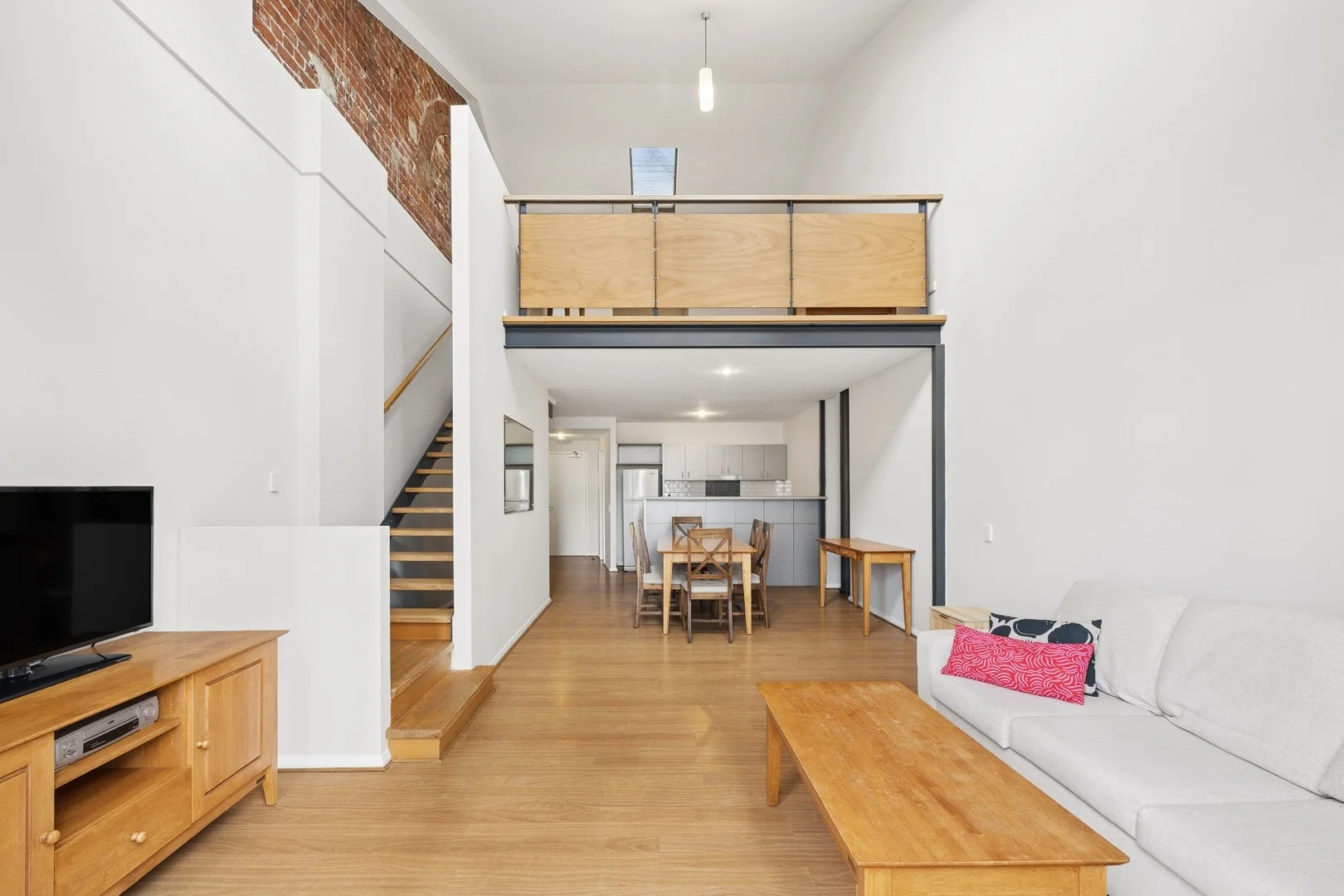 $549,000
Apartment / Unit / Flat
$549,000
Apartment / Unit / Flat
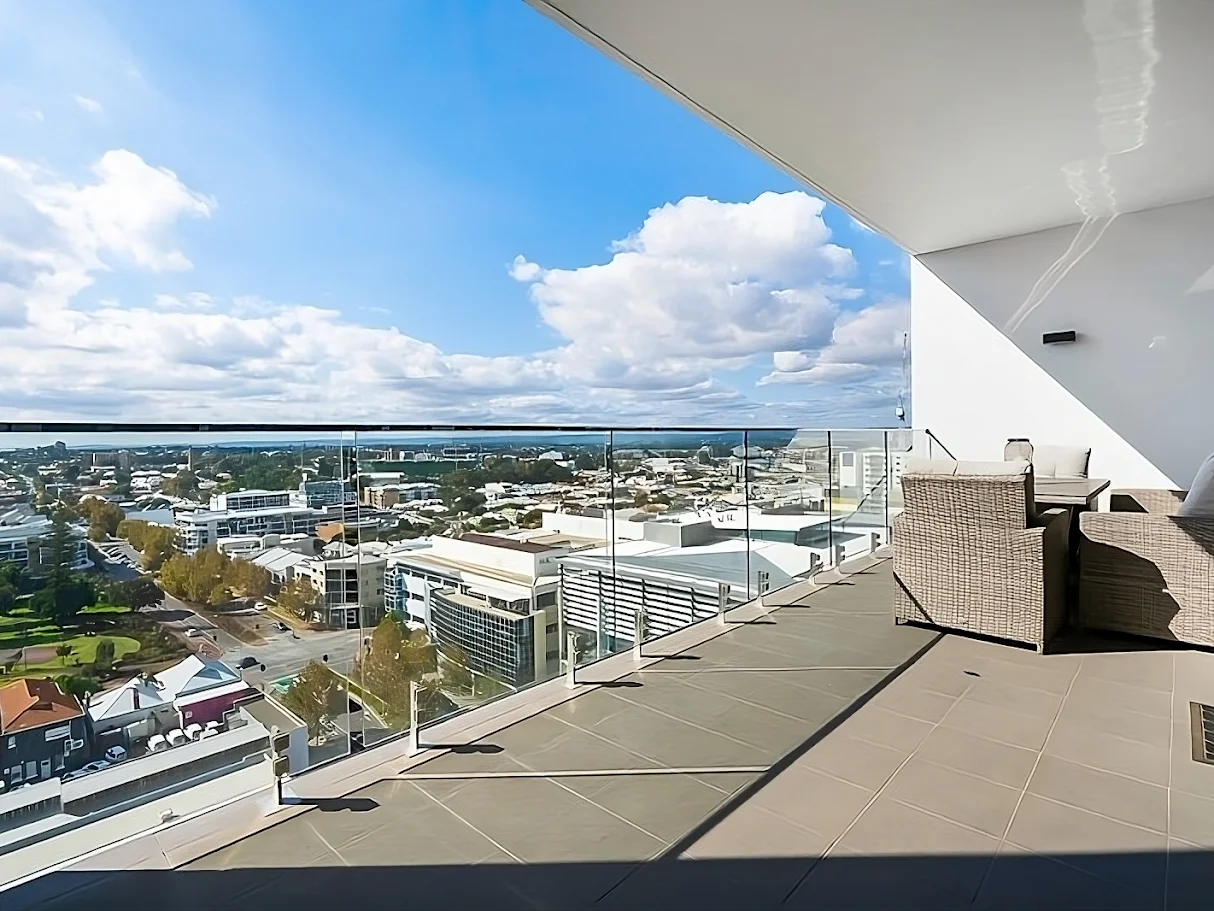 $580,000
Apartment / Unit / Flat
$580,000
Apartment / Unit / Flat
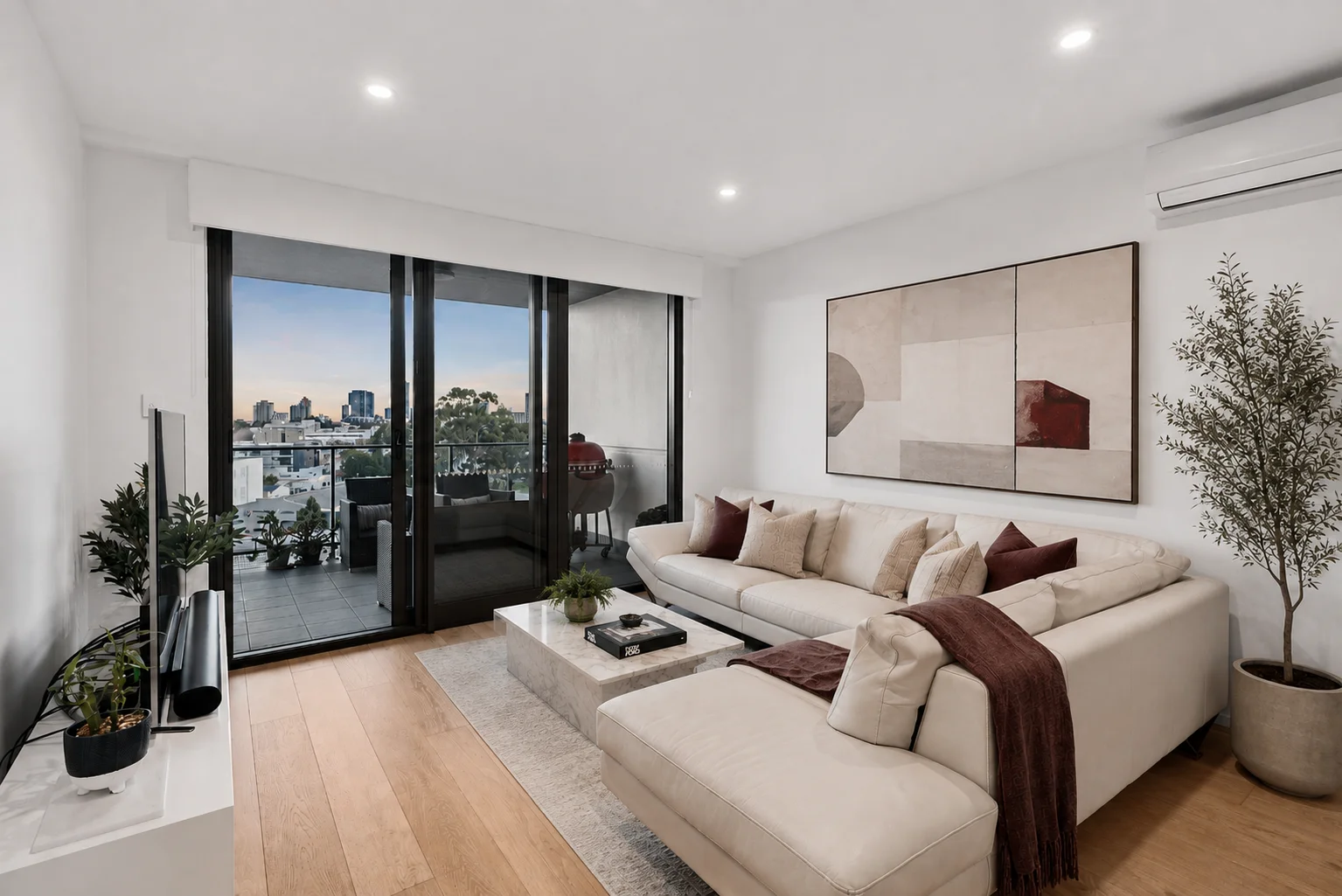 $700,000
Apartment / Unit / Flat
$700,000
Apartment / Unit / Flat
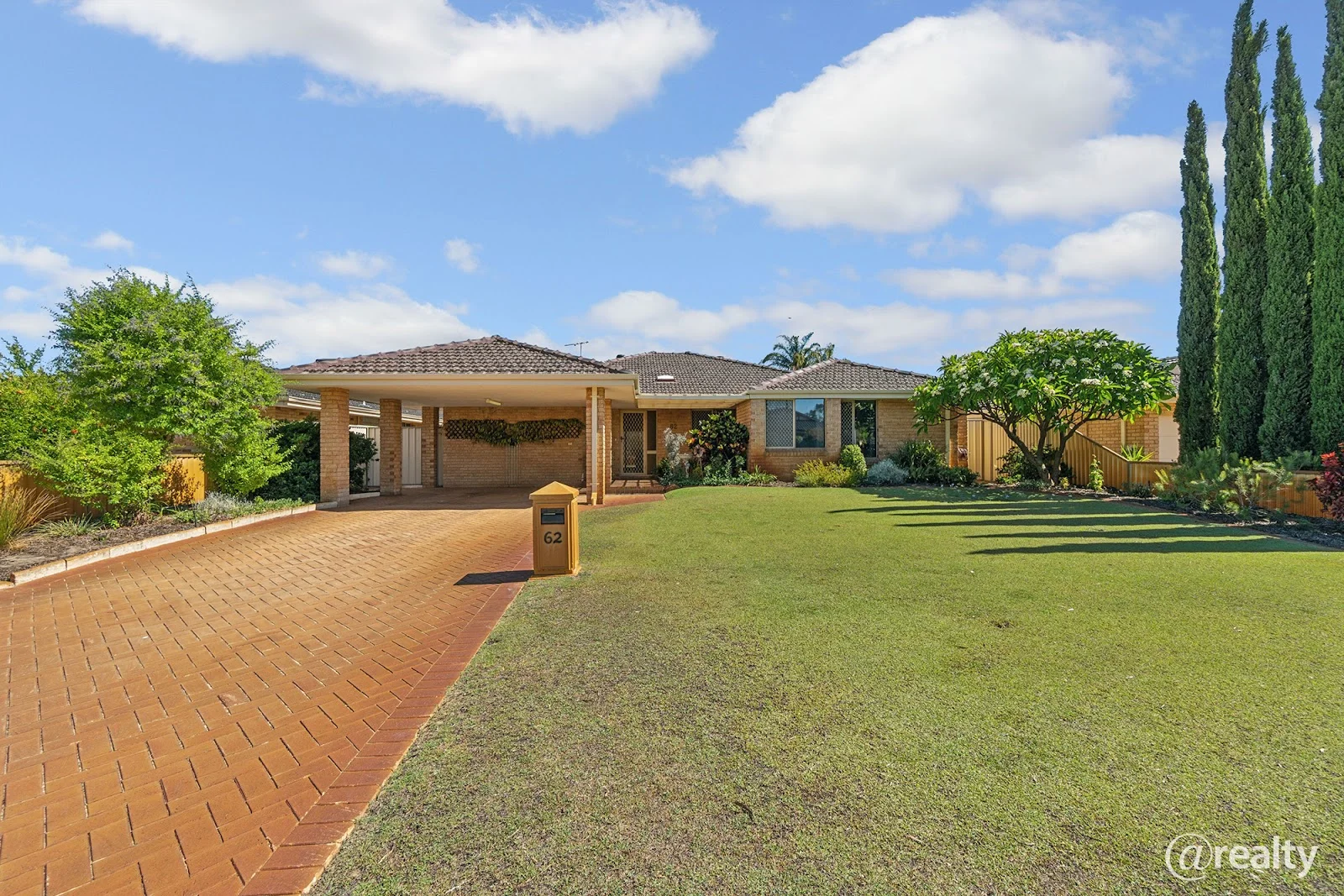 $1,099,000 - $1,153,950
House
$1,099,000 - $1,153,950
House
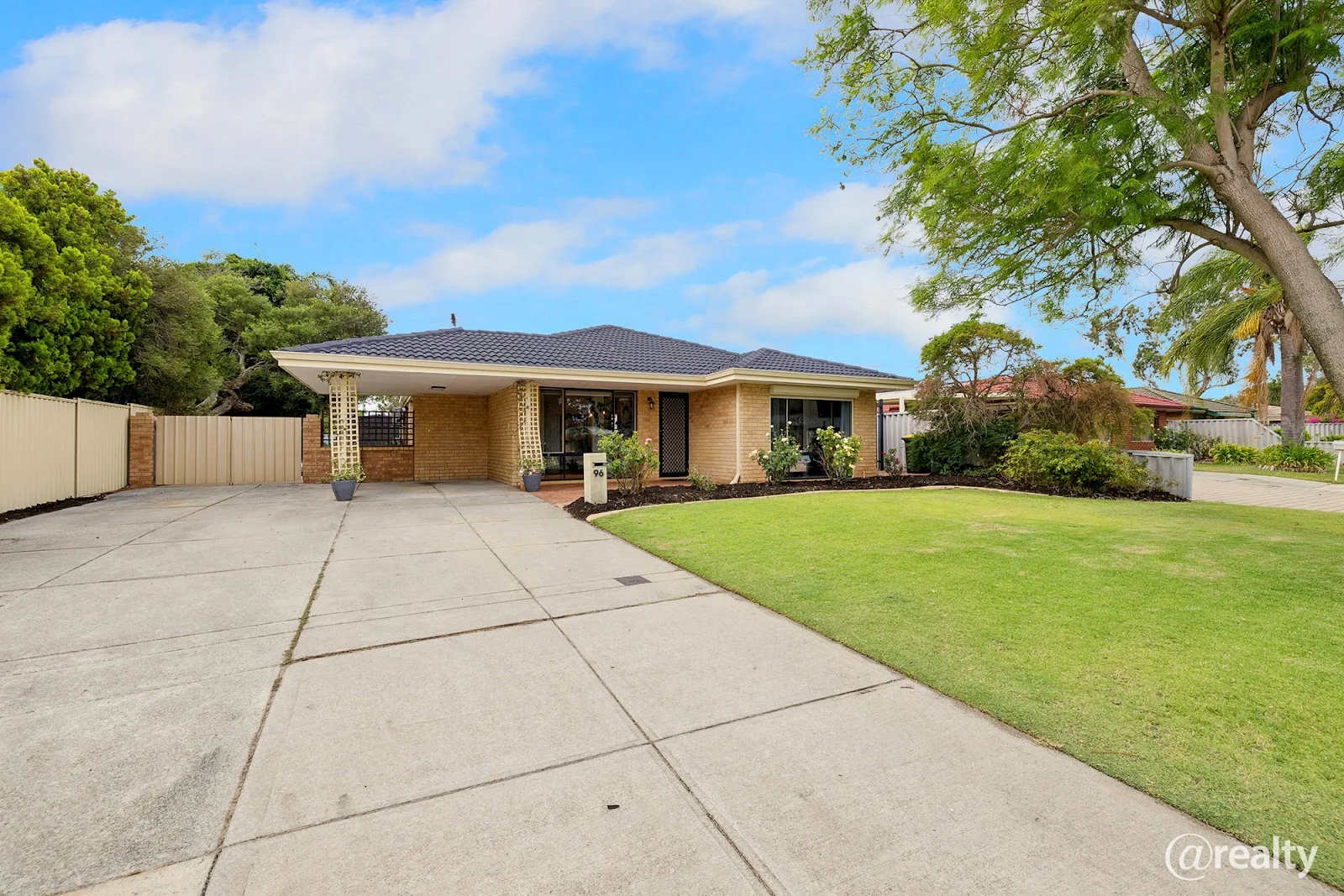 $899,000 - $943,950
House
$899,000 - $943,950
House